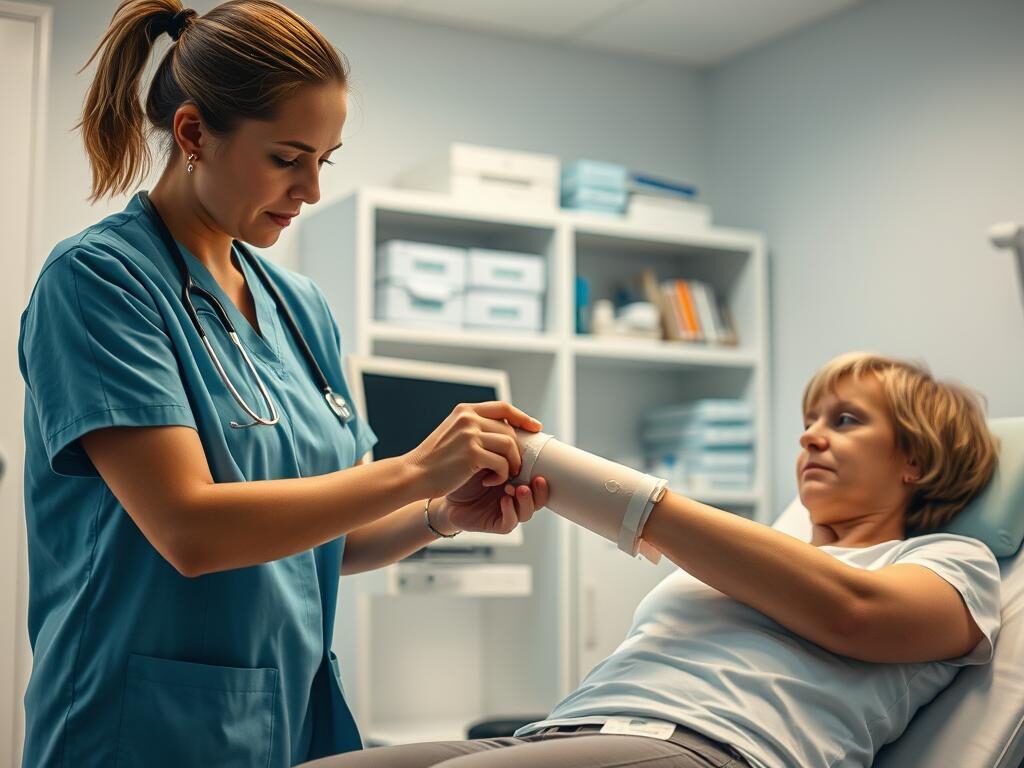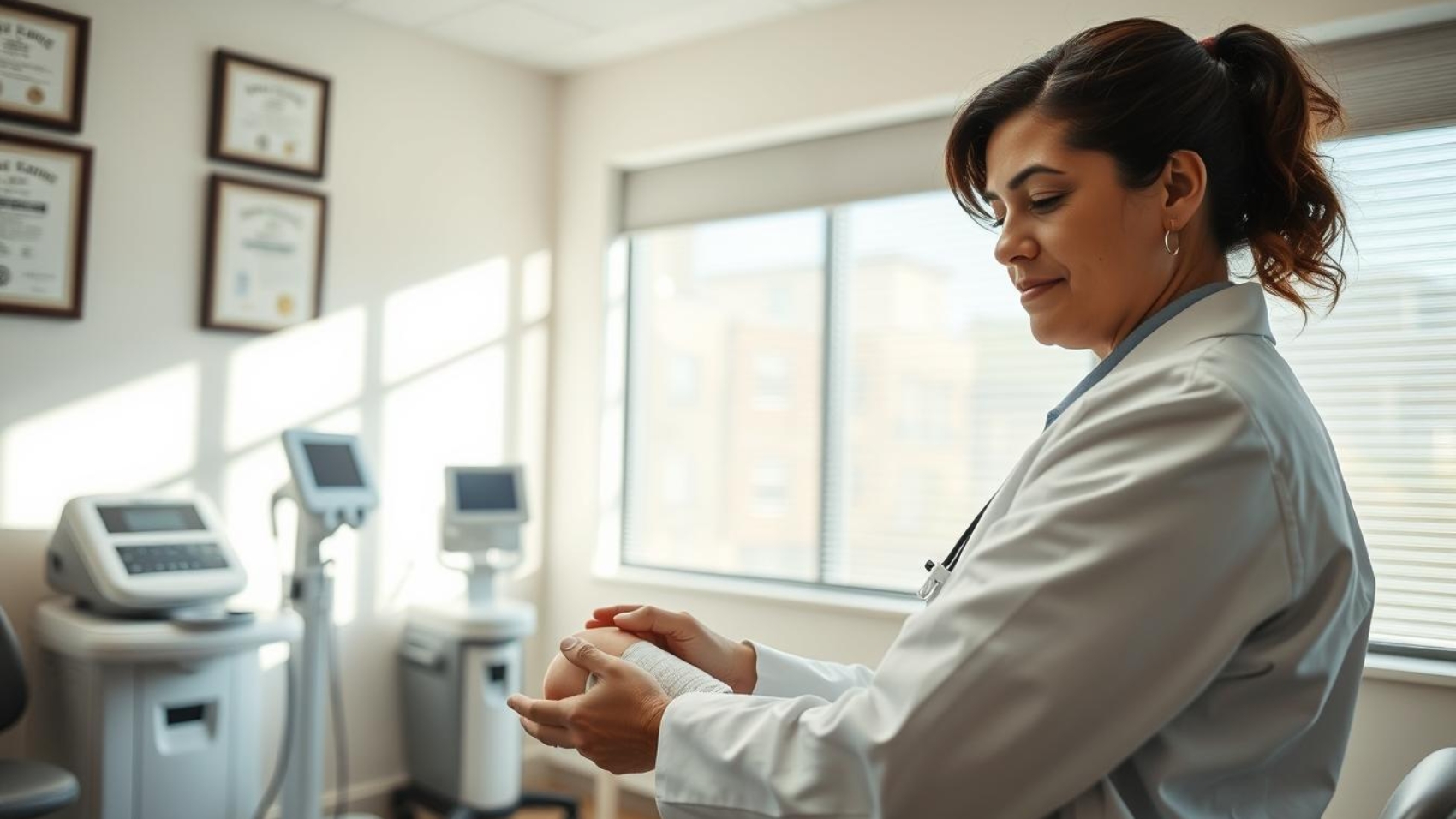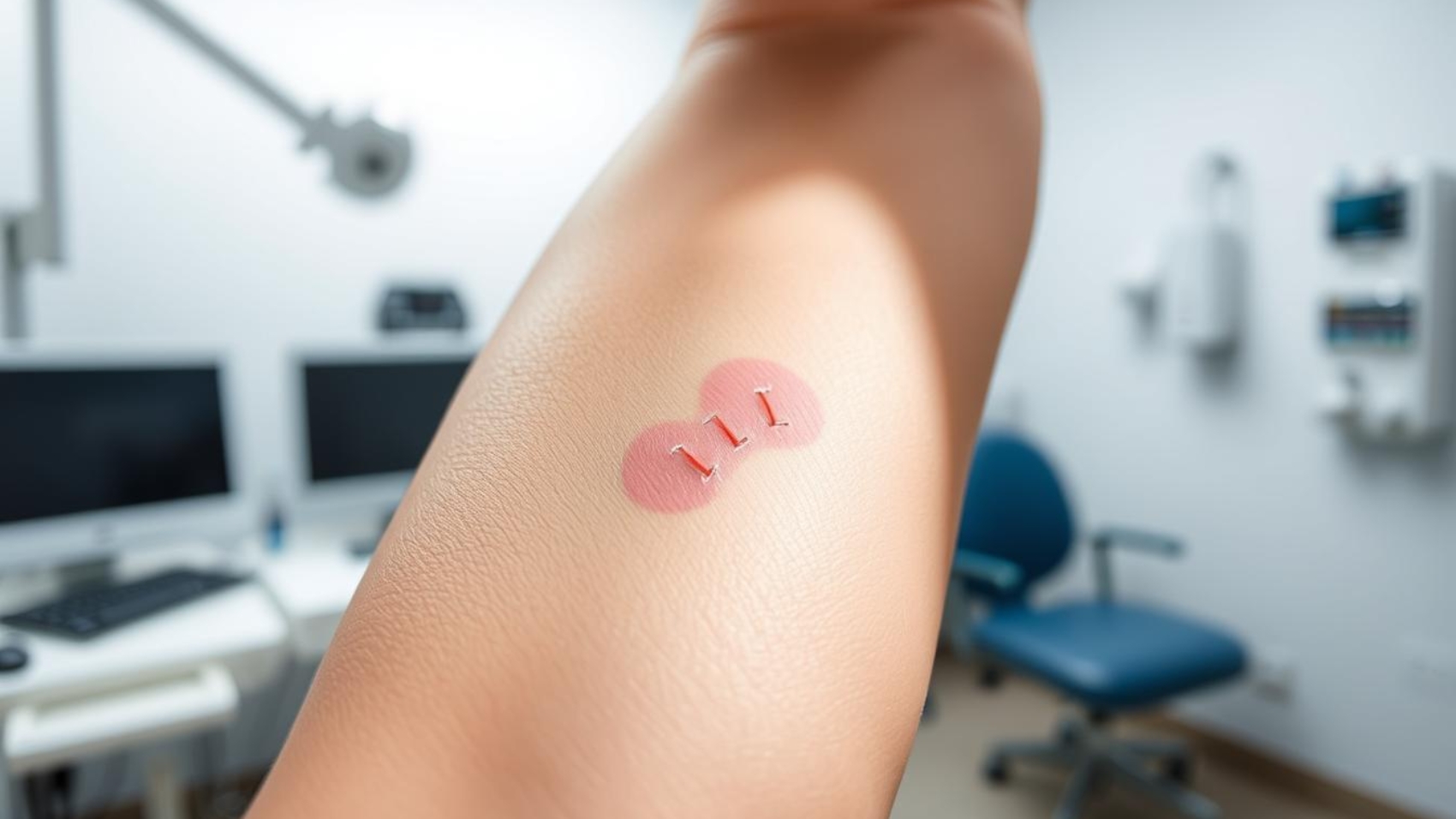
home wound care in San Antonio

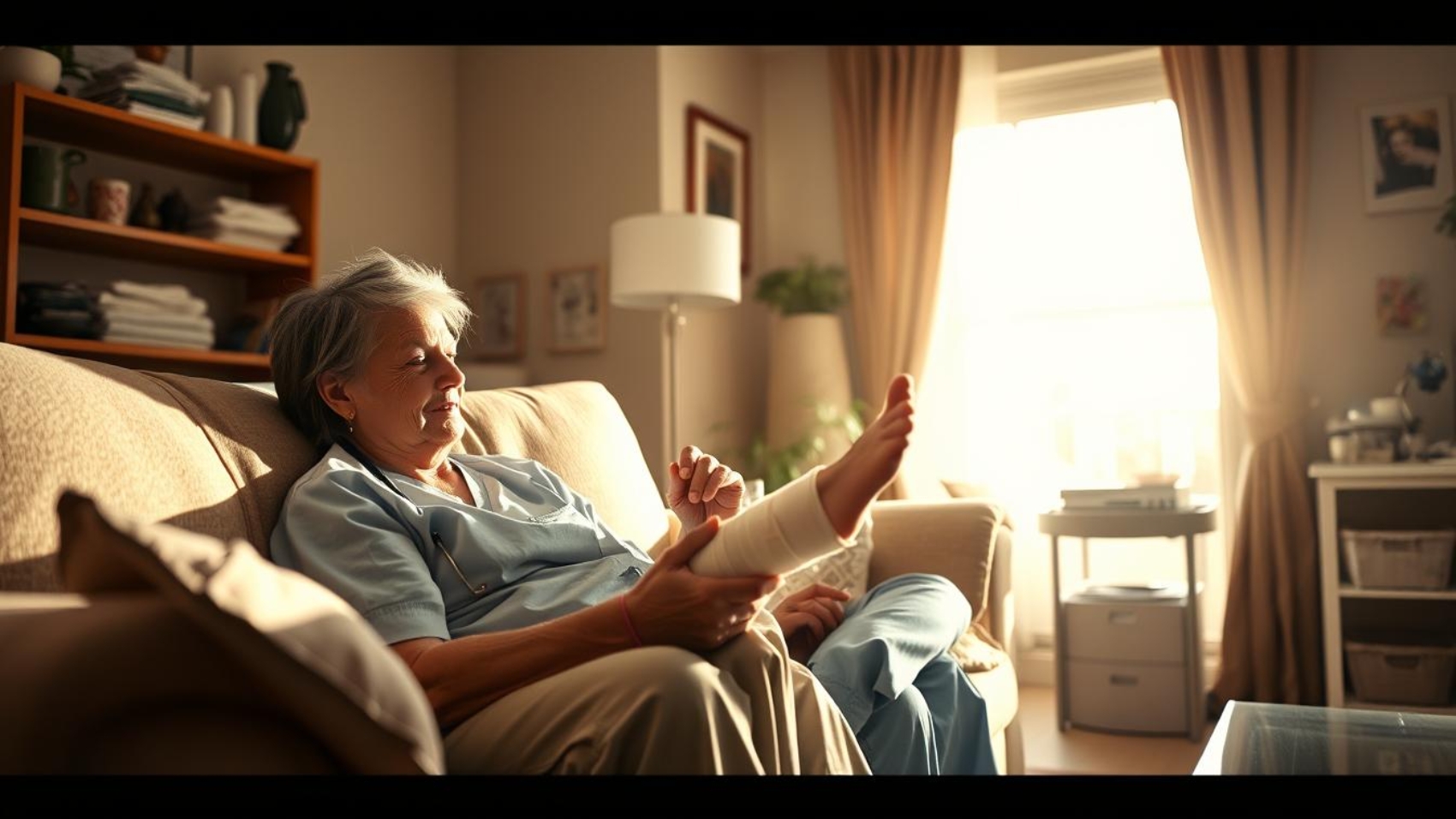
Why More San Antonio Patients Are Choosing In-Home Wound Care

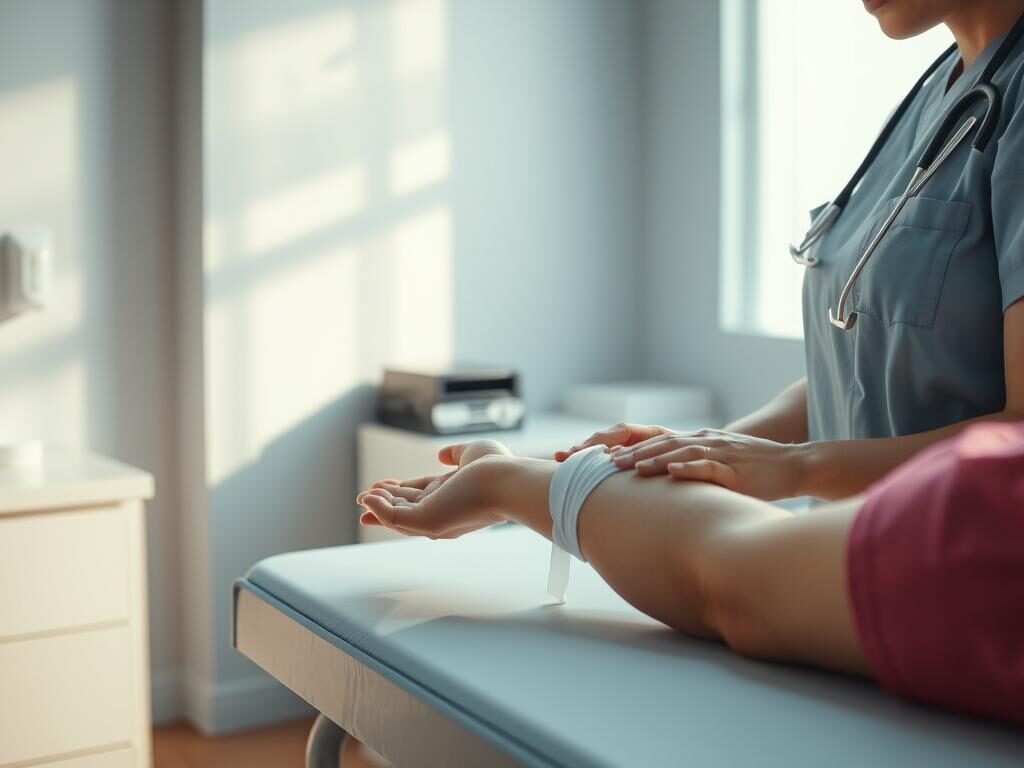
Dominion Mobile Wound Care brings clinical oversight to the place patients prefer most. This mobile model delivers thorough assessment, cleansing, dressing changes, and infection monitoring with a focus on safety and comfort.

The local team works with physicians and insurers to keep treatment plans on track. Many major plans accept visits, which helps reduce trips to clinics and lowers exposure to healthcare-associated infections.

Patients report smoother recovery thanks to frequent progress checks and tailored pain management. The approach supports chronic lesion management, prevention education, and timely adjustments without disrupting daily routines.

To arrange a first visit or learn how the process works, readers are invited to hire Dominion Mobile Wound Care for coordinated, patient-centered support that emphasizes quality and results.

Key Takeaways

  • Mobile visits bring medical oversight and comfort to the patient’s residence.
  • Coordination with providers and insurers improves continuity.
  • Frequent checks enable timely treatment adjustments.
  • Services range from routine dressing changes to chronic management.
  • Dominion Mobile Wound Care offers local, quality-focused support.

Why San Antonio Patients Are Moving to In‑Home Wound Care

Patients increasingly select on-site services to reduce travel, lower exposure risk, and speed recovery. Bringing expert assessment, irrigation, dressing changes, and infection monitoring to a residence removes many repeated clinic trips and saves time.

Close observation lets clinicians adjust treatment quickly. Frequent visits support faster healing and reduce complications by spotting changes early. Coordination with a patient’s physicians keeps plans aligned with medications and other conditions.

Practical advantages include less travel fatigue, tailored guidance for daily routines, and reduced exposure to high-traffic facilities that can raise infection risk.

Key benefits at a glance

  • Fewer trips and better convenience for patients with mobility limits.
  • Lower exposure to infection while enabling timely treatment adjustments.
  • Personalized support that helps maintain steady progress toward recovery.

For coordinated, patient-focused support, hire Dominion Mobile Wound Care to help heal their wounds.

Home wound care in San Antonio: Local, specialized care where patients heal best

Local specialists deliver tailored, clinic-level treatments directly where patients rest and recover. This approach suits people who have limited mobility or chronic conditions that make travel hard. It also helps those who need frequent visits for reliable progress.

Who benefits from in‑home wound care services

Patients managing postoperative incisions, diabetic foot ulcers, pressure injuries, venous leg ulcers, traumatic lacerations, or fragile skin gain clear advantages. Regular visits reduce delays and support consistent adherence to offloading, compression, and nutrition guidance.

Common wound types and complications addressed in the home

Clinicians assess size, depth, tissue type, and exudate to guide treatments. They provide cleansing, irrigation, dressing changes, infection monitoring, and prevention education. Coordination with physicians keeps treatment aligned with diabetes, vascular issues, or neuropathy.

  • Targeted dressings for moisture balance and protection
  • Early identification of pressure, friction, or edema
  • Clear documentation to track healing and prevent complications

Hire Dominion Mobile Wound Care to bring specialized support and help heal their wounds.

Comprehensive In‑Home Wound Care Services Offered by Dominion Mobile Wound Care

Dominion Mobile Wound Care offers a full suite of in‑home services designed to evaluate and treat complex skin conditions at the bedside. The program blends structured assessment, hands‑on treatments, and close monitoring to support steady healing.

Assessment and evaluation

Clinicians document size, tissue type, drainage, and periwound condition to tailor treatments and track progress with clinical precision.

Cleansing, irrigation, and dressing changes

Evidence‑informed cleansing and irrigation reduce bioburden. Dressing protocols balance moisture and protection between visits.

Infection monitoring and chronic management

Regular checks flag early signs of infection such as increased pain, redness, warmth, or odor so prompt treatment can begin.

Management plans address chronic issues with offloading, compression, and skin protection strategies when needed.

Pain, education, and collaboration

Pain strategies match each patient’s goals to support mobility and recovery. Education equips patients and family to recognize warning signs and follow safe daily routines.

The dedicated team coordinates with physicians and specialists to integrate medication changes, imaging, or referrals quickly.

Hire Dominion Mobile Wound Care to bring experienced wound care specialists and reliable services that help speed healing and protect quality of life.

Benefits Patients Value Today: Comfort, Quality, and Faster Recovery

Receiving clinical visits where they live helps people preserve energy and stay on schedule with treatment. That convenience supports steady healing and better adherence to plans.

comfort

Care delivered for greater comfort and convenience

Fewer trips mean less fatigue and more rest between visits. Patients can follow dressing and activity instructions without frequent disruptions.

Reduced risk of healthcare-associated infections

Limiting exposure to high-traffic facilities lowers infection risk for those with complex wounds. This safeguard is especially important for people with diabetes or weakened immunity.

Personalized attention from dedicated specialists

Specialists tailor dressing choices, offloading strategies, and skin protection steps to each person. This focused approach helps keep treatment aligned with goals.

Close monitoring with timely adjustments

Frequent checks let clinicians tweak moisture balance, compression, or topical treatment quickly. Small, prompt changes can speed recovery and prevent setbacks.

Coordinated care that supports overall outcomes

  • Medication and nutrition align with wound management and overall health.
  • Education helps patients and families recognize warning signs and follow daily steps.
  • Predictable visits reduce disruption and support independence.

Dominion Mobile Wound Care provides this combination of comfort, quality oversight, and responsiveness. Hire Dominion Mobile Wound Care to help heal their wounds.

Insurance Coverage, Access, and Care Coordination in San Antonio

Insurance and coordination are often the unseen drivers that let patients focus on healing instead of paperwork.

Dominion Mobile Wound Care accepts a broad network of plans to support access across san antonio, including Aetna, Blue Cross Blue Shield, Cigna, Humana, Medicare, Medicaid, Multiplan, TriCare/TriWest, and United Healthcare.

The team handles authorizations and documentation to reduce delays. That administrative expertise helps patients begin treatment faster and keeps recovery on track.

  • Coordinated messages to physicians, specialists, and case managers maintain consistent treatment and medication lists.
  • Visit notes, measurements, and photo documentation are shared when appropriate to show progress.
  • Scheduling balances insurance limits with the patient’s calendar to avoid gaps in therapy.

Benefits: clear coverage guidance, fewer redundant appointments, and fewer interruptions in treatment.

Hire Dominion Mobile Wound Care to bring experienced coordination and support that helps heal their wounds.

What to Expect During an In‑Home Visit from Dominion Mobile Wound Care

A typical in‑home visit begins with a focused clinical review that sets clear goals for healing. The clinician conducts a detailed assessment, discussing risks to skin integrity and any mobility or nutrition factors. Patients receive a clear care plan with expected visit frequency and measurable goals.
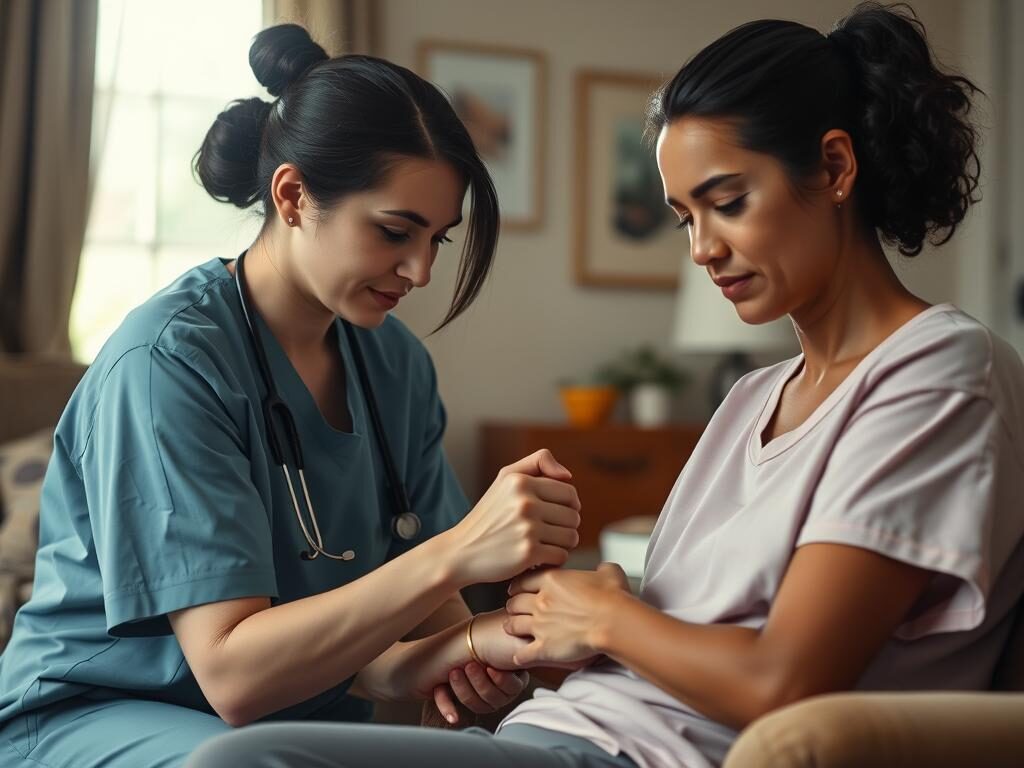
in-home wound care visit

First visit: Comprehensive assessment, risk review, and care plan

The first appointment measures the wound, documents tissue type and exudate, and screens for pressure, moisture, and shear risks. The clinician explains the treatment schedule and agrees on shared goals with the patient and caregiver.

Ongoing visits: Progress tracking, dressing changes, and adjustments

Follow-up visits focus on cleansing, dressing changes, and objective tracking with photos and measurements when appropriate. The team adjusts treatments as healing trends appear or if complications require physician input.

Safety protocols and infection‑prevention measures in the home

Infection-prevention steps include hand hygiene, clean work surfaces, proper disposal of used dressings, and safe supply storage. Visits end with a short recap of warning signs to report and simple daily routines that protect quality and comfort.

  • Review of offloading and positioning to reduce pressure
  • Prompt coordination with wound care specialists if healing stalls
  • Tailored visit cadence for San Antonio patients to match needs

Hire Dominion Mobile Wound Care to bring hospital‑grade attention into the home and help heal their wounds.

Conclusion

Dominion Mobile Wound Care combines clinical protocols with flexible scheduling to meet each patient’s recovery timeline. Their services pair assessment, cleansing, dressing changes, infection monitoring, and chronic management so treatments stay consistent and effective.

The dedicated team aligns with physicians and wound care specialists to reduce delays and prevent complications. Education and pain strategies help families follow daily steps that support healing and protect surrounding skin.

For personalized guidance and scheduling, patients can begin care services that fit their needs today. Hire “Dominion Mobile Wound Care” to help heal their wounds.

FAQ

Why are more San Antonio patients choosing in‑home wound care?

Many residents prefer treatment delivered at home because it reduces travel, lowers exposure to infections, and improves comfort. Trained specialists provide personalized assessment and treatment plans that support faster healing and better recovery outcomes.

Who typically benefits from in‑home wound care services?

Patients with limited mobility, recent surgeries, chronic skin conditions, diabetes-related ulcers, venous or arterial ulcers, and those at high risk for complications often benefit most. Family members and caregivers also gain education and support to manage wounds safely.

What common wound types and complications are addressed during in‑home visits?

Clinicians treat pressure injuries, diabetic foot ulcers, surgical incisions, traumatic wounds, and chronic non‑healing sores. They monitor for infection, necrosis, delayed healing, and other complications and intervene early to prevent deterioration.

What services does Dominion Mobile Wound Care provide during a visit?

The team offers comprehensive assessments, cleansing and irrigation, dressing changes, infection monitoring and treatment, chronic wound management, pain control, and caregiver education. Clinicians also coordinate with physicians and other providers to ensure continuity of care.

How does infection monitoring and early intervention work in a residence?

Specialists inspect the site for redness, drainage, odor, and systemic signs, take cultures when needed, adjust antibiotics with physician collaboration, and apply appropriate topical agents. Timely action reduces hospital transfers and promotes safer recovery.

Will insurance cover in‑home wound treatment?

Many major plans accept coverage, including Aetna, Blue Cross Blue Shield, Cigna, Humana, Medicare, Medicaid, Multiplan, TriCare/TriWest, and UnitedHealthcare. Coverage varies by plan and medical necessity, so clinicians help verify benefits and coordinate billing.

What should patients expect at the first in‑home visit?

The clinician completes a detailed assessment, reviews health risks and medications, documents the wound, creates a personalized care plan, and performs initial treatments or dressing changes. They also explain the schedule and goals for recovery.

How are ongoing visits structured to support healing?

Follow‑up visits focus on progress tracking, dressing changes, pain management, and adjustments to the treatment plan. The team communicates changes to the primary doctor and updates family members on goals and prevention strategies.

What safety protocols are followed to prevent infection during in‑home care?

Clinicians follow strict hand hygiene, use sterile techniques for dressing changes, wear appropriate personal protective equipment, and properly dispose of contaminated materials. They also educate families on wound hygiene and signs that require urgent attention.

How does in‑home wound management improve overall recovery?

Personalized attention, close monitoring, and reduced exposure to clinical settings promote healing. Coordinated plans with physicians and therapists address comorbidities, mobility, nutrition, and pain — all factors that speed recovery and reduce readmissions.

wound care in hot climates

Wound Care Challenges in San Antonio’s Hot Climate

San Antonio’s high heat and humidity change how wounds heal. Thick air and sweat speed bacterial and fungal growth. That raises the chance of infections and makes the skin more prone to maceration.

Residents must balance moisture for healing while avoiding sogginess that slows recovery. Simple steps help: use breathable dressings, change them often, and keep the area as dry as practical.

Nutrition, hydration, and light activity support circulation and the healing process. Tight clothing can hinder blood flow, so loose, moisture‑wicking fabrics work best.

Dominion Mobile Wound Care serves San Antonio patients at home and invites readers to hire their team for consistent, climate‑aware support that reduces bacteria exposure and improves outcomes.

Key Takeaways

  • San Antonio’s temperature and humidity raise infection risk and cause maceration.
  • Breathable dressings and regular changes help manage moisture.
  • Hydration, protein, vitamin C, and zinc support healing.
  • Loose, moisture‑wicking clothing and light activity improve circulation.
  • Local, mobile services like Dominion Mobile Wound Care aid consistent management.

Understanding how heat and humidity impact wound healing in San Antonio

High humidity and rising temperatures change the healing environment at the skin surface. These weather conditions raise moisture levels that let bacteria and fungi grow faster.

Excess humidity creates a moist zone that softens surrounding skin and increases infection risk. This can cause maceration and a slow healing process if not managed.

How heat, sweat, and temperature swings affect skin and dressings

  • Heat and sweat can saturate dressings, reducing barrier function and inviting microbes.
  • Temperature swings between outdoors and air conditioning cause condensation under dressings.
  • Tight, non‑breathable clothing can reduce blood flow needed for effective healing.
  • Breathable, moisture‑wicking materials and light activity support circulation and reduce problems.

For tailored assessment and dressing adjustments that reflect local conditions, residents can hire Dominion Mobile Wound Care to evaluate and help heal their wounds at home.

How to clean wounds safely in hot, humid weather

Warm, soapy water is often the safest first step after a scrape or cut on a humid day. Gentle cleansing removes sweat, sunscreen, and dirt without harming healthy skin cells.

Use soap and warm water instead of peroxide or iodine

Avoid peroxide and iodine for routine cleansing. These agents can damage tissue and slow healing. A mild soap and clean water protect the area while supporting proper wound healing.

When to apply simple ointments like petroleum jelly

After patting the area dry, apply a thin layer of petroleum jelly to keep skin moist and reduce thick scab formation. Early coverage with a breathable bandage for a day or two helps prevent dust and pollen exposure.

Keeping the wound clean after outdoor activities, swimming, or dust exposure

Rinse salt or chlorine off after swimming and re‑clean any area exposed to lake or pool water. For very dirty exposures, a mild topical antibiotic may be justified; otherwise it is not usually needed.

  • Change dressings daily or sooner if soaked by sweat.
  • Carry a small kit with soap, clean water, gauze, and breathable dressings for activity days.
  • If redness, warmth, or new drainage appears after outdoor exposure, re-clean and monitor or seek help.

Dominion Mobile Wound Care educates patients on safe cleaning steps and product choice, then provides at‑home follow-up. Hire Dominion Mobile Wound Care to help heal their wounds.

Moisture balance: keeping wounds clean and dry without maceration

C. “In humid weather, protecting the periwound skin from waterlogging is as important as keeping the wound moist.”

Maintaining a moist healing bed while preventing skin maceration is a subtle but vital task. High humidity can soften edges and slow the healing process, so the patient needs dressings that move sweat away from the perimeter.

Choosing breathable, moisture‑wicking dressings in humid weather

Breathable foams, hydrofiber, and mesh contact layers help manage perspiration while keeping the center appropriately hydrated. These options reduce the risk of skin breakdown and lower infections risk by limiting pooled moisture.

How often to change dressings when sweat is an issue

Change frequency should match activity and sweat level. Look for dampness, slippage, warmth under the dressing, or edge whitening — each signals a need to replace the dressing.

People with diabetES or reduced sensation require more frequent checks to avoid unnoticed maceration. The routine is: clean gently, pat dry, then reapply the selected dressing without rubbing fragile skin.

  • Prefer breathable materials; avoid plastic wraps unless directed.
  • Tailor change schedules to high-sweat days; some patients need twice‑daily changes.
  • Dominion Mobile Wound Care selects dressings and sets custom schedules for home visits.

For personalized selection and at‑home follow ups, hire Dominion Mobile Wound Care to help heal their wounds.

Wound care in hot climates

Consistent daily routines help protect healing from humidity and heat. A simple checklist keeps skin clean, dressings functioning, and infection risk lower during warm, muggy days.

Daily routines to manage wounds effectively in hot humid weather

Follow a morning and evening sequence: gentle wash with soap and water, pat dry, apply a thin layer of petroleum jelly if needed, then use breathable dressings designed for humid weather.

Do a midday check during peak heat. If a dressing is damp, replace it to reduce infections and irritation.

  • Morning & evening: cleanse, dry, protect with a breathable dressing.
  • Midday checks: swap damp dressings to lower risk.
  • On the go: carry a small kit with spare dressings, soap, and hand sanitizer.

Protecting wounds from sun, heat, and contaminated water

Shield the area from direct sun using shade, UPF clothing, or light cover layers. Apply sunscreen around, not on, the site to protect adjacent skin.

After lakes, rivers, or splash pads, clean and dry the area promptly. Staying cool with fans and vented fabrics reduces sweat beneath dressings and supports healing.

Dominion Mobile Wound Care offers customized daily checklists and supplies delivered to the home. Hire Dominion Mobile Wound Care to help heal their wounds.

Preventing infection risks in warm conditions

In damp, warm weather, simple signals — redness, heat, swelling, new pain, foul odor, or colored drainage — can indicate infection and need quick attention.

Recognizing early signs of infection in high-humidity environments

Check the area daily, especially after sweating or activity. Rising redness or warmth beyond the border, sudden swelling, or a change in drainage are reasons to act fast.

Reducing bacteria exposure: clothing, air quality, and clean water tips

Use clean hands and sealed supplies when changing dressings. Choose breathable, moisture‑wicking garments to limit trapped moisture.

  • Avoid reusing damp dressings; replace them sooner when sweat accumulates.
  • Keep indoor air clear of dust and smoke to lower particulate contamination.
  • When a sink is unavailable, wash with bottled or boiled water before dressing changes.

Patients at higher risk benefit from frequent checks during heat waves and from documenting symptoms and photos to track trends.

For proactive prevention and fast home interventions, hire Dominion Mobile Wound Care to monitor signs and adjust protocols quickly to help heal their wounds.

Hydration, nutrition, and circulation to support healing

A practical hydration and nutrition plan supports circulation and speeds the body’s repair work. Staying hydrated helps overall blood flow and keeps skin resilient during San Antonio’s hot humid weather. Small, consistent steps make a big difference for recovery.

hydration for wound healing

Drink plenty water and maintain electrolytes

Drink plenty water and replace salts on high‑sweat days to preserve perfusion. Monitor urine color and daily weight as simple hydration checks.

Use low‑sugar electrolyte drinks when activity causes heavy losses. Tailor fluid plans to meds or medical conditions with professional guidance.

Protein, vitamin C, and zinc to support the healing process

Include lean proteins, citrus or berries, and zinc sources like legumes or lean meat to fuel collagen and immune function. These nutrients speed tissue repair and strengthen skin.

Light activity and avoiding tight gear to maintain blood flow

Short walks and gentle movement boost circulation before dressing changes, easing discomfort and aiding the healing process. Avoid tight waistbands, socks, or braces that restrict blood flow.

  • Practical meals: Greek yogurt with fruit, grilled fish with beans, or fortified smoothies for extra protein and vitamin C.
  • Hydration schedule: small sips hourly, plus an electrolyte drink after long outdoor time.
  • Adaptations: lower‑sodium or plant‑based protein options for specific dietary needs.

Dominion Mobile Wound Care provides tailored dietary and hydration guidance aligned with each patient’s plan. Hire Dominion Mobile Wound Care to help heal their wounds.

Special considerations for chronic wounds and diabetes

Neuropathy can hide signs of trouble, so daily inspection and moisture control become essential parts of at‑home management.

Peripheral artery disease and neuropathy reduce sensation and slow healing. Patients should keep movement gentle and regular to boost blood flow without stressing fragile skin.

Daily foot checks and moisture control for diabetic patients

Perform a short daily exam, including between toes, to spot maceration, redness, or drainage early.

Use moisture‑wicking socks, change damp dressings often, and remove wet layers promptly to protect skin integrity.

  • Offload pressure points with padding or prescribed devices to prevent callus breakdown.
  • Keep glucose levels stable — metabolic control supports tissue repair and reduces infection risk.
  • Escalate care if swelling, warmth, foul odor, or increased pain appear at the site.

Dominion Mobile Wound Care offers in‑home foot checks, offloading guidance, and tailored dressing changes for chronic wounds and diabetes. Hire Dominion Mobile Wound Care to help heal their wounds.

Summer wound scenarios: scrapes, blisters, burns, and when to seek urgent care

When summer activities cause cuts, blisters, or burns, prompt simple steps reduce complications.

Cleaning minor scrapes and cuts from outdoor activities

Wash with soap and warm water to remove dirt and sweat. Avoid peroxide or iodine for routine cleaning; they can harm healthy tissue.

Pat dry, apply a thin layer of petroleum jelly, and cover with a breathable dressing for a day or two. Change bandages daily or whenever damp.

Blister care: why not to pop and how to protect

Do not pop blisters. Intact skin and fluid protect the area and speed the healing process.

Use felt pads or soft dressings to cushion high‑friction spots and replace coverings after swimming or heavy sweat to lower infection risk in humid weather.

Timing for stitches and tetanus updates

Deep or gaping lacerations may need stitches; seek evaluation promptly because the traditional stitch window is limited to about 12 hours.

Keep tetanus shots current—every 10 years, or within 5 years for dirty injuries—to help wounds heal properly and prevent serious infection.

  • Reclean after lake or pool exposure and swap dressings.
  • Watch for spreading redness, warmth, or new drainage—these warrant reassessment.
  • For at‑home evaluation and urgent referral coordination, hire Dominion Mobile Wound Care to help heal their wounds.

Adapting your wound care plan to San Antonio’s weather conditions

A dynamic plan that shifts with each day’s dew point helps prevent moisture buildup and infection risk. Tailoring supplies and timing to local weather keeps skin more stable and supports wound healing.

adapting wound care

Adjusting dressing types and change frequency as humidity shifts

Choose dressings that balance moisture transfer and protection. On muggy days, select more absorbent foams or hydrofiber and check dressings more often.

Watch for persistent dampness, edge whitening, or slippage. Those cues mean it’s time for a swap to avoid maceration and rising infection risk.

Indoor strategies: cooling, dehumidification, and breathable clothing

Regulate indoor air with fans, air conditioning, or a dehumidifier to lower humidity around the skin. Stable temperature and airflow reduce sweat under dressings.

  • Match dressing choices to daily weather and activity levels.
  • Use moisture‑wicking layers and breathable fabrics to protect periwound skin.
  • Organize supplies at home so quick swaps are easy when conditions change.
  • Escalate to advanced wound care and specialist follow‑up if drainage, odor, or repeated maceration persists.

Dominion Mobile Wound Care builds responsive at‑home plans that evolve with humidity and temperature shifts. Hire Dominion Mobile Wound Care to help heal their wounds and manage wounds effectively in San Antonio’s variable weather.

Conclusion

Effective recovery hinges on daily habits that match San Antonio’s warm, muggy weather and its unique challenges. Simple steps help wounds heal properly and lower infections risk.

For steady wound healing, focus on gentle cleansing, breathable dressings, hydration, and good nutrition. Light activity and loose clothing support circulation and keep skin resilient.

Act quickly for growing redness, damp dressings, or stalled progress to avoid a slow healing process. Patients with diabetes or chronic wounds need vigilant checks and tailored plans.

Dominion Mobile Wound Care provides at‑home assessment, supplies, and advanced wound care when complexity increases. For expert, climate‑aware help to manage wounds effectively, hire Dominion Mobile Wound Care to help heal their wounds.

FAQ

How does San Antonio’s heat and humidity affect healing?

High temperatures and persistent humidity increase skin moisture and sweat, which can soften tissue and raise the risk of bacterial and fungal growth. This environment may slow repair by promoting maceration and dressing failure, so patients should monitor skin regularly and choose breathable coverings.

Why does high humidity encourage bacteria and fungus?

Warm, moist surfaces provide ideal conditions for microbes to multiply. When skin stays damp under dressings or clothing, microbes find a hospitable environment, increasing infection risk. Good airflow, frequent dressing checks, and moisture-wicking materials help reduce this risk.

How do heat and sweat affect dressings and skin?

Sweat can loosen adhesive, cause under-dressing moisture, and increase friction that irritates fragile tissue. Rapid temperature swings—air conditioning to outdoor heat—can trap moisture and disrupt healing. Use secure but breathable dressings and change them more often when sweating heavily.

What’s the safest way to clean minor skin breaks in humid weather?

Gently wash with mild soap and warm tap water. Avoid hydrogen peroxide or povidone-iodine for routine cleaning, as they can damage new tissue. Pat dry with a clean towel and apply an appropriate topical barrier or simple petrolatum-based ointment if instructed by a clinician.

When should ointments like petroleum jelly be used?

Simple ointments help maintain a moist healing environment and protect against contaminants. Use them for minor abrasions after cleaning, unless a provider recommends an antimicrobial agent. In very humid conditions, monitor for excess moisture under dressings to prevent maceration.

How should skin be cleaned after outdoor activity, swimming, or dust exposure?

Rinse immediately with clean water, wash gently with mild soap, and remove visible debris. Dry thoroughly before applying fresh dressing. If swimming in pools or natural water, inspect the area for signs of contamination and seek medical advice for deeper wounds.

How can moisture be balanced to avoid maceration but keep tissue protected?

Choose dressings that wick moisture away while allowing vapor exchange, such as advanced foam or certain hydrocolloid options. Change coverings sooner when perspiration is heavy, and use barrier films to protect periwound skin from excess dampness.

Which dressings work best in humid weather?

Breathable, moisture-wicking dressings—like silicone adhesive foam or specialized vapour-permeable dressings—help manage exudate without sealing in moisture. Clinicians may recommend antimicrobial dressings if infection risk is elevated.

How often should dressings be changed when sweating is a problem?

Increase change frequency based on saturation and skin condition—sometimes daily when heavy sweating occurs. Replace immediately if the dressing loosens, feels wet, or shows signs of contamination to reduce infection risk.

What daily routines help manage healing during hot, humid months?

Clean and inspect the area daily, use breathable clothing, stay in air-conditioned or dehumidified spaces when possible, stay hydrated, and follow prescribed dressing schedules. Avoid prolonged sun exposure and contaminated water.

How can wounds be protected from sun, heat, and contaminated water?

Cover sites with UV-protective dressings or clothing, avoid hot tubs and natural bodies of water until fully healed, and use clean, fresh water for cleansing. Limit direct sunlight to prevent pigment changes and delayed repair.

What are early signs of infection in humid conditions?

Increased redness, swelling, foul odor, rising pain, or purulent drainage signal infection. Systemic signs—fever, chills, or spreading redness—require prompt medical evaluation, especially in warm, humid environments where microbes thrive.

How can bacteria exposure be reduced via clothing and air quality?

Wear clean, breathable fabrics like cotton or moisture-wicking athletic materials. Launder clothing regularly, avoid tight gear that traps sweat, and use indoor dehumidifiers or air conditioning to reduce airborne microbial load and moisture buildup.

How important are hydration and electrolytes for repair in extreme heat?

Proper hydration supports circulation and tissue oxygenation, both vital for repair. Replenish fluids and electrolytes during heavy sweating to maintain perfusion. Dehydration can slow closure and increase complication risk.

Which nutrients most support tissue recovery?

Adequate protein, vitamin C, and zinc are key. Protein supplies amino acids for new tissue; vitamin C supports collagen synthesis; zinc aids cell replication. A registered dietitian can tailor recommendations for individual needs.

How can activity and clothing choices help maintain blood flow without causing harm?

Light movement promotes circulation without stressing the area. Avoid tight shoes or straps that impair perfusion. For lower-limb issues, use loose, breathable footwear and inspect feet daily, especially for people with circulation problems.

What special steps should people with diabetes take during hot weather?

They should perform daily foot inspections, manage blood glucose closely, control perspiration and moisture, and seek early evaluation for any skin changes. Peripheral neuropathy and PAD increase risk, so prompt attention to breaks or blisters is essential.

How does neuropathy and PAD complicate healing when temperatures rise?

Neuropathy can prevent detection of early injury, while PAD reduces blood flow needed for repair. Heat-related swelling and sweat can mask tissue changes. Regular checks and clinician-guided plans help reduce complications.

How should minor scrapes from outdoor activities be cleaned in summer?

Rinse with clean water, wash gently with mild soap, remove debris, and apply a simple petrolatum-based barrier if advised. Cover with a breathable dressing and monitor for infection, changing coverings when soiled or wet.

How should blisters be managed and when is it okay to drain them?

Intact blisters should remain covered and protected. If a large, painful blister needs drainage, a trained clinician can perform sterile puncture and apply an appropriate dressing. Avoid popping blisters at home to reduce infection risk.

When are stitches needed and what about tetanus shots?

Deep, gaping, or bleeding wounds may need sutures and should be evaluated within hours. Tetanus boosters are recommended per CDC guidance if the last dose was more than five to ten years ago, depending on wound severity and vaccine history.

How should healing plans be adjusted as humidity shifts in San Antonio?

Swap to more absorbent or breathable dressings during humid spells and reduce change intervals when perspiration increases. In drier periods, maintain moisture with appropriate ointments to prevent crusting and delayed closure.

What indoor strategies help support skin repair during hot weather?

Use air conditioning or dehumidifiers to lower indoor humidity, wear loose breathable clothing, and maintain clean living spaces. Cooler, drier air helps dressings perform better and lowers microbial growth.

wound care insurance coverage

Does Insurance Cover In-Home Wound Care in San Antonio

This short guide explains how in-home and outpatient treatment works under Medicare and related plans in San Antonio.

Medicare generally pays for medically necessary services at home, outpatient clinics, or hospitals. Part A applies when a patient needs inpatient or skilled nursing facility care. Part B handles outpatient treatment, specific supplies, and clinician visits.

Readers will learn which therapies and supplies are typically covered, how Original Medicare compares to Medicare Advantage plans, and which costs patients commonly face in 2025. The guide previews deductible and coinsurance numbers so families can plan for out-of-pocket expenses.

Dominion Mobile Wound Care works within Medicare rules to deliver timely, mobile services and coordinate documentation needed for ongoing approval. The introduction also notes what is not covered, such as custodial help with bathing or dressing, so families can arrange nonmedical support.

Key Takeaways

  • Medicare Part A covers inpatient stays; Part B covers outpatient treatment and medical supplies.
  • Original Medicare and Medicare Advantage offer similar core benefits but differ by network and prior authorization.
  • 2025 costs include Part B deductible and premium, Part A deductible per benefit period, and typical coinsurance.
  • Covered services often include evaluations, debridement, infection control, pressure relief, and routine dressing changes.
  • Custodial assistance like bathing is not covered; plan for nonmedical support separately.
  • Proper documentation and clinician orders help maintain ongoing approval for home services.
  • Hire Dominion Mobile Wound Care to coordinate and deliver medically necessary treatment at home in San Antonio.

Understanding in-home wound care in San Antonio and how insurance fits

Home-based clinical treatment in San Antonio can qualify as outpatient services when a licensed clinician provides skilled interventions.

When home-based treatment qualifies as outpatient

Medicare Part B may pay when a healthcare professional delivers medically necessary services at home. A qualifying visit often involves debridement, infection control, or clinician-performed dressing changes.

Local realities: referrals, networks, and provider enrollment

San Antonio residents should get a written order from a physician and confirm the provider is enrolled in Medicare. For Medicare Advantage, using in-network clinicians and getting prior authorization when required reduces the risk of denials.

  • Dominion Mobile Wound Care coordinates orders, documents size and frequency, and files claims per Medicare rules.
  • Decisions hinge on medical necessity — whether skilled interventions are needed instead of non-skilled support.
  • Medically prescribed supplies may be paid under Part B, while household items are not.

wound care insurance coverage at a glance: Original Medicare, Medicare Advantage, and Medigap

Choosing the right Medicare path affects where services are delivered and what patients pay.

Medicare Part A vs. Part B

Original Medicare splits responsibility: Part A pays for hospital stays and limited skilled nursing facility time. Part B pays for outpatient visits, home clinical visits, and medically necessary supplies.

Medicare Part C (Advantage)

Medicare Advantage delivers the same core benefits as Parts A and B, but each plan sets networks, prior authorization rules, and cost sharing. Members should confirm provider participation before starting home treatment.

medicare advantage

Medigap: reducing out-of-pocket costs

Medigap policies help offset deductibles and coinsurance for Parts A and B. They cannot be used with Part C. In 2025, Part B deductible is $257 and Part A deductible is $1,676 per benefit period.

  • Original Medicare: Part A = inpatient; Part B = outpatient and home clinical visits.
  • Advantage plans: same benefits, plan networks and prior auth vary.
  • Medigap: lowers out-of-pocket exposure after Medicare pays.

Local help: Dominion Mobile Wound Care works with Original Medicare, Medicare Advantage, and Medigap clients to coordinate documentation and treatment in San Antonio.

What Medicare covers for wound treatments and supplies

When a licensed clinician documents medical necessity, Medicare will often fund assessments, procedures, and the supplies tied to those visits.

Covered clinical services

Medicare pays for medically necessary clinician services such as assessments with measurements, infection evaluation, debridement, and pressure-relief interventions.

  • Routine dressing changes that require skilled technique and infection-prevention strategies.
  • Debridement and offloading to promote healing and reduce pressure.
  • Periodic evaluations to document progress and ongoing need for services.

Primary dressings and secondary supplies

Primary dressings applied directly to the site are eligible when ordered by a clinician. Examples include sterile gauze pads, hydrogel, hydrocolloid, and alginate dressings.

Secondary items used to secure those dressings—gauze wraps, bandages, and adhesive tape—are also covered when tied to a billed clinical visit.

Exclusions and important distinctions

Custodial help like bathing or dressing is not covered. Many disposable items patients buy themselves may not be reimbursed.

In skilled nursing facilities, supplies are handled differently; benefits typically include supply use for the first 100 days of a benefit period.

Dominion Mobile Wound Care helps patients choose Medicare-approved dressings, documents doctor orders, and clarifies which items and services are billable versus excluded.

Coverage rules, medical necessity, and documentation that affect approval

Approval for home treatment hinges on clear clinical findings and timely documentation. Medicare decisions rest on whether professional interventions are truly needed and properly recorded.

Clinical criteria

Medicare looks for surgical sites, infected areas, need for debridement, or complex conditions that slow healing. Providers must show why skilled services, not self-management, are required.

Doctor’s written order

A valid physician order must be signed and dated. It should state dressing type, size, frequency, and expected duration to match what the plan will pay.

Periodic evaluations

Regular progress notes must show measurable improvement — less drainage, reduced inflammation, smaller dimensions, or new healthy tissue. These reports keep services active.

Experimental therapies

New or unproven treatments may be denied. For example, some stem cell approaches are often considered experimental and not paid. Dominion Mobile Wound Care coordinates orders and documents evaluations so patients and clinicians can anticipate denials and plan accordingly.

  • Tip: Accurate, timely records protect patients from claim denials and interruptions in services.

Costs, deductibles, and coinsurance: what patients in San Antonio can expect

Understanding expected out-of-pocket costs helps families plan for hospital stays, skilled nursing, and outpatient visits.

Part A: benefit periods and skilled nursing limits

Part A requires a $1,676 deductible per benefit period for inpatient hospital care in 2025.

Hospital coinsurance rises after certain day thresholds. Skilled nursing facility benefits pay $0 for days 1–20. From days 21–100 the patient may owe up to $209.50 per day. After 100 days in the same benefit period, Medicare stops paying.

Part B: annual deductible, premium, and coinsurance

For outpatient services under Part B, the 2025 annual deductible is $257 and the standard monthly premium is $185.

Patients typically pay 20% coinsurance for clinician visits and supplies tied to those visits. When services occur in an outpatient hospital department, a facility copay can add to patient costs.

Advantage plans and Medigap

Medicare Advantage plans vary by premium, deductible, and coinsurance. Members should confirm network rules and any prior authorization requirements before scheduling recurring visits.

Medigap policies can reduce or eliminate coinsurance and some deductibles under Original Medicare, which often lowers ongoing costs for mobile treatment and supplies.

  • Know days and benefit period rules to plan SNF transitions.
  • Check plan networks and prior authorization requirements for Advantage members.
  • Dominion Mobile Wound Care helps confirm expected coinsurance, verify plan participation, and clarify bill impacts for San Antonio residents.

Applying coverage to at-home and outpatient wound care scenarios

Practical examples show how Medicare rules work when patients move between settings. This helps families decide when clinician visits at home make sense versus a facility stay.

outpatient wound care

Home-based care under Part B: services, supplies, and qualifying situations

Part B pays when a licensed clinician performs skilled assessments, selective debridement, or infection-prevention steps during scheduled home visits.

Typical visits include routine dressing changes using prescribed primary dressings (sterile gauze, hydrogel, hydrocolloid, alginate) and secondary supplies like bandages and tape. Clinicians document site measurements to support ongoing payment.

Skilled nursing facility stays: what’s covered and for how long

Medicare pays for professional services and related supplies while in a skilled nursing setting. Benefit period rules matter: the program covers days 1–20 at no cost, then up to day 100 with coinsurance (about $209.50 per day for days 21–100). No benefits are paid after 100 days in that benefit period.

  • A typical at-home scenario follows a hospital discharge and uses outpatient wound services under Part B.
  • Plan ahead for the end of SNF benefits and arrange outpatient clinic or home visits.
  • Bathing dressing assistance is custodial and is not covered; families should arrange separate help.
  • Dominion Mobile Wound Care coordinates orders and transitions from hospital or skilled nursing to home visits to ensure continuity.

Conclusion

Conclusion

Timely physician orders and periodic evaluations are the backbone of sustained Medicare payment for at-home services.

Both Original Medicare and Medicare Advantage provide benefits for medically necessary treatment, but plans differ by networks, prior authorization, and costs. Medigap can lower out-of-pocket expenses for Parts A and B.

Patients in San Antonio should confirm provider enrollment, document clinical findings clearly, and track supplies tied to billed visits. Doing so reduces denials and unexpected costs.

Dominion Mobile Wound Care coordinates with physicians and plans to manage documentation, claims, and skilled outpatient visits. Hire Dominion Mobile Wound Care to help heal their wounds.

FAQ

Does insurance cover in-home wound care in San Antonio?

Many plans will pay for home-based treatment when a licensed clinician documents medical necessity. Original Medicare Part B typically covers outpatient visits and related supplies when a doctor orders them. Medicare Advantage plans may cover the same services but can require network providers or prior authorization. Patients should verify provider enrollment and benefit rules with their plan and confirm whether the visiting nurse agency accepts Medicare or the specific Advantage plan.

When does home-based treatment qualify as outpatient wound care?

Services provided at home qualify when clinicians deliver medical treatment that would otherwise be done in an outpatient setting. Typical qualifying factors include regular assessments, debridement, and dressing changes ordered by a physician. The treatment must be skilled, reasonable, and necessary, and documented in the medical record to meet Medicare or plan requirements.

How do local referrals and provider enrollment affect access in San Antonio?

Access depends on whether the home health agency or clinic is enrolled with Medicare and in-network for a Medicare Advantage plan. Referrals from primary care doctors or specialists often speed authorization. Patients should ask about provider networks, enrollment status, and whether the facility accepts original Medicare or specific Advantage plans before scheduling services.

What’s the difference between Medicare Part A and Part B for outpatient treatments?

Part A covers inpatient hospital stays and skilled nursing facility benefits tied to a qualifying hospital stay. Part B covers outpatient services, physician visits, outpatient procedures, and many home health services and supplies when medically necessary. For home-based treatments that don’t require inpatient care, Part B is typically the relevant benefit.

How do Medicare Advantage plans handle these services?

Medicare Part C plans must provide at least the same basic benefits as original Medicare but can use managed care rules, networks, and prior authorizations. Costs, copayments, and covered providers vary by plan. Beneficiaries should review each Advantage plan’s formulary and prior authorization rules to understand potential limits or additional benefits.

Can Medigap policies help with out-of-pocket expenses?

Medigap supplements original Medicare by covering some deductibles, coinsurance, and copayments that Part A and Part B leave behind. It does not work with Medicare Advantage. Beneficiaries using original Medicare can use Medigap to reduce their financial responsibility for covered services and approved supplies.

What specific services are typically covered for wound treatments?

Covered services often include physician assessments, skilled debridement, pressure-relief interventions, and routine professional dressing changes. Medicare and many plans cover services that a qualified clinician performs when documentation shows they are medically necessary to treat a complex or nonhealing condition.

Which primary dressings and secondary supplies are paid for?

Medicare Part B generally covers medically necessary primary dressings and related supplies when ordered by a doctor and used under professional supervision. Coverage may include specialized primary dressings, certain secondary materials, and devices needed to support healing. Durable medical equipment rules and supplier enrollment can influence how supplies are billed.

What items are usually not covered, such as bathing or routine disposable supplies?

Custodial services like bathing, general hygiene, and help with dressing for daily living are not covered. Many disposable items used for convenience rather than medical necessity may be denied. Plans often distinguish between medically necessary supplies and routine household assistance.

What clinical criteria affect approval for treatment?

Approval commonly requires documentation that the condition is surgical, debrided, infected, or otherwise complex and that skilled intervention is necessary. Progress notes, objective measurements, and photographic evidence help justify ongoing services. Medical necessity must align with Medicare or plan policies.

What must a doctor’s order include to secure benefits?

A written order should specify the type of dressing or procedure, wound size or description, frequency of changes, and expected duration. Clear orders from the treating physician support coverage decisions and help ensure suppliers and home health agencies bill correctly.

How do periodic evaluations influence continued approval?

Regular evaluations must show clinical progress or a clear plan for continued skilled treatment. Medicare and Advantage plans review records to determine whether services remain reasonable and necessary. Lack of documented improvement can lead to reduced benefits or denial.

Are newer or experimental therapies covered?

Medicare and many plans may deny payment for experimental or investigational treatments that lack sufficient evidence of effectiveness. Coverage decisions depend on published guidelines, local medical policies, and whether therapies meet established clinical criteria.

What costs and limits apply under Part A, including the 100-day rule?

Part A includes benefit periods, inpatient deductibles, and a limited number of days for skilled nursing facility care—commonly referenced as up to 100 days per benefit period with varying patient cost-sharing after covered day thresholds. Eligibility hinges on prior inpatient hospitalization requirements and medical necessity.

What costs should patients expect under Part B?

Part B has an annual deductible and generally covers 80% of approved outpatient charges after that deductible, leaving 20% coinsurance. Monthly premiums also apply. For home-based services and supplies covered under Part B, patients are typically responsible for coinsurance unless they have supplemental coverage.

How do Advantage plan costs and prior authorizations affect patients?

Advantage plans set their own premiums, copays, and coinsurance amounts and may require prior authorization for specific procedures or suppliers. These rules can increase administrative steps and possibly delay treatment if approval is needed before services begin.

How can Medigap policies offset remaining out-of-pocket costs?

Medigap plans can pay part or all of the deductibles and coinsurance that original Medicare leaves to the beneficiary. They reduce financial exposure for covered services and may cover expenses during extended treatment courses.

How does Part B apply to home-based services and supplies?

Part B covers medically necessary outpatient services delivered at home, including clinician visits, certain supplies, and outpatient procedures when ordered by a physician. Eligibility depends on documentation that the services are skilled and can be reasonably provided in the home setting.

What does Medicare cover for skilled nursing facility stays and for how long?

Skilled nursing facility benefits under Part A require a qualifying hospital stay and cover medically necessary skilled nursing or rehabilitation services for a limited number of days per benefit period. Coverage levels change over the course of the benefit period, and patients may face cost-sharing after specified day limits.

San Antonio wound prevention tips

Top Wound Prevention Tips for San Antonio Residents

Dominion Mobile Wound Care offers practical, evidence-informed guidance to help residents lower the risk of common injuries at home, work, and outdoors. Simple daily habits and small environment changes can cut the chance of infection and reduce scarring.

Prompt treatment matters. When cuts, minor burns, punctures, or contusions occur, quick assessment and cleaning at urgent care can prevent complications. Medical teams can decide if stitches, adhesives, or bandaging are needed and provide tetanus shots or imaging when deeper structures may be involved.

Prevention and timely response work together. Better footwear, improved lighting, and a basic first aid kit are small steps that pay off today by reducing downtime and discomfort. Dominion Mobile Wound Care stands ready as a local, mobile resource for prevention guidance and responsive clinical support. Hire Dominion Mobile Wound Care to help heal and protect your family.

Key Takeaways

  • Daily safety habits reduce preventable injuries.
  • Early cleaning and assessment lower infection risk.
  • Simple home changes cut complications and scarring.
  • Mobile clinical support speeds recovery when needed.
  • Small steps today prevent lost time and discomfort.

Protecting San Antonio residents with proactive wound care today

Immediate attention to small skin injuries can stop bigger problems before they start. Quick, practical steps reduce pain, lower infection risk, and shorten recovery time. Dominion Mobile Wound Care supports residents with onsite evaluation and prevention guidance to keep minor issues from escalating.

Why prevention matters now: reducing risk and complications in the present

Early action by urgent care teams often includes cleaning, infection assessment, and deciding if closure with stitches or adhesive is needed. These choices limit scarring and cut the chance of later complications.

Acting today saves valuable time and resources. Small daily habits — safe footwear, decluttering, and regular skin checks — lower the immediate risk of skin breakdown that can lead to larger medical needs.

  • Lower infection risk: prompt cleaning and evaluation.
  • Faster recovery: early closure or protective bandaging when needed.
  • Prevent escalation: confirm tetanus status and follow simple wound care steps.

Consistent habits reduce complications for all ages. Dominion Mobile Wound Care offers tailored advice and on-site care to protect families in san antonio now.

San Antonio wound prevention tips

Small routines at home and work make a big difference for skin health. Dominion Mobile Wound Care educates patients on daily practices, early first aid, and when to escalate care to avoid complications.

skin care

Keep skin resilient

Daily cleansing and gentle moisturizing protect fragile areas like feet and lower legs. Inspect skin each day for cracks, calluses, or early signs of wounds so problems are noticed quickly.

Choose safe footwear and protective gear

  • Wear supportive, closed-toe shoes with good tread for work and hikes.
  • Use gloves, eye protection, and sleeves when handling sharp tools or hot surfaces.
  • Keep tetanus boosters current and pack a basic first-aid kit so cleansing and protection can happen soon possible after a scrape.

Maintain a hazard-free environment

Improve lighting, remove clutter, and add slip-resistant mats to cut trips and falls that lead to injuries. Apply clean dressings and watch for warmth, redness, drainage, or swelling—these signs may show infection and need professional wound care review.

Dominion Mobile Wound Care offers at-home assessment, tailored supplies, and guidance to help residents in san antonio heal safely and reduce avoidable problems.

When to seek urgent or professional wound care in San Antonio

Certain cuts and punctures warrant rapid assessment to protect long-term function. Quick evaluation helps teams decide the right treatment and lowers the chance of complications.

Injuries that need fast treatment: lacerations, puncture wounds, and deep cuts

Seek professional evaluation for deep cuts, gaping lacerations, puncture injuries from nails or tools, or any wound with uncontrolled bleeding.

  • Get care soon possible if there is spreading redness, warmth, drainage, fever, or rising pain.
  • Urgent review is crucial for injuries to the face, hands, joints, or genitals, or when tendon or nerve damage is suspected.

Benefits of prompt care: infection control, proper closure, and better healing outcomes

Timely treatment lets clinicians clean debris, irrigate thoroughly, and choose stitches, adhesive closure, or layered suturing for better edge approximation.

  • Early action reduces infection risk and helps limit scarring.
  • Tetanus protection, pain control, and clear aftercare lower complications and speed return to normal activity.
  • Dominion Mobile Wound Care provides in-home assessment, coordinates imaging or specialist referrals, and guides next steps for advanced wound care in san antonio.

Advanced wound treatment options: in-home care and hyperbaric oxygen therapy

Bringing clinical expertise into the home can reduce travel barriers and improve healing outcomes. Dominion Mobile Wound Care delivers in-home evaluation, dressing changes, infection surveillance, and pain management to keep recovery on track.

hyperbaric oxygen therapy san antonio

In-home wound care services

Assessment starts with a clinical exam, cleansing, and irrigation. Staff select dressings that protect skin and optimize moisture for consistent healing.

Regular dressing changes, infection monitoring for drainage or redness, and pain control help manage chronic wounds. Education and offloading advice support adherence.

How hyperbaric oxygen therapy supports healing

HBOT is a non-invasive outpatient treatment where patients breathe pure oxygen in a pressurized setting. The higher pressure dissolves more oxygen in blood plasma.

That oxygen aids tissue repair, helps control infection, and stimulates release of growth factors and stem cells important to healing.

Coordinated care to lower infection risk and speed recovery at home

  • Convenience: assessments and dressing changes without travel.
  • Monitoring: early detection of drainage or odor allows timely treatment adjustments.
  • Coordination: Dominion Mobile Wound Care aligns primary providers and specialists to streamline treatment and referrals.

Why choose Dominion Mobile Wound Care for local wound prevention and treatment

Dominion Mobile Wound Care brings clinical skill to the front door, making expert care easier to access.

In-home services reduce travel and lower exposure to clinic environments. Patients get focused attention, easier adherence, and comfort during assessment and minor treatment.

Their clinicians build personalized plans that include safe footwear checks, home safety recommendations, and clear aftercare. This approach helps limit complications and supports steady healing.

  • Home delivery of care: reduces clinic exposure and improves follow-through.
  • Tailored prevention: mobility checks and daily routines that lower complication risk.
  • Clinical expertise: evidence-based dressings, timely escalation, and clear instructions for families.
  • Care coordination: streamlined referrals, imaging, and collaboration with primary teams across san antonio.
  • Responsive follow-up: close monitoring to catch changes early and adjust the plan for faster healing.

Dominion Mobile Wound Care centers prevention and effective treatment to protect function, comfort, and quality of life for residents in san antonio.

Conclusion

Fast assessment and a clear care plan shorten recovery and lower complications after common skin injuries.

Prompt attention to lacerations, abrasions, minor burns, and punctures paired with proper closure, tetanus updates, and follow-up supports healing and reliable treatment.

Daily habits and quick response cut the risk of infection and limit setbacks. Coordinated in-home services and advanced options like hyperbaric therapy can speed healing while keeping care comfortable.

Each new wound deserves a clear plan for first aid, monitoring, and escalation so the right steps happen at the right time.

Hire Dominion Mobile Wound Care to help heal their wounds.

FAQ

What basic steps help protect skin and reduce injury risk?

Regular gentle cleansing, daily moisturizing, and routine inspection help keep skin resilient. They reduce cracks and dryness that lead to cuts and infections. Wearing protective gloves during yard work and proper footwear for outdoor tasks also lowers the chance of trauma.

How soon should someone clean and dress a minor cut or abrasion?

Clean the area with mild soap and water as soon as possible, apply a topical antiseptic if available, and cover with a sterile dressing. Changing the dressing daily and watching for redness or swelling helps prevent infection.

When is professional or urgent care necessary for a deep laceration?

Seek immediate professional care for deep cuts, heavy bleeding that won’t stop after 10–15 minutes of pressure, puncture wounds, or injuries exposing muscle or bone. Early closure and evaluation reduce infection and scarring.

What warning signs indicate a wound may be infected?

Increasing redness, warmth, swelling, persistent pain, pus or foul odor, fever, or red streaks spreading from the wound are signs of infection. Prompt evaluation by a clinician is recommended when any of these appear.

How often should tetanus vaccines be updated after a skin injury?

Adults typically need a tetanus booster every 10 years. If a potentially contaminated wound occurs and the last booster was more than five years ago, a booster may be advised. Clinicians assess risk based on the wound type and vaccine history.

Can in-home wound care achieve outcomes similar to clinic care?

Properly delivered in-home services—assessment, sterile dressing changes, infection monitoring, and pain control—can support healing comparable to clinic visits for many patients. Coordination with a physician is essential for complex cases.

What is hyperbaric oxygen therapy and who benefits from it?

Hyperbaric oxygen therapy delivers high concentrations of oxygen in a pressurized chamber to promote tissue oxygenation and healing. It helps chronic, nonhealing wounds, certain infected wounds, and cases with poor circulation when used alongside standard care.

How can residents make their home environment safer to prevent falls and cuts?

Improve lighting, remove clutter and loose rugs, install grab bars in bathrooms, use slip-resistant mats, and keep walkways clear. Regularly inspect tools and equipment, and store sharp objects safely to lower accidental injuries.

What should someone do right after a burn or scald to reduce complications?

Cool the burn with running cool (not cold) water for 10–20 minutes, cover loosely with sterile gauze, and avoid ice or greasy ointments. Seek medical care for large, deep, or facial burns, or burns from chemicals or electricity.

Why is coordinated care important for patients with chronic medical conditions?

Conditions like diabetes or vascular disease impair healing and raise infection risk. Coordinated care among primary providers, wound specialists, and home health services ensures tailored treatment, tighter monitoring, and faster intervention when problems arise.

How quickly should a person act after noticing poor wound progress?

If a wound shows no improvement within 7–10 days, or if symptoms worsen at any time, they should consult a clinician promptly. Early reassessment reduces the likelihood of complications and may change the treatment plan.

post-surgical wound care San Antonio

Why Post-Surgical Patients Benefit from At-Home Wound Care

Dominion Mobile Wound Care brings clinical-level treatment directly to where patients recover best—their homes. This approach reduces trips to clinics and lowers exposure to crowded waiting areas. It also helps maintain dressing integrity and keeps surgical incisions protected from contamination.

The team coordinates advanced options like hyperbaric oxygen therapy, which boosts oxygen levels to speed healing. They also manage negative pressure therapy (wound VAC) to remove fluids and draw edges together, and they perform active debridement with comfort measures when needed.

Home visits allow consistent assessments and quick adjustments if complications appear. The clinicians tailor plans to each surgery, medical conditions, and home setup. This hands-on oversight helps prevent reopening, infection, and delays that can follow transportation or missed follow-ups.

With clear communication and responsive scheduling, Dominion focuses on outcomes and patient comfort. Professional at-home services empower families and support daily routines while keeping monitoring and interventions timely and effective.

Key Takeaways

  • At-home services reduce travel and exposure while preserving dressing and incision protection.
  • Advanced therapies like hyperbaric oxygen and wound VAC are coordinated as needed.
  • Regular visits allow early detection of infection, poor circulation, or other issues.
  • Plans are customized to the surgery, comorbidities, and living environment.
  • Dominion Mobile Wound Care emphasizes clear communication and patient comfort.

At-Home Wound Care That Accelerates Healing and Reduces Complications

Delivering advanced therapies at home reduces gaps in treatment and lowers the chance of setbacks. Regular visits keep dressings consistent, maintain moisture balance, and apply offloading techniques that support steady wound healing.

When indicated, plans may include oxygen therapy like hyperbaric oxygen therapy. In this non-invasive process, a patient breathes pure oxygen in a pressurized chamber so the lungs absorb more oxygen than with normal air. That extra oxygen helps the blood deliver growth factors and stem cells to the body and improves bacterial control for complex ulcers and wounds.

At-home monitoring speeds early detection of drainage, edema, or skin changes that can lead to complications. Clinicians coordinate with physicians to start the right therapy quickly, preserving mobility and limiting delays in recovery.

  • Consistent routines save time and reduce exposure to public places.
  • Individualized plans consider activity, meds, and nutrition for better outcomes.
  • Prompt intervention lowers risks like maceration, dehiscence, and delayed granulation.

Dominion’s in-home approach in San Antonio focuses on steady progress and compassionate support during the healing process.

Why Post-Surgical Patients Benefit From Home-Based Care Today

Early, reliable visits at home catch small changes before they become major setbacks after surgery. Dominion Mobile Wound Care positions in-home visits to reduce risk and speed appropriate escalation when needed.

Risks of Delayed Care: Infection, Dehiscence, and Pain After Surgery

Delayed assessment lets infection take hold. Redness, warmth, odor, or increased drainage can threaten surgical closure and lead to broader health problems.

Dehiscence often follows tension on sutures, swelling, or weak tissue. Early offloading and inspection lower the chance of reopening.

Unmanaged pain limits movement and sleep. That raises stress hormones and can slow healing, creating more complications.

Benefits of In-Home Visits: Comfort, Consistency, and Timely Interventions

In-home monitoring catches subtle changes—increasing drainage or edge separation—so clinicians act quickly. Timely debridement and negative pressure therapy can speed closure and reduce pain.

Education at the bedside helps patients and caregivers with hand hygiene, warning signs, nutrition, and hydration. This practical support cuts infections and other setbacks.

  • Aligns visit frequency with medical need for steady progress today
  • Promotes adherence to dressing schedules and follow-up
  • Enables rapid escalation when complications appear

Advanced Treatments Brought to Your Door

Coordinated referrals and in-home follow-up let clinicians sequence advanced treatments efficiently. This keeps therapy on track and fits care into daily life.

Hyperbaric Oxygen Therapy: Pressurized Oxygen to Boost Circulation and Growth Factors

Hyperbaric oxygen therapy uses pure oxygen in a pressurized chamber to increase dissolved oxygen in plasma. At roughly three times normal air pressure, the lungs capture more oxygen so the blood delivers it throughout the body.

This process supports bacterial control and stimulates growth factor and stem cell release to aid healing. Dominion coordinates referrals, scheduling, and follow-up so hyperbaric medicine fits the broader plan.

Negative Pressure Wound Therapy: Suction-Assisted Closure to Speed the Healing Process

Negative pressure systems remove exudate, lower edema, and mechanically draw edges together. Continuous suction protects periwound skin and helps grafts or complex sites stabilize.

NPWT suits deep or draining wounds and those at risk of contamination. Clinicians match the device, dressing, and schedule to each patient’s needs.

Debridement: Removing Nonviable Tissue to Reduce Infection and Support Healthy Skin

Active debridement clears necrotic tissue to expose healthy tissue for granulation. That lowers bioburden and lets topical antimicrobials work better.

Topical lidocaine can reduce discomfort during the procedure. When combined—debridement, NPWT, and hyperbaric oxygen—these treatments streamline recovery for complex cases, including radiation-related issues.

Conditions and Complications Common After Surgery We Address

After surgery, complex conditions often need focused monitoring and fast escalation to protect healing tissue.

surgical wounds

Surgical sites, grafts, and flaps: supporting closure and integrity

Grafts and flaps can fail from tension, infection, or poor circulation. Clinicians use offloading, stabilization, and selective dressings to protect tissue and encourage closure.

When needed, NPWT and surgical debridement help manage deep or draining wounds while following the surgeon’s instructions.

Diabetes, ulcers, and vascular insufficiency: guarding skin with better oxygen delivery

Diabetes raises the risk of ulcers and secondary infection. Improved oxygen delivery and targeted modalities support granulation and skin preservation.

Arterial and venous insufficiency ulcers need edema control, compression when appropriate, and dressings that handle exudate without maceration.

Radiation injuries, osteomyelitis, and necrotizing infections: coordinated, urgent plans

Radiation-related injuries damage microvasculature and slow healing. Coordination may include debridement, targeted antimicrobials, and consideration of hyperbaric oxygen when indicated.

Osteomyelitis and necrotizing infections require rapid imaging, cultures or biopsy, and escalation to surgical and antibiotic treatment.

  • Monitor circulation, color, temperature, and pain patterns for early detection.
  • Integrate NPWT, selective advanced dressings, and debridement into tailored plans.
  • Coordinate with surgeons and specialists to align treatment at home in San Antonio.

Post-Surgical Wound Care San Antonio: At-Home Expertise That Speeds Recovery

Bringing diagnostic tools to the home shortens time to targeted therapy and keeps recovery on track.

Assessment and Diagnostics: Wound Evaluation, Cultures, and Ongoing Monitoring

The team performs visual inspection and documents size, depth, tunneling, exudate, and peri‑skin condition with serial photos and measurements.

When signs suggest high bioburden or atypical organisms, clinicians coordinate surface or deep cultures, biopsies, or DNA testing to guide antimicrobial selection and escalation.

Negative pressure therapy and debridement are integrated when wounds are deep or draining to promote granulation and closure.

Personalized Plans: Pain Management, Dressing Selection, and Follow-Up Schedule

Plans include atraumatic dressing techniques, appropriate analgesics, and adjuncts to support mobility and adherence.

Dressing choices match moisture balance and bacterial burden — foams, alginates, hydrofibers, antimicrobials, or contact layers as indicated.

  • Timely appointments set by acuity to document progress and adjust treatment.
  • Coordination for hyperbaric oxygen therapy with local partners when indicated.
  • Patient and family education covers hand hygiene, offloading, nutrition, and when to call for changes in drainage, odor, or pain.

Schedule an appointment for an in-home evaluation in San Antonio and keep recovery organized with experienced wound care specialists.

Safety First: Infection Prevention and Continuous Monitoring

Home visits follow a clear, evidence-based process that reduces infection risk and protects fragile skin. Clinicians set up a clean field, perform hand hygiene, and use PPE and sterile or aseptic technique as the situation requires.

wound care

Evidence-Based Protocols: Clean Technique, Early Detection, and Rapid Escalation

Standardized checks look for rising pain, erythema, heat, odor, or increased exudate. These signs trigger immediate communication with the care team and fast escalation when thresholds are met.

Device management for NPWT includes seal checks, canister tracking, and protective measures under drapes to prevent medical adhesive-related skin injury. Regular device logs help spot problems early.

Debridement follows consent, appropriate analgesia, and conservative technique near vital structures. Clinicians observe post-procedure for bleeding or new pain and adjust the treatment plan as needed.

Documentation matters. Photo updates, time-stamped notes, and protocol-driven reassessments make progress and setbacks visible and traceable. Culture-driven adjustments guide antimicrobial choices quickly.

  • Clean setup, hand hygiene, and PPE for dressing changes
  • Clear thresholds for infection indicators and rapid escalation
  • Device checks, canister logs, and skin protection with NPWT
  • Safe debridement with consent, analgesia, and observation

Patient education covers hygiene, supplies handling, and disposal to reduce infections and protect household members. Dominion’s safety-first approach keeps wounds moving toward closure with minimal complications.

Why Choose Dominion Mobile Wound Care in San Antonio

Scheduling that works around work, family, and errands makes follow-through easier for patients. Dominion offers local, flexible appointment windows so treatment fits life, not the other way around.

Local, Convenient Appointments: Flexible Scheduling to Fit Your Life

Flexible visits reduce travel, shorten wait times, and support consistent therapy. Clinicians align visits with medication timing, mobility limits, and family schedules to improve adherence.

Compassionate Team and Proven Outcomes in Hyperbaric Medicine and Wound Care

The team emphasizes clear communication and comfort at every step. Dominion coordinates with hyperbaric medicine partners when hyperbaric oxygen therapy or other oxygen therapy is appropriate.

  • Advanced dressing management and NPWT oversight
  • Debridement coordination to avoid gaps in treatment
  • Measurable outcomes: fewer complications and steady reduction in wound size
  • Health education to help patients maintain gains between visits

Book an appointment to experience responsive, expert services at home and keep recovery on track with a local, compassionate team.

Conclusion

A focused in-home program helps patients move from surgery to steady recovery with fewer interruptions. , It improves consistency, comfort, and timeliness—keys to preventing complications and advancing healing.

Coordinated plans combine assessment, dressing optimization, pain control, and clear escalation pathways. Advanced options like hyperbaric oxygen, negative pressure systems, and precise debridement are aligned to speed closure and reduce pain.

A dedicated team ensures regular progress checks, open communication, and adjustments that protect overall health and life. Choose Dominion Mobile Wound Care in San Antonio to save time, lower risk, and start recovery today—schedule an appointment with the team to begin.

FAQ

What is the benefit of at-home post-surgical wound management?

At-home management helps patients recover in a familiar setting, reducing stress and promoting rest. It supports consistent dressing changes, early detection of infection, and timely interventions that lower the chance of complications such as dehiscence or delayed healing.

Which advanced therapies can be delivered at home to speed healing?

Mobile teams can provide therapies like hyperbaric oxygen therapy in coordinated outpatient settings and bring negative pressure therapy and professional debridement to patients when safe and appropriate. These options improve circulation, reduce bacterial load, and encourage healthy tissue growth.

How does hyperbaric oxygen therapy help surgical recovery?

Hyperbaric oxygen increases dissolved oxygen in blood, improving tissue perfusion and supporting collagen production and angiogenesis. For patients with compromised circulation or grafts, it can reduce infection risk and enhance graft take and overall healing.

When is negative pressure therapy used after surgery?

Negative pressure therapy is used to manage complex surgical sites, remove exudate, and promote wound edge approximation. It is appropriate for large incisions, graft donor sites, and areas where fluid control and mechanical stimulation of tissue healing are needed.

What signs of infection or complications should prompt immediate contact?

Patients should report increasing pain, redness spreading from the incision, new drainage that is foul or colored, fever, or wound separation. These symptoms can indicate infection, osteomyelitis risk, or necrosis and require rapid assessment.

How do clinicians decide if a patient needs debridement?

Clinicians assess tissue viability, presence of necrotic material, and infection. Debridement is recommended when nonviable tissue prevents healing, increases bacterial burden, or interferes with grafts and flaps. The team chooses sharp, enzymatic, or mechanical methods based on the clinical scenario.

Can home-based teams manage patients with diabetes or vascular insufficiency?

Yes. Mobile specialists evaluate circulation, glucose control, and skin integrity, then provide targeted interventions such as offloading, dressing selection, and coordination with endocrinology or vascular surgery. Improved oxygenation and monitoring reduce the risk of ulcers and tissue loss.

Are radiation-related injuries or osteomyelitis treatable through home programs?

These conditions require coordinated care. Mobile services can perform ongoing assessments, wound cleansing, dressing changes, and arrange hyperbaric therapy or surgical referrals when indicated. Timely escalation ensures appropriate multidisciplinary management.

How often will a clinician visit after surgery for at-home follow-up?

Visit frequency depends on wound status, therapy type, and healing phase. Early postoperative follow-up may occur daily or every few days, then taper to weekly as healing progresses. Schedules are personalized for pain control, dressing needs, and monitoring.

What infection-prevention practices do home teams follow?

Teams use evidence-based sterile technique, barrier precautions, and standardized protocols for dressing changes and antisepsis. They perform cultures when needed and educate patients and caregivers on hand hygiene, dressing care, and signs that require urgent attention.

How does Dominion Mobile Wound Care coordinate treatment and referrals?

The team conducts thorough assessments, documents findings, and communicates with surgeons, primary care providers, and specialists. They schedule diagnostics like cultures or imaging and arrange hyperbaric therapy or surgical consultation when the clinical picture warrants escalation.

Will therapy at home affect pain and mobility during recovery?

Proper dressing selection, timely interventions, and pain management strategies reduce discomfort and support earlier mobility. Clinicians tailor plans to minimize pressure on surgical sites and recommend safe activity levels to protect healing tissue.

How are patient outcomes tracked during home-based treatment?

Care teams monitor wound measurements, tissue appearance, drainage, and patient-reported symptoms. They use standardized documentation and photos to track progress, adjust the plan, and report outcomes to the referring surgical team.

in-home wound care San Antonio

How In-Home Wound Care in San Antonio Improves Recovery and Comfort

Dominion Mobile Wound Care explains how advanced, at‑home delivery of specialized care reduces clinic visits and boosts comfort for the patient. This page shows how direct visits help people heal faster while keeping the treatment plan consistent.

The service lowers travel stress and improves adherence to medications and dressing schedules. With regular oversight, the provider spots issues sooner and keeps therapy on track.

Evidence-based methods and modern technologies are brought to the home to support better recovery and fewer complications. These approaches combine clinical assessment, targeted therapies, and practical education to help wounds progress toward closure.

Dominion Mobile Wound Care serves local residents with outcomes-driven healthcare that emphasizes safety and continuity. Hire Dominion Mobile Wound Care to help heal their wounds and restore comfort at home.

Key Takeaways

  • Mobile visits reduce travel and lower stress for patients.
  • Regular oversight helps catch problems early and limits complications.
  • Evidence-based, technology-supported therapies improve recovery.
  • At-home education boosts adherence and daily self‑management.
  • Dominion Mobile Wound Care provides local, outcomes-focused healthcare.

Comprehensive in-home wound care San Antonio for better healing and comfort

Dominion Mobile Wound Care brings hospital-level treatment into the home to simplify recovery for patients and families. Their model removes frequent clinic trips, cuts travel friction, and improves access to timely treatment.

Advanced equipment and evidence-based protocols accelerate healing, even for complex wounds. A single provider coordinates evaluation, dressing selection, and follow-up to keep the plan consistent and focused on quality outcomes.

Patients benefit from a structured visit cadence that supports recovery and allows rapid adjustments when barriers arise, such as pain or edema. The team delivers supplies and the right tools at the right time, reducing delays and confusion.

  • Consistent, high-quality wound care services at home
  • Convenience and safety without compromising clinical rigor
  • Integrated education, mobile documentation, and clinical oversight

To start coordinated, convenient treatment that improves health and recovery, hire Dominion Mobile Wound Care today.

Advanced wound care technology and modalities delivered at home

State-of-the-art instruments used during visits let providers act fast on factors that slow healing.

Cutting-edge equipment that accelerates healing for complex wounds

Dominion Mobile Wound Care equips each visit with modern dressings, imaging tools, and measurement devices. These tools support precise assessment of size, tissue type, and exudate.

Evidence-based modalities, including debridement, for chronic and stalled wounds

Clinicians apply proven treatments, including selective debridement when needed, to remove nonviable tissue and restart progress. Specialized dressings and adjuncts manage biofilm and protect surrounding skin.

Why advanced care leads to faster recovery and improved outcomes

The process combines data-driven protocols with consistent visits so subtle setbacks are caught early. Teams coordinate with other healthcare providers to address comorbidities and refine therapy.

  • Moisture balance and bacterial burden management
  • Objective tracking of response to each treatment
  • Hospital-grade thinking without repeated clinic travel

To receive timely, technology-driven treatment at home, hire Dominion Mobile Wound Care today.

Personalized wound care services tailored to each patient

Dominion Mobile Wound Care builds a tailored plan that aligns visit frequency, dressing selection, and education with a patient’s goals and home setting.

Who benefits: seniors, post-surgical recovery, chronic conditions

Seniors and people recovering after surgery often need regular oversight to prevent setbacks. Individuals with diabetes, vascular disease, or limited mobility gain from targeted visits.

The provider works with the household and family to adapt routines, nutrition, and medication so patients follow the plan confidently.

Common conditions and focused management

People with a chronic wound or radiation-affected skin receive evidence-based modalities to restart healing. The team addresses stalled healing, edema, and offloading needs.

  • Individualized milestones: clear progress goals and weekly adjustments.
  • Home safety checks: support surfaces, footwear, and moisture reduction.
  • Coordination: collaboration with primary clinicians for systemic treatment.

To begin personalized, outcomes-focused treatment at home, hire Dominion Mobile Wound Care today.

Mobile care, fewer hassles: the at-home visit process

A typical visit from Dominion Mobile Wound Care focuses on fast, practical evaluation and immediate adjustments that keep recovery on track.

What to expect during your visit:

Assessment, plan, and ongoing management

The process begins with a focused exam of the wound and a review of the patient’s medical history and home factors that affect healing.

The team explains findings in clear terms and outlines the treatment plan. They describe the expected way the wound should improve week by week.

mobile wound care

Visits include cleansing, dressing changes, pain checks, and practical coaching to support daily self‑management between visits.

  • Documentation tracks measurements, tissue appearance, and drainage so clinicians can adjust the plan promptly.
  • Convenience is built into scheduling and supply coordination so necessary materials arrive at home when needed.
  • The team adapts on the spot for barriers like dressing intolerance or increased drainage and escalates to other services when required.

Safety checks and household handling instructions protect families and reduce delays. This structured approach keeps momentum toward closure and improves outcomes.

To receive coordinated, convenient treatment at home, hire Dominion Mobile Wound Care today.

Insurance-covered specialists and accessible care in San Antonio

Dominion Mobile Wound Care partners with major insurers to make specialist visits affordable and predictable for local households. The team verifies benefits before the first appointment so patients know their plan details and expected costs.

Accepted plans

  • Aetna
  • Blue Cross Blue Shield
  • Cigna
  • Humana
  • Medicare and Medicaid
  • Multiplan
  • TriCare / TriWest
  • United Healthcare

How coverage works for wound care treatment at home

The team confirms eligibility, authorizations, and any copays to avoid surprise bills. Intake staff collect required documentation from referring providers to prevent delays of days when timely treatment matters.

Insurance-covered specialists also document medical necessity and progress so approvals remain current. Patients receive clear steps on scheduling, visit frequency, and how supplies are handled under their plan.

To start covered, coordinated treatment at home, hire Dominion Mobile Wound Care today.

Your local wound care provider: timely appointments and convenient scheduling

Local scheduling shortens the time from referral to first visit so recovery can begin sooner.

Dominion Mobile Wound Care offers timely appointment options so patients can start treatment quickly. The local team coordinates visits around the household routine for true convenience.

timely appointment wound care

A streamlined process handles intake, documentation, and reminders to reduce missed visits. Providers explain expected visit length and any preparation steps before each appointment.

  • Quick starts: fast appointment scheduling to avoid delays in recovery.
  • Consistent team: the same clinicians visit when possible to support continuity.
  • Clear communication: easy ways for patients to update availability or ask logistics questions.

By meeting patients at home, Dominion Mobile Wound Care keeps treatment on track without extra travel.

To schedule a local, patient-focused service and start timely, convenient treatment, hire Dominion Mobile Wound Care today.

Why patients choose Dominion Mobile Wound Care

Dominion Mobile Wound Care blends clinical standards with home comfort so patients and families feel supported. The model pairs an expert team with clear plans that focus on safe, steady recovery.

Experienced specialists, quality standards, and a patient-first process

The program uses experienced specialists who follow strict quality protocols. They perform focused assessments, choose the right treatments, and set escalation steps when needed.

Evidence-based modalities and advanced wound equipment speed healing and support stalled wounds. Insurance-covered providers coordinate with primary clinicians to keep management seamless.

Comfort, safety, and continuity of care for families at home

The team emphasizes gentle techniques that protect fragile skin and reduce pain. Families receive clear education so everyone knows goals and how to assist between visits.

  • Patient-first model: expert assessments with respectful bedside interaction.
  • Consistent provider: same clinicians when possible for continuity and trust.
  • Practical strategies: offloading, moisture control, and nutrition to support recovery.
  • Insurance and scheduling: aligned to keep visit cadence without interruption.

Dominion Mobile Wound Care offers a dependable blend of experience and quality oversight. Hire Dominion Mobile Wound Care today to start timely, advanced wound care that restores comfort and improves outcomes.

Conclusion

A home-delivered model that pairs timely assessments with actionable plans helps patients see measurable healing each week.

Dominion Mobile Wound Care aligns hospital-grade thinking with local wound care services to support steady recovery. Their team uses evidence-based treatments, including selective debridement, to restart stalled chronic wound progress and limit complications.

Insurance partnerships reduce delays of days and make follow-up appointments predictable. The process emphasizes clear education, coordinated management, and fast treatment adjustments so patients and families can support daily healing.

For accessible, outcome-focused care services delivered where you live, hire “Dominion Mobile Wound Care” to help heal their wounds.

FAQ

What is the main benefit of receiving wound care at home?

Receiving treatment at home reduces travel stress and exposure to infections, while promoting faster healing through consistent monitoring. A trained team provides assessment, dressing changes, and education, which helps patients stay comfortable and maintain continuity with family-centered care.

Who is an ideal candidate for mobile wound services?

Seniors, post-surgical patients, people with limited mobility, and those with chronic conditions like diabetic ulcers or pressure injuries often benefit most. Specialists evaluate each case and recommend a tailored plan to support recovery and prevent complications.

What advanced technologies are used during home visits?

Clinicians bring evidence-based modalities such as negative pressure therapy, advanced dressings, and professional debridement tools when appropriate. These options accelerate tissue repair and manage infection risk, improving outcomes for complex and stalled ulcers.

How does debridement help chronic or nonhealing skin breaks?

Debridement removes dead tissue and biofilm that block healing. By clearing the wound bed, clinicians enable better oxygenation and cell migration, which supports faster granulation and reduces the chance of recurrent infection.

What should a patient expect during an initial home visit?

The clinician completes a thorough assessment, documents the wound, reviews medical history, and creates a personalized treatment plan. The visit often includes dressing changes, pain management strategies, and education for caregivers about ongoing self-care and follow-up scheduling.

Are visits and treatments covered by insurance?

Many major plans cover home-based therapeutic services when medically necessary. Common carriers include Aetna, Blue Cross Blue Shield, Cigna, Humana, Medicare, Medicaid, MultiPlan, TriCare/TriWest, and UnitedHealthcare. The provider typically verifies benefits and assists with prior authorization when needed.

How quickly can a provider schedule an appointment?

Providers strive for timely access, often scheduling initial assessments within days. Urgent concerns may receive same-week visits. Availability depends on clinician schedules and patient location, but the goal is prompt, coordinated care.

Who performs the treatments during home visits?

Licensed wound care nurses and board-certified specialists deliver most services. They follow established quality standards and coordinate with the patient’s physician to ensure safe, effective management and continuity of care.

How is progress tracked over time?

Clinicians document wound size, tissue type, exudate, and pain at each visit. They adjust the plan based on response, using objective measures and photos when appropriate. Regular reviews help prevent delays and guide decisions about advanced therapies or referral.

What infection-control measures are used in the home?

Clinicians follow strict protocols, including hand hygiene, sterile technique for dressing changes, safe disposal of materials, and use of appropriate personal protective equipment. These practices minimize infection risk while maintaining patient comfort.

Can families participate in the treatment plan?

Yes. Caregivers receive education on dressing changes, signs of infection, nutrition, and mobility strategies. Involving family members improves adherence, reduces readmissions, and supports long-term healing goals.

When is a patient referred to a higher level of care?

Referral occurs for spreading infection, uncontrolled pain, lack of improvement despite therapy, or need for surgical intervention. The home team coordinates transfers to specialists or hospital services when clinically necessary.

How do clinicians address pain during treatment?

Pain assessment is routine. Providers use topical analgesics, gentle dressing techniques, and coordinate systemic medications with the primary clinician to ensure comfort during procedures like debridement and dressing changes.

Are there preventive measures recommended to avoid future skin breakdown?

Yes. Recommendations include pressure-relief strategies, offloading devices for diabetic foot problems, nutrition optimization, skin hygiene, and routine risk assessments. These steps reduce recurrence and support long-term skin health.

How does a patient start services with a mobile provider?

Interested individuals or families contact the provider’s scheduling team by phone or online form. The staff verifies insurance, collects clinical information, and arranges an initial evaluation to develop a personalized treatment plan.

wound care specialist San Antonio

When Is It Time to Call a Wound Care Specialist in San Antonio? – Part 4

Knowing when to call a wound care specialist in San Antonio is key. Many situations call for expert help, like when we need to heal wounds fast. Understanding wound care helps us make good choices for our loved ones.

We’re not alone; help is just a call away. We’ll look at signs that show when we need a specialist. This includes mobile wound treatment for easy access.

Key Takeaways

  • Knowing when to see a wound care specialist in San Antonio is vital for healing.
  • Knowing the differences in wound types helps us care for them better.
  • Mobile wound treatment services can help us quickly in our recovery.
  • Getting professional advice can greatly lower the chance of problems.
  • Acting fast is key to making wounds heal faster.

Understanding Wound Types and Their Treatment Needs

Wounds are divided into two main types: closed and open. Each needs special care. Knowing this helps us treat minor injuries at home or know when to see a doctor.

Closed Wounds: Basic Care at Home

Closed wounds, like bruises, need simple care at home. Important steps include:

  • Applying an ice pack for swelling relief.
  • Keeping the injured area elevated to reduce inflammation.
  • Allowing adequate rest for proper healing.

These steps help wounds heal faster and feel less painful. Learning to care for closed wounds keeps us healthy.

Open Wounds: When Is Professional Help Needed?

Open wounds, like cuts, need more care. It’s important to:

  • Thoroughly clean the wound to avoid infection.
  • Apply a disinfectant to ensure the area is safe.
  • Bandage properly to protect against dirt and bacteria.

If you see redness, drainage, or pain that won’t go away, get help. A wound care specialist can help your wound heal right.

closed wounds

Signs It’s Time to Seek Help from a Wound Care Specialist San Antonio

Knowing when to get help from a wound care specialist is key for our health. We should watch for signs of infection and if wounds aren’t healing right. Spotting these signs early can prevent bigger problems.

Signs of Infection That Require Immediate Attention

We need to watch for signs of infection around a wound. Look out for:

  • More drainage from the wound site
  • Thick pus or odd color
  • Sudden fever or chills
  • A tender lump or swollen area near the wound

These signs mean you might have an infection. Getting help from a wound care expert quickly is important.

Wounds Not Healing or Getting Worse Over Time

We also need to watch for delayed wound healing. If a wound doesn’t get better in a few days or gets worse, see a specialist. Ignoring these signs can cause more harm and make recovery longer.

The Importance of Home Nurse Care in Wound Management

Home nurse care is key in wound healing. It offers at-home checks, dressing changes, and education. This care is better than doing it yourself because it’s made just for you.

home nurse care in wound management

How Home Nurse Care Supports Recovery

Home nurse care helps a lot in healing. A nurse checks the wound and makes sure it’s healing right. This helps avoid problems and lets patients heal at home.

Benefits of Mobile Wound Treatment Services

Mobile wound treatment is very helpful. It lets you get care at home, not in the hospital. This makes healing better and makes you feel more comfortable.

Advanced Treatments Provided by Wound Care Specialists

Dealing with wounds can be hard, and sometimes simple treatments don’t work. We offer advanced care for our patients. This includes negative pressure therapy and special debridement methods for chronic wounds.

Negative Pressure Wound Therapy

Negative pressure therapy is a new way to help wounds heal. It uses suction to remove fluid and help new tissue grow. This method makes a better place for wounds to heal, reducing infection risks.

Debridement Techniques for Chronic Wounds

Chronic wounds need special care, like debridement. We use different methods to remove dead tissue. This helps wounds heal faster and prevents infections. Our goal is to improve healing for slow or stubborn wounds.

Conclusion

Understanding when to see a wound care specialist in San Antonio is key. Knowing when to ask for help can speed up healing. If your wound is not getting better, expert care can make a big difference.

Choosing mobile wound treatment means getting care at home. This makes healing easier and less stressful. It helps us focus on getting better without going to the hospital a lot.

Let’s make our health a priority. Expert care is important for healing well. By doing this, we make our recovery smoother and more effective.

FAQ

When should we seek help from a wound care specialist?

We should call a wound care specialist if we see signs of infection. This includes more drainage, fever, or a sore lump. Also, if a wound doesn’t heal in a few days or gets worse, we need help.

What types of wounds can be treated at home?

You can treat closed wounds like bruises or small cuts at home. Just use ice, keep it up, and rest. But, open wounds need more care and a doctor’s check.

How can home nurse care assist in wound healing?

Home nurse care brings experts to your home. They check wounds, change dressings, and teach you about care. This helps your wound heal better and avoids problems.

What are the benefits of mobile wound treatment services?

Mobile wound services are convenient and personal. They help you heal at home. This means less time in the hospital.

What is Negative Pressure Wound Therapy (NPWT)?

NPWT uses suction to help wounds heal. It removes fluid and helps new tissue grow. It’s great for wounds that don’t heal easily.

What are debridement techniques used for?

Debridement removes dead tissue from wounds. It helps wounds heal by getting rid of bad stuff. This stops infections and helps wounds get better.

post-surgical wound care San Antonio

San Antonio’s Guide to Post-Surgical Wound Care at Home – Part 4

In San Antonio, we know how key good wound care is after surgery. It helps us heal well at home. We want to share tips and advice that fit our community. By following the right steps, we can heal better and recover faster.

Key Takeaways

  • Post-surgical wound care is essential for a successful recovery.
  • Understanding wound healing phases helps in managing expectations.
  • Proper cleaning and dressing changes are vital for avoiding infections.
  • Stocking up on must-have medical supplies prepares your home for recovery.
  • Effective pain management can significantly ease the recovery process.
  • Knowing when to seek professional help ensures safety and healing.

Understanding the Importance of Post-Surgical Wound Care

Post-surgical wound care is key for a safe recovery. In San Antonio, we have many resources for after surgery care. It helps wounds heal right, avoiding infections.

Knowing how wounds heal helps us recover better. We can use special care to help our bodies heal.

Promoting Effective Healing After Surgery

After surgery, we need to take care of our wounds. In San Antonio, we clean wounds and change dressings often. This keeps the wound area clean and helps it heal faster.

Understanding Wound Healing Phases

The healing process has several stages. Knowing these stages helps us care for our wounds better. These stages are:

  1. Hemostasis: This first stage stops bleeding right after injury.
  2. Inflammation: The body fights off infection and starts healing, showing swelling and redness.
  3. Proliferation: New tissue forms to close the wound in this stage.
  4. Remodeling: The body makes the new tissue stronger, taking weeks to months.

Knowing these stages helps us care for our wounds better. It ensures we support our bodies well during healing.

Post-Surgical Wound Care San Antonio: Key Techniques and Practices

Good post-surgical wound care in San Antonio is key for a smooth recovery at home. By using the right techniques, we can avoid problems and help wounds heal. Keeping wounds clean and changing dressings is very important. Let’s look at the best ways to keep wounds healthy.

Proper Cleaning and Dressing Changes

Cleaning wounds well is very important for healing. In the first days after surgery, we need to do a few things:

  • Wash hands well before touching the wound or dressing.
  • Use mild soap and warm water to clean the wound, avoiding harsh chemicals.
  • Pat the area dry with a clean cloth, don’t rub.
  • Put on a sterile dressing that fits well but doesn’t cut off circulation.
  • Change the dressing as told by doctors to stop germs.

Doing these steps regularly helps us get better.

Recognizing Signs of Infection

Watching for signs of infection is very important in post-surgical care in San Antonio. We should know about a few signs that mean trouble:

  • More redness or swelling around the wound.
  • Feeling warmth at the wound site compared to other areas.
  • Unusual drainage, like thick, colored, or bad-smelling stuff.
  • Fever with these symptoms.

Telling doctors about these signs quickly can help keep us safe and recovering well at home.

post-surgical wound care San Antonio

Essential Supplies for Effective Wound Care

Getting ready for after surgery means we need to gather important supplies. These will help us recover well and make sure our wound care in San Antonio is top-notch. Having the right stuff at home helps us manage our wounds and makes healing easier.

Must-Have Medical Supplies at Home

Here are the key medical supplies we should have:

  • Dressings for our specific wounds
  • Antiseptic wipes to keep it clean
  • Over-the-counter pain relievers for pain
  • Thermometer to check for fever
  • Medical tape to hold dressings in place

Preparing Your Home Environment for Recovery

Making our home safe and easy to move around in helps us recover better. We should:

  • Clear clutter to avoid falls
  • Arrange furniture for easy movement
  • Keep things we use often within reach
  • Make walkways and living areas well-lit

Assisting with Pain Management and Medication Adherence

Managing pain well is key for a smooth recovery at home after surgery. By following the best practices, we can feel better and heal faster. Sticking to our medication schedule and using other pain relief methods is important for a good recovery.

Best Practices for Pain Relief

We can use many ways to manage pain well. Some of the best practices include:

  • Using ice packs: Ice on the surgical area can help reduce swelling and pain.
  • Finding a comfortable position: Trying different positions can help lessen pain during recovery.
  • Deep breathing exercises: Deep breathing can help us relax and feel less pain.

How to Properly Manage Medications

Managing medications right is crucial for pain control. To avoid problems, we should:

  1. Establish a medication schedule: Keeping track of when to take meds helps control pain better.
  2. Set reminders: Using alarms or notes can remind us to take our meds on time.
  3. Communicate with healthcare providers: If we have pain or side effect worries, it’s important to talk to our healthcare team.

pain management at home recovery

Seeking Professional Help for Wound Care

As we go through our post-surgical journey, knowing when to ask for help is key. Spotting problems early helps us get better care in San Antonio. This care makes our recovery smoother and calmer.

When to Contact a Healthcare Provider

Keeping an eye on how we’re healing is important. We should call a healthcare provider if we see:

  • Increased redness or swelling around the wound
  • Persistent pain that doesn’t get better with medicine
  • Foul odor or discharge from the wound
  • Fever that goes over 101°F

Acting fast on these signs can stop bigger problems. It helps us get the best care after surgery. Our health is the most important thing, and getting help quickly makes recovery better.

Benefits of Utilizing Home Health Care Services

Home health care services offer the support we need for a better recovery. With their help, we get:

  1. Regular checks on our wound and health by experts
  2. Help with daily tasks to keep us safe and comfy
  3. Lessons on wound care to help us feel more confident
  4. Emotional support to keep our minds strong during healing

These services help us get the best wound care in San Antonio. They let us focus on getting better and getting our strength back.

Conclusion

Good post-surgical wound care in San Antonio is key for a smooth recovery at home. We talked about how to clean wounds right, spot infections early, and keep a healing-friendly space. These steps help wounds heal better and avoid problems.

While recovering, it’s important to watch your health closely. Check your wound, take your meds on time, and get help when you need it. This makes your recovery safer and more comfortable. We all should take an active role in our healing.

If you need extra help, think about working with Dominion Mobile Wound Care. They offer top-notch care for your recovery. This lets you focus on getting better without worry. Taking care of our health is the best thing we can do for ourselves.

FAQ

Why is post-surgical wound care important?

Post-surgical wound care is key for healing. It helps avoid problems and makes recovery easier. Keeping wounds clean and watching for infection signs is important.

What are the phases of wound healing?

Wound healing has four stages. First, blood stops flowing (hemostasis). Then, the body reacts to injury (inflammation). Next, tissue is rebuilt (proliferation). Lastly, the tissue gets stronger (remodeling).

What techniques should we employ for effective wound management?

Good wound care means cleaning wounds right and changing dressings. We must follow doctor’s orders to keep wounds clean. Watch for signs of infection like more redness or warmth.

What essential supplies should we prepare for wound care?

We need to have the right medical items at home. This includes dressings, antiseptic wipes, and pain relievers. Having these ready makes recovery safer.

How can we manage post-surgery pain effectively?

To manage pain, follow your doctor’s advice on medicine. Use ice packs and stay comfortable. Stick to your pain medicine schedule to feel better.

When should we seek professional help for wound care?

If you see signs of infection, get help fast. Home health care can also help. They offer support, watch your wound, and give expert care.

in-home wound care San Antonio

The Difference Between In-Clinic and In-Home Wound Care Services – Part 4

Understanding the difference between in-clinic and in-home wound care is key. It helps get the right treatment for each person. As we look at wound care options, we see more people want care that fits them.

Mobile care services and in-home care are becoming more popular. This is true in places like San Antonio for in-home wound care. We want to help you know what’s best for you, thinking about how easy it is to get, how comfortable it is, and how good the care is.

Key Takeaways

  • Understanding the distinction between in-clinic and in-home wound care services is essential.
  • Personalized medical attention plays a significant role in the management of complex wounds.
  • The evolution of mobile care services is contributing to improved accessibility in wound care.
  • In-home wound care San Antonio offers convenience and comfort for patients.
  • Awareness of clinic vs home care options helps in making informed decisions.

Understanding Wound Care Services

Wound care services help fix wounds that won’t heal. They check and treat different kinds of wounds. This is important because some wounds don’t heal well, like those from diabetes or blood vessel problems.

What Are Wound Care Services?

Wound care services use a team effort to fix wounds. This includes:

  • Checking the wound type and how bad it is
  • Starting a treatment plan
  • Watching how the wound heals and changing the plan if needed
  • Teaching patients how to care for their wounds

This team effort is key because it helps wounds heal faster and prevents more problems.

The Importance of Effective Wound Management

Good wound care stops infections and helps wounds heal. Chronic wounds are a big problem, costing a lot of money. In the U.S., it’s estimated to cost between $6 billion and $15 billion a year.

This shows how important it is to find ways to manage wounds better. It helps save money and makes patients feel better.

Trends in Wound Care Services

New ways to care for wounds are being tried. These include using different treatments together and new technologies. Also, care is now available at home, making it more personal.

These changes show that we need more specialized care for chronic wounds. It’s becoming a big challenge.

In-Clinic Wound Care Services

In-clinic wound care services offer a place where patients get full care for their wounds. Here, doctors and nurses work together to help heal wounds. They use the best methods to make sure each treatment works well for each person.

Overview of Clinic-Based Treatments

In a clinic, patients get many advanced treatments to help them heal. Some common treatments include:

  • Debridement techniques for wound cleaning
  • Advanced dressings that promote moisture balance
  • Infection control measures and monitoring
  • Nutrition counseling to support healing

These treatments show the benefits of getting care in a clinic. Clinics have special tools and technology that homes often don’t have.

Benefits and Limitations of In-Clinic Services

In-clinic wound care has many good points, but it also has some downsides. Some of the good things are:

  • Quick access to doctors and nurses
  • Use of the latest treatments for tough cases
  • Full care plans that look at all parts of health

But, there are also some not-so-good things about clinic care. Some of these include:

  • It can be hard to get to the clinic
  • Waiting a long time for an appointment
  • It can cost a lot to go there often

clinic-based treatments

Knowing about these points helps us see how clinics help with care. Clinics use special methods and plans to help wounds heal better. But, we also need to think about the challenges some people face in getting to these services.

In-Home Wound Care Services

In-home wound care services are now a big help for those needing special treatment at home. They offer care that fits each person’s needs. This way, patients get the help they need without having to go to the hospital a lot.

What is In-Home Wound Care?

In-home wound care means getting medical help right at your home. It makes patients feel more comfortable and relaxed. They can heal better because they’re in a place they know well.

Advantages of Choosing In-Home Services

Choosing in-home wound care has many in-home wound care benefits. Some of these benefits are:

  • Custom care plans that help wounds heal better.
  • Less need to go to the hospital, which is less stressful.
  • Patients can move around more easily since care is given at home.
  • It can also save money because there’s less need for urgent care and hospital stays.

With home care services, patients get care that’s all about them. This approach helps both their body and mind. It makes life better and more enjoyable.

Comparison: In-Clinic vs In-Home Wound Care

Looking at in-clinic and in-home wound care, we need to compare costs and quality. This helps us see which one might be better for you.

COST Analysis of Both Services

Cost is a big factor when choosing wound care. Clinic visits can cost more because of travel. But, home care saves money by avoiding travel.

Important cost points include:

  • Transportation expenses for clinic visits
  • Time spent traveling versus receiving care
  • Potential savings from reduced follow-up appointments

Quality of Care in Different Settings

Studies show both clinic and home care offer high-quality care. The setting affects recovery, but healing rates are similar. Key factors include:

  1. Patient engagement and compliance with treatment
  2. Access to specialized medical equipment
  3. Comfort and familiarity of the care environment

cost comparison of wound care

The Role of Mobile Care Services

Mobile care services are changing how we manage wounds. They make getting care easier and more convenient. This helps patients a lot.

We know that treating wounds is more than just a doctor’s visit. We can bring care right to the patient’s home.

How Mobile Care Enhances Patient Experience

Mobile care lets us treat each patient in a special way. Some people can’t get to the doctor because of distance or health issues. By visiting them at home, we make care more personal.

This approach helps patients stick to their treatment plans. They are happier with their care too.

Mobility and Accessibility in Wound Care

Getting to wound care is important. Mobile services help people who can’t easily get to clinics. This way, everyone gets the care they need.

As we offer more mobile care, patients are doing better. They are more involved in their care, which leads to better health.

In-Home Wound Care San Antonio

In San Antonio, wound care is changing fast. More people know about chronic wounds. This means more need for care at home.

Many face problems like moving around and getting to doctors. Our in-home care in San Antonio helps. It makes sure patients get the care they need without the hassle of going out.

Local Wound Care Statistics and Demand

Recent numbers show a big problem with wounds in our area. Many have wounds that won’t heal because of health issues. This makes getting the right care very important.

Things like diabetes and blood vessel problems play a big role. Knowing these facts helps families find the best care. Our in-home care in San Antonio offers quick, personal treatment at home.

Why Choose Us for In-Home Care in San Antonio

Choosing the right in-home care is key. We have a team of experts who create care plans just for you. We always put quality first, focusing on what each patient needs.

By picking us, you get care that cares about you. We make sure you get the support you need. Together, we help our San Antonio community heal.

Conclusion

In summary, the article talked about wound care options today. It stressed the importance of both in-clinic and in-home services. Each option has its own benefits and limits, fitting different needs and situations.

Personalized care is key, more so for those with chronic wounds or after surgery. We looked at how to manage wounds well and the role of where care happens.

The choice between in-clinic and in-home care depends on what each person needs. It shows how important it is to think about one’s own situation.

To end, we suggest looking into Dominion Mobile Wound Care in San Antonio. They offer personalized care in a place that feels right for everyone. This ensures top care for our loved ones in a comfortable setting.

FAQ

What are the main differences between in-clinic and in-home wound care services?

In-clinic services happen in a special place with many experts. They use the latest technology. In-home care lets you get treated in your own home. It’s more comfortable and easy.

How do I know which wound treatment option is best for me?

Choosing the right treatment depends on your wound, how you move, and what you like. Talk to doctors who can look at your case. They’ll suggest the best care for you.

Are there any advantages to using mobile care services for wound treatment?

Yes! Mobile care is great for those who can’t move much or live far from clinics. It makes getting care easier. You can get treated at home, without worrying about getting there.

How effective is in-home wound care compared to clinic-based treatments?

Studies show both in-home and clinic care can heal wounds well. But, home care often makes patients happier. This happiness can help wounds heal better.

What types of treatments are typically included in in-home wound care services?

In-home care includes changing dressings, cleaning wounds, and managing pain. You’ll also learn how to take care of your wound. Each plan is made just for you.

What should I consider when choosing between clinic-based services and in-home care?

Think about what makes you comfortable, your wound’s size, and how easy it is to get to clinics. Also, do you like a more personal touch? Knowing these things helps you choose wisely.

Are in-home wound care services cost-effective?

Often, in-home care is cheaper than going to clinics. It saves on travel costs and time. Plus, it keeps care going without spending a lot.

How is the quality of care measured in different wound care settings?

Quality is checked by how fast wounds heal, how happy patients are, and if they stick to their care plans. Both in-clinic and in-home care can be top-notch. It depends on how well they fit your needs.

wound care specialist San Antonio

When Is It Time to Call a Wound Care Specialist in San Antonio? – Part 3

Knowing when to see a wound care specialist in San Antonio is key. Early help can really help us heal faster. We’ll talk about important signs you need a specialist and why advanced care is vital. This info helps us take care of our health better.

Key Takeaways

  • Recognizing the signs of wounds that require specialized care is essential.
  • Advanced wound care can significantly improve the healing process.
  • Personalized treatment plans are tailored to individual needs.
  • Delaying treatment can lead to complications and extended healing times.
  • Effective healing often requires collaboration with healthcare professionals.

Understanding Wound Care and Its Importance

Wound care is very important for our health. It’s key when dealing with non-healing wounds. These wounds don’t heal right because of health issues or infections.

Learning about advanced wound care can help a lot. It can make a big difference in how well we heal.

What is Advanced Wound Care?

Advanced wound care uses special treatments for wounds that won’t heal. It starts with checking the wound to find out why it’s not healing. This could be because of infections, blood flow problems, or diabetes.

With these treatments, we can help the wound heal better. This also lowers the chance of serious problems.

The Consequences of Ignoring Wound Care

Not taking care of wounds can cause big problems. This is true for non-healing wounds. The risks include:

  • Increased wound size
  • Severe bacterial infections
  • Gangrene
  • Limb amputation

It’s important to act fast to avoid these issues. Getting the right treatment is not just a choice. It’s necessary for healing. By focusing on advanced wound care, we can live healthier lives.

Signs You Need to See a Wound Care Specialist San Antonio

Knowing when to see a wound care specialist is key for our health. Non-healing wounds are not just a bother. They can mean deeper problems that need expert help. Spotting signs of wound infection is vital for quick treatment and better healing.

Identifying Non-Healing Wounds

Non-healing wounds show warning signs we should watch for. Look out for:

  • Persistent redness around the wound site.
  • Excessive warmth that means infection or swelling.
  • Pus discharge which points to infection.
  • Fever, a sign of a body-wide infection.

These signs mean our wounds are not healing right. They need a visit to a wound care specialist.

Symptoms Indicating the Need for Specialist Care

We must watch for symptoms that mean trouble. Seeing any of these signs means we need to see a specialist right away:

  • Increasing pain around the wound, a sign of infection.
  • Foul odor from the wound, a sign of infection.
  • Changes in the skin color around the wound, a sign of infection.

Going to places like Vayu Advanced Wound Care helps. They do tests to find infections. Acting fast when we see these signs helps us heal better and avoid long-term problems.

Types of Wounds That Require Specialist Intervention

It’s important to know about different wounds to know when to see a specialist. Both chronic and acute wounds affect our health. Knowing when to get help is key to good treatment.

Chronic Wounds: An Overview

Chronic wounds, like diabetic ulcers and pressure ulcers, need special care. They don’t heal right because of poor blood flow, too much pressure, or germs. Getting help early is crucial to avoid big problems.

Acute Wounds that May Become Chronic

Acute wounds, like cuts and surgical scars, can turn chronic if not treated right. Spotting healing problems early stops them from becoming chronic. Even small injuries might need special help if they don’t heal or show signs of infection.

What to Expect During Your Visit to a Wound Care Specialist

When we visit a wound care specialist, we start a journey to heal. They focus on our unique needs. This first visit is key to helping us get better.

The Evaluation Process

The first step is checking our medical history and wound. The visit might take about two hours. The specialist will ask lots of questions and do a physical check.

This helps them make a plan just for us. It’s all about our healing.

Typical Treatment Plans You Might Encounter

After checking us out, the specialist will suggest treatment plans. These might include things like oxygen therapy and special dressings. Each plan is made just for us.

This way, we get care that really fits our needs. It’s all about helping us heal the best way possible.

visit wound care specialist

Benefits of Mobile Wound Treatment Services

Mobile wound treatment services are very helpful. They let us get care at home. This makes us feel more comfortable and helps us heal better.

Having a professional come to us means we can talk more easily. They can change our treatment plan if needed. Mobile wound treatment is great in many ways:

  • We get care quickly without having to travel.
  • Our treatment fits into our daily life.
  • They can check our wounds in our own space.

Choosing home care means our needs are met well. We get top-notch care without the hassle of going to a clinic.

Your Role in Wound Healing

After treatment, we must help our body heal. We do this by following care instructions. This includes changing dressings, managing blood sugar, and not putting too much pressure on the wound.

Post-Treatment Care Instructions

We must follow certain care steps. This helps our wounds heal right and keeps us safe from problems. Here are some important things to remember:

  • Change dressings as advised to keep the wound clean and dry.
  • Watch for signs of infection like more redness, swelling, or discharge.
  • Take your meds as told, like for pain and antibiotics.
  • Don’t let wounds get too wet, as it slows healing.

Maintaining a Healthy Lifestyle for Faster Healing

Living healthy helps us heal faster. Eating well, drinking water, and moving around helps our body fix itself. Here’s how:

  • Eat lots of fruits and veggies to get more vitamins.
  • Drink plenty of water to help cells work right.
  • Do some exercise to help blood flow and heal wounds.

post-treatment care

When Delaying Treatment Can Be Dangerous

We must know the dangers of waiting too long to treat wounds. Treating wounds quickly is key to avoid big problems. Even small injuries can turn into serious health issues if not treated right away.

The Risk of Infections and Complications

Waiting too long to treat wounds increases the chance of getting infections. Bacteria can get into open wounds and cause big problems. This might mean we need more serious treatments and healing will take longer.

It’s important to take care of wounds right away for our health.

Pitfalls of Self-Medicating Your Wound

Some people might try to treat wounds themselves to save time or avoid doctors. But, this can lead to more harm than good. We might not know how serious the wound is.

Trying to fix wounds ourselves can hide serious problems that need a doctor’s help. It’s better to get expert advice instead of using just over-the-counter treatments.

Conclusion

Knowing when to call a wound care specialist in San Antonio is key for healing. We must spot signs of wounds not healing and act fast. This helps a lot in our recovery.

Looking for the right wound care is important. Dominion Mobile Wound Care is a great choice. They offer expert care right in your home.

Choosing to see a wound care specialist is a big step for our health. Let’s take care of our bodies by making smart choices. With the right help, we can heal smoothly.

FAQ

What is advanced wound care?

Advanced wound care helps wounds that won’t heal by themselves. It uses special treatments and checks each patient’s needs.

How can I tell if my wound is not healing properly?

Look for signs like redness, warmth, pus, and fever. If you see these, see a wound care expert right away.

What types of wounds require specialist intervention?

Wounds like diabetic ulcers and pressure ulcers need a specialist. So do wounds that don’t heal fast.

What should I expect during my first visit to a wound care specialist?

Your first visit will check your medical history and wound. It might take two hours. The specialist will make a treatment plan just for you.

What are the benefits of mobile wound treatment services?

Mobile services are great for those who can’t get to clinics easily. Getting treated at home is more comfortable.

How important is post-treatment care for my wound?

Following care instructions is key for healing. This includes dressing changes and a healthy lifestyle.

Why is it dangerous to delay treatment for a non-healing wound?

Waiting too long can cause infections and bigger wounds. It might even lead to losing a limb. Get help quickly to avoid these problems.

Can I self-medicate for my wound?

Don’t treat your wound without a doctor’s advice. It can make things worse. Always talk to a wound care specialist.