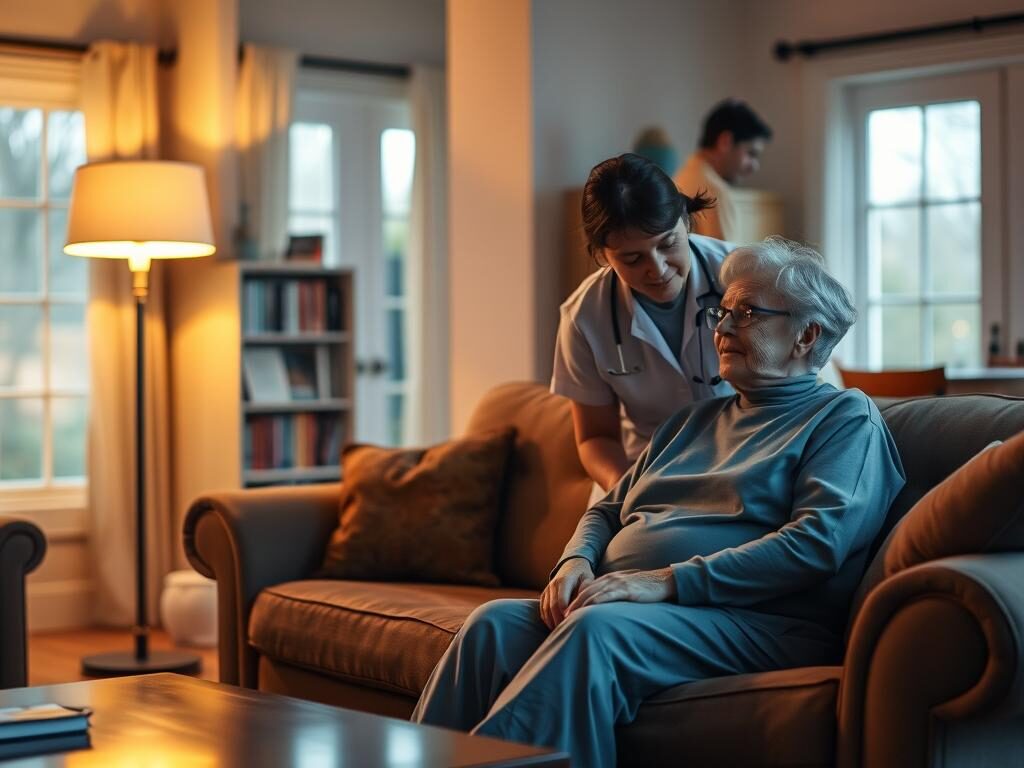
Dealing with a wound can be tough and stressful, needing ongoing care. If you’re finding it hard to manage your wound, knowing when to get help is key.
You might need a home nurse if your wound isn’t healing or looks infected. A pro can give the right care and advice to help your wound heal right. With Dominion Mobile Wound Care, you get excellent care right at home.
Key Takeaways
- Know when to seek professional help for wound care.
- A home nurse can provide necessary care for wound healing.
- Signs of infection require immediate attention.
- Proper wound care can prevent complications.
- Dominion Mobile Wound Care offers expert wound care services.
The Rising Demand for Professional Wound Care at Home
More people are choosing to get wound care at home. This is because of the growing need for home healthcare services. These services offer care that is both personal and convenient.
Dominion Mobile Wound Care is leading this change. They provide specialized wound care right in patients’ homes. This means San Antonio residents can get top-notch care without having to go to the hospital.
Current Trends in Home Healthcare Services
The healthcare world is changing, with a big push towards home care. People want care that is more personal and comfortable. Home healthcare services are getting better, with treatments that were once only in hospitals now available at home.
Why More San Antonio Residents Choose Home-Based Wound Care
San Antonio folks are choosing home-based wound care for good reasons. Getting care at home means no need to travel, which is less stressful. It also means more attention to their specific needs in their own space.
| Benefits of Home-Based Wound Care | Description |
|---|---|
| Personalized Care | Tailored treatment plans that address individual needs |
| Convenience | Eliminates the need for transportation to healthcare facilities |
| Comfort | Reduces stress and discomfort associated with clinical environments |
| Chronic Wound Help | Specialized care for complex wounds, improving healing outcomes |
Common Wounds That Require Professional Attention
Knowing which wounds need a doctor’s help is key for healing. Many wounds benefit from expert care. This ensures they get the right treatment and avoids complications.
Surgical Incisions and Post-Operative Care
Surgical wounds often need a doctor’s care. Good post-op care stops infections and helps wounds heal. Watch for signs of infection like redness, swelling, or more pain.
Pressure Ulcers and Bedsores
Pressure ulcers, or bedsores, need a doctor’s attention too. They happen when skin stays under pressure for too long, usually in people who can’t move much. Changing positions often and proper care can stop them.
Diabetic Foot Ulcers
Diabetic foot ulcers are serious for people with diabetes. They’re hard to heal and need special care.
Early Warning Signs
Spotting diabetic foot ulcers early is important. Look for numbness, tingling, or skin color changes.
Preventive Measures
To avoid diabetic foot ulcers, keep blood sugar in check. Wear the right shoes and check your feet often. Getting advice on foot care can lower ulcer risk.
Warning Signs Your Wound Needs a San Antonio Home Nurse
It’s not always easy to know when a wound is getting worse. But, there are important signs to watch for. If you’re taking care of a wound at home, knowing these signs can help you decide when to get help from a San Antonio home nurse.
Infection Indicators That Shouldn’t Be Ignored
One key warning sign is infection. Look out for increased redness, swelling, or pus around the wound. Also, a foul smell or a fever is a sign of infection. If you see any of these, call a healthcare professional like House Call Nurse SA for help.
When Healing Progress Stalls
Wounds usually heal in a certain order. If your wound isn’t getting better or is getting worse, it might need professional care. A San Antonio home nurse can check the wound and create a care plan to help it heal.
Pain Levels That Indicate Complications
Some pain with a wound is normal. But, increasing or severe pain is a warning sign. If your pain doesn’t get better with medicine or stops you from doing daily things, get help. A house call nurse SA can help manage your pain and find the cause.
Spotting these warning signs early can greatly improve your recovery. If you’re worried about your wound, don’t wait to reach out for help.
The Advantages of House Call Nurse SA Services
Dominion Mobile Wound Care’s house call nurse services offer many benefits. They improve patient outcomes and well-being. By bringing care to patients’ homes, they solve many traditional care challenges.
Eliminating Transportation Challenges
House call nurse services remove the need for patients to travel. This is great for those with mobility issues or chronic conditions. It saves them from the hassle of going to a healthcare facility.
Comfort and Reduced Stress for Patients
Getting care at home reduces stress and boosts comfort. Being in a familiar place helps patients relax. This can speed up their healing.
Personalized Care in Familiar Surroundings
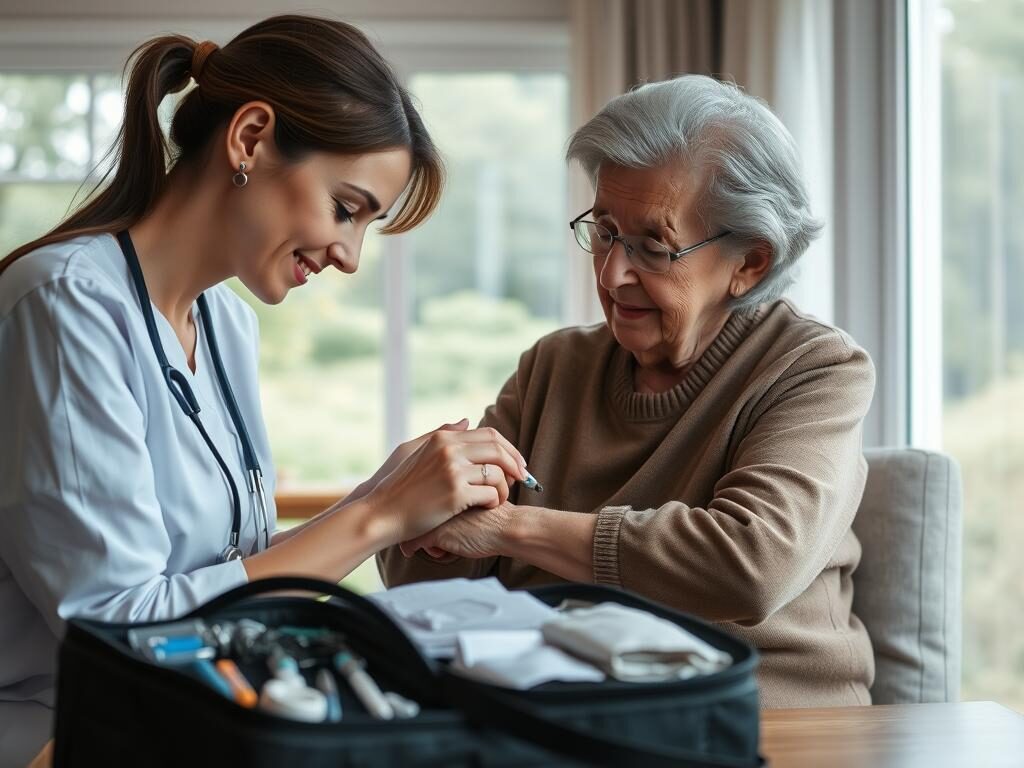
House call nurses offer personalized care that fits the patient’s needs and home. This tailored approach leads to better wound management and care overall.
| Benefits | Description | Impact on Patient Care |
|---|---|---|
| Eliminating Transportation Challenges | Patients don’t need to travel to healthcare facilities | Increased accessibility for patients with mobility issues |
| Comfort and Reduced Stress | Care received in the comfort of the patient’s home | Improved patient comfort and potentially faster healing |
| Personalized Care | Care tailored to the patient’s specific needs and environment | More effective wound management and better overall care |
Specialized Chronic Wound Help for High-Risk Patients
Managing chronic wounds is key, even more so for those at high risk. These wounds can really affect someone’s life, needing special care to heal and avoid problems.
Diabetic Wound Management Protocols
People with diabetes are more likely to get chronic wounds, like foot ulcers. We use off-loading pressure and special dressings to help. Dominion Mobile Wound Care follows evidence-based protocols to fight off infections and prevent amputations.
Vascular Insufficiency Wound Care
Chronic wounds can also come from poor blood flow. Our team is skilled in treating these wounds. We work on improving circulation and creating a healing space with new therapies.
Assessment Techniques
Getting a full assessment is the first step to a good treatment plan. Our experts use state-of-the-art diagnostic tools to check the wound’s severity and blood flow.
Treatment Strategies
Treatments for these wounds might include revascularization procedures and special dressings. We customize our care to meet each patient’s needs, aiming for the best results.
Our goal is to enhance the lives of high-risk patients. We want to help them heal safely at home.
Comprehensive Elderly Care Service for Wound Management
As you get older, your body heals wounds less well. This makes it key to have good elderly care for wound management. Older people need special care that helps them heal better.
Age-Related Healing Challenges
Older adults face many challenges that make healing hard. These include less blood flow, less collagen, and a weaker immune system. Effective elderly care services offer care tailored to these needs.
Some common challenges include:
- Less movement, which can put pressure on some areas for a long time
- Poor diet, which slows healing
- Chronic diseases like diabetes or vascular disease, which affect blood flow and healing
Nutritional Support for Wound Healing
Good nutrition is key for healing wounds. Elderly care services often check nutrition and create special diets. This ensures patients get the nutrients they need to heal well.
| Nutrient | Role in Wound Healing | Food Sources |
|---|---|---|
| Protein | Essential for tissue repair and regeneration | Lean meats, fish, eggs, dairy products |
| Vitamin C | Critical for collagen synthesis and immune function | Citrus fruits, berries, leafy greens |
| Zinc | Important for enzyme function and immune response | Red meat, poultry, seafood, fortified cereals |
Mobility Considerations and Prevention
Mobility is key for preventing and healing wounds. Elderly care services work on improving mobility. This helps avoid pressure on sensitive areas.
Some mobility tips include:
- Regularly moving to avoid pressure ulcers
- Physical therapy to boost strength and range of motion
- Using aids to help move and reduce strain
By tackling healing challenges, supporting nutrition, and focusing on mobility, elderly care services can greatly help with wound management for older adults.
Latest Advancements in Home-Based Wound Care
New technologies in home-based wound care are changing how we treat wounds. At Dominion Mobile Wound Care, we use the latest tools to help our patients heal better. This makes care more accessible and effective.
Innovative Dressing Technologies
New dressing technologies are speeding up wound healing. Some key advancements include:
- Advanced foam dressings that keep wounds moist for faster healing
- Antimicrobial dressings that fight off infections
- Hydrogel dressings that keep wounds hydrated and help repair tissue
Negative Pressure Wound Therapy at Home
Negative Pressure Wound Therapy (NPWT) is now for home use. It lets patients enjoy this therapy in their own homes. NPWT helps wounds heal by:
- Reducing fluid and infection
- Improving blood flow to the wound
- Helping new tissue grow
This therapy is great for complex wounds that heal slowly.
Telemedicine Integration for Wound Monitoring
Telemedicine is key in home-based wound care. It lets us monitor and consult patients remotely. This technology offers:
- Quick responses to changes in the wound
- Less need for in-person visits
- Better patient involvement in their care
With telemedicine, we can keep providing care and adjust plans as needed.
How Dominion Mobile Wound Care Delivers Expert Services
You can count on Dominion Mobile Wound Care for top-notch wound care at home. Their team is all about giving you the best care that fits your needs.
Team of Specialized Wound Care Professionals
Dominion Mobile Wound Care has a team of top-notch wound care experts. They can handle all sorts of wounds, big or small.
Service Areas Throughout San Antonio
They offer their services all over San Antonio. So, no matter where you are in the city, you can get expert care.
Available Treatment Modalities
Dominion Mobile Wound Care has many treatment options. They use advanced dressings, negative pressure therapy, and more to help your wounds heal.
| Treatment Modality | Description | Benefits |
|---|---|---|
| Advanced Wound Dressings | Specialized dressings for various wound types | Promotes healing, reduces infection risk |
| Negative Pressure Wound Therapy | Therapy that aids in wound closure | Enhances healing process, reduces complications |
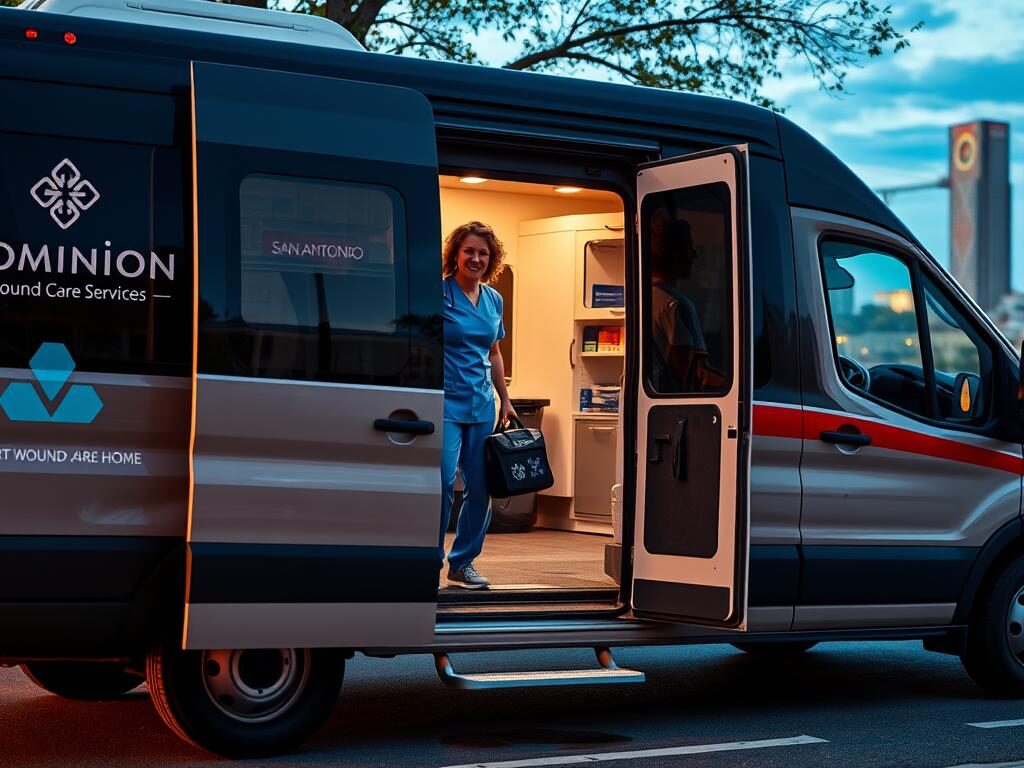
Choosing Dominion Mobile Wound Care means you’re choosing comfort and healing. Their expertise and wide range of services make them the best choice for wound care in San Antonio.
The Process of Working with a San Antonio Home Nurse
Working with a San Antonio home nurse means getting wound care that fits your needs. This approach helps you get the best care right at home.
Initial Assessment and Documentation
The first step is a detailed look at your wound. The nurse will measure its size, depth, and condition. They also check your overall health and any healing factors.
Development of Personalized Care Plans
After the assessment, the nurse creates a personalized care plan for you. This plan might include special wound care, dressing changes, and tips for managing pain and healing.
Coordination with Primary Care Providers
Good wound care needs teamwork. Your San Antonio home nurse will work with your doctors to keep everyone informed about your care.
Communication Protocols
Clear talk is vital for wound care success. Your nurse will set up regular communication protocols to update you and your healthcare team.
Progress Reporting
Keeping track of your progress is key. Your nurse will document your healing and share any updates with your healthcare team.
Knowing how a San Antonio home nurse works can make you feel more confident in your care. This detailed approach ensures your wound care is professional and caring.
Financial Considerations for Home Wound Care Services
Thinking about home wound care for yourself or a loved one? It’s key to know the financial side. The cost depends on the care type, visit frequency, and insurance.
Medicare Coverage for Wound Care
Medicare coverage is a big help for many. It covers doctor visits, nursing, and some supplies if they’re needed for health.
Private Insurance Navigation
If you have private insurance, check what it covers for home care. Some plans pay a lot, while others might ask for more money or have limits.
Affordable Payment Options for Uninsured Patients
Without insurance, there are affordable payment options. Some providers offer lower fees, payment plans, or help to make care more affordable.
| Insurance Type | Typical Coverage | Out-of-Pocket Costs |
|---|---|---|
| Medicare | 80% of wound care costs | 20% copay |
| Private Insurance | Varies by plan | Copays, deductibles |
| Uninsured | N/A | Full cost or sliding scale |
Knowing your financial options is vital for getting the home wound care you need. By looking at your insurance and talking to your provider about payment, you can get the care for healing.
Recent Success Stories: San Antonio Patients Healing at Home
Patients in San Antonio have seen great results thanks to Dominion Mobile Wound Care. Their team works hard to help patients heal at home. This approach is a big help to many.
Case Study: Complex Surgical Wound Management
A patient had a tough time after a complex surgery. But, Dominion Mobile Wound Care’s specialized wound care helped them recover fully. Their skill in handling complex wounds has made a big difference.
Testimonials from Local Residents
People in San Antonio are very thankful for Dominion Mobile Wound Care. Here are some testimonials from them:
- “The team at Dominion Mobile Wound Care were amazing. They took care of my wound with such professionalism and kindness.” – Maria, San Antonio resident
- “I was skeptical about wound care at home, but Dominion Mobile Wound Care exceeded my expectations. Their staff were friendly and knowledgeable.” – John, San Antonio resident
Healthcare Provider Endorsements
Healthcare providers in San Antonio also endorse Dominion Mobile Wound Care. They like how the team works together on wound care. This teamwork is highly praised.
Conclusion: Taking Action for Your Wound Care Needs
When it comes to wound care, taking action is key for healing. Knowing your wound care needs and getting professional help is vital. It can greatly improve your recovery.
If you need wound care in San Antonio, think about hiring a San Antonio home nurse or a house call nurse SA from Dominion Mobile Wound Care. Their team of experts will give you personalized care and help you heal.
By acting and getting expert wound care, you can heal faster and easier. Don’t wait to contact Dominion Mobile Wound Care to meet your wound care needs and start healing today.
FAQ
What are the benefits of receiving wound care at home?
Getting wound care at home is comfy and stress-free. It also saves you from the hassle of traveling. Plus, it’s done in a place you know well, which can help your wound heal better.
What types of wounds require professional attention?
Wounds like surgical cuts, pressure sores, and diabetic foot ulcers need expert care. If your wound shows signs of infection, isn’t healing, or hurts more, see a San Antonio home nurse.
How does Dominion Mobile Wound Care deliver expert services?
At Dominion Mobile Wound Care, a team of skilled professionals offer care plans made just for you. They work with your doctors and use the latest treatments, like special dressings and negative pressure therapy.
What is the process of working with a San Antonio home nurse?
First, you’ll get an assessment and your care plan will be made. The nurse will work with your doctors and keep you updated on your care.
How do I pay for home wound care services?
Dominion Mobile Wound Care accepts Medicare and private insurance. They also have affordable plans for those without insurance. Call them to talk about your options.
Can I receive chronic wound help at home?
Yes, Dominion Mobile Wound Care helps with chronic wounds. They have a team ready to assess and treat wounds like diabetic and vascular insufficiency wounds.
What are the latest advancements in home-based wound care?
New advancements include special dressings and negative pressure therapy. Dominion Mobile Wound Care uses these to give you the best care.
How can I ensure proper wound care for my elderly loved one?
For elderly care, Dominion Mobile Wound Care offers services tailored to their needs. They consider age, nutrition, and mobility. They’ll create a care plan just for your loved one.