

You want clear, practical guidance so you can choose the right path for your recovery. This section compares general home health services with specialty mobile wound care.
Home health offers broad, doctor‑directed support: skilled nursing, therapy, medication and pain management, social work, and wound care when needed. It helps patients recover faster and avoid extra hospital trips.
Mobile wound care focuses on advanced, concentrated wound treatment at your comfort home. A specialty team provides precise dressings, debridement coordination, and tight communication with your physician.
By the end you’ll know which option fits your diagnosis, timeline, and daily needs. You’ll also get answers to the most common questions about visits, frequency, and expected results.
Decide with confidence and take a practical next step: Hire Dominion Mobile Wound Care to help heal your wounds.
Key Takeaways
- Home health manages broad recovery needs with an interdisciplinary plan.
- Mobile wound care delivers targeted, advanced wound treatment at your comfort home.
- Choose based on diagnosis, healing pace, and how much specialist attention you need.
- Both paths aim to reduce hospital trips and keep patients safer at home.
- Get clear answers about the first visit, visit frequency, and expected outcomes.
- If wounds aren’t healing, specialty mobile wound services often offer better results.
- Contact Dominion Mobile Wound Care when focused wound expertise matches your situation.
Home-Based Care Options in San Antonio: What You Need to Know Before You Decide
Start with practical checks: what services you need, who will provide them, and how soon they can begin.
What to expect. Home health brings skilled services to your residence under a doctor‑directed plan of care. An interdisciplinary team coordinates nursing, therapy, and nursing aides so your visits match medical orders.
Timing matters. The first visit is often scheduled by a nurse or therapist and usually happens within 24 hours after discharge to smooth the transition and lower readmission risk.
Ask clear questions about visit frequency, how long clinicians spend each visit, and who communicates updates to your doctor. Confirm insurance coverage and Medicare rules to limit unexpected costs.
- Compare broad, coordinated plans versus focused wound services like Dominion Mobile Wound Care when wounds need advanced care.
- Check whether transportation is a barrier; in‑home services reduce travel and help maintain comfort and privacy.
- Prepare a short list of questions for your first call so expectations match your daily routine and safety needs.
San Antonio Home Health: Services, Benefits, and When It Fits Your Needs
Learn how coordinated in‑home clinical services wrap care and rehab around your routine. This section explains what a typical visiting program includes and who benefits most.
What visiting care includes
Skilled nursing, home health aides, and multiple therapies are delivered under one physician‑directed plan. Services often include physical, occupational, and speech therapy, social work, medication and pain management, infusion care, psychiatric support, and basic wound care.
Evidence-based benefits
You gain faster recovery at home, fewer avoidable hospital trips, and caregiver education that reduces complications. An interdisciplinary team uses proven clinical practices and creates a personalized plan to match your needs.
Who typically benefits
Patients after surgery or hospitalization, people with chronic conditions like heart disease or COPD, and those with limited mobility often do best. If you make frequent doctor visits, in‑home services can cut travel and keep care consistent.
Your first visit and plan of care
A nurse or therapist will schedule a prompt assessment, often within 24 hours after discharge. Expect a medication review, safety check, goal setting, and a clear visit schedule that your team updates as you improve.
- Coordination: nurses, therapists, and aides work as one team to monitor vitals and progress.
- Support: social work can address barriers like transportation or food that affect your plan.
- Escalation: if wounds stall or need advanced treatment, your team may add a specialty partner like Dominion Mobile Wound Care.
Mobile Wound Care at Home: Focused Treatment for Complex Wounds in Your Comfort Home
Focused wound care brings specialized skills to your door when general visiting services aren’t enough. Mobile teams deliver precise wound assessments, targeted dressings, and medication plans that speed healing and reduce complications.
How mobile wound care works
Assessment first. Clinicians track size, depth, drainage, and tissue to match dressing and meds to each healing stage.
Then you get advanced dressing changes, moisture and bioburden control, and timely pain management to improve tolerance and outcomes.
When it fits better than general care
Choose a specialty team like Dominion Mobile Wound Care when wounds stall under standard visits, need special products, or require frequent reassessment beyond a typical home health plan.
Team-based coordination
The mobile specialist coordinates with your nurse, therapists, and caregivers so therapy, nutrition, and offloading support wound closure without disrupting rehab goals.
- Dedicated wound tracking and photo documentation.
- Clear timelines and escalation to your physician if infection appears.
- Advanced in‑home services that protect comfort and privacy.
How to Choose Between Home Health Care and Mobile Wound Care in San Antonio
Match the care model to your recovery pace, wound severity, and who will support you day to day. This helps you pick the right services without guessing.
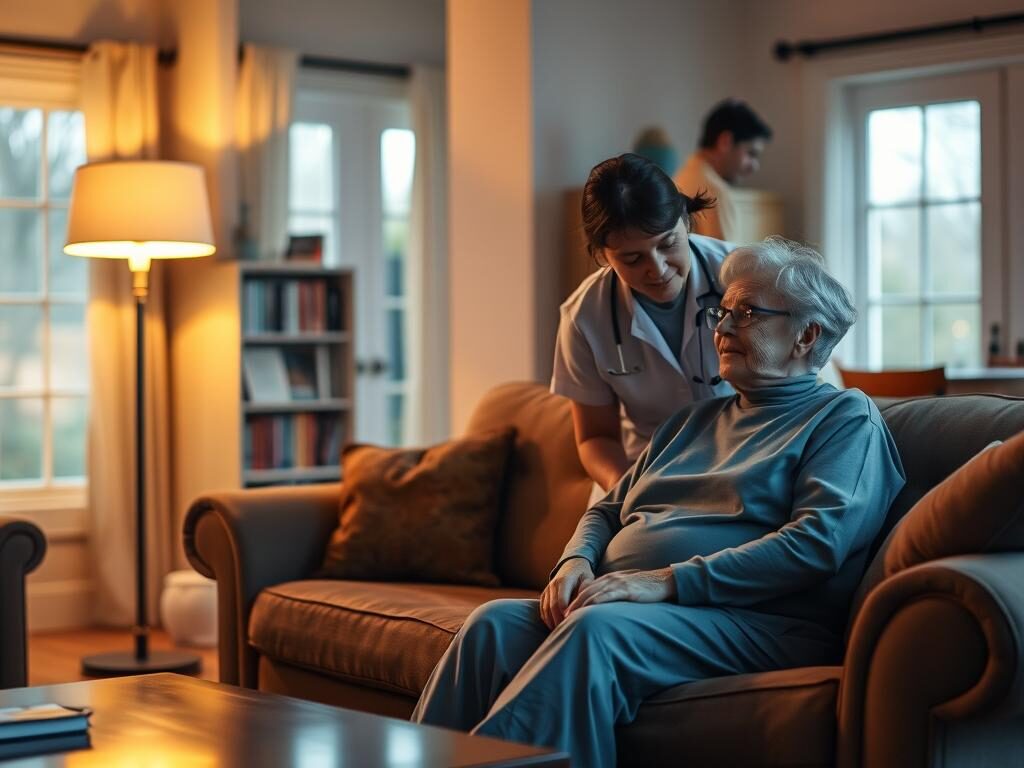
Match your needs: surgical recovery, chronic illness, wound severity, and independence goals
If you need multiple disciplines under one physician‑directed plan, home health or home health care usually fits best. It coordinates nursing, therapy, and social work so rehab and medical tasks align.
If a wound shows stalled healing, severe pain, or frequent dressing needs, a mobile wound team gives focused, high‑touch care. Specialty intervention speeds closure and reduces complications.
Practical factors: timing of visits, insurance, resources, and your plan of care
Ask how soon the first visit will occur (often within 24 hours after discharge) and how the schedule can scale as you improve.
- Confirm insurance coverage before adding specialty services to avoid gaps.
- Consider caregiver training and whether caregivers can manage dressings or need extra support.
- Use community social work for equipment, nutrition, and counseling when resources are limited.
Ask clear questions about outcome targets, measurement trends, and who leads each part of your plan. If wounds stall or complexity rises, contact Dominion Mobile Wound Care for specialized care in san antonio.
Local Coverage and Community Support: Serving Bexar County and Beyond
Dominion Mobile Wound Care links specialty services with local support so you get timely care across Central Texas. You can expect coordinated visits and social work connections that keep your recovery centered in your home.
Service areas we coordinate across Central Texas
We serve Bexar, Comal, Guadalupe, Kendall, Kerr, Medina, and many surrounding counties. That includes common coordination with Travis, Williamson, Hays, and others so you don’t lose access to specialty attention.
Community resources and medical social work
Medical social work helps with referrals to meal programs, incontinence supplies, and medical power of attorney assistance. These practical supports prevent legal or supply issues from slowing your recovery.
- You can access coordinated support across multiple counties so your home remains the center of care while specialists visit.
- Expect help with referrals, short‑term counseling for you and your family, and guidance on placement if care needs change.
- Professionals coordinate services and caregiver education so caregivers feel confident between visits.
Tip: Use county coverage details to plan visit timing and confirm supply availability. Adding Dominion Mobile Wound Care gives focused wound expertise while your broader home health plan continues uninterrupted.
Results That Matter: Therapy and Nursing Support That Keeps You on Track
Early, focused therapy and nursing support set the pace for safe, steady recovery at home. This section explains how physical therapy and nursing work together to protect wounds and speed functional gains after surgery.

From hospital to home: physical therapy progress and safe transition to outpatient care
Your first visit is timely and practical. A physical therapist performs a thorough evaluation soon after discharge.
The therapist builds a clear plan to progress range of motion and strength while protecting wound sites. You get written routines, measurable milestones, and bilingual education when needed.
A coordinated team: nurses, therapists, and aides aligned around your goals
Coordination keeps everyone working toward the same outcomes. Nurses track wound healing and pain control while therapists advance mobility.
This team adjusts exercises, monitors transfers, and prepares you for outpatient therapy. Dominion Mobile Wound Care collaborates with your clinicians to escalate wound interventions quickly if healing slows.
- You can expect a smooth move from hospital to home with a timely visit, a clear plan, and therapy that progresses safely after surgery.
- Your physical therapist tailors exercises to tolerance, updates reps over time, and readies you for outpatient care.
- Measurable milestones—wound size reduction, walking distance, and transfer independence—make progress visible.
Conclusion
Deciding between broad visiting services and focused wound care starts with one clear question: what does healing need now?
Choose home health when you need multiple disciplines under a coordinated plan. It wraps nursing, therapy, aides, and social support into one practical program that reduces complications and extra hospital visits.
Add specialty mobile wound care when wounds stall, dressings grow complex, or pain and infection risk rise. A focused team coordinates with your nurse and other professionals so each visit targets progress.
You’re ready for the next step: contact Dominion Mobile Wound Care to integrate specialty wound support with your existing plan and help heal your wounds.
FAQ
How do I decide between home health and mobile wound care?
Start by reviewing your primary needs. If you need broad skilled services—nursing, therapy, and aide support after surgery or for chronic illness—home health often fits. If you have a complex or nonhealing wound that needs frequent specialized dressing changes and close wound assessment, mobile wound care may be better. Talk with your physician and ask about wound severity, therapy goals, and a coordinated plan that supports your independence.
What services are included in home-based care?
Home-based care typically includes skilled nursing, physical and occupational therapy, speech therapy when needed, and home health aides for daily assistance. Nurses handle medication teaching, wound checks, and clinical monitoring. Therapists focus on mobility, strength, and safe transfers so you can function at home and reduce hospital readmissions.
What are the main benefits of receiving care at home?
You recover in a familiar, comfortable setting while getting medical attention. Home care helps lower hospital visits, reduces infection risk, and provides tailored therapy and caregiver training. Your family also receives education and emotional support, helping everyone manage daily routines and follow the care plan.
Who usually benefits most from home health services?
Patients recovering from surgery, those with chronic conditions like heart failure or COPD, people with limited mobility, and anyone needing frequent in-home doctor-level visits benefit most. Home care supports those who want to remain independent while receiving skilled medical and therapy services.
What happens on the first visit and how is the plan of care created?
A nurse or clinician conducts an initial assessment at your home—reviewing medical history, medications, wound status, mobility, and safety. They coordinate with your doctor to set measurable goals, schedule visits, and arrange therapy or aide services. You’ll get a written plan with visit frequency and who to contact for changes.
How does mobile wound care work at home?
Mobile wound care providers perform wound assessments, debridement when indicated, dressing changes, infection monitoring, and pain management. They document healing progress, adjust treatments, and coordinate with your physician and any therapists to integrate wound care into your overall plan.
When is mobile wound care a better fit than general home health?
Choose mobile wound care when wounds require frequent, specialized attention—such as post-surgical wounds, pressure injuries, diabetic foot ulcers, or wounds not responding to routine care. If wound expertise and more frequent visits are essential, mobile wound services offer targeted treatment.
Who will be on the care team for wound treatment?
The team often includes wound-certified nurses, nurse practitioners or physicians as needed, and rehab therapists when mobility affects healing. Caregivers and aides may assist with hygiene and dressing support. Effective teams communicate closely with your primary doctor and family caregivers.
How do I match services to my recovery goals and independence needs?
Consider your short-term medical needs and long-term independence goals. If you aim to regain mobility and self-care after surgery, prioritize therapy-driven home health. If a complex wound threatens recovery, prioritize wound-focused care. Ask providers how their plan supports daily tasks, safety, and gradual independence.
What practical factors should influence my decision—scheduling, insurance, and resources?
Confirm visit frequency and flexibility, what treatments require prior authorization, and whether your insurance covers skilled nursing, therapy, or specialized wound care. Check local resources—medical social workers, community meal programs, and POA services—to fill gaps in nonmedical support and coordinate care across providers.
Which areas do providers typically serve in Central Texas?
Many agencies coordinate services across Bexar County and surrounding counties such as Comal, Guadalupe, Kendall, Kerr, and Medina. Always verify a provider’s service map to ensure timely visits and access to community support in your specific ZIP code.
What community resources can help with nonmedical needs during home care?
Medical social workers can connect you with meal delivery, transportation, caregiver support groups, and short-term counseling. They also assist with power of attorney questions and link you to local nonprofits for equipment loans and respite care.
How do therapy and nursing work together to keep my recovery on track?
Nurses monitor clinical status and manage medications, while therapists build strength, balance, and safe home routines. They share progress notes and adjust the plan so therapy goals align with medical needs. This coordination aims to transition you safely from hospital to home and, when ready, to outpatient care.
Add a Comment