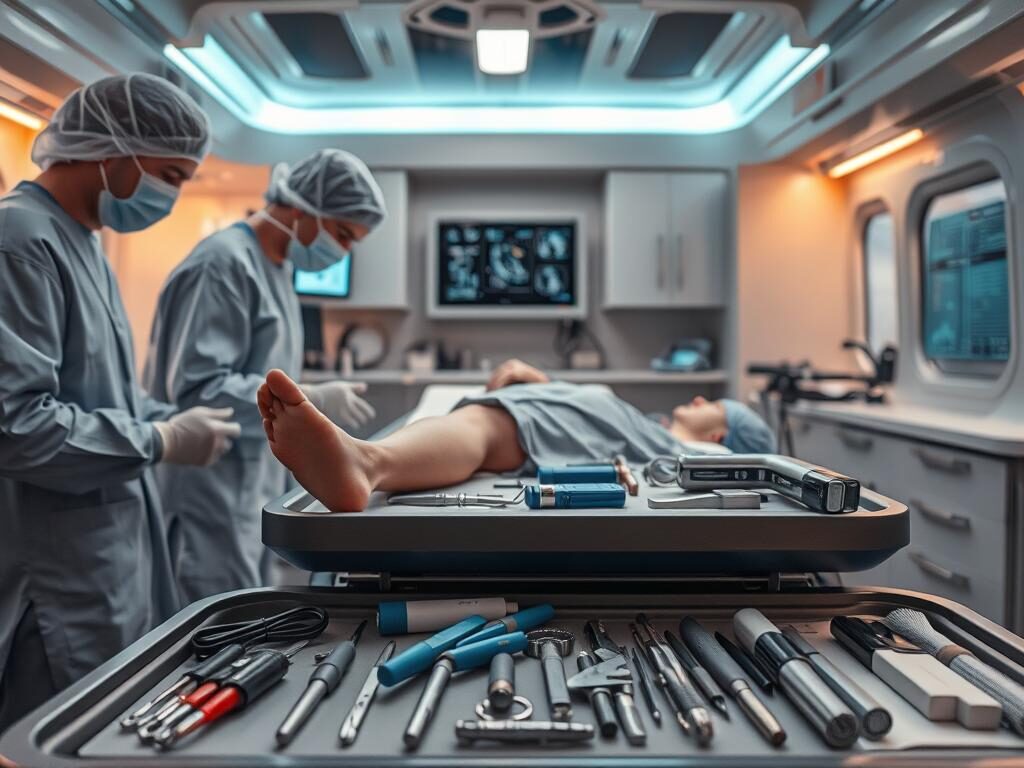
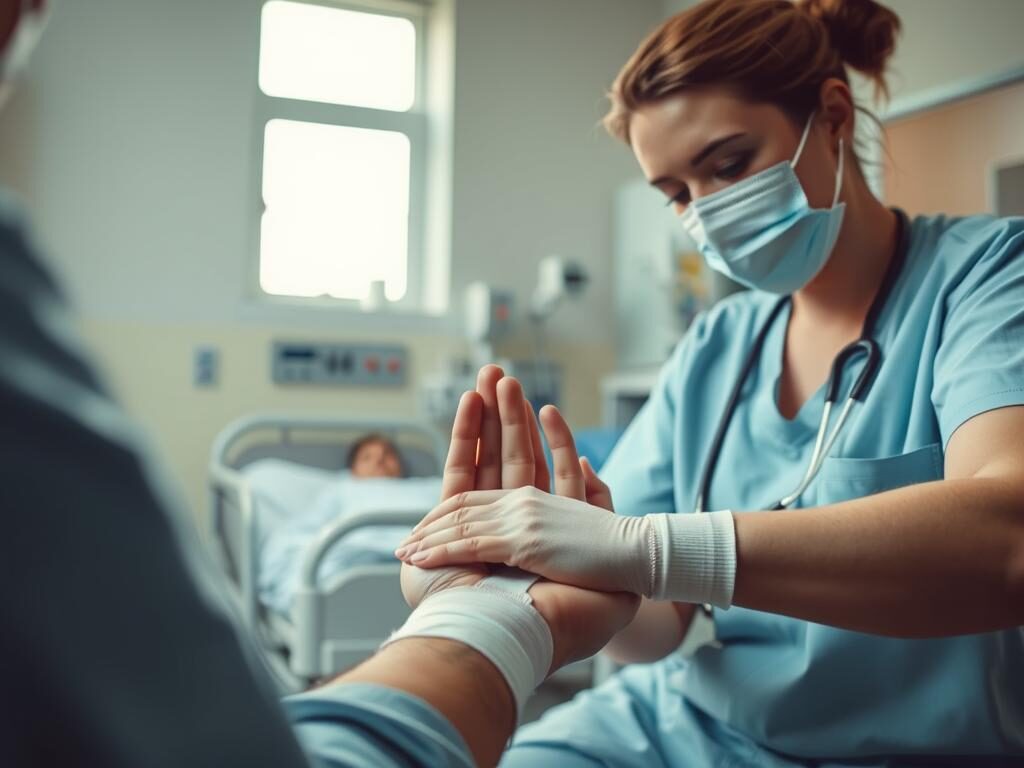
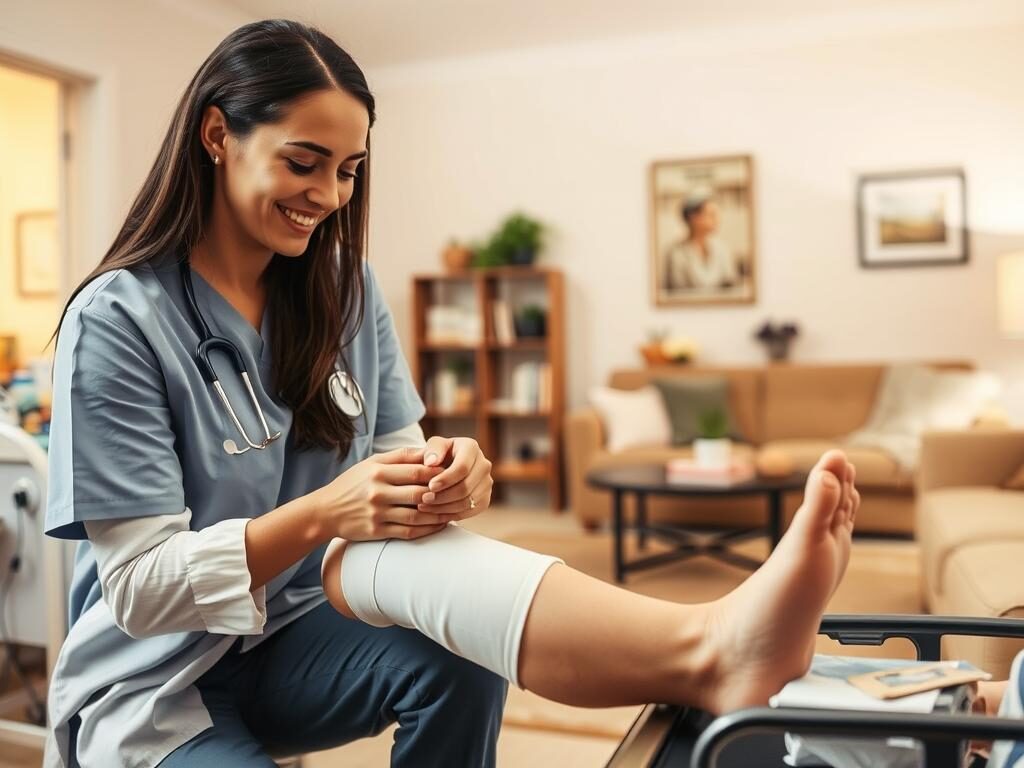
Surgical wound healing

How to Speed Up Surgical Wound Healing with Professional Home Care

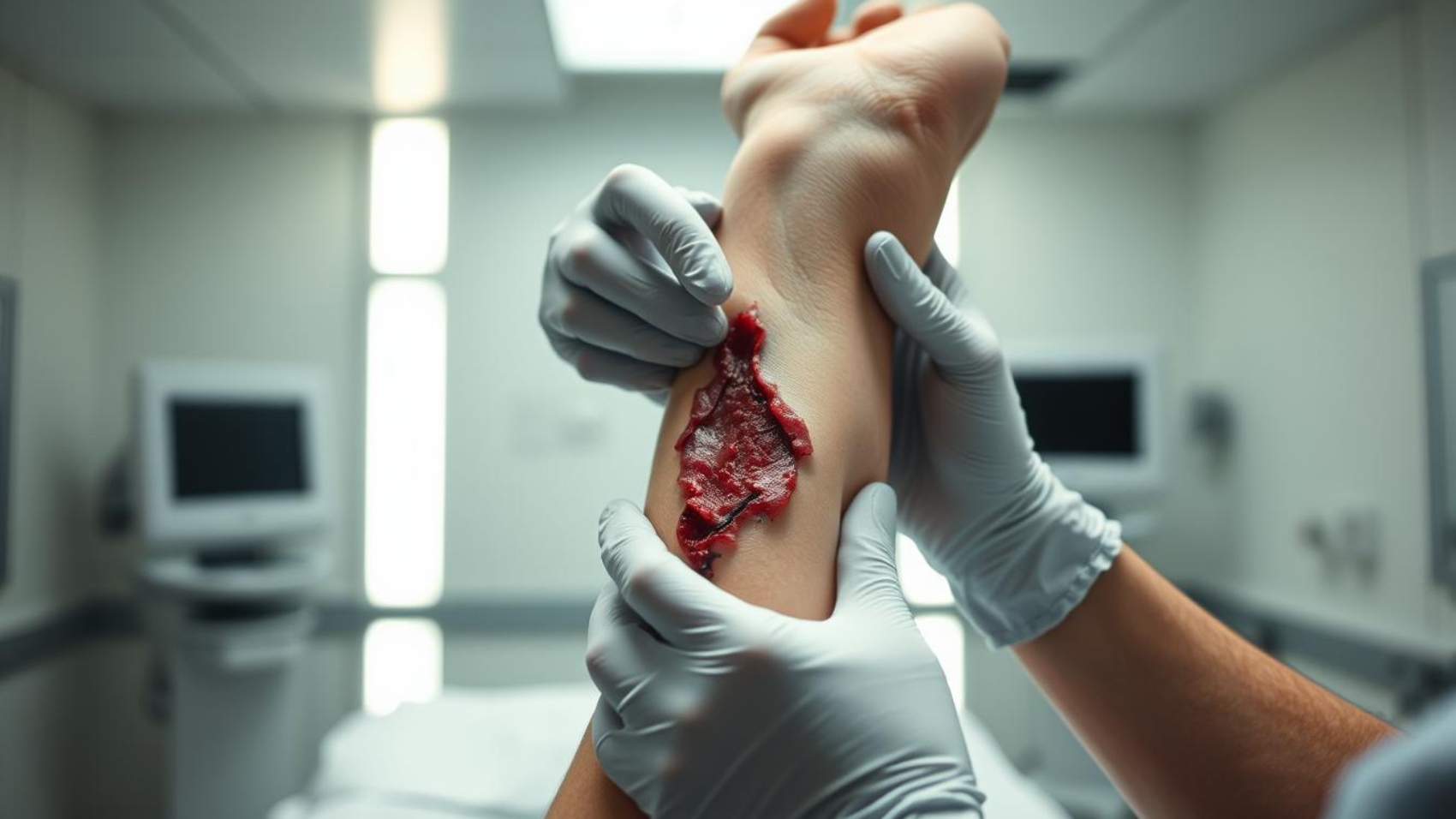
Recovering from surgery can be tough, mainly when it comes to tissue repair and surgical wound healing. Getting professional home care can really help your healing process.

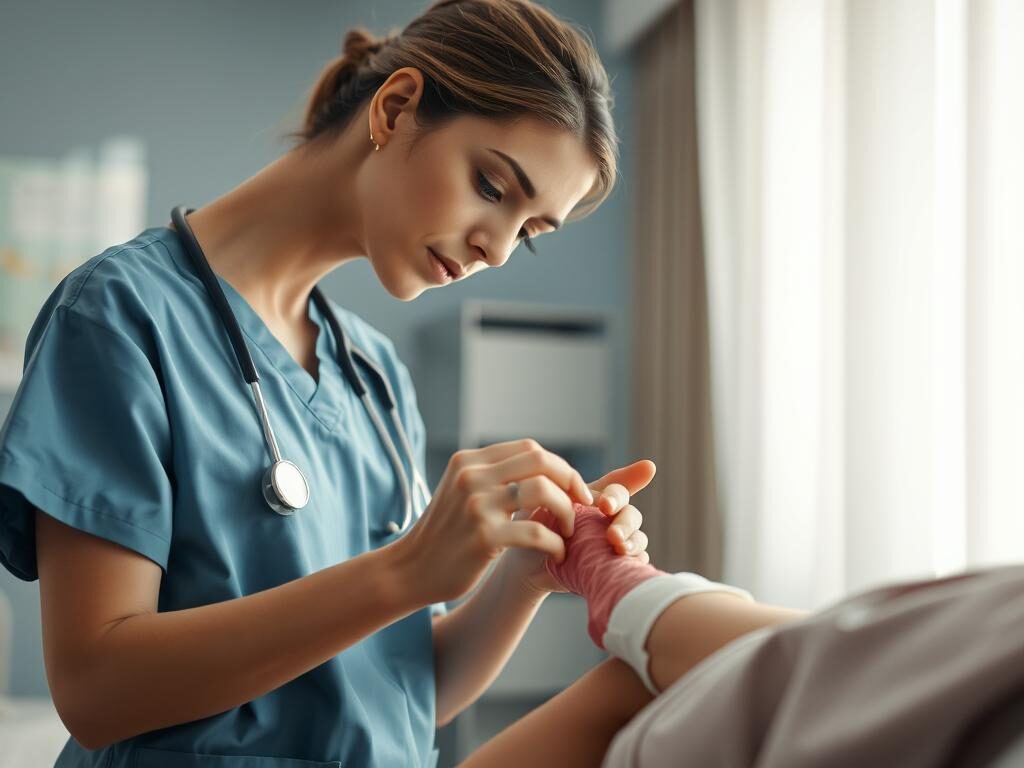
Professional home care gives you the support and guidance you need for a smooth recovery. With the right care, you can lower the chance of problems and help your tissue repair get better.

Choosing professional home care means you get personal attention and expert advice. This can help you heal faster and lower the risk of complications.

Key Takeaways

  • Professional home care can significantly impact your recovery from surgery.
  • Receiving care at home can reduce the risk of complications.
  • Personalized attention and expert guidance can promote optimal tissue repair.
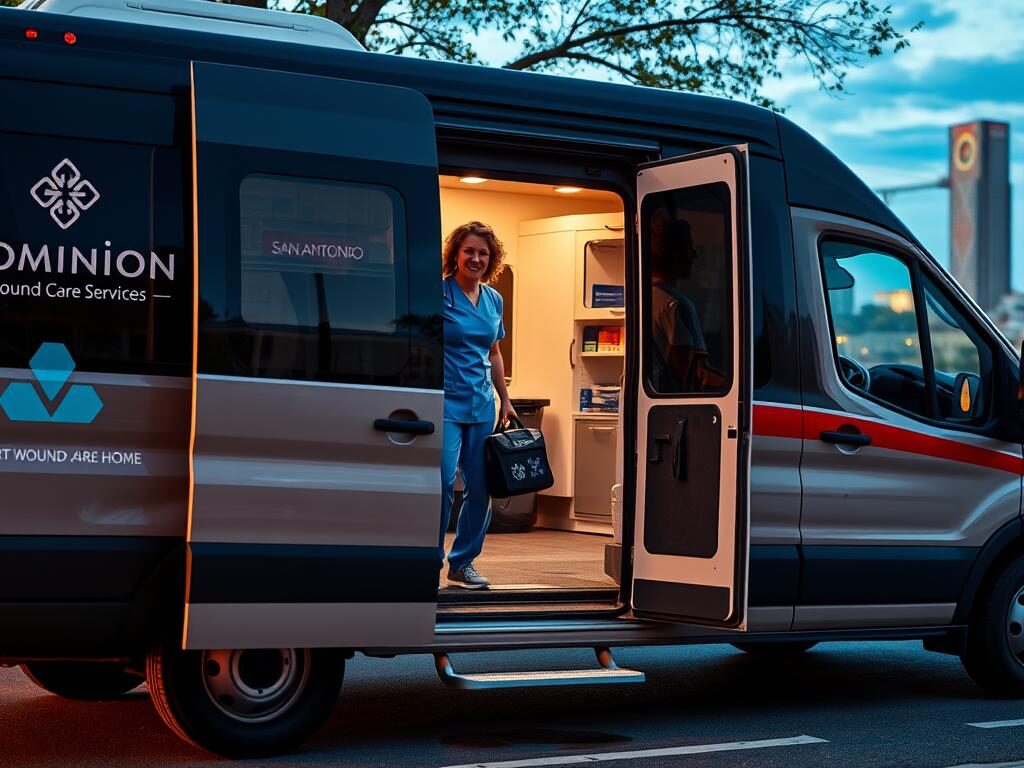
  • Dominion Mobile Wound Care offers expert professional home care services.
  • Trusting a professional service can lead to faster healing times and improved overall health.

The Critical Role of Specialized Wound Care After Surgery

Getting the right wound care after surgery is key to avoiding problems and quick healing. Specialized care means you get a plan made just for you. This plan helps a lot with your incision recovery.

Why the First 72 Hours Matter Most

The first 72 hours after surgery are very important. This is when the chance of problems like infections is highest. Getting expert wound care during these days can greatly lower the risk of issues. It helps your body heal well.

Recent Statistics on Post-Surgical Complications

Even with great care, complications can happen after surgery. But, the numbers show that with good wound care, these can be much lower.

Infection Rates in Home vs. Hospital Settings

Research shows that infection rates differ between home and hospital care. With the right care, home recovery can be as good as or even better than hospital care. This is because home care often includes more personal attention and surgeon follow-up.

Infections don’t heal by themselves and can slow down healing. So, getting the right care is very important. It helps avoid these problems and speeds up your recovery.

Surgical Wound Healing: The Science Behind Tissue Repair

Understanding tissue repair is key for good surgical wound healing. The healing process is complex, with many steps. It involves cells and molecules working together.

The Four Biological Phases of Healing

The healing process has four main phases: inflammatory, proliferative, maturation, and remodeling.

Inflammatory Phase

The inflammatory phase starts with injury. It includes bleeding, inflammation, and immune cell activation. This phase cleans the wound for healing.

Proliferative Phase

In the proliferative phase, the body rebuilds tissue. It forms granulation tissue and adds collagen. New blood vessels appear, and the wound starts to close.

Maturation Phase

The maturation phase refines the tissue. It makes the new tissue like the original. This phase is about improving tissue structure and function.

How Different Surgical Techniques Affect Recovery Time

Different surgeries affect recovery times differently. Minimally invasive surgeries heal faster than open surgeries. The choice of surgery impacts trauma, bleeding, and inflammation. These factors influence healing.

Breaking News: Latest Advances in Wound Care Technology

The field of wound care is changing fast with new technologies. These new tools are making healing better and making patients happier.

FDA-Approved Treatments Released in 2023

In 2023, the FDA approved new wound care treatments. These include advanced dressings and topical therapies. They help wounds heal faster and prevent problems.

For example, bioactive dressings help wounds grow back faster. This means patients can get better quicker.

Smart Dressings That Monitor Healing Progress

Smart dressings are a big deal in wound care. They have sensors that track how a wound is healing. This gives doctors the info they need to help patients better.

These smart dressings are changing home care for the better. Patients can get top-notch care at home. This makes patients happier and saves money on healthcare costs.

As technology keeps getting better, we’ll see even more cool stuff. This will make healing from surgery even better for everyone.

Risk Factors That May Be Slowing Your Recovery

Knowing what affects your recovery is key. Some medical conditions and daily habits can speed up or slow down healing after surgery.

Medical Conditions That Compromise Healing

Some health issues can really slow down your recovery. It’s important to manage these conditions well for the best healing.

Diabetes and Vascular Issues

Diabetes can make it hard for blood to flow to wounds. This is because blood carries oxygen and nutrients needed for healing. Vascular problems can make this even tougher.

Immune System Disorders

If you have an immune system disorder, your body might not fight off infections well. This can slow down healing. It’s vital to work with your doctor to manage your condition while recovering.

Everyday Habits That Hinder Wound Closure

Your daily habits can also affect your recovery. Smoking, for example, can reduce blood flow and oxygen to wounds. A bad diet without important nutrients can also slow down healing.

surgical wound healing risk factors

By understanding and managing these risks, you can create a recovery plan with your healthcare team. This plan can help you heal better and avoid complications.

Why Professional Home Care Is Transforming Surgical Recovery

The way we recover from surgery is changing. Professional home care is leading this change. It offers medical treatment in the comfort of your home, making it a great option for those recovering.

The Shift from Hospital to Home-Based Recovery Models

Before, patients stayed in the hospital for a long time after surgery. But now, with better technology and higher hospital costs, home-based recovery is becoming more common. It’s a more comfortable and affordable way to heal.

Dominion Mobile Wound Care’s Specialized Approach

Dominion Mobile Wound Care is at the forefront of home-based wound care. They focus on giving each patient the care they need, tailored just for them.

Personalized Treatment Protocols

Dominion Mobile Wound Care uses personalized treatment protocols. These plans are made for each patient’s wound. They ensure patients get the best care for their needs.

Advanced Equipment Available for Home Use

They also bring advanced medical equipment to your home. This equipment helps track how wounds are healing and makes timely interventions.

By combining personalized care with advanced equipment, Dominion Mobile Wound Care helps patients recover faster and better. This new approach is changing how we think about recovering from surgery, making it more focused on the patient.

Evidence-Based Nutrition Strategies for Faster Healing

Evidence-based nutrition strategies are key for faster healing and less complications after surgery. A balanced diet with essential nutrients helps the body repair itself. This makes recovery smoother.

The Protein-Collagen Connection in Tissue Repair

Protein intake is linked to collagen synthesis for tissue repair. Enough protein boosts collagen production, which is key for wound healing and strength. Add protein-rich foods like lean meats, fish, eggs, and dairy to your meals.

Micronutrients That Accelerate Incision Recovery

Certain micronutrients help speed up recovery. Zinc is important for enzyme work and protein making. Vitamin C is vital for collagen making and keeping the immune system strong.

Zinc, Vitamin C, and Other Essential Nutrients

Nutrient Role in Healing Food Sources
Zinc Enzyme function, protein synthesis Oysters, beef, chicken
Vitamin C Collagen synthesis, immune function Citrus fruits, berries, leafy greens
Protein Tissue repair, collagen production Lean meats, fish, eggs, dairy

For more detailed nutrition tips to promote faster wound healing at, visit our resource page.

Clinical Guidelines for Wound Cleaning and Management

Knowing the clinical guidelines for wound cleaning is key to your recovery. Proper care is vital to avoid infections and speed up healing. The American College of Surgeons updates its protocols to help healthcare professionals achieve the best results for patients.

Updated Protocols from the American College of Surgeons

The American College of Surgeons updates its guidelines often. They reflect the newest research and best practices in wound care. These updates stress the need for proper wound cleaning and dressing techniques to prevent issues.

Step-by-Step Wound Care Techniques

Effective wound care involves several steps. These steps should be followed carefully. This includes:

  • Proper Cleansing Methods: Using the right cleaning solutions and techniques to avoid damaging tissue.
  • Dressing Selection and Application: Choosing the appropriate dressing for your wound type and applying it correctly.

Proper Cleansing Methods

Cleansing your wound properly is essential. Use saline solution or water to gently clean the wound. Avoid harsh soap or other cleansers that can irritate the wound.

Dressing Selection and Application

Choosing the right dressing depends on your wound’s type and size. Your healthcare provider can help you pick the best one. Apply the dressing as directed to keep your wound moist and protected.

By following these guidelines and working with your healthcare team, you can ensure your wound heals well and fast. Remember, effective wound care is a critical part of your recovery.

Red Flags: When to Contact Your Surgeon Immediately

After surgery, knowing when to get help is key. Your surgeon’s follow-up care is vital for any issues that come up.

Critical Warning Signs of Complications

Knowing the signs of wound problems is important. This way, you can act fast. These signs include:

Infection Indicators

  • Increased redness or swelling around the wound
  • Pus or discharge from the wound
  • A foul odor from the wound
  • Fever or chills

Dehiscence and Other Structural Issues

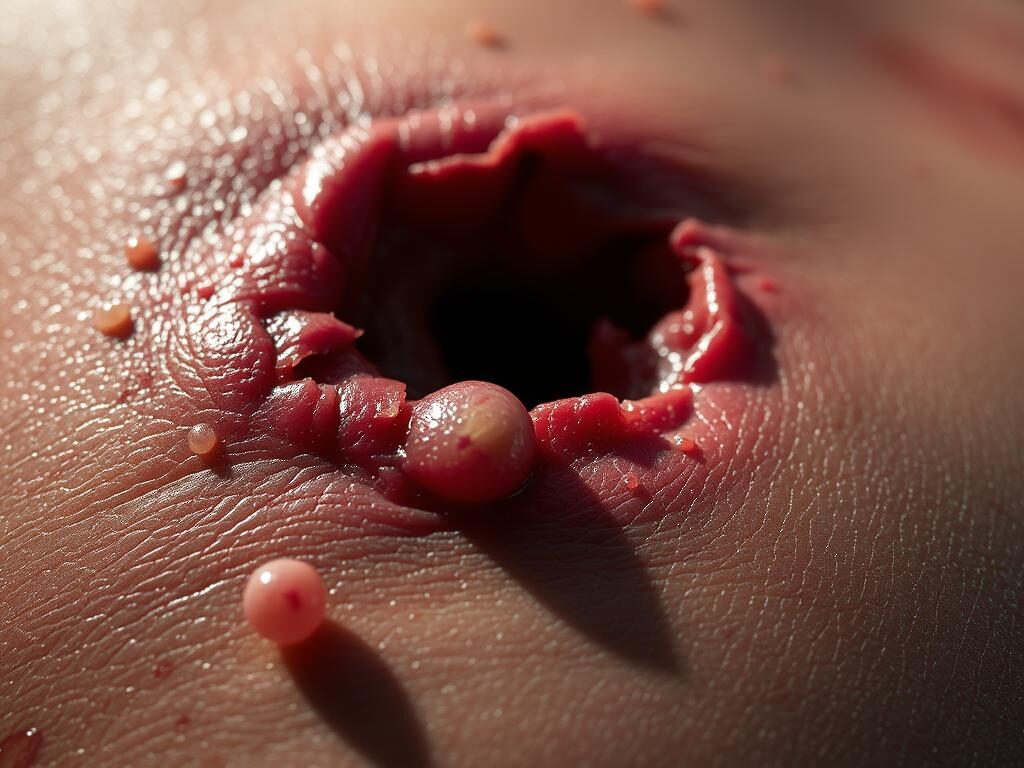
  • Opening or separation of the wound edges
  • Increased pain or tenderness
  • Bleeding or hematoma

Emergency Response Protocol for Wound Problems

If you notice these symptoms, contact your surgeon right away. Waiting too long can cause big problems. Your quick action can greatly help your recovery.
wound complications

How Specialized Wound Care Professionals Enhance Surgeon Follow-Up

Specialized wound care professionals are key in improving follow-up care after surgery. They make sure your wound heals right, cutting down on complications.

The Complementary Role of Wound Specialists

Wound specialists team up with your surgical team for full care. They offer:

  • Expert assessment of wound healing progress
  • Personalized care plans tailored to your needs
  • Education on wound care and management

Technologies Used for Remote Monitoring and Assessment

Advanced tech lets wound care pros monitor you from afar. They can see how you’re healing and act fast if problems pop up. Some tools they use are:

  • Digital wound imaging
  • Remote patient monitoring systems

Telemedicine Innovations in Wound Care

Telemedicine has changed wound care by making virtual visits possible. This means:

  • Less need for in-person visits
  • More access to care for those far away or with mobility issues
  • Quicker help when needed

With these tools and teamwork with surgeons, wound care pros can greatly improve your healing journey.

Creating a Seamless Care Transition Plan

Seamless care transition is more than just handing over care. It’s a key part of your recovery after surgery. A good care transition plan makes sure you get continuous, top-notch care from the hospital to your home.

Coordinating Between Hospital Discharge and Home Care

It’s important to have good communication between hospital teams and home care providers. They need to know about your treatment, medicines, and any special needs you have.

Documentation Systems That Improve Outcomes

Having accurate and easy-to-access records is key for a smooth transition. These records should include your wound care, medicines, and how you’re doing.

Digital Tracking of Healing Milestones

Digital systems can track your healing progress in real-time. This gives your healthcare team the info they need to make changes to your care plan. It helps you recover as well as possible.

Case Studies: Accelerated Recovery with Dominion Mobile Wound Care

Dominion Mobile Wound Care is changing the game in wound care. They offer specialized care right in your home. This approach has led to accelerated recovery for many patients.

Recent Success Stories from 2023

In 2023, Dominion Mobile Wound Care saw many success stories. Patients healed faster and had fewer complications. One patient, with a tough-to-heal surgical wound, was a standout.

Complex Surgical Case Resolutions

The patient got care from Dominion Mobile Wound Care’s expert team. They used the latest technologies and made a treatment plan just for the patient. Thanks to this, the wound healed much quicker than anyone thought.

Statistical Improvements in Healing Times

Statistics from Dominion Mobile Wound Care show big improvements in healing times. Their method is clearly working.

Comparative Recovery Data

Comparing recovery data, patients under Dominion Mobile Wound Care’s care heal faster.

This data shows the power of specialized wound care. It proves Dominion Mobile Wound Care’s dedication to better patient outcomes.

Conclusion: Taking Action for Optimal Healing

You’ve learned how important professional home care is for healing wounds after surgery. By understanding how our bodies repair tissue and what affects recovery, you can help your healing. This makes the process smoother and faster.

Professional home care boosts healing by providing special wound care and nutrition advice. It also includes timely interventions. With Dominion Mobile Wound Care, you get expert care at home. This reduces complications and helps your wounds heal better.

Don’t let surgical wounds slow you down. Take charge of your recovery by getting professional help. Think about hiring Dominion Mobile Wound Care to help you heal. Their team will create a care plan just for you, ensuring you get the best care for your needs.

FAQ

What are the benefits of receiving wound care at home?

Getting wound care at home can lower the chance of getting infections in the hospital. It makes recovery more comfortable. Plus, you get care that’s tailored just for you.

How do different surgical techniques affect recovery time?

Recovery times vary based on the surgery type. Minimally invasive surgeries usually heal faster. This is because they have smaller cuts and cause less damage.

What are the four biological phases of healing?

The healing process has four main stages: hemostasis, inflammation, proliferation, and remodeling. Knowing these stages helps you understand your recovery better.

What are some risk factors that may slow down my recovery?

Medical conditions like diabetes and habits like smoking can slow healing. Taking care of these can make recovery smoother.

How can nutrition support the recovery process?

Good nutrition, with enough protein and vitamins, is key for healing. Eating well helps your body repair tissues.

What are some signs of complications that require immediate attention from a surgeon?

Watch for signs like more redness, swelling, or discharge. These could mean an infection. If you see these, call your surgeon right away.

How can specialized wound care professionals complement surgeon follow-up care?

Wound care experts offer extra support and watch for problems early. They use new tech for checking on you from afar.

What is involved in creating a seamless care transition plan?

A good care plan means working well from hospital to home care. It uses systems to track progress and gives you the help you need.

How can Dominion Mobile Wound Care support my recovery?

Dominion Mobile Wound Care provides special care at home. They use the latest tools and make a plan just for you.

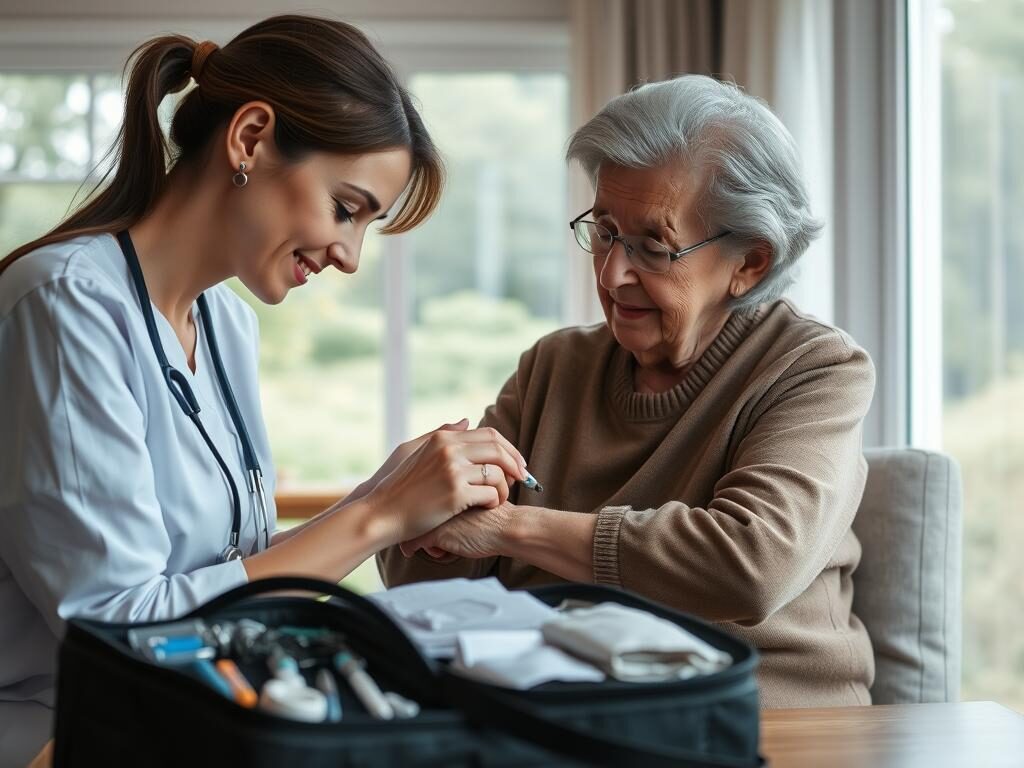
San Antonio home nurse

When Should You Call a Home Nurse for Wound Care in San Antonio

Dealing with a wound can be tough and stressful, needing ongoing care. If you’re finding it hard to manage your wound, knowing when to get help is key.

You might need a home nurse if your wound isn’t healing or looks infected. A pro can give the right care and advice to help your wound heal right. With Dominion Mobile Wound Care, you get excellent care right at home.

Key Takeaways

  • Know when to seek professional help for wound care.
  • A home nurse can provide necessary care for wound healing.
  • Signs of infection require immediate attention.
  • Proper wound care can prevent complications.
  • Dominion Mobile Wound Care offers expert wound care services.

The Rising Demand for Professional Wound Care at Home

More people are choosing to get wound care at home. This is because of the growing need for home healthcare services. These services offer care that is both personal and convenient.

Dominion Mobile Wound Care is leading this change. They provide specialized wound care right in patients’ homes. This means San Antonio residents can get top-notch care without having to go to the hospital.

Current Trends in Home Healthcare Services

The healthcare world is changing, with a big push towards home care. People want care that is more personal and comfortable. Home healthcare services are getting better, with treatments that were once only in hospitals now available at home.

Why More San Antonio Residents Choose Home-Based Wound Care

San Antonio folks are choosing home-based wound care for good reasons. Getting care at home means no need to travel, which is less stressful. It also means more attention to their specific needs in their own space.

Benefits of Home-Based Wound Care Description
Personalized Care Tailored treatment plans that address individual needs
Convenience Eliminates the need for transportation to healthcare facilities
Comfort Reduces stress and discomfort associated with clinical environments
Chronic Wound Help Specialized care for complex wounds, improving healing outcomes

Common Wounds That Require Professional Attention

Knowing which wounds need a doctor’s help is key for healing. Many wounds benefit from expert care. This ensures they get the right treatment and avoids complications.

Surgical Incisions and Post-Operative Care

Surgical wounds often need a doctor’s care. Good post-op care stops infections and helps wounds heal. Watch for signs of infection like redness, swelling, or more pain.

Pressure Ulcers and Bedsores

Pressure ulcers, or bedsores, need a doctor’s attention too. They happen when skin stays under pressure for too long, usually in people who can’t move much. Changing positions often and proper care can stop them.

Diabetic Foot Ulcers

Diabetic foot ulcers are serious for people with diabetes. They’re hard to heal and need special care.

Early Warning Signs

Spotting diabetic foot ulcers early is important. Look for numbness, tingling, or skin color changes.

Preventive Measures

To avoid diabetic foot ulcers, keep blood sugar in check. Wear the right shoes and check your feet often. Getting advice on foot care can lower ulcer risk.

Warning Signs Your Wound Needs a San Antonio Home Nurse

It’s not always easy to know when a wound is getting worse. But, there are important signs to watch for. If you’re taking care of a wound at home, knowing these signs can help you decide when to get help from a San Antonio home nurse.

Infection Indicators That Shouldn’t Be Ignored

One key warning sign is infection. Look out for increased redness, swelling, or pus around the wound. Also, a foul smell or a fever is a sign of infection. If you see any of these, call a healthcare professional like House Call Nurse SA for help.

When Healing Progress Stalls

Wounds usually heal in a certain order. If your wound isn’t getting better or is getting worse, it might need professional care. A San Antonio home nurse can check the wound and create a care plan to help it heal.

Pain Levels That Indicate Complications

Some pain with a wound is normal. But, increasing or severe pain is a warning sign. If your pain doesn’t get better with medicine or stops you from doing daily things, get help. A house call nurse SA can help manage your pain and find the cause.

Spotting these warning signs early can greatly improve your recovery. If you’re worried about your wound, don’t wait to reach out for help.

The Advantages of House Call Nurse SA Services

Dominion Mobile Wound Care’s house call nurse services offer many benefits. They improve patient outcomes and well-being. By bringing care to patients’ homes, they solve many traditional care challenges.

Eliminating Transportation Challenges

House call nurse services remove the need for patients to travel. This is great for those with mobility issues or chronic conditions. It saves them from the hassle of going to a healthcare facility.

Comfort and Reduced Stress for Patients

Getting care at home reduces stress and boosts comfort. Being in a familiar place helps patients relax. This can speed up their healing.

Personalized Care in Familiar Surroundings

House call nurses offer personalized care that fits the patient’s needs and home. This tailored approach leads to better wound management and care overall.

house call nurse SA services

Benefits Description Impact on Patient Care
Eliminating Transportation Challenges Patients don’t need to travel to healthcare facilities Increased accessibility for patients with mobility issues
Comfort and Reduced Stress Care received in the comfort of the patient’s home Improved patient comfort and potentially faster healing
Personalized Care Care tailored to the patient’s specific needs and environment More effective wound management and better overall care

Specialized Chronic Wound Help for High-Risk Patients

Managing chronic wounds is key, even more so for those at high risk. These wounds can really affect someone’s life, needing special care to heal and avoid problems.

Diabetic Wound Management Protocols

People with diabetes are more likely to get chronic wounds, like foot ulcers. We use off-loading pressure and special dressings to help. Dominion Mobile Wound Care follows evidence-based protocols to fight off infections and prevent amputations.

Vascular Insufficiency Wound Care

Chronic wounds can also come from poor blood flow. Our team is skilled in treating these wounds. We work on improving circulation and creating a healing space with new therapies.

Assessment Techniques

Getting a full assessment is the first step to a good treatment plan. Our experts use state-of-the-art diagnostic tools to check the wound’s severity and blood flow.

Treatment Strategies

Treatments for these wounds might include revascularization procedures and special dressings. We customize our care to meet each patient’s needs, aiming for the best results.

Our goal is to enhance the lives of high-risk patients. We want to help them heal safely at home.

Comprehensive Elderly Care Service for Wound Management

As you get older, your body heals wounds less well. This makes it key to have good elderly care for wound management. Older people need special care that helps them heal better.

Age-Related Healing Challenges

Older adults face many challenges that make healing hard. These include less blood flow, less collagen, and a weaker immune system. Effective elderly care services offer care tailored to these needs.

Some common challenges include:

  • Less movement, which can put pressure on some areas for a long time
  • Poor diet, which slows healing
  • Chronic diseases like diabetes or vascular disease, which affect blood flow and healing

Nutritional Support for Wound Healing

Good nutrition is key for healing wounds. Elderly care services often check nutrition and create special diets. This ensures patients get the nutrients they need to heal well.

Nutrient Role in Wound Healing Food Sources
Protein Essential for tissue repair and regeneration Lean meats, fish, eggs, dairy products
Vitamin C Critical for collagen synthesis and immune function Citrus fruits, berries, leafy greens
Zinc Important for enzyme function and immune response Red meat, poultry, seafood, fortified cereals

Mobility Considerations and Prevention

Mobility is key for preventing and healing wounds. Elderly care services work on improving mobility. This helps avoid pressure on sensitive areas.

Some mobility tips include:

  • Regularly moving to avoid pressure ulcers
  • Physical therapy to boost strength and range of motion
  • Using aids to help move and reduce strain

By tackling healing challenges, supporting nutrition, and focusing on mobility, elderly care services can greatly help with wound management for older adults.

Latest Advancements in Home-Based Wound Care

New technologies in home-based wound care are changing how we treat wounds. At Dominion Mobile Wound Care, we use the latest tools to help our patients heal better. This makes care more accessible and effective.

Innovative Dressing Technologies

New dressing technologies are speeding up wound healing. Some key advancements include:

  • Advanced foam dressings that keep wounds moist for faster healing
  • Antimicrobial dressings that fight off infections
  • Hydrogel dressings that keep wounds hydrated and help repair tissue

Negative Pressure Wound Therapy at Home

Negative Pressure Wound Therapy (NPWT) is now for home use. It lets patients enjoy this therapy in their own homes. NPWT helps wounds heal by:

  1. Reducing fluid and infection
  2. Improving blood flow to the wound
  3. Helping new tissue grow

This therapy is great for complex wounds that heal slowly.

Telemedicine Integration for Wound Monitoring

Telemedicine is key in home-based wound care. It lets us monitor and consult patients remotely. This technology offers:

  • Quick responses to changes in the wound
  • Less need for in-person visits
  • Better patient involvement in their care

With telemedicine, we can keep providing care and adjust plans as needed.

How Dominion Mobile Wound Care Delivers Expert Services

You can count on Dominion Mobile Wound Care for top-notch wound care at home. Their team is all about giving you the best care that fits your needs.

Team of Specialized Wound Care Professionals

Dominion Mobile Wound Care has a team of top-notch wound care experts. They can handle all sorts of wounds, big or small.

Service Areas Throughout San Antonio

They offer their services all over San Antonio. So, no matter where you are in the city, you can get expert care.

Available Treatment Modalities

Dominion Mobile Wound Care has many treatment options. They use advanced dressings, negative pressure therapy, and more to help your wounds heal.

Treatment Modality Description Benefits
Advanced Wound Dressings Specialized dressings for various wound types Promotes healing, reduces infection risk
Negative Pressure Wound Therapy Therapy that aids in wound closure Enhances healing process, reduces complications

Dominion Mobile Wound Care Services

Choosing Dominion Mobile Wound Care means you’re choosing comfort and healing. Their expertise and wide range of services make them the best choice for wound care in San Antonio.

The Process of Working with a San Antonio Home Nurse

Working with a San Antonio home nurse means getting wound care that fits your needs. This approach helps you get the best care right at home.

Initial Assessment and Documentation

The first step is a detailed look at your wound. The nurse will measure its size, depth, and condition. They also check your overall health and any healing factors.

Development of Personalized Care Plans

After the assessment, the nurse creates a personalized care plan for you. This plan might include special wound care, dressing changes, and tips for managing pain and healing.

Coordination with Primary Care Providers

Good wound care needs teamwork. Your San Antonio home nurse will work with your doctors to keep everyone informed about your care.

Communication Protocols

Clear talk is vital for wound care success. Your nurse will set up regular communication protocols to update you and your healthcare team.

Progress Reporting

Keeping track of your progress is key. Your nurse will document your healing and share any updates with your healthcare team.

Knowing how a San Antonio home nurse works can make you feel more confident in your care. This detailed approach ensures your wound care is professional and caring.

Financial Considerations for Home Wound Care Services

Thinking about home wound care for yourself or a loved one? It’s key to know the financial side. The cost depends on the care type, visit frequency, and insurance.

Medicare Coverage for Wound Care

Medicare coverage is a big help for many. It covers doctor visits, nursing, and some supplies if they’re needed for health.

Private Insurance Navigation

If you have private insurance, check what it covers for home care. Some plans pay a lot, while others might ask for more money or have limits.

Affordable Payment Options for Uninsured Patients

Without insurance, there are affordable payment options. Some providers offer lower fees, payment plans, or help to make care more affordable.

Insurance Type Typical Coverage Out-of-Pocket Costs
Medicare 80% of wound care costs 20% copay
Private Insurance Varies by plan Copays, deductibles
Uninsured N/A Full cost or sliding scale

Knowing your financial options is vital for getting the home wound care you need. By looking at your insurance and talking to your provider about payment, you can get the care for healing.

Recent Success Stories: San Antonio Patients Healing at Home

Patients in San Antonio have seen great results thanks to Dominion Mobile Wound Care. Their team works hard to help patients heal at home. This approach is a big help to many.

Case Study: Complex Surgical Wound Management

A patient had a tough time after a complex surgery. But, Dominion Mobile Wound Care’s specialized wound care helped them recover fully. Their skill in handling complex wounds has made a big difference.

Testimonials from Local Residents

People in San Antonio are very thankful for Dominion Mobile Wound Care. Here are some testimonials from them:

  • “The team at Dominion Mobile Wound Care were amazing. They took care of my wound with such professionalism and kindness.” – Maria, San Antonio resident
  • “I was skeptical about wound care at home, but Dominion Mobile Wound Care exceeded my expectations. Their staff were friendly and knowledgeable.” – John, San Antonio resident

Healthcare Provider Endorsements

Healthcare providers in San Antonio also endorse Dominion Mobile Wound Care. They like how the team works together on wound care. This teamwork is highly praised.

Conclusion: Taking Action for Your Wound Care Needs

When it comes to wound care, taking action is key for healing. Knowing your wound care needs and getting professional help is vital. It can greatly improve your recovery.

If you need wound care in San Antonio, think about hiring a San Antonio home nurse or a house call nurse SA from Dominion Mobile Wound Care. Their team of experts will give you personalized care and help you heal.

By acting and getting expert wound care, you can heal faster and easier. Don’t wait to contact Dominion Mobile Wound Care to meet your wound care needs and start healing today.

FAQ

What are the benefits of receiving wound care at home?

Getting wound care at home is comfy and stress-free. It also saves you from the hassle of traveling. Plus, it’s done in a place you know well, which can help your wound heal better.

What types of wounds require professional attention?

Wounds like surgical cuts, pressure sores, and diabetic foot ulcers need expert care. If your wound shows signs of infection, isn’t healing, or hurts more, see a San Antonio home nurse.

How does Dominion Mobile Wound Care deliver expert services?

At Dominion Mobile Wound Care, a team of skilled professionals offer care plans made just for you. They work with your doctors and use the latest treatments, like special dressings and negative pressure therapy.

What is the process of working with a San Antonio home nurse?

First, you’ll get an assessment and your care plan will be made. The nurse will work with your doctors and keep you updated on your care.

How do I pay for home wound care services?

Dominion Mobile Wound Care accepts Medicare and private insurance. They also have affordable plans for those without insurance. Call them to talk about your options.

Can I receive chronic wound help at home?

Yes, Dominion Mobile Wound Care helps with chronic wounds. They have a team ready to assess and treat wounds like diabetic and vascular insufficiency wounds.

What are the latest advancements in home-based wound care?

New advancements include special dressings and negative pressure therapy. Dominion Mobile Wound Care uses these to give you the best care.

How can I ensure proper wound care for my elderly loved one?

For elderly care, Dominion Mobile Wound Care offers services tailored to their needs. They consider age, nutrition, and mobility. They’ll create a care plan just for your loved one.

Wound Assessment

The Importance of Professional Wound Assessments at Home

You deserve care that meets clinical standards without leaving your home. When a chronic skin break lasts more than six weeks, it needs focused attention to improve blood flow, remove dead tissue, control infection, and maintain the right moisture for reliable healing.

Bringing a trained clinician into your living room reduces delays and the risks of travel. A focused home visit includes a clear history, an extremity exam, gentle irrigation, and targeted debridement and dressing choices to match moisture and exudate levels.

You gain tailored recommendations that consider diabetes, vascular issues, age, nutrition, neurologic status, and swelling. This personalized plan helps avoid unnecessary ER visits and keeps your skin protected from pressure and friction during care.

Choose care that watches for trouble early and teaches you and your caregiver practical steps between visits. For reliable home-based healing and expert treatment, hire Dominion Mobile Wound Care to help heal your wounds.

Key Takeaways

  • Timely, professional evaluation at home can speed healing by identifying the most urgent needs.
  • In-home care gives clinic-level oversight while avoiding transport-related risks to your skin.
  • Clinicians tailor treatment to your health, meds, and home supports for better outcomes.
  • A focused visit streamlines cleansing, debridement, and dressing choices to support healing.
  • Ongoing home follow-up catches complications early and reduces ER visits.

Why Professional Wound Assessments at Home Matter in the United States

At-home clinical oversight closes treatment gaps by delivering timely, hands-on care where you live. This approach speeds healing by ensuring adequate blood flow, removing dead tissue, controlling infection, and keeping moisture balanced.

wound healing

Your clinician evaluates the foot and leg directly, checking circulation, edema, skin changes, and sensation. These focused extremity checks help decide if venous compression is safe or if ABI and vascular referral are needed.

  • Faster action: early signs of infection—warmth, rising pain, increasing exudate—are recognized and treated promptly.
  • Personalized plans: care fits your home, improving adherence and protecting surrounding skin and pressure points.
  • Reduced risk: avoiding travel protects fragile skin and lowers the chance of setbacks or new injuries.

You benefit most if you have chronic ulcers, diabetes, vascular disease, limited mobility, or advanced age. Dominion Mobile Wound Care provides in-home oversight so complex cases are managed safely and conveniently, with a clear pathway to escalate care when testing or specialists are needed.

How to Prepare for a Professional Wound Assessment at Home

A well-prepared home helps the clinician evaluate your foot and leg without delays. Gather a concise timeline that notes when the problem began, any prior ulcer episodes, treatments tried, and how pain changes with activity or elevation.

Collect medications and topicals — include prescriptions, antibiotics, and over-the-counter ointments like neomycin or bacitracin. These detail reactions that affect care decisions.

Set up a clean, well-lit space with firm seating or a bed so the extremity is easy to inspect. Keep clothing loose and the current dressing in place until the clinician directs removal.

  • Place supplies within reach: normal saline or warm water, clean towels, syringes for irrigation, prescribed dressings, tape, and a trash bag.
  • Have offloading aids ready: pillows, specialty inserts, or boots to protect the area after care.
  • Note systemic details like nutrition, swelling, numbness, tobacco use, and who can assist you at home.
  • Mention red flags promptly — rising pain, increased drainage, new odor, spreading redness, or fever — so infection can be evaluated.
  • Gather records of prior surgeries, implants, or vascular procedures to support further testing if needed.

From Evaluation to Treatment: What Your Clinician Checks and Does

You’ll see a methodical exam that leads directly to safe, practical interventions for faster healing. Your clinician inspects the foot and leg for skin changes, edema patterns, hemosiderosis, varicosities, cool areas, and capillary refill. Sensory testing spotlights neuropathy that changes your care plan.

wound healing

Cleaning: the area is cleansed with warm water or normal saline via syringe so borders, base, and exudate are visible. This step lowers bacterial load and guides choices about debridement and dressings.

Debridement and tissue care: sharp debridement is first-line for many ulcers and is done with local anesthesia when needed. Enzymatic or papain-urea methods are reserved when sharp tools aren’t possible. Older wet-to-dry techniques are generally avoided because they harm healthy tissue and cause pain.

  • Infection vs. colonization: rising redness, warmth, swelling, pain, heavier drainage, malodor, or fever prompt cultures and targeted therapy.
  • Dressings: films for minimal drainage; hydrogels for dry pain; hydrocolloids/foams for light-moderate exudate; alginates/hydrofibers for heavier output; gauze for deep packing when needed.
  • Compression: for venous ulcers use compression if ABI and ultrasound support safety; avoid compression when ABI is 1.2 and refer to vascular care.
  • Plan: you leave with a staged treatment plan, wear-time guidance, infection monitoring, and caregiver coaching to support steady wound healing.

Dominion Mobile Wound Care performs this systematic exam and creates a personalized plan in your home, combining debridement when indicated and careful product selection to protect skin and promote recovery.

Conclusion

Closing care at home brings clinical steps together so healing stays on track.

Effective treatment relies on restoring circulation, removing nonviable tissue, controlling infection, and keeping a moist healing environment. Your clinician can order cultures when signs of infection appear and arrange vascular testing or surgical referral if arterial disease or deep debridement is needed.

You speed recovery by having expert evaluation at home, where blood flow issues are considered and evidence-based products are chosen to match the problem.

You also lower risk through regular checks, timely cultures when indicated, and safe use of compression for venous cases only after vascular status is confirmed.

Ready to take the next step? Hire Dominion Mobile Wound Care to help heal your wounds.

FAQ

Why does a professional at-home evaluation matter for skin injuries in the United States?

A clinician visiting your home reduces travel stress and allows examination in a familiar setting, which helps spot factors that slow healing — like poor footwear, mobility limits, or home hygiene. Timely, in-person oversight lowers risk of infection and complications and often shortens recovery compared with delayed care.

How does at-home clinical oversight support faster healing and fewer complications?

Your provider can assess circulation, sensation, and tissue appearance, clean and dress the site correctly, and start treatments such as debridement, compression, or topical therapy immediately. That hands-on care prevents biofilm buildup, controls drainage, and ensures proper offloading or compression, all of which speed recovery and reduce hospital visits.

Who benefits most from home-based evaluation and treatment?

You benefit most if you have chronic ulcers, diabetes, peripheral arterial or venous disease, limited mobility, or advanced age. Home visits also help people who lack reliable transport, have caregiver constraints, or need frequent follow-up for dressing changes and monitoring.

What information should you gather before the clinician arrives?

Prepare the onset date, history of prior ulcers or infections, current and past treatments, pain pattern, allergies, and a list of medications including anticoagulants and diabetes therapy. Note any recent changes in weight, mobility, or symptoms like numbness or increased swelling.

How should you set up the space for the evaluation?

Choose a well-lit, clean area with a flat surface for the clinician to work. Have a chair or bed accessible for limb support and clear a path so the clinician can move safely. Good lighting and privacy facilitate a thorough extremity exam.

What supplies should you have ready for the visit?

Keep clean towels, saline or warm water, any prescribed dressings, and offloading aids (shoe inserts, pillows) available. If your clinician asked for specific tools or tests, have those items or documentation ready to avoid delays.

Which systemic factors should you report that influence healing?

Tell your clinician about nutrition status, swelling or edema, neuropathy signs, tobacco use, blood sugar control, and the level of home support you have. These factors affect risk of infection and the choice of treatments.

What does the focused foot and leg exam include?

Your clinician will check skin color and integrity, local temperature, swelling, capillary refill, pulses or ankle-brachial index if indicated, and sensory testing. These checks guide whether vascular studies, imaging, or urgent referral are needed.

Why is cleaning the area important before making treatment decisions?

Cleaning removes debris and exudate so the clinician can see wound borders, assess tissue health, and decide on debridement, dressing selection, or need for cultures. Visualization improves diagnostic accuracy and treatment outcomes.

What debridement methods might be used and when?

Sharp debridement is the first-line choice for removing necrotic tissue quickly. If sharp is not suitable, your clinician may use enzymatic agents or autolytic methods based on wound status, bleeding risk, and overall health.

How can you tell colonization from true infection?

Mild bacterial presence often causes no systemic signs. Look for increasing pain, spreading redness, foul odor, increased drainage, fever, or rising white blood cell count. Your clinician will use these signs and may take cultures when infection is suspected.

How are dressings chosen to match drainage and treatment goals?

Dressings are selected for exudate level, tissue type, and healing phase. Moisture-retentive options support granulation, while highly absorbent products handle heavy drainage. The goal is a balanced moist environment without maceration.

What are moisture-balanced dressing options and when are they used?

Films, hydrogels, hydrocolloids, and foam dressings maintain moisture for dry to moderately exuding sites. They protect fragile skin and support migration of repair cells when you need a controlled, moist environment for healing.

When are highly absorbent dressings like alginates or hydrofibers recommended?

Use alginates, hydrofibers, or packing gauze for moderate to heavy exudate, cavity wounds, or when you need effective fluid control. These materials reduce leakage and help prevent maceration of surrounding skin.

Why is compression therapy important for venous leg ulcers and what checks are needed first?

Compression improves venous return and reduces edema, which supports healing of venous ulcers. Before you start compression, clinicians evaluate arterial perfusion with pulses and, if needed, an ankle-brachial index (ABI) to ensure adequate arterial flow.

Wound Care Nurse

Why a Wound Care Nurse is Essential for Healing at Home

Your recovery at home depends on practical, skilled help. A specialized clinician from Dominion Mobile Wound Care brings hospital-grade wound care into your living room so you can heal with fewer clinic trips. This at-home service supports patients who face mobility limits, recent surgery, or chronic conditions.

WOC nurses are registered professionals with a BSN or higher who complete accredited WOCNEPs and earn national credentials through the WOCNCB. Their board certified status and certified wound credentials mean you get evidence-based plans for pressure injury prevention, ostomy pouching, and continence management.

When a care nurse visits, you receive clear information, hands-on treatment, and documentation that supports Medicare and insurance. The specialty approach blends education with practical steps so your healing stays on track and your caregivers feel confident.

Key Takeaways

  • At-home skilled visits bring hospital-level wound care to your familiar settings.
  • Board certified WOC nurses offer trained ostomy and continence management.
  • Visits reduce infection risk and improve documentation for insurers.
  • Education and follow-up build your confidence and speed healing.
  • Hire Dominion Mobile Wound Care to help heal your wounds.

What a Wound Care Nurse Does—and Why Home-Based Care Speeds Healing

A focused home visit starts with a full assessment that maps the problem and sets clear steps for faster healing.

wound care nurse

WOC nurses evaluate size, drainage, tissue quality, and pain. They create a targeted plan for dressing selection, offloading, and skin protection that fits your home.

These specialists coordinate debridement and decide when to escalate to antibiotics, surgery, or hyperbaric oxygen therapy. Many come from oncology, med-surg, or critical care before moving into this specialty.

  • Comprehensive assessment that defines immediate steps for faster healing.
  • Personalized treatment for ostomy pouching and continence skin protection.
  • Education for you and caregivers to prevent infection and reduce pressure.
  • Consistent home visits that lower readmission risk and keep routines stable.

Demand across U.S. settings is rising as aging, diabetes, and obesity increase chronic cases. Dominion Mobile Wound Care brings board-certified expertise into your home. Contact Dominion Mobile Wound Care to schedule a visit and hire a care nurse who will help you heal with fewer clinic trips.

How to Work with a Wound Care Nurse at Home: A Step-by-Step Guide

Start your at-home plan with a full head-to-toe assessment. Your care nurse documents size, drainage, surrounding skin, nutrition, mobility, and home hazards. This shapes a focused program with measurable healing goals.

wound care nurse

Next steps are simple and practical. Below is a clear, five-step approach that brings hospital standards into your home.

  1. Assessment & risk screening: Document characteristics and risks so treatment matches your needs and settings.
  2. Personalized goals: Set measurable targets, choose dressings and offloading, and plan nutrition or referral needs.
  3. Home setup: Create a supply station with dressings, cleansers, gloves, good lighting, and a clean surface for daily practice.
  4. Documentation & reimbursement: Your clinician completes notes, photos, and orders that support Medicare and insurer requirements and certification records.
  5. Skills, prevention & follow-up: Learn cleaning, dressing changes, ostomy pouching, and pressure prevention. Agree on follow-up timing and escalation triggers like fever or sudden pain.

Dominion Mobile Wound Care helps coordinate setup and documentation so you and your caregivers get clear information and proven experience in home settings. Hire Dominion Mobile Wound Care to begin—schedule a visit with your care nurse today.

Credentials That Matter: Board-Certified WOC Nurses and Education Pathways

Professional credentials define scope, experience, and the clinical decisions available during in-home visits.

The Wound, Ostomy, and Continence Nursing Certification Board (WOCNCB) has issued specialty credentials since 1978. Its exams include CWCN, CWON, CWOCN, COCN, and CCCN. Recertification is required every five years to stay current.

Graduates of WOCN Society-accredited education programs (WOCNEPs) qualify to sit for the examination. These programs combine coursework, clinical preceptorships, and supervised hours with approved preceptors.

  • Advanced practice credentials (for example CWOCN-AP) support complex cases that need prescriptive authority or procedural leadership.
  • Ask about foot care certification (CFCN) when diabetic foot ulcers or lower extremity issues exist.
  • Entry level roles like the Wound Treatment Associate (WTA) extend team reach under supervision.

At Dominion Mobile Wound Care, you can hire clinicians who hold recognized certification from the nursing certification board and WOCN-accredited programs. This ensures a certified, reliable in-home team aligned with your needs.

Home Treatment in Practice: Proven Protocols from Certified Wound Care

At-home protocols translate expert hospital practices into daily routines that help you heal faster. Dominion Mobile Wound Care operationalizes these standards so you get consistent, evidence-based treatment at home.

Pressure ulcer prevention and treatment

You follow a clear protocol: turning schedules, support surfaces, moisture control, and targeted dressings. These steps reduce pressure and protect skin in all care settings.

Diabetic foot care and infection control

Foot care includes offloading with boots or inserts, fast debridement coordination, tight infection checks, and glucose-aware strategies to support closure.

Ostomy and continence management

Ostomy continence plans protect peristomal skin with tailored pouching, barrier rings, and wear-time education. Timed toileting, barrier films, and absorbent products reduce moisture-associated damage.

  • Expert monitoring: woc nurses spot biofilm, stalled edges, and undermining early.
  • Timely referrals: coordinated antibiotics, surgical consults, or HBOT when indicated.
  • Clear documentation: board-aligned notes that support Medicare and keep teams informed.

Hire Dominion Mobile Wound Care to bring this specialty practice into your home and start a tailored plan that fits your routine.

Conclusion

Expert in-home visits translate clinical decisions into simple routines that speed recovery. You gain hands-on teaching, clear plans, and measurable steps that fit your daily life.

A care nurse customizes dressing choices, pressure relief, and schedules so your plan stays practical. A wound care nurse coordinates with your doctor and keeps records that matter for continuity.

These clinicians hold a BSN, complete accredited education programs, and pass exams from the WOCNCB. Ongoing certification and recertification show tested competence through the recognized nursing certification board.

You benefit when woc nurses apply hospital standards at home, protect your foot health, manage ostomy needs, and teach caregivers safe techniques. Ready for expert, mobile support that meets you where you are? Hire Dominion Mobile Wound Care to help heal their wounds.

FAQ

What does a wound care nurse do during a home visit?

The clinician performs a specialized assessment of skin breakdown, ostomies, and continence issues. You’ll get a treatment plan that includes dressing selection, infection monitoring, debridement coordination when needed, offloading for foot problems, and patient education so you can manage daily care safely.

How does home-based treatment speed healing compared to clinic care?

Home visits reduce travel-related stress and exposure to infections. Your provider can evaluate your environment, ensure proper nutrition and offloading, and deliver timely interventions. This continuity often leads to faster, more consistent progress and fewer hospital readmissions.

How do I prepare for the first home assessment?

Clear a small, well-lit area for dressing changes and have a list of current medications, allergies, and recent labs. Gather any existing treatment notes, photos, and supplies you already use. This helps the examiner set goals and create an organized plan.

What should a personalized treatment plan include?

Your plan should list measurable healing goals, a schedule for dressing changes, pain control strategies, nutrition and moisture management, referrals (for podiatry, surgery, or hyperbaric oxygen therapy), and clear instructions for when to contact the care team.

How do you coordinate documentation for Medicare and insurance reimbursement?

The board-certified provider documents diagnosis codes, progression notes, and measurable outcomes. You’ll receive copies of visit notes and any orders needed for durable medical equipment or supplies. Proper documentation supports claims and appeals if they arise.

Can you learn hands-on skills during visits?

Yes. The clinician will teach you or your caregiver safe techniques for cleansing, dressing changes, preventing pressure injuries, and ostomy appliance care. You’ll practice under supervision until you feel confident performing tasks at home.

What follow-up and escalation plan should be in place?

Your schedule should include regular visits, telehealth check-ins, and clear red-flag signs—such as increased drainage, fever, spreading redness, or sudden pain—that trigger urgent evaluation or referral for antibiotics, surgery, or higher-level therapies.

Which certifications should I look for in a specialist?

Seek a board-certified WOC nurse with credentials from the WOCNCB, such as CWCN, CWON, CWOCN, or COCN. Providers from WOCN-accredited education programs or those with advanced practice credentials add expertise for complex cases. Foot care certification (CFCN) is valuable for diabetic lower-extremity issues.

What roles support the care team besides the specialist?

Entry-level roles like Wound Treatment Associates (WTA), certified ostomy and continence care assistants, podiatrists, dietitians, and home health therapists all contribute. Team collaboration ensures timely referrals, rehabilitation, and supply coordination.

How are diabetic foot problems managed at home?

Management includes infection surveillance, debridement coordination, offloading devices, glycemic control support, and education on daily foot inspection. Regular podiatry follow-up and prompt referral for surgical intervention when needed are part of effective care.

What should I expect for ostomy and continence management at home?

The specialist will assess stoma or peristomal skin, recommend appropriate appliances, teach pouching techniques, and treat skin irritation. For continence, expect a plan that addresses moisture control, skin protection, and bowel and bladder strategies to prevent breakdown.

When is referral for advanced therapies indicated?

If you have stalled healing despite optimized local measures, increasing infection, exposed bone or tendon, or complex anatomy, your team may refer you for antibiotics, surgical intervention, hyperbaric oxygen therapy (HBOT), or advanced reconstructive care.

Mobile Wound Care

What to Expect from a Mobile Wound Care Visit in San Antonio

If you or a loved one need reliable wound care at home, an in‑home visit brings skilled clinicians to your door. You’ll meet a licensed team that reviews your history, meds, and current wound status so the plan fits your goals and provider guidance.

The clinician will explain the exam, what treatments may be used, and how those choices support safe healing. Expect modern approaches like debridement, advanced dressings, and biologic grafts when appropriate.

Documentation, infection control, and coordination with your doctors and insurers are standard. That helps improve access and reduces risks from missed appointments. You’ll also get clear instructions on signs to watch for, simple steps to aid healing, and how to reach the team between visits.

To keep things smooth in San Antonio, consider hiring Dominion Mobile Wound Care to handle your ongoing service needs and help heal your wounds.

Key Takeaways

  • Licensed clinicians come to your home to simplify access to wound care.
  • The first visit reviews health history, meds, and wound status to shape your plan.
  • Treatments can include debridement, modern dressings, and biologic options.
  • Records and coordination with providers improve outcomes and reduce risk.
  • You’ll receive clear guidance on signs to watch for and when to escalate care.
  • Dominion Mobile Wound Care offers scheduled, patient‑centered in‑home services.

Mobile Wound Care in San Antonio: What You Can Expect at Home

A clear intake and scheduling step sets expectations and gets the right supplies to your door.

Before your visit: referrals, scheduling, and preparation

Referrals may come from your physician, home health agency, or facility partner. You or your provider share recent labs, meds, and wound history so the team tailors the visit to your needs.

Scheduling is streamlined. You get a confirmed arrival window, prep steps, and reminders so the process is predictable.

During your visit: thorough assessment, imaging, and secure clinical documentation

Clinicians perform a structured assessment: size, depth, tissue, exudate, and infection risk. When needed, they capture clinical images and use basic imaging to track progress.

Debridement and dressing selection happen when appropriate. Each choice supports moisture balance, bioburden control, and protection.

All notes are recorded on secure platforms and shared with your providers to keep everyone aligned on the plan.

After your visit: coordinated communication with your providers and follow-up plan

You leave with a clear follow-up plan, including next dressing changes, comfort tips, and who to contact if symptoms change.

The clinician can initiate prescriptions, orders, or labs and confirm that the plan fits your home environment and support needs.

  • Service that listens: education is hands-on with respectful communication.
  • Aligned providers: key updates go to your primary and specialty teams.
  • Flexible schedule: visit cadence adjusts as healing progresses.

If you want dependable in‑home attention that coordinates with your clinicians, hire Dominion Mobile Wound Care to help heal your wounds.

Advanced Wound Care Treatments Brought to You

You can receive clinic-grade therapies in your home, following standardized care protocols.

advanced wound care

Evidence-based pathways guide each visit. Your clinician performs a structured assessment, then uses conservative sharp or enzymatic debridement when indicated.

These steps remove nonviable tissue and lower bioburden. That supports faster healing when matched with the right dressing selection.

Biologic grafts and amniotic membrane application

For chronic and complex wounds, biologic solutions such as amniotic membrane application or other graft products may be used.

Grafts are chosen based on wound cause, blood flow, and infection control. Your specialists integrate graft application with debridement and offloading to maximize benefit.

  • Coordinated ordering: clinicians handle supplies and documentation so treatment is timely.
  • Tailored products: dressings balance moisture, protect skin, and manage drainage.
  • Measured outcomes: every step is tracked to show improvements in size, tissue, and symptoms.

Education explains how to protect advanced dressings or grafts between visits and when to contact the team about changes.

If you want clinic-level advanced wound care delivered at home, hire Dominion Mobile Wound Care to help heal your wounds.

Who You Serve and Conditions We Treat

Care teams visit private homes, assisted living, and skilled nursing sites to treat common and complex conditions where you already are.

wound care

Your clinician manages a range of conditions, including diabetic foot ulcers, pressure injuries, venous and arterial ulcers, surgical wounds, and burns.

Programs coordinate closely with facility staff and physicians so treatment fits routines and nursing workflows. This keeps daily care consistent and safe.

  • Where you live: services delivered at homes, assisted living, or skilled nursing so access is timely.
  • Common conditions: diabetes-related foot problems, pressure injuries, venous/arterial ulcers, surgical sites, and burns.
  • When healing stalls: clinicians reassess perfusion, pressure, and infection risk and may order diagnostics or advanced therapies.
  • Advanced options: biologic grafts can be used for select chronic wounds with clear dressing and activity guidance.

Your plan adapts to mobility, cognition, and support, and includes instructions for caregivers and staff. Communication flows to your primary and specialty providers so everyone sees progress and updates.

Hire Dominion Mobile Wound Care to bring coordinated, patient-focused wound care to your home or facility and help heal your wounds.

Access, Coverage, and Care Coordination in Greater San Antonio

Confirming benefits and streamlining referrals helps you start the right treatment without delays. Programs routinely partner with physicians, home health agencies, assisted living and skilled nursing, and health plans to simplify access and verify coverage.

Technology-enabled workflows and secure documentation keep your providers in the loop. That communication shares assessments, orders, and updates so your primary and specialty teams see the same plan.

Care specialists coordinate suppliers, labs, and products so dressing and supplies arrive when needed. If you face transportation or mobility limits, services delivered at home cut missed appointments and speed healing.

  • Benefit verification: the team explains authorizations and any out‑of‑pocket costs so you know what to expect.
  • Coordinated process: providers and care specialists align orders and visit schedules to avoid delays.
  • Adaptive plan: for complex wounds, visits can be more frequent early, then taper as healing progresses.

You also get practical education on dressing changes, offloading, and nutrition so instructions match your home setup. Timely responses between visits help you troubleshoot small issues before they become setbacks.

By aligning access, coverage, and coordination, your treatment proceeds with fewer interruptions and stronger clinical momentum.

Hire Dominion Mobile Wound Care to help heal your wounds.

Conclusion

A well‑structured visit wraps assessment, tailored treatment, and follow‑up into a single, patient‑focused experience.

You get evidence‑based treatments, access to advanced wound care options, and clear education so healing stays steady. Your team coordinates with physicians and nursing staff across homes, assisted living, or skilled nursing settings.

As a patient, you benefit from modern products, timely orders, and options such as biologic grafts when indicated. These steps support wound healing and reduce travel or missed appointments.

If you want coordinated, clinic‑level treatment brought to your doorstep, hire Dominion Mobile Wound Care to help heal your wounds.

FAQ

What should you expect during a home visit for advanced wound treatment in San Antonio?

You should expect a comprehensive evaluation by a specialist who performs a focused physical exam, documents wound measurements, and reviews your medical history. The clinician may use point-of-care imaging and secure electronic documentation to capture baseline status. You’ll receive a personalized treatment plan that includes dressing selection, offloading or compression strategies, and a follow-up schedule. The team coordinates with your primary provider, home health nurse, or facility staff to ensure continuity of care and comfort during the visit.

How do referrals and scheduling work before a provider arrives at your home or facility?

Referrals can come from your primary care physician, a hospital discharge planner, or a facility nurse. Once the referral is received, scheduling staff contact you or your caregiver to arrange an appointment window. You’ll be asked to prepare a list of current medications, recent lab results, and any prior wound records. Clear communication about access points and mobility limitations helps the team arrive ready to treat.

What happens during the assessment and documentation process?

The clinician performs a thorough assessment that includes wound size, depth, tissue type, and signs of infection. Photographic and measurement tools may be used for accurate tracking. Findings are entered into secure clinical documentation systems and shared with your care team. That documentation supports evidence-based decisions and helps monitor progress over time.

How will your providers coordinate care after the visit?

After treatment, the clinician sends a concise report to your referring physician, home health agency, or facility nursing staff. The plan outlines dressing changes, medication adjustments, and follow-up appointments. If advanced therapies or specialist referrals are needed, the team assists with scheduling and insurance authorization to streamline next steps.

What advanced therapies might be offered at home or in a facility?

Depending on your wound type and healing progress, the team may provide sharp or enzymatic debridement, biologic grafts, amniotic membrane applications, negative-pressure therapy, and advanced dressing systems. All interventions follow evidence-based pathways to address chronic or complex tissue loss while minimizing disruption to your daily routine.

Are biologic grafts and amniotic products safe to use outside a hospital?

Yes. Biologic grafts and amniotic-derived products are used safely in outpatient and facility settings when clinicians follow sterile technique and manufacturer guidance. You’ll receive explanations about risks, benefits, and expected outcomes. The team monitors your response closely and documents progress to ensure efficacy and safety.

Which conditions are commonly treated during these visits?

Specialists treat diabetic foot ulcers, pressure injuries, venous and arterial leg ulcers, postoperative surgical wounds, and burns. Care is provided across home settings, assisted living, and skilled nursing facilities, with interventions tailored to your overall health status and healing goals.

How does the team support patients with diabetes or vascular disease?

Care includes glycemic control coordination, vascular assessments, offloading strategies for pressure relief, and compression therapy when appropriate. The team works with endocrinologists, vascular surgeons, and primary care providers to address underlying conditions that impede healing.

What should you know about insurance coverage and authorizations?

Coverage varies by plan and therapy. The care coordinator helps verify benefits, obtain prior authorizations for advanced products or procedures, and explain potential out-of-pocket costs. They also assist with documentation required by Medicare, Medicaid, or commercial insurers to reduce delays in treatment.

How do teams ensure communication with skilled nursing or assisted living staff?

The clinician provides clear instructions for dressing changes, wound surveillance, and when to escalate concerns. Written care plans, in-person teaching, and secure messaging with facility nursing staff promote consistent implementation and timely interventions.

What should you prepare before a visit to make treatment easier?

Have a list of medications, recent lab or vascular study results, and any prior wound reports available. Clear the area around the wound site, ensure adequate lighting, and arrange for a caregiver to be present if mobility limits you. These steps speed assessment and improve comfort during the procedure.

How is pain managed during assessment and treatment?

Pain control is individualized. Providers use topical analgesics, local anesthetic for debridement, and coordinate oral pain medications with your prescribing provider. The team monitors pain levels and adjusts techniques to minimize discomfort while delivering effective treatment.

What outcomes can you expect and how long will healing take?

Healing timelines vary by wound type, size, and your overall health. Many chronic wounds show measurable improvement within weeks when managed with evidence-based therapy and coordinated medical support. The team tracks outcomes with serial measurements and modifies the plan when progress stalls.

How is infection identified and treated during these visits?

Clinicians look for signs like increased drainage, redness, warmth, or systemic symptoms. They may obtain wound cultures and initiate topical or systemic antibiotics in coordination with your provider. Early recognition and prompt treatment reduce complications and support recovery.

Who are the clinicians you’ll see, and what training do they have?

You’ll typically see nurse practitioners, physician assistants, or wound care nurses trained in advanced tissue management and evidence-based protocols. Many have additional certifications in wound, ostomy, and continence nursing or similar specialties to ensure high-quality treatment.

How is data and privacy handled for your clinical records and images?

All documentation and wound photographs are stored in secure, HIPAA-compliant systems. Access is restricted to your care team, and records are shared with other providers only with your consent. This preserves privacy while supporting coordinated, data-driven care.

wound care specialist San Antonio

When Is It Time to Call a Wound Care Specialist in San Antonio? – Part 3

Knowing when to see a wound care specialist in San Antonio is key. Early help can really help us heal faster. We’ll talk about important signs you need a specialist and why advanced care is vital. This info helps us take care of our health better.

Key Takeaways

  • Recognizing the signs of wounds that require specialized care is essential.
  • Advanced wound care can significantly improve the healing process.
  • Personalized treatment plans are tailored to individual needs.
  • Delaying treatment can lead to complications and extended healing times.
  • Effective healing often requires collaboration with healthcare professionals.

Understanding Wound Care and Its Importance

Wound care is very important for our health. It’s key when dealing with non-healing wounds. These wounds don’t heal right because of health issues or infections.

Learning about advanced wound care can help a lot. It can make a big difference in how well we heal.

What is Advanced Wound Care?

Advanced wound care uses special treatments for wounds that won’t heal. It starts with checking the wound to find out why it’s not healing. This could be because of infections, blood flow problems, or diabetes.

With these treatments, we can help the wound heal better. This also lowers the chance of serious problems.

The Consequences of Ignoring Wound Care

Not taking care of wounds can cause big problems. This is true for non-healing wounds. The risks include:

  • Increased wound size
  • Severe bacterial infections
  • Gangrene
  • Limb amputation

It’s important to act fast to avoid these issues. Getting the right treatment is not just a choice. It’s necessary for healing. By focusing on advanced wound care, we can live healthier lives.

Signs You Need to See a Wound Care Specialist San Antonio

Knowing when to see a wound care specialist is key for our health. Non-healing wounds are not just a bother. They can mean deeper problems that need expert help. Spotting signs of wound infection is vital for quick treatment and better healing.

Identifying Non-Healing Wounds

Non-healing wounds show warning signs we should watch for. Look out for:

  • Persistent redness around the wound site.
  • Excessive warmth that means infection or swelling.
  • Pus discharge which points to infection.
  • Fever, a sign of a body-wide infection.

These signs mean our wounds are not healing right. They need a visit to a wound care specialist.

Symptoms Indicating the Need for Specialist Care

We must watch for symptoms that mean trouble. Seeing any of these signs means we need to see a specialist right away:

  • Increasing pain around the wound, a sign of infection.
  • Foul odor from the wound, a sign of infection.
  • Changes in the skin color around the wound, a sign of infection.

Going to places like Vayu Advanced Wound Care helps. They do tests to find infections. Acting fast when we see these signs helps us heal better and avoid long-term problems.

Types of Wounds That Require Specialist Intervention

It’s important to know about different wounds to know when to see a specialist. Both chronic and acute wounds affect our health. Knowing when to get help is key to good treatment.

Chronic Wounds: An Overview

Chronic wounds, like diabetic ulcers and pressure ulcers, need special care. They don’t heal right because of poor blood flow, too much pressure, or germs. Getting help early is crucial to avoid big problems.

Acute Wounds that May Become Chronic

Acute wounds, like cuts and surgical scars, can turn chronic if not treated right. Spotting healing problems early stops them from becoming chronic. Even small injuries might need special help if they don’t heal or show signs of infection.

What to Expect During Your Visit to a Wound Care Specialist

When we visit a wound care specialist, we start a journey to heal. They focus on our unique needs. This first visit is key to helping us get better.

The Evaluation Process

The first step is checking our medical history and wound. The visit might take about two hours. The specialist will ask lots of questions and do a physical check.

This helps them make a plan just for us. It’s all about our healing.

Typical Treatment Plans You Might Encounter

After checking us out, the specialist will suggest treatment plans. These might include things like oxygen therapy and special dressings. Each plan is made just for us.

This way, we get care that really fits our needs. It’s all about helping us heal the best way possible.

visit wound care specialist

Benefits of Mobile Wound Treatment Services

Mobile wound treatment services are very helpful. They let us get care at home. This makes us feel more comfortable and helps us heal better.

Having a professional come to us means we can talk more easily. They can change our treatment plan if needed. Mobile wound treatment is great in many ways:

  • We get care quickly without having to travel.
  • Our treatment fits into our daily life.
  • They can check our wounds in our own space.

Choosing home care means our needs are met well. We get top-notch care without the hassle of going to a clinic.

Your Role in Wound Healing

After treatment, we must help our body heal. We do this by following care instructions. This includes changing dressings, managing blood sugar, and not putting too much pressure on the wound.

Post-Treatment Care Instructions

We must follow certain care steps. This helps our wounds heal right and keeps us safe from problems. Here are some important things to remember:

  • Change dressings as advised to keep the wound clean and dry.
  • Watch for signs of infection like more redness, swelling, or discharge.
  • Take your meds as told, like for pain and antibiotics.
  • Don’t let wounds get too wet, as it slows healing.

Maintaining a Healthy Lifestyle for Faster Healing

Living healthy helps us heal faster. Eating well, drinking water, and moving around helps our body fix itself. Here’s how:

  • Eat lots of fruits and veggies to get more vitamins.
  • Drink plenty of water to help cells work right.
  • Do some exercise to help blood flow and heal wounds.

post-treatment care

When Delaying Treatment Can Be Dangerous

We must know the dangers of waiting too long to treat wounds. Treating wounds quickly is key to avoid big problems. Even small injuries can turn into serious health issues if not treated right away.

The Risk of Infections and Complications

Waiting too long to treat wounds increases the chance of getting infections. Bacteria can get into open wounds and cause big problems. This might mean we need more serious treatments and healing will take longer.

It’s important to take care of wounds right away for our health.

Pitfalls of Self-Medicating Your Wound

Some people might try to treat wounds themselves to save time or avoid doctors. But, this can lead to more harm than good. We might not know how serious the wound is.

Trying to fix wounds ourselves can hide serious problems that need a doctor’s help. It’s better to get expert advice instead of using just over-the-counter treatments.

Conclusion

Knowing when to call a wound care specialist in San Antonio is key for healing. We must spot signs of wounds not healing and act fast. This helps a lot in our recovery.

Looking for the right wound care is important. Dominion Mobile Wound Care is a great choice. They offer expert care right in your home.

Choosing to see a wound care specialist is a big step for our health. Let’s take care of our bodies by making smart choices. With the right help, we can heal smoothly.

FAQ

What is advanced wound care?

Advanced wound care helps wounds that won’t heal by themselves. It uses special treatments and checks each patient’s needs.

How can I tell if my wound is not healing properly?

Look for signs like redness, warmth, pus, and fever. If you see these, see a wound care expert right away.

What types of wounds require specialist intervention?

Wounds like diabetic ulcers and pressure ulcers need a specialist. So do wounds that don’t heal fast.

What should I expect during my first visit to a wound care specialist?

Your first visit will check your medical history and wound. It might take two hours. The specialist will make a treatment plan just for you.

What are the benefits of mobile wound treatment services?

Mobile services are great for those who can’t get to clinics easily. Getting treated at home is more comfortable.

How important is post-treatment care for my wound?

Following care instructions is key for healing. This includes dressing changes and a healthy lifestyle.

Why is it dangerous to delay treatment for a non-healing wound?

Waiting too long can cause infections and bigger wounds. It might even lead to losing a limb. Get help quickly to avoid these problems.

Can I self-medicate for my wound?

Don’t treat your wound without a doctor’s advice. It can make things worse. Always talk to a wound care specialist.

in-home wound care San Antonio

The Difference Between In-Clinic and In-Home Wound Care Services – Part 3

We are seeing big changes in how we get medical care. More people want care at home because it’s comfy and easy. This is also because more people are getting older and have long-term health issues.

Wound care costs a lot in the USA, from $6 billion to $15 billion each year. It’s a big problem for health care systems. Knowing about different care options is key. In-home care in San Antonio is a great choice for many patients.

Key Takeaways

  • In-home wound care services offer enhanced comfort and convenience compared to clinic visits.
  • The increasing prevalence of chronic conditions drives the need for effective wound treatment options.
  • Financial implications of wound care service demand innovation in medical approaches.
  • In-home services facilitate personalized treatment plans tailored to individual patient needs.
  • Understanding clinic vs home care is essential for making informed healthcare choices.

Understanding Wound Care Options

Knowing about wound care can really help patients get better. There are many types of services for different needs. Learning about these helps us manage wounds better.

Types of Wound Care Services

There are many ways to heal wounds. These include:

  • Hospital-based wound centers, which provide specialized care in a controlled environment
  • Outpatient clinics, where we can access services tailored to our schedule
  • Home health care, allowing treatments to occur in the comfort of our homes

Each option has its own benefits. It’s important to choose what’s best for us.

Importance of Wound Care in Today’s Healthcare Landscape

Wound care is very important in healthcare today. It helps us heal faster and saves money. Studies show that special clinics work well.

Knowing about treatments helps us make good choices. This can lead to quicker healing and a better life.

The Rise of In-Home Wound Care Services

In-home wound care services are becoming more popular. They offer convenience and comfort. You don’t have to go to a clinic.

These services give you a personal touch. They make sure your needs are met while you heal.

Benefits of In-Home Services

The benefits of in-home wound care are many. They include:

  • Increased patient satisfaction as care occurs in a familiar environment.
  • Individualized attention from healthcare professionals.
  • Enhanced adherence to treatment plans due to the comfort and privacy of home.

Cost-effectiveness of In-Home Wound Care

Thinking about the cost-effectiveness of home care is important. It saves money. In-home care cuts down on hospital visits.

It also uses medical resources better. This way, it saves a lot of money. Over 30% of home health patients have wounds.

in-home wound care San Antonio

In-Home Wound Care San Antonio: A Comparative Approach

In San Antonio, wound care is changing. It now offers patients effective and easy solutions at home. This focus on comfort helps people heal better in their own space.

Patient Comfort and Convenience

In-home wound care puts comfort first. It’s a big plus for many. Getting care at home reduces stress and travel hassle.

We know that feeling at home helps heal better. It makes the healing process smoother.

Personalized Treatment Plans

We make special plans for each patient in San Antonio. These plans help people heal faster. They are made just for each person’s needs.

This way, patients get the right care. It helps them heal the best they can.

Potential Challenges and Solutions

In-home care has its ups and downs. Finding skilled staff can be hard. But we’re using tech like telemedicine for help.

Keeping caregivers trained is key. It shows our dedication to top-notch care.

in-home wound care San Antonio

Mobile Care Services: The Future of Wound Care

Mobile care services are changing wound care. New tech makes care better and easier. Telehealth lets doctors check on patients from far away.

Technological Advancements in Mobile Care

Mobile apps and digital tools help a lot. They keep patients and doctors in touch all the time. Doctors can see wounds without seeing patients in person.

This makes care better and more convenient. Patients get help right away, from home.

Patient Outcomes: Evidence of Effectiveness

Studies show mobile care works well. Patients heal faster and don’t go back to the hospital as much. They are also happier with their care.

As mobile care grows, so will better care for patients. This means faster healing and less worry about chronic wounds.

Conclusion

We’ve looked at in-home wound care in San Antonio. It brings many benefits. Patients feel more comfortable and get care that fits their needs.

This care makes healing better. It also lets patients feel in control of their health.

Looking ahead, new ways like mobile care and telehealth are changing healthcare. In-home care is becoming more common. It shows a big change in how we care for patients.

We think in-home care is very valuable. Services like Dominion Mobile Wound Care help a lot. They make sure wounds heal well and care fits what we need.

Choosing in-home care means better health. It’s care that comes to you. It’s caring and reliable, right at your door.

FAQ

What are the main differences between in-clinic and in-home wound care services?

In-home care lets patients get treated in a place they know. In-clinic services have special facilities. In-home care also gives more personal attention, helping patients stick to their treatment plans.

What types of wound treatment options are available?

You can get wound treatment in hospitals, clinics, or at home. Each place has its own benefits. Clinics offer special treatments, while home care is more comfortable.

Why is wound care becoming increasingly important in today’s healthcare landscape?

More people are getting older and have chronic diseases. This means more need for good wound care. Chronic wounds cost a lot, between billion and billion a year in the USA.

What are the benefits of in-home wound care services?

In-home care is convenient and makes patients happy. It also gives personal attention. This can help wounds heal better and save money by cutting down on hospital visits.

How does in-home care contribute to cost-effectiveness in the healthcare system?

In-home care can save money by cutting down on hospital visits. This is key because over 30% of home health patients have wounds.

What makes personalized treatment plans essential in wound care?

Personalized plans are key because they fit each patient’s needs. This makes healing better and helps patients follow their treatment.

What are the potential challenges of in-home wound care?

Challenges include finding skilled staff for in-home care. Using technology like telemedicine can help. It lets caregivers get training and check on wounds remotely.

How are mobile care services shaping the future of wound care?

Mobile care uses tech like telehealth for remote care. Studies show it helps wounds heal faster and cuts down on hospital stays.

How can I ensure high-quality wound management through in-home care?

Look for services like “Dominion Mobile Wound Care.” They offer personal care and clinical skill. This ensures treatment fits each patient’s needs.