Pressure injury stages

Understanding Pressure Injury Stages and Treatment Options

If you’re dealing with a wound that just won’t heal, you’re not alone. Localized skin and soft tissue damage is a big worry, mainly for those who can’t move much.

Pressure injuries happen when pressure stays on certain body parts for too long. These are usually on bony spots. Knowing how serious these injuries are is key to treating them right.

At Dominion Mobile Wound Care, our team is all about giving the best care for wounds. We help you understand the stages of pressure injuries and what treatments are out there. This is your first step to healing.

Key Takeaways

  • Pressure injuries are a big worry for people who can’t move much.
  • Knowing how serious these injuries are is vital for good treatment.
  • Dominion Mobile Wound Care offers top-notch wound care services.
  • Understanding the stages of pressure injuries is key for the right treatment.
  • Good wound care can really help improve healing.

What Are Pressure Injuries?

It’s important to know about pressure injuries to care for those who need it most. These injuries, also called bedsores, decubitus ulcers, or pressure ulcers, harm the skin and tissue. They happen when skin is under pressure for too long.

Definition and Common Terminology

Pressure injuries are caused by skin pressure that leads to damage. Terms like bedsores and decubitus ulcers are often used the same way. Knowing these terms helps healthcare teams talk clearly.

Impact on Patient Health and Quality of Life

Pressure injuries can really hurt a patient’s health. They might lead to infections and longer hospital stays. These injuries also make patients feel pain and discomfort, affecting their quality of life.

The Prevalence of Pressure Injuries in the United States

In the U.S., many patients in healthcare settings get pressure injuries. They often happen at the sacrum, ischial tuberosity, and greater trochanter.

Here’s a breakdown of the prevalence and common locations of pressure injuries:

Location Prevalence
Sacrum 70%
Ischial Tuberosity 15%
Greater Trochanter 10%

Understanding pressure injuries helps healthcare providers prevent and treat them. This can greatly improve patient outcomes.

Causes and Risk Factors for Pressure Injuries

Pressure injuries happen due to several factors. These include pressure, friction, and moisture. These can cause skin breakdown and lead to pressure ulcers.

Primary Causes of Skin Breakdown

Long-term pressure on the skin is a main reason for pressure injuries. Friction and shear forces can make it worse, mainly in those who can’t move much. Moisture also plays a part by weakening the skin.

Populations at Highest Risk

Some groups face a higher risk of getting pressure injuries. These include older adults, people with spinal cord injuries, and those with chronic illnesses. These conditions limit their mobility and skin health.

Medical Conditions That Increase Vulnerability

Medical issues like diabetes, vascular disease, and neurological disorders raise the risk. These can harm blood flow, feeling, and movement. This makes it hard for the skin to handle pressure and other factors.

If you or a loved one is at risk, taking steps to prevent pressure injuries is key. Look into hiring a professional wound care service like Dominion Mobile Wound Care. They can provide the right care and treatment.

Pressure Injury Stages: Classification and Identification

Understanding the stages of pressure injuries is key for healthcare workers. It helps them give the right care. Knowing the stages lets them see how serious the injury is and plan the best treatment.

The National Pressure Injury Advisory Panel (NPIAP) Classification System

The NPIAP system is common in the U.S. for classifying pressure injuries. It breaks down injuries into stages based on tissue damage. These stages go from Stage 1, where the skin looks normal but has red spots, to Stage 4, where the tissue is lost completely.

Pressure Injury Stages Classification

Skin Breakdown Diagnosis Techniques

Diagnosing skin breakdown needs a careful look at the affected area. Doctors use visual checks and touch to see how damaged the tissue is.

The Importance of Early Detection

Finding pressure injuries early is key to stopping more damage and helping them heal. Spotting them early lets you take steps to lessen pressure and aid in healing.

Stage Description
Stage 1 Intact skin with non-blanchable erythema
Stage 2 Partial-thickness skin loss
Stage 3 Full-thickness skin loss
Stage 4 Full-thickness tissue loss

Knowing the stages of pressure injuries and using the NPIAP system helps in giving good care. At [Company Name], we aim to offer top-notch wound care solutions.

Stage 1 Pressure Injuries: Early Warning Signs

It’s important to know the early signs of stage 1 pressure injuries for good wound care. These injuries show as non-blanchable erythema, which means the skin is starting to break down.

Clinical Presentation and Characteristics

Stage 1 pressure injuries have skin that looks red, blue, or purple, based on your skin color. The area might hurt, feel firm, or soft when touched.

Distinguishing Stage 1 from Normal Skin Changes

Telling stage 1 pressure injuries apart from normal skin changes is hard. Healthcare workers need to check the skin closely. They look for non-blanchable erythema that doesn’t go away when pressure is removed.

Immediate Interventions for Stage 1 Wounds

For stage 1 pressure injuries, it’s key to act fast. Move the patient often, use special surfaces to spread out pressure, and keep the skin clean. These steps can stop the injury from getting worse.

Intervention Description Benefits
Repositioning Regularly turning the patient to relieve pressure Reduces pressure on vulnerable areas
Support Surfaces Using specialized mattresses and cushions Distributes pressure more evenly
Skin Hygiene Maintaining cleanliness and moisture balance Prevents skin breakdown and infection

If you’re worried about stage 1 pressure injuries or need help with wound care, contact Dominion Mobile Wound Care for expert help.

Stage 2 Pressure Injuries: Partial-Thickness Skin Loss

When pressure injuries reach stage 2, they cause partial-thickness skin loss. This is a big challenge for both patients and caregivers. The skin starts to break down, possibly forming blisters, abrasions, or shallow craters.

Identifying Stage 2 Pressure Wounds

Stage 2 pressure injuries show partial-thickness skin loss. This affects the top layer of skin or the layer beneath, or both. The wound might look like a blister or an open sore. It can be painful, firm, or soft.

Common Locations and Appearance

These injuries often happen on bony parts like the heels, ankles, and tailbone. The wound bed might be pink or red. There could be some drainage or bleeding.

Evidence-Based Treatment Approaches

Managing stage 2 pressure injuries well means relieving pressure and keeping the area clean. You should move the patient often, keep things clean, and use dressings that help the wound heal. This includes using dressings that keep the area moist.

Knowing how to handle stage 2 pressure injuries is key. At our company, we’re dedicated to the best care for these wounds.

Stage 3 and 4 Pressure Injuries: Severe Tissue Damage

It’s important to know how serious stage 3 and 4 pressure injuries are. These stages mean the skin is lost, and deeper tissues might be damaged too.

Understanding Bed Sore Severity in Advanced Stages

Stage 3 injuries have skin loss but no bone or muscle is seen. Stage 4 is worse, with bone, tendon, or muscle exposed. These injuries need quick and thorough care.
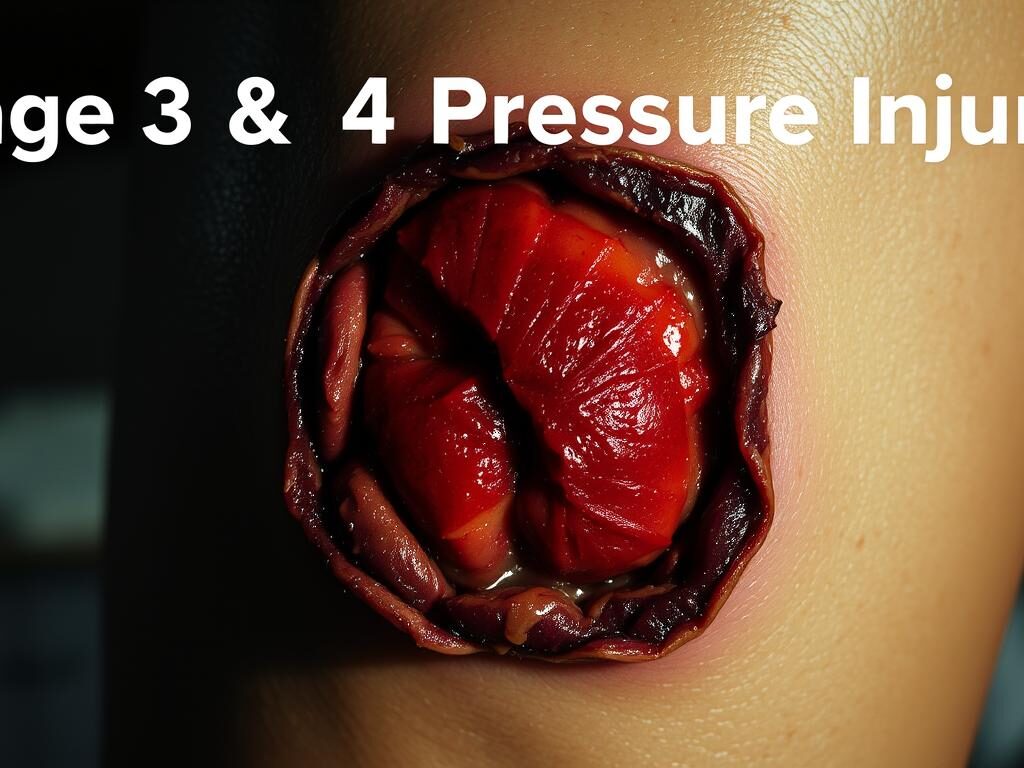
stage 3 and 4 pressure injuries

Complications Associated with Deep Tissue Damage

Damage to deep tissues in stage 3 and 4 injuries can cause big problems. These include:

  • Infection
  • Osteomyelitis (bone infection)
  • Sepsis
  • Prolonged healing times

These issues can really hurt a patient’s health and life quality. Quick action is key.

Comprehensive Management Strategies

Managing stage 3 and 4 injuries needs a detailed plan:

Strategy Description
Debridement Removing dead tissue to help healing
Wound Dressings Using dressings to keep the wound moist
Pressure Redistribution Using support surfaces and moving to avoid pressure

Recovery Expectations and Timelines

Healing from stage 3 and 4 injuries takes a lot of time. With the right care, patients can see big improvements. But, how fast they heal depends on their health and the treatment plan.

If you or a loved one has stage 3 or 4 injuries, get professional wound care. Think about hiring Dominion Mobile Wound Care for expert help and support during recovery.

Unstageable and Deep Tissue Pressure Injuries

Unstageable and deep tissue pressure injuries are tough to diagnose and treat. Their true extent is hard to see because of slough or eschar. This makes it hard to accurately stage them.

Characteristics and Assessment Challenges

Unstageable pressure injuries have a wound bed covered with slough or eschar. This makes it hard to see how deep the tissue damage is. Accurate assessment is challenging because of this.

Deep tissue pressure injuries, on the other hand, have intense pressure damage to the tissue below. But, they often don’t show visible surface damage at first.

Diagnostic Approaches for Obscured Wounds

Diagnosing these injuries needs a detailed clinical assessment. Healthcare professionals use patient history, clinical presentation, and sometimes imaging to guess the extent of tissue damage. Keeping a close eye on the injury and documenting its progress is key.

Specialized Treatment Protocols

Treating these injuries requires specialized wound care protocols. Debridement might be needed to see the true extent of the injury. For deep tissue pressure injuries, acting fast is important to stop more damage.

At places like those run by Healogics, a team of experts works together. They use a multidisciplinary approach to manage these complex injuries. This ensures the best care for patients.

Prevention Strategies for Pressure Injuries

You can lower the risk of pressure injuries by using good prevention strategies. It’s important to know the risk factors and use the right actions to prevent them.

Repositioning and Mobility Techniques

It’s key to move people regularly to prevent pressure injuries. Move them every two hours if they can’t move themselves. A schedule helps keep things consistent. Also, lifting patients correctly can lessen the forces that cause injuries.

Support Surfaces and Pressure Redistribution

Choosing the right support surfaces is also vital. Special mattresses and cushions help spread out the pressure. This can lower injury risk. Some surfaces change pressure to help even more.

Skin Care and Moisture Management

Good skin care is essential to prevent pressure injuries. Keep the skin clean and dry, and manage moisture well. Check the skin often to catch early signs of injury.

Nutritional Interventions for Prevention

Good nutrition is key to preventing pressure injuries. Make sure to eat enough protein, vitamins, and minerals. They help keep the skin strong and aid in healing. For more on wound care, visit Dominion Mobile Wound Care.

Using these strategies can greatly lower the risk of pressure injuries. For tailored care, talk to wound care experts. Dominion Mobile Wound Care offers expert help to manage and prevent pressure injuries.

Advanced Treatment Options for All Pressure Injury Stages

Advanced wound care techniques are key to treating pressure injuries well. You have many options to manage these injuries, based on their stage and severity.

Modern Wound Dressings and Their Applications

Modern wound dressings are vital in managing pressure injuries. Different types of dressings are chosen based on the wound’s needs. For example, foam dressings manage exudate, while hydrocolloid dressings help keep the wound moist.

Debridement Methods and Indications

Debridement is a key step in wound care, removing dead tissue to aid healing. You can use surgical debridement, enzymatic debridement, or autolytic debridement, depending on the wound and patient’s needs.

Negative Pressure Wound Therapy

Negative Pressure Wound Therapy (NPWT) is a modern treatment that helps wounds heal. It uses a vacuum dressing to enhance blood flow and reduce bacteria, creating a better healing environment.

Biological and Cellular Therapies

Biological and cellular therapies are at the forefront of wound care. These therapies use biological agents and cellular products to boost wound healing and tissue growth.

Pain Management Approaches

Managing pain is essential in treating pressure injuries. You can use pharmacological interventions and non-pharmacological methods to control pain and enhance patient comfort.

By using these advanced treatments, you can greatly improve outcomes for patients with pressure injuries.

Conclusion: The Importance of Professional Wound Care

Managing pressure injuries well means knowing about pressure injury stages and the best care methods. Professional wound care is key for healing, avoiding complications, and better patient results.

Bed sore severity can change a lot. It’s important to treat these wounds quickly and right. Knowing the stages of pressure injuries helps get the right care to stop things from getting worse.

Dominion Mobile Wound Care offers special wound care services. They provide expert help for those with pressure injuries. Their team is committed to giving top-notch care to help you or your loved ones get better. If you’re facing pressure sores, think about contacting Dominion Mobile Wound Care for professional help.

FAQ

What are the main causes of pressure injuries?

Pressure injuries happen when skin is under pressure for too long. This can cause skin breakdown. Other factors like friction, shear, and health issues like diabetes also play a role.

How are pressure injuries classified?

The National Pressure Injury Advisory Panel (NPIAP) system classifies pressure injuries. They range from stage 1 (least severe) to stage 4 (most severe). There are also unstageable and deep tissue injuries.

What are the characteristics of stage 1 pressure injuries?

Stage 1 injuries show non-blanchable erythema, meaning the skin stays red even when pressed. They might feel warm or cool and can be painful.

How can I prevent pressure injuries?

To prevent them, move and reposition regularly. Use support surfaces and devices to reduce pressure. Keep the skin clean and moisturized. Also, eat well to support healing.

What are the treatment options for pressure injuries?

Treatment depends on the injury’s stage and severity. It may include special dressings, debridement, and negative pressure therapy. Advanced treatments are also available.

How can I distinguish between normal skin changes and stage 1 pressure injuries?

Look for non-blanchable erythema and warmth or coolness in stage 1 injuries. If unsure, get a healthcare professional’s opinion.

What are the complications associated with deep tissue pressure injuries?

Deep tissue injuries can lead to serious issues like infection and sepsis. They can even be fatal. Quick and proper treatment is key to avoid these risks.

Can pressure injuries be treated at home?

Some injuries can be managed at home. But, always check with a healthcare professional first. Severe injuries need professional care.

How can Dominion Mobile Wound Care help with pressure injury treatment?

Dominion Mobile Wound Care offers expert care for pressure injuries. They assess, treat, and manage them. Their team creates a personalized plan to aid healing and prevent complications.
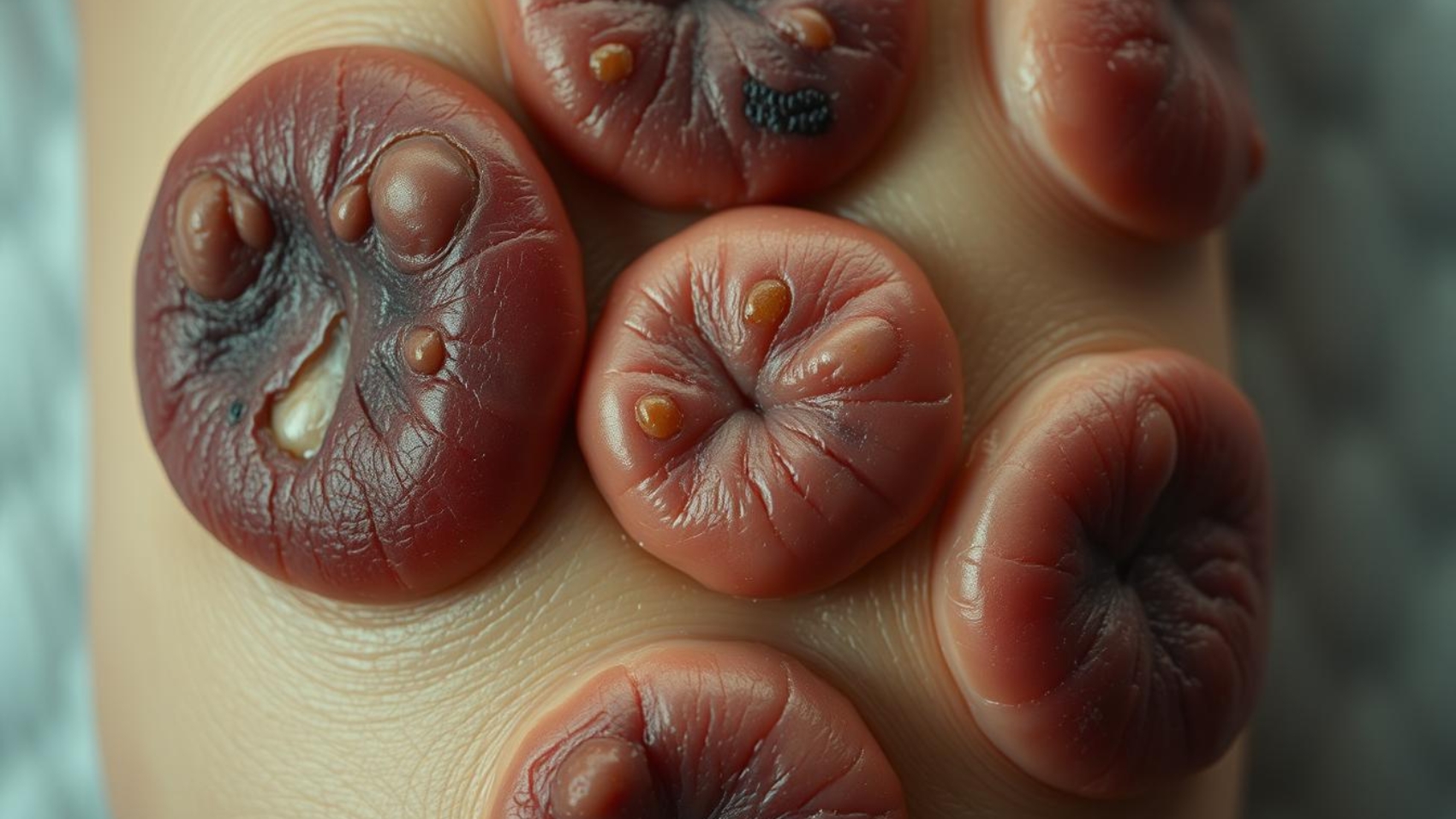
Pressure Ulcer Stages

Understanding the Stages of Pressure Ulcers and Treatment Options

If you or a loved one faces bedsores, quick action matters. These wounds form when prolonged pressure, friction, moisture, or shear affects skin over bony areas like heels, hips, and the tailbone. Early detection can shorten healing time and cut infection risk.

You’ll learn how sores progress, where they most often appear on the body, and which signs mean you should seek care right away. Simple measures—turning every two hours, shifting in a wheelchair, and using alternating air mattresses—make a big difference.

Treatment paths range from cleansing with saline and moisture-balancing dressings to debridement and infection control. Healing times vary by stage, so realistic expectations help you plan care and nutrition to support skin repair.

For expert at-home evaluation and hands-on care, hire Dominion Mobile Wound Care to help heal your wounds.

Key Takeaways

  • Recognize early signs and act to reduce complications.
  • Common spots include heels, hips, tailbone, and elbows.
  • Prevention—repositioning and pressure-relief surfaces—works.
  • Evidence-based treatments combine cleansing, dressings, and debridement.
  • Nutrition, hydration, and prompt clinical review speed recovery.
  • Contact a clinician for fever, spreading redness, or foul odor.
  • Hire Dominion Mobile Wound Care for expert home management.

What Pressure Ulcers Are and Why They Happen

Sustained load on a small area of your body can cause skin breakdown before you even notice surface changes. When blood and oxygen are cut off, cells in the area skin begin to fail and deeper tissue can suffer.

How pressure, friction, moisture, and shear damage tissue

When you sit or lie still, constant pressure limits blood flow and starves cells of oxygen. Friction from bedding or chairs rubs the surface and moisture weakens the skin barrier.

Shear happens when your skeleton slides but the skin does not, stretching fragile layers. These forces trigger inflammation and, if not relieved, lead to deeper sores and injury.

Common body parts at risk

  • Heels, hips, and the tailbone (sacrum) where padding is thin.
  • Elbows, ankles, shoulder blades, and the back of the head.
  • Any area where your body compresses skin against bone for hours.

Even small posture changes reduce pressure skin and lower the chance of bedsores. If you notice persistent redness or pain over a bony point, act quickly. Hire Dominion Mobile Wound Care to help heal your wounds.

Who’s Most at Risk and Early Symptoms You Shouldn’t Ignore

People with limited mobility or chronic illness face the highest risk of bedsores. Check high-contact bony points daily and act fast when you see early changes.

Higher-risk situations

  • If you are immobile, on long bed rest, or use a wheelchair, your risk rises because constant contact stresses the same area.
  • Older people, residents of nursing homes, and those with diabetes, poor nutrition, or fragile skin heal more slowly and face greater harm.
  • Smoking lowers oxygen to tissues, which increases risk and delays recovery.

Early warning signs across skin tones

Watch for new color changes that do not fade after 30 minutes offloading. You may also feel warmth, firmness, pain, or itching at the spot.

  • In darker complexions, look for deepening dark patches or increased warmth instead of obvious redness.
  • Early symptoms can quickly worsen to blisters or open sores if you keep pressure on the same place.
  • If you cannot see heels, hips, or the back, ask a caregiver to inspect daily.

Addressing nutrition and hydration supports skin repair. Early intervention at this stage prevents deeper injury and shortens healing time. For expert in-home assessment and care, hire Dominion Mobile Wound Care to help heal your wounds.

Pressure Ulcer Stages

Clear categories for wound depth guide the right care and next steps. Use the list below to match what you see with expected risks and actions. Accurate identification affects dressing choice, offloading, and how fast you seek help.

stage pressure

  • Stage 1: Intact skin with non-blanchable redness or darker discoloration. The area may feel warm, firm, or itchy; act quickly to relieve load.
  • Stage 2: Partial-thickness loss presenting as a shallow open wound or serum-filled blister. Protect and balance moisture to avoid deeper damage.
  • Stage 3: Full-thickness loss reaching visible fat and a crater-like defect. Watch for odor or discolored drainage that can signal infection.
  • Stage 4: Deep injury into muscle, tendon, or bone with the highest infection risk, including possible osteomyelitis or sepsis if untreated.
  • Unstageable: A wound covered by slough or eschar (dead tissue) that hides true depth until debridement clarifies extent.
  • Deep tissue injury: A very dark, maroon, or blood-filled blister that can evolve quickly into a deep sore without prompt offloading.

As damage advances, healing gets harder and care becomes more complex. If you’re unsure, avoid guessing. For expert evaluation and home treatment, hire Dominion Mobile Wound Care to help heal your wounds.

How Each Stage Looks, Feels, and Progresses

Seeing how a spot on your skin evolves tells you when to step up care or call a clinician. Early changes often look like a persistent red, blue, or purple patch that doesn’t fade after you relieve load. The area may feel warmer or firmer than surrounding skin, and in darker tones it may also darken and feel hot to the touch.

What a developing sore looks like versus an infected wound

A developing sore usually looks like a lasting color change and may be tender. If you see pus, foul odor, spreading redness, rising pain, fever, or chills, the wound may also be infected and requires immediate care.

Timeframes to heal from days to months if treated promptly

With consistent offloading and skin care, early lesions can improve in about three days. Superficial damage often heals in three days to three weeks with cleansing and dressings.

  • Deeper defects may take one to four months and need close monitoring and debridement.
  • Severe deep injury can require months to years and sometimes surgery and specialist care.
  • Track size and drainage weekly and seek help if symptoms worsen.

Act early, monitor changes, and partner with clinicians. For expert in-home management, hire Dominion Mobile Wound Care to help heal your wounds.

Evidence-Based Treatment Options to Promote Healing

A clear treatment plan focuses on reducing load, managing moisture, and treating infection to promote recovery.

Relieving load and support

Your first priority is consistent offloading. Turn at least every two hours in bed and shift every 10–15 minutes in a wheelchair.

Use pillows or foam to offload heels and specialty surfaces like alternating air mattresses or gel cushions to spread contact and improve circulation.

Cleaning, dressings, and debridement

Clean wounds with normal saline and apply moisture-balancing dressings chosen by your clinician—hydrogels, foams, or alginates help wound healing.

Clinicians remove dead tissue with conservative sharp, enzymatic, autolytic, or surgical debridement when slough or eschar hides depth.

Infection control and advanced care

Watch for increased pain, foul odor, colored drainage, fever, or spreading redness. These signs may indicate infection and could require antibiotics or urgent care.

Severe bedsores may require hospitalization, IV therapy, negative-pressure devices, or flap/graft surgery to close deep defects.

  • Coordinate nutrition, fluids, and blood sugar control to support recovery.
  • Document repositioning and dressing changes to track progress.

Hire Dominion Mobile Wound Care to get in-home assessments and individualized treatments that promote healing. Hire Dominion Mobile Wound Care to help heal your wounds.

Nutrition, Hydration, and Circulation for Faster Recovery

Good nutrition and steady fluids give your body the building blocks to repair damaged skin and tissue. Eating enough calories and protein matters for growth and closure of wounds.

wound healing

Hydration keeps blood flowing so oxygen and nutrients reach injured areas. Gentle movement or assisted range-of-motion also improves blood circulation and reduces stiffness.

Key food and fluid steps that promote healing

  • Aim for a balanced diet with enough calories and protein; ask your clinician about vitamin C and zinc supplements.
  • Drink consistently—about 8–10 cups per day as tolerated—to support blood circulation and delivery of nutrients.
  • If you are immobile, request assisted range-of-motion to stimulate circulation around vulnerable areas.
  • Prioritize protein-rich snacks after unintentional weight loss to protect muscle and skin integrity.
  • Quit smoking to improve skin oxygenation and overall health.

Coordinate nutrition with dressing changes and offloading routines, and ask about covered supplies if you qualify. Hire Dominion Mobile Wound Care to help heal your wounds.

Prevention Strategies at Home and in Care Settings

Caring for vulnerable areas of your body is mostly about routine. Small habits—consistent turns, good cushioning, and clean, dry skin—cut the chance of new sores and long healing times.

In bed

Set alarms or use a turning clock to change position every two hours. Float your heels with pillows under the calves so the heels do not touch the mattress.

Keep sheets smooth and wrinkle-free. When side-lying, place a pillow between knees to protect bony parts.

In a wheelchair

Do a push-up or weight shift every 10–15 minutes, or have a caregiver assist hourly. Choose a gel or air cushion that spreads load across a larger area.

Skin care, moisture, and transfers

Clean soiled skin promptly with warm water, apply barrier cream for incontinence, and moisturize dry skin daily to avoid breakdown.

Use transfer sheets, slings, or mechanical lifts rather than dragging limbs. This reduces shear and new skin injury.

  • Inspect high-risk spots daily for early color change or tenderness.
  • Consider an alternating air mattress if you have recurrent bedsores or high risk.
  • Avoid doughnut-shaped pads that concentrate load around edges.

For a tailored plan and equipment review, ask a clinician to check your surfaces and routines. Hire Dominion Mobile Wound Care to help heal your wounds.

Red Flags and When to Seek Immediate Medical Care

A sudden rise in pain, fever, or foul smell from a wound means you need urgent care. These signs can indicate a spreading infection or that bacteria have entered your bloodstream. Act quickly to reduce harm and speed appropriate treatment.

Fever, foul odor, increasing pain, pus, spreading redness, or confusion

If you notice any of the following symptoms, seek immediate medical attention or emergency care.

  • Fever, chills, new confusion, or feeling very unwell — possible signs bacteria reached the blood and require urgent evaluation.
  • Worsening pain, foul odor, or increasing pus-like drainage from a bedsore — these often indicate local infection and need prompt treatment.
  • Redness, warmth, or swelling spreading beyond the wound area — clinicians may start antibiotics or advanced therapies.
  • If a deep sore appears to involve bone, urgent testing is needed to rule out osteomyelitis and prevent lasting damage.
  • People with diabetes, vascular disease, or weakened immunity face higher risk and should act at the first hint of infection.
  • Rapid deterioration after inconsistent pressure relief, or sudden pain increase, means do not delay contacting a clinician.
  • If travel is hard, arrange a mobile wound care visit so evaluation and initial treatment happen at home.

Keep a current list of medications and recent wound care steps ready to share with clinicians. After urgent issues are managed, confirm a clear follow-up plan to protect other vulnerable areas.

Hire Dominion Mobile Wound Care to get fast in-home evaluation and treatment to help heal your wounds.

Conclusion

Simple daily habits and timely care change outcomes for people at risk of bedsores. Stay consistent with turning every two hours in bed and shifting every 10–15 minutes in a chair. Early lesions heal faster when you offload, cleanse with saline, and use moisture‑balancing dressings chosen by your clinician.

Deeper wounds may need debridement, advanced supports, or surgery to remove dead tissue and protect underlying tissue and bone. Keep nutrition, hydration, and movement on track, track wound size and drainage weekly, and seek care fast for fever, spreading redness, or rising pain. For expert in‑home evaluation and treatment, Hire Dominion Mobile Wound Care to help heal your wounds.

FAQ

What causes these kinds of skin injuries and who is most at risk?

Prolonged pressure, friction, moisture, and shear reduce blood flow and damage skin and deeper tissues. You face higher risk if you have limited mobility, long bed rest, wheelchair use, fragile skin from aging, poor nutrition, diabetes, or if you smoke. Common danger spots include heels, hips, the tailbone, elbows, and the back of the head.

How can you spot an early problem across different skin tones?

Look for color changes (redness on light skin; darker, purplish, or bluish tones on darker skin), warmth, firmness, pain, itching, or areas that don’t blanch when pressed. Early detection lets you act before deeper tissue damage occurs.

What does each stage of a sore look and feel like?

Stage 1 shows intact skin with non-blanchable redness or discoloration. Stage 2 presents a shallow open wound or blister with partial-thickness loss. Stage 3 reveals full-thickness loss with visible fat and a deeper crater. Stage 4 extends into muscle, tendon, or bone and carries the highest infection risk. Unstageable wounds are covered by slough or eschar, hiding depth. Deep tissue injury appears as a dark, rapidly changing area or blood-filled blister.

How long do these wounds take to heal?

Healing time varies by severity, your health, and care. Minor sores may heal in days to weeks with prompt care. Full-thickness or deep injuries can take months and may require advanced treatments or surgery to close the wound and prevent complications.

What treatments help wounds heal and prevent infection?

Core steps include relieving pressure through regular repositioning and offloading, cleansing with saline, and using moisture-balancing dressings. Clinicians remove dead tissue (debridement) when needed, control infection with antibiotics if there are signs of spreading or sepsis, and may perform surgical repair such as flaps or grafts for severe injuries. Specialized supports like alternating air mattresses and gel cushions also help.

When is removal of dead tissue necessary, and how is it done?

Dead tissue (slough or eschar) prevents healing and hides wound depth. Clinicians may use sharp, enzymatic, autolytic, or mechanical debridement based on wound condition and your overall health. The goal is to expose healthy tissue and reduce infection risk while promoting healing.

What nutritional steps improve recovery?

Adequate calories and protein are essential. Vitamin C and zinc support tissue repair. Staying well hydrated and improving circulation with safe movement and positioning also speeds healing. If you have diabetes, controlling blood sugar is critical.

How can you prevent new injuries at home or in care settings?

In bed, turn or reposition every two hours, use heel offloading and smooth bedding. In a wheelchair, shift your weight every 10–15 minutes and choose an appropriate cushion. Manage moisture from incontinence with skin-friendly care, and use safe transfer techniques to avoid shear. Regular skin checks catch problems early.

What are warning signs that need urgent medical attention?

Seek immediate care if you have fever, spreading redness, increased pain, foul odor, pus, rapid changes in the wound, or confusion. These signs may indicate serious infection or sepsis requiring prompt treatment.

wound care for bed-bound patients

Providing Wound Care for Bed-Bound Loved Ones

Dominion Mobile Wound Care offers a clear, practical guide to help families support a loved one who is mostly confined to bed. People who are immobile face a higher risk of pressure injuries because constant pressure, friction, and moisture can harm fragile skin.

This introduction explains how simple daily routines and smart positioning reduce pressure on vulnerable areas. It also stresses early detection of small changes in color or warmth so they can act before problems progress.

The guide covers immediate offloading, gentle cleansing, appropriate removal of nonviable tissue, and choosing dressings that promote healing and a balanced moisture level. It highlights nutrition, hydration, pain control, and when to seek clinical help.

Families who follow these steps can lower complications and support overall health at home. To bring expert support directly to the residence, hire Dominion Mobile Wound Care to help heal their wounds.

Key Takeaways

  • Limited movement raises pressure injury risk; daily routines can reduce harm.
  • Spot early changes in a small skin area and act quickly to prevent progression.
  • Offloading, gentle cleansing, and proper dressings help promote healing.
  • Nutrition, hydration, pain control, and monitoring lower complication rates.
  • Communicate with clinicians and seek mobile specialist support when needed.
  • Dominion Mobile Wound Care brings skilled assistance directly to the home.

Why Bed-Bound Loved Ones Are at Risk for Pressure Injuries

Sustained pressure and friction silently starve skin of oxygen, making certain areas especially vulnerable.

When someone stays in one position, constant pressure compresses tiny vessels and reduces blood flow. That deprives skin and deeper tissue of oxygen and nutrients and starts tissue breakdown.

  • Friction from sliding and shear when the body shifts tear fragile layers and speed injury.
  • Moisture from perspiration or incontinence weakens the skin barrier and raises the risk of breakdown.
  • Pressure injuries often form over bony parts such as heels, hips, tailbone, elbows, and shoulder blades where bone sits close to the surface.

These problems can develop in just a few hours without movement, especially in older adults or those with poor nutrition. Dominion Mobile Wound Care can assess the home, identify high-risk parts and positions, and set up tailored prevention plans to lower the risk of bedsores.

Recognizing Early Signs and Stages of Bedsores

Early color shifts and subtle texture changes often signal a developing bedsore before open skin appears. Prompt recognition helps limit severity and prevent deeper pressure ulcers.

  • Stage 1: Intact skin with nonblanchable redness or darker tone; may feel warm, firm, or painful compared to nearby skin.
  • Stage 2: Partial-thickness loss presenting as an abrasion or blister—an important window to stop progression.
  • Stage 3: Full-thickness skin loss into subcutaneous tissue; undermining or tunneling can occur.
  • Stage 4: Deep ulcers exposing muscle, bone, or tendon with high severity and risk of osteomyelitis or systemic infection.
  • Unstageable / Deep tissue: Base hidden by slough or eschar, or dark maroon discoloration and blood-filled blisters from deep tissue damage.

When to act: Any sudden increase in pain, warmth, swelling, drainage, or odor needs urgent evaluation to limit infection and preserve skin integrity. Dominion Mobile Wound Care can perform bedside assessments to stage the injury accurately and guide next steps.

Immediate First Steps to Promote Healing and Reduce Pressure

Act quickly to shift weight away from the affected area and lower ongoing strain. Prompt offloading helps stop further damage and supports skin recovery.

Offloading with pillows, foam wedges, and heel support

Prop the limb or nearby area using pillows or foam cushions to redistribute pressure. Place a soft pad under the lower legs so the heels float and do not touch the bed surface.

Use smooth linens and remove folds in sheets and clothing to prevent added focal pressure on the skin. Lift and turn with draw sheets or mechanical aids rather than dragging the person, which reduces shear.

pressure

Why ring or doughnut cushions are discouraged

Ring-shaped pads concentrate force at their edges and can make pressure sores worse. Avoid these devices and choose broad, supportive foam wedges that spread load evenly.

  • At first sign of a sore, remove pressure immediately with pillows or foam wedges.
  • Keep heels floating by placing cushioning under the calves, not directly under the heels.
  • Check the offloaded area often to ensure support hasn’t shifted and circulation stays good.
  • Dominion Mobile Wound Care can set up offloading devices during a home visit and teach safe application so family members repeat positioning confidently.

wound care for bed-bound patients: Daily Prevention and Positioning Routines

A predictable turning schedule and smart angles reduce pressure and limit friction during repositioning.

Repositioning every two hours in a bed dramatically lowers the risk of pressure damage. Keep the head-of-bed at or below 30 degrees unless a clinician advises otherwise. That small limit reduces shear on the lower back and sacrum.

For people who use a wheelchair, encourage weight shifts every 10–15 minutes. If self-shifts are not possible, assist at least once each hour. Simple wheelchair “pushups” or leaning forward help unload sensitive spots.

  • Establish a consistent two-hour turning schedule using side-lying and back-lying angles to spread pressure.
  • Keep heels off the mattress and place pillows between knees when side-lying to protect bony areas.
  • Check skin at every turn for redness or warmth and address wetness quickly to preserve the skin barrier.
  • Use moisture-wicking fabrics and barrier products to reduce maceration and friction during repositioning.

Dominion Mobile Wound Care can design individualized turning schedules, demonstrate safe angles in the home, and coach family members so routines fit daily life without overwhelm.

Support Surfaces and Devices That Lower Pressure

A well-matched mattress system can reduce tissue stress and limit the chance of new ulcers forming. Choosing static or dynamic support depends on mobility, weight, and ulcer status.

Static options: foam, gel, water, and air overlays

High-density foam, gel, water, or air overlays spread load and are often the first step in prevention. These static surfaces lower pressure compared with standard mattresses and fit many home settings.

Dynamic options: alternating pressure and specialty beds

Alternating pressure, low-air-loss, and air-fluidized systems actively redistribute load and control microclimate. They are useful when someone cannot reposition or when ulcers are slow to heal.

When to upgrade and fit checks

Rule of thumb: if a caregiver can feel less than one inch of material under a bony prominence through the surface, consider an upgrade. Combine mattress choices with properly fitted chair cushions and consistent heel offloading.

  • Choose a surface that matches weight, mobility, and ulcer severity to lower pressure at high-risk parts body.
  • Protect areas near bone by minimizing sliding and ensuring proper alignment.
  • Dominion Mobile Wound Care can assess mattresses and cushions, verify fit, optimize settings, and recommend device upgrades when healing stalls.

Cleaning the Wound and Removing Dead Tissue Safely

Proper flushing and selective debridement keep the area clean while preserving new tissue. Use normal saline to irrigate ulcers with enough force to flush debris but not damage healthy tissue. A 35 mL syringe with a 19‑gauge catheter gives controlled pressure to clear contaminants from pressure sites.

saline irrigation

Why saline and not harsh antiseptics

Irrigate with saline because antiseptics like povidone‑iodine or hydrogen peroxide harm granulation tissue and delay closure. Avoid agents that strip delicate tissue; they reduce healing potential and can increase infection risk.

Debridement options and when to choose them

Options include sharp, mechanical, enzymatic, and autolytic methods. Sharp removal suits thick eschar or suspected infection. Mechanical helps remove adherent debris; enzymatic or autolytic methods suit those who cannot tolerate sharp approaches.

  • Irrigate with normal saline using a syringe-and-catheter setup to flush debris safely.
  • Do not use Betadine or peroxide on open ulcers; they can destroy new tissue.
  • Avoid removing stable, dry heel eschar when no redness, swelling, drainage, or fluctuance exists.

Dominion Mobile Wound Care can perform or coordinate debridement, teach saline irrigation, and reassess the area frequently to detect changes that require a different plan.

Selecting Dressings That Maintain Moisture Balance

The correct dressing balances wetness and protection to support gradual tissue regrowth. A moist environment helps autolytic debridement and encourages healthy granulation while avoiding maceration of the surrounding skin.

Matching exudate level and stage to product type

Light drainage and early stage ulcers do well with transparent films or hydrogels. These choices keep the area moist without heavy absorption.

Moderate to heavy drainage needs alginates or foams that absorb excess fluid and protect adjacent skin.

Overview of common dressing categories

  • Transparent films: best for stage I–II with minimal exudate and intact tissue.
  • Hydrogels: rehydrate dry bases, soothe pain, and assist autolysis in stage II–IV.
  • Alginates & foams: absorb moderate to heavy drainage from larger ulcers.
  • Hydrocolloids: retain moisture for autolysis in shallow ulcers but are poor for heavy exudate or infection.

When saline‑moistened gauze or packing is appropriate

Saline-moistened gauze suits deep tracts or tunneling to prevent premature surface closure. Wet-to-dry is appropriate only as a debridement technique, not as a long-term strategy.

Dominion Mobile Wound Care can select and supply appropriate dressings by stage and exudate level, and train caregivers to change products as healing evolves.

Pain Control and Infection Monitoring at Home

Managing pain and spotting early infection signs at home keeps healing on track and avoids emergencies.

Plan ahead. Schedule turns and dressing changes around prescribed pain medicine or topical anesthetic so movement and procedures cause less discomfort.

Use pillows and wedges to reduce shear and pressure during moves. Gentle transfers help the skin settle quickly and lower the chance of added damage.

Reducing pain during turns and dressing changes

  • Give analgesics 30–60 minutes before painful tasks when a clinician recommends them.
  • Apply topical agents as directed to blunt procedural pain and ease handling.
  • Limit repositioning time and work with one steady helper to reduce repeated shifts.

Warning signs of infection

Watch for new odor, increased drainage, warmth, spreading redness, swelling, fever, or rising pain. These signals often mean infection and need prompt action.

  • Keep periwound skin clean and dry; address moisture promptly to protect the barrier and comfort.
  • Document changes in sores daily so trends are clear when communicating with clinicians.
  • Dominion Mobile Wound Care can recommend topical and systemic strategies, and set clear thresholds to call for urgent evaluation or emergency care.

Nutrition, Hydration, and Comorbidities That Affect Healing

Good nutrition and steady hydration are essential building blocks that speed healing and lower complications.

Aim for roughly 30–35 kcal per kg of body weight each day and about 1.25–1.5 g of protein per kg to support new tissue formation. Fluids matter too; target roughly 8–10 cups daily to help blood flow and temperature control.

Practical guidance on supplements and intake

Use vitamin C and zinc selectively when intake is low or deficiency is suspected. Evidence for routine supplementation is mixed, so a dietitian consult is advisable.

Managing chronic disease and circulation

Control of diabetes and attention to vascular disease directly affects blood delivery to an ulcer site. Better glucose control reduces inflammation and speeds repair.

  • Adequate calories and quality protein supply raw materials to rebuild tissue.
  • Hydration supports circulation and helps deliver oxygen and nutrients via the blood.
  • Use vitamin C and zinc only when diet is insufficient or deficiency exists.
  • Monitor diabetes and treat vascular disease to lower risk and improve blood flow.
  • Dominion Mobile Wound Care can coordinate dietitian referrals, liaise with primary care, and track diet goals to support healing.

Conclusion

A clear, consistent plan ties pressure reduction, hygiene, nutrition, and monitoring into one effective path to recovery. This approach limits pressure and lowers the chance of pressure injuries while it helps promote healing and overall health.

Appropriate cleansing with saline, selective debridement, and moisture-balanced dressings create an environment that supports healing. Matching treatment to the ulcer or sore stage, and using proper support surfaces, reduces pressure and shear that worsen damage.

Pain control, infection surveillance, and nutrition complete a whole-person treatment plan. Families benefit when clinicians coordinate these steps and adjust strategies as needs change.

Dominion Mobile Wound Care brings skilled, in-home support and personalized plans. Hire Dominion Mobile Wound Care to help heal their wounds.

FAQ

What makes a person confined to bed more likely to develop pressure injuries?

Pressure, friction, shear, and moisture all reduce blood flow to the skin and underlying tissue. When a person lies in one position for long periods, constant pressure over bony prominences like the heels, hips, tailbone, elbows, and shoulders compresses blood vessels. Friction and shear during sliding or repositioning strip and stretch fragile skin, and moisture from sweat, incontinence, or wound drainage softens tissue and raises risk of breakdown. Together these factors increase the chance of skin breakdown and ulcers.

How are pressure injuries staged and what does each stage mean?

Pressure injuries are described as Stage 1 through Stage 4, plus unstageable and deep tissue pressure injury. Stage 1 shows nonblanchable redness or persistent discoloration. Stage 2 involves partial-thickness loss with a shallow open area or blister. Stage 3 shows full-thickness tissue loss, possibly with fat visible. Stage 4 exposes deeper structures such as muscle or bone. An unstageable injury has full-thickness loss covered by slough or eschar so depth cannot be determined. Deep tissue injury appears as a purple or maroon area of damaged underlying tissue.

How can caregivers tell if skin discoloration is serious, especially on dark skin?

On light skin, red or blue patches that do not fade with pressure indicate early injury. On darker skin tones, early damage may look purplish, brown, or darker than surrounding skin and can feel warm, firm, or boggy. Loss of normal skin tension, increased pain, or a different texture (soft or hard) are important clues. When in doubt, treat the area as at risk and reduce pressure while seeking professional evaluation.

What immediate steps should be taken when a pressure sore is first noticed?

The first actions are to relieve pressure on the area, inspect and document the skin, and keep the area clean and dry. Use pillows, foam wedges, or dedicated heel protectors to offload the site. Avoid ring or doughnut cushions, which can increase shear and worsen tissue damage. If there is drainage, protect surrounding skin and consider contacting a clinician for assessment and dressing recommendations.

Why are ring or doughnut cushions discouraged?

Ring or doughnut cushions concentrate pressure on the wound edges and increase shear forces on surrounding skin. That uneven pressure reduces blood flow to adjacent tissue and can enlarge an ulcer. Safer alternatives distribute weight more evenly, such as specialty foam or air cushions designed for pressure redistribution.

How often should a person be repositioned in bed, and what angles are safest?

Repositioning every two hours is a standard for people at high risk, but individual plans may vary. Caregivers should avoid directly elevating the head of the bed above 30 degrees for long periods when pressure on the sacrum is a concern; using 30-degree side-lying turns reduces shear over the coccyx. Use safe handling techniques and pillows or wedges to maintain the chosen position without sliding.

What wheelchair strategies reduce pressure injury risk?

People who sit should perform pressure relief “push-ups” or forward leans every 10–15 minutes when they can, and get assistance to shift weight at least hourly if they cannot self-relieve. Proper cushion selection, frequent skin checks of the buttocks and heels, and avoiding prolonged forward flexion help prevent breakdown. Schedule regular transfers to a bed when feasible.

How should moisture and friction be managed during turns and hygiene?

Keep skin dry by using absorbent briefs and moisture-wicking pads. Use gentle lifts rather than dragging when turning; a slide sheet or transfer device reduces friction and shear. Apply barrier creams to intact, moisture-exposed skin and change linens promptly if wet. Maintain good perineal hygiene after incontinence episodes to prevent maceration.

What support surfaces and devices help lower pressure on high-risk areas?

Static options include high-density foam, gel, and water overlays that redistribute weight. Dynamic systems—alternating pressure mattresses, low-air-loss, and air-fluidized beds—actively shift pressure and manage microclimate, aiding healing for established ulcers. Heel offloading boots and properly sized cushions and mattresses ensure targeted protection. Choose a surface based on ulcer severity, mobility, and clinician recommendation.

When should a caregiver consider upgrading to a dynamic therapeutic mattress?

Upgrade when an ulcer fails to improve with standard repositioning and static supports, when multiple high-risk sites exist, or when mobility is very limited. Nonhealing ulcers, increasing wound depth, or significant pain and drainage warrant evaluation for alternating pressure or low-air-loss devices. Insurance coverage and clinician orders often guide the choice and funding.

What are the safe methods to clean an ulcer and remove dead tissue at home?

Use normal saline irrigation to gently cleanse the area; avoid harsh antiseptics such as povidone-iodine (Betadine) or hydrogen peroxide, which damage healthy tissue. Debridement—removal of slough or necrotic tissue—can be done by sharp, mechanical, enzymatic, or autolytic methods under clinician direction. Caregivers should not attempt aggressive sharp debridement at home; trained professionals should perform it.

Are there situations when heel eschar should not be removed?

Stable, dry heel eschar that is hard, adherent, and without signs of infection often serves as a natural biological cover and may be left intact. Debridement of eschar on the heel can expose bone and increase infection risk. Clinicians assess vascular status and infection risk before recommending removal.

How do caregivers choose dressings that keep the right moisture balance?

Match dressing type to the ulcer’s exudate level and tissue status. Low-exudate shallow ulcers may suit transparent films or hydrogels; moderate-to-high exudate wounds often need foams or alginates. Hydrocolloids support autolytic debridement for certain stages. When cavities exist, saline-moistened gauze or packing may be appropriate under clinician guidance. Regular assessment ensures dressings are changed before leakage or maceration occurs.

How should pain be managed during turning and dressing changes?

Schedule dressing changes at times when analgesics peak if short-acting medication is used. Use gentle technique, nonadherent dressings, and slow, supportive handling during turns. Topical analgesic dressings or local anesthetic sprays may be recommended by clinicians. Document pain levels and report any increase to the care team for adjustment of the plan.

What are the warning signs of infection that require medical attention?

Watch for increasing foul odor, new or worsening purulent drainage, spreading redness, rising warmth around the site, increased pain, swelling, and systemic signs like fever or chills. Rapid deterioration, exposed bone, or new malodorous necrotic tissue also require prompt evaluation by a healthcare professional.

What nutritional measures support healing of pressure injuries?

Adequate calories, sufficient high-quality protein, and hydration are essential. Vitamin C and zinc support tissue repair; however, supplementation should follow clinical assessment. Encourage nutrient-dense meals, oral supplements if intake is poor, and address swallowing issues. Dietitians can tailor plans for people with diabetes, renal disease, or other comorbidities that affect nutrition.

How do diabetes and vascular disease affect pressure injury recovery?

Diabetes and peripheral vascular disease impair blood flow and immune response, slowing tissue repair and increasing infection risk. Tight glycemic control, smoking cessation, and optimizing cardiovascular health improve outcomes. Clinicians may coordinate wound management with endocrinology or vascular specialists when circulation or metabolic control is poor.