

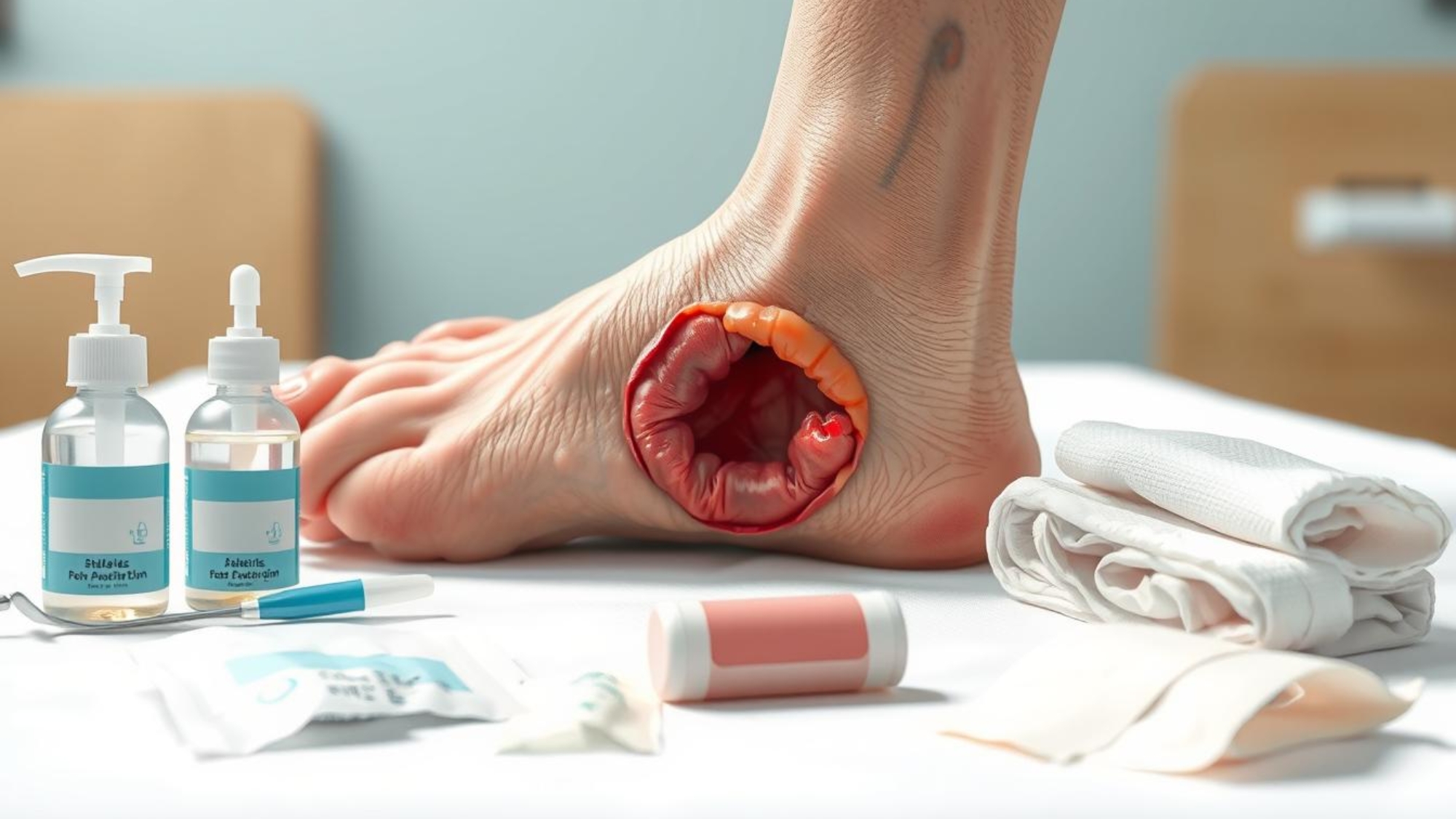
If you or a loved one has a diabetic foot ulcer, you’re not alone. The NCBI Bookshelf says over 6 million people in the US have chronic ulcers. This number is expected to grow as more people get older and diabetes becomes more common.
Chronic wounds can really hurt your health and life quality. It’s important to have advanced care to manage and heal them.
At Dominion Mobile Wound Care, our team is here to help with non-healing wounds. We offer advanced care options. Let us show you how we can help you heal.
Key Takeaways
- Chronic ulcers affect over 6 million people in the US.
- The incidence is expected to rise with an aging population and increasing diabetes prevalence.
- Advanced care options are key for effective management.
- Dominion Mobile Wound Care offers expert wound care services.
- Effective management can greatly improve your quality of life.
What is a Non-Healing Foot Ulcer?
A non-healing foot ulcer is a wound on the foot that doesn’t heal in a reasonable amount of time. These ulcers can be a big problem for people with certain health conditions, like diabetes.
Definition and Overview
Non-healing foot ulcers don’t heal like they should. Diabetic foot ulcers are a common type, often made worse by neuropathy and poor circulation.
These ulcers can lead to serious problems if not treated right. The risk of infection is high, and in bad cases, it can lead to amputation.
Common Causes
Many things can cause non-healing foot ulcers. Diabetes is a big risk factor, causing nerve damage and bad blood flow. Other causes include:
- Poor circulation
- Neuropathy
- Trauma or injury to the foot
- Infection
The table below shows common causes and problems with non-healing foot ulcers:
| Cause/Complication | Description | Impact |
|---|---|---|
| Diabetes | Impaired blood flow and nerve damage | Increased risk of ulcer development |
| Poor Circulation | Reduced blood flow to the foot | Impaired healing |
| Neuropathy | Nerve damage leading to loss of sensation | Increased risk of unnoticed injury |
If you have a non-healing foot ulcer, getting help is key. Dominion Mobile Wound Care can help manage and treat these wounds. They offer personalized care to help you heal and avoid future problems.
Symptoms of Non-Healing Foot Ulcers
Knowing the signs of non-healing foot ulcers is very important. It can greatly affect the success of wound therapy. The symptoms can vary, but being aware of them helps prevent infection risk.
Physical Signs to Watch For
People with non-healing foot ulcers need to watch for certain signs. These signs include:
- Redness and swelling around the ulcer
- Increased pain or tenderness
- Discharge or pus
- A foul odor
- Increased warmth around the ulcer
If you see any of these signs, get medical help right away. This can stop things from getting worse.
When to Seek Medical Attention
Get medical help fast if you notice:
| Symptom | Description | Action |
|---|---|---|
| Increased redness or swelling | Sign of possible infection | Seek medical attention |
| Pus or discharge | Sign of infection | Contact a healthcare professional |
| Fever | Sign of infection in the body | Immediate medical care |
If you’re showing any of these symptoms, call a healthcare provider. For top-notch wound care, think about hiring Dominion Mobile Wound Care. They can help you heal well.
The Impact of Non-Healing Foot Ulcers
Dealing with a non-healing foot ulcer can really affect your life. It can change how you move and how you feel. These ulcers can make your life less enjoyable because they don’t heal.
Physical Limitations
Non-healing foot ulcers can make it hard to do everyday things. You might feel pain or discomfort when you walk or stand. The risk of infection and other problems can also make it hard to move around.
Having a non-healing foot ulcer can also make you less active. This can lead to muscle loss and heart problems. It’s important to treat the ulcer to avoid these issues and stay healthy.
Emotional and Psychological Effects
Living with a non-healing foot ulcer can also affect your mind. You might feel frustrated, anxious, or sad. The pain and discomfort can make you irritable and moody.
The emotional toll can also hurt your relationships. You might feel embarrassed or shy about your condition. It’s important to talk to doctors and loved ones to deal with these feelings.
Dominion Mobile Wound Care is here to help you with your non-healing foot ulcers. We offer expert care to help you heal and improve your life. Consider our professional services to manage this tough condition.
Risk Factors for Developing Non-Healing Foot Ulcers
Knowing the risk factors is key to avoiding non-healing foot ulcers. Some health conditions make these ulcers more likely.
Diabetes and Metabolic Conditions
Diabetes is a big risk for foot ulcers, mainly in those with nerve damage and poor blood flow. High blood sugar harms nerves and blood vessels. This makes healing hard and raises infection risk.
Diabetic foot ulcers are serious and can cause big problems if not treated fast. People with diabetes face a higher risk because nerve damage can make feet numb. This makes it tough to feel injuries or irritations.
Poor Circulation and Neuropathy
Poor blood flow and nerve damage are big risks for foot ulcers. Bad circulation slows healing, and nerve damage means you might not feel injuries. Conditions like peripheral artery disease (PAD) can make circulation worse, raising ulcer risk.
If you have poor circulation or nerve damage, protect your feet well. Wear the right shoes, keep your feet clean and dry, and see a doctor if you notice any foot issues.
By knowing these risks, you can prevent non-healing foot ulcers. If you’re at risk, get help from experts like Dominion Mobile Wound Care. They can help manage your condition and aid in healing.
Diagnosis of Non-Healing Foot Ulcers
To diagnose non-healing foot ulcers, doctors use a mix of clinical checks and a deep look at your medical history. This method helps find and fix the root causes of the ulcer.
Clinical Evaluation Techniques
Checking a non-healing foot ulcer is key. Doctors look at the ulcer’s size, depth, and how it looks. They might also use tools like Doppler ultrasound to check blood flow.
Key components of a clinical evaluation include:
- Visual inspection of the ulcer
- Assessment of the ulcer’s size and depth
- Evaluation of surrounding tissue
- Use of diagnostic tools like Doppler ultrasound
Importance of Medical History
Your medical history is very important for diagnosing non-healing foot ulcers. Conditions like diabetes, poor blood flow, and nerve damage can slow healing. Knowing your medical history helps doctors create a good treatment plan.
| Medical Condition | Impact on Healing | Considerations for Treatment |
|---|---|---|
| Diabetes | Impaired glucose regulation affects healing | Manage blood sugar levels |
| Poor Circulation | Reduced blood flow hinders healing | Improve circulation through exercise or therapy |
| Neuropathy | Nerve damage can lead to unnoticed injuries | Regular foot inspections and protective measures |
If you think you have a non-healing foot ulcer, get help fast. Dominion Mobile Wound Care provides expert care for wounds. They offer a detailed healing plan to help you get better.
Treatment Options for Non-Healing Foot Ulcers
Treating non-healing foot ulcers requires a mix of best practices and new treatments. It’s important to know the different ways to manage your condition.
Wound Care Best Practices
Effective wound care is key in treating non-healing foot ulcers. This means regular cleaning and dressing of the wound to fight off infection and help it heal. Working with your healthcare provider to create a custom wound care plan is essential.
Important parts of wound care include:
- Debridement to remove dead tissue
- Using the right dressings to keep it moist
- Reducing pressure on the wound
- Controlling underlying conditions like diabetes
Advanced Therapies Available
For tough-to-heal wounds, advanced treatments can make a big difference. Negative pressure wound therapy (NPWT) helps by improving blood flow and reducing bacteria.
Hyperbaric oxygen therapy (HBOT) is another option. It involves breathing pure oxygen in a pressurized room. This can speed up healing by boosting oxygen to the wound.
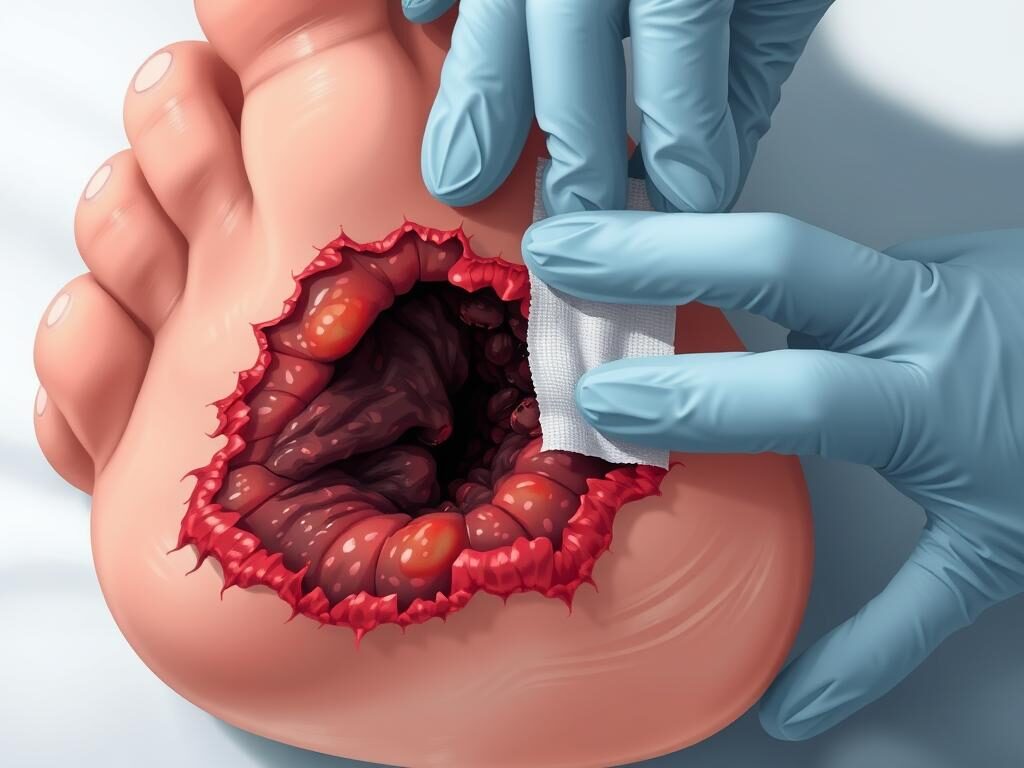
For the best treatment plan, talk to a wound care specialist. At Dominion Mobile Wound Care, our team offers personalized care. We’re here to help you heal and improve your life.
The Role of Nutrition in Healing
Eating right is key for your body to heal itself. If you have a non-healing foot ulcer, not getting enough nutrients can slow down healing. It’s important to get the right foods to help your body fix itself.
Essential Nutrients for Wound Healing
Some nutrients are more important than others for healing. These include:
- Protein: It helps fix and grow new tissue.
- Vitamin C: It’s needed for making collagen and healing faster.
- Zinc: It helps with DNA and cell growth.
- Vitamin A: It supports the healing process and keeps wounds healthy.
Eating foods rich in these nutrients can help your foot ulcer heal faster.
Dietary Recommendations
Eating a balanced diet is important for healing. Here are some tips:
| Nutrient | Food Sources | Benefits |
|---|---|---|
| Protein | Lean meats, fish, eggs, dairy products | Tissue repair and regeneration |
| Vitamin C | Citrus fruits, berries, leafy greens | Collagen synthesis and immune function |
| Zinc | Oysters, beef, chicken, fortified cereals | DNA synthesis and cell division |
By eating foods full of nutrients, you help your body heal. If you’re having trouble with a non-healing foot ulcer, talk to Dominion Mobile Wound Care. They can help you get back on track.
The Importance of Foot Care
Foot care is key in managing and preventing diabetic foot ulcers. Keeping your feet clean and choosing the right shoes can lower the risk of serious foot problems.
Daily Foot Care Routines
It’s important to have a daily foot care routine, if you’re at risk of foot ulcers. This means checking your feet every day for injuries, infections, or other problems. You should:
- Inspect your feet daily for cuts, blisters, or changes in skin color.
- Wash your feet daily with mild soap and warm water.
- Dry your feet thoroughly, paying extra attention to the areas between your toes.
- Moisturize your feet to keep the skin from getting dry, but don’t put lotion between your toes.
For more detailed guidance on managing diabetic foot ulcers at home, you can refer to best practices for managing diabetic foot ulcers at.
Wearing Appropriate Footwear
Wearing the right shoes is also vital in preventing foot ulcers. Ill-fitting shoes can cause blisters and sores that can get infected. To lower the infection risk, consider these tips:
- Choose shoes that fit well and are comfortable.
- Avoid walking barefoot to prevent injuries.
- Use protective footwear or orthotics if a healthcare professional recommends it.
By following these simple yet effective foot care practices, you can greatly reduce your risk of getting diabetic foot ulcers and related issues. For expert help in managing and healing wounds, think about getting professional wound care services like Dominion Mobile Wound Care.
Monitoring and Follow-Up Care
Healing a non-healing foot ulcer takes regular check-ups and treatment tweaks. This ongoing effort is key to tackling wound healing’s complexities. It ensures the treatment plan works well.
Regular Check-Ups with Healthcare Professionals
Seeing healthcare professionals regularly is essential for tracking wound healing. They can check the ulcer’s status, tweak the treatment, and guide on wound care.
At Dominion Mobile Wound Care, the team knows how important these visits are. They work with you to watch the healing, adjusting your treatment for the best recovery.
Signs of Improvement or Deterioration
Knowing the signs of improvement or worsening is vital for wound care. Improvement might show as the ulcer gets smaller, drains less, or shows healthy tissue.
Watching your condition closely and telling your healthcare provider about any changes can greatly help your recovery. With proper care, you can see big improvements in wound healing.
If you’re dealing with a non-healing foot ulcer, getting professional help is key. Dominion Mobile Wound Care offers expert wound care services tailored to you. Their team’s expertise and dedication to quality care can help you heal and recover.
The Benefits of Professional Wound Care Services
For those with non-healing wounds, specialized care is key. Professional wound care, including therapy, treats conditions like diabetic foot ulcers.
Advantages of Specialized Care
Specialized wound care has many benefits. It offers advanced therapy and a team of experts for personalized care. This is vital for complex or non-healing wounds.
- Expert assessment and diagnosis
- Advanced treatment options, including wound therapy
- Personalized care plans tailored to individual needs
Dominion Mobile Wound Care brings these services to your home. This ensures you get the care you need comfortably.
How Home Care Services Make a Difference
Home care is a key part of professional wound care. It reduces hospital visits and improves outcomes.
| Benefits | Description |
|---|---|
| Convenience | Care provided in the comfort of your own home |
| Personalized Care | Tailored treatment plans to meet individual needs |
| Improved Outcomes | Regular monitoring and adjustments to treatment plans as needed |
Choosing Dominion Mobile Wound Care is a big step towards healing. Our team is committed to top-notch care. If you have a non-healing foot ulcer, contact us for expert help.
Hire Dominion Mobile Wound Care for Expert Assistance
If you’re dealing with a non-healing foot ulcer, it’s time to get help. Dominion Mobile Wound Care offers top-notch wound therapy. They help you heal faster and improve your quality of life.
Personalized Wound Care Solutions
Dominion Mobile Wound Care provides care that fits your needs. Their team creates a treatment plan just for you. This ensures you get the best care for your non-healing foot ulcer.
Expertise in Wound Therapy
Dominion Mobile Wound Care is all about quality and healing. By choosing them, you’re in good hands. They’ll help you through the healing process.
Start healing your non-healing foot ulcer today. Hire Dominion Mobile Wound Care and see the difference they can make.
FAQ
What is a non-healing foot ulcer?
A non-healing foot ulcer is a wound on your foot that doesn’t heal quickly. It’s often caused by diabetes, poor blood flow, or nerve damage.
What are the common causes of non-healing foot ulcers?
Common causes include diabetes, metabolic issues, poor blood flow, nerve damage, and infection risk. These can lead to serious problems if not treated right.
What are the symptoms of a non-healing foot ulcer?
Symptoms include redness, swelling, pain, or drainage. If you notice these signs or feel more pain or trouble walking, see a doctor.
How do non-healing foot ulcers impact daily life?
These ulcers can limit your physical activities and cause emotional stress. They affect your quality of life and daily tasks.
What are the risk factors for developing non-healing foot ulcers?
Risk factors include diabetes, metabolic issues, poor blood flow, nerve damage, and a history of foot problems. It’s key to prevent them.
How are non-healing foot ulcers diagnosed?
Diagnosis involves a doctor’s exam and review of your medical history. This helps find the cause and plan treatment.
What are the treatment options for non-healing foot ulcers?
Treatment includes wound care, advanced therapies like negative pressure therapy, and specialized treatments based on your needs.
How does nutrition impact the healing of non-healing foot ulcers?
Nutrition, like protein, vitamin C, and zinc, is vital for healing. Eating well supports the healing process.
Why is foot care important in preventing and managing non-healing foot ulcers?
Proper foot care, like daily routines and right shoes, helps prevent ulcers. It also lowers the risk of complications.
How often should I have follow-up care for a non-healing foot ulcer?
Regular check-ups with healthcare professionals are key. They help track healing, address concerns, and adjust treatment as needed.
What are the benefits of professional wound care services?
Professional wound care services, like Dominion Mobile Wound Care, offer specialized care and advanced therapies. They create customized plans to help heal and improve outcomes.
Add a Comment