Home caregiver tips

A Caregiver’s Guide to Helping Someone With a Chronic Wound

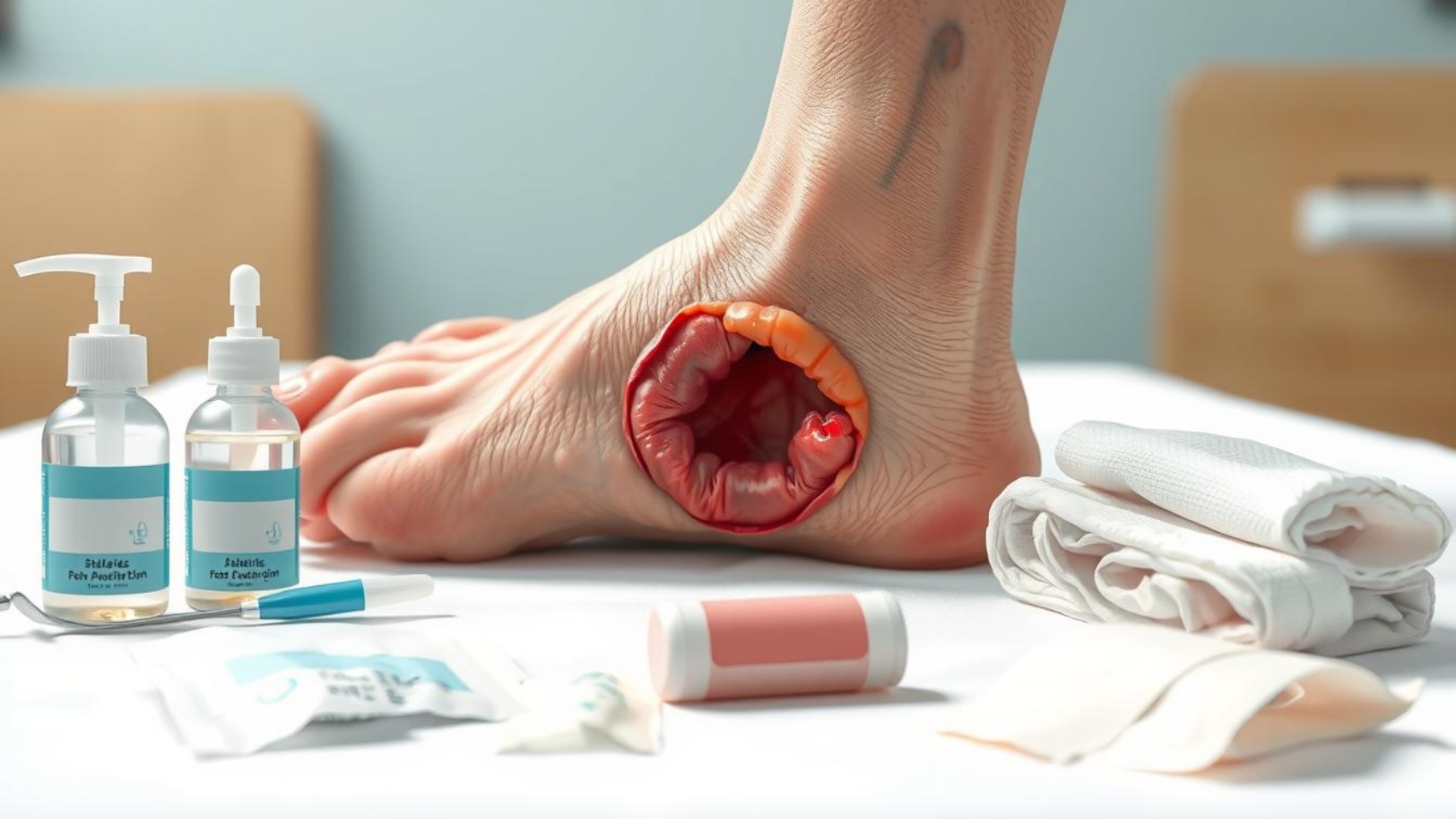
Caring for someone with a chronic wound can be tough. But, with the right help, you can really help them heal. As a caregiver, you’re key in managing their wound care. This includes changing dressings and watching for infection signs.

Good wound care is key for healing and avoiding problems. Dominion Mobile Wound Care offers special services to help you and your loved one. Their team gives personalized care and advice for the best results.

Key Takeaways

  • Understanding the importance of proper wound care in managing chronic wounds.
  • Recognizing the role of caregivers in the healing process.
  • Learning how to identify signs of infection and other complications.
  • Discovering the benefits of specialized wound care services.
  • Finding support for you and your loved one through Dominion Mobile Wound Care.

Understanding Chronic Wounds and Their Impact

As a caregiver, knowing about chronic wounds is key. They can really hurt a patient’s life, causing pain and emotional stress. It’s important to know the different types and causes to care for them well.

Types of Chronic Wounds and Their Causes

Chronic wounds come from many things, like diabetes, poor circulation, and pressure injuries. The main types are:

  • Diabetic foot ulcers
  • Pressure ulcers
  • Venous leg ulcers
  • Arterial ulcers

The Physical and Emotional Toll on Patients

Chronic wounds deeply affect patients, both in body and mind. The pain can make them feel frustrated, anxious, and depressed. As a caregiver, it’s important to help with these feelings as well as the physical care.

The Healing Process and Timeline Expectations

The healing of chronic wounds takes time and varies. It depends on the wound and the patient’s health. It’s important to have realistic hopes and watch the wound closely. Regular documentation and caregiver training help manage the wound and know when to seek medical help.

Essential Home Caregiver Tips for Wound Management

Effective wound management is key for healing. As a caregiver, you are very important. You need to pay close attention, keep things clean, and follow a routine.

Creating a Clean Care Environment

Keeping the area clean is vital to avoid infections. Make sure the space around the wound is tidy and free of clutter. Disinfect surfaces that touch the wound or dressing. Use a clean area for dressing changes and have all supplies ready.

Establishing a Consistent Care Routine

Having a regular care routine is important. It helps you watch the wound’s progress and avoid problems. Clean the wound, apply treatments as told, and dress it at the same time every day.

Documentation Practices for Tracking Healing Progress

Keeping accurate records is essential for tracking healing. This means writing down daily observations and using photos to see changes.

What to Record Daily

Every day, note the wound’s size, depth, and any changes. Look for signs of infection like redness, swelling, or more pain.

Using Photos to Monitor Changes

Photos of the wound help track its progress. Take them from the same spot and distance each time. This makes it easier to see changes.

Recognizing Warning Signs That Require Medical Attention

Caregivers need to watch for signs that mean a person needs to see a doctor right away. Spotting these signs early can stop serious infections and help patients get better faster.

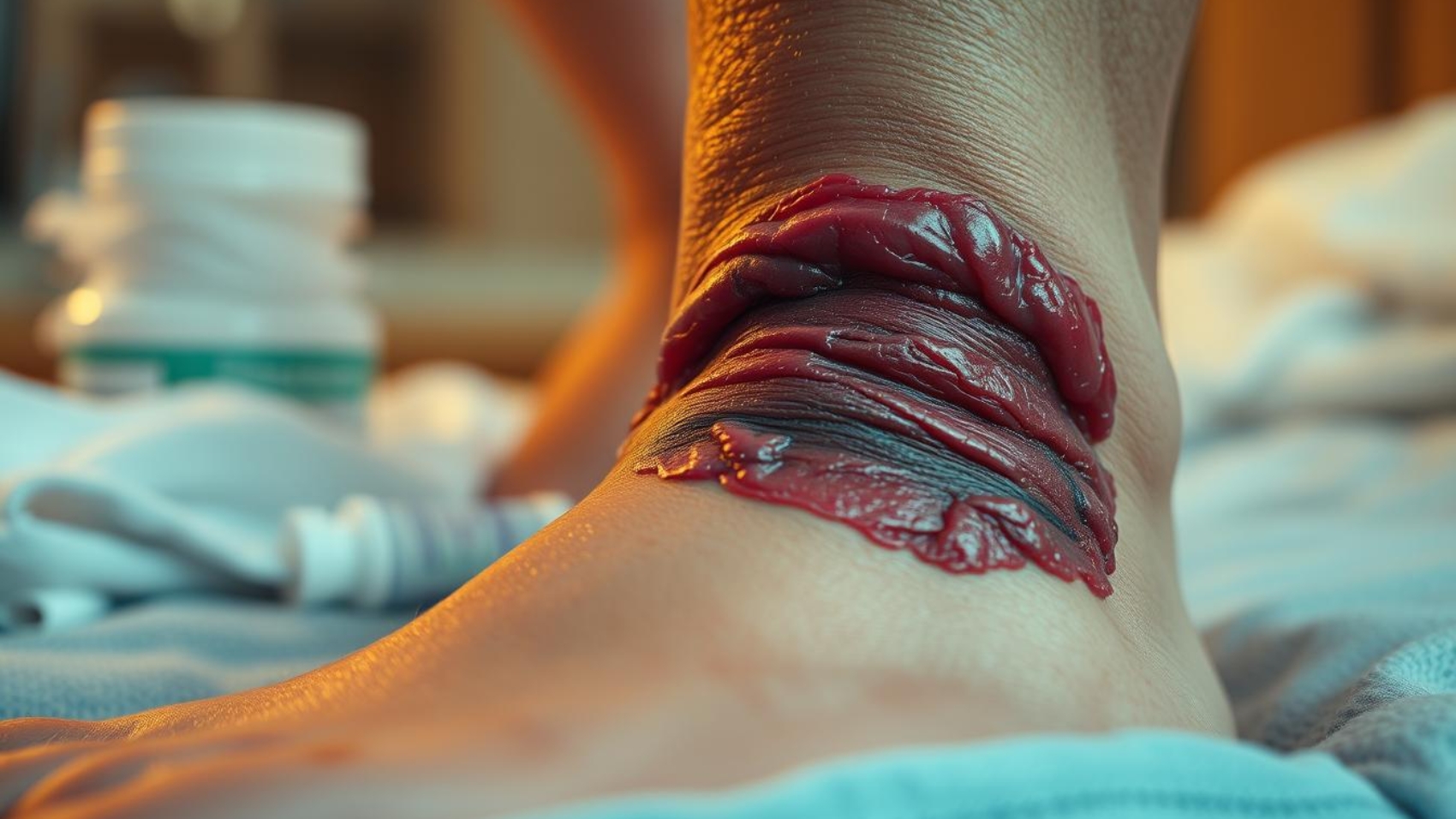
Changes in Wound Appearance or Odor

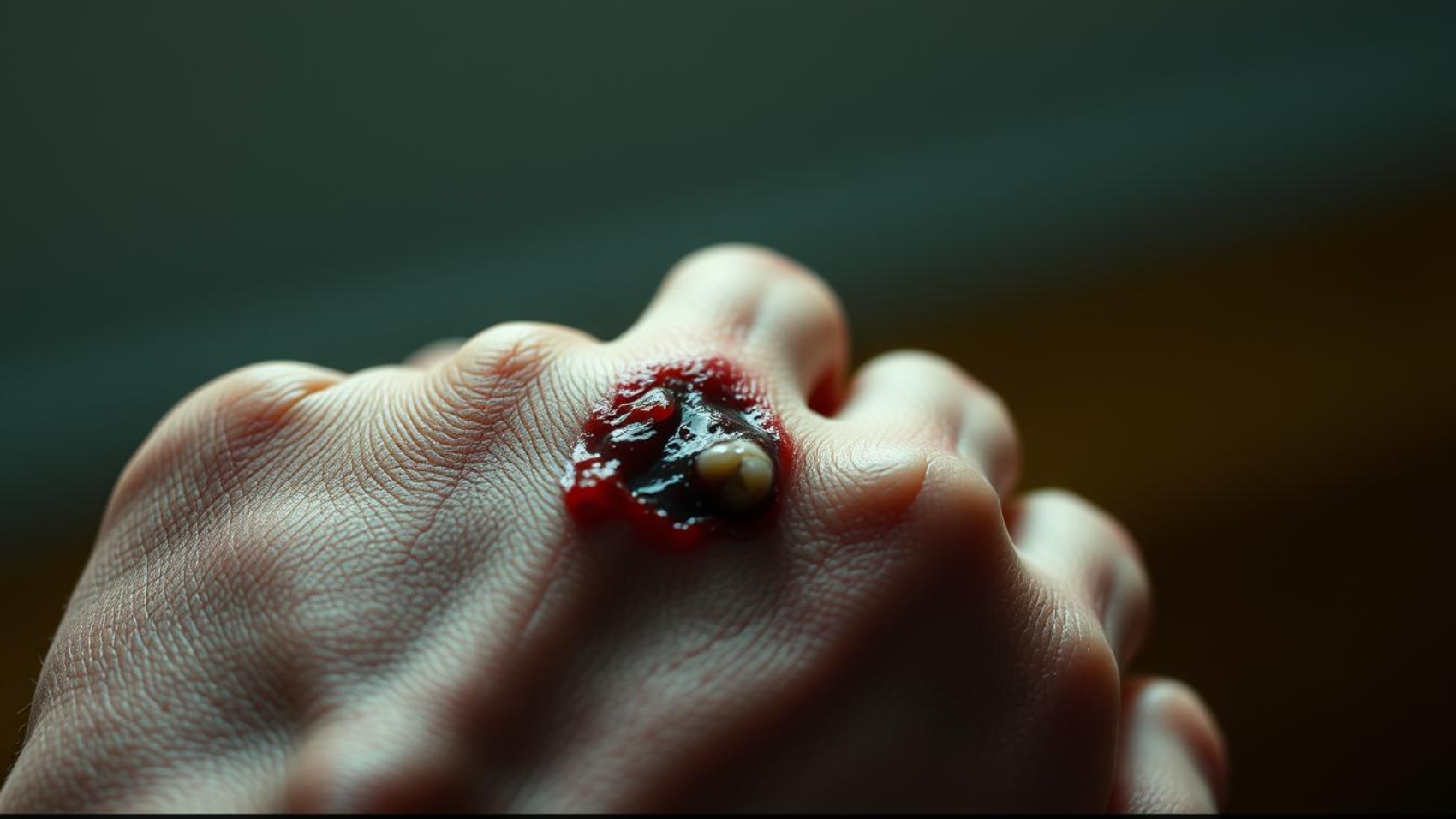
Keep an eye on the wound for any changes. Look for more redness, swelling, or discharge. A bad smell can mean infection too. Any big change means you should call your doctor.

wound infection signs

Fever and Other Systemic Symptoms

Fever, chills, or feeling really sick can mean your body is fighting an infection. These signs need quick attention.

When to Call a Healthcare Provider Immediately

It’s important to know when to get help fast. Here are some times when you should call right away:

  • Emergency Situations: If there’s a lot of bleeding, more pain, or signs of sepsis.
  • Non-Emergency Concerns: If the wound looks different, you have a fever, or other symptoms that are worrying but not life-threatening.

Emergency Situations

If there’s a lot of bleeding or signs of sepsis like confusion, fast heartbeat, or trouble breathing, call emergency services right away.

Non-Emergency Concerns

For less urgent problems, call your doctor for advice. Keeping a record of the issue and any changes can help.

By knowing these warning signs and when to get help, caregivers can help prevent problems and support healing.

Proper Hand Hygiene and Infection Prevention

Keeping hands clean is key to good wound care and infection prevention. As a caregiver, it’s vital to stay clean when helping someone with a chronic wound. Washing your hands before touching the wound or supplies helps avoid bacteria.

Step-by-Step Hand Washing Technique

To wash your hands right, follow these steps:

  1. Wet your hands with clean, running water.
  2. Apply enough soap to cover your hands.
  3. Rub your hands together to create a lather and scrub all surfaces, including the backs of your hands, between your fingers, and under your nails.
  4. Continue rubbing your hands for at least 20 seconds.
  5. Rinse your hands thoroughly with running water.
  6. Dry your hands using a clean towel or air dryer.

Using Gloves and Protective Equipment

Wearing gloves helps stop infections from spreading. Use them when touching the wound, dressings, or anything that might be dirty. For more on moving wound care to your home, check out Dominion Mobile Wound Care.

Creating a Clean Wound Care Station at Home

Having a special area for wound care keeps things clean. Make sure it’s well-lit and tidy.

Essential Supplies to Keep on Hand

  • Clean towels
  • Gloves
  • Wound dressings
  • Antiseptic wipes
  • A container for soiled supplies

Nutrition and Hydration: Keys to Wound Healing

Proper nutrition and hydration are key for wound recovery. A good diet supports the body’s healing, helping repair and grow new tissue.

Essential Nutrients for Wound Recovery

A balanced diet is vital for healing wounds. Important nutrients include:

  • Protein: vital for tissue repair and regeneration
  • Vitamin C: important for collagen synthesis and immune function
  • Zinc: plays a critical role in wound healing and immune response

Meal Planning for Optimal Healing

Meal planning is important to get the right nutrients for healing. Here are some tips:

Nutrient Food Sources Benefits
Protein Lean meats, fish, eggs, dairy Tissue repair and regeneration
Vitamin C Citrus fruits, berries, leafy greens Collagen synthesis and immune function
Zinc Oysters, beef, chicken, fortified cereals Wound healing and immune response

Hydration Strategies for Patients with Limited Mobility

Drinking enough water is vital for healing wounds. For those who can’t move much, try:

  • Encouraging frequent sips of water throughout the day
  • Using hydration-friendly beverages like herbal teas or clear broths

Creative Ways to Increase Fluid Intake

For those who find it hard to drink enough, try these ideas:

  1. Adding slices of lemon or lime to water for flavor
  2. Using ice chips or popsicles to make hydration more enjoyable

Managing Pain and Discomfort

As a caregiver, it’s key to manage pain and discomfort for your loved one with a chronic wound. Pain management involves understanding the cause, using the right interventions, and checking if they work.

Non-Medication Pain Management Techniques

There are many non-medication ways to manage pain. You can position the affected area to lessen strain. Using cold or warm therapy can also help reduce pain and swelling. Plus, relaxation techniques like deep breathing or meditation can be helpful.

pain management techniques

Working with Healthcare Providers on Pain Control

Working with healthcare providers is key for managing pain. You should talk closely with the healthcare team to understand the pain management plan. This includes any medications and non-medication strategies. Open communication about the patient’s pain is very important.

Recognizing When Pain Signals a Problem

It’s important to know the difference between normal healing pain and pain that might mean a problem. Increased pain or changes in pain characteristics could mean an infection or other issues.

Distinguishing Between Healing Pain and Complication Pain

Healing pain is usually a dull ache that gets better as the wound heals. But, complication pain is sharp, gets worse, or comes with other signs like redness or fever. If you’re not sure about the pain, always check with a healthcare provider.

Caregiver Training: Building Your Wound Care Skills

Your role as a caregiver is very important. Learning more about wound care can really help patients get better. It’s key to get the right training to care for wounds well.

Resources for Learning Proper Techniques

It’s important to find good resources to learn wound care. You can find online courses, workshops, and training from healthcare experts. Using these resources can really help you care for wounds better.

  • Online tutorials and videos
  • Workshops and conferences
  • Guidelines from wound care associations

Practicing Under Professional Guidance

Getting practice from a professional is very helpful. It helps you learn and apply what you know. This hands-on experience is key to feeling confident in your wound care skills.

Staying Updated on Best Practices

The world of wound care is always changing. New methods and products come out all the time. It’s important to keep up with the latest to give the best care. You can do this by always learning and training.

Online and Community Resources

There are lots of online and community resources for caregivers. You can find forums, support groups, and educational websites. These can give you the info and support you need.

Working with Home Health Professionals

Working with home health professionals is very helpful. They can give you advice and support for wound care. Their insights and advice are very valuable.

By focusing on training and improving your wound care skills, you can give your best to your loved ones. Remember, your role is very important. With the right training and support, you can really help in the healing process.

Wound Safety: Preventing Complications at Home

As a caregiver, making sure wounds are safe at home is key. You help create a space that aids in healing and lowers risks.

Creating a Safe Physical Environment

To avoid falls and injuries, check your home for dangers. Remove things that could trip you up, brighten the lights, and put handrails in key spots.

Preventing Cross-Contamination

Stopping cross-contamination is vital in wound care. This means washing your hands well, wearing gloves, and cleaning wound care tools often.

Prevention Measure Description Frequency
Hand Hygiene Wash hands with soap and water or use hand sanitizer Before and after wound care
Glove Use Wear gloves when handling wound care materials Always during wound care
Equipment Cleaning Clean and disinfect wound care equipment After each use

Managing Wound Care Supplies Safely

Handling wound care supplies right means storing them well and throwing away used stuff correctly.

Proper Disposal of Wound Care Materials

Dispose of used wound care items in a biohazard bin. If you don’t have one, wrap them up tight and follow local rules for disposal.

By sticking to these steps, you can greatly cut down on complications and help wounds heal better.

Family Support: Involving Loved Ones in the Care Process

Support from family is key when caring for someone with a chronic wound. It’s tough for the patient and the whole family. By getting family involved, you can make a healing environment and lower stress.

Building a Care Team Among Family Members

Creating a care team with family members helps share duties. Give tasks based on each person’s skills and free time. This makes caring for the patient easier.

Communication Strategies for Coordinated Care

Good communication is essential for teamwork. Hold regular family meetings to keep everyone updated. Use shared calendars or apps to stay organized.

Supporting the Primary Caregiver

It’s important to support the main caregiver to avoid burnout. Offer respite care to give them a break. Also, show appreciation for their hard work.

Preventing Caregiver Burnout

Prevent burnout by giving the main caregiver resources and support. Encourage them to ask for help and offer rest breaks.

When to Ask for Additional Help

Knowing when to ask for more help is important. If you see burnout signs or the patient’s needs aren’t met, it’s time to get professional help.

Working together as a family can create a better care environment for your loved one.

How Dominion Mobile Wound Care Can Help

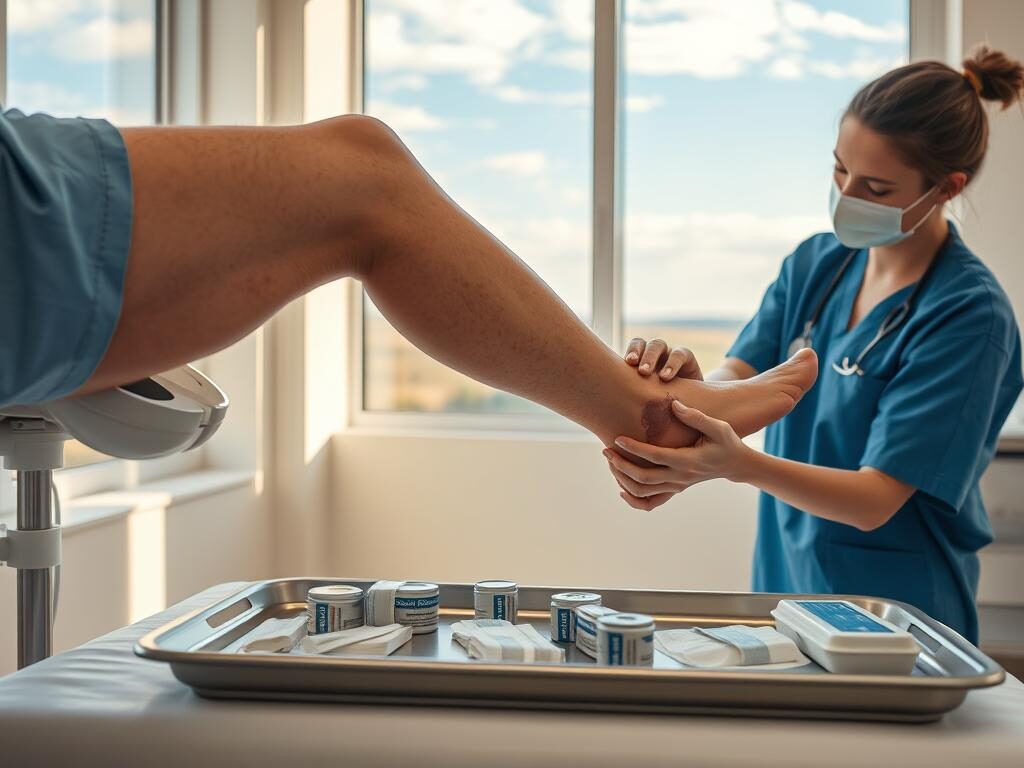
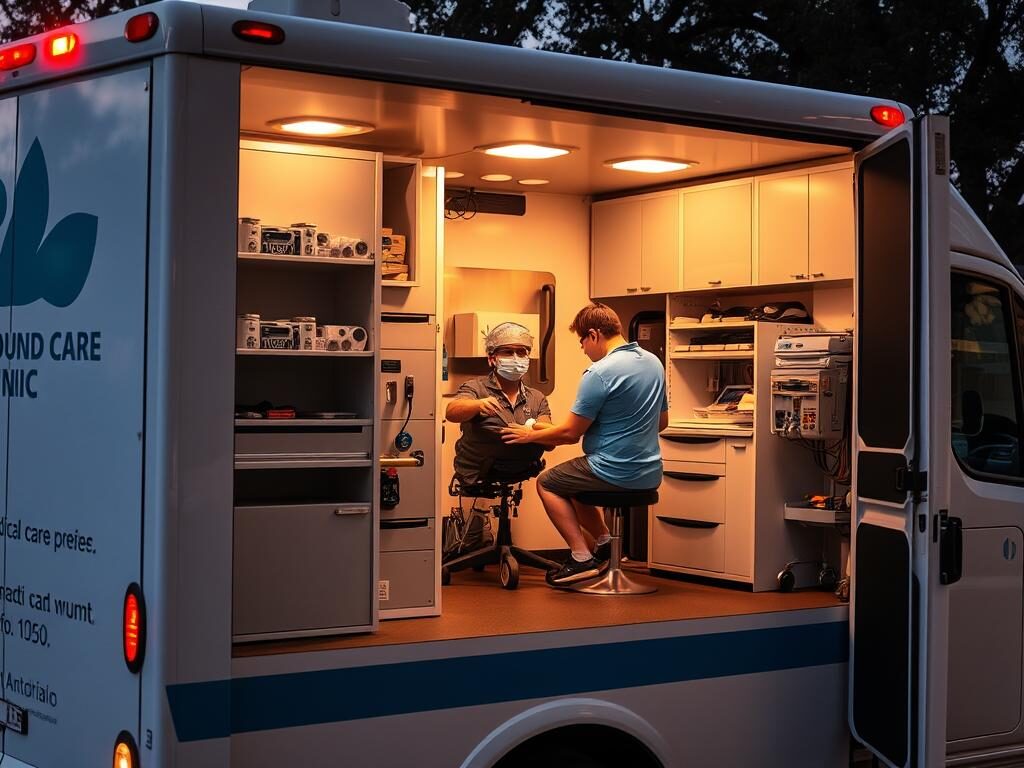
Dominion Mobile Wound Care brings professional wound care right to your home. This ensures you or your loved one gets the best care in a familiar setting.

Professional Wound Care Services at Home

With Dominion Mobile Wound Care, you get professional wound care services at home. Their team of experts is trained to provide top-notch care. They address each wound’s specific needs.

Caregiver Education and Support Programs

Dominion Mobile Wound Care also offers caregiver education and support. These programs teach caregivers how to manage wound care. This reduces complications and helps in a smoother recovery.

Specialized Equipment and Advanced Treatment Options

The service has the latest specialized equipment and advanced treatment options. This ensures patients get the most effective care. It’s tailored to their specific wound care needs.

The Benefits of Professional Wound Care Assessment

A professional wound care assessment can spot issues early. This prevents complications and speeds up healing. Dominion Mobile Wound Care’s experts do thorough assessments. They create personalized care plans for each patient.

Conclusion

Caring for someone with a chronic wound can be tough. But, with the right help, you can make a big difference. This guide has given you key tips for managing wound care at home.

Knowing about chronic wounds, keeping a clean care area, and spotting when to get medical help are important. Also, hand washing, eating right, and managing pain are key to wound care.

Dominion Mobile Wound Care is ready to help you. They offer professional wound care, education for caregivers, and special equipment. This ensures your loved one gets the best care.

If caring for a chronic wound is hard, reach out to Dominion Mobile Wound Care. They offer expert advice and support. Together, you can help your loved one heal and live better.

FAQ

What are the most common types of chronic wounds?

Chronic wounds include diabetic foot ulcers, pressure ulcers, and venous leg ulcers. Arterial ulcers are also common. Knowing the type of wound is key to treating it right.

How can I create a clean care environment for wound management?

Make the area clean by removing clutter and washing surfaces with mild detergent. Have a special place for wound care supplies. This stops infections and keeps things clean.

What are the warning signs that require immediate medical attention for wound care?

Look out for changes in wound appearance or smell, fever, and increased redness or swelling. If you see these signs, call a doctor right away.

How can I manage pain and discomfort associated with wounds?

Use non-medication methods like elevation and compression to manage pain. Work with doctors to create a pain plan that fits you.

What is the importance of hand hygiene in wound care?

Hand hygiene stops infections in wound care. Wash hands with soap and water or use hand sanitizer. Wear gloves when handling supplies or touching wounds.

How can family members be involved in the care process?

Family members can help by building a care team and talking to doctors. They can also support the main caregiver. This spreads out the work and ensures care is complete.

What role does nutrition and hydration play in wound healing?

Nutrition and hydration are vital for healing wounds. They give the body what it needs to repair tissue. Make sure to eat well and drink enough water.

How can I prevent complications at home?

Keep your home safe by removing hazards and using protective gear. Store wound care supplies correctly to avoid contamination. This helps prevent problems at home.

What services does Dominion Mobile Wound Care offer?

Dominion Mobile Wound Care provides home care, education for caregivers, and access to special equipment. They aim to help manage wounds effectively.

Why is caregiver training important for wound care?

Training caregivers is key for effective wound care. It teaches them how to manage wounds, prevent problems, and help wounds heal. Training includes learning new skills and staying updated.
Chronic ulcer care

Chronic Ulcers: Why They Happen and How We Treat Them at Home

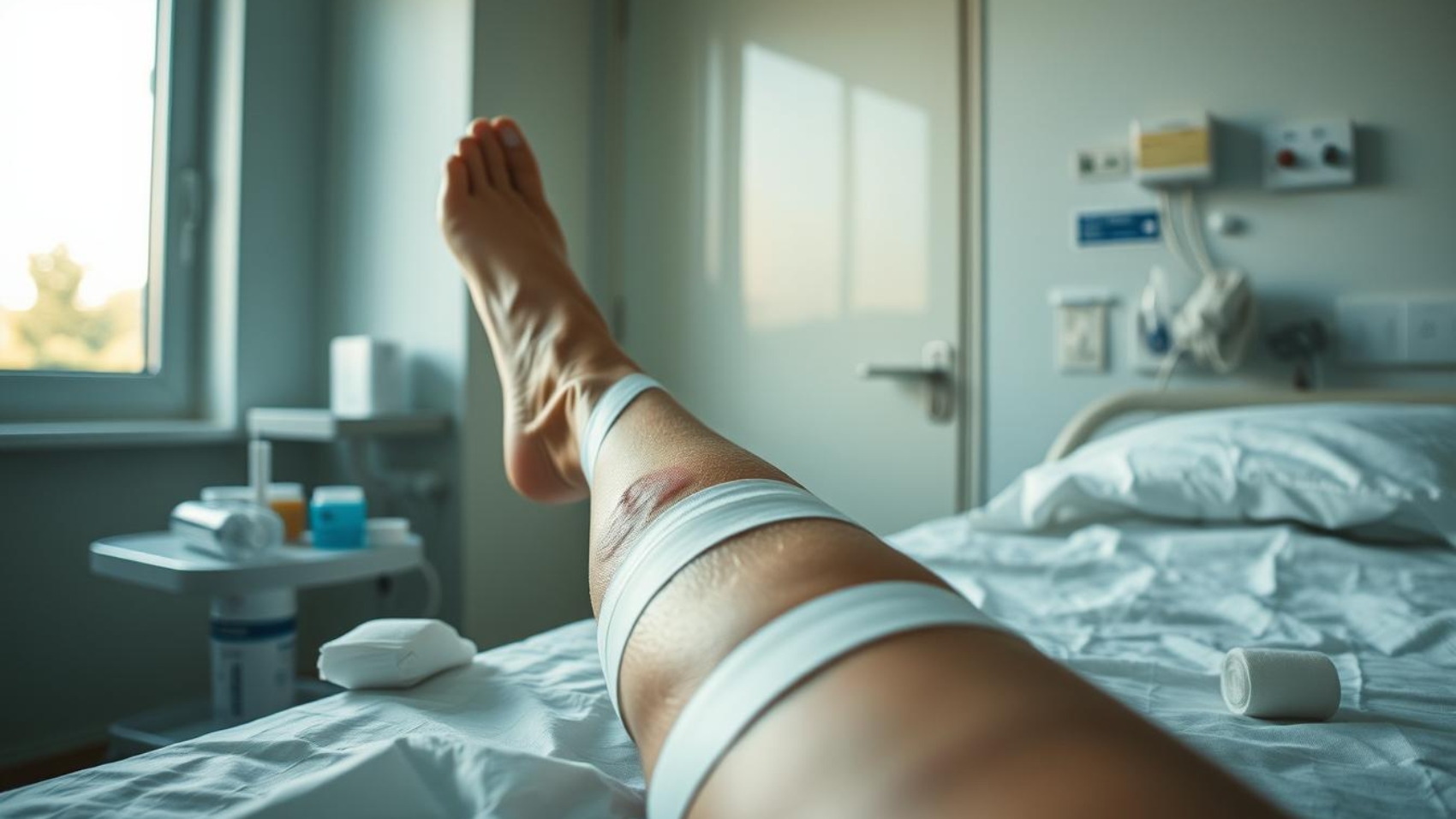
Dealing with skin breakdown is tough and painful. Chronic ulcers are open sores that don’t heal fast. They cause a lot of discomfort and can really affect your life.

Dominion Mobile Wound Care brings top-notch wound care right to your home. This makes it easy and effective for people with these long-lasting wounds.

You don’t have to let chronic ulcers control your life. With the right treatment and care, you can heal and get your health back.

Key Takeaways

  • Understanding the causes of chronic ulcers is key to treating them.
  • Dominion Mobile Wound Care offers a convenient at-home solution.
  • Advanced wound care techniques can greatly speed up healing.
  • Proper care can lessen discomfort and improve your life quality.
  • Getting professional help is a big step in managing chronic ulcers.

Understanding Chronic Ulcers

Dealing with a wound that won’t heal can be tough. Chronic ulcers are wounds that take a long time to heal. They can last for weeks, months, or even years. This can cause a lot of pain, known as ulcer pain, and affect your overall health.

What Defines a Chronic Ulcer

A chronic ulcer doesn’t heal quickly. It’s often because of health issues or things that slow healing. These ulcers can happen for many reasons, like poor blood flow, diabetes, or too much pressure on an area. Knowing why your ulcer is chronic is key to finding the right treatment, including long-term wound support.

The Impact on Quality of Life

Chronic ulcers can really change your life. They cause physical pain and emotional stress. The ongoing pain and trouble with these wounds can make you feel frustrated and alone. It’s important to tackle both the physical and emotional sides of living with a chronic ulcer to better your life.

Common Types of Chronic Ulcers

Chronic ulcers come in different forms, each with its own set of challenges. The main types are venous, arterial, and diabetic ulcers. Each needs a special care plan. Knowing the differences is key for good chronic ulcer care.

Venous Ulcers

Venous ulcers happen because of bad blood flow from the legs to the heart. They show up as swelling, redness, and a heavy feeling in the legs. To treat them, you need good wound care and compression therapy.

Arterial Ulcers

Arterial ulcers are caused by not enough blood getting to the area. They hurt a lot and usually show up on the ankle’s outer side or toes. To fix them, you need to improve blood flow, either through surgery or medicine.

Diabetic Ulcers

Diabetic ulcers are a diabetes problem, caused by nerve damage and bad blood flow. They often pop up on the feet and can get infected if not treated right. To manage them, you need to keep blood sugar in check, take care of the wound, and prevent them from coming back.

Knowing what kind of chronic ulcer you have is the first step to treating it. If you’re facing any of these issues, talk to experts like Dominion Mobile Wound Care for tailored care.

The Root Causes of Persistent Wounds

Persistent wounds can stem from several root causes. Addressing these can greatly improve healing. You might be feeling ulcer pain due to underlying issues that need attention.

Circulatory Issues

Circulatory problems are a big reason for chronic ulcers. Poor blood flow means less oxygen and nutrients to the wound. This slows healing. Conditions like varicose veins and peripheral artery disease can cause venous or arterial ulcers.

Metabolic Disorders

Metabolic disorders, like diabetes, are key in chronic ulcer formation. High blood sugar damages nerves and blood vessels. This impairs circulation and sensation, leading to diabetic ulcers, often on the feet.

ulcer pain management

Pressure and Immobility

Long-term pressure, often from immobility, can cause ulcers. This is common in those who are bedridden or use wheelchairs. Moving regularly and using proper cushions can help prevent this, supporting long-term wound support.

Understanding these causes is the first step to managing and healing chronic ulcers.

Risk Factors You Should Know

It’s important to know the risk factors for chronic ulcers to prevent and manage them well. Being aware of these factors helps you take steps to lower your risk.

Age-Related Concerns

As you get older, your skin heals slower. This makes you more likely to get skin breakdown and chronic ulcers. People over 60 face a higher risk because of less mobility, poor circulation, and other health problems.

Medical Conditions That Increase Risk

Some medical conditions raise your risk of chronic ulcers. These include diabetes, vascular diseases, and conditions that affect how you move or feel, like spinal cord injuries. It’s key to manage these conditions well to avoid ulcers.

Lifestyle Factors

Your lifestyle choices also impact your risk of chronic ulcers. Smoking, bad nutrition, and not being active enough can increase your risk. Eating well, staying hydrated, and being active can help lower these risks.

Risk Factor Description Preventive Measures
Age Increased risk over 60 years Regular check-ups, mobility exercises
Medical Conditions Diabetes, vascular diseases Effective condition management
Lifestyle Choices Smoking, poor nutrition Healthy diet, quitting smoking

At Dominion Mobile Wound Care, we know how vital awareness and preventive care are. By understanding the risk factors and taking action, you can greatly reduce your chance of getting chronic ulcers.

Recognizing the Warning Signs of Skin Breakdown

Knowing the signs of skin breakdown is key to managing your wound healing. Spotting changes in your skin early can help prevent serious issues.

Early Indicators

Look out for redness, swelling, and warmth in the affected area. You might feel pain or discomfort when pressure is applied. Catching these signs early is important.

When to Seek Immediate Medical Attention

Seek medical help if you see increased redness, pus, or a foul odor from the wound. Also, if you have a fever or chills, it could mean an infection. These are signs you need to act fast.

Quick action can stop problems and help your wound heal better.

Chronic Ulcer Care: Best Practices and Approaches

To heal chronic ulcers, a holistic care plan is key. It includes medical treatments, wound dressing, and lifestyle changes. These strategies work together to help heal and manage symptoms.

Medical Interventions

Medical treatments are vital for chronic ulcer care. They include debridement, removing dead tissue, and using negative pressure wound therapy or bioengineered skin substitutes. These help create a healing environment.

Medical Intervention Description Benefits
Debridement Removal of dead tissue Promotes healing, reduces infection risk
Negative Pressure Wound Therapy Application of negative pressure to enhance wound healing Enhances blood flow, reduces bacterial load

Wound Dressing Techniques

Choosing the right wound dressing is important. It protects the ulcer from injury and infection. Moisture-retentive and antimicrobial dressings are good options, based on the ulcer’s type and healing stage.

Lifestyle Modifications

Lifestyle changes are essential for healing. Eating a diet rich in proteins and vitamins, staying hydrated, and avoiding smoking are important. Regular, gentle exercise also helps.

By following these best practices, you can improve your chronic ulcer healing. For personalized care, contact professionals like Dominion Mobile Wound Care. They offer expert advice and support at home.

Home-Based Treatment Solutions

Managing chronic ulcers at home needs a detailed plan. This includes making a healing-friendly environment. Dominion Mobile Wound Care offers expert advice on treating ulcers at home.

Creating an Optimal Healing Environment

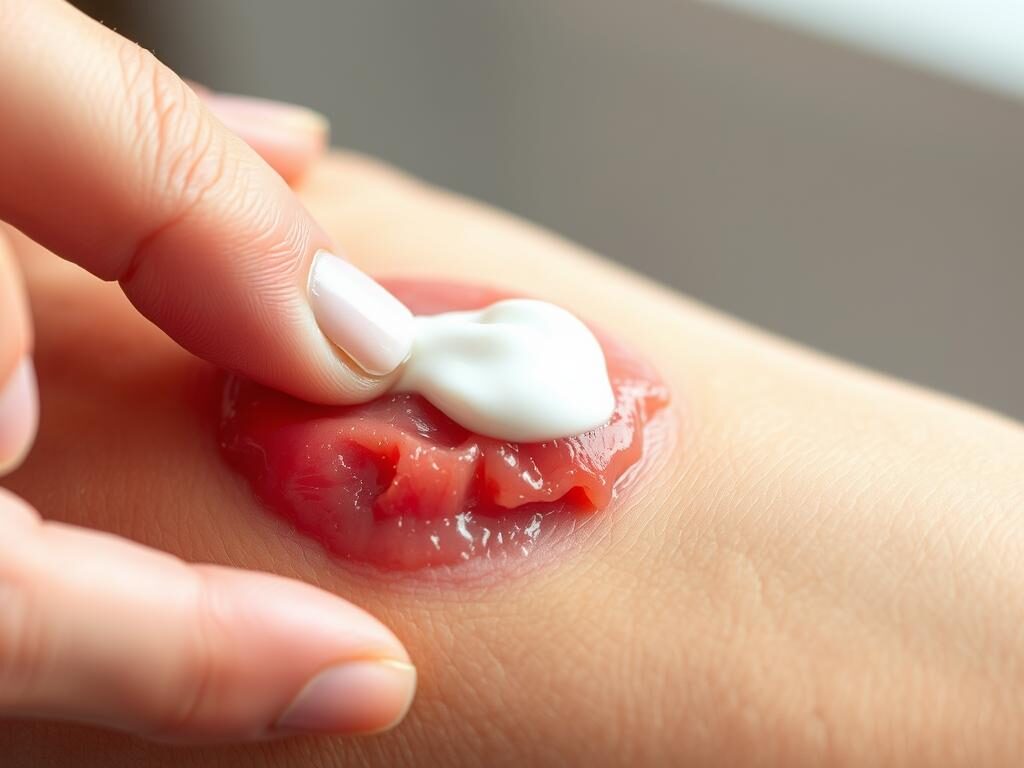
To heal ulcers well, keep the area clean and dry. This means changing dressings often and using the right materials. Also, moisturizing the skin around the ulcer helps prevent further damage.

Tips for an Optimal Healing Environment:

  • Keep the wound area clean and dry
  • Use appropriate dressing materials
  • Maintain a moisturized surrounding skin area

Proper Wound Cleaning Protocols

Cleaning the wound right is key to avoiding infections and helping it heal. Use saline solution or water for gentle cleaning. Stay away from harsh soaps that can irritate the skin.

Nutrition for Wound Healing

Good nutrition is vital for wound healing. Eat a balanced diet full of vitamins and minerals. Focus on Vitamin C, zinc, and protein, which are important for healing.

Nutrient Role in Wound Healing Food Sources
Vitamin C Boosts collagen production and immune function Citrus fruits, berries, leafy greens
Zinc Supports immune function and tissue repair Red meat, poultry, beans, nuts
Protein Essential for tissue repair and regeneration Lean meats, fish, eggs, dairy products

By following these tips and creating a supportive environment, you can help your ulcers heal at home.

Managing Ulcer Pain Effectively

To improve your quality of life, managing ulcer pain is key. Living with chronic ulcers can be tough, thanks to the pain. Effective pain management is a big part of chronic ulcer care.

Medication Options

You have many ways to manage ulcer pain. Topical analgesics can be applied directly to the wound to numb it. For more severe pain, oral medications like pain relievers might be needed. Always follow your healthcare provider’s advice on medication.

For more info on managing wound pain, check out this resource.

Non-Pharmaceutical Approaches

There are also non-medication ways to manage ulcer pain. Techniques like elevation, compression therapy, and proper wound dressing can help. A healthy lifestyle, including a balanced diet and regular exercise, can also reduce pain.

When Pain Signals Complications

Increased or severe pain can mean complications. If pain gets worse or changes suddenly, get medical help right away. Signs of complications like infection or delayed healing include changes in pain levels.

Keep an eye on your pain and tell your healthcare provider about any changes. This is very important.

Benefits of Receiving Wound Care at Home

Getting wound care at home has many benefits for those with chronic ulcers. It lets you heal in a place you know well, making the process easier and more personal.

Comfort and Convenience Factors

Home wound care is all about comfort and ease. You don’t have to worry about going to a hospital, which is great for those who find it hard to move. Care is provided in a familiar setting, making you feel more at ease.

Reduced Infection Risk

Home care also lowers the risk of getting an infection. Hospitals and clinics can be places where bacteria spread easily. By staying home, you avoid these risks. Proper wound cleaning and dressing techniques are key to keeping things clean and safe.

Benefits Description
Comfort Receive care in the comfort of your own home
Reduced Infection Risk Minimize exposure to hospital-acquired infections
Personalized Care Tailored care to meet your specific needs

Personalized Care Environment

A personalized care environment is key for healing wounds. At home, your care team can make a plan just for you. This includes long-term wound support and managing skin breakdown. Such a plan can lead to better healing and a better life.

wound care at home

If you have a chronic ulcer, think about getting wound care at home. With Dominion Mobile Wound Care, you can get top-notch care right in your home.

The Dominion Mobile Wound Care Difference

Dominion Mobile Wound Care is changing how we treat chronic ulcers. They bring expert care right to your home. Their focus on quality and patient care is making a big difference in managing chronic ulcers.

Our Specialized Home Care Services

Dominion Mobile Wound Care offers specialized home care services just for you. Our team works with you and your doctor to create a care plan. This ensures you get the best treatment in your own home.

Our skilled nurses visit regularly. They provide wound care, check on your healing, and adjust your treatment as needed.

Advanced Treatment Technologies

At Dominion Mobile Wound Care, we use advanced treatment technologies to help wounds heal. Our modern equipment and therapies tackle even tough wounds.

Patient Success Stories

Our patients’ success stories show how well our approach works. We’ve helped many people with chronic ulcers heal and improve their lives.

We offer long-term wound support and guidance. This helps our patients manage their healing journey. They achieve great results and feel better overall.

Conclusion: Taking Control of Your Wound Healing Journey

Understanding and managing chronic ulcers is key to a better life. Recognizing skin breakdown signs and managing pain are the first steps to healing.

Controlling your wound healing journey means getting the right care and making lifestyle changes. With proper treatment and support, you can beat the challenges of chronic ulcers.

Dominion Mobile Wound Care offers home care services, advanced treatments, and personalized care. Their team can help you recover in your own home.

Don’t let chronic ulcers stop you. Start healing and improving your well-being with Dominion Mobile Wound Care. Their dedicated team is here to help you on your journey to health and happiness.

FAQ

What are chronic ulcers, and how do they differ from acute wounds?

Chronic ulcers are open sores that don’t heal quickly. They cause a lot of discomfort and affect your life quality. Unlike acute wounds, chronic ulcers last a long time and need special care.

What are the common types of chronic ulcers, and how are they treated?

Common chronic ulcers include venous, arterial, and diabetic ulcers. Treatment varies but may include medicine, wound dressings, and lifestyle changes.

What are the risk factors for developing chronic ulcers?

Risk factors include age, medical conditions like circulatory issues, and lifestyle factors. Knowing these risks helps prevent ulcers.

How can I recognize the warning signs of skin breakdown?

Look for skin color, temperature, or texture changes, and pain. If you notice these signs, get medical help right away.

What are the best practices for managing chronic ulcers at home?

Effective care includes creating a healing environment, proper cleaning, and nutrition. These steps help your ulcer heal.

How can I manage ulcer pain effectively?

Pain management may involve medicine, non-medical methods, or both. Always consult a healthcare professional for the best plan.

What are the benefits of receiving wound care at home?

Home care is comfortable and convenient. It also reduces infection risk and provides personalized care.

How can Dominion Mobile Wound Care support my wound healing journey?

Dominion Mobile Wound Care offers home care services, advanced treatments, and personalized care. They tailor their services to your needs.

What can I expect from Dominion Mobile Wound Care’s services?

Expect expert care and a focus on your well-being. They aim to help you heal and improve your life.

How can I take control of my wound healing journey?

Seek professional help, follow wound care best practices, and work with a trusted provider like Dominion Mobile Wound Care. These steps help you heal and improve your life.

Wound Pain Management

Managing Pain from Chronic Wounds at Home

This guide from Dominion Mobile Wound Care helps you handle symptoms at home and know when to seek expert support. You will learn clear steps to describe your discomfort so clinicians can tailor care and improve your daily function.

Many people with chronic wounds report moderate to severe pain that disrupts sleep and mood. Health teams may focus on the wound and underassess what you feel. Learning simple tracking tools and home strategies can make a real difference.

You will get tips on preparing supplies, timing medicines, and easing procedural discomfort during dressing changes. The guide also explains how to spot signs that need faster escalation and when to hire Dominion Mobile Wound Care for hands-on help.

Key Takeaways

  • Learn to describe and track your pain for better home care and follow-ups.
  • Addressing pain is as important as treating the wound itself.
  • Practical steps help reduce discomfort during daily tasks and dressing changes.
  • Understand basic pain types so you can report changes to your clinician.
  • Non-drug methods complement medications to support overall health.
  • Know when increased pain could signal infection and when to seek care.

Why Chronic Wound Pain Matters to Your Daily Life

When a chronic sore lingers, its effects reach far beyond the spot on your skin. Many people with chronic wounds report significant discomfort—an estimated 48–81% experience moderate severe pain—which interferes with sleep, mood, and basic tasks.

Your comfort matters. Loss of sleep and low energy make dressing care and mobility harder. That, in turn, slows recovery and reduces your overall quality life.

Set goals that include comfort and function, not just healing. Patients often benefit when teams prioritize symptom relief alongside closure. Document how symptoms change with activity, rest, and dressing choices so clinicians can tailor care.

  • Poor sleep and low appetite reduce activity and slow healing.
  • Avoiding movement for fear of discomfort can limit independence.
  • Small improvements in rest and mood lead to real gains in patient quality life.

If your discomfort escalates or shifts suddenly, treat that as new clinical information and share it for reassessment. Dominion Mobile Wound Care prioritizes your comfort, function, and dignity—hire Dominion Mobile Wound Care to help heal your wounds.

How to Assess Your Wound Pain Before You Treat It

Start with a quick, consistent assessment so your care decisions match your symptoms. A brief check each day helps you and your clinician track trends and spot new issues fast.

Use simple scales

Choose one tool and use it every time. Common sources include the numerical rating scale (0–10), visual analog scale, verbal descriptor, the pain ruler, and the short-form McGill questionnaire.

Gather a brief history

Record intensity, quality (aching, burning, stabbing), location, onset, duration, triggers, and what brings relief. Keep notes next to your dressing choices and timing so you can do a meaningful review.

Watch non-verbal cues

Look for grimacing, guarding, reduced movement, or changes in sleep and appetite. If a caregiver helps, ask them to log behaviors to improve accuracy for patients who underreport.

  • Rate your level each morning with the same scale.
  • Note changes during rest, activity, and dressing care.
  • Bring the log to appointments to speed useful adjustments.

Dominion Mobile Wound Care can set you up with simple tracking templates and coaching. Hire Dominion Mobile Wound Care to help heal your wounds.

Know Your Pain Type: Nociceptive, Neuropathic, and When It’s Both

Simple clues in how the sensation feels can point to tissue inflammation or nerve dysfunction and guide care.

Nociceptive basics

Nociceptive pain often comes from tissue damage or inflammation and feels like aching or throbbing. Acute nociceptive signals rise with redness, swelling, or activity. For leg ulcers or pressure ulcer areas, aching heaviness or soreness with movement usually reflects this mechanism.

Neuropathic signs

Neuropathic pain comes from nerve injury and often feels burning, shooting, or like pins and needles. Neuropathic ulcers and diabetic nerve injury tend to produce these sensations and may flare without clear triggers.

Allodynia & hyperalgesia

When light touch, a breeze, or a small temperature change causes severe pain, nerves have become sensitized. This includes allodynia (non‑painful stimuli hurt) and hyperalgesia (exaggerated responses).

When to seek urgent care

An unexpected rise in pain, a new sharp or spreading tenderness, or changes in drainage or color can signal infection. Document these shifts and contact a clinician promptly. Dominion Mobile Wound Care helps you identify mechanisms so treatment is targeted — hire Dominion Mobile Wound Care to help heal your wounds.

  • Aching/throbbing with inflammation: likely nociceptive.
  • Burning/shooting/tingling without clear cause: likely neuropathic.
  • Light touch causing severe response: suspect allodynia or hyperalgesia.

Wound Pain Management at Home: Step-by-Step

Start with a short routine that makes home care predictable and keeps discomfort from escalating. A steady plan helps you time medicines, protect skin, and reduce procedural pain during dressing changes.

wound pain management

Time your analgesia

Use the WHO ladder approach: start with NSAIDs ± a local anesthetic like EMLA cream, then consider stronger options if needed. Take medication on a schedule so relief is present before activity or a dressing change.

Set up your space

Control drafts and room temperature, add a light blanket if cool, and reduce stressors. These steps lower sensitivity around the site and make handling easier for you and caregivers.

Protect skin and dressings

Choose dressings with correct absorbency to keep moisture balanced and avoid maceration. Use a skin barrier film on peri‑wound areas and handle dressings gently; cleanse only when required to limit irritation.

Monitor and document

  • Keep a short log of scores, products used, and how long relief lasted.
  • Time dressing changes for your best relief window (30–60 minutes after meds).
  • If a step raises symptoms, flag it for your clinician.

Dominion Mobile Wound Care can build a tailored at‑home protocol and check your technique. Hire Dominion Mobile Wound Care to help heal your wounds.

Reducing Procedural Pain During Dressing Changes

Small technique changes can cut procedural pain during dressing changes and make care easier for you and your caregiver. Use simple steps to prevent stick‑and‑tear, protect skin, and keep procedures predictable.

Prevent stick-and-tear and choose the right contact layer

Pre‑moisten gauze or pick non‑adherent contact layers so dressings lift without tearing fragile edges. Prefer silicone‑coated dressings and match absorbency to exudate so products don’t dry and stick between changes.

Gentle technique and limited cleansing

Support surrounding skin with one hand while you remove adhesive with the other. Use an adhesive remover for tapes and avoid routine soaking; cleanse only when needed with a lukewarm solution to limit nerve stimulation.

Control environment and pace the procedure

Reduce drafts and sudden temperature shifts to lower allodynia risk. Let the patient control removal and pause if you feel severe pain; brief breaks and reassurance often reduce distress.

  • Apply a skin barrier around the site before reapplying dressings to protect margins.
  • If exudate makes removal harder, discuss higher‑absorbency dressings to protect peri‑skin and cut dressing changes trauma.
  • Watch for unexpected spikes in pain during a procedure; this may indicate infection or product mismatch and needs prompt reassessment.

Dominion Mobile Wound Care can recommend less painful products and teach low‑trauma techniques. Hire Dominion Mobile Wound Care to help heal your wounds.

Non-Drug Strategies That Support Pain Relief and Quality of Life

Small behavioral changes and soothing rituals often make routine care and mobility feel easier. These options do not replace medicines but add real benefit for patients with chronic symptoms. Use them alongside clinical measures and document what helps most.

pain relief

Distraction techniques: music, guided imagery, and virtual reality

Listening to favorite music or using guided imagery can lower distress before and during dressing tasks. Studies show immersive video or virtual reality reduces procedural distress for burn and therapy patients.

Touch-based therapies: reflexology and reiki for comfort and wellbeing

Gentle touch therapies like reflexology or reiki often improve wellbeing and reduce medication needs in some patients. Treat these as adjuncts that increase comfort and sense of being cared for.

Sleep, mood, and movement: addressing the mind-body cycle

Protecting sleep with consistent bedtimes and a quiet room boosts daytime tolerance and overall quality life. Light, clinician-approved movement supports circulation and mood and helps break the acute chronic cycle.

  • Build a short list of go-to distractions—music, calming audio, or imagery—for dressing care and other triggers.
  • Try aromatherapy under guidance to improve sleep and relaxation, which can aid daytime function.
  • Track which techniques reduce wound-related pain and do a brief review weekly so your plan improves.
  • If you have leg ulcers or sensitive skin wound areas, pair these methods with dressing and timing adjustments for better results.

Dominion Mobile Wound Care integrates non-pharmacologic options into your plan. Hire Dominion Mobile Wound Care to help heal your wounds.

Conclusion

Keep a steady routine of short assessments so changes prompt timely clinical review. Regular assessment helps your health care team adjust dressings, review medicines, and address both nociceptive pain and neuropathic nociceptive issues as they arise.

Expect a blend of approaches—medicines, optimized dressings, gentle technique, and environment tweaks—to reduce wound-related pain over time. Track scores and small changes so your team can tune care and protect surrounding skin.

Your experience matters. Believe what you report and raise concerns early. Use a structured ladder for pain management and discuss options like EMLA cream or neuropathic agents when nerve-driven symptoms persist.

, For guided at‑home strategies, in‑person visits, and ongoing optimization, hire Dominion Mobile Wound Care to help heal your wounds.

FAQ

How can you tell if chronic wound-related discomfort needs medical review?

If you notice increasing redness, swelling, foul odor, new drainage, fever, spreading warmth, or a sudden rise in intensity that home measures don’t reduce, contact your clinician promptly. Also seek help for signs of infection, sudden numbness, or new neuropathic sensations like burning or electric shocks.

What simple tools can you use at home to rate your discomfort before treatment?

Use a numeric rating scale (0–10), a visual analog scale, or short verbal descriptors such as “no,” “mild,” “moderate,” or “severe.” Apply the same tool each time and record scores with date, time, and activity to spot trends and share accurate information with your care team.

How do you know if the discomfort is nociceptive, neuropathic, or both?

Nociceptive sensations feel like aching, throbbing, or soreness tied to tissue damage. Neuropathic signs include burning, shooting, tingling, pins-and-needles, or sensitivity to light touch. Many people experience a mix; note descriptors and triggers to guide treatment choices.

What steps should you take to reduce pain during dressing changes?

Time oral analgesics so peak effect aligns with the change, keep the room warm and draft-free, use silicone or low-adherent dressings to avoid stick-and-tear, moisten dried dressings before removal, cleanse gently only where needed, and pause if severe discomfort occurs. Ask a caregiver to help if you need steadying or distraction.

Which non-drug approaches can help improve your comfort and quality of life?

Try distraction (music, audiobooks, guided imagery), relaxation breathing, sleep hygiene, gentle movement as tolerated, and complementary touch therapies like reflexology for comfort. These strategies reduce stress, improve mood, and can lower perceived intensity.

How should you time pain relief medication around procedures at home?

Take short-acting analgesics 30–60 minutes before a dressing change so medication peaks during the procedure. For longer procedures or consistent baseline discomfort, follow a regular schedule as advised by your clinician rather than waiting for pain to spike.

What dressing choices help minimize procedural discomfort?

Select low-adherent or silicone-coated dressings and appropriate absorbency to match drainage. Avoid dressings that dry onto skin, and use gentle adhesive removers if needed. Your clinician can recommend products like silicone foam or hydrogel for less trauma on removal.

When should increased sensitivity or allodynia concern you?

If light touch, air drafts, or gentle clothing produce intense pain or if sensitivity expands beyond the wound margin, report this promptly. These signs can indicate neuropathic changes or inflammation that may need specialist assessment and tailored treatment.

What information should you document to help your care team manage your symptoms?

Record numeric pain scores, descriptors (aching, burning, sharp), time of day, activities or triggers, medication taken and timing, dressing type and changes, plus any signs of infection. Short, consistent notes let clinicians adjust therapy quickly and accurately.

Can topical anesthetics help with dressing changes at home?

Topical agents like lidocaine preparations can ease procedural discomfort for some people. Use only as instructed by your health professional, check for allergies, and follow application timing so the anesthetic is effective during dressing removal.

How do temperature and airflow affect sensitivity during care?

Cold, drafts, or rapid temperature shifts can increase sensitivity and allodynia. Keep the room warm, minimize fans or open windows, and use a blanket over nearby skin to reduce uncomfortable responses during dressing changes.

When is referral to a pain or wound specialist appropriate?

Ask for referral if you have persistent moderate to severe symptoms despite basic measures, ongoing neuropathic features, repeated infections, impaired mobility or sleep, or complex wounds that limit daily activities. A specialist can offer advanced therapies and multidisciplinary support.

How can you protect surrounding skin and reduce wound-edge discomfort?

Maintain balanced moisture with barrier films or protective dressings, trim adhesive edges carefully, use silicone-based products near fragile skin, and avoid over-cleaning. Gentle care preserves margins and lowers irritation during dressing changes.

What role does movement and sleep play in managing chronic discomfort?

Regular gentle activity improves circulation, reduces stiffness, and supports mood. Good sleep hygiene helps pain tolerance and healing. Address sleep problems, fatigue, and mood with your clinician as they strongly influence symptom levels.

How do you decide when to change dressings versus when to leave them undisturbed?

Change dressings based on drainage level, manufacturer instructions, and clinician advice. If a dressing is intact and controlling moisture, leaving it undisturbed often reduces procedural discomfort and infection risk. Document reasons and monitor for leaks or odor.

Chronic Wound Treatment

Why Chronic Wounds Need Professional In-Home Care

You face more than a simple cut when a persistent sore fails to close. A chronic wound often does not restore normal function after three months, and early, structured care can change that path.

These nonhealing wounds affect 1% to 2% of people and drive huge costs nationwide. Prompt, coordinated in-home wound care reduces the risk of infection, hospitalization, and even amputation.

Bringing clinical-level evaluation into your home removes barriers like travel and missed visits. Home clinicians monitor dressings, adjust plans, and keep progress steady so you spend less time worrying and more time healing.

With focused assessment, clear goals, and regular measurement, you get better continuity and faster wound healing. Hire Dominion Mobile Wound Care to help heal your wounds.

Key Takeaways

  • Persistent sores need early, structured in-home care to improve outcomes.
  • Professional visits cut barriers and support consistent wound healing.
  • Home programs reduce risks like infection and hospitalization.
  • Continuity of care helps tailor plans to your daily routine.
  • Dominion Mobile Wound Care brings clinical expertise to your door.

Your Best Practices Guide to Chronic Wound Treatment at Home

Simple, repeatable steps at home can speed healing and lower risks. Start with a consistent protocol: cleanse the area, apply appropriate dressings, and protect surrounding skin. Keep your environment clean and set a dedicated dressing station for supplies and timing.

Your care plan should include measurable goals, such as weekly reductions in size, and clear triggers to escalate care if progress stalls. Clinicians will coach you on nutrition, hydration, and glycemic control to support tissue repair. They will also show positioning and offloading techniques to relieve pressure on fragile skin.

Hand hygiene, clean technique, and safe disposal lower infection risk during every change. When appropriate, adjunct therapy like hyperbaric oxygen therapy can be added to standard measures to optimize outcomes. You will learn to spot warning signs—new pain, odor, or increased drainage—and notify your team promptly.

  • Organize supplies and schedule changes to improve adherence.
  • Document progress with photos and measurements for data-driven decisions.
  • Coordinate home-based wound management and follow-up with clinicians.

Stay proactive, follow your plan, and let professionals guide adjustments. Hire Dominion Mobile Wound Care to help heal your wounds.

Understanding Chronic Wounds: What They Are and Why They Persist

When an open sore stops improving, it signals a broken healing path that needs careful review. You can consider a wound chronic when it shows no measurable improvement after four weeks or fails to heal by eight to twelve weeks.

Definition and timeline: when a wound becomes “chronic”

A chronic wound fails to progress through orderly repair by three months or stalls early in the inflammatory phase. You may notice persistent redness, swelling, or pain that does not ease as expected.

How comorbidities like diabetes mellitus slow the healing process

Conditions such as diabetes mellitus, vascular disease, and neuropathy reduce blood flow and nerve sensation. This slows tissue repair and raises the risk of infection and re-injury.

Biofilm and senescent cells in the wound bed blunt normal healing signals. That makes standard measures less effective without targeted strategies.

Quality-of-life impacts: pain, depression, isolation, and family stress

Ongoing care affects more than skin. Painful dressing changes and limited mobility can disrupt sleep, work, and relationships.

  • Emotional toll: depression and isolation are common.
  • Practical strain: caregivers and family routines suffer.
  • Cycle of setbacks: repeated breakdowns need professional plans to break.

Early identification of barriers — poor perfusion, hidden infection, or moisture imbalance — can restore progress. Hire Dominion Mobile Wound Care to help heal your wounds.

The Urgency: Risks, Costs, and Outcomes You Shouldn’t Ignore

Diabetic foot ulcers can start small but quickly lead to life-changing complications if ignored. Prompt review and quick offloading can stop progress toward limb loss.

Diabetic foot ulcers and amputation risk in the lower extremity

Take ulcers seriously. About 85% of amputations in the lower extremity follow diabetic ulcers. Rapid identification of poor perfusion, infection, or uncontrolled pressure is crucial to prevent progression.

Five-year mortality after diabetic ulcers and why early action matters

The five-year mortality after developing a diabetic ulcer is roughly 40%. Early, coordinated care reduces the chance of amputation, hospital stays, and death.

  • You should act because most amputations in the lower extremity begin with diabetic foot ulcers.
  • Early intervention lowers risk of severe complications and costly hospital care.
  • Rapid review for infection and perfusion problems prevents progression to limb loss.
  • National costs are high, and missed work plus caregiver strain add personal expense.
  • A proactive in-home approach ensures timely dressing adjustments, offloading, and specialist referrals.
  • Preventive measures—foot checks, protective footwear, and glycemic control—support durable healing.
  • Consistent monitoring lets your team escalate care before emergencies arise.

The earlier you act, the better your chances for lasting healing and preserved mobility. Hire Dominion Mobile Wound Care to help heal your wounds.

The Healing Process Explained: From Inflammation to Remodeling

Understanding the sequence of repair helps you and your care team spot delays. Wound healing is a stepwise healing process that begins right after injury and guides every clinical choice.

The four stages and where healing can stall

Healing progresses through hemostasis, inflammation, proliferation, and remodeling. Each phase has a rough timeline:

  • Hemostasis/coagulation (days 0–3): clotting stops bleeding and sets the scaffold.
  • Inflammation (days 1–25): immune cells clear debris; many chronic wounds stall here with persistent inflammation.
  • Proliferation (days 1–25): granulation tissue forms, angiogenesis begins, and epithelial cells cover the wound bed.
  • Remodeling (days 20–365): collagen matures from type III to type I, restoring up to about 80% of original tissue strength.

Extracellular matrix, cytokines, and growth factors in repair

The extracellular matrix and signaling molecules guide cell movement and new tissue formation. Balanced cytokines and growth factors push the process forward.

When the extracellular matrix breaks down or proteases are too active, the wound bed cannot move into proliferation. Recognizing a stalled inflammatory phase lets your team target debridement, moisture balance, and other measures to restart progress.

With in-home care aligned to these biology-based steps, daily changes become less worrying and more actionable. Hire Dominion Mobile Wound Care to help heal your wounds.

Assessment First: Classifying Chronic Wounds for the Right Care

Proper classification of an ulcer determines which therapies will help — and which could harm. Start with location, appearance, and surrounding signs to guide safe, targeted care.

ulcers

Arterial, venous, diabetic, and pressure ulcers—key differences

Venous ulcers are often shallow on the medial gaiter area with edema and hemosiderin staining. Compression can help, but only after arterial flow is confirmed adequate.

Arterial ulcers tend to be distal, deep, and may show eschar or exposed tissue. These require urgent vascular review before aggressive debridement.

Diabetic foot ulcers usually appear on the plantar surface with callus and neuropathy. In patients diabetic, check for possible osteomyelitis and need for offloading.

Pressure ulcers form over bony prominences. Stage per NPUAP, assess nutrition, and consider imaging when bone involvement is suspected.

Measuring perfusion: toe-brachial index for patients diabetic

When vessels calcify, ankle tests can mislead. Use the toe-brachial index in patients diabetic; it gives a more reliable perfusion estimate when ankles are noncompressible.

When to pursue imaging and specialist referrals

  • Order vascular studies or duplex for suspected ischemia in the lower extremity.
  • Obtain MRI or bone scan if osteomyelitis is a concern.
  • Coordinate referrals to vascular surgery, podiatry, or dermatology from the home setting when tests or clinical behavior warrant it.

Thorough classification at the outset prevents delays and mismatched care. Review findings promptly and act to protect tissue and skin from further harm. Hire Dominion Mobile Wound Care to help heal your wounds.

Chronic Wound Treatment: Evidence-Based Principles You Can Trust

Use evidence-first strategies so each step of care targets healing efficiently and avoids guesswork. Start with a clear framework that guides decisions from tissue prep to final closure.

The TIME framework: tissue, infection, moisture, and edges

Tissue preparation begins with appropriate debridement to remove necrotic and sloughy material, except when severe ischemia limits removal.

Infection control relies on clinical signs. Reserve systemic antibiotics for clearly infected legs and feet, not for mere colonization.

Moisture balance uses modern dressings to keep the bed ready for cell migration. Avoid “airing out” and low-value therapies such as whirlpools.

Edges are managed by removing rolled or nonviable tissue so epithelial cells can advance and healing can progress.

What the Cochrane database and randomized controlled trials tell us

Cochrane reviews support compression as the standard for venous ulcers and show total contact casting improves outcomes for diabetic plantar ulcers.

Randomized controlled evidence and consensus guides back repositioning and offloading strategies to prevent pressure-related breakdown.

  • Plans follow TIME from tissue prep through dressing selection and targeted antibiotics when needed.
  • Evidence steers high-value options like compression and total contact casting.
  • Your in-home team documents progress and adjusts the plan to current best evidence.

With proven principles guiding care, you get focused, efficient wound management and better chances for healing. Hire Dominion Mobile Wound Care to help heal your wounds.

Best Practices by Wound Type in the Home Setting

Not all ulcers respond the same—your in-home plan should reflect the specific risks and biology at play.

Venous care: compression, elevation, and movement

After you confirm arterial flow, calibrated compression (30–40 mmHg) is the cornerstone of venous ulcers therapy.

Elevate the leg above heart level when resting and walk to activate the calf pump. Discuss statin use and early endovenous ablation with your clinician when appropriate.

Arterial care: protect, maintain moisture, and coordinate revascularization

For arterial ulcers, protect tissue and keep a moist dressing while vascular teams evaluate for angioplasty, stent, or bypass.

Limit aggressive debridement until perfusion improves to avoid further tissue loss.

Diabetic foot care: callus debridement and strict offloading

Diabetic foot ulcers do best with regular callus debridement and pressure relief. Nonremovable total contact casts offer the strongest evidence for offloading.

Optimize glucose and consider hyperbaric oxygen when indicated.

Pressure prevention: frequent repositioning and microclimate control

Prevent pressure ulcers by repositioning every 1–2 hours, managing heat and moisture, and avoiding donut cushions.

Combine nutrition, hydration, and support surfaces that redistribute pressure without impairing circulation.

  • Your in-home clinicians fit and monitor compression, offloading devices, and support surfaces.
  • When needed, they arrange vascular or specialty referrals without interrupting home care.
  • Evidence-based protocols for each ulcer type help you make steady progress and reduce setbacks.

For practical, type-specific plans delivered at home, Hire Dominion Mobile Wound Care to help heal your wounds.

Recognizing and Managing Infection Without Overusing Antibiotics

You need clear signs to tell colonization from real infection so care stays effective and safe.

Reading bedside clues: NERDS vs. STONEES

Use NERDS to flag critical colonization: Nonhealing, Exudative, Red/bleeds easily, Debris, Smell.

Use STONEES to detect deeper risk: Size increasing, Temperature increase, os (bone), New breakdown, Exudate, Erythema/edema, Smell.

When to culture and when to choose topical or systemic therapy

When three or more criteria appear, your clinician will often collect a culture using the Levine technique to guide targeted care.

Do not use systemic antibiotics for clinically uninfected lower extremity wounds; this avoids resistance and harm.

  • You will learn to differentiate colonization from true infection using NERDS and STONEES.
  • Topical agents such as silver, polyhexamethylene biguanide, or cadexomer iodine reduce bioburden without systemic side effects.
  • Systemic antibiotics are reserved for clear clinical infection—cellulitis or systemic signs—so they stay effective.
  • Control of bioburden pairs with debridement and moisture balance to restore healthy tissue and speed healing.
  • Your team documents changes, monitors warmth or spreading redness, and acts quickly to prevent deterioration.

Thoughtful antibiotic stewardship protects you and preserves options for real infection. For expert in-home review and care, Hire Dominion Mobile Wound Care to help heal your wounds.

Debridement and Biofilm Control: Clearing the Way for Healing

Regular removal of nonviable tissue resets the bed so you can see real progress. Debridement shortens the repair timeline by removing barriers to cell growth and blood vessel formation.

Why regular debridement accelerates healing time

You benefit from weekly or more frequent debridement because it removes necrotic material and promotes granulation. Evidence shows consistent debridement doubles the chance of closure and raises overall healing rates near 70.8%.

Biofilm and strategies to disrupt it

Biofilm hides bacteria from immune cells and antibiotics in roughly 80% of infections. Physical disruption with debridement plus targeted topical agents is essential to break this shield and reduce bioburden.

Surgical, autolytic, enzymatic, and biologic options at home

Your clinicians choose methods based on the lesion, pain tolerance, and home safety. Options include sharp surgical, gentle autolytic, enzymatic agents like collagen-digesting ointments, or biologic maggot therapy when appropriate.

  • Pair debridement with suitable dressing and topical strategies to limit rapid biofilm return.
  • Pain control and patient education make the process safer and more tolerable at home.
  • Consistent scheduling and reassessment keep the process aligned with your healing goals.

For expert, frequent debridement and biofilm control delivered in your home, Hire Dominion Mobile Wound Care to help heal your wounds.

Mastering Moisture Balance and Dressings for Optimal Wound Bed Health

Keeping the wound bed properly moist is one of the simplest ways to speed healing and cut infection risk.

moisture balance

Moisture balance myths: why wounds should not “air out”

Leaving an open area to dry is a myth that slows repair. Moist environments let epithelial cells migrate and lower infection risk compared with air exposure.

Maintain moisture on the wound bed while protecting the surrounding skin. Barriers and skin protectants stop maceration and keep tissue healthy.

Selecting dressings for draining, infected, necrotic, and dry cases

Your clinician will match dressings to how much drainage and the health of nearby skin. For heavy exudate, choose foams, alginates, or composite systems that absorb and lock fluid away.

When infection risk appears, antimicrobial options with silver, PHMB, or cadexomer iodine help control bioburden without routine systemic therapy.

Using collagen, silver, iodine, foams, alginates, hydrogels, and films

Enzymatic agents like collagenase remove necrotic material selectively. Collagen dressings can supply a scaffold to support matrix formation in appropriate cases.

  • Keep drainage off the periwound with barrier films to prevent maceration.
  • Use hydrogels or collagen gel to rehydrate dry beds and transparent films to seal.
  • Composite dressings combine absorption, protection, and securement to simplify care.

Your team will reassess exudate levels and switch the dressing system as the site changes. Correct choices reduce change frequency, cut discomfort, and support steady healing.

Hire Dominion Mobile Wound Care to help heal your wounds.

Advanced Therapies Brought Home: Offloading, HBOT, and More

Bringing clinic-level offloading and hyperbaric care to the home helps address stubborn plantar pressure and low oxygenation.

Offloading is key for diabetic foot and plantar pressure relief. Nonremovable total contact casting offers the best adherence and pressure redistribution for diabetic foot ulcers.

When casts are not suitable, removable CAM walkers, half-wedge shoes, or heel-relief devices serve as alternatives. Your team will check fit and watch for new pressure points to keep you safe and mobile at home.

How hyperbaric oxygen supports repair

Hyperbaric oxygen therapy increases oxygen dissolved in plasma under pressure. That boosts neovascularization, reduces swelling, and helps control infection when used with other measures.

HBOT is not a stand-alone fix. It works best alongside debridement, moisture control, and glycemic optimization. Your clinicians will tailor selection based on depth, perfusion, and response to earlier steps.

  • Nonremovable total contact casting maximizes plantar pressure offloading.
  • Removable walkers and specialty shoes are alternatives when casts aren’t possible.
  • HBOT aids angiogenesis and infection control as part of a broader plan.
  • Your team coordinates logistics, safety, and expected timelines for therapy at home.

Advanced options are used selectively to improve healing while minimizing burden. Hire Dominion Mobile Wound Care to help heal your wounds.

From Clinic to Living Room: How Professional In-Home Wound Care Works

When care happens at home, assessments, supplies, and specialist referrals are easier to coordinate and track.

Comprehensive assessment, care planning, and documentation

Your in-home visit begins with a focused assessment of location, size, depth, drainage, and tissue type. Clinicians take measurements and photos so your baseline is clear and comparable over time.

Your personalized plan sets weekly targets for dimensions, exudate, and tissue quality. Documentation guides decision-making and keeps all providers aligned.

Coordinating vascular, podiatry, and dermatology care in the home

In-home clinicians arrange studies and referrals to vascular surgery, podiatry, or dermatology when findings indicate. This coordination happens without disrupting your routine.

Those referrals speed access to specialist care while the team continues daily management and offloading in your home.

Safety, infection control, and supply logistics at home

Strict hand hygiene, clean technique, and disposal protocols protect your household and lower infection risk. Clinicians obtain cultures when indicated and avoid systemic antibiotics for uninfected sites.

Your supply plan includes evidence-based compression, dressings, and offloading devices. Staff teach setup, storage, pain control, and how to reorder supplies.

  • Standardized documentation keeps everyone informed and speeds therapy decisions.
  • Pain assessment is integrated so procedures remain tolerable and safe.
  • You get coaching for daily activities to protect skin and support healing.

The model reduces travel burdens and improves adherence, raising the odds of steady healing. Hire Dominion Mobile Wound Care to help heal your wounds.

Building Your Personalized Home Care Plan

A clear, personalized home plan ties nutrition, mobility, and skin care into one manageable routine. This plan defines who does what, when, and how progress will be tracked.

Nutrition, glycemic control, mobility, and skin protection

Nutrition matters. Aim for about 1.5 g/kg protein daily, steady hydration, and targeted vitamins A, C, and zinc when needed to support tissue repair and immune function.

Glycemic optimization is central if you have diabetes. Integrate glucose targets into your routine to protect the foot and speed closure.

Mobility plans keep you active while limiting shear and pressure. Offloading, safe footwear, and clear activity limits reduce setbacks.

Skin protection uses gentle cleansers, barrier creams, and microclimate control to avoid maceration and new breakdown.

Setting goals and timelines for healing chronic wounds

Work with your clinicians to set SMART goals that mark weekly and monthly milestones. Make goals measurable, realistic, and time-bound so you know when to adjust therapy.

  • You’ll track photos, measurements, and symptom logs to show progress.
  • The plan adapts as the site changes, with clear criteria for stepping up or down therapies.
  • Family or caregiver training ensures daily steps are done safely when clinicians are absent.

Knowing the process and milestones reduces anxiety and keeps everyone aligned on recovery. Hire Dominion Mobile Wound Care to help heal your wounds.

Monitoring Progress and Knowing When to Escalate Care

Consistent tracking makes it clear when home care is working or needs escalation. Your in-home team documents location, size, depth, drainage, and tissue type at every visit so you can compare measurements over time.

What we record and why it matters

You will see objective tracking—length, width, depth, drainage amount and type, and the proportion of healthy granulation versus necrosis. Trends determine whether the plan is producing steady healing or if adjustments are due.

Red flags that prompt escalation

  • Rapidly increasing size, new warmth, foul odor, or probe-to-bone findings.
  • Signs of systemic infection—fever, chills, or rigors—often require urgent assessment and systemic antibiotics.
  • New ischemic pain, cool toes, or diminished pulses in the lower extremity point to vascular testing and referral.
  • Persistent pressure-related injury signals the need for intensified repositioning, offloading, or support surfaces.
  • Sudden severe pain or discoloration may indicate complications that warrant hospitalization.

Your in-home team maintains clear communication pathways to escalate safely while preserving continuity of care. Hire Dominion Mobile Wound Care to help heal your wounds.

Conclusion

Bringing expert assessment and targeted interventions into your home can change a stalled healing course.

You now see how timely, evidence-based in-home strategies restart wound healing and lower risks like amputation and hospitalization.

A structured plan that pairs assessment, moisture balance, debridement, and offloading gives chronic wounds the best chance to close.

Coordinated referrals and options such as HBOT or casting are added thoughtfully when you need them. Consistent monitoring and quick response to red flags keep your recovery on track.

With education, caregiver support, and reliable supply management, daily progress becomes realistic at home. Choosing an experienced in-home team ensures the right intervention at the right moment for durable results.

Hire Dominion Mobile Wound Care to help heal your wounds.

FAQ

What signs mean you need professional in-home care for a non-healing sore?

Seek professional in-home care if a sore shows increased pain, persistent drainage, foul odor, spreading redness, or fails to reduce in size after two to four weeks. Also call for care if you have diabetes, poor blood flow, or immune suppression, or if the area shows black tissue, new numbness, or fever. Early assessment prevents complications.

How should you prepare your home for safe wound management visits?

Clear a clean, well-lit surface near an electrical outlet and running water. Remove pets and dust, ensure a chair or bed is accessible, and keep dressings and supplies in a cool, dry place. Have your medication list and recent blood glucose readings ready to share with the clinician.

What daily practices support faster healing at home?

Keep blood sugar controlled, follow the prescribed offloading or pressure-relief plan, eat protein-rich meals with vitamins C and A, hydrate, avoid smoking, and change dressings exactly as instructed. Gentle activity and limb elevation help circulation for some ulcer types.

When does a sore get classified as long-lasting and need specialized care?

A wound is considered long-lasting when it does not show measurable healing after four weeks or fails to close by 12 weeks despite basic care. At that point, a full assessment for infection, blood flow, and tissue type is needed to tailor therapy.

How does diabetes slow your healing process?

Diabetes impairs blood flow, damages nerves, and alters immune responses. High glucose levels reduce white blood cell function and collagen formation, delaying the inflammatory and proliferative phases of healing and increasing your risk of infection and tissue breakdown.

How do foot ulcers increase amputation risk and what can prevent it?

Foot ulcers expose underlying tissue to infection and often occur alongside poor perfusion and neuropathy. Prevent amputation by early offloading, timely debridement, vascular evaluation, tight glucose control, and coordinated care with podiatry and vascular specialists.

What are the key stages of healing and where do problems usually occur?

Healing progresses through hemostasis, inflammation, proliferation, and remodeling. Problems commonly occur in the inflammatory phase when infection, poor perfusion, or biofilm stalls progress, preventing new tissue formation and closure.

How do proteins like the extracellular matrix affect your wound bed?

The extracellular matrix provides a scaffold for cell migration and growth. When it breaks down, cells can’t rebuild tissue effectively. Restoring matrix components and reducing destructive enzymes helps re-establish a healthy wound bed.

How do providers tell the difference between arterial, venous, diabetic, and pressure ulcers?

Each ulcer has distinct features: arterial ulcers are painful with pale edges and poor pulses; venous ulcers sit near the calf with heavy drainage and edema; diabetic ulcers occur on pressure points with neuropathy; pressure ulcers form over bony prominences from sustained pressure. Perfusion tests and clinical context guide diagnosis.

Which tests measure blood flow when you have diabetes?

Clinicians use the ankle-brachial index (ABI) but may prefer toe-brachial index (TBI) in diabetes because calcified arteries can distort ABI. Duplex ultrasound and referral for vascular imaging help plan revascularization when needed.

What is the TIME framework and how does it guide home care?

TIME stands for Tissue management, Infection control, Moisture balance, and Edge advancement. You and your caregiver focus on appropriate debridement, addressing infection, choosing dressings that maintain moisture balance, and promoting healthy wound edges.

Are there proven therapies you can expect in the home setting?

Evidence supports regular debridement, offloading for foot ulcers, compression for venous leg ulcers, and appropriate dressings tailored to exudate. Randomized trials and systematic reviews, including Cochrane analyses, favor these core strategies when applied correctly.

How should you manage an infected sore without overusing antibiotics?

Watch for spreading redness, fever, increased pain, or purulent drainage. Superficial colonization doesn’t always need systemic antibiotics. Clinicians use local topical agents, wound cultures, and clear clinical criteria to target antibiotics when true infection exists.

Why is regular debridement important and how often should it happen?

Debridement removes dead tissue and biofilm, stimulating healthy granulation. Frequency depends on wound type and amount of necrosis but often occurs weekly or biweekly in the home setting under professional supervision.

What dressing types should you expect for different wound conditions?

For heavy drainage, alginates and foams absorb fluid. For dry wounds, hydrogels rehydrate tissue. Silver or iodine dressings help bioburden; collagen products support matrix repair. Your clinician will pick dressings based on drainage, infection status, and tissue type.

How does offloading help diabetic plantar ulcers and what devices are used?

Offloading redistributes pressure away from the ulcer to permit healing. Clinicians may use total contact casts, removable cast walkers, specialized footwear, or custom orthoses depending on your mobility and wound location.

When should hyperbaric oxygen therapy (HBOT) be considered at home?

HBOT is not typically a home therapy, but it may be prescribed for refractory ischemic or infected wounds after vascular optimization. Discuss candidacy with your care team; evidence shows HBOT can support angiogenesis and infection control in selected patients.

How does in-home wound care coordinate with specialists?

Home clinicians document assessments and communicate electronically or by phone with podiatry, vascular surgery, and dermatology. They arrange imaging, referrals, and medication management to ensure you receive timely, multidisciplinary care.

What lifestyle changes should you adopt to boost healing at home?

Focus on a balanced diet rich in protein and vitamins, strict blood sugar control, smoking cessation, safe mobility, and skin protection. Small daily steps—hydration, gentle exercise, and foot inspections—support recovery.

How do you track progress and know when to escalate care?

Track wound size, depth, drainage, and tissue appearance weekly. Lack of measurable improvement after four weeks, worsening pain, spreading redness, or systemic symptoms are red flags that require urgent vascular evaluation or hospitalization.

Which additional keywords relate to this FAQ that you should know?

Relevant terms include diabetic foot ulcers, venous ulcers, pressure ulcers, offloading, debridement, biofilm, infection control, moisture balance, extracellular matrix, ABI, toe-brachial index, compression therapy, collagen dressings, silver dressings, hyperbaric oxygen, randomized controlled trials, Cochrane reviews, and podiatry.

chronic wound treatment San Antonio

What You Need to Know About Chronic Wounds and Their Treatment – Part 2

We’re exploring chronic wounds and how to treat them. This part talks about what you need to know in San Antonio. We’ll cover different types of wounds and what affects healing. We’ll also talk about the important role of wound care specialists.

Knowing this can help us care for wounds better. It helps us make good choices for our health.

Key Takeaways

  • Chronic wounds are defined as wounds that do not heal in a timely manner.
  • Common types of chronic wounds include diabetic foot ulcers and pressure sores.
  • Underlying medical conditions can significantly impact wound healing.
  • Biofilm formation in wounds is a key factor in delaying healing.
  • Comprehensive wound management options are available in San Antonio.
  • Home care solutions can assist in daily wound care and management.
  • Consulting wound care specialists can improve treatment outcomes.

Understanding Chronic Wounds

Chronic wounds are hard for patients and doctors to deal with. They don’t heal in the usual time of four to twelve weeks, even with good care. Knowing about chronic wounds and their types is key for managing them well. This includes treatments in places like San Antonio.

Definition of Chronic Wounds

Chronic wounds don’t heal like they should. They keep going on and on. Things like health problems, bad blood flow, or weak immune systems can cause them. Learning about wound care basics helps us spot these long-lasting injuries.

Common Types of Chronic Wounds

We see many kinds of chronic wounds. Each one needs its own special care:

  • Diabetic foot ulcers
  • Venous leg ulcers
  • Pressure injuries

These wounds need a team effort to heal right. Knowing what each type needs helps us do better in caring for them.

chronic wound treatment San Antonio

Factors Affecting Wound Healing

Knowing what affects wound healing helps us deal with chronic wounds better. Many things can help or hurt the healing process. Conditions like diabetes can make it hard for our body to heal.

Underlying Medical Conditions

Chronic wounds often happen to people with health problems. For example, diabetes can hurt blood flow and nerve function. Other issues like rheumatoid arthritis and peripheral vascular disease also slow healing.

By knowing these problems, we can work with doctors to find better treatments. This helps us tackle these challenges together.

Role of Biofilm in Wound Healing

Biofilms are a big problem in wound healing. They are groups of bacteria that form a shield on the wound. This shield makes it hard for our body to fight off infections.

Using the right treatments, like special dressings, can help. Knowing about these issues helps us take better care of our wounds. This way, we can heal faster and better.

Chronic Wound Treatment San Antonio

In San Antonio, many treatments are available for chronic wounds. We need a mix of professional care and home solutions. Our aim is to improve healing for those with chronic wounds.

Comprehensive Wound Management Options

Wound management uses special therapies for each person. We use Negative Pressure Wound Therapy (NPWT), skin grafts, and special dressings. Each method is chosen based on the wound and the patient’s health.

In San Antonio, we make treatment plans just for you. This ensures the best results for each case.

Home Care Solutions for Wound Management

Home care is key to faster healing. We teach about dressing changes, cleaning wounds, and eating right. Our team helps you learn how to care for wounds at home.

Being involved in your care helps a lot. We work together to make treatment in San Antonio more effective.

chronic wound treatment San Antonio

Consulting Wound Care Specialists

Managing chronic wounds needs special help. Wound care specialists have lots of knowledge. They help us treat wounds in San Antonio better.

They can see the small details of each wound. This lets them make plans just for you. These plans use the latest treatments and best ways to care for wounds.

The Role of Wound Care Specialists

Wound care specialists are key in healing. They check the wound, watch how it heals, and make special care plans. They think about our health too, which helps healing.

They help us understand different treatments. This improves our healing and life quality.

Importance of Multidisciplinary Care

Working together is important for wound care. Doctors, nurses, and dietitians all help. This team makes a complete care plan for healing.

This teamwork makes sure we don’t miss important details. It helps us heal better in San Antonio.

Conclusion

Understanding chronic wounds is key to managing them well. We’ve talked about the different types and what affects healing. A team effort with wound care experts makes a big difference.

Using both professional and home care helps create a healing plan for each person. This approach is crucial for treating chronic wounds in San Antonio. Early action and ongoing care are vital.

With the right help and support, healing can get better. Dominion Mobile Wound Care offers personalized care and strategies. Our team is here to help you on your healing path.

FAQ

What is a chronic wound?

A chronic wound doesn’t heal in the usual time. It takes more than four to twelve weeks. These wounds often happen because of diabetes or poor blood flow.

What are the common types of chronic wounds?

There are several types of chronic wounds. These include diabetic foot ulcers, venous leg ulcers, and pressure injuries. Each needs its own treatment plan.

How do underlying medical conditions affect wound healing?

Conditions like diabetes or poor blood flow slow down healing. It’s important to treat these conditions along with the wound.

What is the role of biofilm in chronic wounds?

Biofilm is a group of bacteria that forms on wounds. It can cause infections and slow healing. It’s important to manage it well.

What are some comprehensive wound management options available?

In San Antonio, there are many ways to manage wounds. This includes Negative Pressure Wound Therapy (NPWT), skin grafts, and special dressings. Each patient gets a treatment plan that fits them.

What home care solutions can aid in wound management?

Home care is key. It includes changing dressings, cleaning wounds, and eating right. These steps help wounds heal better.

Why is it important to consult wound care specialists?

Specialists are very important. They assess wounds, create treatment plans, and follow best practices. Their help is crucial for healing.

How does a multidisciplinary approach benefit chronic wound care?

A team effort is best. It includes doctors, nurses, and dietitians working together. They focus on the wound and the patient’s overall health. This ensures the best care.

wound care specialist San Antonio

When Is It Time to Call a Wound Care Specialist in San Antonio?

Knowing when to get help from a wound care specialist in San Antonio is key. We often don’t see how important quick wound care is. This can lead to problems that slow down our healing.

Knowing when to get advanced wound care services is important. It helps us heal faster and avoid more problems. If you have a wound that won’t heal, it’s time to get help.

By getting help from a specialist, we get the right care for healing. This helps us avoid more issues later on.

Key Takeaways

  • Seek a wound care specialist for persistent wounds.
  • Timely treatment can prevent complications.
  • Understanding the signs of non-healing is essential.
  • Advanced wound care services can enhance recovery.
  • Specialized care ensures optimal healing processes.
  • Acknowledging the need for help is the first step to recovery.

Understanding Wound Types and Healing Challenges

We need to know about different wounds to help them heal. Each wound needs its own special care. We face many challenges, like dealing with chronic wounds and figuring out what slows healing.

Common Types of Wounds We Encounter

Wounds come in many forms and can be very different. Here are some common ones:

  • Diabetic Ulcers: These happen from too much pressure or rubbing on the feet.
  • Surgical Wounds: These are from cuts made during surgery.
  • Pressure Ulcers: These are for people who sit or lie in one place for too long.
  • Traumatic Wounds: These happen from accidents or injuries and need quick help.

Factors Affecting Wound Healing

Knowing what slows healing is key to getting better. Many things can make it harder:

  • Chronic Medical Conditions: Like diabetes or blood flow problems.
  • Nutritional Deficiencies: Not eating well can slow healing.
  • Infection: Infections make healing take longer.
  • Age: Older people heal slower because of skin and health changes.

Signs That Indicate You Need a Wound Care Specialist

Knowing when to get help for wounds is very important. Spotting the right signs can greatly help healing. We must watch for red flags that mean we need expert help.

Red Flags for Non-Healing Wounds

Some wounds don’t heal like they should. This can mean there’s a bigger problem. We need to know when to see a wound care specialist. Important signs include:

  • Increased pain in or around the wound site, which may suggest infection or complications.
  • Swelling or redness that does not improve over time, signaling inflammation.
  • Persistent drainage or a foul odor, indicating possible infection that requires immediate attention.
  • Delayed healing—if a wound does not show improvement within two weeks, intervention may be needed.

Symptoms Suggesting Advanced Care is Necessary

It’s key to know when to see a specialist. We should watch for signs like:

  • Fever or chills, which may correlate with systemic infection.
  • Sudden changes in wound appearance, including discoloration or new growths.
  • Increased exudate that overwhelms traditional dressings, necessitating more advanced solutions.
  • New underlying health issues, such as diabetes or vascular diseases, elevating the risk for slow healing.

red flags for wound care

Why Choose a Wound Care Specialist in San Antonio?

Choosing a wound care specialist in San Antonio has big benefits. They have special skills and training for healing wounds. At places like University Health’s Wound Care Center, we use a team approach.

This means we use many medical fields to make a plan just for you.

Expertise and Specialized Training

Our specialists work hard to learn and get better. They know how to fix many kinds of wounds. This helps wounds heal faster.

They can handle things like chronic ulcers and problems after surgery.

Advanced Treatment Options Available

We offer new treatments that work well for each patient. Things like hyperbaric oxygen therapy help wounds heal faster. We use the latest technology and expert care to help you get better.

Mobile Wound Treatment Options in San Antonio

Mobile wound treatment is key in San Antonio for quick and good care. Home nurse services bring treatment right to you. This makes care personal and comforting.

mobile wound treatment

Benefits of Home Nurse Care Services

Home nurse care has many good points. Here are some:

  • Personalized Attention: Care fits your needs, giving you focused treatment.
  • Reduced Travel: No need to travel, which is great for those who can’t.
  • Continuity of Care: You get constant monitoring and care updates.

Convenience and Comfort of Mobile Services

Mobile services make wound care easy and stress-free. You get care without leaving home. This makes you feel better and helps you heal faster.

Comprehensive Care Approaches for Chronic Wounds

We are on a mission to find the best ways to heal chronic wounds. We know that using many medical fields together is key. This way, we make sure each patient gets care that fits their needs.

By working together, we can make wounds heal better. This is good news for people with chronic wounds.

Interdisciplinary Models for Effective Healing

Using teams from different fields is smart. This includes nurses, nutritionists, and physical therapists. They work together to:

  • Make treatment plans that fit each patient.
  • Help everyone talk better so care is smooth.
  • Teach patients and families about wound care.

Innovative Treatments like Hyperbaric Oxygen Therapy

Hyperbaric oxygen therapy is a cool new way to help wounds heal. It works by:

  • Giving more oxygen to help fix tissues.
  • Lowering swelling and improving blood flow.
  • Helping make collagen for new skin.

We add these new treatments to our care plans. Our goal is to help people with chronic wounds get better.

Conclusion

Knowing when to call a wound care specialist is very important. Early treatment can make a big difference in healing. We talked about different types of wounds and when to seek help.

Being proactive about wound care is key. Ignoring signs can cause bigger problems. If you’re having trouble with wounds, getting professional help is a must.

With services like Dominion Mobile Wound Care, help can come to you. This makes it easier to get the care you need at home.

Let’s take care of our health by focusing on wound care. If you need help, don’t wait. Call a wound care specialist to start healing and improve your life.

FAQ

When should we consider calling a wound care specialist in San Antonio?

Call a specialist if your wound hurts more, swells, or won’t stop draining. Quick action can stop bigger problems.

What types of wounds typically require specialized care?

Specialists help with many wounds. This includes diabetic ulcers, surgical wounds, and pressure ulcers. Each wound needs a special plan to heal.

What factors can impede wound healing?

Things like diabetes, not eating right, and poor blood flow can slow healing. So can other health problems.

How do I know if my wound care treatment is sufficient?

If your wound hurts more, looks different, or has discharge, it might need a new plan. A specialist can help.

What are the benefits of choosing a wound care specialist?

Specialists have special training and skills. They give detailed care and help wounds heal better.

Are there innovative treatments available for chronic wounds?

Yes, treatments like hyperbaric oxygen therapy can help wounds heal faster. Specialists offer these advanced treatments.

What advantages do mobile wound treatment services offer?

Mobile services bring care to your home. This saves stress and ensures you get care that fits your needs.

How does interdisciplinary collaboration enhance wound care?

Working together with different doctors helps. It brings more ideas and plans to help wounds heal and recover better.