

If you care for someone who can’t move much, you know about pressure ulcers. These happen when skin stays under pressure too long, cutting off blood flow. It’s key to know how to stop these sores if you’re caring for someone who can’t move.
Things like age, health, and diet affect the risk of getting pressure sores. You can lower these risks by changing positions often, using special cushions or mattresses, and keeping things clean. For more on pressure sore stages and treatment, check out what experts at Dominion Mobile Wound Care say.
Key Takeaways
- Regularly change positions to prevent prolonged pressure on the skin.
- Use specialized cushions or mattresses to distribute weight and reduce skin irritation.
- Maintain good hygiene to prevent infections.
- Ensure a diet rich in protein, zinc, and vitamin C to aid in healing.
- Consider seeking professional help from wound care specialists like Dominion Mobile Wound Care.
Understanding Pressure Sores and Their Impact
Pressure sores are damage to the skin and tissue from too much pressure. They often happen if you’re stuck in one place for a long time. Knowing about pressure sores helps prevent and care for them.
What Are Pressure Sores?
Pressure sores, also known as bed sores, are skin damage from too much pressure. This can happen if you sit or lie in one spot for too long. Dominion Mobile Wound Care experts say these sores can form fast, even in a few hours, for those who can’t move much.
Who Is at Risk for Pressure Sores?
If you can’t move much, are bedridden, or use a wheelchair, you’re at risk. Poor nutrition, dehydration, and some health issues also raise your risk. Teaching caregivers about these risks is important.
How Pressure Sores Develop
Pressure sores form when skin is under too much pressure for too long. This cuts off blood flow. Sitting or lying in one spot for too long can cause this. Friction and moisture also play a part. Knowing this helps prevent them.
| Stage | Description | Symptoms |
|---|---|---|
| Stage 1 | Intact skin with non-blanchable redness | Area may be painful, firm, or soft |
| Stage 2 | Partial-thickness skin loss | Open sore, blister, or abrasion |
| Stage 3 | Full-thickness skin loss | Crater-like appearance, may have slough or eschar |
| Stage 4 | Full-thickness skin and tissue loss | Extensive damage, may expose bone or muscle |
Knowing the stages and risks of pressure sores helps prevent them. Tips for home care, like changing positions and skin care, are key to keeping skin healthy.
Importance of Early Detection
Finding pressure sores early is key to managing them well. As a caregiver, watching for signs can greatly improve care for bedridden patients.
Signs and Symptoms of Pressure Sores
Pressure injuries start as red, blue, or purplish spots on the skin. These spots don’t change color when pressed. It’s important to watch for these signs closely.
Other symptoms include swelling, hardness, pain, and warmth or coolness in the affected area.
Regular inspections are vital to catch these signs early. This allows for quick action.
Monitoring Skin Health Regularly
Caregivers should check skin health often, during daily care. Look for color, temperature, or texture changes. Pay extra attention to areas like the tailbone, heels, and elbows.
Documentation is also important. Keeping a record of skin checks helps track changes and guide care decisions.
By being alert and proactive, caregivers can help prevent pressure sores. This improves patient outcomes.
Essential Strategies for Pressure Sore Prevention
Preventing pressure sores is possible with regular position changes, special equipment, and a daily routine. Caregivers can lower the risk of pressure sores in bedridden patients by using these strategies.
Frequent Position Changes
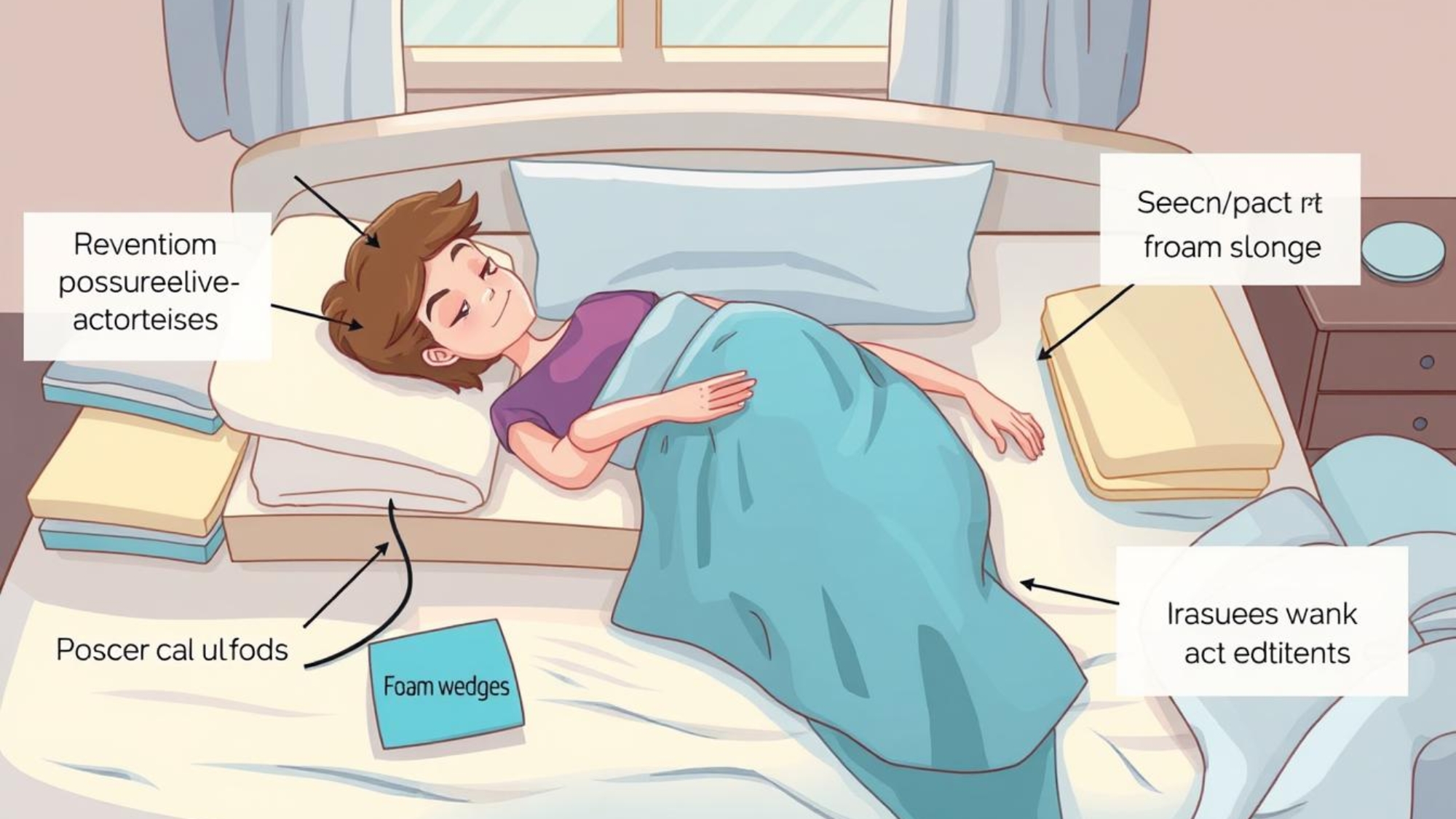
Changing a person’s position often is key to preventing pressure ulcers. Turn the patient every two hours to ease pressure on sensitive spots. A repositioning schedule helps caregivers remember when to turn the patient.
Tips for Effective Repositioning:
- Gently turn the patient to avoid causing friction or shear.
- Use pillows or foam wedges to support the patient in their new position.
- Ensure the patient’s skin is clean and dry before repositioning.
Using Specialized Mattresses and Cushions
Special mattresses and cushions can help reduce pressure on vulnerable areas. These devices spread the patient’s weight evenly, lowering the risk of pressure sore development.
Types of Pressure-Relieving Devices:
- Alternating pressure mattresses.
- Foam mattresses and overlays.
- Wheelchair cushions designed for pressure relief.

Establishing a Daily Routine
A daily routine is essential for preventing pressure sores. It includes regular skin checks, keeping the patient clean, and ensuring they eat well and drink enough water.
Key Components of a Daily Routine:
- Morning and evening skin inspections.
- Regular hygiene practices, including bathing and moisturizing.
- Monitoring nutritional intake and hydration levels.
Maintaining Skin Health
To prevent pressure sores, it’s key to focus on skin health. Keeping the skin healthy is vital for bedridden patients.
Cleansing and Hygiene
Keeping the skin clean is a must to avoid pressure sores. Proper hygiene practices mean washing with mild soap and lukewarm water. Dry the skin well, focusing on moist areas.
Avoid harsh soaps and hot water. They can dry out the skin, making it more prone to damage.
Moisturizing the Skin
Moisturizing is essential for skin health. It keeps the skin hydrated and soft. Choose a moisturizer that fits your skin type and apply it often, after bathing.
Protecting Bony Areas
Bony areas are at high risk for pressure damage. Using pressure-relieving devices like cushions helps. Also, make sure bedding and clothes don’t rub or pull.
Check the skin, mainly on bony spots, often. This helps catch problems early, so you can act fast.
Nutritional Support for Skin Integrity
Good nutrition is essential for healthy skin and wound healing. It helps keep the skin strong, lowering the chance of pressure sores. It’s important to make sure patients get the right nutrients for their health and recovery.
Key Nutrients for Skin Healing
Some nutrients are very important for healing and keeping the skin healthy. These include:
- Vitamin C: It’s key for making collagen and healing wounds.
- Zinc: It boosts the immune system and is vital for fixing wounds.
- Protein: It’s needed for fixing and growing new tissue.
- Vitamin A: It keeps the skin and mucous membranes healthy.
Importance of Hydration
Drinking enough water is key for skin health. Water keeps the skin soft and less likely to break down. Caregivers should help patients drink water all day.
Dietary Recommendations
A balanced diet full of important nutrients is vital for those at risk of pressure sores. Caregivers can look at this article for tips on nutrition and home care for managing pressure sores.
Some good diet tips include:
- Eat more protein to help fix tissues.
- Choose foods high in vitamins and minerals, like fruits and veggies.
- Drink lots of water to stay hydrated.
Role of Caregivers in Prevention
As a caregiver, knowing how vital your role is in preventing pressure sores is key. You are directly involved in the daily care of bedridden patients. Your actions and decisions play a big part in stopping pressure sores.
Education and Awareness
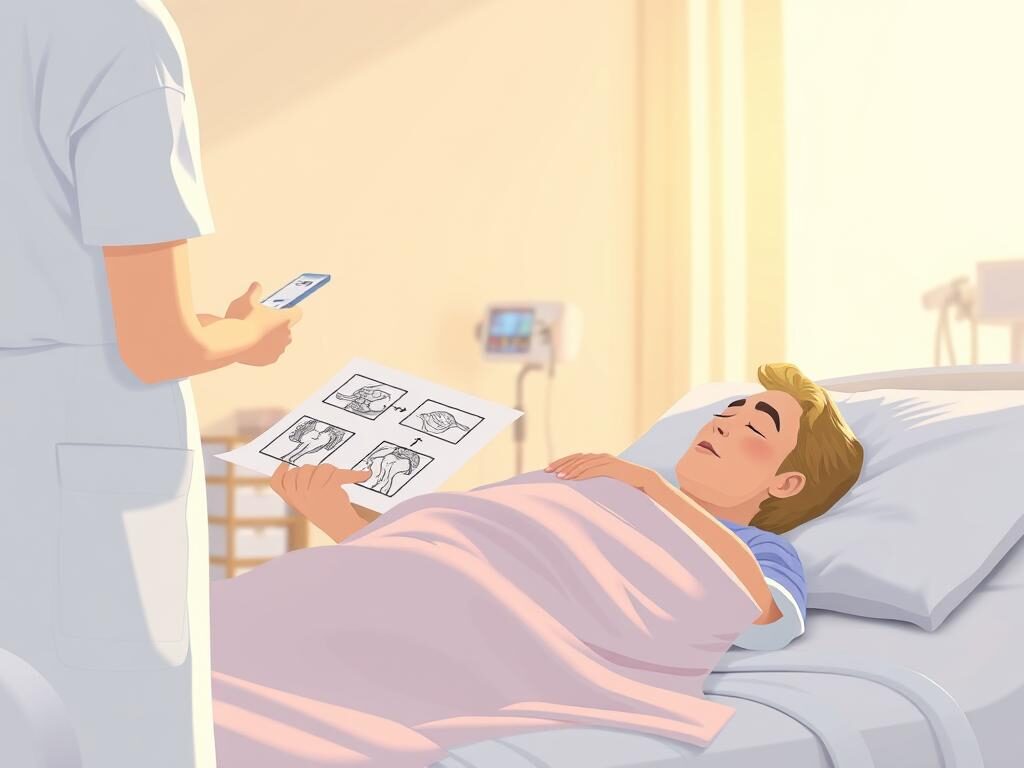
Learning is the first step in preventing pressure sores. Caregivers need to know the risks, signs, and prevention strategies. Caregiver education programs offer valuable knowledge and skills. They help caregivers provide top-notch care.
It’s also important to understand the patient’s health, including their nutrition and mobility. This knowledge helps in preventing pressure sores.
Techniques for Assisting Patients
Caregivers can use several methods to help patients and prevent pressure sores. They should regularly move the patient and use pressure-relieving devices. Keeping the patient clean is also key.
It’s important to handle patients gently to avoid friction and shear forces. By using these techniques, caregivers can greatly lower the risk of pressure sores.
Importance of Communication with Healthcare Providers
Good communication between caregivers and healthcare providers is essential. Caregivers should tell healthcare providers about any changes in the patient’s condition. This includes signs of pressure sore development.
This teamwork allows for quick action and adjustments to the care plan. It helps improve patient outcomes.
By focusing on caregiver education, using the right techniques, and keeping in touch with healthcare providers, caregivers can greatly help prevent pressure sores. This improves the lives of bedridden patients.
Creating a Comfortable Environment
A well-designed environment can greatly lower the risk of pressure ulcers in patients who can’t move much. You can make a safe and comfy space for bedridden patients by following a few steps.
Suitable Bedding and Clothing
It’s important to pick the right bedding and clothes. Go for breathable fabrics that let air in and wick away moisture to keep skin dry. Here are some good choices:
- Soft, breathable sheets
- Lightweight blankets
- Comfortable, loose-fitting clothing
For bedding, think about using pressure-redistributing mattresses or overlays. These are part of your home care tips to lessen pressure on sensitive spots.
Managing Temperature and Humidity
Keeping the temperature and humidity just right is key. Too hot or too cold, or too dry or too wet, can cause discomfort and skin problems.
| Environmental Factor | Recommended Setting |
|---|---|
| Temperature | Between 68°F to 72°F (20°C to 22°C) |
| Humidity | Between 40% to 60% |
Reducing Friction and Shear
To cut down on friction and shear, use the right methods when moving or turning the patient. Here’s how:
- Lift the patient instead of dragging them
- Use transfer devices or slide boards
- Make sure the patient’s skin is clean and dry
By using these methods, you can greatly lower the risk of pressure ulcers. This follows caregiver education that focuses on taking action early.
Knowing the different pressure ulcer stages helps you tailor care to the patient’s needs. This ensures you’re using the best prevention and treatment strategies.
Utilizing Medical Equipment Effectively
The right medical equipment can greatly help prevent pressure sores. As a caregiver, knowing how to use this equipment well is key. It ensures the best care for bedridden patients.
Pressure-Relieving Devices
Devices like specialized mattresses and cushions help reduce pressure on the body. They can greatly lower the risk of pressure sores. For instance, a mattress that fits the body’s shape evenly distributes weight, reducing pressure on sensitive spots.
Choosing the right pressure-relieving devices is important. Consider the patient’s weight, mobility, and health when making a decision.
Assessment of Equipment Needs
Figuring out what equipment a bedridden patient needs involves checking their risk of pressure sores. Healthcare professionals use tools to assess this risk and suggest the right equipment. It’s important to regularly check and update the equipment as the patient’s needs change.
Caregivers need to learn how to use these tools. They must also understand the importance of adjusting the care plan as needed. This includes knowing when to change or replace equipment to meet the patient’s current needs.
Regular Maintenance and Inspection
Keeping medical equipment in good condition is essential. This means checking for wear and tear, ensuring it’s clean and stored right, and following the manufacturer’s maintenance guidelines.
By keeping equipment in top shape, caregivers can make sure it continues to support and relieve pressure. This is a key part of effective caregiver education and is vital for quality home care.
In summary, using medical equipment well is a key part of preventing pressure sores. Caregivers can reduce the risk of pressure sores in bedridden patients by understanding how to use pressure-relieving devices, assessing equipment needs, and maintaining equipment properly.
When to Seek Professional Help
When caring for a bedridden patient, knowing when to get professional help is key. Pressure sores, or pressure ulcers, are serious and need timely care. It’s important to know when to seek help for effective management.
Identifying Severe Cases
Severe pressure ulcers have a lot of tissue damage, even to muscle and bone. Stage 3 and Stage 4 pressure ulcers need immediate medical help. They show a lot of tissue loss, sometimes with bone, tendon, or muscle exposed. Symptoms include more pain, a bad smell, and a lot of drainage.
Caregivers should watch the patient’s skin closely for worsening pressure sores. Look for more redness, swelling, or pus. Catching severe cases early can greatly improve treatment results.
Referral to Specialists
If you see a severe pressure ulcer, refer the patient to a healthcare specialist. Wound care specialists are great for complex pressure sores. They can guide on treatment and wound care. This ensures the patient gets the best care for their condition.
- A primary care physician can provide initial guidance and referral to specialists.
- Wound care specialists offer advanced treatment options and care plans.
- Nurses and other healthcare professionals play a critical role in ongoing patient care.
Treatment Options Available
Advanced pressure ulcers may need different treatments, from simple care to surgery. Conservative management includes cleaning, dressing, and using devices to relieve pressure. For severe cases, surgery like debridement or flap surgery might be needed to help heal and prevent more problems.
Teaching caregivers about pressure sore management is vital. They need to know the signs of severe ulcers, how to care for wounds, and when to seek help. This can greatly improve patient outcomes.
Understanding when to seek professional help and the treatment options available helps caregivers manage pressure sores. This can improve the quality of life for bedridden patients.
Treatment Options for Existing Pressure Sores
Dealing with pressure sores requires a mix of treatments. This includes creams, advanced therapies, and sometimes surgery. The right treatment depends on the sore’s severity and stage.
Topical Treatments and Dressings
For early-stage pressure sores, topical treatments and dressings are often the first step. These include:
- Cleaning the wound with saline solution
- Applying topical antibiotics to prevent infection
- Using dressings that keep the wound moist to help it heal
Advanced dressings, like foam or hydrocolloid, manage fluid and protect the wound.
Advanced Therapies
For more serious pressure sores, advanced therapies are needed. These include:
- Negative Pressure Wound Therapy (NPWT) to help the wound heal by reducing fluid and improving blood flow
- Electrical Stimulation Therapy to boost blood flow and aid healing
- Hyperbaric Oxygen Therapy to increase oxygen to the wound
These therapies are usually used with a healthcare professional’s guidance.
Surgical Interventions
In severe cases, surgical intervention might be needed to fix damaged tissue. Surgical options include:
- Debridement to remove dead tissue
- Flap surgery to cover the wound with healthy tissue
Supportive Resources for Patients and Caregivers
Managing pressure sores needs a full plan. This includes preventing them and getting help when needed. As a caregiver, you are key to keeping bedridden patients safe and healthy.
Valuable Educational Materials
There are many guides and materials to help you. They teach you how to spot pressure ulcers and care for them at home. Topics include wound care, nutrition, and keeping clean.
Community Support for Caregivers
Being part of a support group can be a big help. You meet others who understand what you’re going through. It’s a place to share, get advice, and find comfort.
Professional Development Opportunities
Getting better at your job is important. Training helps you give the best care possible. It boosts your skills and confidence in handling pressure sores.
For top-notch wound care, think about Dominion Mobile Wound Care. They offer expert care and support. Their team helps wounds heal and improves patient results.
FAQ
What are the early signs of pressure sores that I should look out for?
Look for redness, swelling, and warmth on the skin, mainly on bony areas. Also, watch for changes in skin texture or color. Pain or discomfort is another sign.
How often should I change the position of a bedridden patient to prevent pressure sores?
Change the patient’s position every two hours to prevent sores. Adjust this based on the patient’s needs and risk factors.
What are some effective ways to maintain skin health and prevent pressure sores?
Keep the skin clean and moisturized. Protect bony areas from pressure. Use gentle cleansers to avoid stripping the skin of oils.
How does nutrition play a role in preventing pressure sores?
Good nutrition keeps the skin healthy. Make sure the patient eats a balanced diet with protein, vitamin C, and zinc. Also, they need enough water for skin health.
What is the role of caregivers in preventing pressure sores, and how can they be educated?
Caregivers help by changing positions and keeping skin healthy. They should watch for early signs of sores. Educating them on prevention and care is key.
When should I seek professional help for a pressure sore?
Get professional help for severe sores or if they don’t heal with basic care. Specialists may offer advanced treatments.
What are some supportive resources available for patients and caregivers dealing with pressure sores?
There are educational materials, support groups, and caregiver training. Organizations like Dominion Mobile Wound Care offer expert advice and support.
What are the different stages of pressure ulcers, and how are they treated?
Pressure ulcers have stages from Stage 1 to Stage 4. Treatment depends on the stage and severity. It may include topical treatments, advanced therapies, or surgery.
How can I create a comfortable environment to minimize the risk of pressure sores?
Use the right bedding and clothes. Manage temperature and humidity. Reduce friction and shear. Keep the bed and area clean and clutter-free.
Add a Comment