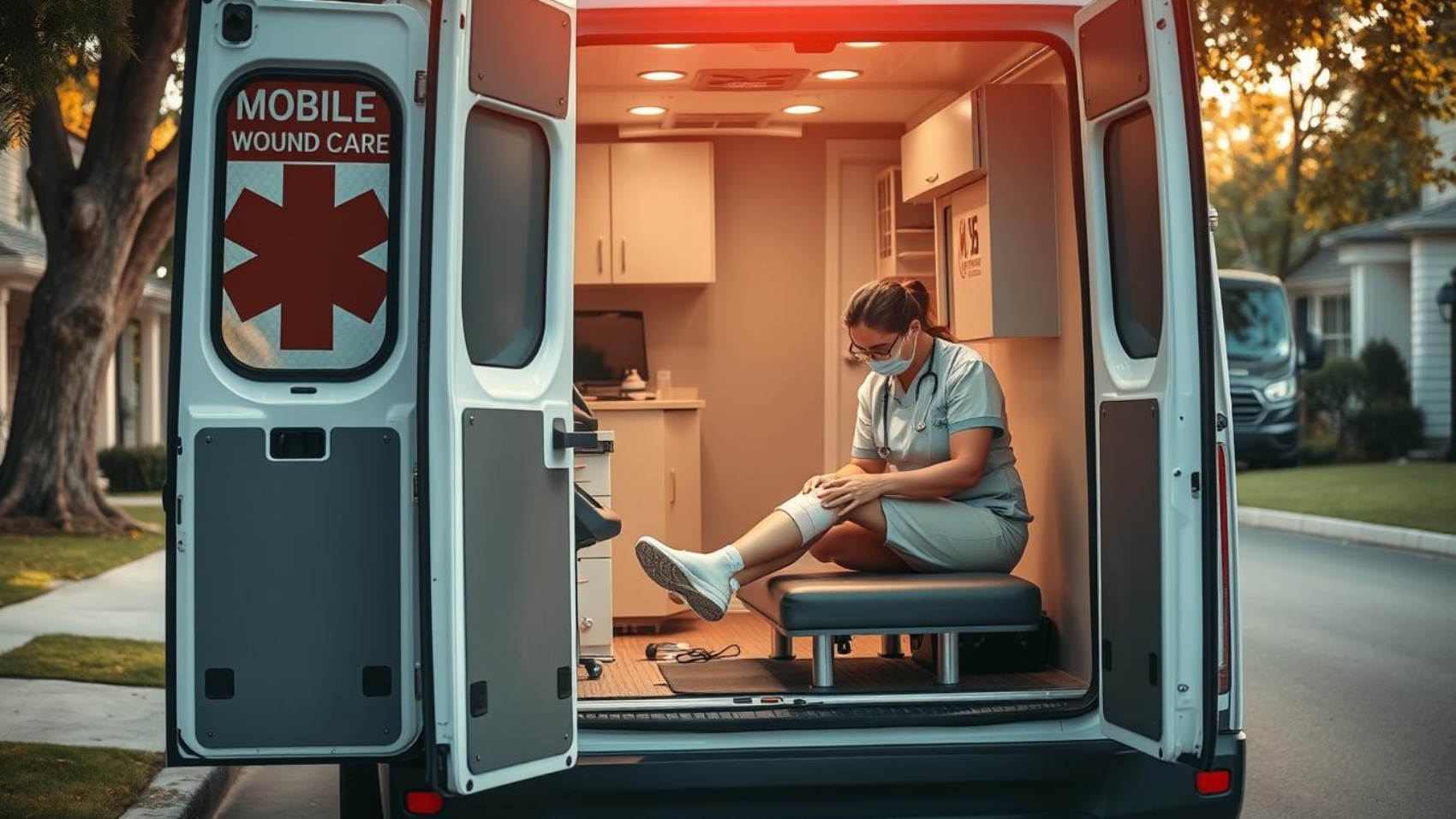
Wound care appointments

What to Expect During Ongoing Mobile Wound Care Visits

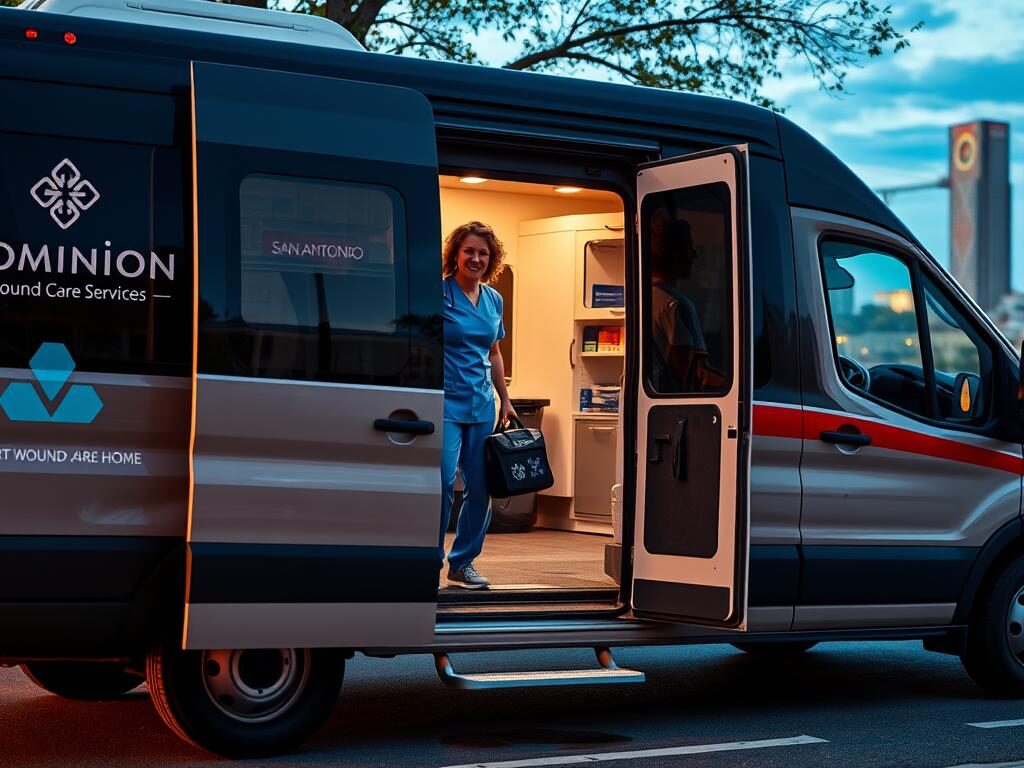
Getting wound care doesn’t mean you have to go to the hospital. Dominion Mobile Wound Care brings experts right to your home. This makes getting care easy and comfortable for you.

At your visits, you’ll see how your healing is going. Our team will check on you, change treatments if needed, and give care that fits you best. This helps you get better faster.

Key Takeaways

  • Convenient wound care at your bedside
  • Expert specialists for personalized treatment
  • Ongoing progress tracking for optimal healing
  • Adjustments to treatment plans as needed
  • Comfortable and stress-free care experience

The Evolution of Mobile Wound Care Services

Mobile wound care has changed how we treat patients, making it easier and more convenient. It brings treatment updates right to patients at home, in assisted living, or healthcare settings.

How Mobile Wound Care Has Transformed Patient Treatment

Mobile wound care has changed from hospital care to more personal, home-based services.

From Hospital to Home-Based Care

This change has made patients more comfortable and safer from infections. They can get care in a calm setting.

Technology Advancements Enabling Mobile Services

New technology, like portable equipment and telehealth, lets doctors care for patients outside hospitals.

Dominion Mobile Wound Care’s Approach to In-Home Services

Dominion Mobile Wound Care focuses on top-notch in-home care.

Company History and Mission

Dominion Mobile Wound Care has a long history of quality care. Their mission is to improve patient outcomes with complete wound care services.

Service Areas in the United States

Dominion Mobile Wound Care covers many areas in the United States. This ensures patients everywhere can get their expert care.

Benefits of Receiving Wound Care in Your Home

Home-based wound care is changing how we treat patients. Getting care at home brings many wound care benefits. These benefits can greatly help your recovery.

Comfort and Convenience Factors

One big plus of home care is avoiding travel hassles. You don’t have to go to a healthcare facility. This is great for those who have trouble moving around.

Eliminating Transportation Challenges

Having your care provider visit you saves time. It also cuts down on the stress of getting to appointments.

Reducing Stress and Anxiety

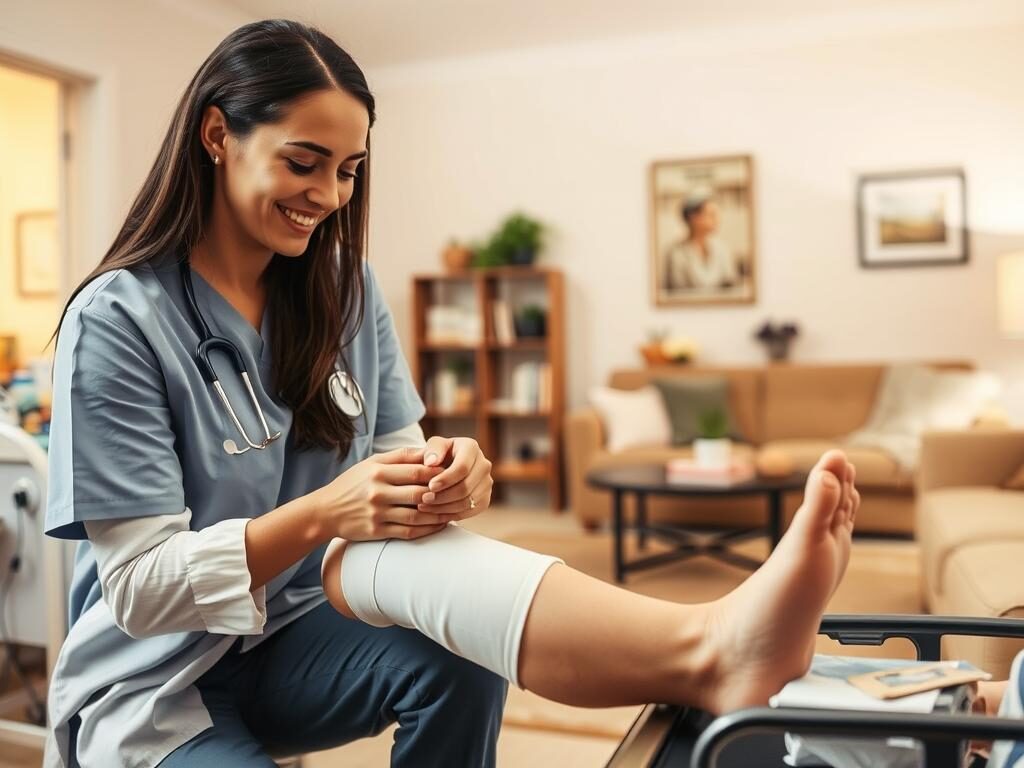
Getting care at home can reduce stress and anxiety. This is because home is a more relaxed place than a clinical setting.

Reduced Risk of Hospital-Acquired Infections

Home care lowers the risk of getting infections in the hospital. This is very important for people with weak immune systems.

Personalized Care in Familiar Surroundings

Home care lets your provider tailor treatment to your needs. They can adjust care based on your home. This can help you reach healing milestones faster.

Preparing for Your First Mobile Wound Care Appointment

Getting ready for your first mobile wound care visit is key. Knowing what to expect can make it easier. If you’re new to mobile wound care, understanding the visit can help you feel more ready.

You’ll need to gather some documents and info. This includes your insurance details and any past treatment records for your wound.

Documentation and Medical History Requirements

Having the right documents is very important. You’ll need:

  • Insurance Information: Have your insurance cards and ID ready for billing.
  • Previous Treatment Records: Collect any records from past wound treatments, like doctor’s notes and test results.

Creating a Suitable Environment for Treatment

It’s also important to make the treatment area comfortable and easy to access. This means:

  • Make sure the area is clean and well-lit.
  • Have a clean table or surface for your provider’s equipment.

For more info on what to expect and how to prepare, check out resources like top questions to ask your wound care nurse before your first visit.

Being prepared can make your first mobile wound care visit a success. Reach out to Dominion Mobile Wound Care to schedule your appointment. Start your healing journey today.

The Initial Assessment Process

Dominion Mobile Wound Care starts with a detailed examination. This is to create a treatment plan just for you. Understanding your wound’s size, depth, and tissue type is key to finding the right treatment.

Comprehensive Wound Evaluation Techniques

A thorough wound evaluation involves several important techniques. Your healthcare provider will examine your wound closely. They consider many factors that affect how your wound heals.

Measurement and Documentation Methods

Measuring your wound accurately is essential. It involves measuring its length, width, and depth. Also, documenting its appearance through photos or notes is important. These methods help track your wound’s progress.

Tissue Assessment Procedures

Assessing the tissue in and around your wound is critical. Your provider will look for necrotic tissue, granulation, or other factors that can impact healing. This information helps them choose the best treatment options for you.

Diagnostic Tools Used During Home Visits

Dominion Mobile Wound Care uses advanced tools during home visits. These tools include non-invasive tests to check blood flow and tissue oxygenation. They provide insights into your wound’s healing ability.

Establishing Your Personalized Treatment Plan

After the initial assessment, your healthcare provider will create a personalized treatment plan for you. This plan will include the treatments you need, like dressing changes and medication. It will also outline the necessary follow-up appointments for your wound to heal.
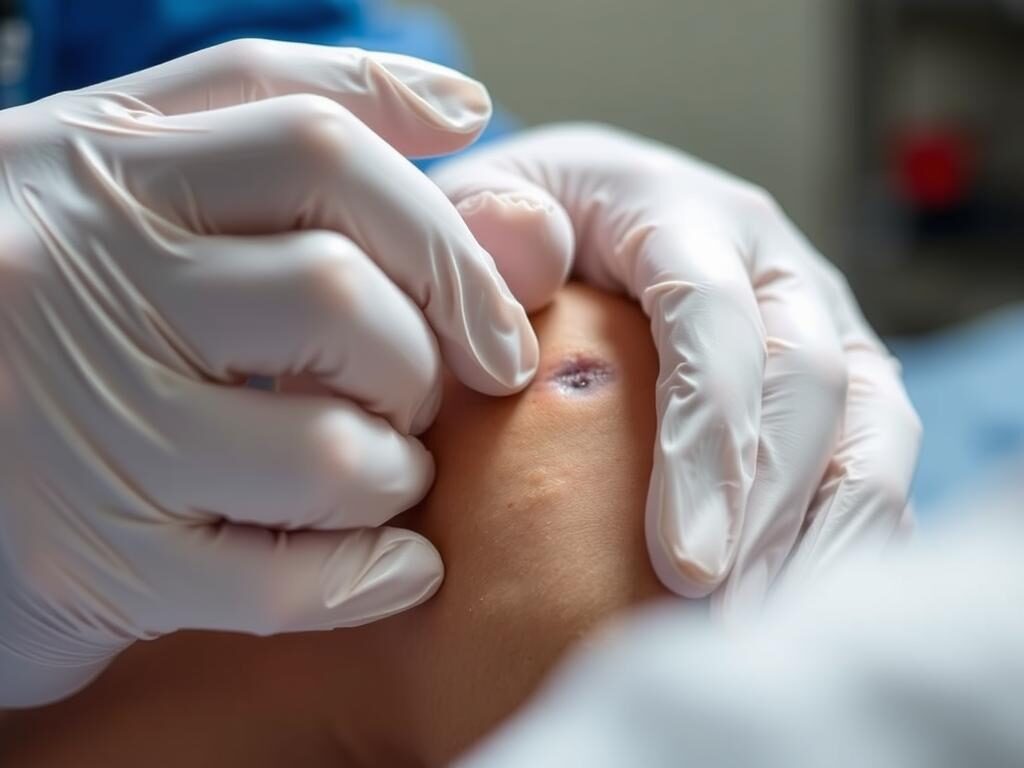
wound assessment

Understanding Your Ongoing Wound Care Appointments

As you keep going on your wound care journey, knowing what to expect is key. This knowledge makes each visit easier and more comfortable for you.

Step-by-Step Breakdown of a Typical Visit

A typical wound care visit has a set process. This ensures you get the best care possible. It includes several important steps.

Initial Check-In and Vital Signs

When you arrive, your healthcare provider will check your vital signs. This includes your temperature and blood pressure. It’s to see how you’re doing overall.

Wound Cleaning and Dressing Procedures

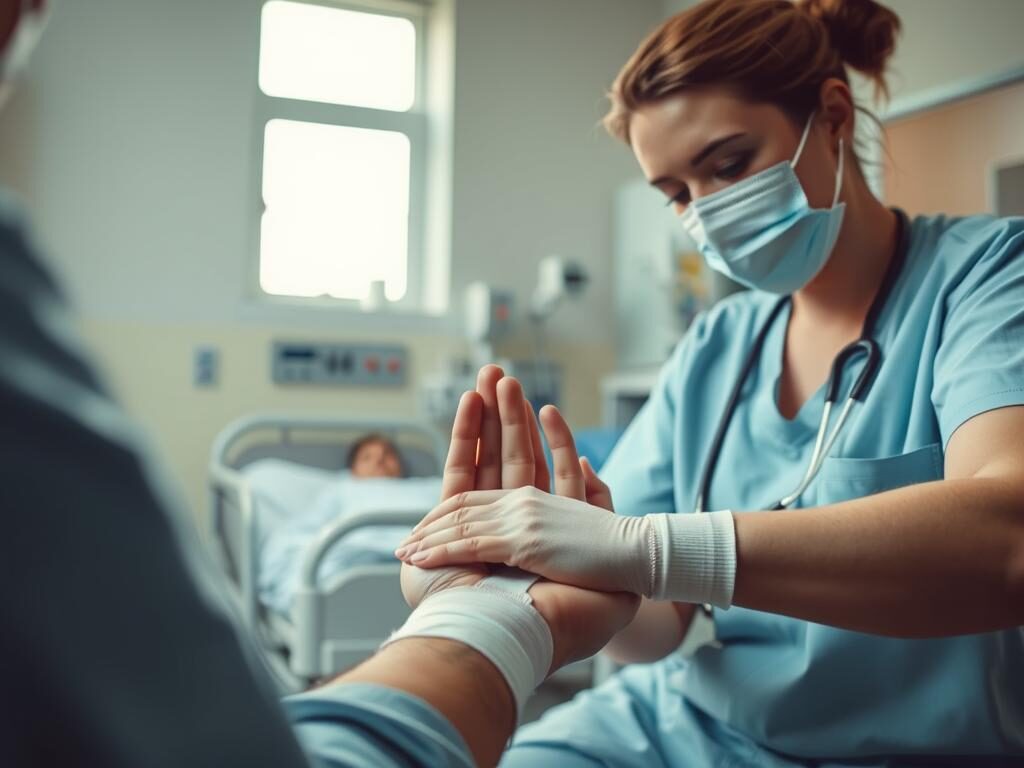
Next, they’ll clean your wound and put on a new dressing. This is a key part of making your wound heal.

Standard Protocols Followed by Professionals

Your healthcare provider will stick to established protocols. These are set to help your wound heal and avoid any problems.

Duration and Frequency Considerations

The length and how often you need to come in will depend on your situation. Your provider will talk about this with you at the start.

Appointment Component Typical Duration Frequency
Initial Check-In and Vital Signs 5-10 minutes Every visit
Wound Cleaning and Dressing 15-30 minutes As needed
Progress Tracking 5-10 minutes Every visit

Knowing what happens at your wound care appointments helps you track your progress. It also makes you more confident in your care.

Advanced Treatment Technologies Available at Home

With Dominion Mobile Wound Care, you get top-notch wound treatments at home. Our advanced products and technologies help wounds heal faster. Our team works hard to give you the best care possible.

Portable Wound Care Equipment and Innovations

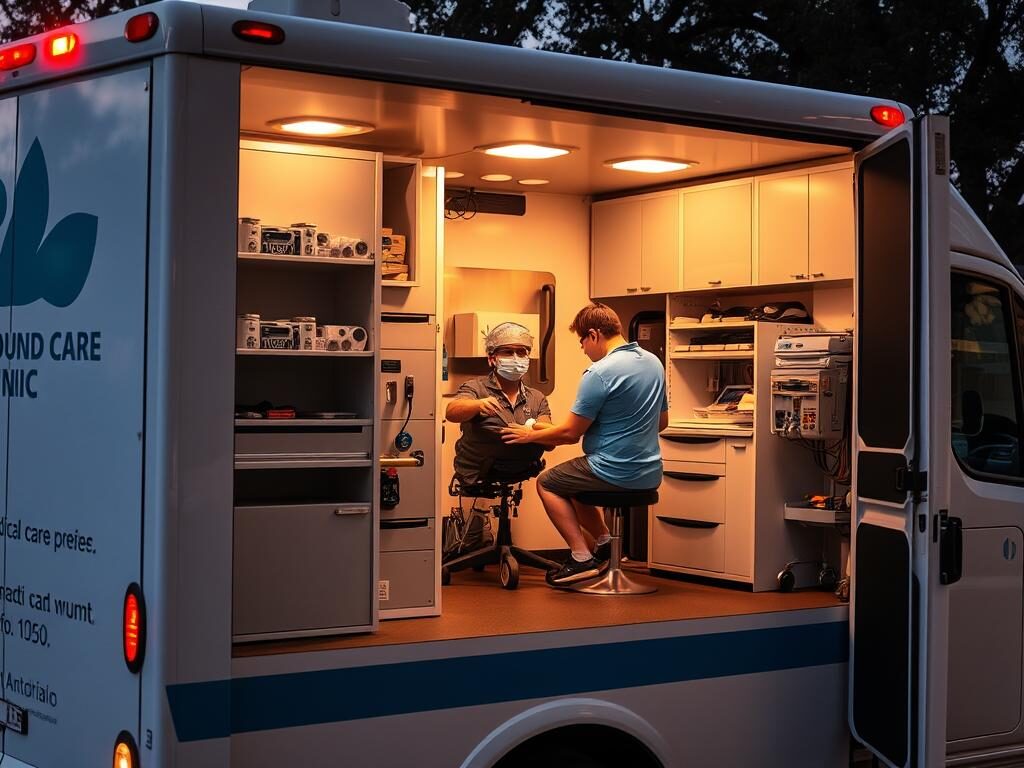
Dominion Mobile Wound Care uses the latest portable equipment for your care. We use cutting-edge innovations like:

  • Negative Pressure Wound Therapy (NPWT): This treatment uses a vacuum to help wounds heal faster.
  • Ultrasound and Electrical Stimulation: These methods help wounds heal by improving tissue repair and blood flow.

Negative Pressure Wound Therapy

NPWT is a non-invasive method that boosts wound healing. It uses a controlled vacuum to stimulate healing and prevent complications.

Ultrasound and Electrical Stimulation

These treatments use sound waves or electrical currents to aid healing. They’re great for wounds that take a long time to heal.

Specialized Dressings and Applications

Dominion Mobile Wound Care also uses special dressings for your wound. These are chosen based on your wound type. They help create a healthy healing environment and are changed as needed.

Therapeutic Modalities for Different Wound Types

Our team knows how to pick the right treatment for your wound. Whether it’s a diabetic foot ulcer, pressure sore, or surgical wound, we’re here to help.

Tracking Your Healing Progress During Treatment

Tracking your healing progress is key when you’re getting mobile wound care. It helps your healthcare team make the best decisions for you. They can adjust your treatment as needed.

Documentation Methods Used by Providers

Keeping accurate records is vital for tracking your wound’s healing. Your provider uses different methods to monitor your progress.

Digital Imaging and Measurement Tools

Advanced tools help track your wound’s size, depth, and condition. These tools spot even small changes. This lets your team adjust your treatment plan quickly.

Progress Notes and Treatment Records

Your care journey is documented in detail. These records include your wound’s status, treatments, and any care plan changes.

Documentation Method Description Benefits
Digital Imaging High-resolution images of your wound Accurate tracking of wound size and condition
Measurement Tools Precise measurements of wound dimensions Identifies subtle changes in wound status
Progress Notes Detailed records of treatment and progress Ensures continuity of care and informed decision-making

Digital Monitoring and Telehealth Integration

Digital monitoring and telehealth add to your care. They let your team check on you remotely. This ensures you get all the support you need.

Understanding Your Healing Milestones

Your provider will help you understand your healing milestones. This teamwork makes sure you’re informed and involved in your recovery.

At Dominion Mobile Wound Care, we focus on your healing progress. If you need wound care, our mobile program can help. Contact us to learn more about supporting your healing journey.

Communication Between Scheduled Wound Care Appointments

Your wound care journey doesn’t stop between appointments. Here’s how to stay connected. At Dominion Mobile Wound Care, we know effective communication is key for healing.

When to Contact Your Wound Care Provider

Knowing when to call your wound care provider is important. It helps you get the help you need quickly.

Warning Signs That Require Immediate Attention

  • Increased redness or swelling around the wound
  • Unusual odor or discharge
  • Severe pain or discomfort
  • Fever or chills

Non-Emergency Questions and Concerns

Got questions about your treatment or wound care? Contact your provider. We’re here to help and support you.

Available Support Systems

At Dominion Mobile Wound Care, we offer full support for your healing. Our team is ready to answer your questions and guide you.

Support Channel Description Availability
Phone Support Direct line to your wound care provider Monday – Friday, 9am – 5pm
Email Support Email your questions or concerns 24/7, response within 24 hours
Patient Portal Secure online platform for messaging and updates 24/7

Using Technology to Stay Connected

We use technology to improve your wound care experience. Our patient portal lets you securely message your provider, see your care plan, and track your progress.
wound care support

The Role of Caregivers in Mobile Wound Care

Having a supportive caregiver by your side can greatly help in wound care. They offer emotional support and help with the practical tasks of wound care. This support is key in the recovery process.

How Family Members Can Support Treatment

Family members can greatly impact treatment by being involved in daily care. They can remind patients to take medication, keep the area clean for wound care, and offer emotional support. This support is vital for the patient’s well-being.

Training Opportunities for Caregivers

Caregivers can get trained to better support patients in wound care. This training covers important skills like:

  • Basic Wound Monitoring Skills: Learning to assess the wound’s condition and spot any complications.
  • Dressing Maintenance Between Visits: Getting to know how to change dressings and keep the wound clean.

Basic Wound Monitoring Skills

Caregivers can learn to track the wound’s healing. They can note any signs of infection or other issues that need medical attention.

Dressing Maintenance Between Visits

Keeping the wound clean is essential for healing. Caregivers can learn how to change dressings and keep the wound clean between visits.

Balancing Professional and Family Care

It’s important to balance professional medical care with family support. When family and medical teams work together, patients get the best care. This care meets their medical, emotional, and practical needs.

Insurance Coverage and Payment Options for Ongoing Wound Care

Knowing your insurance options is key when it comes to wound care. At Dominion Mobile Wound Care, we help you understand your insurance. This way, you can get the care you need without worrying about money.

Medicare and Medicaid Considerations

If you have Medicare or Medicaid, you can get wound care services. Medicare Part B covers doctor visits and some medical supplies. Medicaid coverage changes by state, so check your plan.

Private Insurance Navigation

Private insurance can be tricky. Here are some important things to remember:

  • Pre-authorization Requirements: Some plans need approval before certain treatments or supplies.
  • Documentation for Coverage: Your doctor must document your treatment plan for insurance.

Pre-authorization Requirements

Pre-authorization means your insurance needs your doctor’s team to get approval for treatments. It makes sure the treatment is needed and covered.

Documentation for Coverage

Good documentation is key for insurance. Your doctor will detail your wound, treatment, and progress to support your claim.

Financial Assistance Programs

If money is tight, there’s help available. Dominion Mobile Wound Care can help you find financial aid. This includes patient programs and non-profit organizations that help with wound care costs.

Understanding your insurance is the first step to managing wound care costs. At Dominion Mobile Wound Care, we’re here to help you. We want to make sure you get the best care possible.

Treatment Updates and Adjustments Throughout Your Care Journey

Your wound care plan will change as you heal. This keeps your care effective and tailored to you.

When and Why Treatment Plans Change

Plans change for many reasons. This includes changes in your wound, new findings, or complications. Your healthcare team will watch your progress and adjust as needed.

Incorporating New Therapies as Needed

New treatments and technologies might be added to your care. This could include advanced dressings or new therapies.

Responding to Healing Plateaus

If healing slows, your team will review your plan. They might add new strategies to keep you moving forward.

Addressing Complications Promptly

Quick action is key if complications arise. Your team will adjust your plan to avoid further problems.

Collaborative Decision-Making with Your Provider

Your input is important. Working with your provider ensures your care meets your needs and preferences.

At Dominion Mobile Wound Care, we focus on personalized care. If you need wound care, our team is here to help.

Conclusion: Partnering with Dominion Mobile Wound Care for Optimal Healing

Knowing what to expect from mobile wound care visits helps you heal better. Dominion Mobile Wound Care offers top-notch care right at home. Their team creates a treatment plan just for you.

At your appointments, you’ll get a full check-up and the latest treatments. Dominion Mobile Wound Care also offers ongoing support. They have systems to keep track of your healing.

Choosing Dominion Mobile Wound Care lets you focus on getting better. Start your healing journey by booking your appointment today. Enjoy the ease and comfort of mobile wound care services.

FAQ

What is mobile wound care, and how does it work?

Mobile wound care brings treatment to your home. A healthcare expert comes to you. They assess, clean, and dress your wound. This care is personalized and given in your own space.

What are the benefits of receiving wound care at home?

Getting wound care at home is very comfortable. It also lowers the risk of infections from hospitals. Plus, you get care that fits your specific needs.

How do I prepare for my first mobile wound care appointment?

For your first visit, collect your medical records. Make your home clean and comfy for treatment. Have all needed supplies ready.

What happens during the initial assessment process?

At the start, your healthcare provider checks your wound. They use special tools and create a treatment plan just for you.

What can I expect during ongoing wound care appointments?

Future visits include checking your vital signs and cleaning your wound. They follow strict protocols to ensure your care.

How is my healing progress tracked during treatment?

Your healing is tracked through notes and digital tools. This lets your provider adjust your care as needed. You can celebrate your healing steps.

How do I communicate with my wound care provider between appointments?

You can reach your provider by phone, email, or online portals. Use these tools to stay in touch and share any concerns.

What role do caregivers play in mobile wound care?

Caregivers are key in supporting your care. They can learn to help with wound care. This helps balance work and family life for better healing.

What are my insurance options for ongoing wound care?

Look into Medicare, Medicaid, and private insurance for wound care. Also, check out financial help programs. This will help you understand your payment options.

How are treatment plans adjusted throughout my care journey?

Your treatment plan changes based on your progress. New therapies are added as needed. Your provider works with you to ensure the best healing.

What advanced treatment technologies are available at home?

Home treatments include portable equipment, special dressings, and therapies. These help meet your wound care needs.

San Antonio home nurse

When Should You Call a Home Nurse for Wound Care in San Antonio

Dealing with a wound can be tough and stressful, needing ongoing care. If you’re finding it hard to manage your wound, knowing when to get help is key.

You might need a home nurse if your wound isn’t healing or looks infected. A pro can give the right care and advice to help your wound heal right. With Dominion Mobile Wound Care, you get excellent care right at home.

Key Takeaways

  • Know when to seek professional help for wound care.
  • A home nurse can provide necessary care for wound healing.
  • Signs of infection require immediate attention.
  • Proper wound care can prevent complications.
  • Dominion Mobile Wound Care offers expert wound care services.

The Rising Demand for Professional Wound Care at Home

More people are choosing to get wound care at home. This is because of the growing need for home healthcare services. These services offer care that is both personal and convenient.

Dominion Mobile Wound Care is leading this change. They provide specialized wound care right in patients’ homes. This means San Antonio residents can get top-notch care without having to go to the hospital.

Current Trends in Home Healthcare Services

The healthcare world is changing, with a big push towards home care. People want care that is more personal and comfortable. Home healthcare services are getting better, with treatments that were once only in hospitals now available at home.

Why More San Antonio Residents Choose Home-Based Wound Care

San Antonio folks are choosing home-based wound care for good reasons. Getting care at home means no need to travel, which is less stressful. It also means more attention to their specific needs in their own space.

Benefits of Home-Based Wound Care Description
Personalized Care Tailored treatment plans that address individual needs
Convenience Eliminates the need for transportation to healthcare facilities
Comfort Reduces stress and discomfort associated with clinical environments
Chronic Wound Help Specialized care for complex wounds, improving healing outcomes

Common Wounds That Require Professional Attention

Knowing which wounds need a doctor’s help is key for healing. Many wounds benefit from expert care. This ensures they get the right treatment and avoids complications.

Surgical Incisions and Post-Operative Care

Surgical wounds often need a doctor’s care. Good post-op care stops infections and helps wounds heal. Watch for signs of infection like redness, swelling, or more pain.

Pressure Ulcers and Bedsores

Pressure ulcers, or bedsores, need a doctor’s attention too. They happen when skin stays under pressure for too long, usually in people who can’t move much. Changing positions often and proper care can stop them.

Diabetic Foot Ulcers

Diabetic foot ulcers are serious for people with diabetes. They’re hard to heal and need special care.

Early Warning Signs

Spotting diabetic foot ulcers early is important. Look for numbness, tingling, or skin color changes.

Preventive Measures

To avoid diabetic foot ulcers, keep blood sugar in check. Wear the right shoes and check your feet often. Getting advice on foot care can lower ulcer risk.

Warning Signs Your Wound Needs a San Antonio Home Nurse

It’s not always easy to know when a wound is getting worse. But, there are important signs to watch for. If you’re taking care of a wound at home, knowing these signs can help you decide when to get help from a San Antonio home nurse.

Infection Indicators That Shouldn’t Be Ignored

One key warning sign is infection. Look out for increased redness, swelling, or pus around the wound. Also, a foul smell or a fever is a sign of infection. If you see any of these, call a healthcare professional like House Call Nurse SA for help.

When Healing Progress Stalls

Wounds usually heal in a certain order. If your wound isn’t getting better or is getting worse, it might need professional care. A San Antonio home nurse can check the wound and create a care plan to help it heal.

Pain Levels That Indicate Complications

Some pain with a wound is normal. But, increasing or severe pain is a warning sign. If your pain doesn’t get better with medicine or stops you from doing daily things, get help. A house call nurse SA can help manage your pain and find the cause.

Spotting these warning signs early can greatly improve your recovery. If you’re worried about your wound, don’t wait to reach out for help.

The Advantages of House Call Nurse SA Services

Dominion Mobile Wound Care’s house call nurse services offer many benefits. They improve patient outcomes and well-being. By bringing care to patients’ homes, they solve many traditional care challenges.

Eliminating Transportation Challenges

House call nurse services remove the need for patients to travel. This is great for those with mobility issues or chronic conditions. It saves them from the hassle of going to a healthcare facility.

Comfort and Reduced Stress for Patients

Getting care at home reduces stress and boosts comfort. Being in a familiar place helps patients relax. This can speed up their healing.

Personalized Care in Familiar Surroundings

House call nurses offer personalized care that fits the patient’s needs and home. This tailored approach leads to better wound management and care overall.

house call nurse SA services

Benefits Description Impact on Patient Care
Eliminating Transportation Challenges Patients don’t need to travel to healthcare facilities Increased accessibility for patients with mobility issues
Comfort and Reduced Stress Care received in the comfort of the patient’s home Improved patient comfort and potentially faster healing
Personalized Care Care tailored to the patient’s specific needs and environment More effective wound management and better overall care

Specialized Chronic Wound Help for High-Risk Patients

Managing chronic wounds is key, even more so for those at high risk. These wounds can really affect someone’s life, needing special care to heal and avoid problems.

Diabetic Wound Management Protocols

People with diabetes are more likely to get chronic wounds, like foot ulcers. We use off-loading pressure and special dressings to help. Dominion Mobile Wound Care follows evidence-based protocols to fight off infections and prevent amputations.

Vascular Insufficiency Wound Care

Chronic wounds can also come from poor blood flow. Our team is skilled in treating these wounds. We work on improving circulation and creating a healing space with new therapies.

Assessment Techniques

Getting a full assessment is the first step to a good treatment plan. Our experts use state-of-the-art diagnostic tools to check the wound’s severity and blood flow.

Treatment Strategies

Treatments for these wounds might include revascularization procedures and special dressings. We customize our care to meet each patient’s needs, aiming for the best results.

Our goal is to enhance the lives of high-risk patients. We want to help them heal safely at home.

Comprehensive Elderly Care Service for Wound Management

As you get older, your body heals wounds less well. This makes it key to have good elderly care for wound management. Older people need special care that helps them heal better.

Age-Related Healing Challenges

Older adults face many challenges that make healing hard. These include less blood flow, less collagen, and a weaker immune system. Effective elderly care services offer care tailored to these needs.

Some common challenges include:

  • Less movement, which can put pressure on some areas for a long time
  • Poor diet, which slows healing
  • Chronic diseases like diabetes or vascular disease, which affect blood flow and healing

Nutritional Support for Wound Healing

Good nutrition is key for healing wounds. Elderly care services often check nutrition and create special diets. This ensures patients get the nutrients they need to heal well.

Nutrient Role in Wound Healing Food Sources
Protein Essential for tissue repair and regeneration Lean meats, fish, eggs, dairy products
Vitamin C Critical for collagen synthesis and immune function Citrus fruits, berries, leafy greens
Zinc Important for enzyme function and immune response Red meat, poultry, seafood, fortified cereals

Mobility Considerations and Prevention

Mobility is key for preventing and healing wounds. Elderly care services work on improving mobility. This helps avoid pressure on sensitive areas.

Some mobility tips include:

  • Regularly moving to avoid pressure ulcers
  • Physical therapy to boost strength and range of motion
  • Using aids to help move and reduce strain

By tackling healing challenges, supporting nutrition, and focusing on mobility, elderly care services can greatly help with wound management for older adults.

Latest Advancements in Home-Based Wound Care

New technologies in home-based wound care are changing how we treat wounds. At Dominion Mobile Wound Care, we use the latest tools to help our patients heal better. This makes care more accessible and effective.

Innovative Dressing Technologies

New dressing technologies are speeding up wound healing. Some key advancements include:

  • Advanced foam dressings that keep wounds moist for faster healing
  • Antimicrobial dressings that fight off infections
  • Hydrogel dressings that keep wounds hydrated and help repair tissue

Negative Pressure Wound Therapy at Home

Negative Pressure Wound Therapy (NPWT) is now for home use. It lets patients enjoy this therapy in their own homes. NPWT helps wounds heal by:

  1. Reducing fluid and infection
  2. Improving blood flow to the wound
  3. Helping new tissue grow

This therapy is great for complex wounds that heal slowly.

Telemedicine Integration for Wound Monitoring

Telemedicine is key in home-based wound care. It lets us monitor and consult patients remotely. This technology offers:

  • Quick responses to changes in the wound
  • Less need for in-person visits
  • Better patient involvement in their care

With telemedicine, we can keep providing care and adjust plans as needed.

How Dominion Mobile Wound Care Delivers Expert Services

You can count on Dominion Mobile Wound Care for top-notch wound care at home. Their team is all about giving you the best care that fits your needs.

Team of Specialized Wound Care Professionals

Dominion Mobile Wound Care has a team of top-notch wound care experts. They can handle all sorts of wounds, big or small.

Service Areas Throughout San Antonio

They offer their services all over San Antonio. So, no matter where you are in the city, you can get expert care.

Available Treatment Modalities

Dominion Mobile Wound Care has many treatment options. They use advanced dressings, negative pressure therapy, and more to help your wounds heal.

Treatment Modality Description Benefits
Advanced Wound Dressings Specialized dressings for various wound types Promotes healing, reduces infection risk
Negative Pressure Wound Therapy Therapy that aids in wound closure Enhances healing process, reduces complications

Dominion Mobile Wound Care Services

Choosing Dominion Mobile Wound Care means you’re choosing comfort and healing. Their expertise and wide range of services make them the best choice for wound care in San Antonio.

The Process of Working with a San Antonio Home Nurse

Working with a San Antonio home nurse means getting wound care that fits your needs. This approach helps you get the best care right at home.

Initial Assessment and Documentation

The first step is a detailed look at your wound. The nurse will measure its size, depth, and condition. They also check your overall health and any healing factors.

Development of Personalized Care Plans

After the assessment, the nurse creates a personalized care plan for you. This plan might include special wound care, dressing changes, and tips for managing pain and healing.

Coordination with Primary Care Providers

Good wound care needs teamwork. Your San Antonio home nurse will work with your doctors to keep everyone informed about your care.

Communication Protocols

Clear talk is vital for wound care success. Your nurse will set up regular communication protocols to update you and your healthcare team.

Progress Reporting

Keeping track of your progress is key. Your nurse will document your healing and share any updates with your healthcare team.

Knowing how a San Antonio home nurse works can make you feel more confident in your care. This detailed approach ensures your wound care is professional and caring.

Financial Considerations for Home Wound Care Services

Thinking about home wound care for yourself or a loved one? It’s key to know the financial side. The cost depends on the care type, visit frequency, and insurance.

Medicare Coverage for Wound Care

Medicare coverage is a big help for many. It covers doctor visits, nursing, and some supplies if they’re needed for health.

Private Insurance Navigation

If you have private insurance, check what it covers for home care. Some plans pay a lot, while others might ask for more money or have limits.

Affordable Payment Options for Uninsured Patients

Without insurance, there are affordable payment options. Some providers offer lower fees, payment plans, or help to make care more affordable.

Insurance Type Typical Coverage Out-of-Pocket Costs
Medicare 80% of wound care costs 20% copay
Private Insurance Varies by plan Copays, deductibles
Uninsured N/A Full cost or sliding scale

Knowing your financial options is vital for getting the home wound care you need. By looking at your insurance and talking to your provider about payment, you can get the care for healing.

Recent Success Stories: San Antonio Patients Healing at Home

Patients in San Antonio have seen great results thanks to Dominion Mobile Wound Care. Their team works hard to help patients heal at home. This approach is a big help to many.

Case Study: Complex Surgical Wound Management

A patient had a tough time after a complex surgery. But, Dominion Mobile Wound Care’s specialized wound care helped them recover fully. Their skill in handling complex wounds has made a big difference.

Testimonials from Local Residents

People in San Antonio are very thankful for Dominion Mobile Wound Care. Here are some testimonials from them:

  • “The team at Dominion Mobile Wound Care were amazing. They took care of my wound with such professionalism and kindness.” – Maria, San Antonio resident
  • “I was skeptical about wound care at home, but Dominion Mobile Wound Care exceeded my expectations. Their staff were friendly and knowledgeable.” – John, San Antonio resident

Healthcare Provider Endorsements

Healthcare providers in San Antonio also endorse Dominion Mobile Wound Care. They like how the team works together on wound care. This teamwork is highly praised.

Conclusion: Taking Action for Your Wound Care Needs

When it comes to wound care, taking action is key for healing. Knowing your wound care needs and getting professional help is vital. It can greatly improve your recovery.

If you need wound care in San Antonio, think about hiring a San Antonio home nurse or a house call nurse SA from Dominion Mobile Wound Care. Their team of experts will give you personalized care and help you heal.

By acting and getting expert wound care, you can heal faster and easier. Don’t wait to contact Dominion Mobile Wound Care to meet your wound care needs and start healing today.

FAQ

What are the benefits of receiving wound care at home?

Getting wound care at home is comfy and stress-free. It also saves you from the hassle of traveling. Plus, it’s done in a place you know well, which can help your wound heal better.

What types of wounds require professional attention?

Wounds like surgical cuts, pressure sores, and diabetic foot ulcers need expert care. If your wound shows signs of infection, isn’t healing, or hurts more, see a San Antonio home nurse.

How does Dominion Mobile Wound Care deliver expert services?

At Dominion Mobile Wound Care, a team of skilled professionals offer care plans made just for you. They work with your doctors and use the latest treatments, like special dressings and negative pressure therapy.

What is the process of working with a San Antonio home nurse?

First, you’ll get an assessment and your care plan will be made. The nurse will work with your doctors and keep you updated on your care.

How do I pay for home wound care services?

Dominion Mobile Wound Care accepts Medicare and private insurance. They also have affordable plans for those without insurance. Call them to talk about your options.

Can I receive chronic wound help at home?

Yes, Dominion Mobile Wound Care helps with chronic wounds. They have a team ready to assess and treat wounds like diabetic and vascular insufficiency wounds.

What are the latest advancements in home-based wound care?

New advancements include special dressings and negative pressure therapy. Dominion Mobile Wound Care uses these to give you the best care.

How can I ensure proper wound care for my elderly loved one?

For elderly care, Dominion Mobile Wound Care offers services tailored to their needs. They consider age, nutrition, and mobility. They’ll create a care plan just for your loved one.

wound care specialist San Antonio

When Is It Time to Call a Wound Care Specialist in San Antonio? – Part 3

Knowing when to see a wound care specialist in San Antonio is key. Early help can really help us heal faster. We’ll talk about important signs you need a specialist and why advanced care is vital. This info helps us take care of our health better.

Key Takeaways

  • Recognizing the signs of wounds that require specialized care is essential.
  • Advanced wound care can significantly improve the healing process.
  • Personalized treatment plans are tailored to individual needs.
  • Delaying treatment can lead to complications and extended healing times.
  • Effective healing often requires collaboration with healthcare professionals.

Understanding Wound Care and Its Importance

Wound care is very important for our health. It’s key when dealing with non-healing wounds. These wounds don’t heal right because of health issues or infections.

Learning about advanced wound care can help a lot. It can make a big difference in how well we heal.

What is Advanced Wound Care?

Advanced wound care uses special treatments for wounds that won’t heal. It starts with checking the wound to find out why it’s not healing. This could be because of infections, blood flow problems, or diabetes.

With these treatments, we can help the wound heal better. This also lowers the chance of serious problems.

The Consequences of Ignoring Wound Care

Not taking care of wounds can cause big problems. This is true for non-healing wounds. The risks include:

  • Increased wound size
  • Severe bacterial infections
  • Gangrene
  • Limb amputation

It’s important to act fast to avoid these issues. Getting the right treatment is not just a choice. It’s necessary for healing. By focusing on advanced wound care, we can live healthier lives.

Signs You Need to See a Wound Care Specialist San Antonio

Knowing when to see a wound care specialist is key for our health. Non-healing wounds are not just a bother. They can mean deeper problems that need expert help. Spotting signs of wound infection is vital for quick treatment and better healing.

Identifying Non-Healing Wounds

Non-healing wounds show warning signs we should watch for. Look out for:

  • Persistent redness around the wound site.
  • Excessive warmth that means infection or swelling.
  • Pus discharge which points to infection.
  • Fever, a sign of a body-wide infection.

These signs mean our wounds are not healing right. They need a visit to a wound care specialist.

Symptoms Indicating the Need for Specialist Care

We must watch for symptoms that mean trouble. Seeing any of these signs means we need to see a specialist right away:

  • Increasing pain around the wound, a sign of infection.
  • Foul odor from the wound, a sign of infection.
  • Changes in the skin color around the wound, a sign of infection.

Going to places like Vayu Advanced Wound Care helps. They do tests to find infections. Acting fast when we see these signs helps us heal better and avoid long-term problems.

Types of Wounds That Require Specialist Intervention

It’s important to know about different wounds to know when to see a specialist. Both chronic and acute wounds affect our health. Knowing when to get help is key to good treatment.

Chronic Wounds: An Overview

Chronic wounds, like diabetic ulcers and pressure ulcers, need special care. They don’t heal right because of poor blood flow, too much pressure, or germs. Getting help early is crucial to avoid big problems.

Acute Wounds that May Become Chronic

Acute wounds, like cuts and surgical scars, can turn chronic if not treated right. Spotting healing problems early stops them from becoming chronic. Even small injuries might need special help if they don’t heal or show signs of infection.

What to Expect During Your Visit to a Wound Care Specialist

When we visit a wound care specialist, we start a journey to heal. They focus on our unique needs. This first visit is key to helping us get better.

The Evaluation Process

The first step is checking our medical history and wound. The visit might take about two hours. The specialist will ask lots of questions and do a physical check.

This helps them make a plan just for us. It’s all about our healing.

Typical Treatment Plans You Might Encounter

After checking us out, the specialist will suggest treatment plans. These might include things like oxygen therapy and special dressings. Each plan is made just for us.

This way, we get care that really fits our needs. It’s all about helping us heal the best way possible.

visit wound care specialist

Benefits of Mobile Wound Treatment Services

Mobile wound treatment services are very helpful. They let us get care at home. This makes us feel more comfortable and helps us heal better.

Having a professional come to us means we can talk more easily. They can change our treatment plan if needed. Mobile wound treatment is great in many ways:

  • We get care quickly without having to travel.
  • Our treatment fits into our daily life.
  • They can check our wounds in our own space.

Choosing home care means our needs are met well. We get top-notch care without the hassle of going to a clinic.

Your Role in Wound Healing

After treatment, we must help our body heal. We do this by following care instructions. This includes changing dressings, managing blood sugar, and not putting too much pressure on the wound.

Post-Treatment Care Instructions

We must follow certain care steps. This helps our wounds heal right and keeps us safe from problems. Here are some important things to remember:

  • Change dressings as advised to keep the wound clean and dry.
  • Watch for signs of infection like more redness, swelling, or discharge.
  • Take your meds as told, like for pain and antibiotics.
  • Don’t let wounds get too wet, as it slows healing.

Maintaining a Healthy Lifestyle for Faster Healing

Living healthy helps us heal faster. Eating well, drinking water, and moving around helps our body fix itself. Here’s how:

  • Eat lots of fruits and veggies to get more vitamins.
  • Drink plenty of water to help cells work right.
  • Do some exercise to help blood flow and heal wounds.

post-treatment care

When Delaying Treatment Can Be Dangerous

We must know the dangers of waiting too long to treat wounds. Treating wounds quickly is key to avoid big problems. Even small injuries can turn into serious health issues if not treated right away.

The Risk of Infections and Complications

Waiting too long to treat wounds increases the chance of getting infections. Bacteria can get into open wounds and cause big problems. This might mean we need more serious treatments and healing will take longer.

It’s important to take care of wounds right away for our health.

Pitfalls of Self-Medicating Your Wound

Some people might try to treat wounds themselves to save time or avoid doctors. But, this can lead to more harm than good. We might not know how serious the wound is.

Trying to fix wounds ourselves can hide serious problems that need a doctor’s help. It’s better to get expert advice instead of using just over-the-counter treatments.

Conclusion

Knowing when to call a wound care specialist in San Antonio is key for healing. We must spot signs of wounds not healing and act fast. This helps a lot in our recovery.

Looking for the right wound care is important. Dominion Mobile Wound Care is a great choice. They offer expert care right in your home.

Choosing to see a wound care specialist is a big step for our health. Let’s take care of our bodies by making smart choices. With the right help, we can heal smoothly.

FAQ

What is advanced wound care?

Advanced wound care helps wounds that won’t heal by themselves. It uses special treatments and checks each patient’s needs.

How can I tell if my wound is not healing properly?

Look for signs like redness, warmth, pus, and fever. If you see these, see a wound care expert right away.

What types of wounds require specialist intervention?

Wounds like diabetic ulcers and pressure ulcers need a specialist. So do wounds that don’t heal fast.

What should I expect during my first visit to a wound care specialist?

Your first visit will check your medical history and wound. It might take two hours. The specialist will make a treatment plan just for you.

What are the benefits of mobile wound treatment services?

Mobile services are great for those who can’t get to clinics easily. Getting treated at home is more comfortable.

How important is post-treatment care for my wound?

Following care instructions is key for healing. This includes dressing changes and a healthy lifestyle.

Why is it dangerous to delay treatment for a non-healing wound?

Waiting too long can cause infections and bigger wounds. It might even lead to losing a limb. Get help quickly to avoid these problems.

Can I self-medicate for my wound?

Don’t treat your wound without a doctor’s advice. It can make things worse. Always talk to a wound care specialist.

in-home wound care San Antonio

The Difference Between In-Clinic and In-Home Wound Care Services – Part 3

We are seeing big changes in how we get medical care. More people want care at home because it’s comfy and easy. This is also because more people are getting older and have long-term health issues.

Wound care costs a lot in the USA, from $6 billion to $15 billion each year. It’s a big problem for health care systems. Knowing about different care options is key. In-home care in San Antonio is a great choice for many patients.

Key Takeaways

  • In-home wound care services offer enhanced comfort and convenience compared to clinic visits.
  • The increasing prevalence of chronic conditions drives the need for effective wound treatment options.
  • Financial implications of wound care service demand innovation in medical approaches.
  • In-home services facilitate personalized treatment plans tailored to individual patient needs.
  • Understanding clinic vs home care is essential for making informed healthcare choices.

Understanding Wound Care Options

Knowing about wound care can really help patients get better. There are many types of services for different needs. Learning about these helps us manage wounds better.

Types of Wound Care Services

There are many ways to heal wounds. These include:

  • Hospital-based wound centers, which provide specialized care in a controlled environment
  • Outpatient clinics, where we can access services tailored to our schedule
  • Home health care, allowing treatments to occur in the comfort of our homes

Each option has its own benefits. It’s important to choose what’s best for us.

Importance of Wound Care in Today’s Healthcare Landscape

Wound care is very important in healthcare today. It helps us heal faster and saves money. Studies show that special clinics work well.

Knowing about treatments helps us make good choices. This can lead to quicker healing and a better life.

The Rise of In-Home Wound Care Services

In-home wound care services are becoming more popular. They offer convenience and comfort. You don’t have to go to a clinic.

These services give you a personal touch. They make sure your needs are met while you heal.

Benefits of In-Home Services

The benefits of in-home wound care are many. They include:

  • Increased patient satisfaction as care occurs in a familiar environment.
  • Individualized attention from healthcare professionals.
  • Enhanced adherence to treatment plans due to the comfort and privacy of home.

Cost-effectiveness of In-Home Wound Care

Thinking about the cost-effectiveness of home care is important. It saves money. In-home care cuts down on hospital visits.

It also uses medical resources better. This way, it saves a lot of money. Over 30% of home health patients have wounds.

in-home wound care San Antonio

In-Home Wound Care San Antonio: A Comparative Approach

In San Antonio, wound care is changing. It now offers patients effective and easy solutions at home. This focus on comfort helps people heal better in their own space.

Patient Comfort and Convenience

In-home wound care puts comfort first. It’s a big plus for many. Getting care at home reduces stress and travel hassle.

We know that feeling at home helps heal better. It makes the healing process smoother.

Personalized Treatment Plans

We make special plans for each patient in San Antonio. These plans help people heal faster. They are made just for each person’s needs.

This way, patients get the right care. It helps them heal the best they can.

Potential Challenges and Solutions

In-home care has its ups and downs. Finding skilled staff can be hard. But we’re using tech like telemedicine for help.

Keeping caregivers trained is key. It shows our dedication to top-notch care.

in-home wound care San Antonio

Mobile Care Services: The Future of Wound Care

Mobile care services are changing wound care. New tech makes care better and easier. Telehealth lets doctors check on patients from far away.

Technological Advancements in Mobile Care

Mobile apps and digital tools help a lot. They keep patients and doctors in touch all the time. Doctors can see wounds without seeing patients in person.

This makes care better and more convenient. Patients get help right away, from home.

Patient Outcomes: Evidence of Effectiveness

Studies show mobile care works well. Patients heal faster and don’t go back to the hospital as much. They are also happier with their care.

As mobile care grows, so will better care for patients. This means faster healing and less worry about chronic wounds.

Conclusion

We’ve looked at in-home wound care in San Antonio. It brings many benefits. Patients feel more comfortable and get care that fits their needs.

This care makes healing better. It also lets patients feel in control of their health.

Looking ahead, new ways like mobile care and telehealth are changing healthcare. In-home care is becoming more common. It shows a big change in how we care for patients.

We think in-home care is very valuable. Services like Dominion Mobile Wound Care help a lot. They make sure wounds heal well and care fits what we need.

Choosing in-home care means better health. It’s care that comes to you. It’s caring and reliable, right at your door.

FAQ

What are the main differences between in-clinic and in-home wound care services?

In-home care lets patients get treated in a place they know. In-clinic services have special facilities. In-home care also gives more personal attention, helping patients stick to their treatment plans.

What types of wound treatment options are available?

You can get wound treatment in hospitals, clinics, or at home. Each place has its own benefits. Clinics offer special treatments, while home care is more comfortable.

Why is wound care becoming increasingly important in today’s healthcare landscape?

More people are getting older and have chronic diseases. This means more need for good wound care. Chronic wounds cost a lot, between billion and billion a year in the USA.

What are the benefits of in-home wound care services?

In-home care is convenient and makes patients happy. It also gives personal attention. This can help wounds heal better and save money by cutting down on hospital visits.

How does in-home care contribute to cost-effectiveness in the healthcare system?

In-home care can save money by cutting down on hospital visits. This is key because over 30% of home health patients have wounds.

What makes personalized treatment plans essential in wound care?

Personalized plans are key because they fit each patient’s needs. This makes healing better and helps patients follow their treatment.

What are the potential challenges of in-home wound care?

Challenges include finding skilled staff for in-home care. Using technology like telemedicine can help. It lets caregivers get training and check on wounds remotely.

How are mobile care services shaping the future of wound care?

Mobile care uses tech like telehealth for remote care. Studies show it helps wounds heal faster and cuts down on hospital stays.

How can I ensure high-quality wound management through in-home care?

Look for services like “Dominion Mobile Wound Care.” They offer personal care and clinical skill. This ensures treatment fits each patient’s needs.

wound care specialist San Antonio

When Is It Time to Call a Wound Care Specialist in San Antonio?

Knowing when to get help from a wound care specialist in San Antonio is key. We often don’t see how important quick wound care is. This can lead to problems that slow down our healing.

Knowing when to get advanced wound care services is important. It helps us heal faster and avoid more problems. If you have a wound that won’t heal, it’s time to get help.

By getting help from a specialist, we get the right care for healing. This helps us avoid more issues later on.

Key Takeaways

  • Seek a wound care specialist for persistent wounds.
  • Timely treatment can prevent complications.
  • Understanding the signs of non-healing is essential.
  • Advanced wound care services can enhance recovery.
  • Specialized care ensures optimal healing processes.
  • Acknowledging the need for help is the first step to recovery.

Understanding Wound Types and Healing Challenges

We need to know about different wounds to help them heal. Each wound needs its own special care. We face many challenges, like dealing with chronic wounds and figuring out what slows healing.

Common Types of Wounds We Encounter

Wounds come in many forms and can be very different. Here are some common ones:

  • Diabetic Ulcers: These happen from too much pressure or rubbing on the feet.
  • Surgical Wounds: These are from cuts made during surgery.
  • Pressure Ulcers: These are for people who sit or lie in one place for too long.
  • Traumatic Wounds: These happen from accidents or injuries and need quick help.

Factors Affecting Wound Healing

Knowing what slows healing is key to getting better. Many things can make it harder:

  • Chronic Medical Conditions: Like diabetes or blood flow problems.
  • Nutritional Deficiencies: Not eating well can slow healing.
  • Infection: Infections make healing take longer.
  • Age: Older people heal slower because of skin and health changes.

Signs That Indicate You Need a Wound Care Specialist

Knowing when to get help for wounds is very important. Spotting the right signs can greatly help healing. We must watch for red flags that mean we need expert help.

Red Flags for Non-Healing Wounds

Some wounds don’t heal like they should. This can mean there’s a bigger problem. We need to know when to see a wound care specialist. Important signs include:

  • Increased pain in or around the wound site, which may suggest infection or complications.
  • Swelling or redness that does not improve over time, signaling inflammation.
  • Persistent drainage or a foul odor, indicating possible infection that requires immediate attention.
  • Delayed healing—if a wound does not show improvement within two weeks, intervention may be needed.

Symptoms Suggesting Advanced Care is Necessary

It’s key to know when to see a specialist. We should watch for signs like:

  • Fever or chills, which may correlate with systemic infection.
  • Sudden changes in wound appearance, including discoloration or new growths.
  • Increased exudate that overwhelms traditional dressings, necessitating more advanced solutions.
  • New underlying health issues, such as diabetes or vascular diseases, elevating the risk for slow healing.

red flags for wound care

Why Choose a Wound Care Specialist in San Antonio?

Choosing a wound care specialist in San Antonio has big benefits. They have special skills and training for healing wounds. At places like University Health’s Wound Care Center, we use a team approach.

This means we use many medical fields to make a plan just for you.

Expertise and Specialized Training

Our specialists work hard to learn and get better. They know how to fix many kinds of wounds. This helps wounds heal faster.

They can handle things like chronic ulcers and problems after surgery.

Advanced Treatment Options Available

We offer new treatments that work well for each patient. Things like hyperbaric oxygen therapy help wounds heal faster. We use the latest technology and expert care to help you get better.

Mobile Wound Treatment Options in San Antonio

Mobile wound treatment is key in San Antonio for quick and good care. Home nurse services bring treatment right to you. This makes care personal and comforting.

mobile wound treatment

Benefits of Home Nurse Care Services

Home nurse care has many good points. Here are some:

  • Personalized Attention: Care fits your needs, giving you focused treatment.
  • Reduced Travel: No need to travel, which is great for those who can’t.
  • Continuity of Care: You get constant monitoring and care updates.

Convenience and Comfort of Mobile Services

Mobile services make wound care easy and stress-free. You get care without leaving home. This makes you feel better and helps you heal faster.

Comprehensive Care Approaches for Chronic Wounds

We are on a mission to find the best ways to heal chronic wounds. We know that using many medical fields together is key. This way, we make sure each patient gets care that fits their needs.

By working together, we can make wounds heal better. This is good news for people with chronic wounds.

Interdisciplinary Models for Effective Healing

Using teams from different fields is smart. This includes nurses, nutritionists, and physical therapists. They work together to:

  • Make treatment plans that fit each patient.
  • Help everyone talk better so care is smooth.
  • Teach patients and families about wound care.

Innovative Treatments like Hyperbaric Oxygen Therapy

Hyperbaric oxygen therapy is a cool new way to help wounds heal. It works by:

  • Giving more oxygen to help fix tissues.
  • Lowering swelling and improving blood flow.
  • Helping make collagen for new skin.

We add these new treatments to our care plans. Our goal is to help people with chronic wounds get better.

Conclusion

Knowing when to call a wound care specialist is very important. Early treatment can make a big difference in healing. We talked about different types of wounds and when to seek help.

Being proactive about wound care is key. Ignoring signs can cause bigger problems. If you’re having trouble with wounds, getting professional help is a must.

With services like Dominion Mobile Wound Care, help can come to you. This makes it easier to get the care you need at home.

Let’s take care of our health by focusing on wound care. If you need help, don’t wait. Call a wound care specialist to start healing and improve your life.

FAQ

When should we consider calling a wound care specialist in San Antonio?

Call a specialist if your wound hurts more, swells, or won’t stop draining. Quick action can stop bigger problems.

What types of wounds typically require specialized care?

Specialists help with many wounds. This includes diabetic ulcers, surgical wounds, and pressure ulcers. Each wound needs a special plan to heal.

What factors can impede wound healing?

Things like diabetes, not eating right, and poor blood flow can slow healing. So can other health problems.

How do I know if my wound care treatment is sufficient?

If your wound hurts more, looks different, or has discharge, it might need a new plan. A specialist can help.

What are the benefits of choosing a wound care specialist?

Specialists have special training and skills. They give detailed care and help wounds heal better.

Are there innovative treatments available for chronic wounds?

Yes, treatments like hyperbaric oxygen therapy can help wounds heal faster. Specialists offer these advanced treatments.

What advantages do mobile wound treatment services offer?

Mobile services bring care to your home. This saves stress and ensures you get care that fits your needs.

How does interdisciplinary collaboration enhance wound care?

Working together with different doctors helps. It brings more ideas and plans to help wounds heal and recover better.

wound care nurse San Antonio

Top Questions to Ask Your Wound Care Nurse Before Your First Visit

Going to see a wound care nurse in San Antonio can be scary. But, asking the right questions can help a lot. Many people wonder if they can get treatment, how to prepare, and what the first visit will be like.

Being ready with important questions helps us talk better with our nurse. It also helps us find the best ways to heal at home.

Key Takeaways

  • Understanding the role of a wound care nurse is crucial for effective treatment.
  • Preparing specific questions can alleviate concerns and assist in communication.
  • Recognizing treatment options helps tailor our care plan effectively.
  • Knowing about insurance coverage is important for managing costs.
  • Active involvement in follow-up care enhances our healing process.

Understanding the Role of a Wound Care Nurse

Wound care nurses are very important for healing wounds. They know how to treat different kinds of wounds. This is very helpful for people with long-term health issues.

Importance of Specialized Wound Care

Special care for wounds is key to better health. Wounds like diabetic ulcers and pressure sores need special treatment. A wound care nurse in San Antonio can give the right care for each patient.

This care helps wounds heal faster and lowers the chance of getting sick.

Expertise and Training of Wound Care Nurses

Wound care nurses get a lot of training. They learn about different wounds and how to treat them. They also learn about new technologies that help wounds heal.

This training helps them make the best treatment plans for each patient. They can really help wounds heal.

What to Expect During Your Initial Visit

Going to a wound care center for the first time can be both exciting and a bit scary. Knowing what to expect can help make you feel better. From the moment you arrive, we want to make sure you’re comfortable and we understand what you need.

Overview of the First Appointment Process

When you come for your first visit, we have a plan. First, you’ll check in at the front desk. We’ll make sure we have your contact info and insurance details right.

Then, a medical team member will take you to an exam room. This room is set up to make you feel at ease.

Initial Assessment and Evaluation Steps

A healthcare professional will talk to you about your medical history during the assessment. This talk is key to making sure we tailor your care just for you. They might look at your wounds, see how bad they are, and check for any health issues that could slow healing.

Wound Care Options and Treatment Plans

We have many ways to treat wounds to help them heal. We make sure each treatment fits the patient’s needs. This includes their medical history and the type of wound they have.

Common Treatment Techniques

There are several key methods for managing wounds:

  • Wound debridement: This removes dead tissue to help wounds heal.
  • Advanced dressings: These keep wounds moist and safe from infection.
  • Negative pressure wound therapy (NPWT): This uses a vacuum to help wounds heal by removing fluid.

How Treatment Plans are Personalized

Every patient is different, so we make care plans just for them. Our wound care nurse in San Antonio works with patients to create plans. These plans consider:

  • Your medical history
  • The type and severity of your wound
  • Your lifestyle and healing goals

Advanced Therapies and Technologies Used

Wound care is always getting better with new technologies. Hyperbaric oxygen therapy is one example. It adds more oxygen to help wounds heal faster. We use these advanced methods to help our patients heal better.

Insurance and Coverage for Wound Care Services

It’s important to understand insurance for wound care. Many people get confused about what their insurance covers. Knowing about insurance helps us get the care we need without worrying about money.

What You Need to Know About Insurance Policies

When looking at insurance, pay attention to important details. These include:

  • Type of coverage: Plans vary in what they cover for wound care. Check if they cover both outpatient and inpatient care.
  • Exclusions: Some plans don’t cover certain treatments. Knowing this can help avoid surprise costs.
  • Out-of-pocket costs: Understand deductibles, co-pays, and co-insurances for wound care. This helps with budgeting.

Confirming Coverage and Pre-Authorizations

Before starting treatment, we must check our insurance and do pre-authorization steps. These steps are:

  1. Call our insurance to see if they cover the wound care we need.
  2. Get the right documents, like medical records or letters from doctors.
  3. Send in pre-authorization requests as our policy says.

Doing these steps makes sure we get the care we need. It also helps avoid worries about money. With the right info, we can get the wound care we need without surprises.

insurance coverage for wound care

Questions to Ask Your Wound Care Nurse San Antonio

Talking to our wound care nurse is key as we heal. In San Antonio, we should ask important questions about our treatment. Here are some key things to ask.

Understanding Eligibility for Treatment

We might wonder who gets treatment. Knowing what makes you eligible is important. Ask your nurse about these rules to get the right care.

Frequency of Appointments and Follow-Up Care

Knowing how often to see the nurse is crucial. Ask how often you should visit to check on your healing. Regular visits help keep your healing on track and catch any problems early.

How to Monitor Your Healing Progress

Asking how to check on your healing at home is helpful. Your nurse can tell you what to look for. This way, you can stay informed and help your healing.

Conclusion

A wound care nurse in San Antonio is key to your healing. Knowing what to expect at your first visit helps a lot. This sets the stage for good treatment that can help you heal better.

We talked about the special care you’ll get, the methods used, and the need to talk openly with your doctor. Being ready for your appointment helps us work better together. This way, we can meet your specific needs and help you heal faster.

Choosing to see a wound care nurse is a big step towards healing well. At Dominion Mobile Wound Care, we offer treatments made just for you. We’re here to help you on your path to recovery.

FAQ

What should I bring to my first visit with a wound care nurse?

Bring a list of your medical history and any medications. Also, bring details about your previous treatments. This helps us tailor care to your needs.

How long will my initial appointment take?

Your first visit might last 60 to 90 minutes. This gives us time to evaluate and discuss your care plan.

What types of wounds can be treated by wound care nurses?

We treat many wounds, like diabetic ulcers and pressure sores. We also care for surgical wounds and chronic non-healing wounds. We ensure you get the care you need.

How can I monitor my wound healing at home?

We’ll tell you what to watch for, like changes in color or size. Keeping a log helps at your next visit.

Are there specific criteria for treatment eligibility?

We’ll talk about treatment criteria during your visit. We consider your medical history and wound type to decide the best treatment.

What advanced treatments might I receive for my wounds?

You might get treatments like negative pressure wound therapy or hyperbaric oxygen therapy. These help wounds heal faster.

How do I know if my insurance covers wound care services?

Check your insurance policy for wound care coverage. Ask our financial coordinator any questions during your visit.

What is the typical frequency of follow-up appointments for wound care?

Follow-up visits depend on your healing needs. We’ll set a schedule during your first visit to manage your care effectively.