Discover why San Antonio patients choose Dominion Mobile Wound Care for exceptional wound care services. Hire them to help heal your wounds.


Promoting Healthy Skin
Discover why San Antonio patients choose Dominion Mobile Wound Care for exceptional wound care services. Hire them to help heal your wounds.

Choosing a specialized provider matters. Patients in san antonio should expect clear goals, measurable outcomes, and a transparent plan that supports healing today. High-quality care focuses on both the wound and the whole person.
Evaluate the provider’s team and specialists. Look for credentials, real experience with complex wound types, and access to oxygen-driven therapies and advanced technologies that speed recovery.
Good services coordinate initial assessment, treatment, and long-term prevention. Timely access and rapid response matter because delays can slow healing and raise the burden on patients and families.
Mobile options reduce barriers. A provider that brings care to the home improves adherence and comfort. Dominion Mobile Wound Care is framed here as a partner focused on clinical excellence, patient comfort, and compassionate communication throughout recovery.
Chronic skin breakdown often starts with underlying health issues, not from the surface alone. Conditions like diabetes, poor circulation, and limited nutrition can stop healing before treatment even begins.
Left untreated, small problems escalate fast. Infection and other complications raise long-term health risk and may lead to hospitalization. Early specialist involvement reduces that risk and shortens recovery time.
When a sore shows minimal progress after two weeks, specialists recommend moving from basic first aid to focused management. University Health notes that interdisciplinary teams — podiatry, infectious disease, nutrition, and therapy — inspect root causes and build tailored plans.
Evidence-based treatment treats the whole person. That includes managing comorbidities, adjusting daily routines, and educating patients on signs of infection like increased drainage, odor, or redness.
Choose providers with verified credentials and an interdisciplinary approach. Board-certified wound care specialists and physicians trained in hyperbaric medicine lead better outcomes. Trained nursing staff and technicians support diagnostics and follow-up management.
Verify that physicians hold board certification and that at least one has hyperbaric training for advanced oxygen therapy oversight. This credential mix ensures safe use of specialized modalities and clear treatment goals.
An effective team includes podiatry, infectious disease, nutrition, orthopedics, and both occupational and physical therapy. Collaboration across these roles helps identify root causes and tailor management to the whole person.
Strong services provide hands-on education, dressings, and step-by-step self-care checklists. They organize scheduling, have responsive phone protocols for after-hours questions, and coordinate with primary care so plans stay aligned.
Dominion Mobile Wound Care meets these standards by delivering on-site support, ongoing education, and coordinated services that reduce barriers and improve recovery.
Modern therapies combine targeted oxygen delivery and mechanical support to speed tissue repair.
Hyperbaric oxygen therapy places a patient in a pressurized environment so lungs take in more oxygen than normal. Increased dissolved oxygen in the blood reaches deep, compromised tissue and supports the body’s repair processes.
This process also helps inhibit certain bacteria and stimulates growth factors and stem cells that aid regeneration.
Negative pressure therapy removes excess fluid, reduces edema, and helps approximate edges for faster closure.
Specialized dressings manage moisture, protect fragile skin, and work with other treatments to reduce infection risk.
Dominion Mobile Wound Care emphasizes access to these advanced options and brings hyperbaric knowledge and pressure-based therapies to patients to improve outcomes and comfort.
A focused program addresses ulcers, pressure-related breakdown, and injuries that stall despite basic measures. Specialists match diagnostics to each problem so therapies work faster and safer.
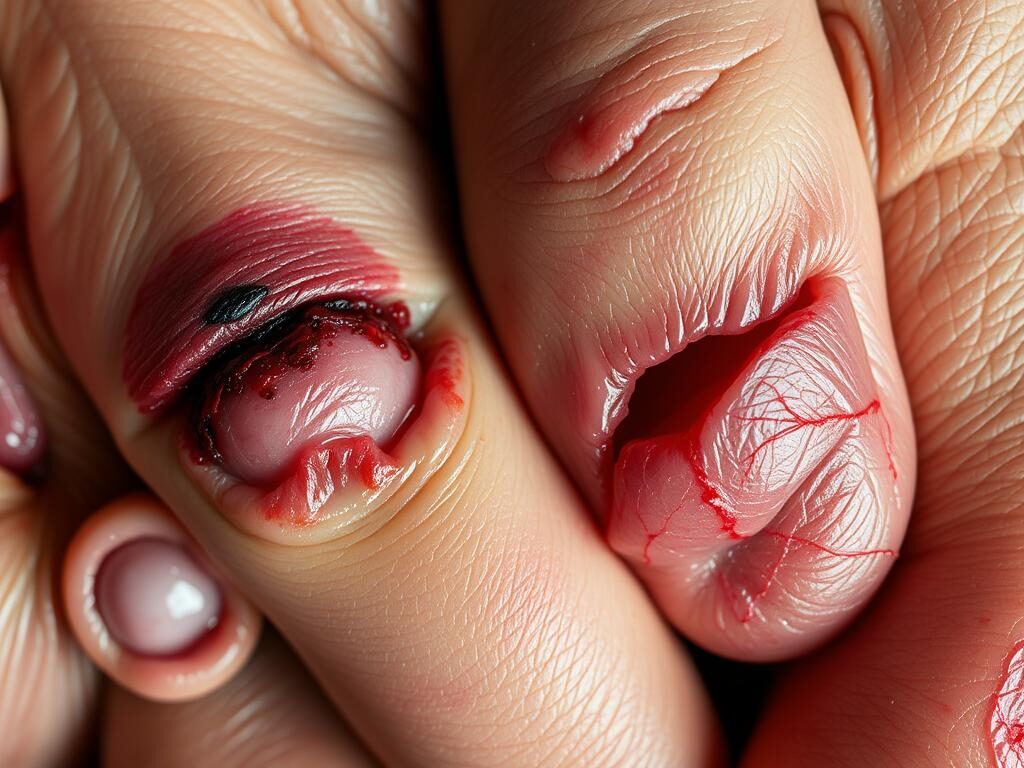
Diabetic and ischemic ulcers need vigilant offloading and glucose control. Neuropathic ulcers require regular inspection and pressure relief to prevent enlargement.
Pressure-related skin breakdown benefits from repositioning, protective dressings, and plans that promote granulation. Surgical sites that stall get targeted debridement and infection monitoring.
Severe burns and trauma use staged dressings, moisture balance, and close follow-up to avoid scarring and infection. Early specialist input speeds rehabilitation.
Edema control, compression, and skin protection reduce infection risk for venous and lymphedema ulcers. Radiation injuries need specialized coverage and nutrition support.
Chronic non-healing wounds show little size change and prompt escalation. Diagnostic workups include vascular and infectious disease input to guide treatment choices.
A safety-first process starts with a focused intake that maps medical history, lifestyle, and barriers to recovery. Dominion Mobile Wound Care uses this intake to guide individualized management and align goals with primary providers.
Clinicians perform focused exams and non-invasive testing to find circulatory, metabolic, and pressure factors that slow wound healing.
Technicians track perfusion and tissue viability to guide escalation when needed.
Infection is managed with timely cultures and targeted antimicrobials. Pain is reassessed frequently and addressed in each visit.
Skin protection and dressing protocols maintain a healing environment and reduce complications.
Therapy sequences may include compression, offloading, and staged oxygen therapy when indicated.
These steps boost oxygen to tissue and support faster wound healing.
Frequent reassessment and clear documentation let the team adjust treatment quickly and reduce the risk of serious complications or amputation.
Dominion coordinates with physicians so plans remain safe and continuous for patients.
Easy, coordinated access reduces delays and gets patients started on treatment faster. Dominion Mobile Wound Care streamlines scheduling in san antonio and helps patients begin care today. University Health staff assist with appointments, records, and insurance so clinical time is prioritized.

Designated phone protocols and clear online scheduling cut wait time. Staff coordinate across locations so supplies and therapies arrive as planned.
If wounds show no measurable progress within two weeks, seek specialty referral. That two-week trigger helps move patients from basic attention to focused treatment without delay.
Experienced staff handle insurance paperwork, fax requests, and medical record transfers to reduce administrative burden. Dominion provides visit summaries, status updates, and secure fax and phone communication to keep providers and families informed.
A coordinated approach that pairs advanced treatments with daily patient coaching helps move stubborn wounds toward closure.
Specialized planning — including diagnostics, therapy options, and hyperbaric oxygen therapy when indicated — protects health and speeds healing. Prompt action cuts risk and reduces the chance of amputation for high-risk cases.
The right team of specialists and wound care specialists gives clear steps, steady guidance, and compassionate support. Patients get practical plans for supplies, skin protection, and routine check-ins that keep wounds improving.
Start treatment today: confirm a tailored plan and hire Dominion Mobile Wound Care to bring proven hyperbaric oxygen and treatment options to your home in san antonio.
Patients should choose a clinic with board-certified specialists and physicians trained in hyperbaric oxygen therapy. An interdisciplinary team including podiatry, infectious disease, nutrition, and physical therapy ensures comprehensive treatment. Look for facilities offering advanced modalities such as HBOT, negative pressure therapy, and tailored wound management plans, plus strong patient education and follow-up support.
Chronic wounds that do not progress can lead to infection, tissue loss, and higher amputation risk. Specialized providers identify underlying causes—poor circulation, neuropathy, or infection—and apply targeted therapies to restore healing. Early intervention reduces complications, shortens recovery, and improves long-term outcomes.
Hyperbaric oxygen therapy (HBOT) delivers 100% oxygen in a pressurized chamber to increase oxygen diffusion into damaged tissue. This supports new blood vessel growth, decreases swelling, enhances infection control, and accelerates repair in hard-to-heal wounds such as diabetic foot ulcers and radiation injuries.
If a wound shows little or no improvement within two weeks of routine treatment, patients should seek specialist evaluation. Rapid referral helps identify root causes, initiate advanced therapies, and reduce risks of infection or limb loss.
Clinics frequently use negative pressure wound therapy, biologic dressings, growth factor treatments, and non-invasive vascular studies. Providers develop individualized plans combining dressings, offloading, debridement, and circulatory support to promote steady healing.
Collaboration among specialists—podiatrists, vascular surgeons, infectious disease physicians, nutritionists, and therapists—ensures all factors affecting healing are addressed. Coordinated care manages infection, optimizes blood flow, corrects metabolic issues, and teaches preventive self-care to reduce recurrence.
Yes. Effective wound programs use strict infection-control protocols, targeted antibiotic therapy when needed, and multimodal pain management. These measures protect surrounding skin, promote comfort, and enable treatments that support tissue repair.
Specialists manage diabetic, ischemic, and neuropathic lower-extremity ulcers, pressure injuries, surgical wounds with stalled healing, traumatic wounds and burns, venous insufficiency and lymphedema-related ulcers, and radiation-associated tissue damage.
Providers perform non-invasive vascular studies such as ankle-brachial index (ABI), toe pressures, and transcutaneous oxygen measurements. These tests guide decisions about revascularization, hyperbaric therapy, or other interventions to improve oxygen delivery.
Leading centers coordinate timely visits, process referrals, and handle insurance verification. They keep patients and referring clinicians informed with consistent updates, treatment plans, and discharge instructions. Many clinics offer multiple locations and convenient scheduling to improve access.
Long-term success depends on patient education, proper footwear or offloading devices, skin protection, glucose control for people with diabetes, smoking cessation, and routine follow-up. Clinics provide supplies and self-care plans to minimize future problems.
Seek immediate care for rapidly spreading redness, increasing pain, foul odor, fever, sudden drainage, blackened tissue, or loss of sensation. These signs may indicate severe infection or compromised blood flow that requires prompt specialist intervention.

Dominion Mobile Wound Care brings a doctor-led model to the home or facility, reducing travel and easing burdens on families.
The intake begins with a clear assessment of the patient’s history and goals. Teams use precise measurements and advanced diagnostics like fluorescence imaging, mobile ABI testing, and PCR labs to guide treatment.
Weekly visits keep treatments on track. The team documents progress, updates the referring physician, and adjusts plans to promote faster healing with options such as biologic grafts.
Common conditions treated include diabetic foot ulcers, pressure injuries, venous and arterial leg ulcers, and post-surgical sites. Medicare acceptance and insurance verification often help lower out-of-pocket costs.
Expect clinical oversight, technology-driven decisions, and coordinated communication across the continuum of healthcare to support safe, effective, patient-centered service.
Dominion Mobile Wound Care is a trusted San Antonio provider that pairs physician oversight with coordinated, patient-centered visits.
Their physician-led model means each visit follows standard measurement and clear documentation. This helps referring clinicians stay informed and supports timely adjustments to the plan.
An expert team brings advanced assessment tools and clinical judgment to the home or facility. Weekly visits keep momentum toward healing while reducing travel and disruption for families.
Dominion’s providers explain the treatment, set realistic goals, and teach what to expect between visits. Compassionate bedside manner and respectful communication build trust and improve adherence.
As a local provider, Dominion Mobile Wound Care positions itself as the San Antonio organization families can rely on for consistent, expert service that advances healing.
Dominion Mobile Wound Care begins each patient relationship with a structured intake that captures history, goals, and practical barriers to healing.
Comprehensive, doctor-led assessment happens on-site in the home, assisted living, or skilled nursing setting. The clinician documents the wound, measures size, and records baseline photos to track progress.
The team then builds a tailored plan that covers dressing selection, selective debridement when indicated, infection-control steps, and offloading or compression guidance. Weekly visits allow precise measurement and photo comparison to show change over time.
Coordination with facility staff and family caregivers keeps daily support consistent between visits. Scheduling and supply management streamline each encounter so the patient receives timely treatments and clear instructions.
Education on nutrition, glucose control, pressure relief, and limb elevation reinforces the plan. This coordinated approach aims to reduce emergency visits and hospital stays while supporting better healing outcomes.
Dominion Mobile Wound Care identifies who benefits most by mapping clinical signs, coexisting conditions, and daily limitations. This helps match patients to focused on-site treatment and diagnostics.
Diabetes-related foot ulcers linked to neuropathy and poor circulation need aggressive evaluation. Targeted vascular assessment (ABI) and glucose management are central to promoting wound healing.
Immobility often causes pressure injuries that require offloading, repositioning plans, and consistent dressing changes to prevent progression.
Surgical wounds demand vigilant monitoring. Rapid diagnostics like PCR and fluorescence imaging help detect infection early so treatment is focused and timely.
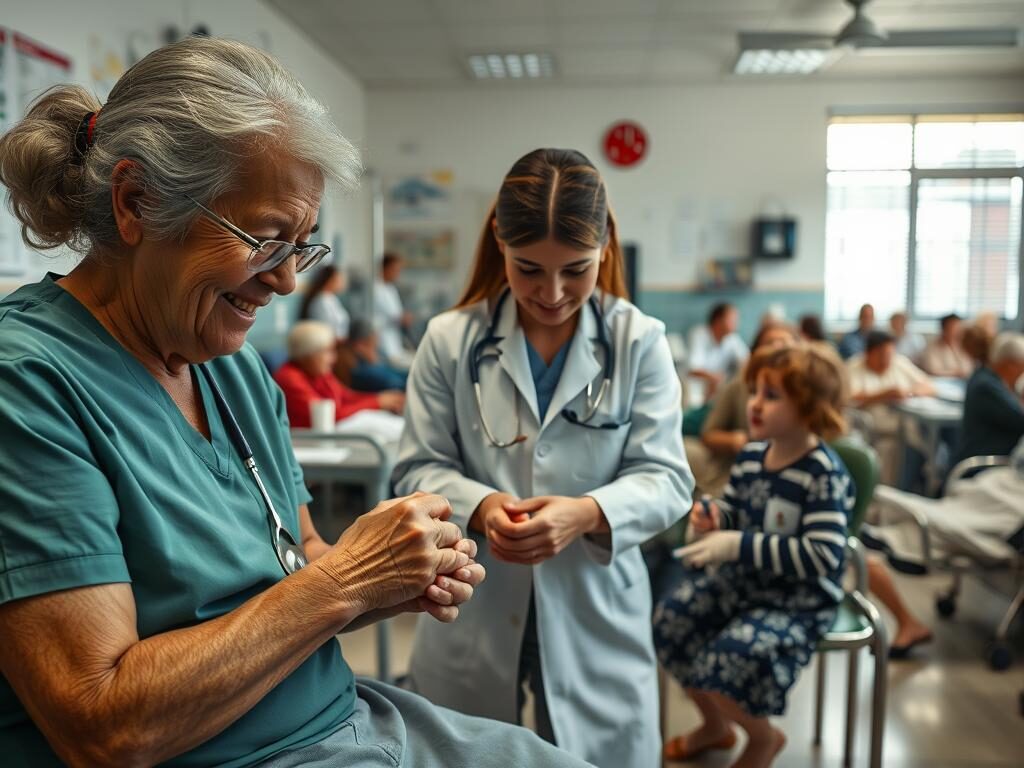
Each appointment starts by verifying candidacy, understanding patient goals, and gathering key medical details. This structured intake sets clear expectations and identifies barriers before treatment begins.
A clinician reviews history, medications, allergies, and daily routines. The team confirms that on-site management fits the individual’s needs and documents agreed goals.
Clinicians perform a precise assessment with photographs and standardized measurements. These records track tissue change, granulation, and response to therapy over time.
A tailored plan uses advanced products and techniques when indicated. The plan also addresses edema control, offloading, nutrition, and glycemic support to aid healing.
Weekly visits maintain momentum, optimize dressings, and catch new findings early. Notes and photos are shared with the referring clinician to keep the wider team aligned.
Dominion Mobile Wound Care provides clarity at every step so patients receive safe, steady care and a clear path toward healing.
Advanced on-site testing gives teams clear data to shape each treatment and dressing choice. Dominion deploys point-of-care technology that supports advanced wound care decisions without moving the patient.
Fluorescence imaging reveals bacterial burden that is not visible to the eye. Clinicians use those images to focus debridement, pick topical antimicrobials, and choose the best dressing for faster wound healing.
Mobile ABI testing measures arterial flow at the limb. Results guide compression caution, offloading strategies, or prompt vascular referral when circulation limits healing.
PCR lab testing identifies pathogens quickly so therapy targets the right organism instead of relying on broad antibiotics. This supports safer, more precise treatments.
Advanced biologic grafts provide regenerative support when standard measures fall short. Ethically sourced grafts can stimulate granulation and help close stubborn wounds.
Objective data from these tools informs the evolving plan week to week. Targeted use of products can shorten time to healing and preserve tissue while keeping the provider focused on outcomes.
A coordinated plan links each visit to the larger clinical team and daily routines for consistent progress.
Dominion delivers consistent care across the home, assisted living, and skilled nursing settings in the San Antonio areas. Clinicians follow the same protocols so safety, supply readiness, and documentation stay uniform.
The approach helps the patient and family trust the process. It also keeps facility staff and therapists aligned with the treatment plan.
The team communicates weekly updates to referring physicians, home health agencies, and facility providers. Progress notes, measurements, and plan changes travel fast so decisions happen sooner.
A single named provider point of contact simplifies questions for families and staff. Shared documentation eases transitions between levels of care and reduces duplicated work.
By coordinating closely with nurses, therapists, and physicians, Dominion shortens issue resolution and supports better outcomes. Clear communication and a unified provider team make healing more reliable.
A benefits check is completed early so families and patients understand coverage and likely out-of-pocket costs before treatment begins.
Medicare is commonly accepted and eligibility is verified before visits start. The provider documents medical necessity to support claims.
Commercial plans vary. Dominion’s team reviews benefits, copays, and coinsurance so patients know what to expect. Questions about covered dressings, biologic products, or visit frequency are addressed during onboarding.
Overall, clear financial communication and coordinated administrative support help make the clinical plan and the billing pathway straightforward for families receiving home-based wound care.
Receiving care where someone lives reduces disruption and makes daily routines easier to follow. This approach boosts comfort for patients and lowers pain related to travel.
Weekly touchpoints create a steady rhythm that helps clinicians spot changes early. Consistent visits promote adherence and can speed healing by keeping treatments on track.
Dominion Mobile Wound Care emphasizes compassionate bedside practice and practical guidance that fits real life. This balance of comfort and clinical rigor helps protect life balance while improving healing and overall quality.
Scheduling centers on neighborhood routes that keep weekly visits steady and responsive. Dominion Mobile Wound Care serves San Antonio and nearby communities with flexible windows to match local demand.
Local routing supports consistent weekly visits and allows timely adjustments to each plan. Routes are organized to reach homes, assisted living, and skilled nursing facilities across metropolitan and adjacent areas.
Proximity and responsiveness help anticipate barriers and solve them quickly. Families can contact the team for scheduling changes or urgent concerns, and the footprint adapts to regional needs to sustain continuity for ongoing care.

A physician-led team guides each plan, turning diagnostics into practical bedside solutions. Dominion combines advanced diagnostics and a patient-first philosophy to deliver precise, compassionate treatment where the patient lives.
Doctor-led oversight uses fluorescence imaging, ABI testing, PCR labs, and biologic grafts to shape a targeted plan. Weekly visits, disciplined measurement, and photo tracking keep progress visible and decisions data-driven.
The team tailors treatments using proven techniques such as targeted debridement, optimal moisture balance, offloading, and compression when indicated. Products and protocols match each patient’s clinical presentation and goals.
Families can expect clear documentation, timely action, and a focus on comfort and safety. This comprehensive approach supports confident decisions and steady progress toward healing.
By combining precise diagnostics with scheduled visits, clinicians keep recovery focused and predictable.
Dominion Mobile Wound Care brings comprehensive wound care services to the patient, making complex healing more convenient and safer. A clear plan, weekly follow-ups, and responsive adjustments drive steady recovery.
Technology and targeted treatments — from fluorescence imaging and mobile ABI testing to PCR labs and biologic grafts — guide decisions that address bacterial burden, perfusion, and infection precisely.
Coordination with providers, caregivers, and families preserves continuity across home and facility settings. Education and practical guidance help patients sustain progress between visits.
For chronic wounds or new cases that need advanced attention, this doctor-led model balances comfort and clinical rigor. Hire Dominion Mobile Wound Care to help heal their wounds.
Patients can expect doctor-led, in-home and in-facility evaluation with a full medical history review, precise assessment, and a personalized treatment plan. The team uses advanced diagnostics and evidence-based products to promote healing while emphasizing comfort, safety, and clear communication with the patient’s other providers.
Individuals with diabetic foot ulcers, pressure injuries, surgical incision concerns, venous or arterial leg ulcers, chronic non-healing lesions, or suspected infections benefit most. Those with limited mobility or difficulty traveling to clinics gain improved access and continuity when care is delivered where they live.
The first visit includes intake, candidacy confirmation, and an on-site assessment with measurements and documentation. A tailored plan is created using appropriate advanced products and techniques. Regular follow-ups—typically weekly—include reassessment, dressing changes, and adjustments to therapy, with updates sent to referring clinicians.
The team brings fluorescence imaging to pinpoint bacterial burden, mobile ankle-brachial index (ABI) testing to assess blood flow, PCR lab testing for rapid pathogen ID, and biologic graft options to support tissue regeneration. These tools inform targeted treatments and improve outcomes.
Dominion Mobile Wound Care provides seamless collaboration through timely documentation, direct communication, and shared treatment goals. They send progress notes and test results to referring physicians, assisted living staff, or skilled nursing teams to ensure continuity and safe transitions in care.
The practice accepts Medicare and works with many commercial insurers. Eligibility and coverage depend on individual plans and medical necessity. The administrative team verifies benefits and discusses any patient responsibility before services begin.
Local scheduling aims for prompt availability across San Antonio and surrounding communities. Urgent concerns receive priority; patients or referring providers can call to check same-week openings and coordinate the most appropriate timing.
The team follows strict infection-control protocols, performs targeted diagnostics (including cultures and PCR), and applies evidence-based treatments such as debridement, advanced dressings, and biologic grafts when indicated. Emphasis is placed on optimizing circulation, pressure relief, and glycemic control as part of a comprehensive plan.
Receiving treatment at home or in a facility reduces travel-related stress, improves adherence to follow-up, and enables clinicians to assess the real living environment for factors that affect healing. This enhances comfort, access, and continuity, often leading to faster recovery and better daily functioning.
Patients should have a list of current medications, recent medical records or discharge summaries if available, and any mobility aids. Caregivers or facility staff should provide access to the treatment area and relevant nursing notes to streamline assessment and documentation.

We are learning about pressure sores, or bedsores. They are big health issues. Seeing early signs might mean you need help at home.
This article is for people in San Antonio. It talks about why pressure sores happen, their stages, and how to care for them at home. We want to help caregivers and families. This way, they can act fast and help wounds heal.
Pressure sores are often overlooked, but they can cause a lot of pain. They happen when the skin and tissue get hurt from too much pressure. This usually happens in places like heels, hips, and elbows. Knowing why they happen helps us prevent them.
Pressure sores, also known as bed sores, happen when skin stays under pressure too long. This pressure cuts off blood flow, hurting the tissue. They can get worse fast, so it’s important to know about them.
Sores develop when skin stays under pressure for too long. This pressure cuts off blood flow, hurting the tissue. When you move, friction or shear forces can make it worse. Knowing about pressure sores helps us take better care.
Some people are more likely to get pressure sores. This is because of how much they can move and their health. Here are some groups at high risk:
It’s important to know about the stages of pressure sores. They start as bed sores and get worse. Spotting the signs early helps prevent more harm.
Pressure sores have four stages. Each shows a different level of skin damage.
Knowing the signs of pressure sores is key to managing them:
When we first notice a pressure sore, we must act fast. Our care at home in San Antonio can really help. Quick action is key to managing and healing the sore.
First, we need to take pressure off the sore area. For those in bed, move every two hours. For wheelchair users, move every 15 minutes. This helps a lot.
Also, clean the sore gently. Use mild soap and water for Stage I sores. For Stage II, saline rinses are best. Keeping it clean helps it heal.
To care for ulcers at home, keep the area moist and covered. Use special cushions and mattress pads. Ask your doctor for the best ones for you.
These steps help relieve pressure and prevent infections. With the right care, we can help the sore heal.
Knowing when to get help for pressure sores is key. We must watch for signs that mean we need a pro. This helps us treat pressure sores right.
How bad a pressure sore is matters a lot. Sores that are really bad need special help. Look out for these signs:
These signs show why getting a pro to check your sore is important. They help make a care plan that works.
Wound care nurses bring big benefits. They have special skills to help. Here’s what they can do:
Wound care nurses do more than just treat sores. They make sure people get the best care at home. This helps them get better faster and feel better too.

We know how important it is to treat bed sores well. It helps people heal and feel better. We use special ways to help, like moving them often and using special devices.
To lessen pressure, we use a few methods:
For home care, we have many good products:
Knowing how to handle pressure sores is key for people at risk. We talked about why quick care is important and how to stop problems from getting worse. Learning about pressure sore causes and stages helps us prevent and treat them better.
In-home wound care services are very helpful. If you have pressure sores, getting help from experts can make a big difference. We learned how to make things better and help healing start.
If you need help, don’t hesitate to ask for it. Dominion Mobile Wound Care is here to help with care that fits your needs. Let’s work together to heal and recover for ourselves and our loved ones.
Pressure sores happen when skin stays under pressure too long. This can be from sitting or lying in the same spot. It’s more common in older people and those who can’t move much because their blood flow is affected.
There are four stages of pressure sores. Stage I is when the skin looks different and feels firm. Stage II has blisters or shallow sores. Stage III shows fat under the skin, and Stage IV damages muscle and bone. Knowing these stages helps us treat them right.
First, take pressure off the sore by moving the person. Clean it gently with mild soap and water or saline. Using special cushions and mattress pads can also help.
Get professional help if the sore is advanced (III or IV), doesn’t heal at home, or shows signs of infection. Wound care nurses can make a big difference in healing.
Treat bedsores by moving the person often and using special mattresses and cushions. Use hydrocolloid dressings to keep the sore moist, depending on its stage.
Keep a list of what you need and how to care for ulcers at home. Talk to doctors often to make sure you’re doing the right thing for the ulcer.

We are seeing big changes in how we get medical care. More people want care at home because it’s comfy and easy. This is also because more people are getting older and have long-term health issues.
Wound care costs a lot in the USA, from $6 billion to $15 billion each year. It’s a big problem for health care systems. Knowing about different care options is key. In-home care in San Antonio is a great choice for many patients.
Knowing about wound care can really help patients get better. There are many types of services for different needs. Learning about these helps us manage wounds better.
There are many ways to heal wounds. These include:
Each option has its own benefits. It’s important to choose what’s best for us.
Wound care is very important in healthcare today. It helps us heal faster and saves money. Studies show that special clinics work well.
Knowing about treatments helps us make good choices. This can lead to quicker healing and a better life.
In-home wound care services are becoming more popular. They offer convenience and comfort. You don’t have to go to a clinic.
These services give you a personal touch. They make sure your needs are met while you heal.
The benefits of in-home wound care are many. They include:
Thinking about the cost-effectiveness of home care is important. It saves money. In-home care cuts down on hospital visits.
It also uses medical resources better. This way, it saves a lot of money. Over 30% of home health patients have wounds.
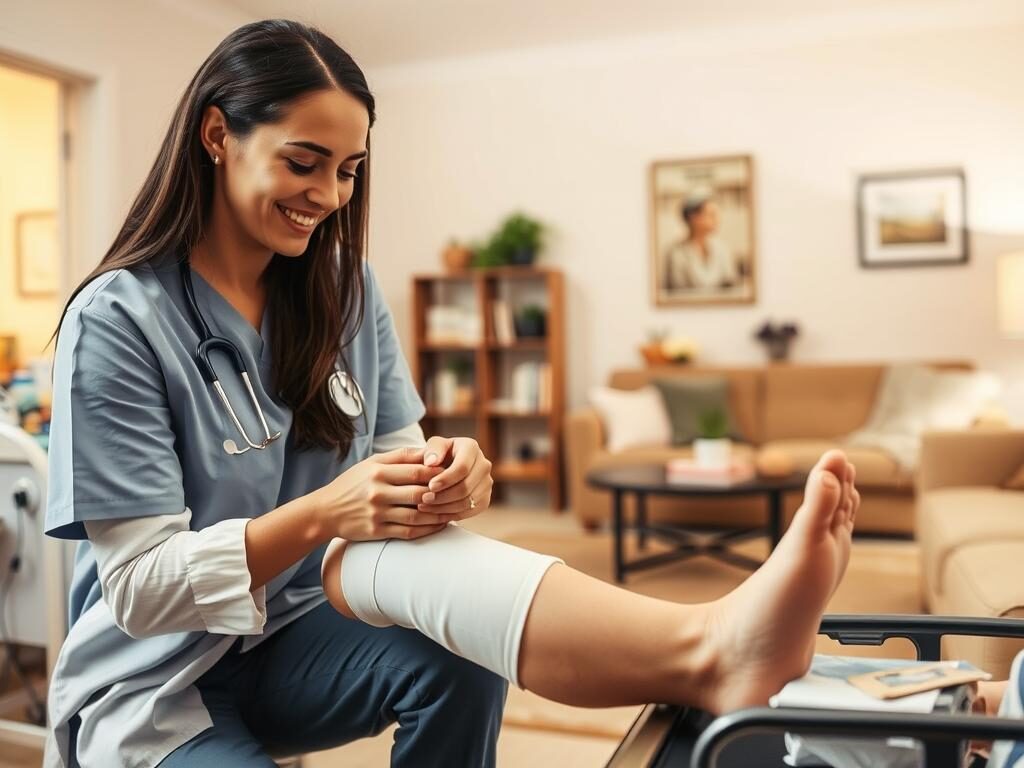
In San Antonio, wound care is changing. It now offers patients effective and easy solutions at home. This focus on comfort helps people heal better in their own space.
In-home wound care puts comfort first. It’s a big plus for many. Getting care at home reduces stress and travel hassle.
We know that feeling at home helps heal better. It makes the healing process smoother.
We make special plans for each patient in San Antonio. These plans help people heal faster. They are made just for each person’s needs.
This way, patients get the right care. It helps them heal the best they can.
In-home care has its ups and downs. Finding skilled staff can be hard. But we’re using tech like telemedicine for help.
Keeping caregivers trained is key. It shows our dedication to top-notch care.

Mobile care services are changing wound care. New tech makes care better and easier. Telehealth lets doctors check on patients from far away.
Mobile apps and digital tools help a lot. They keep patients and doctors in touch all the time. Doctors can see wounds without seeing patients in person.
This makes care better and more convenient. Patients get help right away, from home.
Studies show mobile care works well. Patients heal faster and don’t go back to the hospital as much. They are also happier with their care.
As mobile care grows, so will better care for patients. This means faster healing and less worry about chronic wounds.
We’ve looked at in-home wound care in San Antonio. It brings many benefits. Patients feel more comfortable and get care that fits their needs.
This care makes healing better. It also lets patients feel in control of their health.
Looking ahead, new ways like mobile care and telehealth are changing healthcare. In-home care is becoming more common. It shows a big change in how we care for patients.
We think in-home care is very valuable. Services like Dominion Mobile Wound Care help a lot. They make sure wounds heal well and care fits what we need.
Choosing in-home care means better health. It’s care that comes to you. It’s caring and reliable, right at your door.
In-home care lets patients get treated in a place they know. In-clinic services have special facilities. In-home care also gives more personal attention, helping patients stick to their treatment plans.
You can get wound treatment in hospitals, clinics, or at home. Each place has its own benefits. Clinics offer special treatments, while home care is more comfortable.
More people are getting older and have chronic diseases. This means more need for good wound care. Chronic wounds cost a lot, between billion and billion a year in the USA.
In-home care is convenient and makes patients happy. It also gives personal attention. This can help wounds heal better and save money by cutting down on hospital visits.
In-home care can save money by cutting down on hospital visits. This is key because over 30% of home health patients have wounds.
Personalized plans are key because they fit each patient’s needs. This makes healing better and helps patients follow their treatment.
Challenges include finding skilled staff for in-home care. Using technology like telemedicine can help. It lets caregivers get training and check on wounds remotely.
Mobile care uses tech like telehealth for remote care. Studies show it helps wounds heal faster and cuts down on hospital stays.
Look for services like “Dominion Mobile Wound Care.” They offer personal care and clinical skill. This ensures treatment fits each patient’s needs.