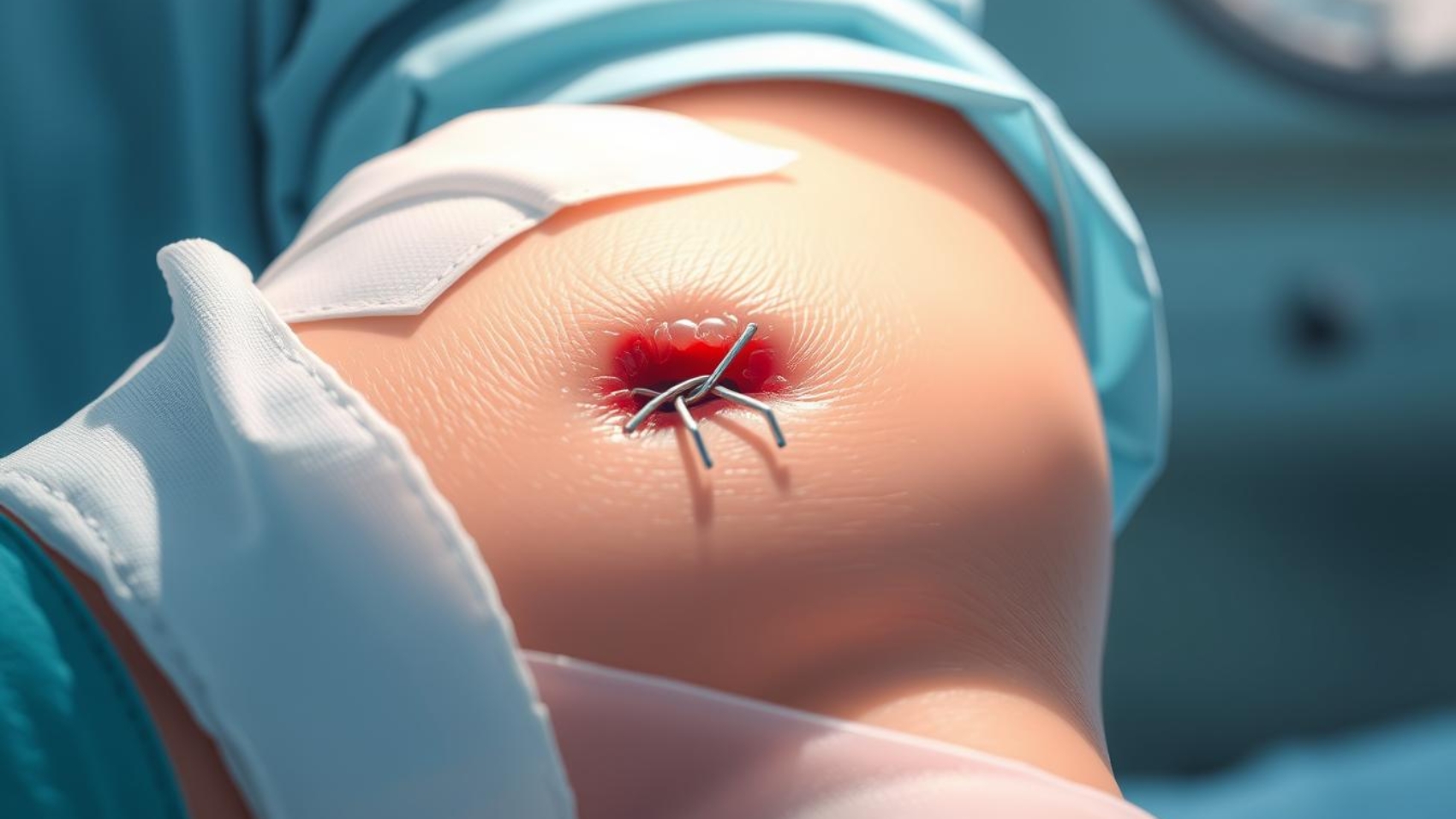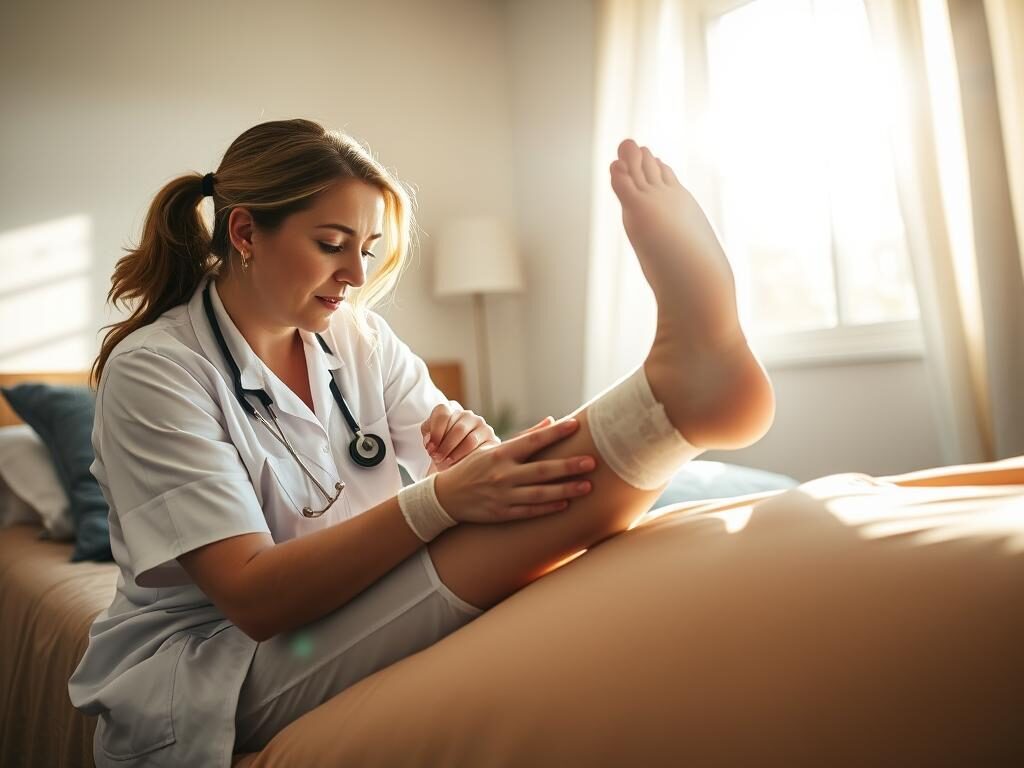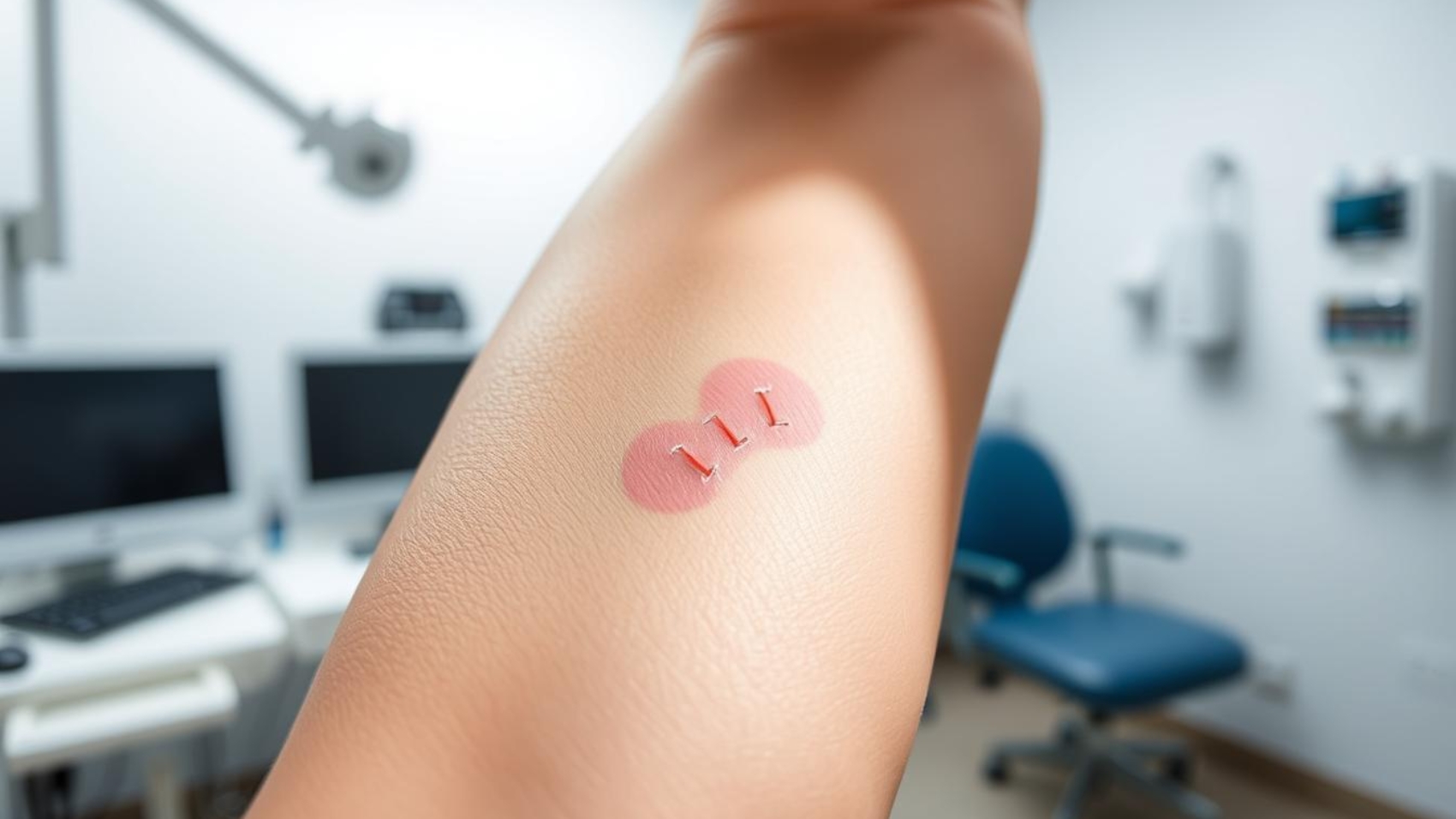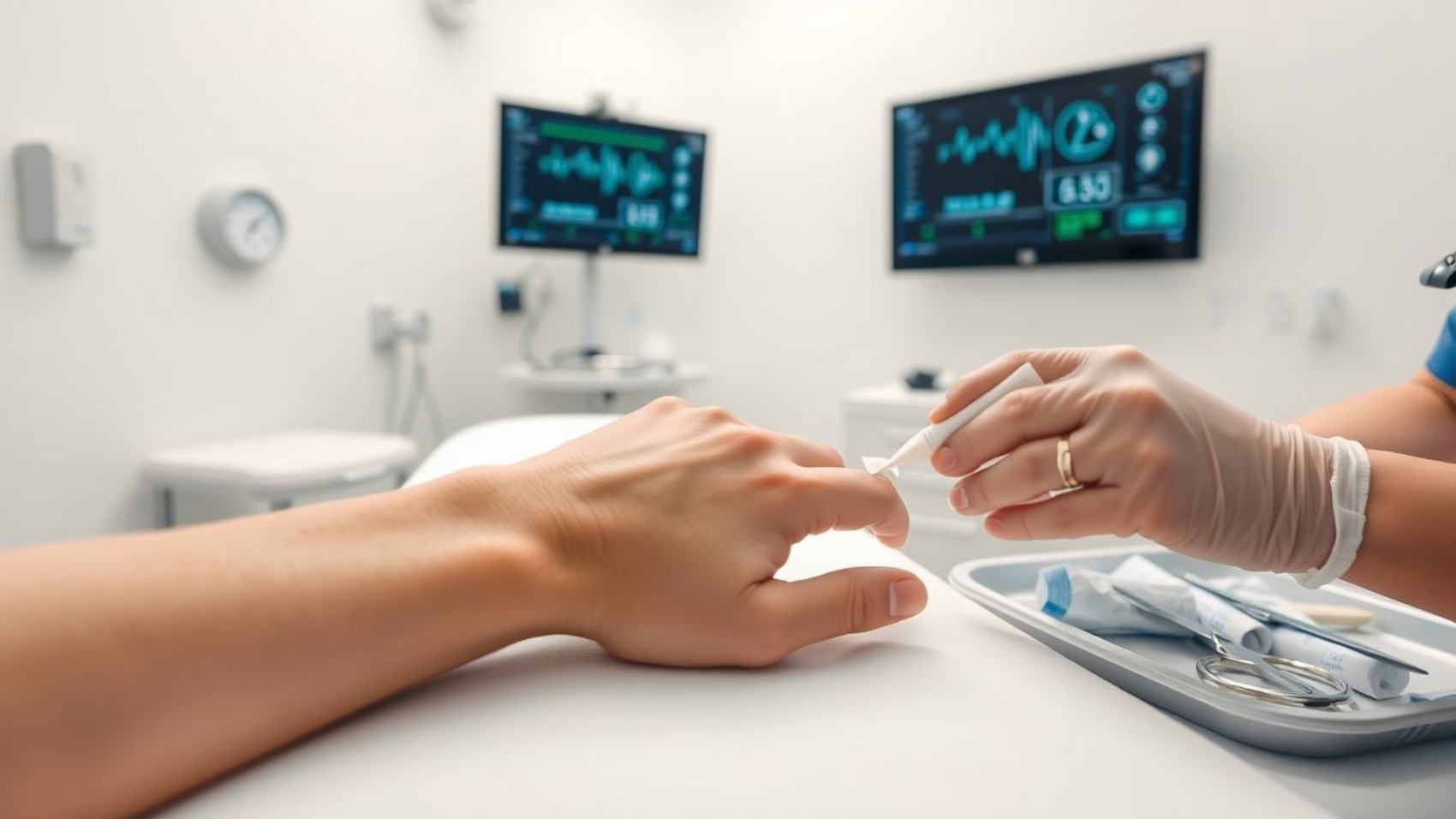
Wound care for mobility issues

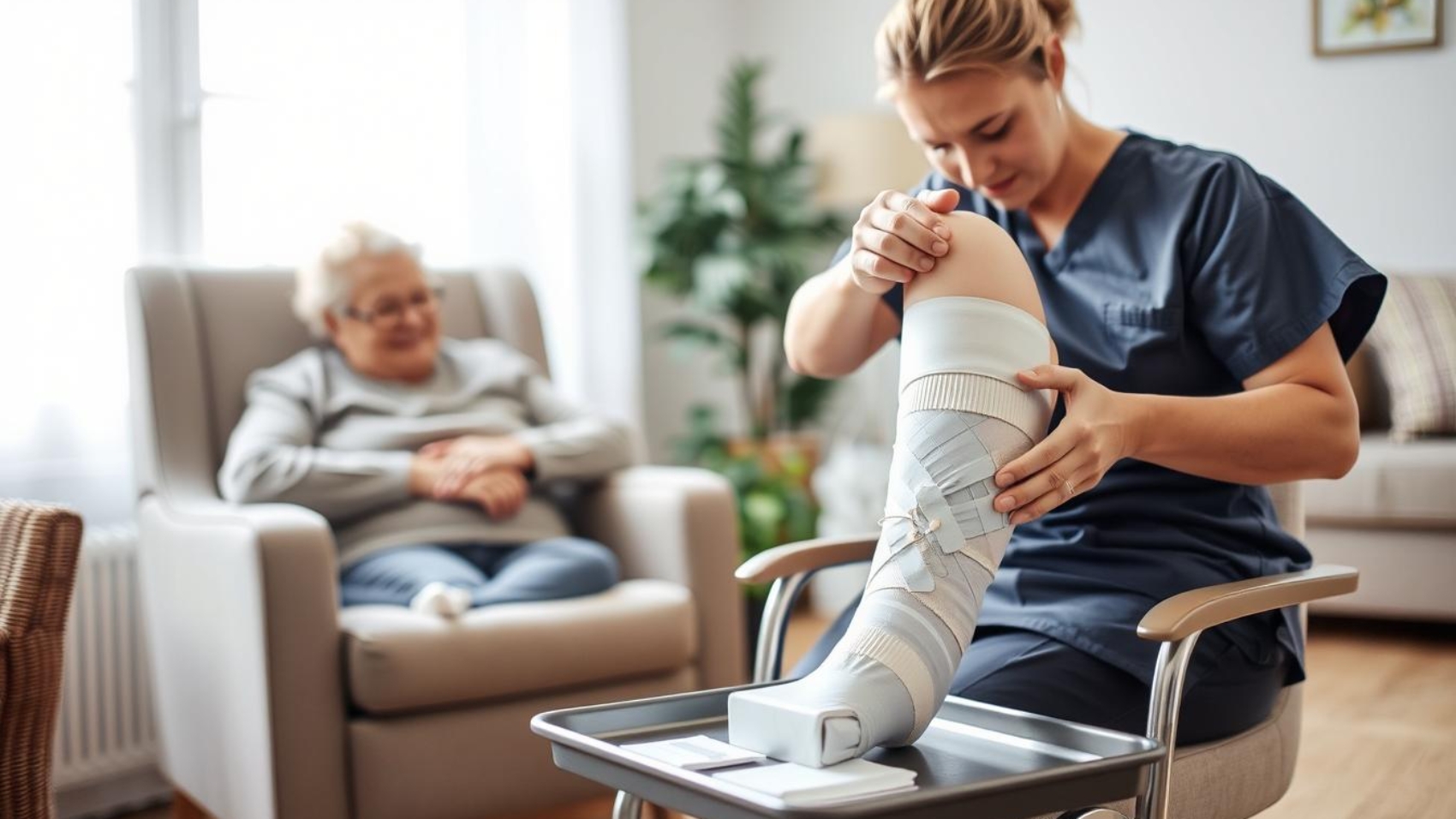
Safe Wound Care at Home for Patients With Limited Mobility

Providing at-home wound care is key for those with limited mobility. It helps bridge the gap between healing and comfort. Getting care at home means you get personalized attention that aids in healing and stops infections.

Patients with limited mobility often struggle with getting the right wound care. That’s why expert care at home is so important. It lets you heal in a place you feel comfortable, lowering the chance of complications.

Choosing Dominion Mobile Wound Care means you get top-notch care for your wounds. Our team is committed to giving you the support you need to heal well.

Key Takeaways

  • At-home wound care provides personalized attention for patients with limited mobility.
  • Receiving care at home promotes healing and prevents infections.
  • Expert care is essential for patients with limited mobility.
  • Dominion Mobile Wound Care offers complete wound care services.
  • Hiring a professional wound care team can improve healing outcomes.

Do you or a loved one need wound care? Hire Dominion Mobile Wound Care to help heal your wounds.

The Rising Challenge of Home-Based Wound Management

Healthcare is moving more into homes, making wound care a big challenge. Many patients have trouble moving, making it hard to get wound care at home.

Recent Statistics on Mobility-Limited Patients in the US

There’s a big increase in patients with mobility issues in the US. About 1 in 4 adults have disabilities that affect their movement. This makes wound care at home even harder.

The Pandemic’s Impact on Home Wound Care Needs

The COVID-19 pandemic has made home wound care even more urgent. Hospitals and clinics are too busy, so patients are getting care at home. This shows how important telehealth adaptations for wound assessment are.

Telehealth Adaptations for Wound Assessment

Telehealth is key in wound care, letting doctors check wounds from afar. It’s been vital during the pandemic. Doctors can now guide on wound cleaning, dressing, and watching for problems through video calls.

If wound care at home is tough, think about getting help from Dominion Mobile Wound Care. They have a team ready to support and guide you in managing wounds effectively.

Understanding Wound Care for Mobility Issues

Dealing with mobility issues makes wound care very challenging. It’s important to understand how immobility affects wound healing.

Why Immobility Creates Unique Healing Challenges

Immobility can cause prolonged pressure on the body, leading to tissue damage and wounds. Prolonged pressure restricts blood flow, which is vital for healing. It also makes it hard to keep wounds clean, adding to the healing problem.

Common Wound Types Among Mobility-Restricted Patients

People with mobility issues often get specific wounds. These include pressure injuries and diabetic wounds. Knowing about these wounds is key to good care.

Pressure Injuries vs. Diabetic Wounds

Pressure injuries happen from too much pressure on the skin. Diabetic wounds come from nerve damage and poor blood flow.

If wound care is tough for you, think about getting help from Dominion Mobile Wound Care. Their team offers personalized care to help your wounds heal.

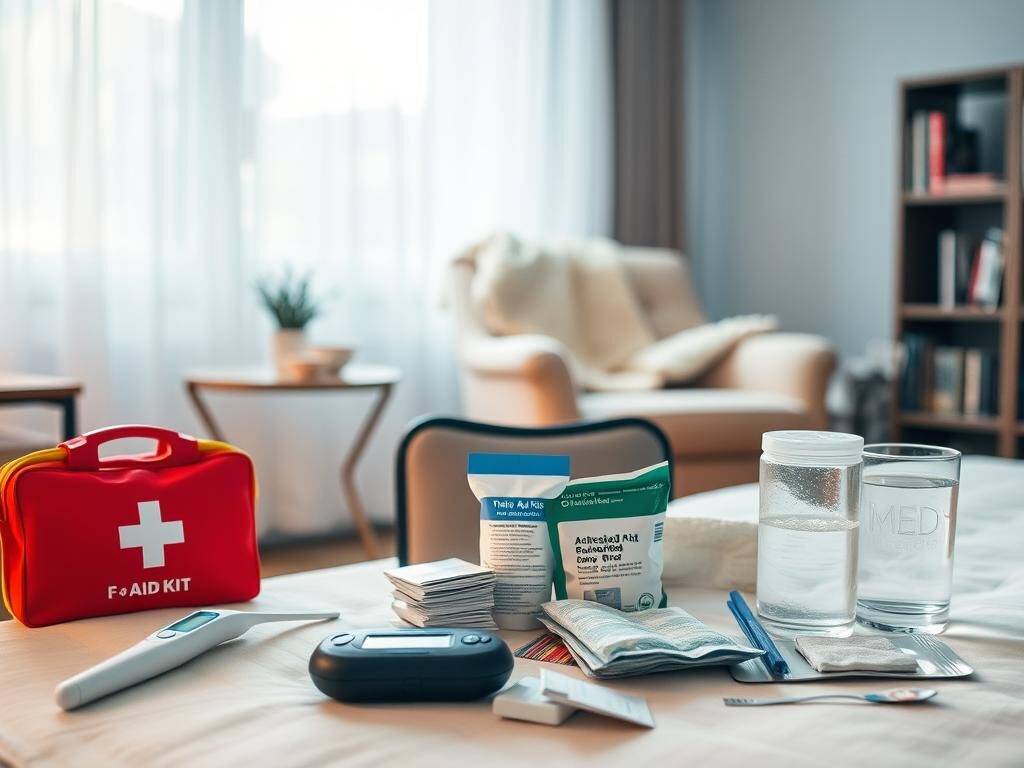
Setting Up Your Home Wound Care Station

Creating a home wound care station is key for patients with limited mobility. It helps in managing wounds safely and effectively. Proper preparation is essential for wound healing.

Essential Supplies for Different Wound Types

Having the right supplies is vital. For different wound types, you’ll need specific materials. For example, for diabetic foot ulcers, you’ll need sterile gauze, antiseptic wipes, and a wound dressing.

Creating a Sterile Environment in Home Settings

Maintaining a sterile environment is critical. Clean the area thoroughly before starting wound care. Ensure all supplies are within easy reach.

Storage Solutions for Wound Care Supplies

Organize your supplies in a clean, dry area. Use storage containers or bins to keep supplies labeled and easily accessible.

By setting up a well-organized home wound care station, you can ensure effective wound management. For professional assistance, consider hiring Dominion Mobile Wound Care to help heal your wounds.

Expert Wound Cleaning Techniques You Can Master

Learning how to clean wounds well can really help patients who can’t move much. It’s key for healing and stopping infections. As a caregiver, knowing these methods can greatly improve patient care.

Step-by-Step Cleaning Protocols for Caregivers

To clean a wound right, follow these steps:

  • Gather all needed supplies, like gloves, cleaning solution, and gauze.
  • Clean the wound with a saline solution or a wound cleanser a doctor suggests.
  • Gently pat the area around the wound with clean gauze.
  • Put on a new dressing as a doctor tells you to.

For more detailed guidance on caregiver support, visit Dominion Mobile Wound Care’s caregiver resources.

Choosing Appropriate Cleaning Solutions

Picking the right cleaning solution is key for good wound care. Saline solution is often best because it’s gentle. For tougher wounds, a wound cleanser might be needed. Always check with a doctor to find the best solution for the wound.

wound cleaning techniques

Wound cleaning methods might need to change based on where the wound is. For example, wounds on the feet or in skin folds need extra care to avoid moisture and infection. Adjust your cleaning technique to meet the wound’s specific needs.

Wound Location Special Considerations Cleaning Tips
Feet Moisture buildup between toes Dry thoroughly between toes
Skin folds Risk of irritation and infection Clean gently, dry thoroughly
Lower legs Poor circulation Elevate leg while cleaning

If you’re caring for someone who can’t move much, learning these cleaning techniques can really help their healing. For professional wound care and advice, think about hiring Dominion Mobile Wound Care to help heal their wounds.

Advanced Dressing Application Methods for Difficult Areas

Dressing wounds in hard-to-reach spots needs a special touch for healing. The right way to apply dressings is key for recovery and avoiding problems.

Selecting the Right Dressing for Mobility-Related Wounds

Picking the right dressing is the first step in wound care. For wounds from moving, choose breathable, absorbent, and soft dressings. Dominion Mobile Wound Care experts suggest dressings with silicone adhesive to avoid skin irritation.

Techniques for Secure Application on Moving Patients

Keeping the dressing in place is critical for active or immobile patients. Use extra securement or adjust the dressing for movement. Training caregivers in these methods is essential.

New Dressing Technologies for Extended Wear

New dressing tech supports longer wear, great for patients with mobility issues. These dressings keep the wound moist for healing and reduce frequent changes.

Learning advanced dressing techniques can greatly help wound healing for patients with mobility issues. For expert help, think about hiring Dominion Mobile Wound Care to aid in healing.

Preventing Wheelchair Wounds and Pressure Injuries

Wheelchair users are at high risk for pressure injuries if they don’t take preventive steps. These injuries, also known as pressure ulcers or bed sores, can be very painful and hard to heal.

Identifying High-Risk Pressure Points

People who use wheelchairs for long periods are at risk for pressure injuries. These often happen on the buttocks, lower back, and heels. Checking these areas regularly can help spot and prevent problems early on.

Latest Cushioning and Support Technologies

New technologies in cushioning and support have made a big difference in preventing pressure injuries. Some of the latest options include:

Technology Description Benefits
Memory Foam Cushions These conform to the user’s shape, distributing pressure evenly. Reduces pressure on sensitive areas
Gel Cushions Gel-filled cushions provide excellent support and pressure redistribution. Enhances comfort and reduces risk of injury
Alternating Pressure Systems These systems periodically shift pressure points to prevent continuous pressure. Effective for long-term prevention

Implementing Regular Skin Inspection Routines

Regular skin checks are key to catching pressure injuries early. Caregivers should look for signs like redness, swelling, or discoloration during daily care.

Using these preventive steps and the latest cushioning technologies can greatly lower the risk of wheelchair wounds. For expert wound care and personalized advice, consider Dominion Mobile Wound Care to help heal your wounds.

Repositioning Strategies That Protect Healing Tissues

For those stuck in bed or a wheelchair, moving them safely is key. As a caregiver, you’re important in keeping tissues safe and helping them heal.

Safe Turning Schedules for Bedridden Patients

It’s vital to turn bedridden patients regularly to avoid sores. Turning them every 2-3 hours helps a lot. Also, use pillows or wedges to support them in their new spots.

Using Mechanical Lifts and Assistive Devices

Mechanical lifts and devices help move patients who can’t move much. They make it easier for caregivers and lower the chance of injury to both.

Microshifting Techniques for Continuous Pressure Relief

Microshifting means making small changes to a patient’s position to ease pressure. It’s great for those who can’t move much. Even small moves can help prevent sores.

Having trouble with wound care at home? Think about getting professional help. Dominion Mobile Wound Care brings expert care right to your door. Their help ensures your loved one gets the best care.

Nutrition Breakthroughs for Enhanced Wound Healing

Proper nutrition is key for wound healing, more so for those with limited mobility. A balanced diet can greatly improve recovery, lowering the chance of complications and boosting overall health.

Research-Backed Nutrients That Speed Recovery

Certain nutrients help wounds heal faster. These include:

  • Protein: Essential for tissue repair and regeneration.
  • Vitamin C: Important for collagen synthesis and immune function.
  • Zinc: Plays a critical role in wound healing and immune response.
  • Omega-3 fatty acids: Helps reduce inflammation and promote healing.

Practical Meal Planning for Wound Healing Support

To aid in wound healing, eat a balanced diet full of these nutrients. Here are some tips:

  • Add lean proteins like chicken, fish, and beans to your meals.
  • Eat more fruits and vegetables, focusing on those high in vitamin C.
  • Include zinc-rich foods like nuts, seeds, and whole grains in your diet.

Addressing Nutritional Challenges in Older Adults

Older adults may face unique nutritional challenges that can affect wound healing. Ensuring they get enough nutrients is vital, and may need:

  • Consulting with a healthcare provider or nutritionist for a personalized meal plan.
  • Using nutritional supplements if advised by a healthcare professional.

If wound care or nutrition is a struggle, consider Dominion Mobile Wound Care. Their expert team offers personalized guidance and support to aid in your recovery.

nutrition for wound healing

Warning Signs That Require Immediate Professional Attention

It’s important to know the warning signs of wound complications. As a caregiver, watching for changes in the wound or the patient’s health is key. This can stop serious problems before they start.

Visual Indicators of Wound Complications

Look out for visual signs that might mean the wound is getting worse. These include:

  • Increased redness or swelling around the wound
  • Pus or discharge with a bad smell
  • A wound that’s not healing or is getting worse
  • New or increased pain at the wound site

Systemic Symptoms That Signal Serious Problems

Some symptoms aren’t just at the wound site. They can show serious problems in the body. Watch for:

  • Fever or chills, which can mean infection
  • Confusion or disorientation, which could be sepsis
  • A general feeling of being unwell or increased fatigue

Documentation Practices for Medical Consultations

When you need to see a doctor, having good notes is very helpful. Keep a record of:

Category Details to Document
Wound Description Size, depth, color, and any special features
Treatment History Previous treatments, like dressings and meds
Symptoms Any changes or new symptoms you see

If you see any of these signs or symptoms, get help right away. For top-notch wound care, think about hiring Dominion Mobile Wound Care. They can help heal your wounds well.

Innovative Caregiver Support Systems for Wound Management

Caregivers are key in wound care. New support systems can greatly improve patient results. Managing wounds, like those in wheelchair users, needs a full plan. This includes training and support for caregivers.

Digital Training Resources for Home Care Techniques

Digital tools offer many training options for caregivers. You can find video tutorials, webinars, and online courses on wound care. These help caregivers learn the newest ways to manage wounds.

Community Support Networks for Caregivers

Community support groups are great for caregivers. They let caregivers share stories, get advice, and find emotional support. These groups help fight off feelings of loneliness and burnout.

Self-Care Strategies to Prevent Burnout

Self-care is vital for caregivers to avoid burnout. They should take breaks, use stress-reduction methods, and look for respite care when needed.

Support System Description Benefits
Digital Training Online resources for learning wound care techniques Updated knowledge, improved care
Community Networks Platforms for sharing experiences and advice Emotional support, reduced isolation
Self-Care Strategies for maintaining caregiver well-being Prevents burnout, improves quality of care

If you’re caring for someone with wounds, get help from experts. Dominion Mobile Wound Care offers special wound care services. They can help manage your loved one’s wounds. Hire Dominion Mobile Wound Care to aid in healing.

How Dominion Mobile Wound Care Is Revolutionizing Home Treatment

Dominion Mobile Wound Care is changing how we treat wounds at home. They offer a new way to manage wounds, making it easier for those who can’t easily leave their homes.

Specialized Equipment Brought Directly to Your Home

Dominion Mobile Wound Care brings specialized equipment right to your doorstep. This means you get the care you need without having to travel. They have advanced tools for cleaning wounds and the latest dressing materials.

Customized Care Plans for Mobility-Limited Patients

Dominion Mobile Wound Care knows everyone’s needs are different. They create customized care plans just for you. These plans include repositioning tips to help prevent more harm and aid in healing.

Integration with Primary Care Providers

Dominion Mobile Wound Care works with your primary care team. This ensures their care fits perfectly into your overall health plan. It’s all about giving you the best care possible.

Having trouble with wound care at home? Dominion Mobile Wound Care can help. Their team and personalized care can greatly improve your healing process.

Conclusion: Taking Control of Your Wound Healing Journey

Effective wound care needs a full plan. This includes cleaning wounds, eating right, and getting help from caregivers. By knowing how to handle immobility, you can lead your healing journey.

For those who can’t move much, caring for wounds at home is key. Setting up a wound care station at home is a good start. Learning how to clean wounds well and avoiding wheelchair sores helps too.

Dominion Mobile Wound Care is ready to help you. They bring special equipment and care plans right to your door. This ensures you get top-notch care, focusing on healing and support.

Start your healing journey today. Contact Dominion Mobile Wound Care to find out how they can help you.

FAQ

What are the most common wound types among mobility-restricted patients?

Patients with limited mobility often get pressure ulcers, diabetic foot ulcers, and venous leg ulcers. These wounds are hard to heal because of their mobility issues and health problems.

How often should I reposition a patient with limited mobility to prevent wheelchair wounds?

Patients with limited mobility should be repositioned every 15-30 minutes. This helps avoid pressure injuries by spreading out the pressure and improving blood flow.

What are the essential supplies needed for wound care at home?

You’ll need sterile gauze, wound cleansers, dressings, and bandages for wound care at home. The right supplies depend on the wound’s type and severity.

How can I create a sterile environment for wound care at home?

Clean the area around the wound with soap and water. Use sterile equipment and supplies. A clean surface or sterile drape is also helpful for wound care.

What are the benefits of using advanced dressing technologies for wound care?

Advanced dressings offer extended wear and a moist environment, aiding healing. They’re great for mobility-related wounds, like wheelchair wounds.

How can caregiver support systems help with wound management?

Caregiver support systems provide training and community networks. They help caregivers manage wounds well, preventing burnout and ensuring quality care.

What are the warning signs that require immediate professional attention for wound complications?

Look out for increased redness, swelling, or pain around the wound. Signs of infection, like pus or a foul smell, are also warning signs. Fever or chills indicate serious issues.

How can nutrition impact wound healing, and what nutrients are most beneficial?

A balanced diet with protein, vitamins, and minerals is key for wound healing. Nutrients like vitamin C, zinc, and arginine can speed up recovery and repair tissues.

What are the benefits of using Dominion Mobile Wound Care for home treatment?

Dominion Mobile Wound Care brings specialized care to patients’ homes. It offers customized care plans for those with mobility issues. This service helps heal wounds, prevent complications, and improve life quality.
Post-surgical wound care

Avoid Infection: Best Practices for Post-Surgery Wound Care at Home

Proper post-surgery incision care is key for a smooth recovery. Taking good care of your wound lowers infection risk and aids healing.

After surgery, your body is more open to infection. By sticking to best practices for wound care, you can cut down this risk and recover quickly. Dominion Mobile Wound Care is here to help you through it.

Knowing the importance of incision care tips helps you avoid problems and heal quicker.

Key Takeaways

  • Proper wound care reduces the risk of infection.
  • Following best practices promotes healing.
  • Dominion Mobile Wound Care provides expert guidance.
  • Understanding incision care tips is key for recovery.
  • Good wound care minimizes complications.

The Rising Concern of Post-Surgical Infections in America

More surgeries in the U.S. mean more risks of infections after surgery. Good wound care is key. Infections can make recovery harder, leading to longer hospital stays and more surgeries.

Current Statistics on Surgical Site Infections

Surgical site infections (SSIs) are a big worry for many patients. They are a big part of hospital infections. This affects patients and the healthcare system a lot.

Type of Surgery SSI Rate Impact on Recovery
Orthopedic 2-5% Increased risk of implant failure
Cardiovascular 1-3% Prolonged hospital stay
General Surgery 3-7% Higher risk of complications

Recent Studies on Home Recovery Outcomes

Studies show how important good wound care at home is. It helps prevent infections and improves recovery. Good wound care can make recovery smoother for patients.

Essential Post-Surgical Wound Care Supplies for Home Use

After surgery, having the right supplies for wound care is key. It helps prevent infection and speeds up healing. Make sure your home care kit has everything you need.

Must-Have Items for Your Home Care Kit

Your home care kit should have several essential items. These include:

  • Gauze pads and roll gauze for cleaning and dressing the wound
  • Medical tape to keep dressings in place
  • Antiseptic wipes or solution for cleaning the wound area
  • Wound dressings that fit your wound type

Having these items ready will help you care for your wound well.

New Products Revolutionizing At-Home Wound Care

New technology has brought innovative products to wound care. These include:

  • Advanced wound dressings that help wounds heal faster and lower infection risk
  • Negative pressure wound therapy devices for serious wounds

These products can greatly improve your wound care routine.

Where to Purchase Quality Wound Care Supplies

You can find top-notch wound care supplies online or in stores. Some places to buy include:

Supplier Products Offered Convenience
Pharmacies Gauze, dressings, antiseptic solutions In-store pickup available
Online Retailers Wide range of wound care products Home delivery
Medical Supply Stores Specialized wound care products Expert advice available

Recognizing Signs of Normal Healing vs. Infection

It’s important to know the difference between normal healing and infection. This knowledge helps keep you safe and ensures you recover well. As you heal, you might wonder what’s normal and what’s not. Knowing these differences helps you care for yourself right.

Normal Healing Process Timeline

The healing process usually follows a set timeline. In the first few days, some redness, swelling, and discomfort are normal. By the end of the first week, these symptoms should start to fade. If they don’t or get worse, it could mean a problem.

Timeframe Expected Symptoms
0-3 days post-surgery Mild redness, swelling, discomfort
4-7 days post-surgery Gradual reduction in redness, swelling, and discomfort
Beyond 7 days Significant improvement, minimal symptoms

Warning Signs That Require Immediate Medical Attention

Certain symptoms mean you might have an infection and need to see a doctor right away. Look out for increased redness or swelling around the wound, pus or foul-smelling discharge, and fever above 100.4°F. If you see any of these, call your doctor fast.

  • Increased pain or tenderness
  • Redness or swelling that spreads beyond the wound site
  • Fever or chills

When to Contact Your Healthcare Provider

If you’re not sure about your symptoms or notice anything odd, it’s better to be safe. Reach out to your healthcare provider if you’re worried about your wound or health. They can offer advice, reassurance, or take action if needed.

signs of infection

Comprehensive Post-Surgical Wound Care Techniques

Learning how to care for your wound after surgery is key to healing well. It’s not just about doing what your doctor says. It’s about knowing the best ways to help your wound heal and avoid problems.

Proper Handwashing Techniques Before Wound Care

Before you touch your wound, wash your hands well. Use soap and warm water, rubbing your hands for 20 seconds to get rid of germs. Handwashing is the best way to stop infections. Dry your hands with a clean towel.

Cleaning the Wound Area Safely

Cleaning your wound needs care. Use saline solution or water as your doctor tells you. Gently clean around the wound, avoiding anything harsh that could hurt the healing process.

Here’s a simple guide to clean your wound:

  • Wash your hands.
  • Gently remove the dressing.
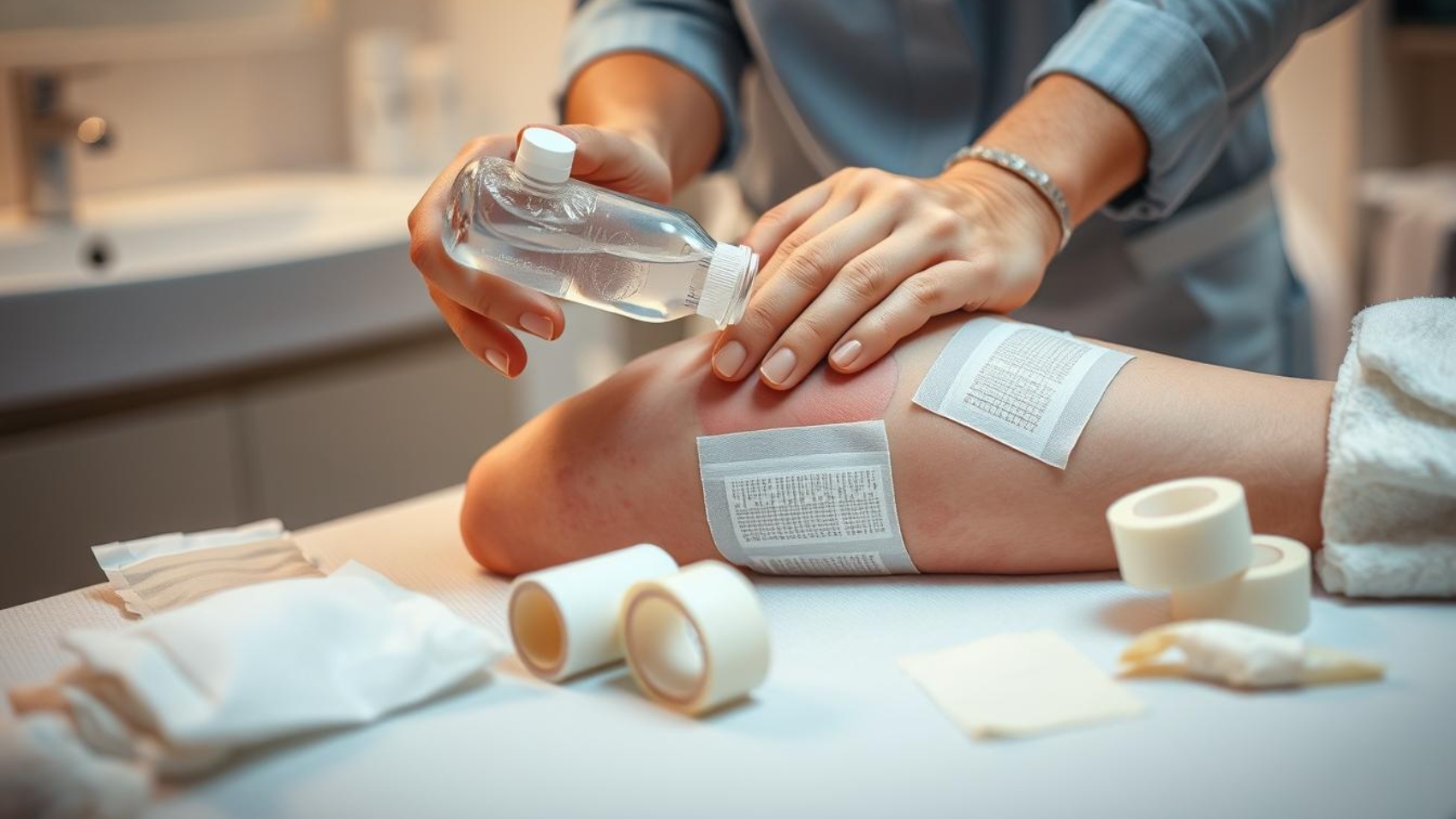
  • Clean the wound with saline solution.
  • Pat dry with a clean gauze.
  • Apply a new dressing as instructed.

Applying Dressings Correctly

Putting on dressings right is important for your wound’s protection. Use a sterile dressing and don’t touch the part that will touch the wound. Make sure the dressing is on tight but not too tight, so it doesn’t cut off circulation. Change the dressing as often as your doctor tells you.

Wound Care Task Frequency Notes
Wound Cleaning Daily or as directed Use saline solution
Dressing Change Daily or every other day Ensure sterile technique
Handwashing Before each wound care Use soap and water

By following these detailed wound care steps, you can improve your recovery. Remember, the details of your care routine are what make your wound heal well.

Incision Care Tips to Prevent Wound Infection

To lower the chance of infection, following a few simple incision care tips is key. Taking good care of your surgical incision can greatly affect your recovery. It helps avoid complications and speeds up healing.

Keeping the Incision Site Clean and Dry

It’s vital to keep your incision site clean and dry to prevent infection. Gently clean the area with mild soap and water. Then, dry it with a clean towel. Avoid submerging the incision in water until your doctor says it’s okay.

Managing Drainage and Discharge

Some drainage or discharge from the incision is normal. But, it’s important to watch how much and what it looks like. If you see increased redness, swelling, or a foul odor, call your healthcare provider right away. Use absorbent dressings as your doctor suggests to handle drainage well.

Protecting Your Incision During Daily Activities

It’s important to protect your incision during daily tasks to avoid irritation or injury. Don’t do heavy lifting, bending, or strenuous activities without your doctor’s okay. Wear loose, comfy clothes that don’t rub against the incision. Also, be careful with your movements to avoid straining the area.

By following these incision care tips, you can greatly lower the risk of wound infection. This supports a healthy recovery process.

Nutrition and Hydration Strategies for Optimal Wound Healing

A well-balanced diet and enough water are key for wound healing. When you’re recovering from surgery, your body needs the right nutrients. These help repair tissues and fight off infections.

Foods That Promote Faster Healing

Eating foods high in protein, vitamin C, and zinc can boost your recovery. Protein-rich foods like lean meats, fish, and eggs help rebuild tissue. Vitamin C, found in citrus fruits and leafy greens, aids in collagen production.

Hydration Guidelines for Recovery

Drinking enough water is also vital for wound healing. Water keeps skin elastic and supports healing. Try to drink at least eight glasses of water a day.

If you’re losing a lot of fluid or have a fever, drink more. Keeping an eye on your nutrition and hydration can greatly improve your recovery. A balanced diet and staying hydrated help wounds heal faster and lower the risk of complications.

Latest Advances in Post-Surgical Wound Care

Post-surgical wound care has seen big improvements. This is thanks to breakthrough technologies and evidence-based practices. These changes help patients heal faster and lower the chance of infection.

New technologies in wound care are changing how we care for surgical wounds at home. These innovations are making a big difference.

Breakthrough Technologies in Wound Healing

New tools like negative pressure wound therapy and bioengineered dressings are helping wounds heal better. They create a good environment for wounds to heal quickly and with fewer problems.

Technology Description Benefits
Negative Pressure Wound Therapy A technique that uses a vacuum dressing to promote wound healing. Enhances blood flow, reduces bacterial load.
Bioengineered Dressings Dressings made from biological materials that promote tissue regeneration. Promotes faster healing, reduces scarring.

Evidence-Based Approaches to Infection Prevention

Stopping infections is key in post-surgical wound care. Using antimicrobial dressings and strict hygiene protocols helps lower the risk of infections.

For more info on moving from hospital to home wound care, check out Dominion Mobile Wound Care’s guide.

How Medical Professionals Are Changing Home Care Protocols

Medical experts are always updating home care rules to match new wound care advances. They teach patients how to care for their wounds and give them the tools to manage their recovery well.

By keeping up with the latest in post-surgical wound care, you can make your recovery smoother and more effective.

The Benefits of Professional Home Nurse Support During Recovery

Having a professional home nurse during recovery can greatly improve your health. They provide the care and guidance you need. This ensures your wound heals right and lowers the chance of problems.

One big plus of a professional home nurse is the personalized care they offer. They watch your wound’s healing, help when needed, and teach you how to care for it at home.

How Specialized Wound Care Assistance Improves Outcomes

Specialized wound care is key for a good recovery. Home nurses are trained to give top-notch wound care. This includes cleaning, dressing, and watching for infection signs.

With a professional home nurse, you get their expertise in wound care. They know the latest techniques and products for different wounds.

Benefits of Specialized Wound Care Description
Improved Healing Outcomes Professional home nurses ensure that your wound heals properly, reducing the risk of complications.
Personalized Care Home nurses provide tailored care based on your specific needs and wound type.
Education and Support They educate you on how to care for your wound at home, empowering you to manage your recovery.

Dominion Mobile Wound Care’s Approach to Patient Success

Dominion Mobile Wound Care focuses on your unique needs. Their team creates a care plan just for you. This plan aims for the best healing and less chance of problems.

They use the latest in wound care tech and methods. This means you get top care right in your home.

Physical Activity Guidelines After Surgery: New Recommendations

After surgery, it’s key to do the right amount and type of physical activity. Your healthcare team will give you advice tailored to you. But here are some general tips to follow.

Safe Movement Practices to Prevent Wound Stress

It’s vital to avoid putting too much stress on your wound after surgery. Be careful with your movements to prevent strain. For example, if you’ve had abdominal surgery, don’t lift heavy, bend, or make sudden movements.

Safe movement tips:

  • Move slowly and gently, like when getting out of bed or a chair.
  • Avoid twisting or bending at the waist.
  • Use support when moving, like holding onto someone’s arm or using a walker.

physical activity after surgery

Gradually Increasing Activity Levels Based on Wound Type

The type of surgery you had affects how fast you can get back to normal. For instance, if you had orthopedic surgery, you might need a special program to build strength and mobility.

Gradual increase tips:

  • Start with short walks and gradually increase the distance.
  • Follow your healthcare provider’s advice on when to resume driving, lifting, and other strenuous activities.
  • Listen to your body and rest when needed.

By following these guidelines, you can help ensure a safe and effective recovery. This will lower the risk of complications and help you get the best results.

Conclusion: Ensuring Successful Healing Through Expert Care

Proper wound care is key for healing well after surgery. By following the guidelines in this article, you can lower the risk of problems. This ensures a smooth recovery.

Expert care is vital for healing well. With the right support, you get personalized attention and guidance. Dominion Mobile Wound Care offers specialized care right at your home.

Choosing Dominion Mobile Wound Care means getting their expertise and advanced treatments. Their team will create a care plan just for you. This plan addresses your specific needs and helps you recover fully.

If you’re recovering from surgery and need professional wound care, think about Dominion Mobile Wound Care. Their dedicated team is ready to help you heal successfully and fully recover.

FAQ

What are the most common signs of wound infection after surgery?

Signs of wound infection include redness, swelling, and warmth around the incision. You might also notice pain, pus, or a foul smell. If you see any of these, call your doctor right away.

How often should I change my wound dressing at home?

How often to change your dressing depends on your wound and your doctor’s advice. Usually, it’s every day or every other day. Always follow what your doctor says.

What are the essential items to include in my home wound care kit?

Your kit should have sterile gauze, medical tape, and antiseptic wipes. Don’t forget gloves and any dressings your doctor recommends.

Can I shower with an open wound, and how do I protect it?

Yes, you can shower with an open wound. Just be careful to avoid too much water and keep it clean. Use a waterproof dressing or plastic wrap to cover it. Clean the area gently with mild soap and water.

What foods should I eat to promote wound healing?

Eat foods high in protein, vitamin C, and zinc to help your wound heal. Include lean meats, fish, eggs, fruits, veggies, and whole grains in your diet. Also, drink lots of water.

How can I manage drainage and discharge from my wound?

Manage drainage by changing your dressing often and using absorbent dressings. Keep the area clean. If the discharge is heavy or smells bad, call your doctor.

What are the benefits of having a professional home nurse for wound care?

A professional home nurse can give you specialized care and watch your wound closely. They can teach you how to care for your wound and support you during recovery.

How can I prevent wound stress during physical activity after surgery?

To avoid wound stress, follow your doctor’s advice on physical activity. Avoid heavy lifting and bending. Use proper body mechanics. Start slowly and increase your activity level as your wound and health allow.

stages of pressure sores

Are Pressure Sores a Sign You Need In-Home Wound Care? – Part 4

We are learning about pressure sores, or bedsores. They are big health issues. Seeing early signs might mean you need help at home.

This article is for people in San Antonio. It talks about why pressure sores happen, their stages, and how to care for them at home. We want to help caregivers and families. This way, they can act fast and help wounds heal.

Key Takeaways

  • Understanding the nature and causes of pressure sores is essential.
  • Identifying high-risk populations helps in early prevention.
  • Timely recognition of pressure sore stages aids in management.
  • Home care strategies can significantly improve healing outcomes.
  • Knowing when to seek professional help is crucial for effective treatment.
  • Various products and techniques enhance bed sore treatment at home.

Understanding Pressure Sores and Their Causes

Pressure sores are often overlooked, but they can cause a lot of pain. They happen when the skin and tissue get hurt from too much pressure. This usually happens in places like heels, hips, and elbows. Knowing why they happen helps us prevent them.

What Are Pressure Sores?

Pressure sores, also known as bed sores, happen when skin stays under pressure too long. This pressure cuts off blood flow, hurting the tissue. They can get worse fast, so it’s important to know about them.

How Do Pressure Sores Develop?

Sores develop when skin stays under pressure for too long. This pressure cuts off blood flow, hurting the tissue. When you move, friction or shear forces can make it worse. Knowing about pressure sores helps us take better care.

High-Risk Populations for Pressure Sores

Some people are more likely to get pressure sores. This is because of how much they can move and their health. Here are some groups at high risk:

  • Older adults, like those in beds or wheelchairs
  • People who can’t move much or have chronic illnesses, like diabetes
  • Those who don’t eat well or don’t drink enough water
  • People who can’t control their bladder or bowels, which can hurt their skin

Stages of Pressure Sores

It’s important to know about the stages of pressure sores. They start as bed sores and get worse. Spotting the signs early helps prevent more harm.

Overview of Pressure Sore Stages

Pressure sores have four stages. Each shows a different level of skin damage.

  1. Stage I: The skin looks reddish and might feel warm or firm. It’s the first sign of skin injury.
  2. Stage II: You might see blisters or shallow ulcers. These affect the outer skin layer.
  3. Stage III: The sore goes deeper, showing body fat under the skin.
  4. Stage IV: This is the worst stage. It has deep tissue damage, including muscle and bone loss.

Signs and Symptoms of Each Stage

Knowing the signs of pressure sores is key to managing them:

  • In Stage I, redness stays even after pressure is off.
  • Stage II shows blisters and open sores, often hurting.
  • Stage III has deeper wounds, sometimes with yellow or white tissue.
  • Stage IV has serious damage, showing muscle or bone, raising infection risks.

stages of pressure sores

Pressure Sore Care at Home San Antonio

When we first notice a pressure sore, we must act fast. Our care at home in San Antonio can really help. Quick action is key to managing and healing the sore.

Initial Steps to Take When You Notice a Pressure Sore

First, we need to take pressure off the sore area. For those in bed, move every two hours. For wheelchair users, move every 15 minutes. This helps a lot.

Also, clean the sore gently. Use mild soap and water for Stage I sores. For Stage II, saline rinses are best. Keeping it clean helps it heal.

Recommended Home Care Strategies for Pressure Sores

To care for ulcers at home, keep the area moist and covered. Use special cushions and mattress pads. Ask your doctor for the best ones for you.

These steps help relieve pressure and prevent infections. With the right care, we can help the sore heal.

When to Seek Professional In-Home Wound Care

Knowing when to get help for pressure sores is key. We must watch for signs that mean we need a pro. This helps us treat pressure sores right.

Understanding the Severity of Your Pressure Sore

How bad a pressure sore is matters a lot. Sores that are really bad need special help. Look out for these signs:

  • Persistent wounds that don’t get better at home.
  • Signs of infection like more redness, swelling, or discharge.
  • A big drop in skin or health condition.

These signs show why getting a pro to check your sore is important. They help make a care plan that works.

Benefits of Wound Care Nurses in Home Care

Wound care nurses bring big benefits. They have special skills to help. Here’s what they can do:

  1. They do full checks to see what each sore needs.
  2. They make plans to help sores heal faster.
  3. They teach home caregivers how to help more.

Wound care nurses do more than just treat sores. They make sure people get the best care at home. This helps them get better faster and feel better too.

in-home wound care

Effective Bed Sore Treatment Techniques

We know how important it is to treat bed sores well. It helps people heal and feel better. We use special ways to help, like moving them often and using special devices.

Relieving Pressure: Techniques to Use

To lessen pressure, we use a few methods:

  • Frequent repositioning: We move them every few hours. This stops one spot from getting too much pressure.
  • Using repositioning aids: We use pillows or cushions to ease pressure on sore spots.
  • Pressure-relieving mattresses: Special mattresses help spread out body weight. This improves blood flow and lowers sore risk.

Products to Consider for Home Ulcer Care

For home care, we have many good products:

  • Hydrocolloid dressings: These keep the sore area moist. This helps it heal and protects the tissue.
  • Foam dressings: Foam dressings cushion and soak up moisture. They’re great for different sore stages.
  • Underpads and absorbent materials: These keep skin dry and cut down on friction on sensitive spots.

Conclusion

Knowing how to handle pressure sores is key for people at risk. We talked about why quick care is important and how to stop problems from getting worse. Learning about pressure sore causes and stages helps us prevent and treat them better.

In-home wound care services are very helpful. If you have pressure sores, getting help from experts can make a big difference. We learned how to make things better and help healing start.

If you need help, don’t hesitate to ask for it. Dominion Mobile Wound Care is here to help with care that fits your needs. Let’s work together to heal and recover for ourselves and our loved ones.

FAQ

What are the primary causes of pressure sores?

Pressure sores happen when skin stays under pressure too long. This can be from sitting or lying in the same spot. It’s more common in older people and those who can’t move much because their blood flow is affected.

How can we recognize the different stages of pressure sores?

There are four stages of pressure sores. Stage I is when the skin looks different and feels firm. Stage II has blisters or shallow sores. Stage III shows fat under the skin, and Stage IV damages muscle and bone. Knowing these stages helps us treat them right.

What initial steps should we take when we notice a pressure sore?

First, take pressure off the sore by moving the person. Clean it gently with mild soap and water or saline. Using special cushions and mattress pads can also help.

When should we consider seeking professional in-home wound care?

Get professional help if the sore is advanced (III or IV), doesn’t heal at home, or shows signs of infection. Wound care nurses can make a big difference in healing.

What techniques are effective for treating bedsores at home?

Treat bedsores by moving the person often and using special mattresses and cushions. Use hydrocolloid dressings to keep the sore moist, depending on its stage.

How can we ensure effective home ulcer care?

Keep a list of what you need and how to care for ulcers at home. Talk to doctors often to make sure you’re doing the right thing for the ulcer.

post-surgical wound care San Antonio

San Antonio’s Guide to Post-Surgical Wound Care at Home – Part 4

In San Antonio, we know how key good wound care is after surgery. It helps us heal well at home. We want to share tips and advice that fit our community. By following the right steps, we can heal better and recover faster.

Key Takeaways

  • Post-surgical wound care is essential for a successful recovery.
  • Understanding wound healing phases helps in managing expectations.
  • Proper cleaning and dressing changes are vital for avoiding infections.
  • Stocking up on must-have medical supplies prepares your home for recovery.
  • Effective pain management can significantly ease the recovery process.
  • Knowing when to seek professional help ensures safety and healing.

Understanding the Importance of Post-Surgical Wound Care

Post-surgical wound care is key for a safe recovery. In San Antonio, we have many resources for after surgery care. It helps wounds heal right, avoiding infections.

Knowing how wounds heal helps us recover better. We can use special care to help our bodies heal.

Promoting Effective Healing After Surgery

After surgery, we need to take care of our wounds. In San Antonio, we clean wounds and change dressings often. This keeps the wound area clean and helps it heal faster.

Understanding Wound Healing Phases

The healing process has several stages. Knowing these stages helps us care for our wounds better. These stages are:

  1. Hemostasis: This first stage stops bleeding right after injury.
  2. Inflammation: The body fights off infection and starts healing, showing swelling and redness.
  3. Proliferation: New tissue forms to close the wound in this stage.
  4. Remodeling: The body makes the new tissue stronger, taking weeks to months.

Knowing these stages helps us care for our wounds better. It ensures we support our bodies well during healing.

Post-Surgical Wound Care San Antonio: Key Techniques and Practices

Good post-surgical wound care in San Antonio is key for a smooth recovery at home. By using the right techniques, we can avoid problems and help wounds heal. Keeping wounds clean and changing dressings is very important. Let’s look at the best ways to keep wounds healthy.

Proper Cleaning and Dressing Changes

Cleaning wounds well is very important for healing. In the first days after surgery, we need to do a few things:

  • Wash hands well before touching the wound or dressing.
  • Use mild soap and warm water to clean the wound, avoiding harsh chemicals.
  • Pat the area dry with a clean cloth, don’t rub.
  • Put on a sterile dressing that fits well but doesn’t cut off circulation.
  • Change the dressing as told by doctors to stop germs.

Doing these steps regularly helps us get better.

Recognizing Signs of Infection

Watching for signs of infection is very important in post-surgical care in San Antonio. We should know about a few signs that mean trouble:

  • More redness or swelling around the wound.
  • Feeling warmth at the wound site compared to other areas.
  • Unusual drainage, like thick, colored, or bad-smelling stuff.
  • Fever with these symptoms.

Telling doctors about these signs quickly can help keep us safe and recovering well at home.

post-surgical wound care San Antonio

Essential Supplies for Effective Wound Care

Getting ready for after surgery means we need to gather important supplies. These will help us recover well and make sure our wound care in San Antonio is top-notch. Having the right stuff at home helps us manage our wounds and makes healing easier.

Must-Have Medical Supplies at Home

Here are the key medical supplies we should have:

  • Dressings for our specific wounds
  • Antiseptic wipes to keep it clean
  • Over-the-counter pain relievers for pain
  • Thermometer to check for fever
  • Medical tape to hold dressings in place

Preparing Your Home Environment for Recovery

Making our home safe and easy to move around in helps us recover better. We should:

  • Clear clutter to avoid falls
  • Arrange furniture for easy movement
  • Keep things we use often within reach
  • Make walkways and living areas well-lit

Assisting with Pain Management and Medication Adherence

Managing pain well is key for a smooth recovery at home after surgery. By following the best practices, we can feel better and heal faster. Sticking to our medication schedule and using other pain relief methods is important for a good recovery.

Best Practices for Pain Relief

We can use many ways to manage pain well. Some of the best practices include:

  • Using ice packs: Ice on the surgical area can help reduce swelling and pain.
  • Finding a comfortable position: Trying different positions can help lessen pain during recovery.
  • Deep breathing exercises: Deep breathing can help us relax and feel less pain.

How to Properly Manage Medications

Managing medications right is crucial for pain control. To avoid problems, we should:

  1. Establish a medication schedule: Keeping track of when to take meds helps control pain better.
  2. Set reminders: Using alarms or notes can remind us to take our meds on time.
  3. Communicate with healthcare providers: If we have pain or side effect worries, it’s important to talk to our healthcare team.

pain management at home recovery

Seeking Professional Help for Wound Care

As we go through our post-surgical journey, knowing when to ask for help is key. Spotting problems early helps us get better care in San Antonio. This care makes our recovery smoother and calmer.

When to Contact a Healthcare Provider

Keeping an eye on how we’re healing is important. We should call a healthcare provider if we see:

  • Increased redness or swelling around the wound
  • Persistent pain that doesn’t get better with medicine
  • Foul odor or discharge from the wound
  • Fever that goes over 101°F

Acting fast on these signs can stop bigger problems. It helps us get the best care after surgery. Our health is the most important thing, and getting help quickly makes recovery better.

Benefits of Utilizing Home Health Care Services

Home health care services offer the support we need for a better recovery. With their help, we get:

  1. Regular checks on our wound and health by experts
  2. Help with daily tasks to keep us safe and comfy
  3. Lessons on wound care to help us feel more confident
  4. Emotional support to keep our minds strong during healing

These services help us get the best wound care in San Antonio. They let us focus on getting better and getting our strength back.

Conclusion

Good post-surgical wound care in San Antonio is key for a smooth recovery at home. We talked about how to clean wounds right, spot infections early, and keep a healing-friendly space. These steps help wounds heal better and avoid problems.

While recovering, it’s important to watch your health closely. Check your wound, take your meds on time, and get help when you need it. This makes your recovery safer and more comfortable. We all should take an active role in our healing.

If you need extra help, think about working with Dominion Mobile Wound Care. They offer top-notch care for your recovery. This lets you focus on getting better without worry. Taking care of our health is the best thing we can do for ourselves.

FAQ

Why is post-surgical wound care important?

Post-surgical wound care is key for healing. It helps avoid problems and makes recovery easier. Keeping wounds clean and watching for infection signs is important.

What are the phases of wound healing?

Wound healing has four stages. First, blood stops flowing (hemostasis). Then, the body reacts to injury (inflammation). Next, tissue is rebuilt (proliferation). Lastly, the tissue gets stronger (remodeling).

What techniques should we employ for effective wound management?

Good wound care means cleaning wounds right and changing dressings. We must follow doctor’s orders to keep wounds clean. Watch for signs of infection like more redness or warmth.

What essential supplies should we prepare for wound care?

We need to have the right medical items at home. This includes dressings, antiseptic wipes, and pain relievers. Having these ready makes recovery safer.

How can we manage post-surgery pain effectively?

To manage pain, follow your doctor’s advice on medicine. Use ice packs and stay comfortable. Stick to your pain medicine schedule to feel better.

When should we seek professional help for wound care?

If you see signs of infection, get help fast. Home health care can also help. They offer support, watch your wound, and give expert care.

post-surgical wound care San Antonio

San Antonio’s Guide to Post-Surgical Wound Care at Home – Part 3

We know how important good wound care is after surgery. This part of our guide talks about how to care for wounds at home. It helps us know how to heal wounds right.

Following after surgery care tips helps avoid problems. It also helps us get better faster. Let’s look at good ways and local help to heal better in San Antonio.

Key Takeaways

  • Post-surgical wound care is crucial for a smooth recovery.
  • Understanding signs of wound infection helps in early intervention.
  • Regular monitoring of the healing process is essential.
  • Utilizing local resources can provide additional support.
  • Nourishing our body aids in promoting faster wound healing.

Understanding the Importance of Wound Care After Surgery

Good care after surgery is key for a smooth recovery. Taking care of wounds helps them heal and lowers the chance of problems. If we don’t watch our wounds, we might face big issues that slow down healing.

Why Post-Surgical Care Matters

Good care after surgery makes a big difference. Knowing how to manage wounds helps us heal better. By keeping wounds clean, we avoid infections and other problems.

Common Complications if Not Properly Managed

Ignoring wound care can lead to many issues. These can be mild infections or serious problems like necrosis. These issues can make us uncomfortable and might need more doctor visits. Taking good care of wounds is a big step towards feeling better and healing faster.

Essential Monitoring Techniques for Wound Healing

Watching our wounds closely is key to healing well after surgery. We can spot problems early by keeping an eye on our surgical sites. This helps us catch signs of infection, which can slow down healing.

Here are some signs we should look out for:

Signs of Infection to Watch Out For

  • Increased redness around the wound area
  • Swelling that becomes noticeably worse
  • Abnormal exudate, such as pus or foul-smelling drainage
  • Elevated temperature at the wound site or developing a fever
  • Excessive pain that does not improve with time

By watching for these signs, we can get help fast if needed. Remember, quick action can help a lot in healing.

Measuring Progress: Key Indicators of Healing

We also need to check how our wounds are healing. Measuring the wound’s size is important. If it gets bigger, it might mean trouble.

What comes out of the wound is also telling. Clear fluid is good, but cloudy or bloody is a warning sign. Pain is another clue; if it doesn’t go away, see a doctor.

Keeping a record of these signs helps us talk better with our doctors. This way, we can heal faster and better.

Effective Dressing Change Procedures

Changing dressings right is key for good wound care. Different dressings help in various ways, like keeping wounds moist or stopping infections. Knowing the right dressing for a wound can really help it heal better. Keeping everything clean during dressing changes is also very important.

Types of Dressings Recommended for Different Wounds

There are many kinds of dressings for different needs:

  • Wet Dressings: Great for wounds that drain a lot, they keep the area moist and help it heal.
  • Hydrocolloid Dressings: Good for dry wounds, they block bacteria and keep the area moist.
  • Foam Dressings: Used for pressure ulcers, they soak up fluids and cushion the wound.
  • Antimicrobial Dressings: These have agents that fight off infections, making them great for high-risk wounds.

Steps for Safe and Hygiene-Focused Dressing Changes

Using a set way for dressing changes makes care better and helps wounds heal. Here’s how to do it:

  1. Wash your hands well with soap and water or use hand sanitizer.
  2. Get all needed things, like sterile gloves, the new dressing, and any treatments.
  3. Take off the old dressing carefully, without touching the wound.
  4. Throw away the used dressing to stop germs.
  5. Put on a new dressing that’s right for the wound.
  6. Wash your hands again after you’re done.

Post-Surgical Wound Care San Antonio: Local Resources

Knowing where to find help after surgery is key. San Antonio has many places that can help us heal. Finding skilled wound care specialists is important for our recovery.

Finding Wound Care Specialists in the Community

San Antonio has many places for wound care. These specialists help with dressing changes and make treatment plans for us. They make sure we get the care we need.

Utilizing Home Health Services for Assistance

Home health services are great for those who want to recover at home. They help with wound care and give us support. With their help, we can heal at home with confidence.

Managing Pain and Discomfort During Home Recovery

Pain management is key when we’re recovering at home after surgery. It helps us heal better and feel better emotionally. We can try different ways to ease pain and make our recovery easier.

Recommended Pain Management Strategies

There are many ways to handle pain while we recover. It’s smart to work with our doctors to find the best plan for us. Here are some good ideas:

  • Medication management: Doctors might give us pain meds if the pain is bad. We can also try over-the-counter stuff like ibuprofen or acetaminophen.
  • Cold compresses: A cold pack on the sore spot can help. Just remember to wrap it in a cloth to avoid skin burns.
  • Comfort optimization: Making our space comfy can really help. Using pillows or changing how we sit can make a big difference.
  • Relaxation techniques: Deep breathing, meditation, or gentle stretches can help us deal with pain. They can also make us feel happier.
  • Regular follow-up: We should keep in touch with our doctors to check on our pain. They can change our plan if needed.

By using these tips, we can help manage our pain better. This makes our recovery smoother and more comfortable.

Nutrition’s Role in Wound Healing

Knowing how nutrition in wound healing works is key for a good recovery after surgery. What we eat helps our body fix itself. Eating the right recovery foods helps us heal better.

Foods That Promote Faster Recovery

Adding certain nutrients to our diet helps a lot. Here are some foods that help us heal:

  • Leafy greens, rich in vitamin K for blood clotting
  • Citrus fruits, packed with vitamin C to aid in collagen synthesis
  • Nuts and seeds, providing zinc for immune support
  • Lean proteins, essential for tissue repair
  • Fish, offering omega-3 fatty acids to reduce inflammation

Importance of Hydration in the Healing Process

Don’t forget how important hydration importance is. Drinking enough water helps nutrients get to damaged areas. This makes healing faster.

  • Detoxifying the body and flushing out toxins
  • Maintaining optimal cellular function
  • Regulating body temperature during recovery

nutrition in wound healing

Conclusion

Understanding and using good post-surgical wound care at home is key for healing well. By watching closely and using the right methods, we can make our recovery better. It’s important to watch for signs of infection and follow a routine for changing dressings.

We also have great resources in San Antonio to help us heal. Talking to healthcare experts and using local wound care specialists helps us make smart choices. This helps us avoid problems and get better faster.

If you need special care, think about Dominion Mobile Wound Care. They can help a lot in your healing journey. By focusing on our wound care, we can have a successful recovery.

FAQ

What is the importance of post-surgical wound care?

After surgery, taking care of your wound is key. It helps avoid problems like infections and slow healing. These issues can slow down your recovery.

What signs of infection should we monitor after surgery?

Keep an eye out for signs like more redness or swelling. Also, watch for any changes in pain. These could mean you need to see a doctor.

How can we ensure safe and effective dressing changes?

To change dressings safely, wash your hands first. Use clean tools and throw away old dressings. This keeps infections away.

What are the recommended types of dressings for different wounds?

Different wounds need different dressings. Wet dressings help with drainage. Advanced dressings are for wounds that need extra care.

How can we find wound care specialists in San Antonio?

Look for local places that focus on wound care. Or ask your doctor for recommendations. They can help you find the right specialist.

What pain management strategies should we consider during recovery?

To manage pain, try medicines, cold packs, and other comfort methods. Always talk to your doctor to find the best plan for you.

Why is nutrition important in the healing process after surgery?

Eating right is crucial for healing. A diet full of vitamins and proteins helps you recover faster. Foods with zinc and vitamin C are great for healing.

How does hydration impact our recovery?

Drinking enough water is very important. It helps move nutrients to your cells for healing. Staying hydrated is key to a smooth recovery.

post-surgical wound care San Antonio

San Antonio’s Guide to Post-Surgical Wound Care at Home

Starting our recovery journey is exciting. But first, we need to know about post-surgical wound care. San Antonio offers great resources for healing at home.

Good wound care helps us heal and keeps infections away. This guide will give us tips to heal well at home. We’ll learn how to take care of ourselves and our wounds.

Key Takeaways

  • Understanding the importance of post-surgical wound care for better healing.
  • Preparing our home to create a supportive recovery environment.
  • Recognizing essential wound healing tips specific to our situation.
  • Learning how to identify signs of infection and seek help when needed.
  • Utilizing effective pain management strategies throughout the recovery process.

Introduction to Post-Surgical Wound Care

Post-surgical wound care is very important. It helps our wounds heal right after surgery. Knowing what to do after surgery makes us feel more confident.

By following the care tips from doctors, we can avoid problems. This makes our recovery easier.

Getting ready before surgery helps a lot. It makes sure we have everything we need at home. Knowing what to do helps us take good care of our wounds.

Importance of Proper Wound Care at Home

Proper wound care is key to healing. Keeping things clean and following care plans helps a lot. A dirty place can spread germs and cause infections.

By preventing infections, we avoid big problems. This means knowing the dangers of dirty wounds. Keeping wounds clean and using the right dressings helps us heal faster. It also makes us feel better.

Preparing Your Home for Recovery

Getting ready for recovery at home is very important. A safe and organized home helps us heal better. Before surgery, we can make our home safe and comfy for healing.

Creating a Safe Environment

To make our home safe, we should clean up and remove clutter. This helps avoid accidents. We can also put in grab bars in the bathroom and move furniture for easy walking.

Good lighting is key to moving safely around the house. It lowers the chance of falls or getting hurt.

Gathering Necessary Supplies

Having the right supplies ready for recovery is a big help. Some important things include:

  • Bandages and dressings
  • Antiseptic wipes
  • Medications as prescribed by our healthcare provider
  • Comfortable pillows and blankets
  • Nutritious pre-prepared meals

Having these things ready lets us focus on getting better. It shows we’re serious about recovering well.

essential supplies for home recovery

Post-Surgical Wound Care San Antonio: Essential Techniques

Good wound care is key after surgery. Using the right cleaning methods helps us heal and avoid infections. These tips help us heal safely and healthily.

Steps to Clean Your Wound Effectively

Cleaning wounds right is very important. Here’s how to do it:

  1. Wash your hands thoroughly with soap and water before touching the wound.
  2. Stop any bleeding by applying gentle pressure with a clean cloth.
  3. Use sterile saline or clean water to rinse the wound and remove debris.
  4. Put on an antibiotic ointment as advised. It helps prevent infection.
  5. Use a clean bandage to cover the wound, keeping it dry and safe.

Moisturizing and Protecting the Wound

Keeping the wound moist is crucial for healing. Here are some tips:

  • Keep the wound a bit moist, but not too wet, to help cells grow.
  • Change the bandage often to keep it clean and prevent germs.
  • Watch the wound every day for signs of infection, like more redness or swelling.

Signs of Infection to Monitor

After surgery, we must watch for signs of infection. This helps us recover smoothly. Knowing these signs lets us get help fast.

Common Symptoms and When to Seek Help

Look for these signs of infection:

  • Redness around the wound that doesn’t get better.
  • Swelling that keeps getting bigger.
  • Unusual drainage that’s cloudy or smells bad.
  • Pain that gets worse instead of better.
  • Fever or chills without a reason.

If you see these signs, get help right away. A doctor can stop small problems from getting big.

Understanding After Surgery Care and Emotional Support

After surgery care is more than just healing physically. Emotional support is key to getting better. Talking to caregivers and loved ones helps us feel less alone.

Openly sharing our feelings and struggles is important. It helps us stay emotionally healthy.

Using good recovery techniques is crucial. Gentle exercises, journaling, and meditation can make us feel better. Joining support groups or seeing a counselor is also helpful.

It’s important to take care of our mental health. This helps us recover faster and enjoy life more after surgery.

emotional support in after surgery care

When to Seek Professional Help for Wound Care

Knowing when to get help with wounds is key. It helps avoid big problems that can happen if we ignore warning signs. Getting medical help fast is very important for healing after surgery.

Recognizing Serious Complications

We need to watch for signs that mean we should see a doctor right away. Here are some times when you should get help:

  • Deep or jagged wounds: These injuries need quick attention to avoid problems.
  • Persistent bleeding: If bleeding doesn’t stop after first aid, it’s time to see a doctor.
  • Signs of infection: Look out for more redness, swelling, warmth, or pus. These are signs to get professional help.

In San Antonio, places like Dominion Mobile Wound Care can help us. Getting help fast can make our healing better.

Day-to-Day Tips for Home Recovery

We need to focus on daily tips to help us heal. It’s important to manage pain and follow our medicine schedule. Also, we must drink water and eat well to stay healthy.

Managing Pain and Medication

It’s key to take our medicine on time. This helps us feel better and do more things. Here are some tips:

  • Set reminders on your phone or use a pill box to remember to take your medicine.
  • Do things slowly to avoid getting too tired, which can make pain worse.
  • Try deep breathing or gentle stretching to relax and feel better.

Staying Hydrated and Eating Well

Drinking water and eating right are very important. A good diet helps our body heal faster. Here’s how to stay hydrated and eat well:

  • Always have a water bottle with you and track how much you drink.
  • Eat foods like fruits, veggies, and whole grains for important nutrients.
  • Choose simple meals like soups and salads that are easy to make.

Conclusion

Effective post-surgical recovery starts with good wound care at home. By following the tips in this guide, we can heal better and avoid problems. Keeping our space clean and safe helps us care for ourselves well.

We should all focus on getting better by using these tips. Taking pain meds as told and watching for signs of trouble are key. If you’re in San Antonio, Dominion Mobile Wound Care can help a lot.

Let’s face surgery recovery with confidence. Knowing that home care is key helps us reach our health goals. Let’s support each other on this important journey to wellness.

FAQ

What is the most important aspect of post-surgical wound care?

Keeping the wound clean is key to avoid infections and help it heal. Always clean the wound and follow what doctors say. This is crucial for a good recovery.

How can we create a safe environment for recovery at home?

Make your home safe by clearing clutter and adding safety features. Good lighting helps prevent falls. Keep medical supplies easy to reach for quick access.

What steps should we follow to clean a surgical wound effectively?

First, wash your hands well. If the wound bleeds, press gently to stop it. Clean the wound with antiseptic wipes, apply ointment if told to, and cover it with a sterile dressing.

What signs of infection should we monitor after surgery?

Watch for redness, swelling, warmth, and unusual drainage around the wound. If you see these signs, call a doctor right away.

How can we support emotional well-being during recovery?

Talk openly about your feelings with caregivers or loved ones. Doing relaxing activities and staying connected can help you feel better.

When is it necessary to seek professional help for wound care?

Get help if the wound is deep, bleeds a lot, shows signs of infection, or doesn’t heal. Experts can prevent serious problems and manage the wound right.

What daily tips can we follow to manage pain and nutrition during recovery?

Stick to your pain medicine schedule and only take what’s prescribed. Drink plenty of water and eat healthy foods. Cooking simple meals ahead of time can make recovery easier.