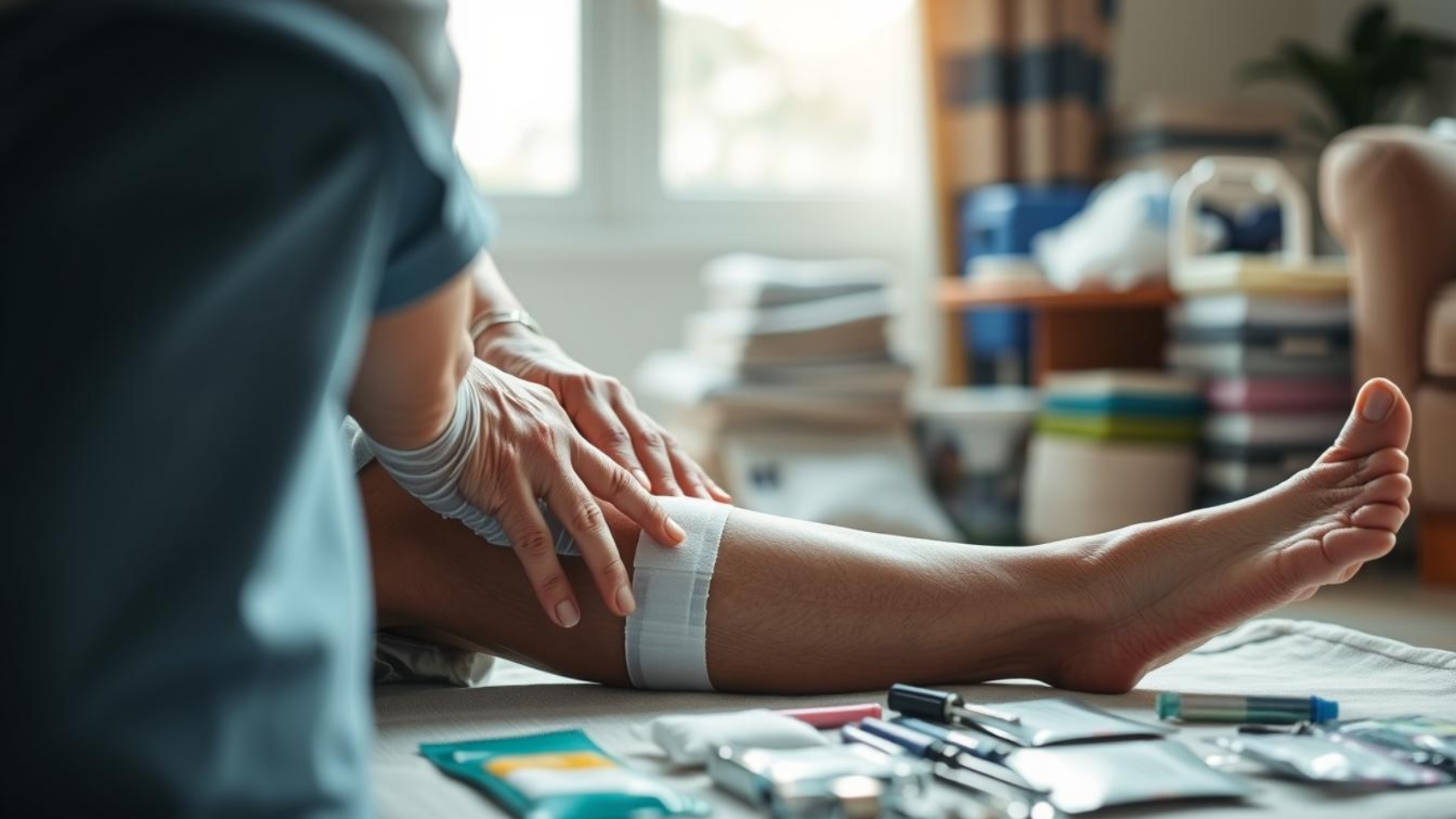
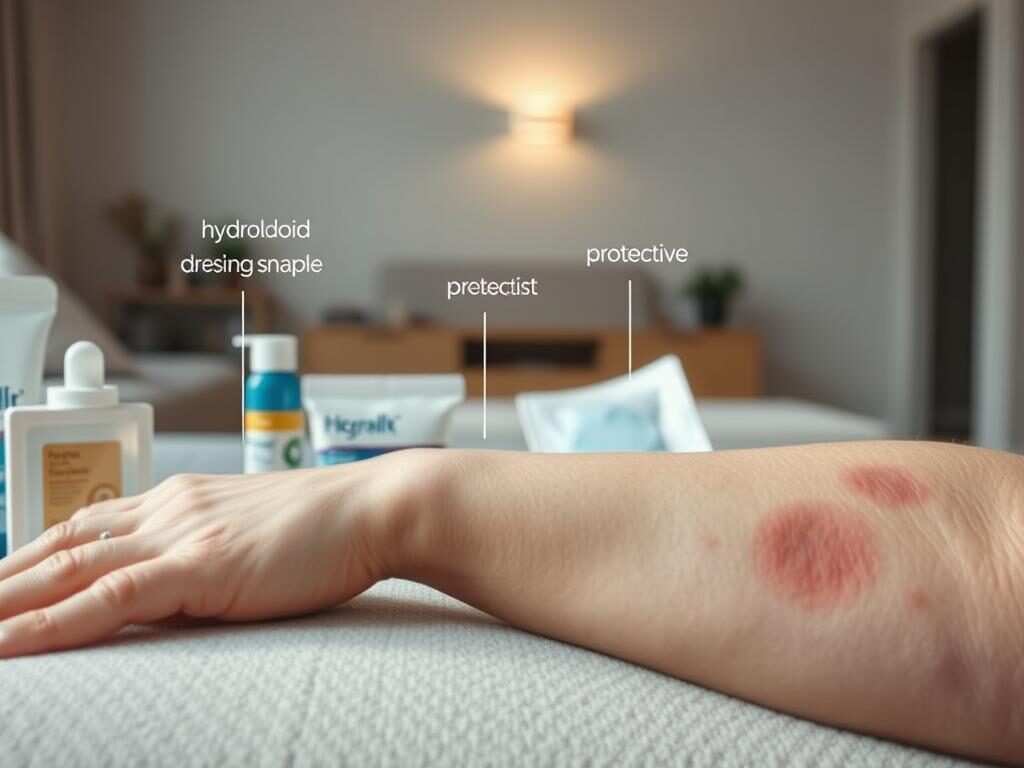
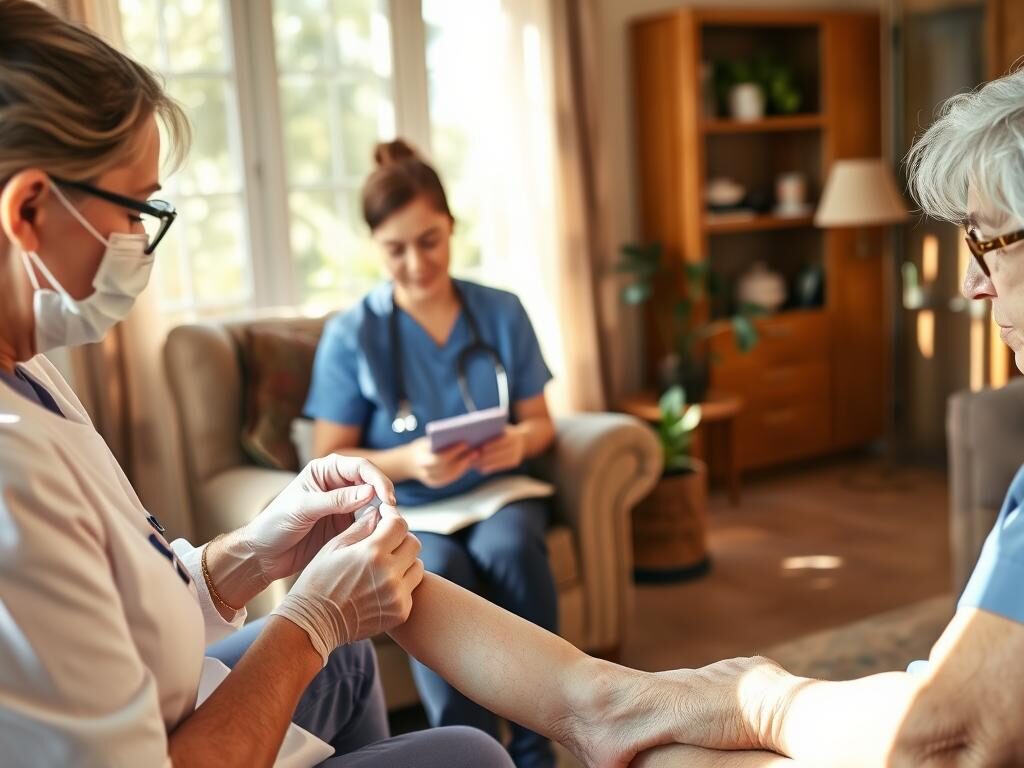
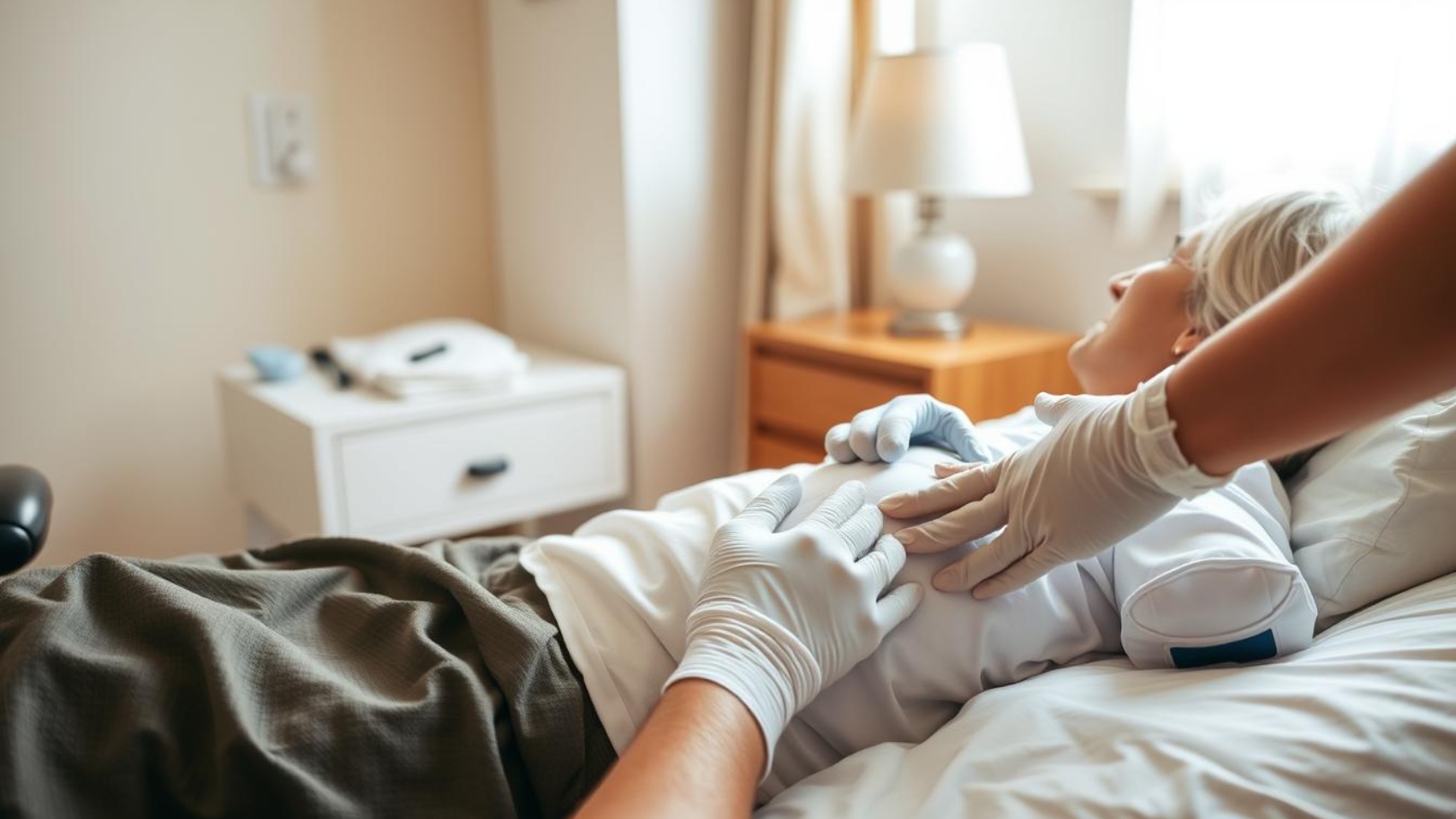
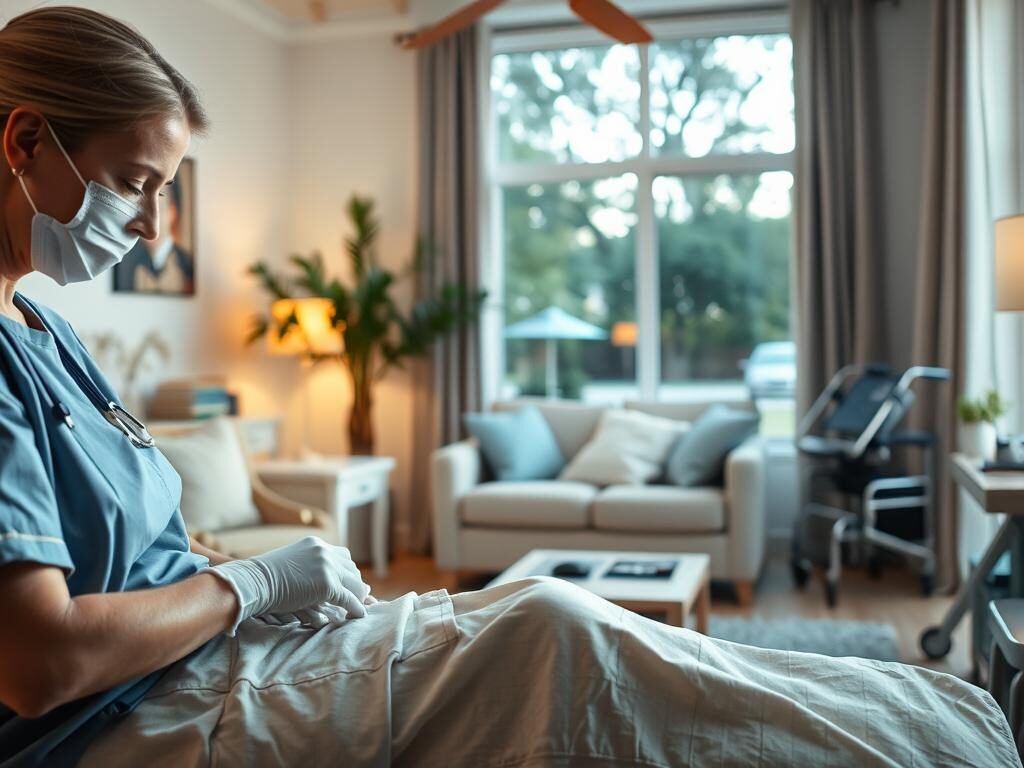
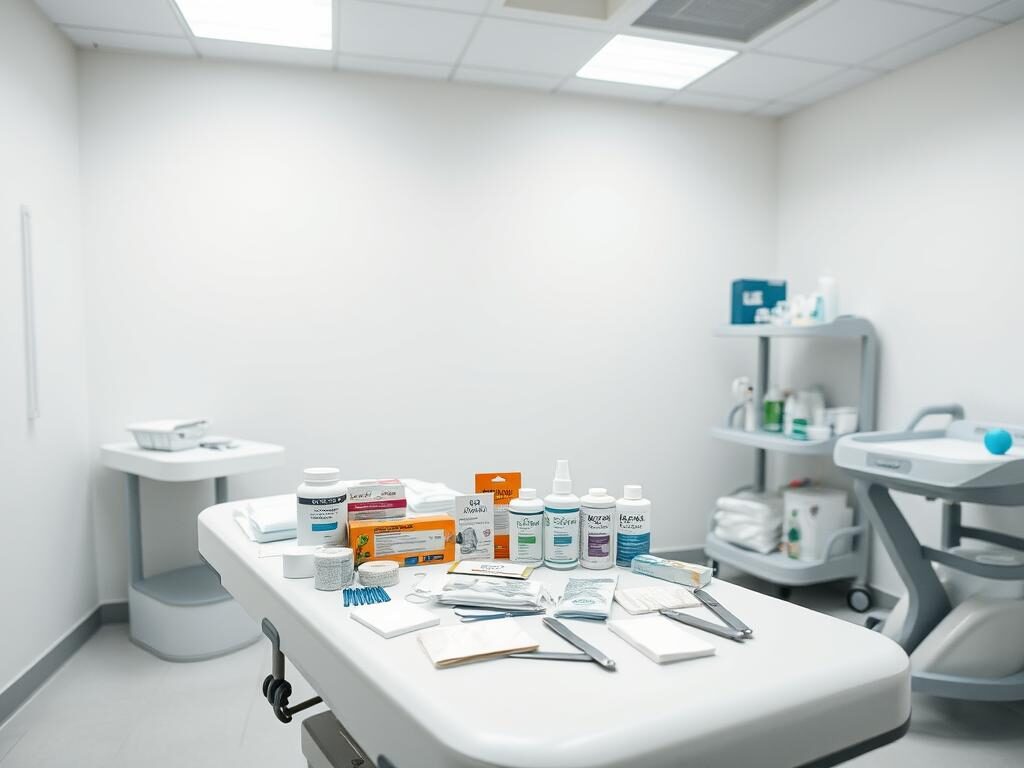
Home nursing for wounds

The Role of Home Nurses in Wound Care Recovery

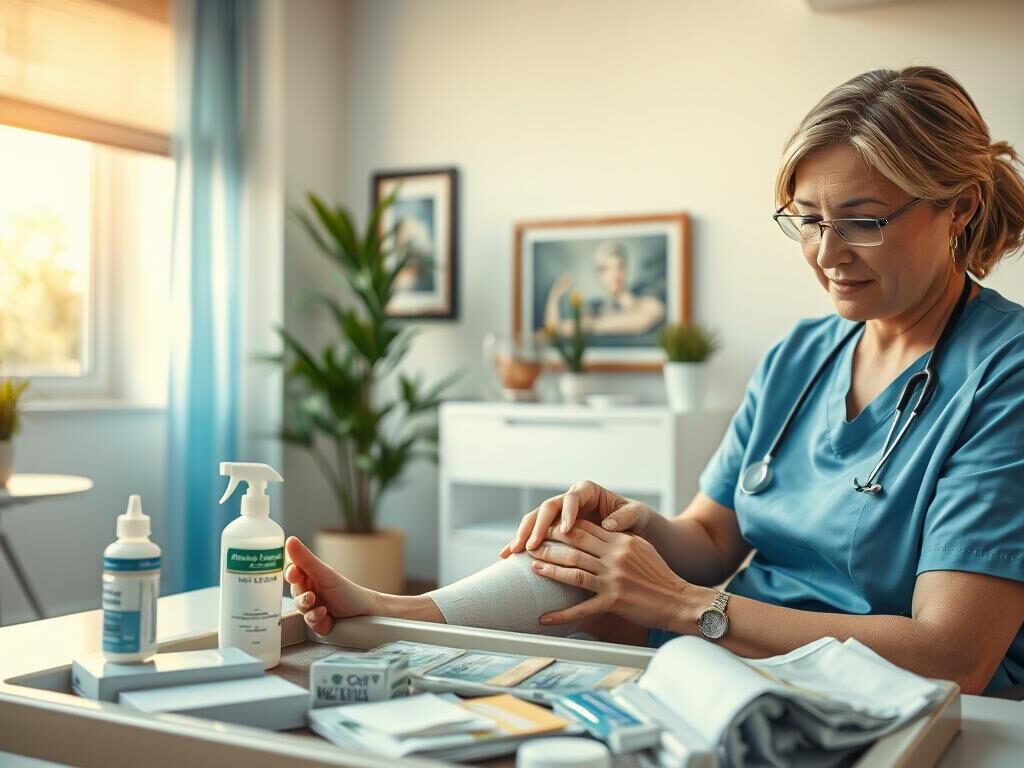
Recovering from surgery or an injury can be tough, mainly when dealing with wounds. Luckily, home health care is key in post-surgical recovery. It offers services that help with healing and getting better at home.

Getting care at home has many benefits. It includes getting personal attention, less chance of infection, and feeling more comfortable. With the aid of skilled nurses, your wounds get the care they need for the best recovery.

If you need professional wound care, think about hiring “Dominion Mobile Wound Care” for effective healing.

Key Takeaways

  • Home health care is vital for post-surgical recovery.
  • Personalized care at home lowers infection risk.
  • Skilled nurses offer expert wound care.
  • Receiving care at home boosts patient comfort.
  • Professional wound care services help with healing.

Understanding the Growing Demand for Home Nursing for Wounds

The need for skilled nurses to care for wounds at home is increasing. This change is because patients want care that is more personal and comfortable. Hospitals, while helpful, can be scary and uncomfortable for those needing long-term care.

Getting care at home lets patients recover in a place they know and feel safe. This makes their recovery better. The importance of patient care at home has grown. Studies show it helps reduce hospital pressure and makes patients happier.

Recent Statistics on Home-Based Wound Care

More and more patients are choosing to get wound care at home. They like the comfort and convenience of it. Data shows they are getting better care and are happier with it.

Year Number of Patients Satisfaction Rate
2020 10,000 85%
2021 12,000 88%
2022 15,000 92%

Factors Driving the Shift from Hospital to Home Care

Several reasons are pushing patients to choose home care over hospitals. People want care that fits their needs better. They also want to save money and enjoy new medical technologies that let them get complex care at home.

Getting care at home is more convenient. It also lets family members help with care. So, the need for skilled nurses to provide top-notch wound care at home keeps growing.

What Specialized Wound Care Services Do Home Nurses Provide?

Home nurses offer top-notch wound care right in your home. They have the skills to give you personalized care. This ensures you get the best treatment for your wound.

Types of Wounds Treated by Home Nurses

Home nurses can handle many types of wounds. They make sure each patient gets the right care for their wound. Here are some examples:

Surgical Wound Management

Surgical wounds need careful attention to avoid infection and heal well. Home nurses are experts at cleaning, dressing, and watching these wounds. This helps you recover smoothly.

Chronic Wound Treatment

Chronic wounds, like diabetic ulcers or pressure sores, need special care to heal. Home nurses know how to treat these complex wounds. They use methods that fix the root cause and help the wound heal.

Advanced Wound Care Techniques Used in Home Settings

Home nurses use advanced techniques for effective treatment. These include:

  • Debridement: Removing dead tissue to help healing.
  • Negative Pressure Wound Therapy (NPWT): A vacuum dressing to aid recovery.
  • Hyperbaric Oxygen Therapy: Breathing pure oxygen in a pressurized room to boost healing.

The table below shows the advanced techniques used by home nurses and their benefits:

Technique Description Benefits
Debridement Removal of dead tissue Promotes healing, reduces infection risk
NPWT Vacuum dressing Enhances recovery, reduces swelling
Hyperbaric Oxygen Therapy Breathing pure oxygen Stimulates healing, improves tissue oxygenation

Using these advanced techniques, home nurses can greatly improve wound healing. This means you get the best care in your own home.

The Benefits of Receiving Wound Care in Your Home

Choosing home wound care can make your recovery better. It’s more convenient and gives you peace of mind. Knowing the benefits of home care is key.

Comfort and Convenience Factors

Home wound care is very comforting. Being in a place you know can lower stress and anxiety. These are important for healing. Home nursing for wounds lets you heal in a safe, familiar spot, with your loved ones nearby.

Another big plus is the convenience. You don’t have to go to a hospital, which is great if you’re in pain or have trouble moving. Your skilled nurses will come to you, with all the tools and knowledge they need.

Reduced Risk of Hospital-Acquired Infections

Hospitals are full of germs, which can slow down your healing. Getting wound care at home means you’re less likely to get sick. Hospital-acquired infections can make things worse, taking longer to heal and causing more health problems.

A study showed a big difference in infection rates between home and hospital care. Here are some key findings:

Care Setting Infection Rate Average Healing Time
Home-Based Care 5% 6 weeks
Hospital-Based Care 12% 8 weeks

For more details on home versus hospital care, check out Dominion Mobile Wound Care. They can help you understand your options.

How Dominion Mobile Wound Care is Transforming Patient Recovery

Dominion Mobile Wound Care is changing how we treat wounds. They bring advanced care right to patients’ homes. This improves recovery and quality of life.
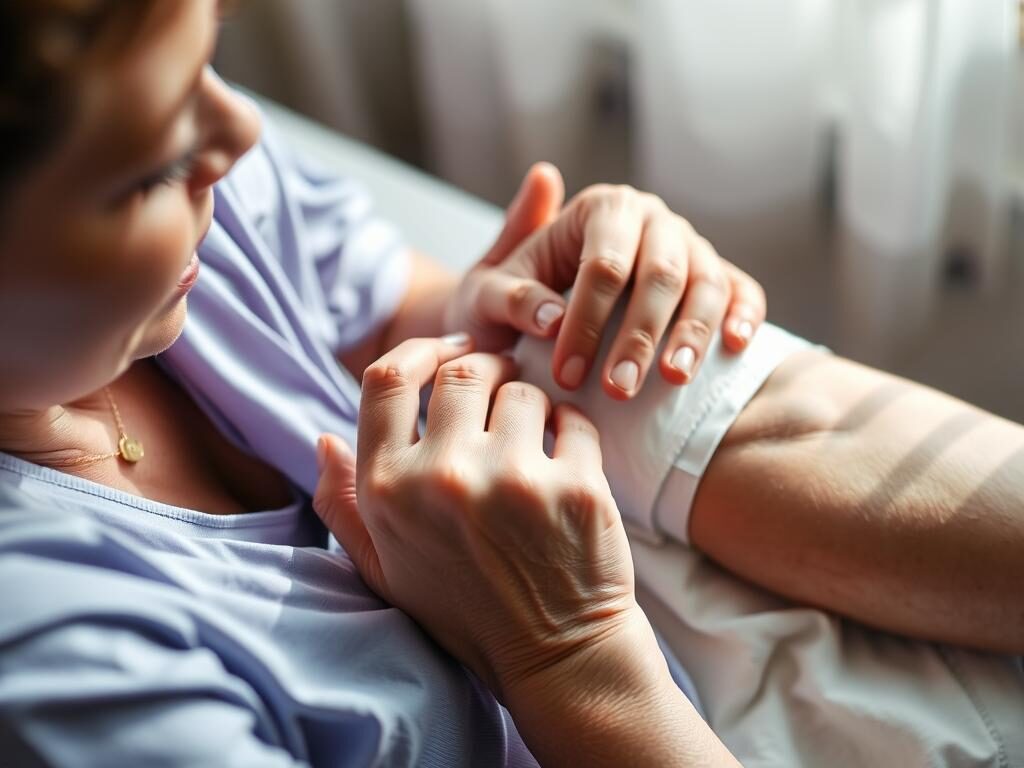
nursing wound care

Innovative Approaches to Mobile Wound Treatment

Dominion Mobile Wound Care uses new methods to treat wounds at home. Their nurses use advanced wound care techniques. They use specialized dressings and negative pressure wound therapy to help wounds heal.

Each patient gets care that fits their needs. This way, they heal in a place they feel comfortable. It’s a big step towards better recovery.

Success Stories from Dominion Mobile Wound Care Patients

Many patients have seen big improvements thanks to Dominion Mobile Wound Care. They get personalized care that really works. This care has helped them heal faster and feel better.

Patients say they heal quicker, feel less pain, and live better lives. These stories show how Dominion Mobile Wound Care is making a difference. They prove the value of their specialized care.

The Qualifications of Skilled Nurses in Specialized Wound Care

At Dominion Mobile Wound Care, our nurses have the latest knowledge and training. They provide top-notch wound care. You can trust that you’re in good hands with them.

Our team of skilled nurses has gone through tough training and has the right certifications. They are experts in specialized wound care. This means you get the best care for your wound needs.

Required Certifications and Training

Our nurses have finished special training programs in wound care. This training lets them give you care that fits your needs. Some of the key things they’ve learned include:

  • Wound care certification programs
  • Advanced training in wound dressing and management
  • Knowledge of the latest wound care technologies
Certification/Training Description Benefit to Patients
Wound Care Certification Specialized training in wound assessment and management Ensures you get full care for complex wounds
Advanced Wound Dressing Training in the latest wound dressing techniques Helps wounds heal faster and reduces problems

Ongoing Education in Wound Care Techniques

Our nurses keep up with new wound care by taking ongoing education. This means you get the best and newest care available.

Continuous Education Initiatives:

  1. Regular workshops and seminars on wound care
  2. Participation in industry conferences
  3. Subscription to the latest research and publications in wound care

Choosing Dominion Mobile Wound Care means you get nurses who are highly qualified and always learning. They are all about helping you recover.

Home Nursing for Wounds: A Cost-Effective Alternative to Hospital Stays

Home nursing for wounds is a smart choice over long hospital stays. With healthcare costs going up, getting nursing wound care at home is more attractive.

Insurance Coverage for Home Wound Care Services

One big plus of patient care at home is the wide insurance coverage for home wound care. Many plans, like Medicare and Medicaid, pay a lot of the costs.

This coverage includes skilled nurses for wound care, medical supplies, and needed equipment. It helps treat wounds well at home.

Long-term Financial Benefits of Home Treatment

Home wound care saves money in the long run. It avoids the high costs of hospital stays. It also lowers the chance of infections and the need for more hospital visits.

  • Reduced hospital stay costs
  • Lower risk of hospital-acquired infections
  • Minimized need for repeated hospital visits

Also, patient care at home lets you recover on your own schedule. This can cut down on more medical needs and costs.

In summary, home nursing for wounds is not just comfy and easy. It’s also cheaper than hospitals, thanks to insurance and big savings over time.

The Psychological Impact of Receiving Wound Care at Home

Getting wound care at home is as good for your mind as it is for your body. Being in your own space can really help your emotional health while you’re recovering.

Being in a place you know, with people you love, can make you feel less stressed and anxious. Home nursing for wounds lets you feel more in charge of your healing. This can make you feel better mentally and emotionally.

Emotional Well-being During Recovery

It’s important to remember that wound care is not just about fixing your body. It’s also about taking care of your mind. Nurses in SA know how to create a caring space that helps with both physical and emotional healing.

Getting care at home lets you keep up with your usual life and enjoy things that make you happy. This can help you stay positive while you’re recovering. Plus, it lowers the chance of getting sick from being in a hospital, which can make you feel less stressed and anxious.

Benefits of Home Wound Care for Emotional Well-being:

  • Reduced stress and anxiety
  • Increased sense of control over recovery
  • Continuity with daily routines and activities
  • Support from family and loved ones

Family Involvement in the Healing Process

Having family involved in your care at home is key. Their support and comfort are essential for healing. Nurses work with family to teach them how to help, making everyone feel part of the care team.

This team effort helps with both the physical and emotional sides of healing. It lets family members feel more involved and less worried, which is good for everyone.

Aspect of Care Family Involvement Benefits
Wound Dressing Learning dressing techniques Increased confidence in care
Medication Management Assisting with medication schedules Improved adherence to treatment
Emotional Support Providing companionship and reassurance Enhanced emotional well-being

Technological Advancements in Mobile Wound Care

Technology is changing how we care for wounds at home. Dominion Mobile Wound Care is leading this change. They use new tech to make care better, more efficient, and tailored to each patient.

technological advancements in wound care

Portable Equipment Used by Dominion Mobile Wound Care

Portable gear is a big deal in mobile wound care. Dominion Mobile Wound Care uses top-notch, small, and light devices. These tools are great at treating wounds.

  • Portable wound vacuums help wounds heal by removing fluids and improving blood flow.
  • Advanced wound dressings create the best environment for healing.
  • Digital imaging lets us closely watch how wounds are healing.

Telehealth Integration in Wound Care Monitoring

Telehealth is a big step forward in wound care. Dominion Mobile Wound Care uses it to keep an eye on patients all the time. This helps them get better faster and makes care more efficient.

Telehealth has many benefits:

Benefit Description
Enhanced Monitoring We can watch wounds progress online all the time.
Timely Interventions We can act fast if a wound changes, stopping problems.
Patient Convenience It means fewer visits, making care easier to get.

Dominion Mobile Wound Care is leading the way in home care. They make sure people get top-notch care right in their homes.

Preventing Wound Complications Through Expert Home Care

Preventing wound complications is a key goal in home nursing for wounds. Skilled nurses lead this effort. They use a detailed approach to stop problems before they start. Getting expert care at home can greatly lower the chance of wound issues.

Early Intervention Strategies

Acting fast is key to avoiding wound problems. Nurses are trained to spot issues early and fix them. This early action helps avoid infections, slow healing, and more damage.

Some important early steps include:

  • Regular checks on the wound to see how it’s healing
  • Removing dead tissue to help the wound heal
  • Using special dressings to aid in healing

Patient Education for Wound Management

Teaching patients about wound care is very important. Knowing how to care for your wound helps you recover faster and avoid problems. Nurses will teach you the best ways to care for your wound, like:

Daily Wound Care Practices

Every day, you need to care for your wound to help it heal and avoid issues. Your nurse will show you how to:

  • Clean and dress your wound right
  • Watch for signs of infection or other problems
  • Manage any pain or discomfort from your wound

Warning Signs to Watch For

Knowing the signs of trouble is important. Your nurse will teach you what to look out for, like:

  • More redness or swelling around the wound
  • Pus or discharge from the wound
  • A bad smell from the wound
  • More pain or discomfort

By watching for these signs and taking action, you can lower the risk of complications. This helps you recover smoothly.

Wound Care Practice Benefit
Regular wound assessments Early detection of possible problems
Debridement Removing dead tissue to help healing
Advanced wound dressings Support for healing

The Collaborative Approach: How Home Nurses Work with Your Medical Team

Your recovery journey is made smoother with the help of home nurses and your medical team. When you get nursing wound care at home, you’re not just getting medical help. You’re getting a detailed care plan that involves your whole medical team.

This team effort makes sure all parts of your care are thought of and put together in your treatment plan. Home nurses are key in this, connecting you with your healthcare providers.

Communication Between Specialists

Good communication between specialists is key for a successful care plan. Home nurses work closely with your doctors and other healthcare experts. This ensures everyone knows what’s going on with your treatment.

  • Regular updates on your condition and progress
  • Coordination of care plans and adjustments as needed
  • Sharing of expertise between home nurses and specialists

This clear communication helps in making smart decisions about your care. It makes sure you get the best treatment for your wounds.

Coordinated Care Plans for Optimal Recovery

A coordinated care plan is key for the best recovery. Home nurses and your medical team work together. They create a plan that meets your specific needs and helps you heal.

  1. Assessment of your wound and overall health
  2. Development of a tailored treatment plan
  3. Ongoing monitoring and adjustments to the plan as necessary

This team effort in patient care at home boosts your recovery. It also gives you the support and care you need in your own home.

When to Consider Dominion Mobile Wound Care Services

Dominion Mobile Wound Care Services make it easy to manage wounds at home. Skilled nurses SA provide top-notch care. You can be sure your wound is in good hands.

Identifying Situations That Benefit from Home Care

Home wound care is great in many situations. For example:

  • Chronic wounds that need constant care
  • Post-surgical wounds needing special attention
  • Patients with mobility issues, making it hard to go to a healthcare facility
  • Individuals who prefer wound care in their own space for emotional comfort

Home nursing for wounds can greatly improve your recovery. It offers care that fits your unique needs.

The Simple Referral Process for Getting Started

Starting with Dominion Mobile Wound Care Services is easy. Here’s how:

  1. Talk to your healthcare provider to see if Dominion Mobile Wound Care is right for you
  2. Get a referral from your healthcare provider
  3. Call Dominion Mobile Wound Care to set up an appointment

Choosing Dominion Mobile Wound Care Services is a smart move. It helps you recover effectively from home.

Conclusion: Taking the Next Step in Your Wound Recovery Journey

Learning about nursing wound care at home can really help your recovery. Dominion Mobile Wound Care offers top-notch care right in your home. They provide patient care at home that is both effective and caring.

Choosing Dominion Mobile Wound Care means you get comfort and a team that cares about you. Their nurses use the latest methods and tools. This helps your wounds heal well and lowers the chance of problems.

If you’re ready to move forward in your recovery, contact Dominion Mobile Wound Care. They’re all about helping you heal at home. With their help, your recovery will be smoother and more comfortable.

FAQ

What types of wounds do home nurses typically treat?

Home nurses treat many types of wounds. This includes diabetic foot ulcers, pressure sores, and surgical wounds. They also handle venous leg ulcers. They use advanced techniques to help wounds heal.

How do home nurses provide specialized wound care services?

Home nurses assess each wound to create a care plan. They use methods like debridement and dressing changes. They also use negative pressure therapy to aid in healing.

What are the benefits of receiving wound care at home?

Getting wound care at home is more comfortable and convenient. It also lowers the risk of infections found in hospitals. Patients can recover in a familiar setting with family support.

Are home nurses qualified to provide wound care?

Yes, home nurses are well-trained in wound care. They have specialized certifications and stay updated with the latest techniques. This ensures they provide top-notch care.

Is home wound care covered by insurance?

Many insurance plans, including Medicare and Medicaid, cover home wound care. Dominion Mobile Wound Care can help patients understand their coverage.

How do home nurses work with the medical team to coordinate care?

Home nurses work closely with doctors and other healthcare professionals. They communicate regularly to ensure a complete care plan. This helps patients recover better.

What technological advancements are being used in mobile wound care?

Dominion Mobile Wound Care uses advanced technology. They have portable equipment and telehealth integration. This allows them to monitor wounds remotely and adjust care plans as needed.

How can I get started with Dominion Mobile Wound Care services?

To start with Dominion Mobile Wound Care, contact them directly. A team member will guide you through the process.

What are the long-term financial benefits of home wound care?

Home wound care can save money compared to hospital stays. It reduces healthcare costs by minimizing hospitalizations and promoting efficient healing.

How does family involvement impact the healing process?

Family support is key in wound healing. It provides emotional support and helps with care. This leads to better outcomes and higher patient satisfaction.
San Antonio Wound Services

Comprehensive Wound Care Services Offered in San Antonio Homes

Dominion Mobile Wound Care brings clinical-quality wound care directly to your home. You get expert evaluation, diagnostics, and personalized treatments that focus on both the injury and your whole health.

Our mobile team includes certified specialists and coordinating doctors who address common causes like diabetes and circulation problems. We treat many wound types at home, from pressure ulcers to surgical and traumatic wounds.

Early action matters: if a sore shows no improvement after two weeks, a timely referral can change the healing path. Expect step-by-step plans, advanced therapy options, and regular follow-up to keep progress consistent.

We recreate office standards at your door to reduce travel and exposure risks while preserving safety and outcomes. For clear, practical care that supports faster, safer healing, hire Dominion Mobile Wound Care to help heal your wounds.

Key Takeaways

  • Dominion Mobile Wound Care delivers clinical at-home wound care in san antonio.
  • Care targets root causes like diabetes and circulation to improve healing.
  • Certified specialists and doctors provide diagnostics, treatments, and follow-up.
  • Advanced options and step-by-step plans support stubborn and complex wounds.
  • Choosing mobile care reduces travel and keeps consistent, safe attention to your wounds.

Trusted In‑Home Wound Care in San Antonio by Dominion Mobile Wound Care

You get an interdisciplinary care team at your door, combining nursing expertise, physician oversight, and diagnostic support to treat wounds safely and effectively.

Dominion Mobile Wound Care brings hospital-grade wound care into your home. Our clinicians follow office-like protocols for each visit, with careful assessment, documentation, and clear plans for ongoing treatment.

We coordinate with your primary doctors and specialists so therapies match your diagnoses and medications. A dedicated care specialist tracks progress, schedules follow-ups, and keeps your providers informed to reduce complications.

  • Home visits mirror office standards: sterile supplies, hand hygiene, and proper disposal.
  • Wounds are evaluated for size, depth, drainage, odor, and infection to adjust care early.
  • When needed, a wound care specialist performs advanced debridement and selects specialized dressings.

We emphasize clear education for you and your caregivers about dressing changes, offloading, moisture balance, and nutrition that supports healing. Expect punctual, compassionate professionals who respect your home and preferences.

Hire “Dominion Mobile Wound Care” to help heal your wounds.

San Antonio Wound Services Tailored to Your Home and Health Needs

Your in-home visit is designed to assess the whole picture — the wound, the skin around it, and the factors that affect healing.

wound care in san antonio

In‑Home Visits That Bring Advanced Wound Care to You

You receive a disciplined workflow during each visit. Clinicians take measurements, photos, and document surrounding skin to shape your treatment plan.

An Interdisciplinary Model Focused on Your Whole Health

Dominion Mobile Wound Care aligns diabetes education, infectious disease input, nutrition, and therapy when wounds need more than dressings.

Certified Wound Care Specialists and Hyperbaric‑Trained Clinicians

Our team deploys wound care specialists and clinicians with hyperbaric training when specialty judgment is needed in your home.

Personalized Treatment Plans for Faster, Safer Healing

  • Plans match your health, mobility, and home support so care is realistic and sustainable.
  • Doctors and care specialists coordinate with PT or podiatry for offloading and gait issues.
  • We prioritize gentle technique, pain control, nutrition guidance, and quick infection management.

Your visits are scheduled to match drainage, bioburden, and dressing life so progress stays on track. Plans update as your wounds respond with clear milestones to show improvement.

Hire “Dominion Mobile Wound Care” to help heal your wounds.

Hyperbaric Oxygen Therapy: How Oxygen Levels Accelerate Healing

Hyperbaric oxygen therapy uses pure oxygen inside a pressurized chamber so your lungs can absorb and carry far more oxygen to damaged areas.

How It Works: Pressurized Oxygen, Higher Tissue Supply

At roughly three times normal air pressure, oxygen dissolves into blood plasma and travels to poorly perfused tissue. This higher oxygen delivery helps reduce swelling, fights certain anaerobic bacteria, and supports collagen formation.

Benefits for Chronic Wounds, Radiation Injuries, and Compromised Grafts

Hyperbaric oxygen can stimulate growth factors and stem cells that assist complex repair. Clinical protocols in hyperbaric medicine target cases like radiation-damaged tissue and compromised grafts when extra oxygen may change healing.

When It’s Added to Your Treatment Plan

  • Therapy complements debridement and advanced dressings by optimizing biology for tissue rebuild.
  • Programs run under physician oversight with safety screening to confirm candidacy.
  • Dominion Mobile Wound Care coordinates referrals, session data, and follow-up so your home care stays cohesive.

Hire “Dominion Mobile Wound Care” to help heal your wounds.

Conditions and Wounds We Treat at Home in San Antonio

You can get focused care for slow‑healing wounds right in your home when recovery stalls. Our team evaluates the cause and applies targeted plans to reduce infection risk and speed closure.

chronic wounds

Chronic Wounds and Diabetic Ulcers That Don’t Heal

We manage chronic wounds that exceed expected recovery time. For diabetic ulcers, we combine offloading, glucose support, and moisture balance with precise dressing choices.

Pressure Ulcers, Surgical Wounds, Traumatic Injuries, and Burns

Pressure injuries get repositioning plans and surface optimization. Surgical wounds are reassessed for tension and drainage, and traumatic wounds or burns are stabilized for proper moist healing.

Radiation Injuries and Complex Skin Complications

Radiation‑affected tissue receives atraumatic care and coordination for adjunct therapies that improve local oxygenation. This helps reduce long‑term complications and supports repair.

Peripheral Arterial and Venous Insufficiency‑Related Ulcers

We work with vascular providers on cases tied to peripheral arterial disease or venous insufficiency. Perfusion, edema, and skin protection guide our plan to avoid progression toward amputation.

  • Objective tracking: measurements and photos at every visit.
  • Escalation: prompt referral for hyperbaric oxygen therapy or surgical review when indicated.
  • Caregiver training: simple steps to preserve dressings and prevent complications between visits.

Hire “Dominion Mobile Wound Care” to help heal your wounds.

Your Care Process: Comprehensive Evaluation, Debridement, and Ongoing Management

Your visit begins with a focused clinical review that maps tissue quality, circulation, and risk factors.

Assessment and Diagnostics

Your clinician measures the wound, notes drainage and odor, and inspects surrounding skin to set a clear baseline for wound treatment.

When needed, we coordinate lab evaluation, skin biopsy, or deep tissue culture with partner labs to identify organisms and guide targeted antimicrobial treatment.

Advanced Treatments

  • Debridement: we remove nonviable tissue and biofilm using conservative sharp, autolytic, enzymatic, or surgical methods based on tolerance and goals.
  • Negative pressure: controlled suction manages exudate, promotes granulation, and protects fragile edges.
  • Total contact casting and offloading: these reduce repetitive pressure on diabetic foot ulcers so tissue can rebuild over time.
  • Dressings—foams, alginates, hydrofibers, and collagen matrices—are chosen to balance moisture and depth for optimal healing.

If vascular issues slow progress, we coordinate with your doctors for PAD or venous insufficiency management so treatments align with perfusion goals.

Reassessments occur at planned intervals and we teach you and caregivers how to maintain dressings and protect periwound skin between visits. When needed, we integrate hyperbaric medicine consultations to keep care unified and efficient.

Hire “Dominion Mobile Wound Care” to help heal their wounds.

Why You’ll Choose Dominion Mobile Wound Care for At‑Home Treatment

Dominion Mobile Wound Care brings experienced clinicians and proven protocols into your home so you get office‑level quality without the commute.

Experienced Team, Coordinated Care, and Evidence‑Based Protocols

Our staff includes physicians trained in hyperbaric and wound medicine, nurses skilled in chronic care, and technicians for non‑invasive studies.

Our staff follows evidence‑based protocols and strict infection control so your visits mirror office standards for sterile technique and documentation.

Convenience Without Compromise: Office‑Level Quality in Your Home

We coordinate with your existing providers so you have one unified plan. A wound care specialist or care specialist is assigned when advanced follow‑up is needed.

  • Measured progress with photos and clear notes for your doctors.
  • Specialists and nurses skilled in complex dressings, negative pressure, and offloading.
  • Appointments built around your schedule; supplies and expertise arrive at your door.
  • We highly recommend early engagement if a sore shows little improvement after two weeks.

You get focused education, clear goals, and timely escalation when needed so treatment stays on track toward healing.

Hire “Dominion Mobile Wound Care” to help heal their wounds.

Coverage Areas, Insurance Support, and Easy Contact in San Antonio

Getting started should be simple. You can count on fast, reliable coverage across our metro areas for same‑week assessments and urgent dressing needs.

Where We Serve: san antonio and Nearby Areas

Dominion Mobile Wound Care serves san antonio neighborhoods and surrounding communities with clear scheduling windows and rapid response for new referrals.

  • Our administrative staff helps patients navigate insurance benefits, authorizations, and documentation so visits match your coverage.
  • You get a clear plan for visit frequency, supply management, and escalation paths so clinical progress is never stalled.
  • We make contact easy by phone, secure messaging, and caregiver coordination to keep communication open between visits.
  • If your address sits at the edge of our coverage areas, we confirm availability and suggest alternatives when needed.
  • Our team coordinates with home health agencies and your PCP for smooth authorizations and continuity of treatments.

Families highly recommend our responsiveness and the way our staff handles scheduling and benefits. Ask about same‑week openings to start care quickly.

Hire “Dominion Mobile Wound Care” to help heal their wounds.

Conclusion

, A coordinated plan that pairs at‑home treatments with targeted oxygen therapy helps you regain tissue health faster.

Dominion Mobile Wound Care blends practical home care with hyperbaric oxygen therapy when needed to support healing of chronic wounds and diabetic ulcers. Clinicians screen safely, refer for care hyperbaric, and fold session results back into your treatment plan.

You get regular reassessment, clear goals, and prompt escalation if infection or circulation problems appear. Staff teach simple steps to protect skin, manage dressings, and reduce pressure so therapies can work.

Transparent notes and team communication keep your doctors informed and speed recovery. Ready for expert at‑home care in san antonio? Hire “Dominion Mobile Wound Care” to help heal their wounds.

FAQ

What in‑home wound care services do you provide?

You receive a full range of home-based wound treatments, including wound assessment, debridement, infection management, dressing changes, negative pressure wound therapy, contact casting, and coordination with your primary care or specialist team. Hyperbaric oxygen therapy consults and referrals are available when needed to improve tissue oxygenation and support healing.

Who provides care during in‑home visits?

A team of certified wound care specialists, hyperbaric‑trained clinicians, and licensed nurses delivers care. Your team follows evidence‑based protocols and works with your physicians to create a personalized plan that addresses medical history, vascular status, and mobility needs.

How does hyperbaric oxygen therapy (HBOT) help chronic wounds?

HBOT increases the amount of oxygen delivered to damaged tissue by using pressurized oxygen, which supports new blood vessel formation, reduces infection risk, and enhances the effectiveness of antibiotics. It is often recommended for diabetic ulcers, radiation injuries, compromised grafts, and other chronic, slow‑healing wounds.

When will HBOT be added to my treatment plan?

Your clinician considers HBOT if wounds do not respond to standard care, if there is documented hypoxia in the tissue, or if you have specific indications like radiation injury or compromised grafts. A specialist evaluates your medical history and diagnostic tests before recommending HBOT as part of a coordinated plan.

Do you treat diabetic and pressure ulcers at home?

Yes. You can receive comprehensive management for diabetic foot ulcers, pressure injuries, and other chronic wounds in your residence. Care includes assessment, off‑loading strategies, debridement, infection control, and ongoing monitoring to reduce the risk of complications and amputation.

What diagnostic tests are performed during home care?

Clinicians perform vascular assessments, wound cultures, lab evaluations, and, when necessary, arrange skin biopsy or deep tissue culture. These diagnostics guide targeted treatments like antibiotics, revascularization referrals, or advanced therapies such as negative pressure or HBOT.

How do you coordinate care with my doctors and insurance?

Your wound care team communicates regularly with referring physicians, specialists, and rehabilitation providers to align treatment goals. The billing and administrative staff assist with insurance verification, prior authorizations, and documentation to support coverage for medical therapies and home visits.

Are home visits as effective as clinic‑based care?

Yes. You receive office‑level quality in your home through a coordinated interdisciplinary model. Clinicians bring advanced equipment, follow evidence‑based protocols, and tailor treatments to your environment, improving adherence and comfort while maintaining clinical outcomes.

How long does it take to see improvement in wound healing?

Healing timelines vary by wound type, size, blood flow, infection status, and your overall health. Many patients see measurable progress within weeks of starting a comprehensive plan that may include debridement, infection control, off‑loading, and adjunctive therapies like HBOT.

What should I do if my wound shows signs of infection or worsens?

Contact your wound care clinician or referring physician immediately if you notice increased pain, redness, swelling, foul odor, new drainage, fever, or rapidly spreading changes. Early intervention with antibiotics, dressing changes, or urgent debridement reduces the risk of serious complications.

Which conditions may require referral for vascular or surgical intervention?

If you have peripheral arterial disease, nonhealing wounds despite optimized local care, or large infected areas, your team may refer you to a vascular surgeon, interventional radiologist, or podiatric surgeon for evaluation of revascularization, grafting, or operative management.

How do you ensure safety and infection control during home treatments?

Clinicians follow strict infection‑control protocols, including sterile technique for debridement, proper disposal of materials, and use of personal protective equipment. They also educate you and caregivers on wound hygiene and safe dressing changes between visits.

Can you help prevent future wounds and reduce recurrence?

Yes. Your care plan includes risk factor management, education on foot and skin care, off‑loading devices, mobility and pressure‑relief strategies, nutrition counseling, and regular follow‑up to lower the chance of recurrence and promote long‑term tissue health.

How do I schedule an in‑home wound care evaluation?

Call the clinic’s contact number or complete an online referral to request an evaluation. A clinician will verify insurance, review your history, and arrange a convenient visit to assess the wound, order necessary diagnostics, and begin a personalized treatment plan.

wound care for seniors

The Importance of Specialized Wound Care for Seniors at Home

Dominion Mobile Wound Care explains why targeted support matters when older adults face skin injuries at home.

As people age, thinner skin, slower cell turnover, and fragile blood vessels slow healing. Chronic diseases and certain medications also disrupt clotting and delay recovery.

Timely specialist input can prevent persistent problems, reduce infections, and protect independence and quality of life.

Home-based treatment guided by evidence and regular assessment offers a safe option. Proper assessment, dressing selection, and follow-up lower rehospitalization risk and support daily routines.

This introduction previews practical prevention steps, clear signs to seek medical evaluation, and how mobile services bring expert help today. Readers will see why hiring Dominion Mobile Wound Care can bridge the gap between everyday tasks and advanced clinical treatment.

Key Takeaways

  • Age-related skin changes slow healing and raise risk after injuries.
  • Chronic illness and some medications can impair recovery.
  • Home-based, evidence-led treatment reduces complications.
  • Regular assessment, proper dressings, and follow-up are essential.
  • Mobile specialist services make advanced support accessible today.

Why Specialized Home Care Matters for Older Adults

Aging changes skin structure, making small cuts and tears harder to seal quickly. That shift affects independence and the ability to stay living at home safely.

Dominion Mobile Wound Care brings clinical-grade services into the home to help families balance independence with skilled support. Mobile clinicians assess the area, teach gentle cleaning and dressing, and spot early signs that need escalation.

Present-day realities: aging, independence, and safer healing at home

Older people have less collagen, reduced elasticity, and more fragile blood vessels. These changes make minor injuries more likely to bruise and take longer at healing.

Simple measures at home—gentle cleansing, steady pressure, and added padding beneath a bandage—can help in many cases. If bleeding persists or a cut is deep, trained clinicians provide prompt clinical intervention.

  • Prompt attention: Home routines let caregivers act quickly when signs of delayed healing appear.
  • Personalized oversight: Regular visits coordinate meds, nutrition, and mobility to support whole-person recovery.
  • Safer living: Mobile teams reduce travel stress and close gaps between clinic visits and daily needs.

How aging affects the healing process and skin integrity

Healing slows with age because tissue repair mechanisms become less efficient and local circulation changes. That shift alters each step of the normal healing process.

aging skin

Normal stages of repair

The acute healing process follows four clear stages: coagulation, inflammation, proliferation, and maturation.

When bacteria, necrotic tissue, or poor moisture balance exist, the process can stall in the inflammatory phase and become chronic.

How skin changes with age

Older skin shows a thinner dermis and lower collagen levels. Small blood vessels become fragile and dermal tensile strength drops.

Gland atrophy reduces moisture, causing dryness that weakens the barrier and makes dressings harder to place and remove.

Systemic contributors that slow recovery

Conditions such as diabetes and peripheral vascular disease reduce perfusion and oxygen to tissue. Some drugs—anticoagulants, NSAIDs, and immunosuppressants—affect clotting and immune response.

  • Assessment: Dominion Mobile Wound Care evaluates the area and systemic issues like nutrition, hydration, and mobility.
  • Plan: Clinicians tailor strategies to protect delicate skin, optimize blood flow, and restore moisture balance.

How to perform safe at-home wound care for older adults

Simple, steady steps at home help protect fragile skin and speed safe recovery after a cut.

Start clean

Wash hands before and after the task and set a tidy surface with supplies. Clean technique reduces contamination and makes each step predictable.

Stop bleeding

Apply gentle, sustained pressure with sterile gauze to stop bleeding. If the person takes anticoagulants or antiplatelet medications, expect it may take longer; seek help if bleeding does not slow.

Rinse and clean

Rinse debris with clean running water or saline. Use mild soap around the area only and avoid hydrogen peroxide or harsh antiseptics that damage tissue.

Protect and moisturize the wound bed

Place a thin layer of petroleum jelly on the wound bed to keep moisture balanced. For fragile skin tears, a hydrogel can help maintain hydration; routine antibiotic ointments are often unnecessary.

Dress and secure

Choose a nonstick bandage sized to the injury and add light padding beneath to provide gentle pressure without constriction. Change the bandage daily or sooner if wet or soiled, and avoid adhesives on fragile edges.

Pain and medications

Monitor pain and review medications that affect bleeding or immunity. Avoid routine NSAIDs if a clinician advised otherwise, and contact a mobile clinician if a cut continues to ooze, the area shows new redness, swelling, or foul odor.

  • Tips: Document time, products, and observations to help the care team refine routines.
  • Tips: Dominion Mobile Wound Care offers step-by-step guidance, supplies, and follow-up visits to keep home routines consistent and safe.

wound care for seniors: prevention strategies that reduce complications

A few consistent habits will keep fragile skin stronger and lower complication risk.

pressure skin prevention

Dominion Mobile Wound Care helps set up simple, evidence-based routines at home. These routines include repositioning schedules, moisturizer protocols, off-loading, and nutrition coordination.

Maintain skin balance

Moisturize daily, especially over bony prominences. Use barrier creams to protect against moisture linked to incontinence.

Keep the sacral area clean and dry. Document products and times so family members follow the same plan.

Nutrition and activity

Prioritize protein, calories, and hydration to support tissue repair and healing.

Encourage safe walking each day when possible. For venous conditions, elevate legs and check arterial flow before using compression.

Offloading and pressure relief

  • Reposition at least every two hours in bed and float heels off the mattress.
  • Match support surfaces to need: static for moderate risk, dynamic for those who cannot reposition.
  • Use off-loading devices—total contact casts, wedged shoes, or walkers—when pressure points or ulcers appear so wounds heal.

Diabetic foot prevention

Never walk barefoot. Use protective footwear and arrange regular callus removal by trained professionals.

Reduce infections and friction by keeping dressings clean, watching for drainage changes, and avoiding ill-fitting shoes.

Practical tips: Coach people and families to check heels and sacrum daily, rotate seated positions, and record prevention steps in the home living plan.

When to seek medical attention and what specialized care includes

Timely recognition of worsening signs lets clinicians stop infection early and guide effective treatments.

Recognizing escalating infection

Seek medical attention when redness spreads, swelling increases, pain becomes severe, or drainage turns gray or foul.

Red streaks toward the nearest lymph nodes, a fever over 100.4°F, or new systemic symptoms mean the body is fighting an infection and needs prompt review.

Triaging injuries at home

Minor tears and small cuts often respond to basic measures. Get urgent help in cases of persistent bleeding, deep lacerations, third-degree burns, or wounds larger than three inches.

Vascular and neuropathic clues

Arterial ulcers are usually very painful with pale, punched-out beds and little drainage. Venous ulcers are shallow, irregular, and show heavier exudate and swelling.

Neuropathic ulcers form at pressure points in insensate feet. Adults with sensory loss may not notice pain even when tissue is at high risk.

Evidence-based treatments specialists provide

  • On-site assessment and debridement to remove nonviable tissue and lower bacterial burden.
  • Moisture balance with targeted dressings—hydrogels, foams, alginates, hydrocolloids—matched to the area and drainage.
  • Compression guidance for venous disease after confirming adequate arterial flow and ABI when needed.
  • Pain management tailored to medications and pressure off-loading to help wounds heal.

Dominion Mobile Wound Care brings these diagnostics and treatments to the home, coordinating labs and referrals in place today so adults avoid needless travel and get quicker recovery.

Conclusion

Combining daily protection with prompt clinical oversight improves outcomes after a cut. Simple steps—cleaning with water and mild soap, applying petroleum jelly or a hydrogel, and using a nonstick bandage with daily changes—support faster healing at home.

Recognizing delay related to age helps families seek medical attention early and avoid infections or setbacks. Gentle pressure to stop bleeding, correct dressing choice, and prevention measures like moisturizers and off‑loading matter as much as treatment.

Home-based services reduce strain on living routines by bringing assessment, supplies, and follow-up to the place where recovery happens. Hire Dominion Mobile Wound Care to help heal their wounds and guide safe, evidence-based steps at home.

FAQ

What makes specialized at-home wound support important for older adults?

Older adults have thinner skin, less collagen and fragile blood vessels that slow healing. Specialized home strategies reduce infection risk, prevent complications like pressure injuries and ulcers, and help maintain independence by using safe cleaning, protection, and monitoring techniques tailored to age-related changes and chronic conditions.

How does aging change the normal healing stages?

Healing still follows coagulation, inflammation, proliferation and maturation, but each stage runs slower. Reduced cell turnover, lower immune response and diminished blood flow prolong inflammation and delay tissue formation, which raises the chance of chronic wounds and infection.

What immediate steps should be taken to stop bleeding at home?

Apply gentle, sustained pressure with a clean cloth or gauze for several minutes. Elevate the limb if possible. If bleeding soaks through dressings, add more layers without removing the original bandage. Seek help if bleeding doesn’t slow, if the person is on blood thinners, or if the cut is large or spurting blood.

How should a minor skin injury be cleaned safely at home?

Wash hands and prepare a clean surface. Rinse the area with running water or saline and remove visible debris with gentle irrigation. Use mild soap around the site only; avoid hydrogen peroxide or alcohol on the wound bed because they damage tissue. Pat dry with sterile gauze before dressing.

What topical options help protect and moisturize the wound bed?

Petrolatum-based products or hydrogels maintain a moist healing environment without irritating tissue. Avoid routine use of broad antibiotic ointments unless prescribed, since they can cause contact dermatitis. Barrier creams protect surrounding skin, especially in cases of incontinence or drainage.

How often should dressings be changed and what coverings work best?

Change dressings daily or sooner if they become wet or soiled. Use nonstick primary dressings with an absorbent secondary layer and secure with tape or wrap that does not constrict. Choose products that balance moisture and protection based on drainage and skin fragility.

Which medications affect healing and require extra caution?

Anticoagulants increase bleeding risk and make pressure control harder. Systemic steroids and certain immunosuppressants slow tissue repair. NSAIDs may reduce inflammation but can impair early healing—discuss medication adjustments with the prescribing clinician if wounds are slow to close.

What preventive measures reduce complications at home?

Maintain skin hydration with emollients, use barrier creams for incontinence, encourage protein-rich meals and hydration, support mobility to offload pressure points, and inspect skin daily. Proper footwear, callus control and foot inspection are vital for people with diabetes.

How can caregivers offload pressure and protect bony areas?

Reposition every two hours in bed and every hour in a chair when possible. Use heel floats, pressure-redistributing cushions or specialty mattresses as recommended. Keep skin clean and dry, and cushion vulnerable areas to prevent shear and friction.

What are clear signs that medical attention is needed?

Seek prompt care if there is spreading redness, increased swelling, gray or green drainage, foul odor, fever, red streaks toward the heart, severe pain, or if the wound enlarges or fails to improve after several days. Immediate evaluation is required for large, deep, or burn injuries.

How are vascular or neuropathic ulcers identified?

Vascular ulcers often show discoloration, persistent edema and poor pulses; they may be painful. Neuropathic ulcers, common in diabetes, may appear on pressure points of the foot with callus formation and reduced sensation. Both need specialist assessment for circulation and offloading.

What evidence-based treatments might clinicians use for chronic or complex wounds?

Clinicians use debridement to remove dead tissue, advanced dressings that maintain moisture balance, compression therapy for venous disease, and biologic or device-based therapies when indicated. Treatment plans address underlying issues like nutrition, blood flow and infection control.

How does nutrition support tissue repair in older adults?

Adequate protein, calories, vitamins (A, C), zinc and hydration support collagen production and immune function. Dietitians often recommend lean protein, dairy or supplements when intake is low. Malnutrition slows healing and increases complication risk.

When should someone with diabetes seek specialized foot services?

Anyone with a foot sore, callus with redness, swelling, drainage, or decreased feeling should see podiatry or wound specialists promptly. Early off-loading, debridement and assessment of circulation reduce the risk of infection and amputation.

Can home caregivers manage minor skin tears, and how?

Yes. Clean the area, realign skin edges gently, apply a nonstick dressing or adhesive closure strips for small tears, and protect the surrounding skin with barrier cream. Monitor daily for signs of infection and get medical help if the tear is large or the person has poor circulation or anticoagulation therapy.

mobile wound care for seniors San Antonio

Why More San Antonio Seniors Are Choosing Mobile Wound Care – Part 4

More seniors in San Antonio are choosing mobile wound care. This is because it lets them get care at home. This is very comforting for them.

Mobile wound care helps manage chronic wounds well. It also helps family caregivers a lot. This way, seniors get care that fits their needs perfectly.

Key Takeaways

  • Mobile wound care offers convenience and personalized treatment.
  • Seniors prefer receiving care in familiar surroundings.
  • In-home medical care enhances accessibility for elderly patients.
  • Mobile services alleviate caregiver burdens.
  • This trend reflects a growing need for effective senior care solutions.

The Rise of Mobile Wound Care in San Antonio

More seniors in San Antonio want mobile wound care. They like getting medical help at home. This makes them feel safe and comfortable.

In-home care is great for the elderly. It meets their special needs. This is why it’s becoming more popular.

Convenience and Comfort for Seniors

Seniors with mobility issues need wound care. Mobile care brings it to them. This saves them from going to clinics.

They get treated at home. This makes them feel more at ease. Being in their own space helps too.

Accessibility of In-Home Medical Care

Getting to clinics is hard for seniors. Mobile care makes it easier. It brings treatment right to their door.

This means no long trips. It also means care when they need it most. Studies show it helps them heal faster.

Understanding the Needs of the Elderly Population

Every senior is different. They have their own health needs. Services like Dominion Mobile Wound Care get this.

They offer care that fits each senior’s life. This helps them get better. It’s a big help for our seniors.

Mobile Wound Care for Seniors San Antonio

In San Antonio, we have mobile wound care for seniors. It makes recovery better and brings medical services to our homes. Trained professionals come to us to check and care for wounds. This way, we get quality care without having to go out.

Expert Care Delivered Directly to Your Door

Getting care at home is a big help for the elderly. Our skilled team brings what’s needed for wound care. They make plans just for you, right in your home.

Benefits of On-Site Treatment for Chronic Wounds

On-site treatment has many good points. It means we don’t wait for things we need. This quick action helps wounds heal faster and lowers the chance of infection.

We can also keep checking on how you’re doing. This helps make sure you get the best care for your needs.

mobile wound care for seniors San Antonio

Importance of Professional Wound Management

Wound care is very important for older people. Mobile wound care in San Antonio helps a lot. It stops infections and manages problems.

With the right care, seniors can avoid big problems from wounds.

Prevention of Infection and Complications

Wound care for the elderly aims to stop infections. Doctors do detailed checks and make special care plans. They watch closely and act fast to help wounds heal.

Advanced Therapies for Non-Healing Wounds

We use new treatments for wounds that won’t heal. Things like negative pressure therapy and special dressings help a lot. These methods help wounds heal at home, which is very important.

mobile wound care for seniors San Antonio

Diet and Lifestyle Factors Influencing Wound Healing

Diet and lifestyle play big roles in healing wounds. For the elderly, eating right is key to getting better. Good food choices help wounds heal faster.

Nutrition as a Cornerstone of Recovery

Nutrition is very important for healing wounds. Foods with protein, vitamins C and A, and zinc help a lot. They help fix tissues and keep the body strong.

Having meals full of these nutrients helps the body heal faster. We should also help seniors get the right food in San Antonio. This makes their treatment better.

Hydration and Healing: What You Need to Know

Drinking enough water is also very important. It keeps the skin flexible and helps cells heal. We should drink at least eight glasses of water a day.

Stay away from drinks that dry you out, like alcohol and caffeine. Drinking water helps wounds heal better in the elderly. This, along with professional care, makes seniors in our community heal faster.

Conclusion

Mobile wound care for seniors in San Antonio is a new way to help. It lets seniors get care at home. This makes them more comfortable and gets them the care they need.

Services like Dominion Mobile Wound Care give seniors the care they need at home. This is important for healing and getting better.

As more seniors need care, mobile wound care is becoming more important. It helps seniors get better health outcomes. It’s a way to meet the special needs of our elderly loved ones.

We should think about using mobile wound care for our seniors. It’s a good choice for care at home. With services like Dominion Mobile Wound Care, we can make sure our seniors get the best care.

Let’s make sure our seniors get the care they need. We can do this by looking into all the care options available. This way, we can make sure they are treated well.

FAQ

What is mobile wound care?

Mobile wound care lets doctors treat wounds at seniors’ homes. It’s easy and personal.

Why should seniors prefer mobile wound care services?

Seniors like it because they get care at home. It’s comfy and less stressful. They get care that fits their needs.

How does mobile wound care benefit family caregivers?

It helps family caregivers by taking care of wounds. They can focus on being there for their loved ones.

What types of chronic wounds can be treated with mobile wound care?

It treats many chronic wounds like pressure and diabetic ulcers. Each patient gets special care.

How important is professional wound management for seniors?

It’s very important. Bad care can cause serious problems. Mobile wound care experts help a lot.

What are the signs of infection in a wound?

Look for redness, swelling, warmth, pus, and fever. If you see these, get help fast.

How can diet and lifestyle impact wound healing in seniors?

Eating right helps wounds heal. Seniors need protein, vitamins, and water. Good food helps with healing.

What should seniors do if they notice a non-healing wound?

If a wound won’t heal, get help right away. Mobile wound care can help make a plan.

Is mobile wound care available for all seniors?

Yes, it’s for all seniors with chronic wounds. They just need to meet some rules, which the service can explain.

pressure sore care at home San Antonio

Are Pressure Sores a Sign You Need In-Home Wound Care?

Pressure sores, also known as pressure ulcers, show deeper problems with skin and tissue. They happen when there’s too much pressure, often in people who can’t move much. It’s key to know when to get help from in-home wound care services.

Good care for bedsores is vital for our health. Learning about pressure sores helps us act fast.

Key Takeaways

  • Pressure sores indicate tissue damage from prolonged pressure.
  • In-home wound care is crucial for individuals with limited mobility.
  • Timely intervention can prevent further complications.
  • Regular monitoring can lead to effective bedsore treatment.
  • Professional support enhances healing and recovery.

Understanding Pressure Sores

First, let’s learn about pressure sores. These sores happen when skin gets hurt from too much pressure. This usually happens on bony spots like heels or hips. They’re also called bedsores or decubitus ulcers.

Knowing these names helps us talk about how to stop them.

What are Pressure Sores?

Pressure sores are damage to the skin and what’s under it. They mostly happen to people who can’t move much. This leads to bad blood flow and tissue damage.

Spotting them early is key to managing and preventing them.

How Pressure Sores Develop

Sores form when too much pressure cuts off blood flow. Being stuck in one place for too long is a big risk. This includes being in a wheelchair or bed for a long time.

Knowing what causes them helps us care for people better.

Common Risk Factors for Pressure Sores

Some things make us more likely to get pressure sores. Being older is a big risk. So are medical problems like diabetes and Alzheimer’s.

Also, skin that’s not strong and not eating enough can increase risk. Knowing these risks helps us prevent sores better.

Stages of Pressure Sores

Knowing the different stages of pressure sores is key in wound care nursing. It helps us act fast to stop more harm and help wounds heal. Let’s look at what each stage means to get better at this important job.

Identifying Stage I and II Pressure Sores

Stage I pressure sores look like a red spot that doesn’t turn white when pressed. This first sign means we need to watch it closely. Stage II shows open sores or blisters, meaning the skin has broken down. Spotting these early helps avoid bigger problems.

Recognizing Stage III and IV Pressure Sores

Stage III pressure sores show deeper tissue loss, with fat visible. This means the wound is getting worse and needs quick help. Stage IV has even worse damage, going through all layers of tissue, possibly showing muscle or bone. Knowing these signs is key to getting the right care.

Unstageable and Deep Tissue Injuries

Unstageable pressure sores have dead tissue covering them, hiding how bad they are. We can’t see how deep they are until we remove this layer. Deep tissue injuries have dark skin, showing damage under the surface. Quick action can greatly improve healing chances.

Symptoms and Warning Signs of Pressure Sores

It’s important to know the signs of bedsores to prevent them. We need to watch for changes that might mean a sore is coming. Spotting these signs early helps us stop problems before they get worse.

Initial Signs of Pressure Injury

The first signs of a sore might be a red or different-colored spot on the skin. For people with darker skin, it could look purple or blue. We should always look for any skin changes that could mean a sore is starting.

By catching these signs early, we can stop sores from getting worse.

Symptoms Indicative of Infection

Don’t ignore signs of infection. Look for pus, a bad smell, warmth, or fever. If you see these, get medical help right away.

Spotting these signs fast is key to getting better and staying healthy.

Importance of Timely Intervention

Acting quickly is key when it comes to pressure sores. Ignoring them can lead to big health problems. By acting fast, we can stop these issues before they get worse.

Consequences of Ignoring Pressure Sores

Not treating pressure sores can cause serious health issues. Sores can get infected, leading to bigger problems. This might mean we need to go to the hospital for a long time.

But, if we act early, we can avoid these big problems. This helps us stay healthy and feel better.

Role of Wound Care Nurses in Treatment

Wound care nurses are very important in treating pressure sores. They use special methods to help us heal. Their skills help us get better faster.

These nurses are our guides on the road to healing. They help us with their knowledge and care.

importance of early intervention in pressure sores

Effective Pressure Sore Care Strategies

We know how important it is to prevent and treat pressure sores. Using home ulcer care and pressure-relieving devices helps. This makes healing faster and makes people more comfortable.

Home Ulcer Care Techniques

Home ulcer care is key for managing pressure sores. Here are some top tips:

  • Regular repositioning: Moving every two hours helps avoid new sores.
  • Maintaining skin hygiene: Clean the sore area with mild soap and water to stop infections.
  • Using appropriate moisture barriers: Moisture barriers keep the skin moist and protect it, helping it heal.
  • Monitoring progression: Watch for any changes in sores to catch problems early.

Utilizing Pressure-Relieving Devices

Pressure-relieving devices are important for home care. They help spread out weight, reducing pressure points. Here are some good choices:

  • Specialized cushions: Cushions that spread out pressure can lower the risk of new sores.
  • Pressure-relieving mattresses: These mattresses offer better support and comfort, great for sore prevention.
  • Supports and positioning devices: Supports help keep the body in the right position, which is good for the skin.

Pressure Sore Care at Home San Antonio

Finding the right help for in-home wound care in San Antonio is key. The area has many local support services. These help people heal at home.

Local Resources for In-Home Wound Care

In San Antonio, there are many ways to get wound care at home. Agencies offer therapy and nursing for pressure sore care. They provide:

  • Skilled nursing visits for regular wound checks
  • Physical and occupational therapy to help move better
  • Special wound care products

These local resources help us get the care we need to heal well.

Professional Support for Optimal Healing

Working with local healthcare providers is very helpful. It ensures we get the best wound care. This teamwork offers:

  1. Regular checks to avoid problems
  2. Treatment plans made just for us
  3. Help on how to live better for healing

Getting help from professionals is crucial for healing and getting better.

in-home wound care San Antonio

Nutrition and Health in Wound Healing

Nutrition is key for skin health when we heal. Eating right helps our bodies fix and grow back tissues. A balanced diet helps us get better from wounds or injuries.

The Role of Nutrition in Skin Health

Good nutrition is important for healing. Foods high in proteins, vitamins A and C, and zinc help a lot. They help fix and grow back skin cells.

By eating these foods, we make our skin stronger. This helps our overall health too.

Hydration and Its Importance

Drinking enough water is very important for healing. It helps blood flow and nutrients get to where they need to go. Water helps cells get the vitamins and minerals they need.

Conclusion

Effective pressure sore care is key for those at risk, like those at home. Knowing the signs and how to prevent them helps a lot. It’s important for caregivers and loved ones to focus on prevention.

In-home wound care is very helpful for those with pressure sore issues. With the right knowledge and help, we can keep our loved ones comfortable. Early action is crucial for healing and improving their life.

Looking into services like Dominion Mobile Wound Care is a good idea. This can really help in healing and avoiding more problems. Together, we can make a big difference in their lives.

FAQ

What are the key signs that someone may have a pressure sore?

Look for red or discolored patches on the skin. These spots might not go away when pressed. Also, watch for open sores or blisters and changes in skin texture. It’s important to check often, mainly for people who can’t move much.

How can we prevent pressure sores in individuals who are bedridden?

Move them often to avoid pressure. Keep their skin clean. Use special cushions and mattresses. Make sure they eat well and drink enough water.

When should we seek professional help for pressure sores?

Get help if the redness doesn’t go away or gets worse. Look out for swelling, pus, or a bad smell. Quick action can stop things from getting worse.

What role do wound care nurses play in treating pressure sores?

Wound care nurses focus on pressure sores. They create care plans and check on healing. They also teach others how to care for sores at home.

What techniques do we use for effective home ulcer care?

Check the skin often for changes. Keep sores clean and dry. Use barriers to protect the skin. Make sure they eat well and drink enough water.

Can nutrition really impact the healing of pressure sores?

Yes, good food is key for healing. Foods with proteins, vitamins A and C, and zinc help fix the skin and tissue. This helps wounds heal faster.

Where can we find local resources for in-home wound care in San Antonio?

San Antonio has many services for wound care at home. Look for nursing and therapy options. Find trusted local providers for the best care.

How does staying hydrated contribute to pressure sore management?

Drinking enough water helps blood flow and healing. It keeps the skin flexible and strong. This lowers the chance of getting pressure sores.

mobile wound care for seniors San Antonio

Why More San Antonio Seniors Are Choosing Mobile Wound Care

Our community is changing, and so is how seniors in San Antonio get wound care. More are choosing mobile wound care. This lets them get medical help right at home.

This way of care is easy and stress-free. It means no long trips to clinics. It helps seniors heal better and feel more comfortable.

Key Takeaways

  • Mobile wound care offers convenience for seniors.
  • In-home treatment reduces travel stress.
  • Prompt attention improves wound healing outcomes.
  • Many San Antonio seniors are embracing this new service.
  • Personalized care plans enhance overall wellness.

The Importance of Wound Care for Seniors

Wound care is key for seniors to stay healthy. It helps them heal faster and feel better. Seniors face special challenges that make their healing slower. So, they need special care to get better.

Understanding Wound Healing in the Elderly

Wound healing takes longer for older people. It goes through stages like hemostasis and inflammation. These stages are important for healing.

Older skin is thinner and blood flow is slower. This makes healing harder. Quick treatment is vital to help wounds heal and avoid infections.

Common Health Factors Affecting Wound Healing

Many health issues slow down healing in seniors. Diabetes and poor blood flow are big problems. Weakened immune systems and thinner skin also matter.

Knowing these issues helps us give better care. It ensures our elderly loved ones get the care they need to heal and feel good.

What is Mobile Wound Care?

Mobile wound care brings professional care right to your home. It’s great for seniors because it’s done in a place they know. This means no trips to the clinic for treatment.

Definition and Services Offered

Mobile wound care offers many home health services. These are given by skilled healthcare workers. They can handle many wound needs.

  • Detailed assessments of wounds
  • Custom treatment plans tailored to individual needs
  • Advanced wound care techniques, such as wound debridement and MIST® therapy
  • Skin grafts when necessary

The goal is to help wounds heal and make patients comfortable at home.

How It Differs from Traditional Care

Mobile wound care is different from going to a clinic. Seniors get care in their own homes. This makes healing easier and less stressful.

It also means care is more personal. Each patient gets attention that fits their needs.

Mobile Wound Care for Seniors San Antonio

Mobile wound care is super convenient because it comes to you. It’s perfect for seniors who want to heal at home. They don’t have to go to a clinic.

Home healthcare services bring care right to your door. This lets seniors heal without stress. Care teams can do everything from simple dressing changes to complex treatments.

Convenience of At-Home Treatment

At-home treatment is very freeing and comfy. It makes life easier for seniors. They get to keep their daily routines and don’t have to worry about getting to a clinic.

  • Maintaining daily routines without interruption.
  • Reducing the need for transportation, easing stress.
  • Receiving care tailored to individual schedules and preferences.

Accessibility for Seniors with Mobility Issues

Many seniors have trouble moving around. This makes it hard to get to doctor’s appointments. Mobile wound care solves this problem.

It makes sure everyone can get the care they need. Seniors can get help without feeling tired. Families are happy knowing their loved ones are safe at home.

  • Older adults can receive care without physical strain.
  • Families can feel secure knowing their loved ones are cared for in their own homes.
  • Healthcare providers can develop personalized plans that consider the unique needs of each patient.

Benefits of Choosing Mobile Wound Care

Mobile wound care is great for seniors. It gives them care that fits their needs. This way, they get better faster and feel better too.

Personalized Treatment Plans

Mobile wound care focuses on each person’s health plan. We learn about their health history and current health. This helps us make a plan just for them.

This makes care more effective and builds a strong bond. We can change treatments to fit what each person needs. This helps them get healthier and happier.

Efficient Management of Chronic Wounds

Managing chronic wounds well is key. Our services use smart strategies to target these wounds. We make plans that fit each person’s needs.

Mobile care lets us watch how each person is doing. We can change plans if needed for the best healing.

tailored wound care solutions

How Mobile Wound Care Enhances Recovery

We know that good wound care is key for seniors to get better. Mobile wound care comes to our homes. This makes healing faster and health better. Let’s see how it helps.

Faster Healing Times Compared to Traditional Clinics

Studies show mobile wound care heals wounds faster than clinics. We get therapy often and quick help from doctors. This means our treatment can change fast if needed.

Good talk with doctors helps meet our needs quickly. This makes healing faster and more efficient.

Reduced Risk of Complications

Getting wound care at home lowers the chance of problems. We avoid the stress and travel of clinic visits. This lets us focus on healing.

This way, we keep the healing area safe. It helps us get better faster and stay on track.

Challenges of In-Person Wound Care Visits

In-person wound care visits can be tough for seniors and their caregivers. They face many problems that make getting care hard. Things like finding a way to get there add to the stress.

Mobile wound care is now a better choice for many. It helps solve these big problems.

Logistical Difficulties for Seniors and Caregivers

Seniors often have trouble moving around. This makes going to appointments hard. Caregivers have to deal with finding a way to get them there.

This adds to the stress they already feel. They have to plan and make sure they get there on time. Some big problems include:

  • Limited availability of transportation options.
  • Long distances to travel for appointments.
  • Inconsistent scheduling of wound care sessions.

Emotional and Physical Strain of Travel

Traveling can be very hard on seniors and their caregivers. It adds stress to getting care. We see many effects, like:

  • Increased anxiety associated with travel logistics.
  • Fatigue from long journeys or waiting times.
  • Feelings of helplessness among seniors.

transportation challenges

The Role of Technology in Mobile Wound Care

Technology is key in mobile wound care for seniors. It helps us watch over patients better and make healing faster. This new way of caring for the elderly is a big step forward.

Telehealth and Remote Monitoring Options

Telehealth is changing how we care for patients. It lets doctors talk to patients from far away. This makes getting help easier and saves time.

Doctors can check on wounds and change treatment plans as needed. This way, every patient gets care that fits them best. It helps us talk better and manage health better too.

Innovative Treatment Methods Available

Technology also brings new ways to treat wounds. We have better dressings and reminders for medicine. This helps us catch problems early and fix them fast.

We can now give seniors care that really works for them. It’s all about making sure they get the best care possible.

Conclusion

Mobile wound care is becoming more popular in San Antonio. It helps seniors a lot. We offer care that fits each senior’s needs.

Our team is dedicated to giving top-notch care at home. This changes how wound care is done and received.

At-home care is easy and helps seniors get the help they need. We use new ways to treat wounds and make life better for them.

If you want to learn more, contact Dominion Mobile Wound Care. We can help your family. Together, we can make seniors’ lives better in San Antonio.

FAQ

What is mobile wound care?

Mobile wound care is a service that helps with wounds at home. It includes visits from certified doctors and plans made just for you.

How does mobile wound care benefit seniors?

It’s great for seniors because it’s done at home. It’s personal and makes them feel less stressed and tired from going out.

What types of wounds can mobile wound care treat?

It can help with many wounds. This includes long-term wounds, cuts from surgery, and those from injuries.

How does mobile wound care ensure effective treatment?

Doctors make plans just for you. They check on you often and change the plan if needed. This helps your wound heal best.

Can technology be incorporated into mobile wound care?

Yes, technology helps a lot. It lets doctors check on you from afar. They can change your plan if your wound changes.

Is mobile wound care covered by insurance?

Many insurances, like Medicare, cover it. Check with your insurance to see what they cover.

How can I access mobile wound care services in San Antonio?

For services in San Antonio, contact places like Dominion Mobile Wound Care. They can help set up care for your loved one.