

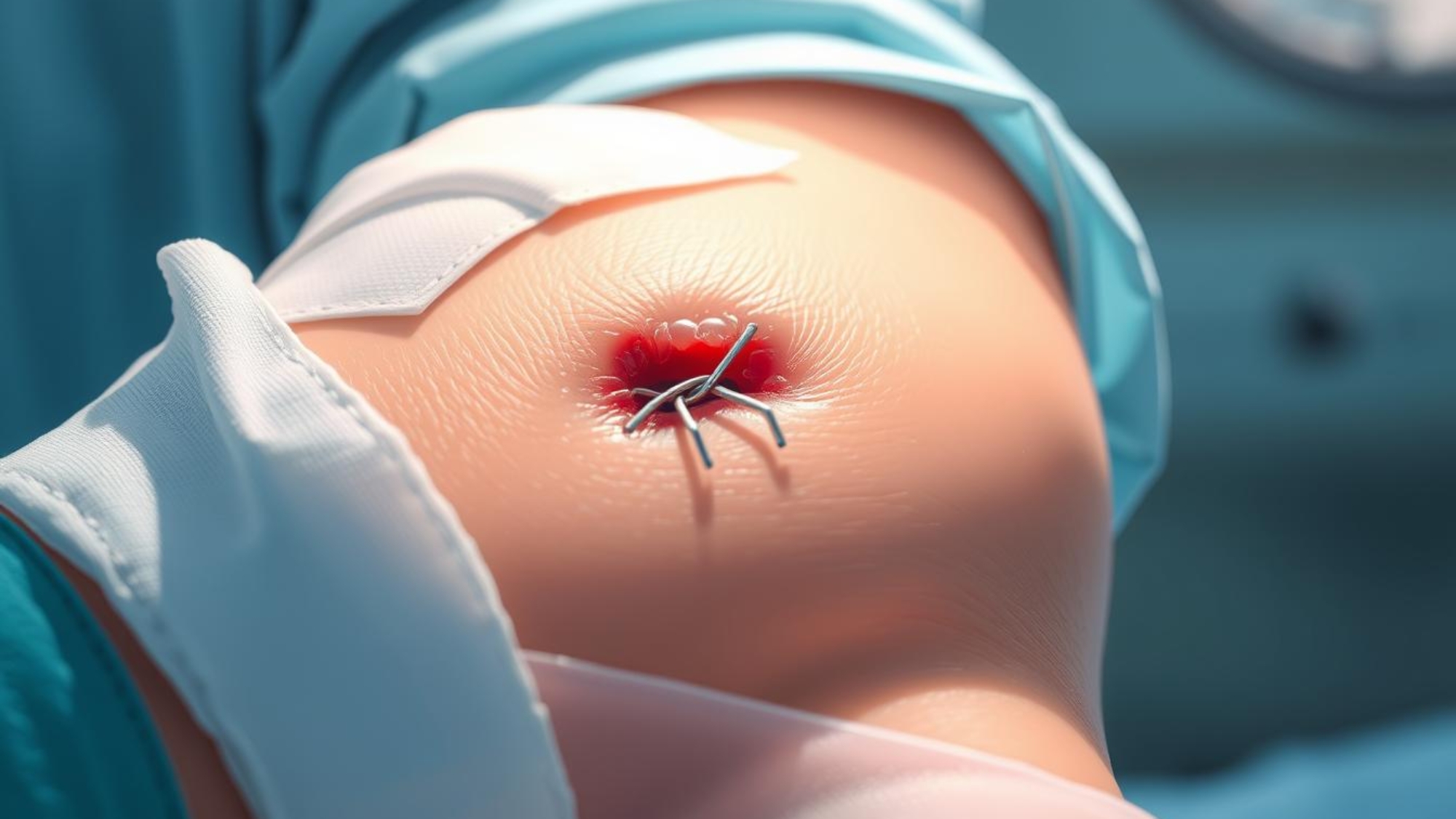
After surgery, proper incision care is key to avoid problems. Infections at the surgical site can make recovery longer, cost more, and lower your quality of life. It’s vital to take the right steps at home to help your body heal and reduce the chance of post-surgery wound infection.
Dominion Mobile Wound Care offers expert care for those recovering from surgery. By following the advice in this article, you can lower the risk of infection and make your recovery smoother.
Key Takeaways
- Understand the risks associated with post-surgical wound infections
- Learn the importance of proper incision care
- Discover simple steps to promote healing at home
- Identify signs of possible complications
- Find out how Dominion Mobile Wound Care can support your recovery
Understanding Post-Surgery Wound Infections
Knowing the risks of post-surgery wound infections is key for a smooth recovery. Healing at home means being aware of possible complications from an infected wound.
What is a Post-Surgical Wound Infection?
A post-surgical wound infection happens when bacteria get into the body through the surgical cut. The Cleveland Clinic says this can really slow down your healing. Keeping your wound clean is very important to avoid infections.
Signs and Symptoms to Watch For
Spotting the signs of a post-surgery wound infection early is important. This can help you get medical help fast. Look out for:
- Redness and swelling around the wound site
- Increased pain or tenderness
- Pus or discharge from the wound
- Fever or chills
- A foul odor from the wound
Knowing these symptoms can help you catch a possible post-surgery wound infection early. This way, you can act quickly.
| Symptom | Description | Action |
|---|---|---|
| Redness and Swelling | Increased redness and swelling around the wound site | Monitor and report to your doctor if it worsens |
| Pain | Increased pain or tenderness at the wound site | Manage with prescribed pain medication; report severe pain |
| Pus or Discharge | Presence of pus or discharge from the wound | Contact your doctor immediately |
By knowing the signs and symptoms of post-surgical wound infections, you can take steps to keep your wound clean. This helps ensure a smoother recovery. If you think you have an infection, reach out to your healthcare provider or a service like Dominion Mobile Wound Care for help.
Importance of Infection Prevention
Keeping your wound clean after surgery is key to your recovery. It’s important for your health and can affect how long you take to get better. It also impacts the cost of your care.
Why Prevention is Critical for Your Health
Stopping infections after surgery is vital. Infections can cause serious problems, like longer hospital stays and more treatments. By preventing infections, you can avoid these issues and recover faster.
Here are some reasons why prevention is so important:
- Reduced Risk of Complications: Preventing infections lowers the risk of further health issues.
- Faster Recovery: Without infections, your body can heal more quickly.
- Lower Healthcare Costs: Avoiding infections means fewer additional treatments and lower medical bills.
Impact on Recovery Time and Costs
Infections after surgery can really slow down your recovery and increase costs. They often need extra medical care, which can make your recovery longer and more expensive.
| Aspect | Without Infection | With Infection |
|---|---|---|
| Recovery Time | Typically faster | Often prolonged |
| Healthcare Costs | Generally lower | Usually higher |
| Complications | Fewer risks | Higher risk of complications |
By focusing on preventing infections, you can avoid these problems. This makes your recovery faster and cheaper. For more info on wound care at home, visit Dominion Mobile Wound Care.
Keeping safe during recovery is very important. Professional wound care services like Dominion Mobile Wound Care can help a lot. Think about getting experts to help with your wound care and prevent infections.
Preparing Your Home for Recovery
To make your home comfortable and safe after surgery, prepare it in advance. Create a healing-friendly environment. This helps avoid complications and ensures you have what you need for incision care and wound hygiene.
Ensuring a Clean Environment
A clean home is key to preventing infections and aiding healing. Begin by clearing clutter to avoid accidents. Then, clean your home well, focusing on areas where you’ll spend most of your time.
- Dust and vacuum all floors and surfaces.
- Clean bathrooms and kitchens thoroughly.
- Change your bed linens.
Here’s a table to guide your cleaning tasks:
| Area | Cleaning Task |
|---|---|
| Living Room | Dust furniture, vacuum floors |
| Bathroom | Clean sink, toilet, shower, and bathtub |
| Bedroom | Change bed linens, dust furniture |
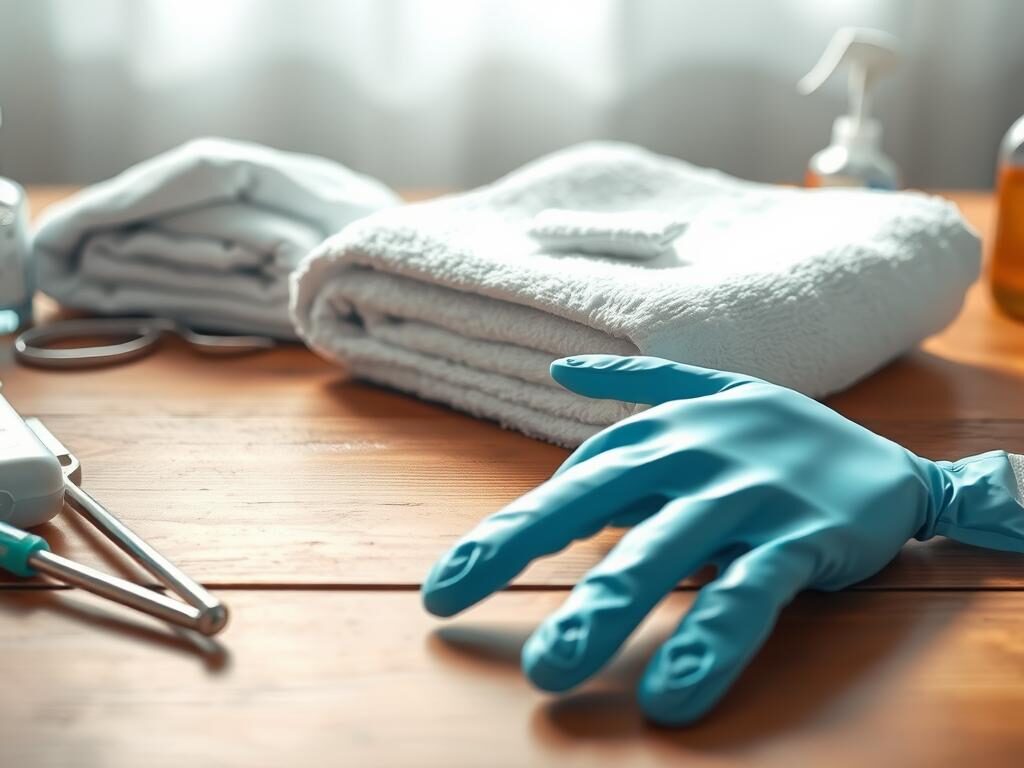
Stocking Necessary Supplies
Having the right medical supplies is essential for recovery. Ensure you have these items:
- Gauze pads and rolls
- Medical tape
- Antiseptic wipes
- Prescribed medications
- Comfortable clothing
It’s wise to have emergency contact numbers ready. This includes your healthcare provider and a local pharmacy. Being prepared helps you focus on healing and reduces the risk of problems.
Proper Wound Care Techniques
To heal well, it’s key to know and use the right wound care at home. Good wound care means following steps to avoid infection and help healing.
How to Clean and Dress Your Wound
Cleaning your wound with a saline solution is a must for wound hygiene. Gently wash the wound to get rid of dirt or bacteria. Then, put on a dressing to keep the wound safe from more harm.
The dressing you use depends on your wound and how it’s healing. Always follow what your doctor says about dressing types and how to use them.
When to Change Dressings
Changing your dressing as your doctor tells you is key for a clean, healing environment. How often you change dressings depends on your wound, how much it drains, and the dressing type.
Change dressings at least once a day or if they get wet or dirty. Also, check the wound for signs of infection like more redness, swelling, or discharge when you change the dressing.
| Wound Care Activity | Frequency | Purpose |
|---|---|---|
| Cleaning the Wound | At least once a day | Remove debris and bacteria |
| Changing Dressings | Daily or when soiled | Maintain a clean environment |
| Inspecting the Wound | During each dressing change | Monitor for signs of infection |
By using these proper wound care techniques, you can lower the chance of infection after surgery. If you’re not sure about your wound care, ask your doctor for help.
For expert wound care, think about getting help from Dominion Mobile Wound Care. They can help heal your wounds safely and effectively.
Recognizing Risk Factors
To lower the chance of getting a post-surgery wound infection, knowing your health and the surgery type is key. Some factors can make you more likely to get an infection. Knowing these can help you take steps to reduce risks.
Personal Health Conditions
Your health before surgery greatly affects your recovery. Conditions like diabetes and obesity can make healing harder. Other issues, like circulatory problems and immune system disorders, can also affect recovery. It’s important to manage these conditions well before and after surgery.
Surgical Procedure Types
The type of surgery you have can also raise your infection risk. Longer surgeries or those covering larger areas are riskier. Emergency surgeries and those dealing with contaminated or dirty wounds also carry a higher risk. Knowing about your surgery and following your doctor’s advice can help lower these risks.
Being aware of these risk factors and taking action can greatly improve your recovery safety. It can also lower the chance of getting a post-surgery wound infection. If you’re worried about your risks or have questions, talk to experts like those at Dominion Mobile Wound Care for help.
Maintaining Hygiene Practices
To lower the chance of infection, keeping clean is key. Good hygiene helps your wound heal right and cuts down on risks.
Effective Handwashing Techniques
Handwashing is a simple yet powerful way to stop infections. Always wash your hands before touching your wound or its dressing. Start by wetting your hands with clean water, then apply soap and rub to make lather.
Make sure to scrub all parts, like the backs of your hands and under your nails, for 20 seconds. Rinse well and dry with a clean towel.
- Use soap and clean, running water.
- Rub hands together to create a lather.
- Scrub all hand surfaces for at least 20 seconds.
- Rinse thoroughly and dry with a clean towel.
Showering and Bathing Guidelines
When showering or bathing after surgery, be careful to keep your wound clean and dry. Usually, you can shower 24 to 48 hours after surgery, unless your doctor says not to. Before showering, cover your wound with a waterproof dressing or plastic wrap.
Avoid getting your wound wet, like in a bath, until it’s fully healed.
| Activity | Guideline |
|---|---|
| Showering | Allowed 24-48 hours post-surgery with waterproof dressing |
| Bathing | Avoid until wound is fully healed |
If you’re worried about your wound or see signs of infection, like redness or swelling, call your doctor right away. Keeping clean is a big part of getting better. For expert help with wound care, think about getting in touch with Dominion Mobile Wound Care.
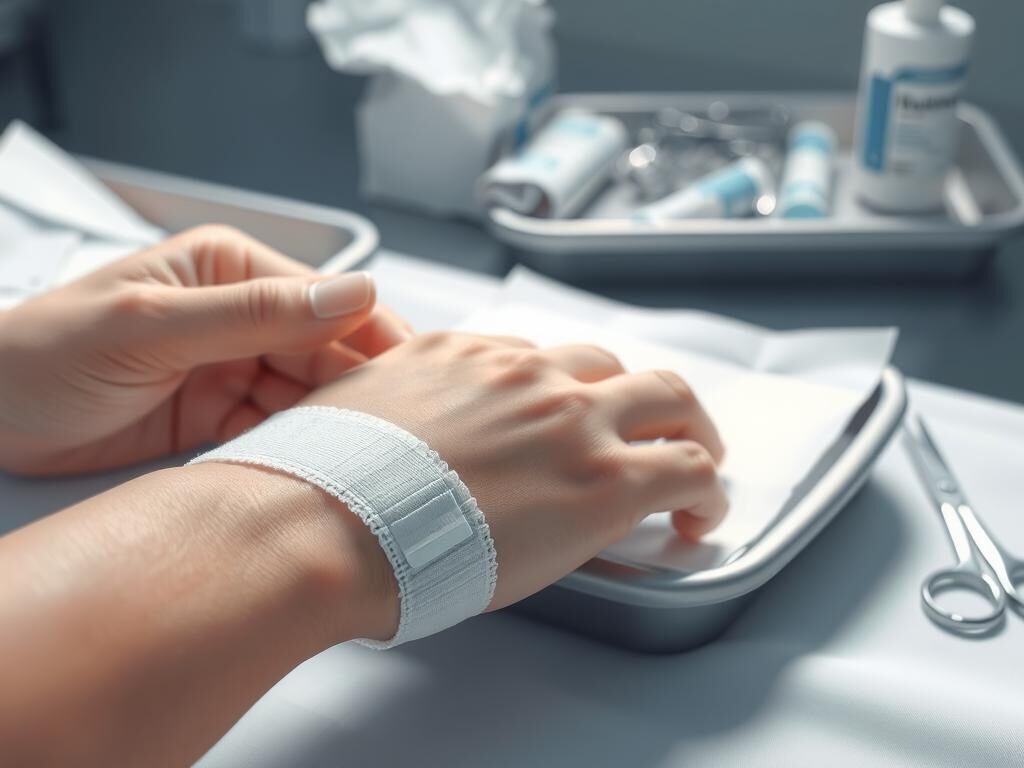
Awareness of Possible Complications
After surgery, knowing about possible complications is key. It’s important to watch for signs of post-surgical wound infections. This knowledge helps keep you safe and aids in your recovery.
Types of Complications to Monitor
Your wound may face different complications after surgery. Keep an eye out for signs of infection like increased redness, swelling, or pus. Other issues to watch for include:
- Fever or chills
- Increased pain or tenderness around the wound
- A foul odor from the wound
- Redness or swelling that worsens over time
When to Contact Your Doctor
If you see any signs of complications or worry about your wound, call your doctor right away. Early intervention can stop small problems from getting big. Contact your healthcare provider if you notice:
- Any of the signs of infection mentioned earlier
- Increased bleeding or discharge from the wound
- A sudden change in your condition
Dominion Mobile Wound Care can help with your wound care and answer any questions. Being informed and careful ensures a safer recovery.
Nutrition’s Role in Healing
The food you eat plays a big role in how well your body heals wounds. Eating a balanced diet full of important nutrients can help you recover faster. It also lowers the chance of getting infections.
Foods That Boost Your Immune System
Eating foods packed with vitamins and minerals is key for a strong immune system. Foods high in Vitamin C, like citrus fruits and leafy greens, boost your immune system. Also, zinc-rich foods, such as nuts and seeds, help with healing by fixing tissues.
| Nutrient | Food Sources | Benefit to Wound Healing |
|---|---|---|
| Vitamin C | Citrus fruits, leafy greens | Boosts immune response, supports collagen synthesis |
| Zinc | Nuts, seeds, poultry | Promotes tissue repair, supports immune function |
| Protein | Lean meats, fish, eggs | Essential for tissue repair and regeneration |
Importance of Hydration
Drinking enough water is also key for healing. Water keeps your skin healthy and helps your immune system work right. Aim to drink at least eight glasses of water a day, but your needs might be different.
Eating a diet rich in nutrients and staying hydrated can greatly improve your body’s healing. Good incision care and wound hygiene, along with a healthy diet, will help you recover faster. This reduces the risk of problems after surgery.
If wound care is tough or you need help, think about getting Dominion Mobile Wound Care involved. Their team of experts can offer personalized care and support during your recovery.
Utilizing Professional Care
Getting help from professionals for wound care can make your recovery safer and lower the chance of post-surgery wound infections. Services like Dominion Mobile Wound Care bring experts and special tools right to your home.
When to Seek Help from Professionals
If you see signs of infection like more redness, swelling, or discharge, get professional help. Also, if your wound is complex or healing slowly, experts can help.
- Signs of infection: redness, swelling, increased pain, or discharge
- Complex or deep wounds that are not healing as expected
- Diabetes or other conditions that affect healing
Benefits of Mobile Wound Care Services
Mobile wound care services are convenient because they come to you. This is great for those who can’t easily get to a clinic. The care you get is tailored to you, helping you heal faster.
Using professional wound care services means your wound gets the best care. This lowers the risk of problems and helps you recover quicker.
The Role of Dominion Mobile Wound Care
Effective wound care is key for a quick recovery after surgery. You need a care provider that knows about wound hygiene and incision care. Dominion Mobile Wound Care offers expert care at home. This ensures you get top-notch treatment in your own space.
How We Can Assist Your Recovery
Dominion Mobile Wound Care provides many services to help your recovery. Their team is trained to give personalized care that fits your needs. They help your wound heal fast and right.
Their services include:
- Comprehensive wound assessments
- Personalized wound care plans
- Ongoing monitoring and adjustments to your care plan as needed
Our Approach to Personalized Care
At Dominion Mobile Wound Care, you’re the focus. They know everyone’s needs are different. They teach you how to care for your wound, manage pain, and avoid complications.
| Service | Description | Benefits |
|---|---|---|
| Wound Assessment | Comprehensive evaluation of your wound | Identifies the best course of treatment |
| Personalized Care Plans | Tailored plans to meet your specific needs | Enhances healing and reduces complications |
| Ongoing Monitoring | Regular check-ins to monitor your progress | Ensures that your wound is healing properly |
If you’re recovering from surgery and need wound care, think about Dominion Mobile Wound Care. Their team is committed to helping you heal fast and safely at home.
Conclusion: Your Path to Healing
Good wound care at home is key to a smooth recovery after surgery. Keeping the wound clean and watching for infection signs can greatly lower risks. This helps in promoting recovery safety.
Preventing Infections
To avoid wound infections after surgery, keep your area clean. Use the right wound care methods and watch for infection signs. Taking your pain meds as told and knowing about possible issues are also important for your safety.
Professional Care for Optimal Healing
For the best wound care, think about getting help from experts like Dominion Mobile Wound Care. They can give you the care you need to heal well and safely at home.
FAQ
What are the signs of a post-surgical wound infection?
Signs include redness, swelling, and increased pain. Warmth or tenderness around the wound is also a sign. Pus or discharge and a foul odor are other indicators. If you notice these, contact your healthcare provider right away.
How can I prevent post-surgical wound infections at home?
Keep your environment clean and follow wound care tips. Adhere to your healthcare provider’s instructions. Make sure your wound is clean and dry. Change dressings as directed and wash your hands before touching the wound.
What are the risk factors for developing a post-surgical wound infection?
Certain health conditions, like diabetes, increase the risk. The type of surgery also plays a role. Knowing your risk factors can help you take preventive steps.
How often should I change my wound dressings?
Change dressings daily or when they get wet or dirty. Your healthcare provider will give specific instructions based on your situation.
Can nutrition play a role in wound healing?
Yes, nutrition is key for wound healing. Eating foods rich in vitamins and minerals boosts your immune system. Staying hydrated is also important for recovery.
When should I seek professional help for wound care?
Seek help if you notice signs of infection or if your wound isn’t healing. If you have concerns about your wound or health, Dominion Mobile Wound Care can help. They offer care in your home.
How can Dominion Mobile Wound Care assist my recovery?
Dominion Mobile Wound Care provides professional care at home. They offer personalized care and guidance on wound care. They also monitor your condition to help you heal and prevent complications.
What are the benefits of using mobile wound care services?
Mobile wound care services, like Dominion Mobile Wound Care, offer convenience. You can receive care at home, avoiding hospital visits. This is great for those with mobility issues or needing ongoing care.
Add a Comment