

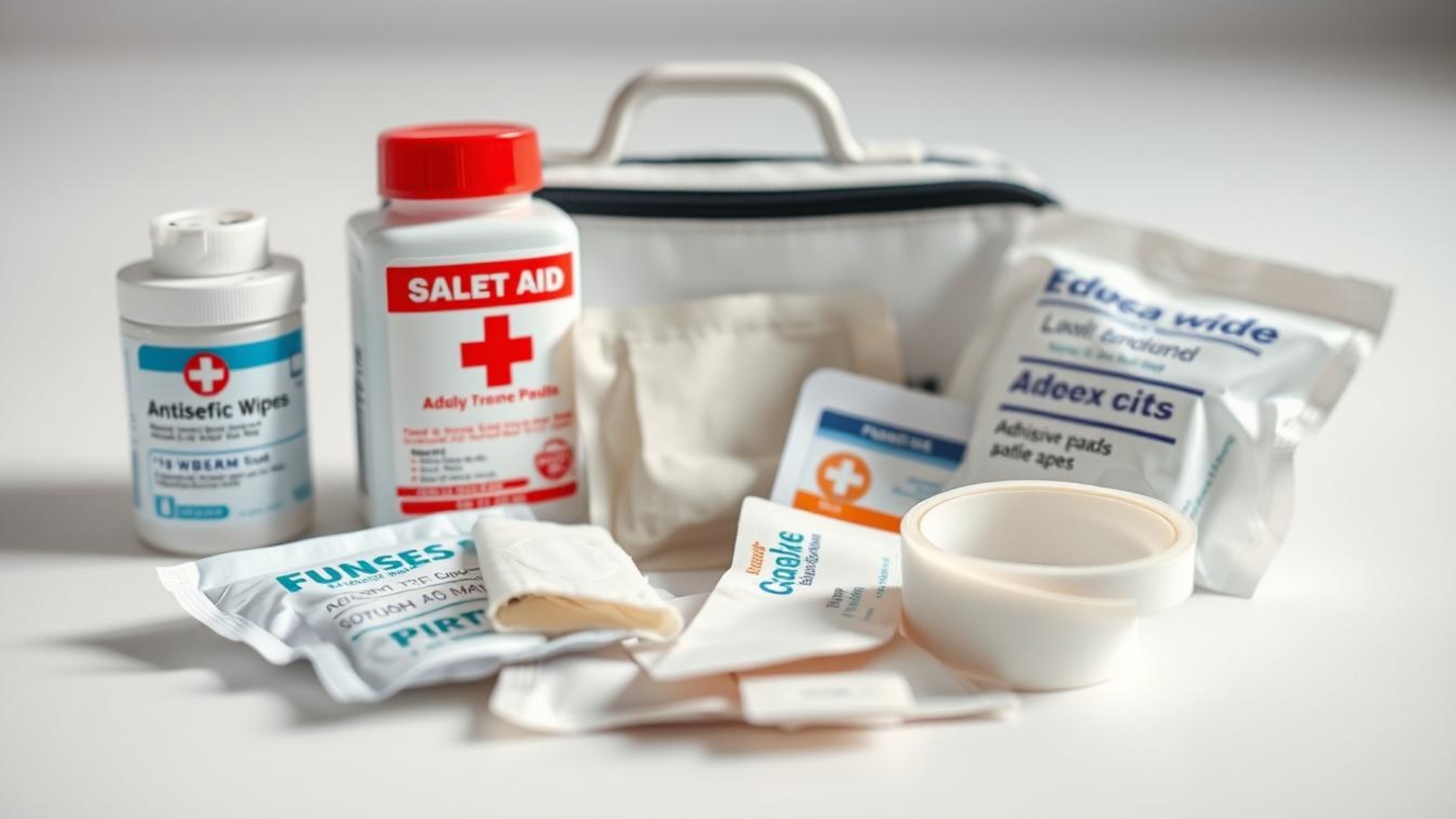
You’ve got a minor cut or scrape and wonder if you can handle it yourself. Proper wound care is key to avoid infection and help it heal. Many small cuts and scrapes can be treated at home, but knowing when to see a doctor is important.
If you’re not sure about your wound’s severity, it’s safer to be cautious. Learning the basics of first aid helps you decide if you can treat it at home or need a doctor.
Key Takeaways
- Minor cuts and scrapes can often be treated at home with proper care.
- Understanding when to seek medical attention is key to prevent infection.
- Proper wound care means keeping it clean and helping it heal.
- First aid knowledge helps you decide if you can treat a wound at home.
- If unsure, always best to talk to a medical professional.
Understanding Wound Types
Identifying the type of wound is the first step in wound care. Different wounds heal in different ways and need different care. Knowing your wound’s characteristics is key for effective treatment.
Cuts and Abrasions
Cuts and abrasions are common wounds. They happen from sharp objects or rubbing against rough surfaces. Proper cleaning and dressing are essential to prevent infection. For minor cuts and abrasions, home treatment works well. But, watch for signs of infection.
Puncture Wounds
Puncture wounds are made by sharp objects going into the skin. They might look small but can be deep, raising infection risks. It’s essential to clean puncture wounds thoroughly and seek medical attention if you suspect the object was dirty or if you haven’t had a tetanus shot recently.
Burns
Burns are classified by their severity. First-degree burns only affect the outer skin layer. Third-degree burns go through all skin layers and might harm deeper tissues. Cooling the burn with cool (not cold) water is the first step in treatment. For severe burns, get medical help right away.
Knowing your wound type is the first step in proper care. Whether it’s a cut, puncture wound, or burn, treating it right can greatly help in healing.
Signs You Can Treat a Wound at Home
Knowing when to treat a wound at home is key for first aid. If you have a minor injury, check the wound first. This helps you decide the best action.
Minor Bleeding
Minor bleeding often means you can treat the wound at home. If the bleeding is light and stops after a few minutes of pressure, it’s okay to treat it yourself. But, if the bleeding is heavy or doesn’t stop, get medical help.
- Bleeding that stops within a few minutes
- No spurting or pulsating blood
- No large amounts of blood loss
Lack of Infection Signs
Another important thing is absence of infection signs. If the wound doesn’t show redness, swelling, more pain, or pus, it’s likely safe to treat at home. Watch the wound for any signs of infection.
- Check for redness around the wound
- Monitor for swelling or increased pain
- Look for pus or discharge
By following these tips, you can figure out if a wound can be treated at home. Always be careful and get medical help if you’re not sure.
When to Seek Professional Help
It’s important to know when your wound needs a doctor’s check-up. Some wounds can be treated at home, but others need quick medical help to avoid serious problems.
Persistent Bleeding
If your wound keeps bleeding even after you apply pressure for 10-15 minutes, you should seek professional help. This kind of bleeding can cause a lot of blood loss. It might lead to serious health problems.
Signs of Infection
Wounds showing signs of infection, like more redness, swelling, warmth, or pus, need to be seen by a doctor right away. Also, if your wound smells bad or you have a fever over 100.4°F (38°C), get medical help fast. Infection can get worse quickly, so don’t wait.
Depth and Size of the Wound
The size and depth of a wound are key in deciding if you can treat it at home. Wounds that are deep or have jagged edges might need stitches or more tests. Big wounds are hard to heal by yourself and might need a doctor’s care.
| Wound Characteristic | Home Treatment | Professional Help |
|---|---|---|
| Bleeding | Stops after 10-15 minutes of pressure | Continues after 15 minutes of pressure |
| Infection Signs | No signs of infection | Redness, swelling, pus, or fever |
| Wound Depth and Size | Superficial and small | Deep or large |
Knowing these signs can help you decide when to see a doctor for your wound. If you’re unsure, it’s safer to get a healthcare professional’s advice.
Preparing for Home Treatment
Starting wound care at home means making a clean and safe space. You also need the right supplies. This helps wounds heal and keeps infections away. For more tips, check out our article on San Antonio’s guide to post-surgical wound care at home.
Gather Necessary Supplies
The first thing to do is gather what you need. You’ll need:
- Clean bandages or dressings
- Antiseptic wipes or solution
- Gloves
- Scissors
- Medical tape
Having these items ready helps you take good care of the wound.
| Supply | Purpose |
|---|---|
| Clean bandages or dressings | To cover and protect the wound |
| Antiseptic wipes or solution | To clean and disinfect the wound |
| Gloves | To prevent the spread of infection |
Clean Your Work Area
Cleaning your work area is key for safe wound care. Clear a flat surface and clean it with a disinfectant. Make sure the area is well-lit so you can see the wound well.
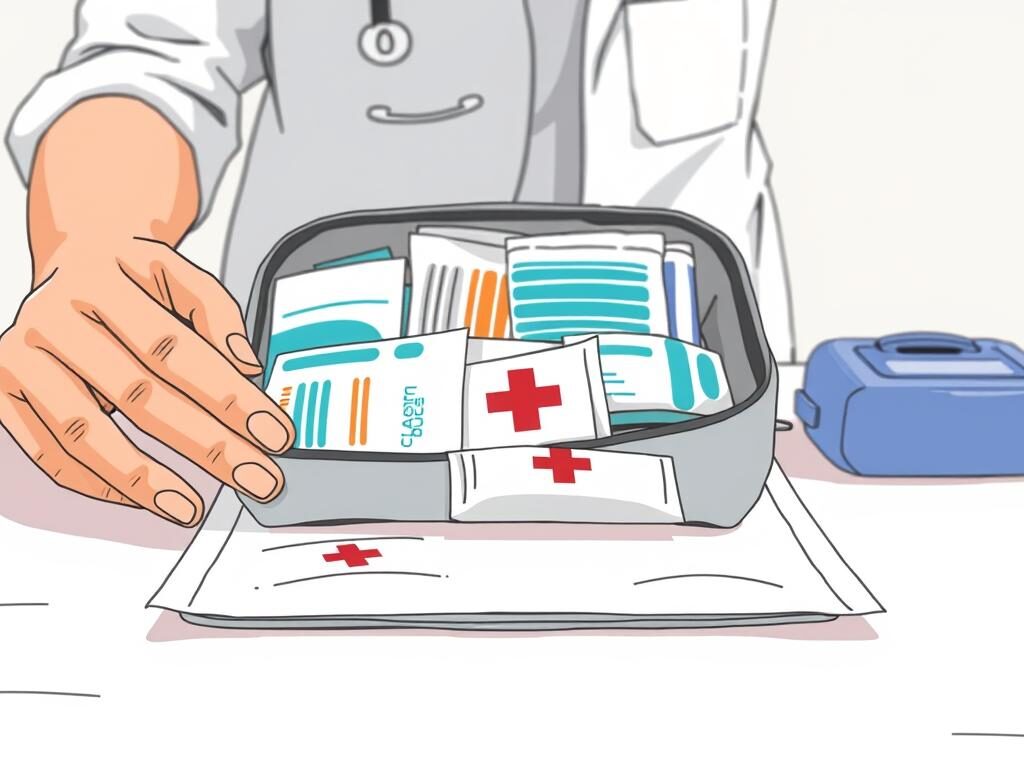
By doing these steps, you make a great space for wound healing at home.
Cleaning the Wound Properly
Cleaning a wound well is key for healing and avoiding problems. When you get a minor cut, start by making sure the area is clean to stop infection.
Rinse with Water
The first thing to do is rinse the wound gently with cool or lukewarm water. This removes dirt, debris, and bacteria. Don’t use hot water, as it can make the cut bleed more.
For small cuts and scrapes, tap water works fine. But if the wound has dirt or debris, use sterile saline solution if you have it.
Use Antiseptic Solutions
After rinsing, apply an antiseptic solution to lower infection risk. Use antiseptic solutions or wipes carefully. But, be sure to follow the directions and don’t use too much.
Here’s a look at some common antiseptic solutions:
| Antiseptic Type | Concentration | Usage |
|---|---|---|
| Hydrogen Peroxide | 3% | Apply once, then rinse |
| Povidone-Iodine | 10% | Apply directly to the wound |
By following these steps, you can clean your wound well and help it heal faster.
Dressing the Wound
Properly dressing a wound is key to healing. It protects the wound from injury and infection. It also helps the wound heal faster.
Choosing the Right Bandage
Choosing the right bandage is important. The size, location, and type of wound determine the bandage needed. For small cuts, a simple bandage works. But for bigger wounds, you might need gauze pads and tape.
It’s also important to pick breathable materials. Gauze, for example, lets air reach the wound. This helps it heal faster.
How to Apply a Dressing
Applying a dressing correctly is just as important. Start by washing your hands to avoid bacteria. Then, place the dressing over the wound, making sure it’s centered and smooth.
Secure the dressing with medical tape if needed. But don’t apply too much pressure. This can irritate the wound or cause more harm.
Key steps to follow:
- Clean your hands before handling the dressing.
- Gently place the dressing over the wound.
- Secure the dressing with medical tape if needed.
- Check the dressing regularly for signs of infection or wear.
By following these steps, you can dress your wound right. This helps it heal faster and reduces the risk of infection.
Managing Pain and Discomfort
Dealing with minor cuts and wounds means managing pain and discomfort is key. Good pain management helps you heal faster and lowers the risk of problems.
Over-the-Counter Pain Relief
Over-the-counter (OTC) pain relief medications are often the first choice for wound pain. Acetaminophen or ibuprofen can ease the pain. Always follow the dosage and talk to a doctor if you’re unsure.
These medications target pain pathways in your body, making pain less. But, it’s important to pick the right one for your needs.
Using Cold Compresses
Cold compresses are also great for pain and swelling from minor wounds. They work by shrinking blood vessels and reducing swelling, which eases pain.
To use a cold compress, wrap an ice pack or a cold, damp cloth in a towel. Apply it to the area for 15-20 minutes. Check your skin often to avoid ice burn. Cold compresses can work better with OTC pain meds.
Using these methods together helps manage pain from minor cuts and wounds. This makes recovery more comfortable and faster.
Knowing Your Limitations
Knowing when home wound treatment isn’t enough can prevent bigger problems. Treating small wounds at home works well. But, it’s key to know when you need more help.
When Home Treatment Isn’t Enough
Home care might not work for deep, big, or infected wounds. Look out for signs like more redness, swelling, pus, or a bad smell. If the wound isn’t getting better or hurts more, you need a pro’s help.
| Signs | Description | Action |
|---|---|---|
| Increased Redness | The area around the wound becomes more red or inflamed. | Seek professional help |
| Swelling | The wound or surrounding area starts to swell. | Consult a healthcare professional |
| Pus or Foul Odor | Presence of pus or a bad smell from the wound. | Immediate medical attention required |
Importance of Professional Assessment
Getting a pro to check your wound is key for serious issues. They can clean it right, give treatments, and even antibiotics if needed.
Professional wound evaluation lowers risks of serious problems like abscesses or sepsis. They also give you the best care for your wound, helping it heal faster.
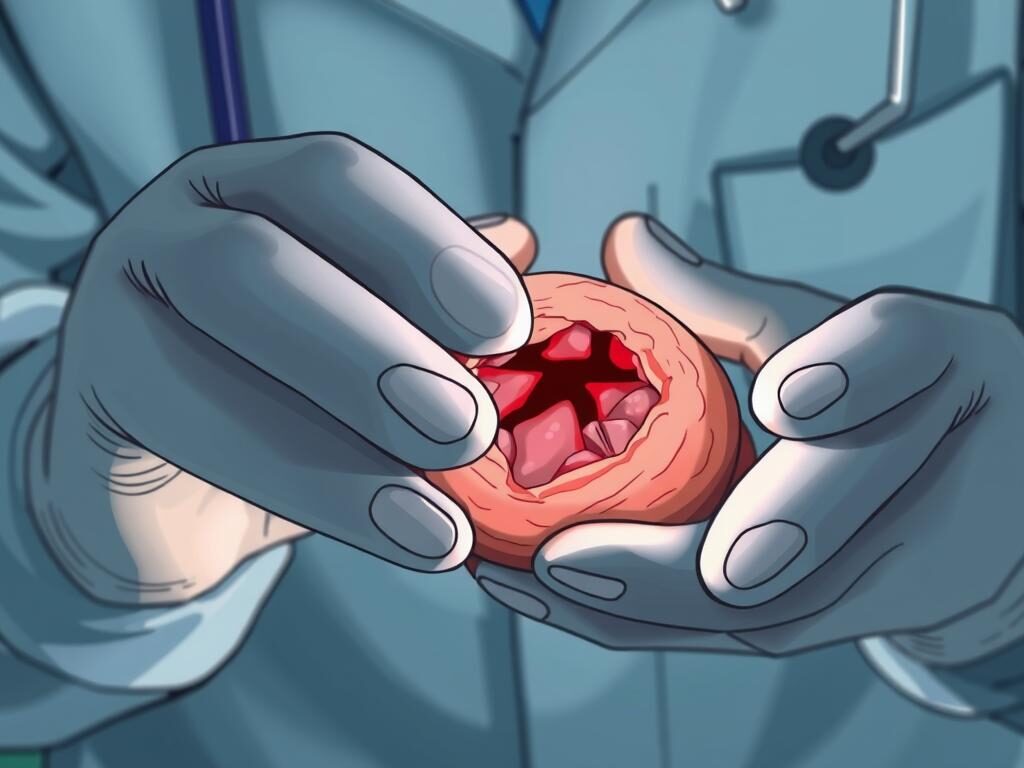
Knowing when to ask for help is important for your wound to heal right. Always be safe and see a doctor if you’re not sure about your wound or treatment.
Aftercare Tips for Home Treatment
After treating your wound, it’s important to keep it clean and dry. This helps prevent infection and speeds up healing. Taking good care of your wound ensures it heals right and avoids problems.
Good aftercare means two main things: changing dressings and watching for signs of trouble. By doing these steps, you can help your wound heal better.
Changing Dressings
It’s key to change your dressing often to keep the wound clean. You should do this at least once a day or when it gets wet or dirty.
- Remove the old dressing carefully to avoid causing further irritation.
- Clean the wound gently with mild soap and water.
- Pat the area dry with a clean towel.
- Apply a new dressing, ensuring it is not too tight.
Monitoring for Complications
Keep an eye on how your wound is healing and watch for signs of trouble. Look for signs like more redness, swelling, or pus. If you see these, get medical help right away.
Signs of possible trouble include:
- Increased pain or tenderness around the wound.
- Fever or chills.
- A foul odor from the wound.
- Redness or swelling that spreads beyond the wound area.
By staying alert and acting fast, you can catch and fix any problems early. This helps your wound heal the right way.
If you have questions about wound care or are unsure about your wound’s healing, talk to a healthcare expert. They can give you advice tailored to your situation.
Common Myths About Wound Treatment
When it comes to wound treatment, wrong information can hurt more than the wound itself. Many myths about wound care can lead to bad treatment. It’s key to know what’s true and what’s not to help wounds heal right.
Myth: You Should Leave a Wound Open
Many think leaving a wound open is good. But, keeping a wound covered helps it heal by keeping it clean. It’s important to keep it clean and change the dressing often.
Myth: Alcohol is the Best Cleaner
Alcohol is not the best for cleaning wounds. It can kill bacteria but also hurt tissue and slow healing. Clean the wound with water and mild soap instead. For deeper cleaning, use saline solution or antiseptic wipes that are gentle.
Other myths include not using antibiotic ointment and not watching for infection signs. Using antibiotic ointment helps stop infection. And, it’s key to check the wound for signs of infection like redness, swelling, or more pain.
- Keep wounds covered to promote healing.
- Avoid using alcohol for cleaning wounds.
- Use mild soap and clean water for wound cleaning.
- Apply antibiotic ointment to prevent infection.
- Monitor wounds for signs of infection.
By knowing and avoiding these myths, you can help your wound heal fast and right.
The Role of Dominion Mobile Wound Care
Getting the right wound care at home is easier than ever, thanks to Dominion Mobile Wound Care. For those with wounds, having professionals come to you can really help your healing.
Personalized Treatment Options
Dominion Mobile Wound Care gives you personalized treatment options that fit your needs. Their team checks your wound and makes a care plan just for you. This ensures you get the best treatment possible.
The personalized care includes:
- Comprehensive wound assessment
- Customized treatment plans
- Ongoing monitoring and adjustments as necessary
Expert Assistance at Your Doorstep
One big plus of Dominion Mobile Wound Care is the expert assistance they bring right to your home. This service means you don’t have to go to a healthcare facility. It’s perfect for those who can’t easily travel or have serious wounds.
| Service | Description | Benefit |
|---|---|---|
| Personalized Wound Care | Tailored treatment plans based on individual needs | Effective healing and reduced risk of complications |
| Expert Assistance | Professional wound care experts come to your home | Convenience and reduced need for travel |
| Ongoing Monitoring | Regular check-ups to monitor healing progress | Early detection of possible issues and adjustments to treatment |
Choosing Dominion Mobile Wound Care means you’re choosing a service that cares about your health. They provide the care you need to heal well, all from the comfort of your own home.
Hire Dominion Mobile Wound Care
If you have minor cuts or serious wounds, knowing when to get help is key. Dominion Mobile Wound Care brings expert care right to your home. This makes healing in your own space easier.
Expert Care for Minor Cuts and More
With Dominion Mobile Wound Care, you get care that fits your needs. Their team helps you through every step of healing. They start with an assessment and guide you through aftercare.
Take the First Step Towards Healing
Hiring Dominion Mobile Wound Care is a big step towards healing right. If you’re not sure about your wound or how to care for it at home, reach out. They offer professional services to help.
FAQ
What are the signs that I can treat a wound at home?
You can treat a wound at home if it has minor bleeding. It should also show no signs of infection, like redness, swelling, or increased pain.
How do I clean a wound properly?
To clean a wound, rinse it with cool or lukewarm water and mild soap. You can also use antiseptic solutions like hydrogen peroxide or povidone-iodine to prevent infection.
What type of bandage should I use to dress a wound?
Choose a breathable bandage that covers the wound well. For minor cuts, a simple adhesive bandage works. Larger wounds may need a gauze pad and medical tape.
How can I manage pain associated with a wound?
Manage pain with over-the-counter pain relief like acetaminophen or ibuprofen. Applying a cold compress can also reduce pain and swelling.
When should I seek professional help for a wound?
Seek professional help if the wound is deep, large, or won’t stop bleeding. Also, if you notice signs of infection, like increased redness, swelling, or pus.
Can I treat puncture wounds at home?
Puncture wounds can be tricky to treat at home because they can get infected. If the puncture wound is deep or caused by a dirty object, seek professional medical attention.
How often should I change the dressing on a wound?
Change the dressing daily or whenever it gets wet or dirty. This keeps the wound clean and promotes healing.
Is it true that I should leave a wound open to air?
No, it’s generally recommended to cover a wound with a dressing to protect it from dirt and bacteria. Some minor cuts may be left uncovered if they are not oozing or bleeding.
Can I use alcohol to clean a wound?
No, it’s not recommended to use alcohol to clean a wound as it can slow healing and damage tissue. Instead, use mild soap and water or antiseptic solutions.
What are the benefits of seeking professional wound care?
Professional wound care services, like those offered by Dominion Mobile Wound Care, provide personalized treatment options and expert assistance. They can help prevent complications and promote healing.
Add a Comment