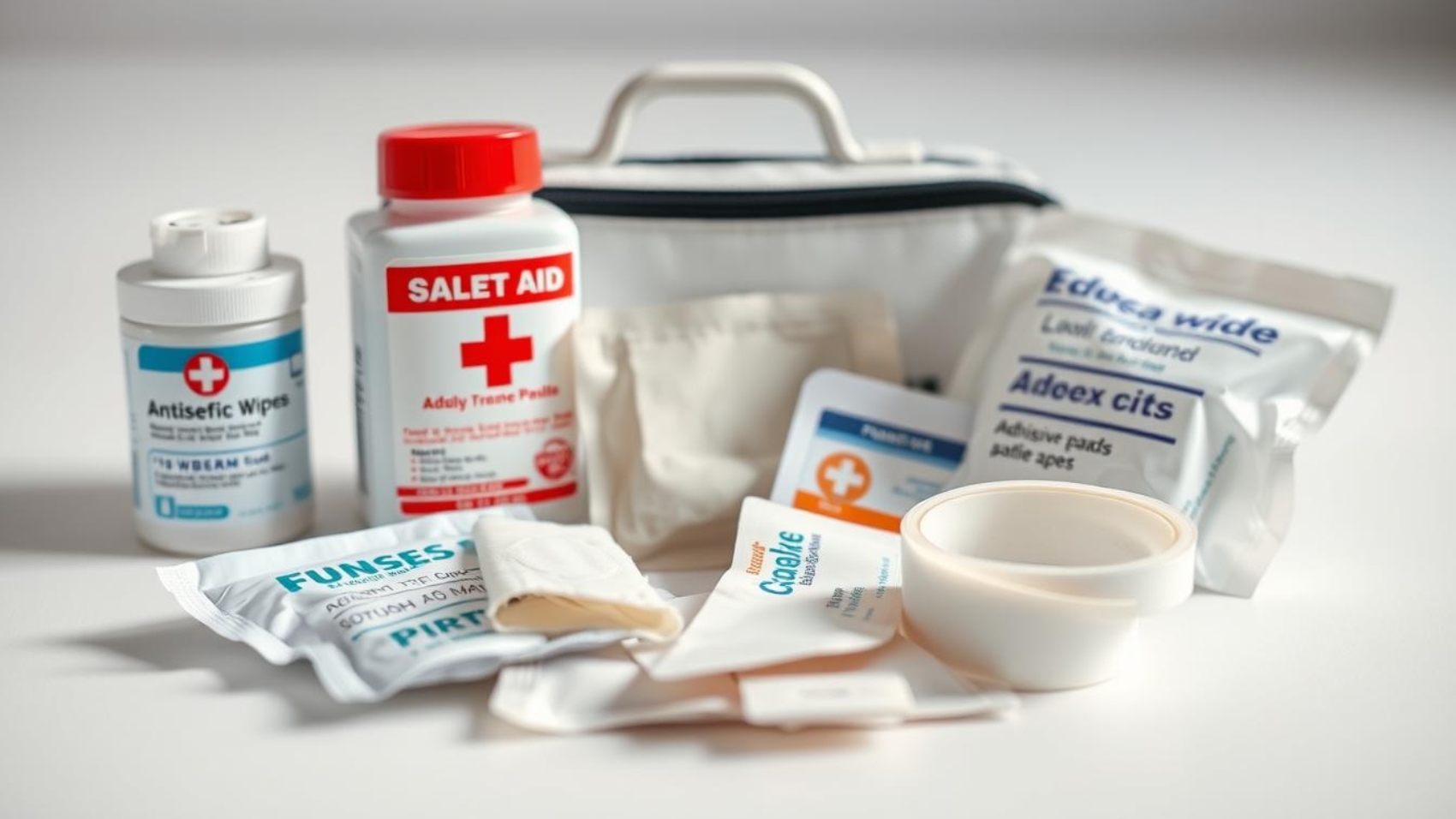
Proper wound care is key for effective healing. Taking good care of your wounds lowers the chance of infection. It also helps you heal faster. Simple home remedies can greatly help in this process.
Medical News Today says using aloe vera, antibacterial ointment, or honey can speed healing. Nutrition is also important for wound healing. Eating foods high in protein, zinc, and vitamin C can help a lot. For more on managing wounds and nutrition, check out our guide on whether pressure sores mean you need in-home wound.
Key Takeaways
- Keep your wound clean and dry to prevent infection.
- Apply home remedies like aloe vera or honey to aid healing.
- Maintain a balanced diet rich in protein, zinc, and vitamin C.
- Consider professional wound care services for complex wounds.
- Dominion Mobile Wound Care can provide expert assistance for wound healing.
The Science Behind Effective Wound Healing at Home
To heal wounds at home, it’s important to know the science behind it. Wound healing is a complex process with several stages. Each stage is key for a full recovery.
The Four Stages of Wound Healing
The healing process has four stages: hemostasis, inflammation, proliferation, and remodeling. Hemostasis stops the bleeding first. Then, inflammation kicks in to fight off infection. Next, proliferation rebuilds the tissue. Lastly, remodeling makes the new tissue strong.
Latest Research on Tissue Regeneration
Recent studies have looked into tissue regeneration in wound healing. They found that staying hydrated is very important. Hydration keeps the wound moist, helping it heal faster and reducing scars.
Knowing about these stages and the role of hydration helps a lot. By keeping the wound moist and staying hydrated, you can help it heal better at home.
Breaking News: Recent Advances in Home Wound Care
The world of home wound care is changing fast. New technologies and methods are coming out. These changes are thanks to research on faster healing and better ways to care for wounds at home.
2023 Studies on Accelerated Healing Techniques
In 2023, studies showed that advanced wound care works well. NPWT, or negative pressure wound therapy, helps wounds heal faster. It does this by improving blood flow and cutting down on bacteria in the wound.
Technological Innovations for Patients
New tech is also key in home wound care. For example, smart dressings can watch over wounds and give updates in real time. These dressings can spot changes in temperature, moisture, and bacteria, helping to act quickly.
- Smart dressings with biosensors
- Portable NPWT devices
- Mobile apps for wound monitoring
Keeping wounds clean is vital for healing. Making sure the wound is clean and covered right can really help. With these new home wound care tools, patients can heal faster and better.
Creating the Optimal Environment for Healing
Creating a good environment for wound healing is key. A clean and moist wound is essential for healing. It helps prevent complications too.
Temperature and Humidity Considerations
Right temperature and humidity levels are important. A temperature between 37°C to 38°C (98.6°F to 100.4°F) is best. Also, a relative humidity of 60% to 70% helps a lot.

Keeping the Wound Bed Moist
Keeping the wound moist is vital. Moisture helps in tissue growth and lowers infection risk. Use dressings that keep it moist and protect it.
By focusing on these, you can help your body heal faster. This leads to quicker and better wound recovery.
Essential Wound Hygiene Practices
Good wound hygiene is key for healing and avoiding infections. It includes using safe cleansers, proper cleaning methods, and stopping cross-contamination.
Safe Cleansing Solutions
Choosing the right cleansers is vital in wound care. Saline solution is often suggested because it’s gentle yet effective. You can also use sterile water for cleaning. But, stay away from harsh chemicals that can harm the skin or damage tissue.
Proper Cleaning Methods
Effective wound cleaning is more than just applying a cleanser. Irrigation techniques are key for removing dirt and bacteria from the wound.
Irrigation Techniques
Irrigation means gently washing the wound with saline solution to remove dirt and bacteria. Do this carefully to avoid hurting the wound or causing pain.
Debris Removal
It’s important to remove debris from the wound to help it heal. Use sterile tweezers or irrigation to take out any foreign material. Be gentle to prevent further injury.
Preventing Cross-Contamination
Stopping cross-contamination is critical in wound care. Always wash your hands before touching the wound, and use sterile tools. Don’t touch the wound with unwashed hands or expose it to possible infection sources.
| Wound Hygiene Practice | Benefits |
|---|---|
| Using saline solution for cleansing | Gentle on the wound, effective against bacteria |
| Irrigation techniques | Removes debris and bacteria, promotes healing |
| Preventing cross-contamination | Reduces the risk of infection, supports recovery |
Nutrition for Optimal Wound Healing
Nutrition plays a big role in how well the body heals wounds. Eating a balanced diet gives the body what it needs to recover.
Protein Requirements During Recovery
Protein is key for fixing wounds because it has the amino acids needed for repair. You should eat 1.5-2 grams of protein per kilogram of body weight every day while recovering.
Vitamins and Minerals That Accelerate Healing
Vitamins C and A, and zinc, are important for healing wounds. Vitamin C helps make collagen, and vitamin A supports the body’s response to injury. Zinc helps with making proteins and fixing tissues.
| Nutrient | Role in Wound Healing | Food Sources |
|---|---|---|
| Protein | Tissue repair and regeneration | Lean meats, fish, eggs, dairy |
| Vitamin C | Collagen synthesis | Citrus fruits, berries, leafy greens |
| Zinc | Protein synthesis and immune function | Oysters, beef, chicken, fortified cereals |
Foods to Include in Your Healing Diet
Eating a variety of nutrient-rich foods can help with wound healing. Make sure to include lean proteins, fruits, vegetables, and whole grains in your diet.
Recent Nutritional Findings for Wound Recovery
Recent research shows that a personalized diet is important for wound healing. Talking to a healthcare professional or a registered dietitian can help create a diet plan that meets your specific needs.
Hydration’s Critical Role in Tissue Repair
Hydration is vital for wound healing, impacting cellular regeneration. When you’re healing, your body needs enough water to fix damaged tissues.
How Water Intake Affects Cellular Regeneration
Water is key for tissue repair. It carries nutrients and oxygen to the wound, helping cells grow back. Adequate hydration also helps clear out waste, lowering infection risk.
Recommended Fluid Intake During Healing
Drink at least eight glasses of water daily. But, your needs can change based on age, activity, and climate. Listen to your body and drink when thirsty.
Signs of Inadequate Hydration
Not drinking enough water can cause dry mouth, fatigue, and dark urine. If you see these signs, drink more to help your body heal.
Effective Wound Dressing Options
Choosing the right wound dressing is key to caring for wounds at home. The right dressing protects the wound and helps it heal faster. It also lowers the chance of infection.
Types of Dressings for Different Wounds
There are many types of wound dressings, each for different wounds. You can find foam dressings for wounds that ooze a lot. Hydrocolloid dressings keep the wound moist. And alginate dressings soak up extra fluid.
How to Apply and Change Dressings Properly
It’s important to apply and change dressings the right way. This keeps the wound clean and helps it heal.
Frequency Guidelines
Change your dressing as often as your doctor tells you to. This is usually when it gets dirty or wet.
Sterile Technique
When you handle dressings, always use a sterile technique. This stops germs from spreading. Make sure to wash your hands well before and after.
New Dressing Technologies on the Market
New technologies have brought advanced wound dressings. These include dressings with silver or iodine. They fight off germs and help wounds heal quicker.
Managing Pain and Discomfort
Managing pain well is key for quick wound healing. You can find relief with over-the-counter pain meds and non-medical ways to manage pain.
Over-the-Counter Pain Relief Options
OTC meds like acetaminophen or ibuprofen can help with pain relief. Always follow the dosage to avoid side effects.
Non-Pharmaceutical Pain Management
Methods like cold therapy or deep breathing can also ease pain. They’re great for those who don’t want to take meds.
When to Consult a Professional About Pain
If your pain is bad, lasts a long time, or gets worse, see a doctor. They can suggest the best pain management for you.
Recognizing Signs of Infection
When you take care of your wound, knowing the signs of infection is key. Infection can cause serious problems and slow down healing. So, it’s important to watch your wound for any signs of infection.
Visual Indicators of Infected Wounds
Checking your wound visually is important. Look for increased redness, swelling, or pus around the wound. These are signs that your wound might be infected.
If your wound feels unusually warm or smells bad, it could also mean infection.
Temperature and Pain Warning Signs
A fever or more pain around the wound is a warning sign. Keep an eye on your temperature and pain levels. If pain gets worse or you have a fever, get medical help.
When to Seek Professional Medical Care
If you see any of these signs, see a doctor right away. Early treatment can stop the infection from getting worse. Keep track of your wound’s progress and any symptoms to tell your doctor.
Physical Activity and Rest Balance for Recovery
Understanding the balance between physical activity and rest is key to wound healing. This balance helps your body heal well and fast.
Safe Exercise During Wound Healing
Safe physical activities boost blood flow to wounds. This is important for bringing oxygen and nutrients. Gentle exercises like short walks or stretching are good. But, avoid hard activities that might harm the wound.
The Importance of Adequate Sleep
Sleep is vital for wound healing. It helps your body fix tissues, build bone and muscle, and boost your immune system. Getting enough sleep each night helps your recovery.
How Movement Affects Blood Flow to Wounds
Movement improves blood flow to wounds, helping them heal faster. But, it’s important to rest too. Too much activity can slow healing.
Conclusion: Accelerating Your Healing Journey
Proper wound care is key to speeding up your healing. Creating a good healing environment and keeping your wound clean are important. Eating well also helps your body heal faster.
Choosing the right wound dressing and managing pain are also important. Knowing when to rest and when to be active helps too. This balance supports your body’s healing.
If you’re having trouble healing, Dominion Mobile Wound Care can help. Their team offers personalized care to help you heal quickly and effectively.
By taking charge of your healing and getting help when needed, you can recover faster. With support from services like Dominion Mobile Wound Care, you can live your life fully again.
FAQ
What are the four stages of wound healing?
The four stages are hemostasis, inflammation, proliferation, and remodeling. Knowing these stages helps you care for your wound better. It also speeds up healing.
How does hydration impact wound healing?
Hydration is key for wound healing. It helps cells grow and keeps the wound healthy. Drinking enough water is vital for healing.
What are some essential wound hygiene practices?
Good wound care includes using safe cleaners and keeping the wound dry. This helps healing and prevents infection.
How can nutrition impact wound healing?
Nutrition is important for healing. Foods rich in protein, vitamins, and minerals help repair tissues. Eating these foods can speed up healing.
What are some effective wound dressing options?
Different wounds need different dressings. Gauze, foam, and hydrocolloid are common. Changing them properly is key to healing.
How can I manage pain and discomfort during wound healing?
You can use over-the-counter pain relievers or try non-medical methods. If pain is severe, see a doctor.
What are the signs of infection, and when should I seek medical care?
Look for redness, swelling, and pus. Also, watch for temperature and pain changes. Seeing a doctor quickly is important if you notice these signs.
How can I balance physical activity and rest during wound recovery?
Mix safe exercise with enough sleep. Knowing how movement affects your wound is important. This balance helps healing.
What is the recommended fluid intake during wound healing?
Drink at least eight glasses of water a day. This keeps you hydrated and supports healing.
How often should I change my wound dressing?
Change your dressing daily or as a doctor advises. This depends on the dressing and wound type.