

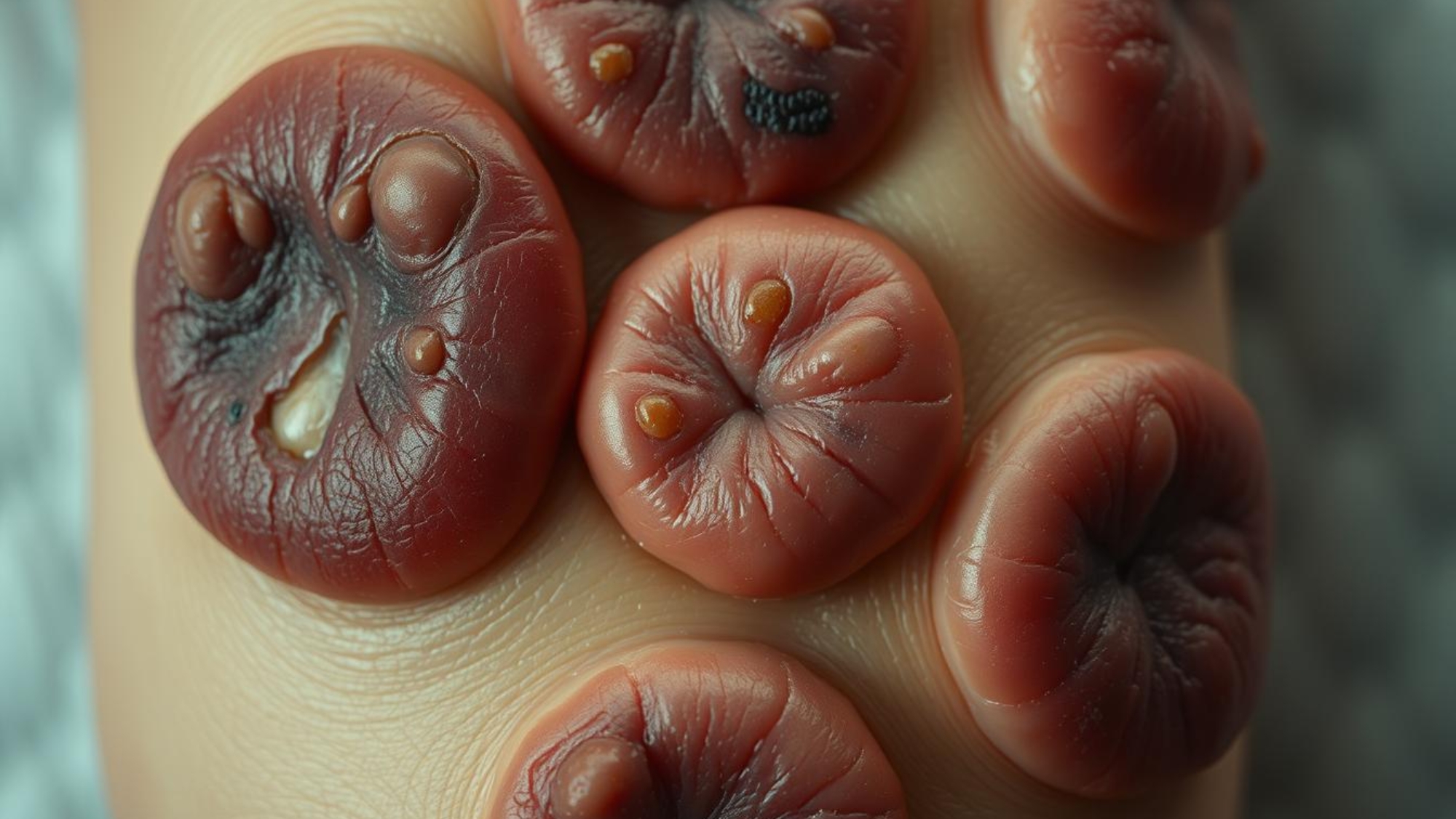
If you or a loved one faces bedsores, quick action matters. These wounds form when prolonged pressure, friction, moisture, or shear affects skin over bony areas like heels, hips, and the tailbone. Early detection can shorten healing time and cut infection risk.
You’ll learn how sores progress, where they most often appear on the body, and which signs mean you should seek care right away. Simple measures—turning every two hours, shifting in a wheelchair, and using alternating air mattresses—make a big difference.
Treatment paths range from cleansing with saline and moisture-balancing dressings to debridement and infection control. Healing times vary by stage, so realistic expectations help you plan care and nutrition to support skin repair.
For expert at-home evaluation and hands-on care, hire Dominion Mobile Wound Care to help heal your wounds.
Key Takeaways
- Recognize early signs and act to reduce complications.
- Common spots include heels, hips, tailbone, and elbows.
- Prevention—repositioning and pressure-relief surfaces—works.
- Evidence-based treatments combine cleansing, dressings, and debridement.
- Nutrition, hydration, and prompt clinical review speed recovery.
- Contact a clinician for fever, spreading redness, or foul odor.
- Hire Dominion Mobile Wound Care for expert home management.
What Pressure Ulcers Are and Why They Happen
Sustained load on a small area of your body can cause skin breakdown before you even notice surface changes. When blood and oxygen are cut off, cells in the area skin begin to fail and deeper tissue can suffer.
How pressure, friction, moisture, and shear damage tissue
When you sit or lie still, constant pressure limits blood flow and starves cells of oxygen. Friction from bedding or chairs rubs the surface and moisture weakens the skin barrier.
Shear happens when your skeleton slides but the skin does not, stretching fragile layers. These forces trigger inflammation and, if not relieved, lead to deeper sores and injury.
Common body parts at risk
- Heels, hips, and the tailbone (sacrum) where padding is thin.
- Elbows, ankles, shoulder blades, and the back of the head.
- Any area where your body compresses skin against bone for hours.
Even small posture changes reduce pressure skin and lower the chance of bedsores. If you notice persistent redness or pain over a bony point, act quickly. Hire Dominion Mobile Wound Care to help heal your wounds.
Who’s Most at Risk and Early Symptoms You Shouldn’t Ignore
People with limited mobility or chronic illness face the highest risk of bedsores. Check high-contact bony points daily and act fast when you see early changes.
Higher-risk situations
- If you are immobile, on long bed rest, or use a wheelchair, your risk rises because constant contact stresses the same area.
- Older people, residents of nursing homes, and those with diabetes, poor nutrition, or fragile skin heal more slowly and face greater harm.
- Smoking lowers oxygen to tissues, which increases risk and delays recovery.
Early warning signs across skin tones
Watch for new color changes that do not fade after 30 minutes offloading. You may also feel warmth, firmness, pain, or itching at the spot.
- In darker complexions, look for deepening dark patches or increased warmth instead of obvious redness.
- Early symptoms can quickly worsen to blisters or open sores if you keep pressure on the same place.
- If you cannot see heels, hips, or the back, ask a caregiver to inspect daily.
Addressing nutrition and hydration supports skin repair. Early intervention at this stage prevents deeper injury and shortens healing time. For expert in-home assessment and care, hire Dominion Mobile Wound Care to help heal your wounds.
Pressure Ulcer Stages
Clear categories for wound depth guide the right care and next steps. Use the list below to match what you see with expected risks and actions. Accurate identification affects dressing choice, offloading, and how fast you seek help.

- Stage 1: Intact skin with non-blanchable redness or darker discoloration. The area may feel warm, firm, or itchy; act quickly to relieve load.
- Stage 2: Partial-thickness loss presenting as a shallow open wound or serum-filled blister. Protect and balance moisture to avoid deeper damage.
- Stage 3: Full-thickness loss reaching visible fat and a crater-like defect. Watch for odor or discolored drainage that can signal infection.
- Stage 4: Deep injury into muscle, tendon, or bone with the highest infection risk, including possible osteomyelitis or sepsis if untreated.
- Unstageable: A wound covered by slough or eschar (dead tissue) that hides true depth until debridement clarifies extent.
- Deep tissue injury: A very dark, maroon, or blood-filled blister that can evolve quickly into a deep sore without prompt offloading.
As damage advances, healing gets harder and care becomes more complex. If you’re unsure, avoid guessing. For expert evaluation and home treatment, hire Dominion Mobile Wound Care to help heal your wounds.
How Each Stage Looks, Feels, and Progresses
Seeing how a spot on your skin evolves tells you when to step up care or call a clinician. Early changes often look like a persistent red, blue, or purple patch that doesn’t fade after you relieve load. The area may feel warmer or firmer than surrounding skin, and in darker tones it may also darken and feel hot to the touch.
What a developing sore looks like versus an infected wound
A developing sore usually looks like a lasting color change and may be tender. If you see pus, foul odor, spreading redness, rising pain, fever, or chills, the wound may also be infected and requires immediate care.
Timeframes to heal from days to months if treated promptly
With consistent offloading and skin care, early lesions can improve in about three days. Superficial damage often heals in three days to three weeks with cleansing and dressings.
- Deeper defects may take one to four months and need close monitoring and debridement.
- Severe deep injury can require months to years and sometimes surgery and specialist care.
- Track size and drainage weekly and seek help if symptoms worsen.
Act early, monitor changes, and partner with clinicians. For expert in-home management, hire Dominion Mobile Wound Care to help heal your wounds.
Evidence-Based Treatment Options to Promote Healing
A clear treatment plan focuses on reducing load, managing moisture, and treating infection to promote recovery.
Relieving load and support
Your first priority is consistent offloading. Turn at least every two hours in bed and shift every 10–15 minutes in a wheelchair.
Use pillows or foam to offload heels and specialty surfaces like alternating air mattresses or gel cushions to spread contact and improve circulation.
Cleaning, dressings, and debridement
Clean wounds with normal saline and apply moisture-balancing dressings chosen by your clinician—hydrogels, foams, or alginates help wound healing.
Clinicians remove dead tissue with conservative sharp, enzymatic, autolytic, or surgical debridement when slough or eschar hides depth.
Infection control and advanced care
Watch for increased pain, foul odor, colored drainage, fever, or spreading redness. These signs may indicate infection and could require antibiotics or urgent care.
Severe bedsores may require hospitalization, IV therapy, negative-pressure devices, or flap/graft surgery to close deep defects.
- Coordinate nutrition, fluids, and blood sugar control to support recovery.
- Document repositioning and dressing changes to track progress.
Hire Dominion Mobile Wound Care to get in-home assessments and individualized treatments that promote healing. Hire Dominion Mobile Wound Care to help heal your wounds.
Nutrition, Hydration, and Circulation for Faster Recovery
Good nutrition and steady fluids give your body the building blocks to repair damaged skin and tissue. Eating enough calories and protein matters for growth and closure of wounds.

Hydration keeps blood flowing so oxygen and nutrients reach injured areas. Gentle movement or assisted range-of-motion also improves blood circulation and reduces stiffness.
Key food and fluid steps that promote healing
- Aim for a balanced diet with enough calories and protein; ask your clinician about vitamin C and zinc supplements.
- Drink consistently—about 8–10 cups per day as tolerated—to support blood circulation and delivery of nutrients.
- If you are immobile, request assisted range-of-motion to stimulate circulation around vulnerable areas.
- Prioritize protein-rich snacks after unintentional weight loss to protect muscle and skin integrity.
- Quit smoking to improve skin oxygenation and overall health.
Coordinate nutrition with dressing changes and offloading routines, and ask about covered supplies if you qualify. Hire Dominion Mobile Wound Care to help heal your wounds.
Prevention Strategies at Home and in Care Settings
Caring for vulnerable areas of your body is mostly about routine. Small habits—consistent turns, good cushioning, and clean, dry skin—cut the chance of new sores and long healing times.
In bed
Set alarms or use a turning clock to change position every two hours. Float your heels with pillows under the calves so the heels do not touch the mattress.
Keep sheets smooth and wrinkle-free. When side-lying, place a pillow between knees to protect bony parts.
In a wheelchair
Do a push-up or weight shift every 10–15 minutes, or have a caregiver assist hourly. Choose a gel or air cushion that spreads load across a larger area.
Skin care, moisture, and transfers
Clean soiled skin promptly with warm water, apply barrier cream for incontinence, and moisturize dry skin daily to avoid breakdown.
Use transfer sheets, slings, or mechanical lifts rather than dragging limbs. This reduces shear and new skin injury.
- Inspect high-risk spots daily for early color change or tenderness.
- Consider an alternating air mattress if you have recurrent bedsores or high risk.
- Avoid doughnut-shaped pads that concentrate load around edges.
For a tailored plan and equipment review, ask a clinician to check your surfaces and routines. Hire Dominion Mobile Wound Care to help heal your wounds.
Red Flags and When to Seek Immediate Medical Care
A sudden rise in pain, fever, or foul smell from a wound means you need urgent care. These signs can indicate a spreading infection or that bacteria have entered your bloodstream. Act quickly to reduce harm and speed appropriate treatment.
Fever, foul odor, increasing pain, pus, spreading redness, or confusion
If you notice any of the following symptoms, seek immediate medical attention or emergency care.
- Fever, chills, new confusion, or feeling very unwell — possible signs bacteria reached the blood and require urgent evaluation.
- Worsening pain, foul odor, or increasing pus-like drainage from a bedsore — these often indicate local infection and need prompt treatment.
- Redness, warmth, or swelling spreading beyond the wound area — clinicians may start antibiotics or advanced therapies.
- If a deep sore appears to involve bone, urgent testing is needed to rule out osteomyelitis and prevent lasting damage.
- People with diabetes, vascular disease, or weakened immunity face higher risk and should act at the first hint of infection.
- Rapid deterioration after inconsistent pressure relief, or sudden pain increase, means do not delay contacting a clinician.
- If travel is hard, arrange a mobile wound care visit so evaluation and initial treatment happen at home.
Keep a current list of medications and recent wound care steps ready to share with clinicians. After urgent issues are managed, confirm a clear follow-up plan to protect other vulnerable areas.
Hire Dominion Mobile Wound Care to get fast in-home evaluation and treatment to help heal your wounds.
Conclusion
Simple daily habits and timely care change outcomes for people at risk of bedsores. Stay consistent with turning every two hours in bed and shifting every 10–15 minutes in a chair. Early lesions heal faster when you offload, cleanse with saline, and use moisture‑balancing dressings chosen by your clinician.
Deeper wounds may need debridement, advanced supports, or surgery to remove dead tissue and protect underlying tissue and bone. Keep nutrition, hydration, and movement on track, track wound size and drainage weekly, and seek care fast for fever, spreading redness, or rising pain. For expert in‑home evaluation and treatment, Hire Dominion Mobile Wound Care to help heal your wounds.
FAQ
What causes these kinds of skin injuries and who is most at risk?
Prolonged pressure, friction, moisture, and shear reduce blood flow and damage skin and deeper tissues. You face higher risk if you have limited mobility, long bed rest, wheelchair use, fragile skin from aging, poor nutrition, diabetes, or if you smoke. Common danger spots include heels, hips, the tailbone, elbows, and the back of the head.
How can you spot an early problem across different skin tones?
Look for color changes (redness on light skin; darker, purplish, or bluish tones on darker skin), warmth, firmness, pain, itching, or areas that don’t blanch when pressed. Early detection lets you act before deeper tissue damage occurs.
What does each stage of a sore look and feel like?
Stage 1 shows intact skin with non-blanchable redness or discoloration. Stage 2 presents a shallow open wound or blister with partial-thickness loss. Stage 3 reveals full-thickness loss with visible fat and a deeper crater. Stage 4 extends into muscle, tendon, or bone and carries the highest infection risk. Unstageable wounds are covered by slough or eschar, hiding depth. Deep tissue injury appears as a dark, rapidly changing area or blood-filled blister.
How long do these wounds take to heal?
Healing time varies by severity, your health, and care. Minor sores may heal in days to weeks with prompt care. Full-thickness or deep injuries can take months and may require advanced treatments or surgery to close the wound and prevent complications.
What treatments help wounds heal and prevent infection?
Core steps include relieving pressure through regular repositioning and offloading, cleansing with saline, and using moisture-balancing dressings. Clinicians remove dead tissue (debridement) when needed, control infection with antibiotics if there are signs of spreading or sepsis, and may perform surgical repair such as flaps or grafts for severe injuries. Specialized supports like alternating air mattresses and gel cushions also help.
When is removal of dead tissue necessary, and how is it done?
Dead tissue (slough or eschar) prevents healing and hides wound depth. Clinicians may use sharp, enzymatic, autolytic, or mechanical debridement based on wound condition and your overall health. The goal is to expose healthy tissue and reduce infection risk while promoting healing.
What nutritional steps improve recovery?
Adequate calories and protein are essential. Vitamin C and zinc support tissue repair. Staying well hydrated and improving circulation with safe movement and positioning also speeds healing. If you have diabetes, controlling blood sugar is critical.
How can you prevent new injuries at home or in care settings?
In bed, turn or reposition every two hours, use heel offloading and smooth bedding. In a wheelchair, shift your weight every 10–15 minutes and choose an appropriate cushion. Manage moisture from incontinence with skin-friendly care, and use safe transfer techniques to avoid shear. Regular skin checks catch problems early.
What are warning signs that need urgent medical attention?
Seek immediate care if you have fever, spreading redness, increased pain, foul odor, pus, rapid changes in the wound, or confusion. These signs may indicate serious infection or sepsis requiring prompt treatment.
Add a Comment