


Are you or a loved one facing the challenges of leg ulcers? It’s important to know how to care for wounds properly. Understanding the different treatments is key. Proper care can prevent more problems and make life better.
Dealing with leg ulcers at home needs a full plan. This includes compression therapy and swelling control. Knowing what helps and what doesn’t is important. This way, you avoid making things worse.
At Dominion Mobile Wound Care, our team is here to help. We offer personalized care to heal your wounds. Learning about the best leg ulcer care is a big step towards getting better.
Key Takeaways
- Proper wound care is essential for healing leg ulcers.
- Compression therapy is a key part of treating venous leg ulcers.
- Effective swelling control helps in healing.
- Not all home remedies work; some can slow healing.
- Getting help from experts like Dominion Mobile Wound Care can greatly improve your chances of healing.
Understanding Leg Ulcers: Types and Causes
It’s important to know about the different types of leg ulcers to treat them well. Leg ulcers are open sores on the legs, often caused by health issues. These issues can be poor circulation, diabetes, or other problems that slow healing.
Leg ulcers fall into several categories based on their causes and how they look. The main types are venous leg ulcers, arterial ulcers, and diabetic ulcers. Each needs a special treatment plan.
Venous Leg Ulcers: The Most Common Type
Venous leg ulcers are the most common, making up most leg ulcer cases. They happen because of poor circulation and when veins can’t send blood back to the heart. This causes pressure, fluid leaks, and ulcers form.
Arterial Ulcers and Their Distinct Characteristics
Arterial ulcers are caused by less blood flow to the area. They often come from narrowed or blocked arteries, known as PAD. Arterial ulcers are painful and usually found on the lower legs or feet, like on toes or pressure spots.
Diabetic Ulcers: A Growing Concern
Diabetic ulcers are linked to diabetes, caused by nerve damage and poor blood flow. They often appear on the feet and are hard to heal because of diabetes. People with diabetes are more likely to get foot ulcers, so taking care of their feet is key.
| Type of Ulcer | Cause | Common Location |
|---|---|---|
| Venous Leg Ulcer | Poor circulation, venous insufficiency | Lower legs, near the ankles |
| Arterial Ulcer | Reduced blood flow, PAD | Lower legs, feet, toes |
| Diabetic Ulcer | Diabetes, neuropathy, poor circulation | Feet, areas of pressure |
Knowing the type and cause of your leg ulcer helps in managing and healing it. If you’re dealing with leg ulcers, talking to experts like Dominion Mobile Wound Care can help a lot.
The Current State of Leg Ulcer Care in America
In America, the need for good home treatments for leg ulcers is growing. As more people get older, leg ulcers become a bigger health issue.
Rising Prevalence Among Aging Population
The number of leg ulcers is going up in the US, mainly because older people move less and have more health problems. This is making it harder for healthcare to keep up with the demand for care.
Economic Impact of Chronic Wounds
Chronic wounds, like leg ulcers, cost a lot to treat. It’s estimated that billions of dollars are spent each year. Finding better ways to manage these wounds is key to saving money and helping patients.
Recent Advances in Home Treatment Options
New home treatments for leg ulcers are helping patients get better. Dominion Mobile Wound Care is leading the way with things like compression therapy and special dressings. It’s important to control swelling and take good care of the wound at home.
Essential Supplies for Effective Leg Ulcer Care at Home
Starting leg ulcer care at home means having the right supplies. You need the right materials to help wounds heal and avoid infections.
Wound Cleaning Solutions: What’s Safe and Effective
Choosing the right cleaning solution is key. Saline solutions are often the best choice because they are gentle yet effective.
Saline vs. Antiseptic Solutions
Antiseptic solutions can kill bacteria but might harm tissue. Saline solutions are safer for everyday use.
Products to Avoid on Open Wounds
Stay away from harsh products like hydrogen peroxide or iodine. They can slow down healing.
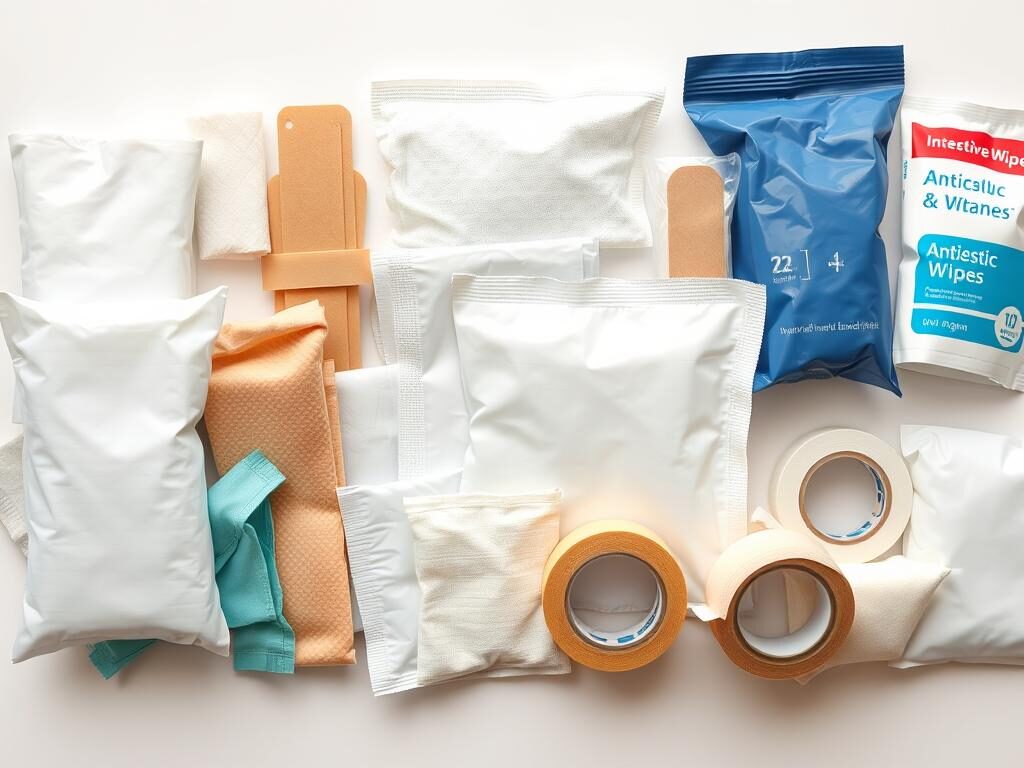
Dressing Types and Their Specific Applications
Different dressings have different uses. Foam dressings are great for wounds that drain a lot.
Tools for Proper Wound Assessment
Getting a wound’s size and depth right is important. Use a wound measuring guide for this.
For the best leg ulcer care, talk to experts like Dominion Mobile Wound Care. They can help you pick the right supplies and methods for your needs.
Proven Effective Home Treatments for Leg Ulcers
Leg ulcer care at home includes several important steps. These include using evidence-based cleaning methods and choosing the right dressings. By doing these, you can help your leg ulcers heal and manage them well.
Evidence-Based Cleaning Protocols
Cleaning your leg ulcer right is key for healing. Use saline solution or sterile water to clean it. These are gentle and remove debris well. Don’t use harsh products like hydrogen peroxide or iodine, as they can harm tissue and slow healing.
- Clean the wound gently with saline solution or sterile water.
- Use a clean gauze or swab to remove debris.
- Pat the area dry with a clean towel.
Appropriate Dressing Selection and Application
Picking the right dressing for your leg ulcer is very important. It helps keep the wound moist, which aids in healing. Think about these things when picking a dressing:
Moisture-Balanced Wound Healing
A moist environment is key for wound healing. Dressings that keep this balance help repair tissue and lower infection risk.
Frequency of Dressing Changes
Change your dressing as often as your healthcare provider says, usually daily or every other day. You might need to change it more often if it gets dirty or wet.
Proper Wound Documentation Techniques
Keeping accurate records of your wound’s progress is very important. Note the following each time you change your dressing:
- Size and depth of the wound.
- Appearance of the wound bed and surrounding tissue.
- Any signs of infection or complications.
By following these evidence-based treatment steps, you can manage your leg ulcers at home well. For more complex or lasting wounds, getting help from experts like those at Dominion Mobile Wound Care is a good idea.
The Critical Role of Compression in Leg Ulcer Healing
Compression therapy is key in healing leg ulcers. It improves blood flow and reduces swelling. This creates a great environment for wounds to heal.
Using compression therapy has many benefits, including:
- Enhanced blood circulation
- Reduced edema
- Promotion of wound healing
Types of Compression Systems
There are many compression systems for use at home, such as:
- Compression bandages: These are often used for treating venous leg ulcers.
- Compression stockings: Available in different compression levels, these are suitable for long-term management.
- Adjustable compression wraps: These offer flexibility and can be adjusted as needed.
Proper Application Techniques
To get the most from compression therapy, applying it correctly is important. Here are some tips:
- Ensure the compression is graduated, with the highest pressure at the ankle.
- Follow the manufacturer’s instructions for application.
- Monitor your skin for any signs of irritation or pressure damage.
When Compression Should Not Be Used
While compression therapy is helpful for many, there are times when it should be avoided or used with caution:
- Arterial ulcers: Compression can worsen arterial ulcers; a thorough assessment is necessary before use.
- Severe peripheral artery disease: Compression may impede blood flow further.
- Active infection: Compression should not be used over infected areas without proper medical guidance.
If you’re dealing with leg ulcers, understanding compression therapy’s role is important. It can greatly impact your healing journey. For personalized guidance and care, consider reaching out to professionals like those at Dominion Mobile Wound Care. They can provide expert advice tailored to your specific needs.
Addressing Circulation Issues to Promote Healing
Fixing circulation problems is key to healing leg ulcers. Good blood flow brings oxygen and nutrients to the wound. This helps it heal faster. Here are ways to boost circulation and aid in leg ulcer recovery.
Safe Exercise Routines for Improved Blood Flow
Doing gentle exercises can help your blood flow better. Try ankle rotations, toe wiggles, and short walks. Always talk to your doctor before starting any new exercise.
Positioning Strategies to Enhance Circulation
How you sit or lie down affects your blood flow. Elevating your legs can reduce swelling and boost blood flow. Try elevating them for 15-20 minutes, three to four times a day.
Dietary Factors That Impact Vascular Health
Eating right can help your blood vessels and improve circulation. Some foods and supplements can really help with blood flow.
Foods That Improve Circulation
Foods like salmon and walnuts, rich in omega-3s, can help blood flow. Leafy greens and citrus fruits are also good for circulation.
Nutritional Supplements Worth Considering
Supplements like vitamin C, vitamin E, and omega-3s might help circulation. But, always check with your doctor before adding new supplements.
| Nutritional Supplement | Potential Benefits |
|---|---|
| Vitamin C | Improves blood vessel function |
| Omega-3 Fatty Acids | Reduces inflammation, improves blood flow |
| Vitamin E | Antioxidant properties, supports vascular health |
By following these tips, you can improve blood flow and help your leg ulcers heal. For more help with wound care, contact Dominion Mobile Wound Care.
Effective Swelling Control Measures for Leg Ulcer Patients
Managing swelling is key to healing leg ulcers. You can try several home strategies to control swelling and aid in healing.
Elevation Techniques That Actually Work
Elevating your legs is a simple yet effective way to reduce swelling. Elevate your legs above your heart to improve circulation. Try to elevate your legs for at least 15-20 minutes, three to four times a day.
Lymphedema Management at Home
Lymphedema management involves several techniques to reduce swelling and promote lymphatic flow. Use compression garments, perform gentle exercises, and practice good skin care to manage lymphedema effectively.
Monitoring for Signs of Worsening Edema
It’s essential to monitor your swelling regularly to catch any signs of worsening edema early. Look out for increased swelling, pain, or redness in your legs. Seek medical attention if you notice any of these symptoms.
| Swelling Control Method | Description | Benefits |
|---|---|---|
| Leg Elevation | Elevate legs above heart level | Reduces swelling, improves circulation |
| Compression Garments | Wear compression stockings or sleeves | Reduces swelling, promotes lymphatic flow |
| Exercise | Perform gentle exercises | Improves circulation, reduces stiffness |
If you’re struggling to manage swelling or if your leg ulcers are not healing, consider seeking professional help. A specialized wound care team like Dominion Mobile Wound Care can provide personalized guidance and treatment to support your healing journey.
Professional Leg Ulcer Care: When and Why It’s Necessary
Managing a leg ulcer at home can be tough. Sometimes, you need professional help. Home care works well, but it has its limits. Expert wound care is key for healing and avoiding problems.
Limitations of Home Care Approaches
Home care for leg ulcers is hard because of wound management’s complexity. Without the right training, it’s hard to check the wound, pick the best dressing, and use compression right. Conditions like poor blood flow or diabetes can make healing harder, needing more than basic care.
| Aspect of Care | Home Care Limitations | Professional Care Advantages |
|---|---|---|
| Wound Assessment | Limited knowledge of wound stages and characteristics | Expertise in wound assessment and staging |
| Dressing Selection | Difficulty choosing the appropriate dressing type | Knowledge of various dressing types and their applications |
| Compression Therapy | Risk of improper application | Proper training in compression techniques |
The Value of Specialized Wound Care Expertise
Wound care experts are trained to handle tough wounds. They create care plans tailored to you, watch how your wound heals, and change treatments if needed. Their skills are critical in dealing with complications and improving your leg ulcer’s healing.
How Dominion Mobile Wound Care Bridges the Gap
Dominion Mobile Wound Care brings expert care to your home. This makes getting the care you need easier, without the trouble of going to a clinic. Their team can handle complex cases, giving you full care, including wound checks, dressing, and compression, plus teaching you how to care for your wound at home.
If your leg ulcer isn’t getting better with home care, think about contacting Dominion Mobile Wound Care. Their specialized services can greatly help your healing journey.
Common Home Remedies: Separating Fact from Fiction
There are many home remedies for leg ulcers, but it’s hard to know which ones work. People often try these remedies to help their condition. But, it’s important to know what really helps and what doesn’t.
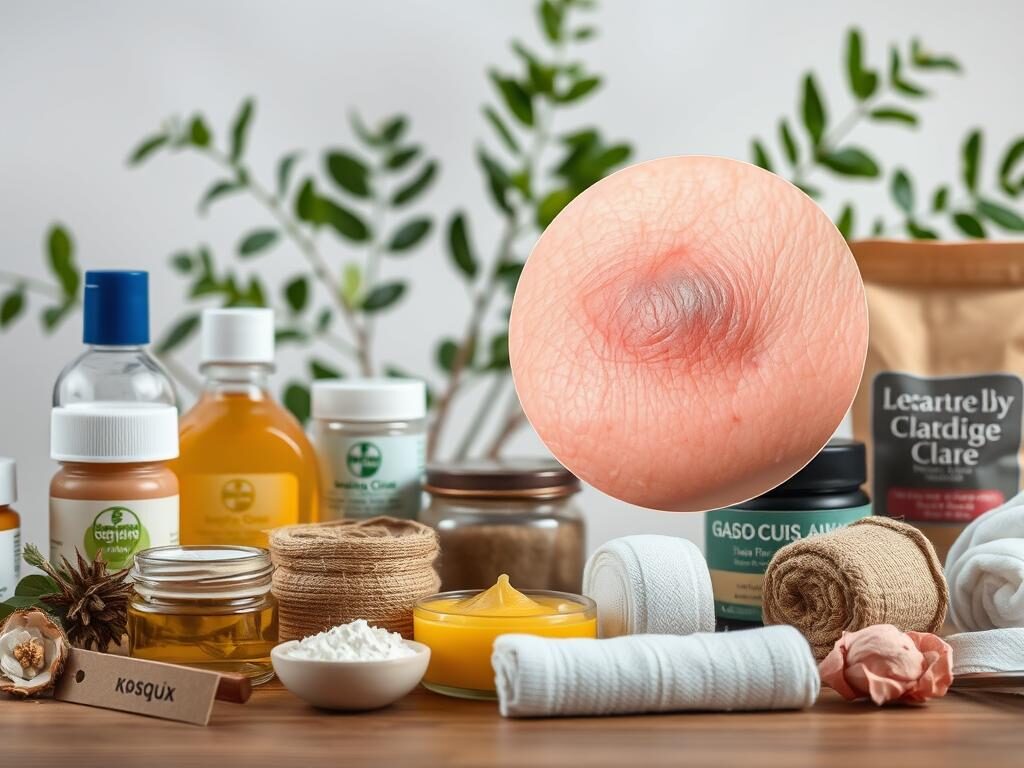
Honey, Silver, and Other Topical Treatments: The Evidence
Some treatments are popular for helping wounds heal. Medical-grade honey and silver dressings are two of the most used.
Medical-Grade Honey vs. Regular Honey
Medical-grade honey is good for wounds because it fights bacteria. It’s different from regular honey because it’s safe for wounds.
Silver Dressings: Benefits and Limitations
Silver dressings help because they fight off infections. But, how well they work depends on the silver type and the wound.
| Treatment | Benefits | Limitations |
|---|---|---|
| Medical-Grade Honey | Antibacterial properties, promotes wound healing | May not be suitable for all wound types, requires proper processing |
| Silver Dressings | Antimicrobial properties, reduces infection risk | Effectiveness varies with silver type and wound condition |
Dangerous Folk Remedies to Avoid
Some home remedies are safe, but others can harm your wound. It’s key to stay away from untested or risky treatments.
When Natural Approaches Can Complement Medical Treatment
Natural remedies can help when used right and with a doctor’s okay. Always talk to a healthcare expert before trying new remedies.
If you’re dealing with leg ulcers, Dominion Mobile Wound Care can help. They offer expert advice and treatment plans to aid in healing.
Warning Signs That Require Professional Intervention
When you take care of your leg ulcer at home, watch out for warning signs. These signs can stop serious problems before they start. Some leg ulcers need a doctor’s help to get better.
Infection Indicators That Shouldn’t Be Ignored
Infection is a big problem with leg ulcers. Look for increased redness, swelling, warmth, or pus around the ulcer. A bad smell or more pain means you might have an infection. If you see these signs, get medical help fast.
Changes in Wound Appearance That Signal Problems
Keep an eye on your ulcer for any changes. Look for increased size, deeper tissue involvement, or exposure of underlying tissues like tendons or bone. If the wound looks different, see a doctor right away.
Systemic Symptoms Requiring Immediate Attention
Some symptoms mean the infection or problem is affecting your whole body. Watch for fever, chills, or unexplained fatigue. If you have these, get medical help right away. At Dominion Mobile Wound Care, we’re ready to help. If you see these signs, call us for help.
Conclusion: Taking Control of Your Leg Ulcer Healing Journey
Understanding leg ulcer care can help you manage your healing journey. Effective care at home includes cleaning the wound, choosing the right dressing, and using compression therapy.
Being proactive in your care is key. This means watching your wound’s progress, controlling swelling, and keeping blood flowing well. With the right knowledge and support, you can heal better.
If managing your leg ulcers is tough, or if you need expert advice, Dominion Mobile Wound Care can help. Their team offers personalized care and support to aid in your healing and improve your health.
FAQ
What are the most common types of leg ulcers?
Leg ulcers can be venous, arterial, or diabetic. Knowing the type is key to treating them right.
How can I manage swelling associated with leg ulcers?
Use elevation and manage lymphedema to control swelling. Watch for signs of edema getting worse. Controlling swelling helps wounds heal.
What is the role of compression in leg ulcer healing?
Compression improves blood flow and reduces swelling. Home use systems are available. Proper application is vital for best results.
Can I treat my leg ulcer at home, or do I need professional care?
Home care works for some ulcers, but professional help is often needed. Dominion Mobile Wound Care offers specialized care.
What are some effective home treatments for leg ulcers?
Clean wounds properly, choose the right dressings, and document care. Moisture-balanced healing and regular dressing changes are key.
Are there any home remedies that can help heal leg ulcers?
Honey and silver dressings may help. But, be careful of false claims. Always check with a doctor before trying new remedies.
How can I improve circulation to promote healing?
Safe exercises, positioning, and healthy diet can boost circulation. Good blood flow is vital for healing leg ulcers.
What are the warning signs that require professional intervention?
Look out for infection signs, changes in wound, and systemic symptoms. Seek medical help if you notice these.
What supplies do I need for effective leg ulcer care at home?
You’ll need cleaning solutions, dressings, and tools for assessment. The right supplies are essential for managing ulcers at home.
Add a Comment