

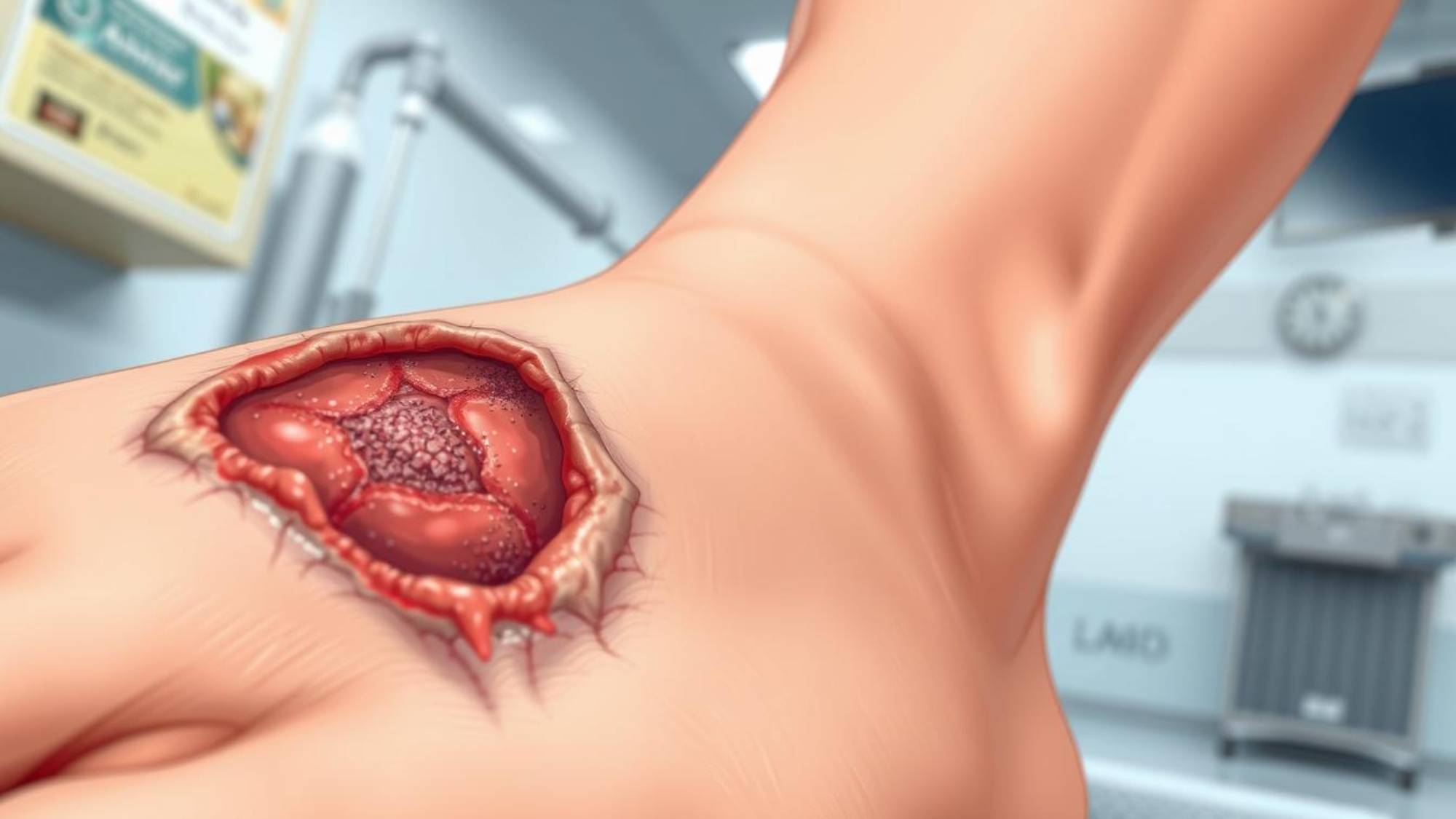
If you have diabetes, you know how hard it can be to heal wounds. Diabetes slows down the body’s healing, making it take longer to get better. This can also lead to more serious problems.
In 2018, the Centers for Disease Control reported 34.2 million Americans with diabetes. Diabetic wounds affect up to 25% of people with diabetes. Keeping your blood sugar in check is key to healing wounds.
By managing your diabetes and focusing on wound care, you can greatly improve your health.
Key Takeaways
- Managing blood sugar levels is key for wound healing.
- Diabetes slows down the body’s healing process.
- Good wound care can lower the risk of serious problems.
- Being proactive can boost your overall health.
- People with diabetes face a higher risk of wound complications.
Understanding the Importance of Wound Care for Diabetics
Diabetes makes it hard for wounds to heal, making wound care key for managing diabetes. As a diabetic, you face higher risks of wound problems. This is due to high blood sugar, nerve damage, and poor blood flow. Knowing these challenges is the first step to better wound care.
Dominion Mobile Wound Care offers specialized wound care for diabetics. Their team helps you understand and manage wound healing.
How Diabetes Affects the Healing Process
Diabetes can slow down wound healing in several ways:
- High Blood Sugar Levels: High glucose levels can weaken white blood cells. This makes it tough for your body to fight off infections.
- Nerve Damage (Neuropathy): Diabetes can damage nerves. This reduces feeling in your feet, making it hard to notice wounds early.
- Poor Circulation: Diabetes can cause blood vessel disease. This reduces blood flow to wounds, slowing healing.
These issues together can turn wounds into serious problems if not managed right.
Common Types of Wounds in Diabetics
Diabetics often get different types of wounds, including:
| Type of Wound | Description | Complications |
|---|---|---|
| Foot Ulcers | Open sores on the feet due to nerve damage and poor blood flow. | Infection, gangrene, amputation |
| Surgical Site Infections | Infections after surgery, which can be worse for diabetics. | Delayed healing, further infection |
| Pressure Ulcers | Wounds from too much pressure on the skin, common in those who can’t move much. | Infection, more tissue damage |
Knowing these risks is key for diabetics to manage their wound care. Working with healthcare pros like Dominion Mobile Wound Care helps create a care plan for you.
Maintaining Optimal Blood Sugar Levels
Keeping blood sugar in check is key for diabetics to heal wounds. High blood sugar can slow healing by causing inflammation and weakening the immune system. So, managing your blood sugar is vital for good wound care.
The Connection Between Blood Sugar and Healing
High blood sugar can cause many problems that slow down wound healing. High blood sugar leads to inflammation, damages nerves and blood vessels, and weakens the body’s defense against infections. It’s important for diabetics to keep their blood sugar levels in check to help wounds heal.
Tips for Stabilizing Blood Sugar
To keep your blood sugar stable, try these tips:
- Check your blood sugar often to see how food and activities affect it.
- Eat a balanced diet for wound healing that includes veggies, fruits, and lean proteins.
- Drink lots of water all day to stay hydrated.
- Do regular physical activity, like walking, to help control your blood sugar.
- Follow your medication schedule as your doctor tells you to.
For more tips on managing diabetic foot ulcers at home, check out Best Practices for Managing Diabetic Foot Ulcers at.
The Role of Nutrition in Wound Healing
For people with diabetes, eating right is very important. A diet full of good nutrients helps the body heal faster. This can make a big difference in how well wounds heal.

Essential Nutrients for Faster Recovery
A good diet for healing wounds needs many nutrients. Protein is key for fixing and growing new tissue. Vitamin C helps make collagen and boost the immune system. Zinc is also important for making proteins and enzymes.
Eating foods high in these nutrients can help you heal faster. For example, lean meats, fish, and eggs are great for protein. Citrus fruits and leafy greens are full of vitamin C. Nuts and seeds are good for zinc.
Foods to Include in Your Diet
To help wounds heal, add these foods to your meals:
- Lean proteins like chicken, turkey, and fish
- Eggs and dairy products for more protein
- Citrus fruits such as oranges and grapefruits for vitamin C
- Leafy greens like spinach and kale for vitamin C and other nutrients
- Nuts and seeds, including almonds and pumpkin seeds, for zinc
- Whole grains like brown rice and quinoa for fiber and nutrients
Eating a balanced diet is good for healing wounds and your overall health. For more tips on wound care, check out Dominion Mobile Wound Care for expert advice and support.
Proper Hygiene Practices
Keeping wounds clean is key for diabetics. It helps prevent infections and aids in healing. Diabetics must watch out for complications like neuropathy and poor circulation.
The Importance of Keeping Wounds Clean
Clean wounds prevent infections, which are serious for diabetics. Infections can slow healing, damage tissue, and even lead to amputation. So, keeping wounds clean is vital for managing diabetes.
Cleanliness helps wounds heal better. It lets the body’s healing processes work well.
Recommended Wound Cleaning Techniques
For diabetics, clean wounds with mild soap and lukewarm water. Don’t use harsh antiseptics like hydrogen peroxide or iodine. They can harm tissue and slow healing.
- Gently clean the wound with mild soap and lukewarm water.
- Pat dry with a clean towel.
- Apply a dressing to protect the wound.
| Wound Cleaning Method | Benefits | Precautions |
|---|---|---|
| Mild Soap and Water | Gentle on tissues, effective cleaning | Avoid using hot water |
| Saline Solution | Non-irritating, promotes healing | Ensure sterile preparation |
Good hygiene is important, but knowing when to get help is too. If you see signs of infection, like redness or pus, see a doctor fast. Places like Dominion Mobile Wound Care offer help and advice to ensure wounds heal right.
Choosing the Right Dressings
The right dressing is key to healing diabetic wounds. It’s important to pick wisely. The dressing you choose can greatly help in creating a healing environment.
Types of Dressings Suitable for Diabetics
There are many dressings out there, each with its own benefits. Diabetics need dressings that keep the wound moist and manage fluid well.
- Foam Dressings: These absorb a lot and are good for wounds with a lot of fluid.
- Hydrocolloid Dressings: They keep the wound moist and are best for wounds with little fluid.
- Alginate Dressings: These absorb a lot and are great for wounds with a lot of fluid.
- Antimicrobial Dressings: They have agents that fight infection, making them good for high-risk wounds.
| Dressing Type | Characteristics | Suitability |
|---|---|---|
| Foam Dressings | Highly absorbent, breathable | Wounds with moderate to heavy drainage |
| Hydrocolloid Dressings | Creates a moist environment | Wounds with minimal drainage |
| Alginate Dressings | Highly absorbent, forms a gel | Wounds with heavy exudate |
| Antimicrobial Dressings | Contains antimicrobial agents | Wounds at high risk of infection |
How to Change Dressings Effectively
Changing dressings right is key to a clean healing environment. Here’s how to do it:
- Get all needed supplies, like the new dressing, gloves, and cleaning solutions.
- Remove the old dressing carefully to avoid irritation.
- Clean the wound with saline or a similar solution.
- Dry the wound edges before putting on the new dressing.
- Apply the new dressing securely but not too tight.
Choosing the right dressing and changing it well can greatly help diabetic wounds heal. New technologies in wound care keep improving, giving more options for managing diabetic wounds.
Importance of Regular Foot Care
Diabetics face special foot care challenges. If ignored, these can lead to serious problems. As someone with diabetes, you know how hard it is to manage your condition. Keeping your feet healthy is key to avoid ulcers and infections.
Common Foot Complications for Diabetics
Diabetes can damage nerves and reduce blood flow. This makes your feet more prone to problems. Common issues include:
- Foot ulcers: Open sores that can develop due to pressure or injury
- Infections: Bacterial or fungal infections that can spread if not treated promptly
- Nerve damage: Neuropathy can cause numbness, tingling, or pain in the feet
To avoid these problems, keep your feet clean and check them often. Exercise and not smoking can help improve circulation. For circulation tips, try walking or stretching every day.
Daily Foot Care Routines
Having a daily foot care routine can lower the risk of complications. Here are some steps:
- Wash your feet daily with mild soap and warm water
- Dry your feet thoroughly, paying extra attention between the toes
- Moisturize your feet to prevent dry skin, but avoid lotion between the toes
- Check your feet daily for cuts, blisters, or other injuries
- Wear comfortable, well-fitting shoes to prevent pressure points
A diet for wound healing rich in vitamins and minerals helps too. Foods high in Vitamin C and zinc support healing. By combining good foot care with a healthy diet, you can lower the risk of foot problems.
Using Natural Remedies for Wound Care
Natural remedies can help diabetics heal wounds better. Aloe vera and honey are good examples. They fight off germs and reduce swelling.
Herbal Options That Promote Healing
Many herbs can help wounds heal. Here are a few:
- Aloe vera: It soothes and fights swelling.
- Honey: It stops germs and keeps wounds moist.
- Turmeric: It has compounds that fight inflammation and protect cells.
Honey has been used for ages to help wounds heal. It keeps wounds moist and fights off germs. A study showed honey heals wounds faster than regular dressings.
The Benefits of Aloe Vera
Aloe vera is great for wounds too. It offers:
| Benefit | Description |
|---|---|
| Anti-inflammatory properties | It reduces swelling and helps wounds heal. |
| Soothing effect | It makes wounds less painful and more comfortable. |
| Moisturizing effect | It keeps wounds moist, which helps them heal faster. |
Aloe vera is perfect for diabetics because it reduces swelling and soothes wounds.
Adding natural remedies to your wound care can be helpful. But, always talk to a doctor before trying new things.
The Impact of Hydration on Healing
Hydration is key for wound healing, more so for those with diabetes. It keeps skin healthy and aids in healing. When hydrated, your body can better send nutrients and oxygen to wounds, speeding up recovery.
Why Staying Hydrated Matters
Staying hydrated is vital for healthy skin and healing. Adequate hydration makes skin supple and strong, lowering injury risk. It also aids in healthy circulation, essential for wound healing.
Dehydration can harm by reducing blood volume and slowing healing. Drinking enough water helps your body heal well.
Tips for Keeping Hydrated
To stay hydrated, drink lots of water all day. Aim for at least eight glasses daily, adjusting for activity and climate. Eating hydrating foods like watermelon and cucumbers also helps.
- Drink water regularly throughout the day.
- Include hydrating foods in your diet, such as fruits and vegetables.
- Monitor your urine output to ensure you’re staying hydrated; it should be pale yellow.
- Avoid excessive caffeine and alcohol, as they can dehydrate you.
Focus on hydration and follow these tips to aid healing. A hydrated body heals wounds better. Combine this with a healthy diet for wound healing and good circulation tips for faster recovery.
When to Seek Professional Help
If you’re managing a wound, knowing when to seek professional help is key. As a diabetic, your wound healing can be tough. This is because poor blood sugar control can slow down healing and cause more problems.
Signs That Wound Care Needs Medical Attention
It’s important to know the signs that mean you need medical help. Look out for:
- Increased redness or swelling around the wound
- Pus or discharge
- A foul odor
- Increased pain
- A wound that isn’t healing
Prompt action is needed if you see any of these signs. They could mean an infection or a serious problem.
How Dominion Mobile Wound Care Can Assist
Dominion Mobile Wound Care offers specialized wound care services. Their team provides:
- Personalized care plans
- Advanced wound care technologies
- Convenient mobile services, bringing care to your location
Getting help from Dominion Mobile Wound Care ensures your wound gets the care it needs. This reduces the chance of complications and helps it heal better.
The Benefits of Professional Wound Care Services
For those with diabetes, getting professional wound care is key. Diabetics often face wounds that are hard to heal. But, with the right care, you can heal faster and avoid serious problems.
Professional wound care gives you the support you need. They help from the start to ongoing care. This support is vital for your recovery.
Personalized Care Plans from Dominion Mobile Wound Care
Dominion Mobile Wound Care creates personalized care plans for you. Their team will work with you to make a plan that fits your needs. This ensures you get the right treatment for your wound.
- Comprehensive assessments to understand your condition
- Customized treatment plans tailored to your needs
- Ongoing support to ensure optimal healing
Advancements in Wound Care Technology
The field of wound care has made big strides in technology. Dominion Mobile Wound Care uses the latest tech to help wounds heal better.
They use advanced tools like:
- Advanced wound dressings that promote a moist environment
- Negative pressure wound therapy to enhance healing
- Bioengineered skin substitutes to support tissue regeneration
Thanks to these new technologies and personalized plans, you can heal faster. Professional wound care is a big help for diabetics managing their wounds.
Conclusion: Taking Charge of Your Healing Journey
As a diabetic, it’s key to take charge of your wound care. Knowing the importance of cleanliness, nutrition, and getting help when needed can greatly help your healing. This approach can make a big difference in your recovery.
Effective Wound Care Strategies
Eating right is essential for wound healing. Make sure you’re getting the nutrients your body needs. Also, keeping wounds clean and using the right dressings is important for diabetics.
Seeking Professional Assistance
If wound care is tough for you, think about getting help from Dominion Mobile Wound Care. They offer custom care plans and advanced technology. This can lead to better healing and a better life for you.
FAQ
How does diabetes affect wound healing?
Diabetes can slow down wound healing. High blood sugar, nerve damage, and poor circulation make it tough for wounds to close.
What role does blood sugar control play in wound healing?
Keeping blood sugar levels in check is key for wound healing. High sugar can slow healing and cause problems.
What nutrients are essential for wound healing?
Important nutrients include protein, vitamin C, zinc, and omega-3 fatty acids. You can find these in lean meats, citrus fruits, and nuts.
How can I keep my wounds clean?
Clean wounds by gently washing with mild soap and lukewarm water. Pat dry with a clean towel. Avoid harsh cleansers.
What types of dressings are suitable for diabetic wounds?
Good dressings for diabetic wounds are foam, alginate, and hydrocolloid. They keep the wound moist and help it heal.
How often should I change my wound dressings?
Change dressings daily or as a healthcare professional advises. It depends on the dressing and wound condition.
Why is foot care important for diabetics?
Foot care is vital for diabetics to avoid ulcers, infections, and nerve damage. Regular care is essential.
Can natural remedies help with wound healing?
Natural remedies like aloe vera and tea tree oil might help wounds heal. But, always check with a healthcare professional first.
How does hydration impact wound healing?
Drinking enough water is important for wound healing. It keeps the skin healthy and supports the body’s healing.
When should I seek professional help for wound care?
Get professional help if you see signs of infection like more redness, swelling, or pus. Or if your wound isn’t healing right.
Add a Comment