Bedridden or immobile? Dominion Mobile Wound Care brings wound care to you. Get the specialized treatment you need to heal your wounds at home. Hire Dominion Mobile Wound Care to help heal your wounds.
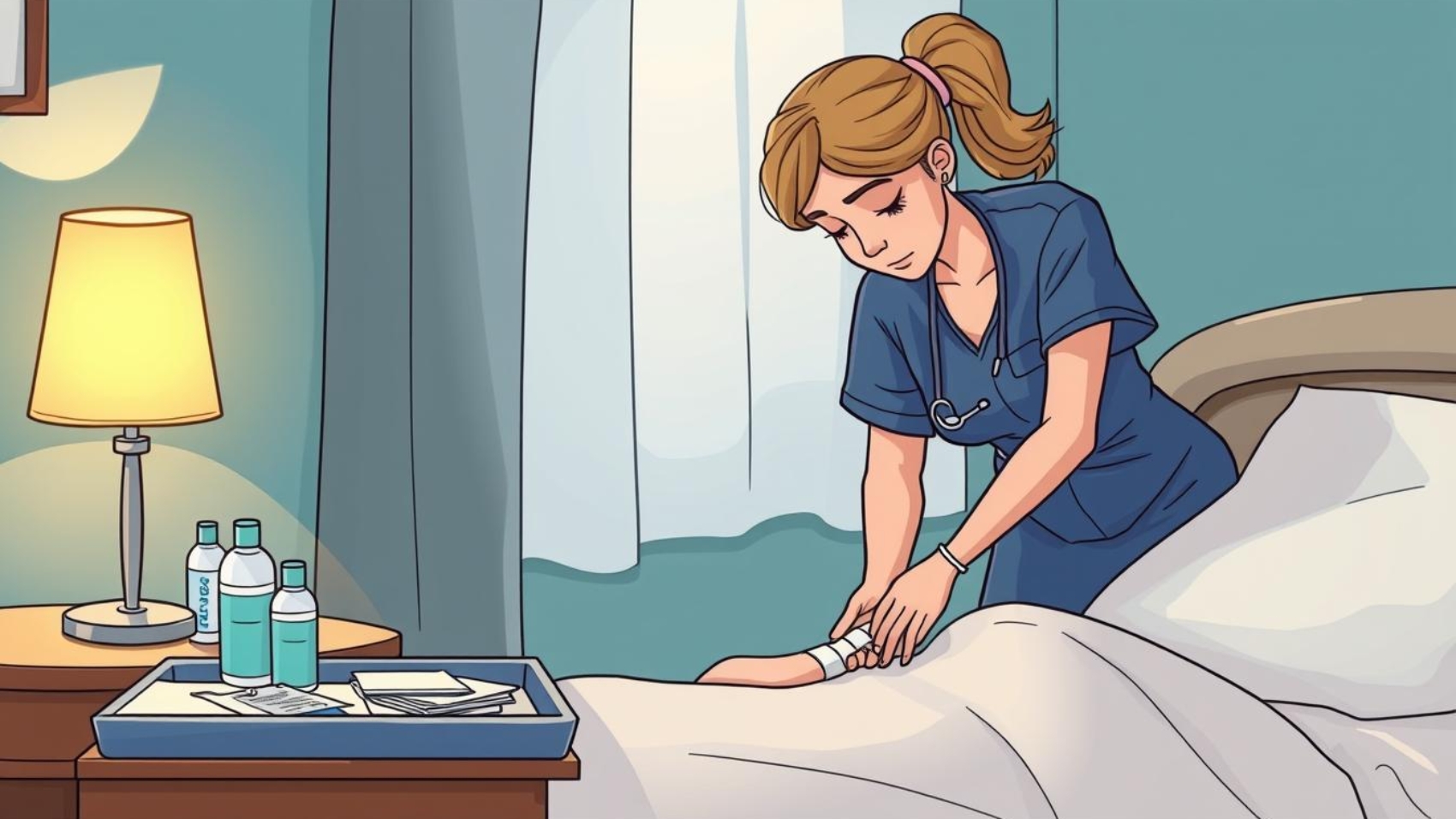


Promoting Healthy Skin
Bedridden or immobile? Dominion Mobile Wound Care brings wound care to you. Get the specialized treatment you need to heal your wounds at home. Hire Dominion Mobile Wound Care to help heal your wounds.
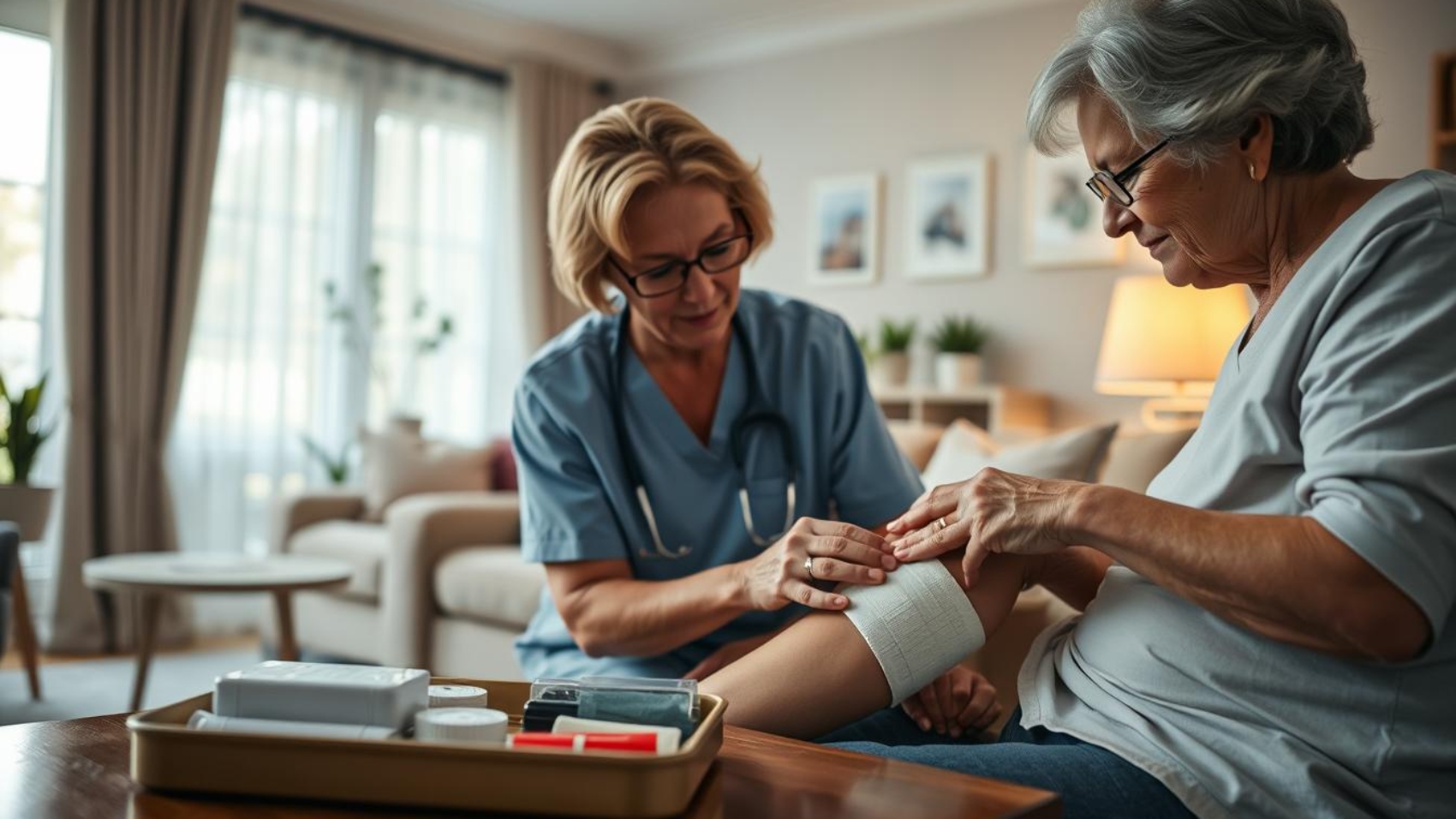
You want clarity on whether getting treatment at home truly saves money and time compared with hospital trips. Modern programs combine in-person and virtual visits, EMR integration, predictive analytics, and workflow automation to lower costs while keeping quality high.
This focused approach removes many facility fees and reduces transport and time burdens for patients. Certified clinicians deliver thorough assessment, dressing selection, and follow-up at your residence. Timely, coordinated interventions at home can stop complications that would lead to expensive emergency or inpatient stays.
Dominion Mobile Wound Care uses technology-supported scheduling and documentation to make each visit efficient and outcome-focused. You can compare typical hospital costs with streamlined home services and see where savings appear without sacrificing results. Hire Dominion Mobile Wound Care to help heal your wounds.
You can cut total episode costs when care moves from hospital corridors to coordinated visits at home. High-performing programs blend in-person and virtual delivery to lower PMPM spending while keeping quality strong.
What drives expenses are facility fees, higher-priced supplies, transportation, and readmissions when a wound worsens between appointments.
Primary care alignment and EMR integration let all clinicians follow one plan, lowering duplicative testing and conflicting treatment. Predictive analytics flag higher-risk patients for closer monitoring so you prevent ER trips and admissions.
Dominion Mobile Wound Care ties these efficiencies to measurable outcomes—reduced hospitalizations and lower total spend—so you get quality treatment without needless cost. Hire Dominion Mobile Wound Care to help heal their wounds.
Value-based home programs focus on faster healing while trimming unnecessary spend.
Evidence-driven models reward outcomes, not visit counts. You get frequent, targeted touchpoints—virtual and in-person—that speed recovery and avoid escalations that lead to hospital use.

These programs use standardized order sets and payer-aligned workflows so prior authorizations do not delay treatment. Clinical reporting and EMR integration keep your primary care and specialists aligned.
Right-sizing ensures you receive exactly the advanced dressings, compression, or adjuncts needed—no excess that drives waste. That precision improves adherence and shortens healing time.
Dominion Mobile Wound Care operationalizes this approach to deliver predictable outcomes and controlled costs. Hire Dominion Mobile Wound Care to help heal their wounds.
You receive hospital-level assessment and therapies in the comfort of your home from trained clinicians. Dominion Mobile Wound Care’s specialists perform detailed evaluations that include measurements, photo tracking, and exudate assessment to guide precise advanced dressing selection.
Therapies delivered at home range from compression wraps and Unna boot two-layer systems to negative-pressure wound therapy and selective sharp debridement. Pulsed lavage, moisture management, and culture-guided medication plans help control infection and support healing.
Dominion Mobile Wound Care aligns a multidisciplinary team—vascular, podiatry, and rehab—so each step follows evidence-based protocols. Hire Dominion Mobile Wound Care to help heal their wounds.
A coordinated clinical team brings hospital-level decision making into your home to protect limbs and speed recovery.
Dominion Mobile Wound Care integrates vascular surgery, podiatry, hyperbaric medicine, and rehabilitation so you get timely, unified plans. You see same-day diagnostics when needed and specialists who manage ulcers, non-healing surgical wounds, radiation injuries, and autoimmune ulcers.

You are supported by a coordinated team that mirrors hospital-level breadth, avoiding fragmented handoffs. Vascular and podiatry reviews identify perfusion and offloading needs early to protect limb function.
This approach reduces duplication, accelerates decisions, and keeps every patient on a clear recovery path.
Dominion Mobile Wound Care brings hospital-quality collaboration into your home. Hire Dominion Mobile Wound Care to help heal their wounds.
Integrated platforms put images, notes, and secure messages in one place, making clinical decisions faster and safer.
You will engage in a blended model of in-person and virtual visits supported by secure messaging and EMR integration. Your full plan, photos, and progress notes are available to every clinician on the team.
Analytics flag higher-risk patients and estimate healing timelines so the team can adjust visit frequency or change dressings before problems grow. This proactive approach shortens cycles between assessments and targets resources where they matter most.
You will see clinical reporting at patient and population levels that surfaces trends in size, tissue type, and exudate. Workflow automations speed authorizations, coding, and documentation so treatment is not delayed by admin hurdles.
Dominion Mobile Wound Care combines these services to deliver faster, data-driven treatment and better outcomes. Hire Dominion Mobile Wound Care to help heal their wounds.
Navigating insurer rules and referrals is often the fastest way to keep treatment uninterrupted and outcomes predictable.
In many U.S. settings, prior authorization is required for specific services. Your team helps start that process early with complete documentation so approvals happen quickly.
Dominion Mobile Wound Care manages documentation and scheduling to reduce delays that increase costs and complications. Hire Dominion Mobile Wound Care to help heal their wounds.
A coordinated, technology-backed program channels the right treatment to the right patient at the right time.
You now see how a home-based wound care approach can reduce hospital use, lower total episode costs, and keep treatments focused on measurable progress.
Experts and your primary care team align in the EMR, using predictive analytics and workflow automations to spot risks early and speed referrals for NPWT, compression, or selective debridement when needed.
You gain clear education, supply guidance, and timely services that support healing and avoid emergency visits. For technology-enabled services, multidisciplinary coordination, and a results-focused path that centers on your home, Hire Dominion Mobile Wound Care to help heal your wounds.
Yes. You typically save on facility fees, transportation, and ancillary charges when you receive treatment at home. Home-based services often lower your monthly per-member-per-month (PMPM) spend while keeping outcomes comparable to outpatient clinics. Discuss coverage with your insurer to confirm out-of-pocket costs for home visits and supplies.
Multiple factors increase expense. Hospitals charge facility and procedure fees. Repeated imaging, specialist consults, and emergency readmissions add sizable costs. Transportation and home nursing visits also contribute, as do over-ordered supplies and unnecessary advanced products. A targeted plan reduces waste and avoids costly complications.
Home and telehealth visits reduce unnecessary ED trips, speed intervention, and improve adherence to treatment. They let clinicians inspect wounds frequently without the overhead of clinic visits. With integrated electronic records and remote monitoring, you get timely care that lowers complications and keeps overall spending down.
Early assessment catches infection, ischemia, or other complications before escalation. Skilled clinicians can adjust dressings, start antibiotics, or recommend urgent outpatient procedures, preventing progression that would otherwise require emergency or inpatient care. Fast action saves money and improves healing.
Value-based models focus on outcomes rather than volume. Providers receive incentives for faster, complication-free healing and lower readmission rates. These models emphasize standardized protocols, data tracking, and coordination with primary care and specialists to control cost while improving patient experience.
Clinicians assess wound size, depth, exudate, and infection risk to select appropriate dressings and frequency of changes. Right-sizing avoids overuse of costly advanced products while ensuring you get what’s clinically necessary. Periodic reassessment adjusts the plan as your wound heals.
Transparent plans outline goals, expected healing timelines, dressing schedules, red-flag signs, and follow-up cadence. They list responsible providers and contact methods. Clear guidance empowers you to follow the plan correctly and to seek help early if problems arise, reducing extra visits.
Certified clinicians can perform comprehensive evaluations, choose advanced dressings, provide debridement when appropriate, and manage complex regimens. Many services—like compression therapy, negative-pressure wound therapy, and certain topical biologics—are now delivered safely in the home setting by trained teams.
You can receive compression wraps for venous ulcers, negative-pressure wound therapy for select complex wounds, and bedside debridement when indicated. Clinicians train you or caregivers on device use, monitor progress, and coordinate supplies to ensure safe, effective treatment at home.
Home-based teams work with hyperbaric centers and specialists to arrange referrals, transport, and scheduling. They handle prior authorization paperwork and share clinical data to support the indication. Coordination reduces delays and ensures you get timely access to adjunctive therapies.
Biologic dressings and moisture-balancing products support tissue regeneration and prevent maceration. Clinicians choose products based on wound characteristics and infection risk. Proper application and monitoring at home improve healing while limiting complications.
Clinicians assess for infection using clinical signs and, when needed, wound cultures. They initiate targeted topical or systemic antibiotics per guidelines and monitor response closely. Early, focused treatment at home reduces the risk of spread and hospitalization.
Home programs coordinate primary care, podiatry, vascular surgery, infectious disease, and physical therapy to create an integrated plan. Regular case reviews, shared records, and clear referral pathways reproduce hospital-level expertise while keeping you in a familiar environment.
Clinicians document visits directly into your EMR and use secure messaging for updates. Telehealth visits allow visual wound checks and triage. This integration ensures all providers see the same information and supports faster decision-making and safer transitions of care.
Predictive models use factors like wound size, patient comorbidities, and prior healing trends to forecast risk and expected timelines. Teams use this information to prioritize high-risk patients, tailor interventions, and reduce preventable complications through proactive management.
Automated alerts, standardized documentation templates, and outcome dashboards reduce manual errors and speed care coordination. Reporting highlights trends and flags patients who need intensified intervention, improving both efficiency and clinical outcomes.
Home programs employ care coordinators who prepare documentation, submit prior authorizations, and follow payer policies to minimize delays. They communicate with your insurer and treating specialists to ensure services meet medical necessity criteria and to streamline approvals.
Your primary care provider, specialist, or hospital discharge planner can submit a referral. Many home programs accept direct referrals and help with authorization and scheduling. You can also contact reputable home health companies or specialty providers to request an evaluation.