Senior wound care

Common Wound Problems in Seniors and How to Prevent Them

As you get older, your skin changes a lot. This makes it more likely to get wounds. Thinning skin is a big problem, leading to skin tears and other injuries. Seniors are a big part of the chronic wound cases, with 8.2 million over 65 expected to get a wound.

It’s very important to take care of wounds properly. This helps prevent more problems and helps them heal. Knowing the risks of aging skin helps you protect it and avoid wounds.

Key Takeaways

  • Thinning skin increases the risk of wounds in seniors.
  • Proper wound care is essential for preventing complications.
  • Understanding the risks associated with aging skin can help in prevention.
  • Proactive steps can be taken to protect the skin and prevent wounds.
  • Dominion Mobile Wound Care can provide expert assistance in wound healing.

The Growing Concern of Wound Care in America’s Aging Population

As the U.S. population ages, wound care is becoming a big concern. Many families across the country are affected. With age, the risk of getting wounds goes up due to factors like less mobility and chronic illnesses.

Current Statistics on Senior Wound Issues

Wound care in seniors is alarming. Chronic wounds affect millions, leading to high healthcare costs and a lower quality of life. For example, pressure ulcers cost billions each year. These stats highlight the need for better wound care.

The Impact of Wounds on Senior Quality of Life

Wounds can greatly affect a senior’s life. Pain, discomfort, and limited mobility can cause isolation and depression. But, proper care can improve their health and well-being.

If you or a loved one needs wound care, get professional help. Services like Dominion Mobile Wound Care offer the support needed. Don’t wait to get expert care to improve outcomes and quality of life.

Understanding Why Seniors Are More Vulnerable to Wound Problems

As we age, our bodies change in ways that make us more likely to get wounds. This is because our skin and body functions change. Knowing why this happens can help us prevent wounds.

Age-Related Skin Changes

Our skin changes a lot as we get older. It gets thinner, less elastic, and drier. This makes it easier to get cuts and injuries. Table 1 shows how these changes affect our risk of getting wounds.

Skin Change Implication for Wound Risk
Thinning skin Increased risk of skin tears
Reduced elasticity Less ability to withstand stretching or pressure
Decreased moisture Dry skin more prone to cracking

Compromised Immune Function

Older adults often have weaker immune systems. This makes it harder for their bodies to heal wounds. A healthy lifestyle, like eating well and exercising, can help. If you have a wound, getting help from experts like Dominion Mobile Wound Care is a good idea.

Knowing why seniors are more likely to get wounds helps us prevent them. It also helps us treat them quickly if they do happen.

Common Types of Wounds Affecting Older Adults

As people get older, their skin changes a lot. It gets thinner and less elastic, making it easier to hurt. Conditions like diabetes can make healing wounds even harder.
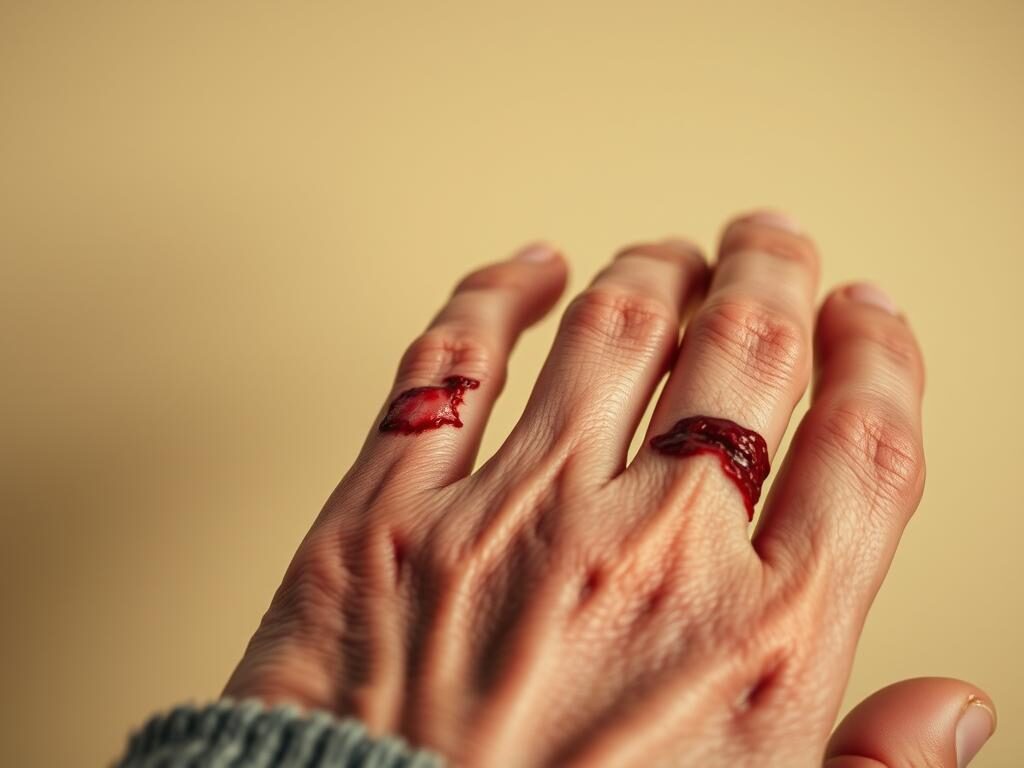
wounds in older adults

Pressure Injuries

Pressure injuries, or bed sores, are a big worry for older adults. They happen when skin stays under pressure too long. Moving regularly and using the right bed can help avoid these injuries.

Skin Tears

Skin tears are common in older adults, often from falls. Their skin is thinner and more likely to tear. Taking care and handling skin gently can help prevent tears.

Diabetic Ulcers

Diabetic ulcers come from diabetes, causing nerve damage and poor blood flow. They’re hard to heal and need special care. Keeping diabetes under control is key to avoiding these ulcers.

Venous and Arterial Ulcers

Venous and arterial ulcers happen because of bad blood flow. Venous ulcers come from vein problems, while arterial ulcers are from low blood flow. Good wound care and managing health issues are vital for healing.

Knowing about these wounds is the first step to preventing and managing them. By understanding the risks and taking action, older adults can lower their chance of getting these wounds. If wound care is a challenge, Dominion Mobile Wound Care can help. They offer the care and advice needed for healing and better health.

The Challenge of Thinning Skin in Elderly Care

Aging skin gets thinner and more likely to get hurt. As we get older, our skin changes a lot. It gets thinner and less stretchy, making it easier to tear.

Why Skin Thins with Age

There are many reasons why skin thins with age. The top layer of the skin, the epidermis, gets thinner. The layer underneath, the dermis, also changes. It makes less collagen, making the skin less elastic and more likely to tear.

Factors Contributing to Skin Thinning Effects on the Skin
Reduced Collagen Production Decreased skin elasticity
Thinning of the Epidermis Increased susceptibility to injury
Loss of Dermal Components Reduced skin strength

Special Care Techniques for Fragile Skin

Caring for thin skin needs gentle and careful methods. Using moisturizers helps keep the skin moist and strong. It’s important to avoid rubbing or putting too much pressure on the skin.

For seniors with thin skin, using padding can help prevent injuries. This includes padding on elbows and heels.

If you or a loved one has thin skin and wounds, get professional help. Dominion Mobile Wound Care offers special wound care services. They can help a lot with healing. Don’t wait to get expert advice on caring for thin skin and preventing more problems.

Fall-Related Wounds: A Major Risk for Seniors

Falls are a big worry for seniors, often causing wounds that hurt their quality of life. As people get older, they’re more likely to fall. This is because they might move less, have trouble balancing, or have health issues. These falls can lead to serious wounds that need quick medical help.

Common Fall Injuries and Their Complications

Seniors who fall can get many types of injuries. Some common ones are:

  • Cuts and lacerations
  • Bruises and hematomas
  • Fractures, like hip fractures
  • Head injuries, like concussions

These injuries can cause problems like infections, slow healing, and less mobility. For example, a small cut can get infected if not treated right, leading to bigger health problems.

Creating a Fall-Safe Environment

Stopping falls is key to avoiding fall-related wounds. Making your home safe involves several steps:

  • Removing tripping hazards like loose rugs and clutter
  • Improving lighting, mainly in hallways and stairways
  • Installing handrails in key spots
  • Using non-slip mats in bathrooms and kitchens

By doing these things, you can greatly lower the chance of falls at home.

Rehabilitation After Fall-Related Wounds

Rehab is very important after a fall wound. It includes therapies and exercises to get strength, mobility, and function back. The rehab plan depends on how bad the injury is.

Therapy Type Purpose Benefits
Physical Therapy Improve mobility and strength Helps in recovery, lowers fall risk
Occupational Therapy Regain daily living skills Makes you more independent, safer in daily tasks
Speech Therapy Address communication and swallowing issues Better communication, less risk of choking

If you or a loved one has a fall wound, getting professional help is key. Dominion Mobile Wound Care offers special wound care for seniors. Their team can help with healing and prevent more problems. Don’t wait to contact them for help.

How Chronic Illnesses Affect Senior Wound Care

Chronic illnesses have a big impact on wound care for seniors. They can slow down healing and affect health. It’s important to know how they affect wound management as you get older.

chronic illness senior wound care

Diabetes and Wound Healing

Diabetes is a major chronic illness that slows down wound healing in seniors. High blood sugar damages nerves and blood vessels. This makes it hard for wounds to heal.

Diabetes can also cause neuropathy, making it tough to notice wounds. And it can lead to peripheral artery disease, which makes healing even harder.

To manage diabetes-related wound care, keeping blood sugar levels in check is key. Regular checks and adjusting your treatment plan can help avoid wound problems.

Vascular Disease Complications

Vascular disease also affects wound healing. It reduces blood flow, making it hard for wounds to get the oxygen and nutrients they need. This can cause swelling, pain, and skin discoloration.

Key complications of vascular disease include:

  • Reduced blood flow to the affected area
  • Increased risk of wound infection
  • Delayed healing process

Nutritional Deficiencies and Healing

Nutritional deficiencies can also slow down wound healing. Getting enough protein, vitamins, and minerals is key for recovery. Make sure you’re eating foods that support wound healing.

Nutrient Role in Wound Healing Food Sources
Protein Builds and repairs tissue Lean meats, fish, eggs, dairy
Vitamin C Enhances collagen synthesis Citrus fruits, berries, leafy greens
Zinc Supports immune function Oysters, beef, chicken, fortified cereals

If chronic illnesses make wound care hard, get professional help. Dominion Mobile Wound Care offers specialized services for seniors. By tackling chronic conditions and nutritional needs, you can improve wound healing and overall health.

Essential Senior Wound Care Strategies and Prevention

As you get older, your skin can easily get wounds. It’s important to know how to take care of wounds and prevent them. By using the right methods, you can lower the chance of getting more serious wounds.

Proper Wound Cleaning Techniques

Cleaning a wound is the first step to healing. Use saline solution to gently remove dirt and bacteria. Don’t use harsh soap that can hurt your skin. Gentle irrigation with saline solution is recommended to keep the wound clean without causing further damage.

Advanced Dressing Options for Older Skin

Choosing the right dressing is key for older adults with fragile skin. Options include hydrocolloid, foam, and alginate dressings. These dressings are gentle on the skin and help wounds heal. The right dressing depends on the wound’s type and stage.

Dressing Type Description Best For
Hydrocolloid Dressings Creates a moist environment Light to moderate exudate wounds
Foam Dressings Highly absorbent Moderate to heavy exudate wounds
Alginate Dressings Highly absorbent, forms a gel Heavy exudate wounds

The Role of Nutrition in Wound Prevention

Nutrition is key for wound healing and prevention. Eating foods rich in protein, vitamins A and C, and zinc helps wounds heal. Good nutrition keeps your skin healthy and supports healing.

Skin Moisturizing and Protection Routines

Moisturizing your skin prevents dryness and cracking, which can lead to wounds. Use a gentle moisturizer often to keep your skin intact. Also, protect your skin from friction and pressure to avoid pressure injuries.

By following these strategies, you can lower the risk of wound complications. If you’re having trouble with wound care, contact Dominion Mobile Wound Care for expert help.

When to Seek Professional Senior Wound Care Services

Knowing when to get help for wound care is key for seniors. As they age, their skin gets thinner and more fragile. This makes wounds more likely to get worse. If you’re caring for a senior, watch for signs they need professional help.

Warning Signs That Require Medical Attention

Some signs mean a wound needs doctor help right away. These include:

  • Increased redness or swelling around the wound
  • Pus or discharge
  • A foul odor
  • Increased pain
  • A fever
  • A wound that is not healing

If you see these signs, get help fast. Waiting can cause more problems, like infections or needing bigger surgeries.

Benefits of Specialized Wound Care Services

Specialized wound care services help seniors a lot. They offer:

  1. Expert Care: These pros know how to handle tough wounds.
  2. Advanced Treatments: They use the newest methods to heal wounds faster and avoid problems.
  3. Personalized Care Plans: They make plans just for each person, making sure they get all the care they need.

Getting specialized wound care can improve a senior’s life and lower the chance of wound problems.

How Dominion Mobile Wound Care Helps Seniors

Dominion Mobile Wound Care brings expert care to seniors at home. Their team focuses on giving each patient the care they need.

If caring for a senior’s wound is hard, think about Dominion Mobile Wound Care. They can really help your loved one heal and feel better.

Conclusion: Taking Proactive Steps for Better Wound Outcomes

Chronic wounds can really affect a person’s life, even more so for seniors with chronic illnesses. Knowing the risks and taking action early can help wounds heal faster. Good wound care means managing health issues, cleaning wounds right, and using the best dressings.

For seniors with chronic illnesses, wound care is extra tough. Conditions like diabetes and vascular disease make healing harder. But, with the right care, seniors can see better results. Dominion Mobile Wound Care offers special services for seniors, giving them the care they need.

Getting professional help and being proactive in wound care can greatly improve healing. Start taking better care of your wounds today.

FAQ

What are the most common types of wounds in seniors?

Seniors often get different kinds of wounds. These include pressure injuries, skin tears, diabetic ulcers, and venous and arterial ulcers. These wounds are caused by skin changes, less mobility, and chronic illnesses.

How does thinning skin affect wound care in seniors?

Thinning skin makes seniors more likely to get skin tears and other injuries. They need special care to prevent wounds. This includes gentle handling, moisturizing, and protection routines.

What role do chronic illnesses play in senior wound care?

Chronic illnesses, like diabetes and vascular disease, can slow down wound healing. They affect blood flow, nerve function, and overall health. It’s key to manage these conditions to help wounds heal.

How can falls be prevented in seniors to reduce the risk of wounds?

To prevent falls and wounds, create a safe environment. Remove tripping hazards, improve lighting, and use assistive devices. This can help keep seniors safe.

What are the essential strategies for senior wound care and prevention?

Key strategies include cleaning wounds properly, using advanced dressings, managing nutrition, moisturizing skin, and protection routines. These help wounds heal and prevent new ones.

When should seniors seek professional wound care services?

Seniors should get professional care if they notice warning signs. These include bigger wounds, redness, swelling, or drainage. Or if they have chronic illnesses that make healing harder.

How can nutrition impact wound healing in seniors?

Nutrition is vital for wound healing. Seniors need essential vitamins, minerals, and proteins. Without them, healing can be harder, so managing nutrition is key.

What are the benefits of specialized wound care services for seniors?

Specialized wound care, like Dominion Mobile Wound Care, offers expert care and advanced treatments. They provide personalized attention to help wounds heal and improve health.
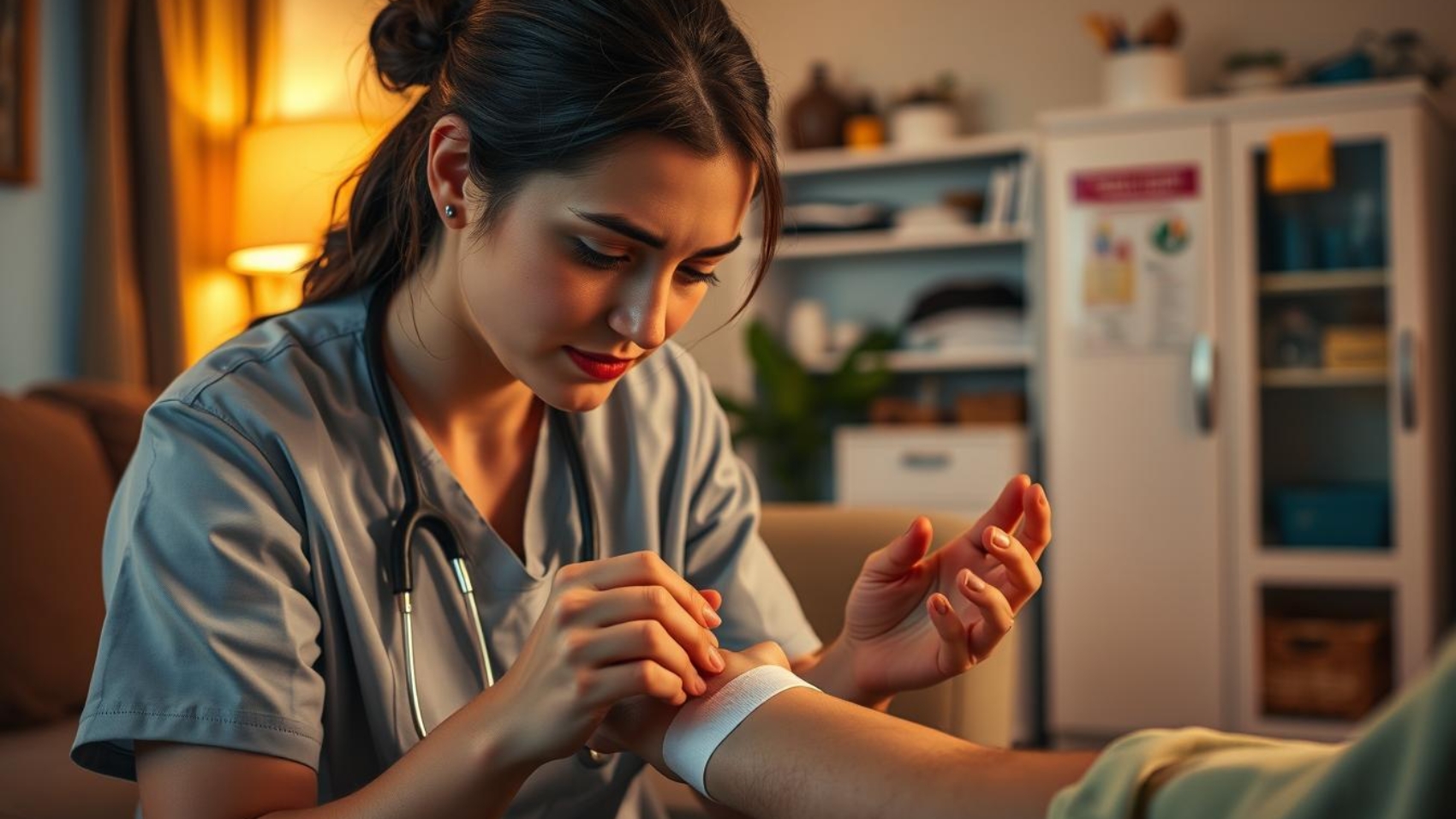
home wound care nurse

How a Home Wound Care Nurse Can Speed Up Recovery

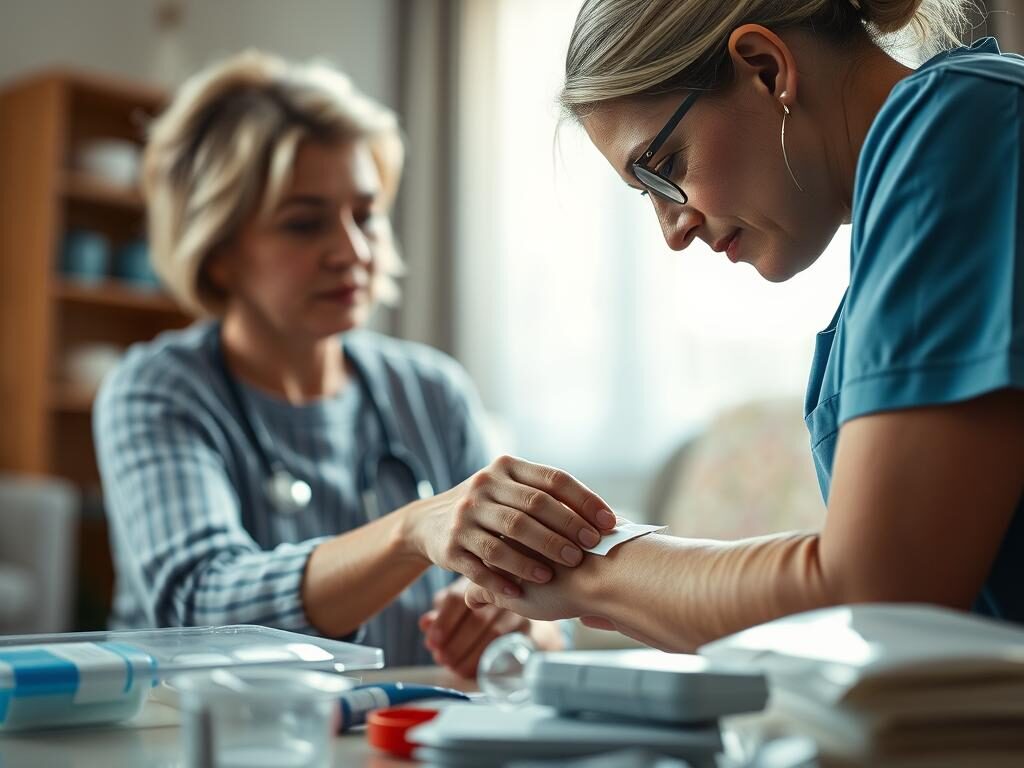
Dominion Mobile Wound Care brings clinical assessment, treatment, and clear education into the familiar setting of a patient’s residence. A dedicated clinician evaluates problems, follows evidence-based protocols, and works with the doctor to limit avoidable hospital visits.

The coordinated team includes therapists, aides, and social workers who follow a tailored care plan. This approach reduces infection risk, shortens healing timelines, and supports a loved one through daily needs like nutrition and mobility coaching.

Standardized assessments, digital photography, and timely documentation let the team measure progress and adjust treatment quickly. When appropriate, advanced options such as compression or negative pressure therapy are delivered safely at the residence.

Patients who qualify often find these services are covered by Medicare, Medicaid, or private plans, making expert care practical and cost-effective.

Key Takeaways

  • Dominion Mobile Wound Care offers in-residence treatment that improves comfort and adherence.
  • A coordinated team and clear care plan lower infection risk and speed healing.
  • Evidence-based dressings and therapies are used, with progress tracked digitally.
  • Nutrition, mobility, and medication review at the residence support better outcomes.
  • Many patients have coverage, so hiring Dominion Mobile Wound Care is a practical option.

What Is Home Health Wound Care?

Medical teams bring structured treatment for chronic and complex lesions into the patient’s living environment. This model delivers skilled, physician‑directed services for people who need nursing or therapy and who have difficulty leaving their residence.

Defining home-based treatment for chronic and complex wounds

Home health wound care means licensed clinicians follow a doctor’s plan of care to assess, treat, and track healing. Services may include assessment, dressing changes, debridement when appropriate, and therapy to improve mobility and positioning.

Who benefits: common risk factors and patient profiles

Patients with diabetes, venous disease, limited mobility, recent surgery, dialysis, or multiple chronic conditions often need these services. Risk factors such as poor nutrition, smoking, and circulation problems can slow wound healing and increase complications.

Types of wounds treated at home

Typical wounds managed at residence-based programs include surgical incisions, pressure injuries, diabetic and neuropathic ulcers, venous stasis and arterial ulcers, burns, trauma, and non‑healing lesions that stall after two weeks.

  • Skilled nursing visits for assessment and dressing changes
  • Therapy for mobility and positioning to prevent pressure and promote healing
  • Caregiver teaching and step‑by‑step instructions to reduce complications

Medicare, Medicaid, and many private plans often cover skilled services when criteria are met, and equipment may also be included if ordered by the doctor.

Dominion Mobile Wound Care serves as the at‑home partner for coordinated health support. Hire Dominion Mobile Wound Care to help heal their wounds.

How a Home Wound Care Nurse Speeds Up Recovery

Accurate, repeatable assessments let clinicians spot changes early and adapt treatment. At each visit, the clinician documents location, size, depth, stage, appearance, and exudate to track measurable progress and refine the wound care plan.

The team checks local blood flow, edema, and surrounding skin using standardized tools and digital photography. When thresholds are crossed, rapid communication to the physician helps avoid delays and reduce complications.

wound care

Evidence-based treatment and prevention

Evidence-based dressings are chosen for moisture balance and bioburden control. Debridement removes nonviable tissue to speed granulation. Aseptic technique and early infection recognition keep healing on track.

Advanced therapy and education

Compression supports venous return for suitable ulcers, while negative pressure wound and pressure wound therapy remove excess fluid and improve blood flow as ordered.

Patient and caregiver education covers hand hygiene, dressing steps, positioning, offloading, nutrition, and pain reporting. This teaching reduces emergency visits and prevents avoidable hospitalizations.

  • Consistent home health documentation and outcome-focused tools enable data-driven decisions.
  • A care nurse coordinates skilled nursing, wound care nurses, therapists, and social workers to address barriers in the care home setting.
  • Therapy teams reinforce mobility, safe transfers, and pressure relief schedules to protect healing and prevent new injuries.

Dominion Mobile Wound Care provides nursing leadership and education at the residence. Hire Dominion Mobile Wound Care to help heal their wounds.

Home Wound Care Nurse Services at Dominion Mobile Wound Care

Dominion Mobile Wound Care brings skilled nursing and allied services to the patient’s living setting with a focus on measurable progress and fewer hospital visits.

Skilled nursing care

Skilled nursing builds an individualized care plan, performs precise dressing changes, assesses for infection, and completes suture removal. Medication reviews identify drugs that affect wound healing and guide adjustments with the physician.

Advanced therapies

Advanced options include compression to enhance venous return and negative pressure systems that remove excess fluid and support blood flow for complex or chronic wounds.

Nutrition and therapy services

Dietitians set protein‑calorie and hydration targets to support tissue repair. Physical, occupational, and speech therapy help with mobility, transfers, offloading, and safe swallowing.

Coordination and technology

The care team collaborates with the doctor for smooth transitions from hospital to residence. Standardized assessment tools and digital photography let clinicians quantify progress and adjust the wound care plan quickly.

Choose Dominion Mobile Wound Care for coordinated home health services. Hire Dominion Mobile Wound Care to help heal their wounds.

Eligibility, Coverage, and Costs for Care at Home

Before starting services, families should confirm eligibility, coverage limits, and likely out‑of‑pocket costs.

home health eligibility

Meeting eligibility requirements

Eligibility typically requires a need for skilled nursing or therapy, a physician‑directed plan, and difficulty leaving the residence without help.

Simple rule: the doctor must order services, and the patient must be functionally or medically homebound.

Insurance insights and equipment

Medicare, Medicaid, veterans programs, and many private insurers often cover physician‑ordered skilled home health visits when clinical criteria are met.

  • Durable medical equipment that is prescribed may include items needed for health wound management; Medicare often covers up to 20% of DME costs.
  • Continuous 24‑hour in‑residence assistance is generally not covered by Medicare.
  • Nurses coordinate with insurers to match visit frequency, supplies, and equipment to the care plan to reduce complications.

Families should gather medication lists, recent hospital records, and risk factors to speed authorization and start of services.

Contact Dominion Mobile Wound Care for help confirming benefits and to Hire Dominion Mobile Wound Care to help heal their wounds.

Choosing the Right Home Wound Care Partner

A high-quality partner pairs evidence-based protocols with fast communication so small changes are flagged before they become complications.

The best providers publish transparent quality measures and maintain specialist oversight. They train nurses and care nurses in advanced products and safe techniques. Standardized tools, digital photography, and clear documentation help the team spot trends and guide wound healing.

Family involvement and 24/7 support

Family members act as vital eyes at the residence. Teaching them what changes to report and how to follow the care plan reduces risks and speeds recovery.

Look for a responsive team with direct lines to the doctor and 24/7 access for urgent questions. Confirm coordination with therapy, nutrition, and social work so the whole person is treated—not just the lesion.

  • Verify written education, supply logistics, and scheduled visits for easy adherence.
  • Compare experience with complex wounds, pressure injury management, and consistent data capture.
  • Choose a partner that uses assessment tools and data to intervene early and prevent avoidable hospitalizations.

Dominion Mobile Wound Care positions itself as a quality-first partner offering expert care, timely guidance, and coordinated team support. Hire Dominion Mobile Wound Care to help heal their wounds.

Conclusion

Integrated visits that combine assessment, treatment, and family instruction accelerate healing. A dedicated wound care nurse leads evidence‑based dressing choices, debridement when ordered, compression, and negative pressure safely in the patient’s home.

Standardized documentation and digital photography catch subtle trends so the team can act fast. This data‑driven approach reduces infections, shortens healing time, and helps avoid preventable hospital stays.

Clear instructions, family engagement, and 24/7 access for questions keep progress on track. When eligibility and coverage align, these home health services are an accessible option for many patients.

Choose Dominion Mobile Wound Care for coordinated in‑residence support and measurable results. Hire Dominion Mobile Wound Care to help heal their wounds.

FAQ

What is mobile wound treatment and who is it for?

Mobile wound treatment refers to skilled clinical services delivered at a patient’s residence for chronic and complex skin injuries. It benefits people with pressure injuries, diabetic foot ulcers, venous or arterial ulcers, surgical incisions that are slow to heal, burns, and traumatic lesions. Common risk factors include limited mobility, diabetes, peripheral artery disease, advanced age, and recent hospitalization. Healthcare teams tailor plans to each person’s medical needs and daily environment.

How does a visiting wound clinician speed recovery?

A visiting clinician completes a thorough assessment, measures the lesion regularly, and adjusts treatment based on objective progress. They apply evidence-based dressings, perform selective debridement when appropriate, and implement infection-control strategies. Therapies such as compression and negative pressure devices improve circulation and reduce edema, helping tissue regenerate faster. Ongoing monitoring reduces complications and lowers readmission risk.

Which advanced therapies might be offered during at‑residence treatment?

Advanced options include compression systems for venous insufficiency and negative pressure therapy to remove excess fluid and promote granulation. Clinicians may also use biologic dressings, enzymatic debriders, and topical antimicrobials guided by cultures. Selection depends on wound type, size, perfusion status, and overall health.

What should a patient expect during a typical visit?

The provider reviews medical history, inspects and photographs the lesion, measures dimensions and tissue type, and assesses surrounding skin and circulation. They change or apply dressings, perform debridement if needed, adjust devices like compression wraps, and document findings. Education for the patient and caregiver on positioning, offloading, and signs of infection is included.

How are nutrition and hydration addressed to support healing?

Clinicians screen for malnutrition and coordinate with registered dietitians to recommend higher-protein meals, calorie goals, and micronutrients such as vitamin C, zinc, and iron when indicated. Hydration status is monitored and urine output or lab data guide interventions. Optimizing intake accelerates tissue repair and reduces complication risk.

How does coordination with the primary physician work?

The specialist communicates findings promptly to the referring doctor, updates the physician on progress or setbacks, and obtains orders for antibiotics, imaging, or advanced treatments as needed. Care transitions from hospital to residence include medication reconciliation and a physician-directed plan of care to ensure continuity.

What insurance coverage applies to skilled domiciliary services?

Coverage varies. Medicare Part A or Medicare-certified agencies may cover skilled visits when criteria are met: need for skilled interventions, a physician-established care plan, and limited ability to leave the residence. Medicaid, VA benefits, and private plans have different rules for services and durable medical equipment like compression systems or negative pressure devices. Financial counselors can clarify authorization and out-of-pocket obligations.

Who is eligible for skilled visits at the place they live?

Eligibility generally requires a documented need for skilled clinical procedures that only licensed providers can perform, a physician’s signed plan of care, and evidence that leaving the setting is difficult due to illness or mobility limits. Case managers help determine qualification and arrange coverage approvals.

How are progress and outcomes measured?

Teams use standardized tools to track size, depth, and wound bed characteristics, often with serial digital photography. Healing milestones include reduction in surface area, improved granulation tissue, and absence of infection. Objective measures guide therapy adjustments and inform timelines for expected recovery.

What role do family members and caregivers play?

Caregivers assist with daily skin checks, dressing changes when taught, positioning, and ensuring adherence to nutritional and mobility plans. Education focuses on recognizing signs of infection, proper device use, and when to contact the clinical team. Active involvement reduces complications and speeds recovery.

How does infection get prevented and treated in out‑of‑facility settings?

Prevention includes sterile technique for dressing changes, appropriate antimicrobial dressings, timely debridement, and surveillance cultures when infection is suspected. If systemic infection occurs, clinicians coordinate antibiotics guided by cultures and local resistance patterns and involve the physician for escalation or hospitalization if necessary.

What technology supports remote monitoring and documentation?

Providers use electronic medical records, standardized assessment tools, and secure digital photography to document healing. Telehealth check‑ins enable timely symptom review and specialist consultation. These tools improve communication with the interdisciplinary team and maintain accurate treatment records.

How long does it typically take for complex skin lesions to heal?

Healing time varies with wound type, size, blood supply, nutrition, and underlying conditions such as diabetes. Superficial injuries may close in weeks, while chronic or ischemic lesions can take months and require staged interventions. Regular reassessment allows clinicians to set realistic goals and modify therapy to accelerate recovery.

What should families look for when choosing a specialty provider?

Families should evaluate clinical qualifications, evidence‑based protocols, specialist oversight by physicians such as vascular surgeons or wound care experts, documented outcomes, and 24/7 access for urgent concerns. Clear communication, coordinated transitions, and use of advanced therapies when indicated are key quality indicators.

How are mobility and positioning addressed to prevent pressure‑related injuries?

Therapists assess mobility and recommend pressure‑redistribution mattresses, cushions, and repositioning schedules. Physical and occupational therapy improve strength, transfers, and safe positioning. Reducing prolonged pressure promotes tissue perfusion and prevents new lesions.

chronic wound treatment San Antonio

What You Need to Know About Chronic Wounds and Their Treatment – Part 3

Chronic wounds are a big problem in healthcare. They affect older people and those with health issues. We want to help you understand them better.

This can lead to better treatments. We’ll talk about new ways to treat wounds in San Antonio. We’ll also look at the skills of wound care experts. Early treatment can really help those with long-lasting wounds.

Key Takeaways

  • Chronic wounds are a pressing issue, especialy in vulnerable populations.
  • Understanding the nature of chronic wounds is essential for timely treatment.
  • Innovative treatments are available to enhance healing.
  • Wound care specialists play a critical role in managing these conditions.
  • Addressing chronic wounds early can lead to better health outcomes.

Understanding Chronic Wounds

Chronic wounds are a big health problem for many people. Knowing what chronic wounds are helps us see the challenges they bring. These wounds don’t heal well and can last for over three months.

They often happen because of health issues like diabetes or poor blood flow.

Definition and Characteristics

Chronic wounds don’t heal like they should. They might look the same for a long time. The signs of chronic wounds include:

  • Persistent drainage, showing ongoing problems.
  • Inflammation that lasts too long.
  • Necrotic tissue that slows healing.
  • Change in size or color that might mean infection.

Statistics on Chronic Wounds

Knowing the stats on chronic wounds helps us understand their impact. About 1% to 2% of people in rich countries have them. The cost to U.S. healthcare is huge, from $28 billion to $96.8 billion a year.

Almost 85% of amputations are because of diabetic ulcers. This shows how serious untreated chronic wounds can be.

Common Causes of Chronic Wounds

It’s important to know why chronic wounds happen. Many things can make these wounds last longer. Finding out what causes them early can help us stay healthy.

Underlying Health Conditions

Some health problems can lead to chronic wounds. Diabetes, obesity, and blood flow issues are examples. High blood sugar can cause nerve damage and poor blood flow.

This makes getting ulcers more likely. It’s key to watch and manage these health issues well.

Acute Wounds That Become Chronic

Acute wounds can turn into chronic ones for several reasons. Infection, too much pressure, and poor blood flow are big factors. Not treating an acute wound right can make it chronic.

Knowing this helps us take better care of our wounds. It also tells us when to get help.

causes of chronic wounds

Types of Chronic Wounds

Knowing about different chronic wounds helps us find the right treatments. We focus on diabetic ulcers, venous ulcers, and pressure ulcers. Each needs its own special care.

Diabetic Ulcers

Diabetic ulcers often show up on the feet because of diabetes. They happen because of nerve damage and bad blood flow. These ulcers can get infected easily, so we must watch them closely.

Spotting them early is key to managing them well.

Venous Ulcers

Venous ulcers come from bad blood flow in the veins. They usually pop up on the lower legs. It’s important to fix any vein problems to help them heal.

We treat them by controlling blood pressure and improving blood flow.

Pressure Ulcers

Pressure ulcers, or bedsores, happen from too much pressure on the skin. They mostly affect people who can’t move much. To stop them, we need to move them often and keep their skin healthy.

Innovative Treatments for Chronic Wounds

We are always looking for new ways to help chronic wounds heal. Two big methods we’re excited about are negative pressure wound therapy and hyperbaric oxygen therapy. These treatments can really help our patients get better.

Negative Pressure Wound Therapy

This therapy uses a special device to pull air from around the wound. It helps blood flow better and removes bad stuff. Studies show it works well, helping wounds heal faster.

Hyperbaric Oxygen Therapy

Hyperbaric oxygen therapy is another cool treatment. It uses special chambers to give patients more oxygen. This helps wounds heal, even for tough cases like diabetic foot wounds. It’s a promising option for us to try.

Importance of Wound Care Specialists

Wound care specialists are key in healing chronic wounds. They have the skills and knowledge to handle many challenges in wound care. This makes them very important in healthcare.

Roles and Responsibilities

Wound care specialists do many things. They look at each wound closely to understand it. This helps them make special care plans for each patient. Some of their main jobs are:

  • Diagnosing the nature and extent of wounds
  • Identifying underlying health conditions contributing to slow healing
  • Implementing advanced wound care techniques
  • Educating patients and their families about proper wound care

How They Assist in Chronic Wound Treatment

These specialists help a lot in treating chronic wounds. They work with other doctors to give patients the best care. They use the latest methods and treatments to help wounds heal.

  • Utilize the latest technologies and treatments to promote healing
  • Monitor wound progress and adjust treatment plans as needed
  • Offer support to patients, empowering them with knowledge and resources

Strategies for Effective Chronic Wound Treatment in San Antonio

In San Antonio, we know treating chronic wounds well needs a big plan. This plan fits each patient’s special needs. Home care and working with doctors are key parts of this plan.

Home Care Solutions

Good home care helps wounds heal. We focus on a few important things:

  • Proper Wound Hygiene: Clean wounds often and change dressings to stop infections.
  • Maintaining Moisture Levels: Use dressings that keep moisture to help healing.
  • Suitable Dressings: Pick dressings that protect and help wounds heal.

Collaboration with Healthcare Providers

Working with doctors makes treatment better. They help us in many ways:

  • Coordinating Comprehensive Care: Work together for a better treatment plan.
  • Monitoring Progress: Check how wounds are healing and change plans if needed.
  • Tailoring Treatments: Make care plans that fit how each person responds to treatment.

effective chronic wound treatment

Conclusion

Chronic wounds are complex and need a deep understanding to treat them well. We must know their causes, types, and new treatments. This knowledge is key to treating these wounds effectively.

Ignoring chronic wounds can lead to big health problems and cost a lot of money. It’s very important to act fast when you notice a wound. Early action can help a lot in healing.

In San Antonio, if you have a chronic wound, get help from experts. Working with certified specialists can really help. For the best care, consider hiring Dominion Mobile Wound Care. They offer special wound care that helps a lot.

Healing from chronic wounds means knowing what they are and using new treatments. It also means knowing when to get help from experts. By doing these things, we can get better and live better lives.

FAQ

What are chronic wounds and how are they defined?

Chronic wounds don’t heal quickly. They take more than three months to get better. They can happen because of diabetes, poor blood flow, or other health issues.

Why is timely treatment important for chronic wounds?

Treating wounds early is key. It stops infections and amputations. Most amputations start with diabetic ulcers, showing the need for quick action.

What types of chronic wounds are most common?

Common wounds include diabetic ulcers, venous ulcers, and pressure ulcers. Each needs a special treatment to heal well.

What innovative treatments are available for chronic wounds?

New treatments help wounds heal. Negative pressure therapy boosts blood flow. Hyperbaric oxygen therapy adds oxygen to tissues. Both help wounds heal faster.

How can home care solutions support chronic wound healing?

Home care helps wounds heal. It includes keeping wounds clean, moist, and using the right dressings. These steps help wounds heal better.

What role do wound care specialists play in chronic wound treatment?

Specialists are key in treating wounds. They check the wound, find related health issues, and make care plans. Their help speeds up healing and makes patients more comfortable.

What should I do if I have a chronic wound?

If you have a chronic wound, get help. Working with specialists and using home care can greatly improve your health.

chronic wound treatment San Antonio

What You Need to Know About Chronic Wounds and Their Treatment – Part 2

We’re exploring chronic wounds and how to treat them. This part talks about what you need to know in San Antonio. We’ll cover different types of wounds and what affects healing. We’ll also talk about the important role of wound care specialists.

Knowing this can help us care for wounds better. It helps us make good choices for our health.

Key Takeaways

  • Chronic wounds are defined as wounds that do not heal in a timely manner.
  • Common types of chronic wounds include diabetic foot ulcers and pressure sores.
  • Underlying medical conditions can significantly impact wound healing.
  • Biofilm formation in wounds is a key factor in delaying healing.
  • Comprehensive wound management options are available in San Antonio.
  • Home care solutions can assist in daily wound care and management.
  • Consulting wound care specialists can improve treatment outcomes.

Understanding Chronic Wounds

Chronic wounds are hard for patients and doctors to deal with. They don’t heal in the usual time of four to twelve weeks, even with good care. Knowing about chronic wounds and their types is key for managing them well. This includes treatments in places like San Antonio.

Definition of Chronic Wounds

Chronic wounds don’t heal like they should. They keep going on and on. Things like health problems, bad blood flow, or weak immune systems can cause them. Learning about wound care basics helps us spot these long-lasting injuries.

Common Types of Chronic Wounds

We see many kinds of chronic wounds. Each one needs its own special care:

  • Diabetic foot ulcers
  • Venous leg ulcers
  • Pressure injuries

These wounds need a team effort to heal right. Knowing what each type needs helps us do better in caring for them.

chronic wound treatment San Antonio

Factors Affecting Wound Healing

Knowing what affects wound healing helps us deal with chronic wounds better. Many things can help or hurt the healing process. Conditions like diabetes can make it hard for our body to heal.

Underlying Medical Conditions

Chronic wounds often happen to people with health problems. For example, diabetes can hurt blood flow and nerve function. Other issues like rheumatoid arthritis and peripheral vascular disease also slow healing.

By knowing these problems, we can work with doctors to find better treatments. This helps us tackle these challenges together.

Role of Biofilm in Wound Healing

Biofilms are a big problem in wound healing. They are groups of bacteria that form a shield on the wound. This shield makes it hard for our body to fight off infections.

Using the right treatments, like special dressings, can help. Knowing about these issues helps us take better care of our wounds. This way, we can heal faster and better.

Chronic Wound Treatment San Antonio

In San Antonio, many treatments are available for chronic wounds. We need a mix of professional care and home solutions. Our aim is to improve healing for those with chronic wounds.

Comprehensive Wound Management Options

Wound management uses special therapies for each person. We use Negative Pressure Wound Therapy (NPWT), skin grafts, and special dressings. Each method is chosen based on the wound and the patient’s health.

In San Antonio, we make treatment plans just for you. This ensures the best results for each case.

Home Care Solutions for Wound Management

Home care is key to faster healing. We teach about dressing changes, cleaning wounds, and eating right. Our team helps you learn how to care for wounds at home.

Being involved in your care helps a lot. We work together to make treatment in San Antonio more effective.

chronic wound treatment San Antonio

Consulting Wound Care Specialists

Managing chronic wounds needs special help. Wound care specialists have lots of knowledge. They help us treat wounds in San Antonio better.

They can see the small details of each wound. This lets them make plans just for you. These plans use the latest treatments and best ways to care for wounds.

The Role of Wound Care Specialists

Wound care specialists are key in healing. They check the wound, watch how it heals, and make special care plans. They think about our health too, which helps healing.

They help us understand different treatments. This improves our healing and life quality.

Importance of Multidisciplinary Care

Working together is important for wound care. Doctors, nurses, and dietitians all help. This team makes a complete care plan for healing.

This teamwork makes sure we don’t miss important details. It helps us heal better in San Antonio.

Conclusion

Understanding chronic wounds is key to managing them well. We’ve talked about the different types and what affects healing. A team effort with wound care experts makes a big difference.

Using both professional and home care helps create a healing plan for each person. This approach is crucial for treating chronic wounds in San Antonio. Early action and ongoing care are vital.

With the right help and support, healing can get better. Dominion Mobile Wound Care offers personalized care and strategies. Our team is here to help you on your healing path.

FAQ

What is a chronic wound?

A chronic wound doesn’t heal in the usual time. It takes more than four to twelve weeks. These wounds often happen because of diabetes or poor blood flow.

What are the common types of chronic wounds?

There are several types of chronic wounds. These include diabetic foot ulcers, venous leg ulcers, and pressure injuries. Each needs its own treatment plan.

How do underlying medical conditions affect wound healing?

Conditions like diabetes or poor blood flow slow down healing. It’s important to treat these conditions along with the wound.

What is the role of biofilm in chronic wounds?

Biofilm is a group of bacteria that forms on wounds. It can cause infections and slow healing. It’s important to manage it well.

What are some comprehensive wound management options available?

In San Antonio, there are many ways to manage wounds. This includes Negative Pressure Wound Therapy (NPWT), skin grafts, and special dressings. Each patient gets a treatment plan that fits them.

What home care solutions can aid in wound management?

Home care is key. It includes changing dressings, cleaning wounds, and eating right. These steps help wounds heal better.

Why is it important to consult wound care specialists?

Specialists are very important. They assess wounds, create treatment plans, and follow best practices. Their help is crucial for healing.

How does a multidisciplinary approach benefit chronic wound care?

A team effort is best. It includes doctors, nurses, and dietitians working together. They focus on the wound and the patient’s overall health. This ensures the best care.