Worried your wound may be infected? Discover the top 7 infection indicators and let Dominion Mobile Wound Care provide the treatment you need.


Promoting Healthy Skin
Worried your wound may be infected? Discover the top 7 infection indicators and let Dominion Mobile Wound Care provide the treatment you need.

Keeping our health safe at home is very important. Knowing the early signs of wound infection helps us act fast. By learning about wound healing and infection symptoms, we can take better care of our wounds.
In this article, we will talk about how to spot wound infection signs. We will focus on early symptoms and how to care for wounds at home.
Wound healing is a complex process with four main stages. Each stage is important for fixing our skin. Knowing these stages helps us see how amazing our body is at healing itself. It also helps us take good care of wounds at home.
The stages of wound healing include:
How long wounds heal depends on the wound and the person. Minor wounds usually heal in 10 to 14 days. Knowing these times helps us watch our wounds closely. It’s good to notice if things don’t seem right, as it might mean a problem or infection.
It’s key to spot wound infection signs early. Knowing common symptoms helps us get the right care fast. This way, we can avoid big problems.
Wound infection signs can show up in many ways. We must watch for these signs:
To tell if a wound is healing or infected, watch it closely. Some redness means healing, but spreading redness is a warning. It’s key to notice any changes.
Healing wounds might be a bit swollen or sore at first. But these feelings should get better with time. Knowing the difference helps us get help when we need it.
Factors That Increase Infection Risk
Some things can make it harder for wounds to heal. Knowing what these are helps us take better care of our wounds. This way, they can heal faster and better.
Many health issues can slow down healing. For example, diabetes can mess with blood flow and our immune system. This makes infections more likely.
Being overweight also slows healing. It can make tissues get less oxygen. This is bad for healing.
We need to think about our health and any health problems we have. This helps us know if our wounds are at risk of getting infected.
Our surroundings also play a big part in healing. Dirty places or bad hygiene can bring in bad germs. This can make infections more likely.
Not taking good care of wounds is also a problem. Not cleaning wounds well or using dirty dressings can cause infections. Keeping things clean and safe is key to healing.
It’s important to spot early signs of wound infection. This helps wounds heal right and avoids big problems. Look for signs like more pain, changes in how the wound looks, and fever. Knowing these signs helps us act fast.
Pain and tenderness are key signs. If a wound hurts more, it might be infected. If pain gets worse, we need to see a doctor right away.
Changes in how a wound looks can mean infection. Watch for redness, swelling, warmth, or pus. If it looks different, it’s time to act.
Fever means our body is fighting something. If we have fever and other signs, it’s a sign of infection. Checking our temperature helps us know if we need a doctor.

Keeping our wounds clean is key to avoiding infections. By using the right methods, we can help our wounds heal faster. Let’s look at how to clean wounds and the role of antibiotic ointments.
First, we need to clean our wounds well. Use mild soap and water to wash the area. This removes dirt and bacteria.
After washing, dry the area with a clean cloth. Then, apply an antiseptic to keep it clean. Changing the dressing every five days helps keep the wound safe.
Using antibiotic ointments, like Neosporin, is important. They protect against bad bacteria. These ointments help wounds heal faster.
Apply a thin layer after cleaning. This simple step helps a lot in healing. By doing this, we make our wound care safer and more effective.
Knowing when to get medical help for wound infections is key. Some signs mean you need to go right away. Others might not be as urgent. Knowing the difference helps us make smart choices when we need to.
It’s important to watch for signs that mean things are getting worse. Here are some serious signs that need quick help:
Not every problem needs a trip to the hospital. We can figure out if it’s urgent or not by looking at the symptoms:
Watching wound changes is key to good wound care. By keeping an eye on our injuries, we can spot infection signs early. This can stop bigger problems from happening.
We should look for changes like more redness, pain, or odd discharge. Staying alert can really help us heal faster.
Tracking changes in our wounds is important for healing. We can make a simple list of signs to watch:
By keeping a record, we understand our healing better. We can act fast if something looks off.
Lymph node health is also important. Swollen or sore lymph nodes mean our body is fighting an infection. We should check lymph nodes near the wound for:
By watching wound changes and lymph nodes, we can help ourselves heal. Spotting infection signs early is good for our health.
Knowing the signs of wound infection is key for good wound care. By being careful and quick to act, we can lower the chance of problems. This helps us spot infections early and take action fast.
Using the right care, like cleaning and dressing, helps wounds heal better. It also keeps infections away. By knowing what to watch for, we can take better care of ourselves. If we need help, experts like Dominion Mobile Wound Care can assist us.
By staying alert and knowing how to care for wounds, we keep ourselves healthy. Good wound care and knowledge help us recover well and avoid serious issues.
Look for signs like more pain, swelling, and pus. Also, watch for redness spreading and a fever. Catching these signs early is key.
Normal healing might have some redness and swelling. But, if redness spreads and pain grows, it might be an infection. Watching these signs is important.
Diabetes, obesity, and weak immune systems can slow healing. Dirty places or bad wound care also raise the risk.
Clean wounds with soap and water right away. Use antiseptic and change dressings often. Antibiotic ointments like Neosporin help too.
Get help fast if pain is severe, redness spreads, or you have a high fever. Pus is another sign to watch for.
Check wounds often, but more in the first few days. Look for redness, pain, or discharge. This helps catch infections early.
Check lymph nodes near the wound. Swollen nodes mean your body is fighting an infection. This is a sign to see a doctor.
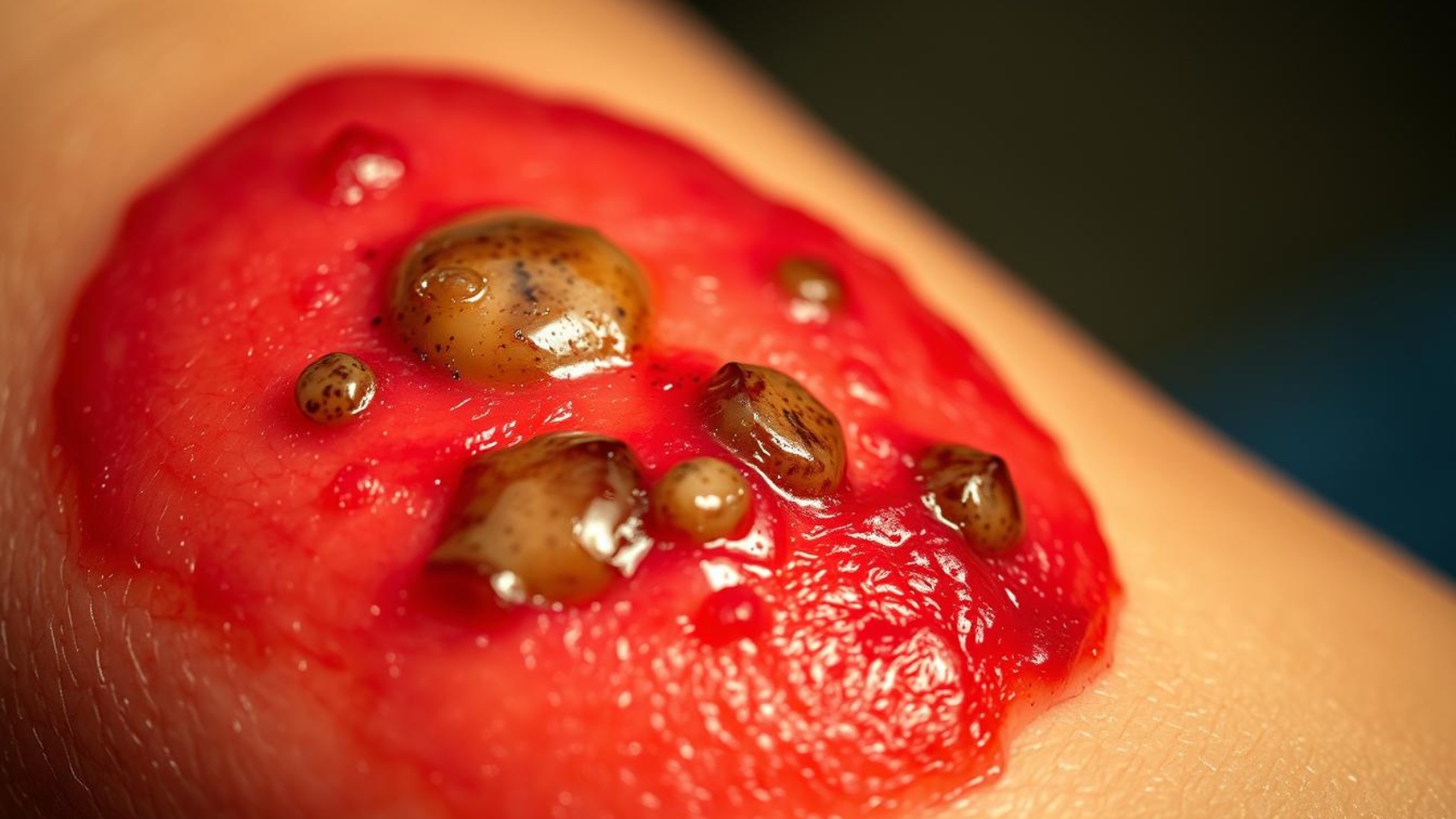
Knowing how to spot early signs of wound infection is key to good health. If we don’t treat infections, they can get worse. It’s important to watch for warning signs and act fast.
This article will help you learn about wound healing and how to prevent infections. By following these tips, you can keep your wounds clean and safe.
The wound healing process is key for our body’s recovery. Knowing the stages helps us track healing. Each stage is important for fixing our skin and health.
The healing process has four stages: Hemostasis, Inflammation, Proliferation, and Maturation. Hemostasis stops bleeding fast with clotting. Then, Inflammation fights off infection and forms scabs.
In Proliferation, new tissue grows, making the skin red and raised. The last stage, Maturation, makes scars softer and less visible over time.
We can see signs of healing in our wounds. Important signs include:
Noticing these signs helps us see how our wounds are healing. It also tells us if we need more care.
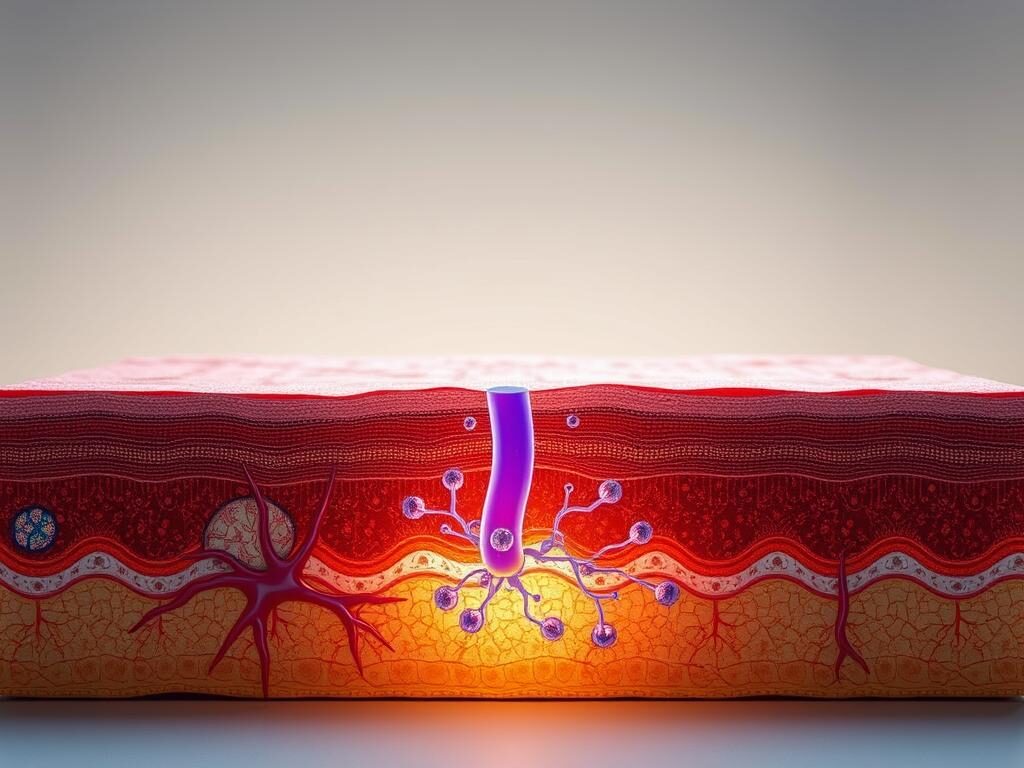
It’s important to watch for signs of wound infection to help wounds heal right. Knowing the signs helps us act fast when needed. Let’s look at the main signs we should notice while caring for our wounds.
Pain or swelling around the wound is a big sign of infection. Some pain is okay when healing, but we must watch closely. If pain gets worse or swelling grows, it’s a warning sign we need to see a doctor.
Changes in wound color, like cloudy or discolored fluid, mean infection. Look out for bad smells and colors like green, yellow, or brown. These signs mean the wound might not be healing right and could be infected.
Fever and chills mean our body is fighting an infection. If we have these symptoms with local signs, we need to see a doctor fast. Watching for these signs helps us catch serious problems early.

It’s important to know what makes wounds more likely to get infected. This is true for everyone, but even more so for those who are more at risk. Some health problems can slow down healing, making infections more likely. Knowing these risks helps us take better care of our wounds.
Many chronic conditions can make infections more likely. For example, people with diabetes heal slower because of poor blood flow and weak immune systems. High blood pressure and being overweight can also make it harder to manage wounds. Older people are also at higher risk because their immune systems are weaker.
It’s key to understand how these health issues affect healing. This knowledge helps us care for wounds better.
Wound care is very important for those who are more at risk. Not taking care of wounds can lead to serious problems. We need to keep wounds clean and safe.
Simple steps like washing hands before touching a wound, using clean bandages, and getting medical help when needed can help a lot. Knowing these steps helps us prevent infections.
It’s important to know how to spot infection early. This helps our wounds heal right and keeps us safe from big health problems. Watching for these signs lets us act fast if an infection starts.
When checking a wound, look for these signs of infection:
Our health is always the most important thing. If symptoms get worse or don’t go away, get help right away. Seeing more pain, swelling, or feeling sick means you need to see a doctor. Catching infection early helps us heal faster and avoid big problems.
Knowing the signs of wound infection is key to good health. Learning about normal healing and watching for infection signs helps us care for wounds at home. This way, we can quickly act if we see any bad signs.
Keeping wounds clean and safe is very important to avoid infection. Good wound care helps wounds heal faster and reduces risks. If we’re unsure, we should ask a doctor for help. They can give advice that fits our needs.
Using services like Dominion Mobile Wound Care can help a lot. They have the knowledge to help us manage our wounds well. This makes us more confident in taking care of our wounds.
Look for signs like more pain, swelling, and redness. Also, watch for discharge from the wound. Cloudy or smelly fluid is a bad sign.
Healing signs include blood clotting and scabs forming. Scar tissue fading is also good. Local redness and swelling going down are signs too.
See a doctor if symptoms get worse. This includes more pain, spreading redness, swelling, or a fever. Quick action helps avoid big problems.
Yes, conditions like diabetes and obesity can slow healing. A weak immune system or being older also raises risks.
Keep the wound clean and dry. Change dressings often. Watch for infection signs. Good hygiene is key.
Wash hands before and after. Use clean bandages. Keep the area clean to prevent infection.