Advanced Wound Care

What Advanced Wound Care Means for At-Home Patients

You deserve hospital-level attention without the trip. When skilled clinicians visit your home, they bring a full protocol that treats the cause of a wound and supports faster healing. This approach blends clinical rigor with the comfort of your own space.

Dominion Mobile Wound Care starts with a complete patient evaluation and risk assessment. From there, a tailored plan fits your daily routine and medical needs. You get clear steps and regular monitoring so the process is easy to follow.

Our team works with your existing clinicians to keep records accurate and to protect your health. You will see how targeted services, proven tools, and consistent follow-up reduce missed visits and improve outcomes.

Hire Dominion Mobile Wound Care to bring expert care to your home and help heal your wounds with dignity and skill.

Key Takeaways

  • Mobile services deliver hospital-grade treatment at home for better comfort.
  • Care begins with a full evaluation and a personalized plan.
  • Coordinated teamwork with your clinicians ensures safety and continuity.
  • Regular monitoring and follow-up speed up healing and reduce missed visits.
  • Dominion Mobile Wound Care focuses on your health, function, and quality of life.

What Advanced Wound Care Means at Home

When specialists come to you, the goal is to find and treat what prevents healing—not to repeat quick fixes. At-home services bring clinical protocols into your daily routine so progress is measurable and consistent.

How advanced therapies accelerate your healing

Board-informed teams evaluate circulation, nutrition, mobility, and infection risk to tailor treatment for your needs. A chronic ulcer that shows little improvement after four weeks may need stepped-up interventions.

Therapy options include targeted debridement, specialized dressings that balance moisture and bioburden, and adjuncts like hyperbaric oxygen when clinically appropriate. These choices boost tissue repair and support new blood vessel growth.

The difference between routine wound care and advanced wound management

  • At home, you receive a full evaluation—not just a dressing change—so the plan addresses root causes.
  • Providers use diagnostics and documented quality checks to escalate treatment when progress stalls.
  • Clear expectations guide your daily actions, while clinicians monitor milestones and adjust the process.

Hire Dominion Mobile Wound Care to bring clinical-grade protocols to your home and help heal your wounds.

Why Choose Dominion Mobile Wound Care

Statewide access and flexible scheduling make treatment simple for you. Whether you live in Milwaukee, Madison, Green Bay, or a smaller town, our routes and appointment options are built around your life.

wound care

Statewide access and flexible scheduling across Wisconsin communities

You get reliable visits from a single team that serves Milwaukee, Lake Geneva, Kenosha County, Appleton, Sturgeon Bay, and more.

Flexible schedule options mean fewer trips and more consistent progress for patients.

A dedicated team of board-certified providers focused on quality

Our team follows board-level standards and documents outcomes so you know each visit matters.

Logistics that bring expert care to urban centers and rural outskirts

  • Routes and supplies are coordinated so services reach your door on time.
  • Origins in Racine and steady expansion show our commitment to reach every community.
  • Coordination with your physicians keeps medications and records aligned.

Dominion Mobile Wound Care removes barriers like distance and mobility so you receive advanced wound support without compromise. Hire Dominion Mobile Wound Care to help heal your wounds.

Advanced Wound Care Services We Provide

Every plan begins with a precise assessment so your therapies match the wound’s stage and your medical needs.

Comprehensive patient evaluations to personalize your treatment

Your evaluation includes medical history, a focused physical exam, photos, measurements, and risk screening.

We document size, drainage, and surrounding tissue to build an individualized treatment plan.

Evidence-based therapies: debridement, infection control, and advanced dressings

Providers use sharp or enzymatic debridement when needed and apply infection control strategies.

Dressings balance moisture and protect periwound skin to support the healing process.

Hyperbaric oxygen therapy coordination when clinically appropriate

When indicated, we coordinate hyperbaric oxygen therapy so you can breathe pressurized oxygen that helps oxygen delivery to injured tissue and promotes new blood vessel growth.

You will get clear guidance on typical chamber sessions, monitoring for comfort, and diabetes safety checks during the course of therapy.

Education and ongoing communication

Our providers teach nutrition, hygiene, offloading, and prevention to help your family support recovery.

  • We monitor changes in drainage, pain, or measurements and update your doctor promptly.
  • Your plan includes blood flow optimization, edema control, and coordinated supplies.
  • A single team synchronizes documentation and follow-ups so the healing process is measurable.

Hire Dominion Mobile Wound Care to bring structured, clinical treatment to your home and help heal your wounds.

Conditions and Non-Healing Wounds We Treat

Many non-healing conditions demand targeted strategies that match the cause and your overall health. Below are common problems we see and how we approach them with focused plans and team-based coordination.
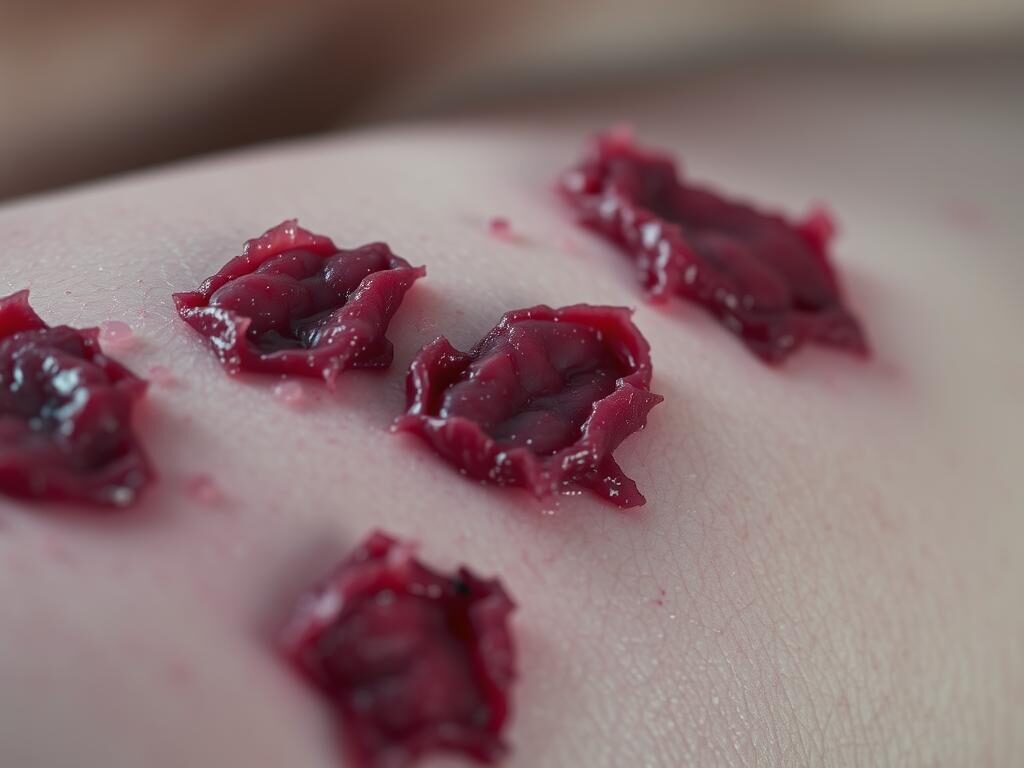
non-healing wounds

Diabetic ulcers and chronic foot wounds

Targeted plans include offloading, glucose-aware protocols, and infection control to move ulcers toward closure. Regular measurement and dressing changes keep progress visible.

Compromised skin grafts and flaps

When grafts or flaps falter, we add adjuncts—including HBOT when indicated—to boost oxygen delivery and tissue viability. Patients are monitored for symptoms and hypoglycemia during sessions.

Osteomyelitis and complex infections

Complex bone infections receive multidisciplinary coordination with precise strategies that protect structures and support recovery.

Late effects of radiation to skin and soft tissue

We address fibrosis and fragility with perfusion-focused treatments, robust dressings, and adjuncts that improve blood flow.

Pressure injuries and venous or arterial ulcers

  • Pressure redistribution, compression, or perfusion tactics to protect skin and restore circulation.
  • Hyperbaric protocols are delivered in a pressurized chamber when indicated, with clear communication to you and your physicians.
  • Your plan adapts to size, depth, exudate, and odor so non-healing wounds are escalated promptly.

Dominion Mobile Wound Care aligns interventions with your medical profile to manage risks and streamline recovery. Hire Dominion Mobile Wound Care to help heal your wounds.

Your At-Home Healing Process and How to Schedule

Begin your at-home healing with a focused visit that maps goals, measures progress, and sets clear next steps.

Initial assessment and individualized plan of care

Your journey starts with a detailed assessment. We take measurements, photos, and a health history to build a plan that fits your routine.

This plan aligns goals, supplies, and simple daily steps so you know what to do between visits.

Monitoring blood flow, oxygenation, and the healing trajectory

We track the healing process with weekly photos, measurements, and symptom checks.

Monitoring includes blood flow and oxygen indicators plus edema checks to spot barriers early.

Care coordination, supplies, and seamless access to records

  • Our team coordinates supplies and teaches daily dressing and protection steps.
  • Orders and documentation are shared with your clinicians for fast, safe updates.
  • Easy access to contact info and rescheduling keeps visits predictable.

How to schedule your first visit

With statewide routes across Wisconsin, you can schedule a visit that fits your life—urban or rural.

Hire Dominion Mobile Wound Care to bring expert attention to your home and help heal your wounds.

Conclusion

Receiving focused treatment where you live removes barriers and makes each step toward healing clear.

You’ve seen how a structured, home-based model pairs measurable goals with reliable visits so patients regain comfort and confidence. This approach supports long-term health and tracks progress every week.

For non-healing wounds and common skin problems, the plan ties targeted treatment to simple daily steps. Our team coordinates with your clinicians so care patients get consistent instructions and timely follow-up.

Protecting function and reinforcing healthy habits keeps gains steady as you heal. Ready for expert support at home? Hire Dominion Mobile Wound Care to help heal their wounds.

FAQ

What does advanced wound care mean for at-home patients?

It means you receive specialized treatment at home that speeds healing, reduces infection risk, and improves comfort. Your team uses evidence-based therapies, tailored dressings, and regular assessments to manage chronic ulcers, post-surgical wounds, and other non-healing issues without frequent clinic trips.

How do advanced therapies accelerate your healing?

Therapies focus on improving blood flow, reducing bacterial load, and supporting tissue repair. Techniques such as controlled debridement, topical antimicrobial treatments, moisture-balanced dressings, and oxygenation support create the right environment for recovery and help your body rebuild healthy skin faster.

What is the difference between routine wound care and advanced management?

Routine care often covers basic cleaning and dressing changes. Advanced management adds diagnostic testing, individualized treatment plans, specialist consultations, and higher-level interventions like infection control protocols and therapy coordination to treat complex or slow-healing wounds.

Why choose Dominion Mobile Wound Care in Wisconsin?

You get statewide access and flexible scheduling across communities, a team of board-certified clinicians focused on quality, and logistics designed to reach both urban centers and rural outskirts. The service coordinates with your primary physicians to support your overall health during treatment.

How does the mobile team coordinate with my physicians?

The team shares assessment notes, treatment plans, and progress reports with your referring providers. They consult on medication adjustments, imaging needs, and any specialist referrals so your entire care team stays aligned and informed.

What services are provided during a home visit?

Visits include a full patient evaluation, wound measurement and documentation, tailored dressing selection, infection control measures, and education for you and family on prevention, nutrition, and hygiene. The team also arranges supplies and follows up through ongoing communication.

Do you offer hyperbaric oxygen therapy coordination?

Yes. When clinically appropriate, the team helps evaluate your candidacy, coordinates referrals to certified hyperbaric centers, and manages pre- and post-therapy monitoring to integrate oxygen therapy into your treatment plan.

Which conditions and non-healing wounds do you treat at home?

You can receive care for diabetic foot ulcers, chronic lower-extremity wounds, compromised skin grafts and flaps, osteomyelitis and complex infections, late effects of radiation, pressure injuries, and venous or arterial ulcers.

What happens during the initial assessment at home?

The clinician reviews your medical history, examines the wound, checks circulation and oxygenation, documents size and tissue quality, and creates an individualized plan of care that outlines treatment goals, frequency of visits, and necessary supplies.

How do you monitor blood flow, oxygenation, and healing progress?

Monitoring uses noninvasive tests, regular wound measurements, photographic documentation, and clinical markers such as reduced drainage and healthy tissue growth. The team adjusts therapy based on objective trends to keep your plan on track.

How are supplies and records managed for at-home treatment?

The team coordinates delivery of dressings and necessary devices, documents each visit in secure electronic records, and shares updates with you and your physician. This ensures timely access to supplies and continuity of care.

How do you schedule your first visit with the mobile team?

You or your provider can call the clinic or use the online contact form to request an in-home assessment. A scheduler confirms eligibility, coordinates timing that fits your routine, and provides instructions for the visit to ensure a smooth first encounter.
Diabetic Wound Care

Managing Diabetic Foot Ulcers with At-Home Care

You are reading guidance from Dominion Mobile Wound Care to help manage a common foot problem linked to diabetes.

This short guide lays out simple steps you can follow at home and clear cues for when to get professional help.

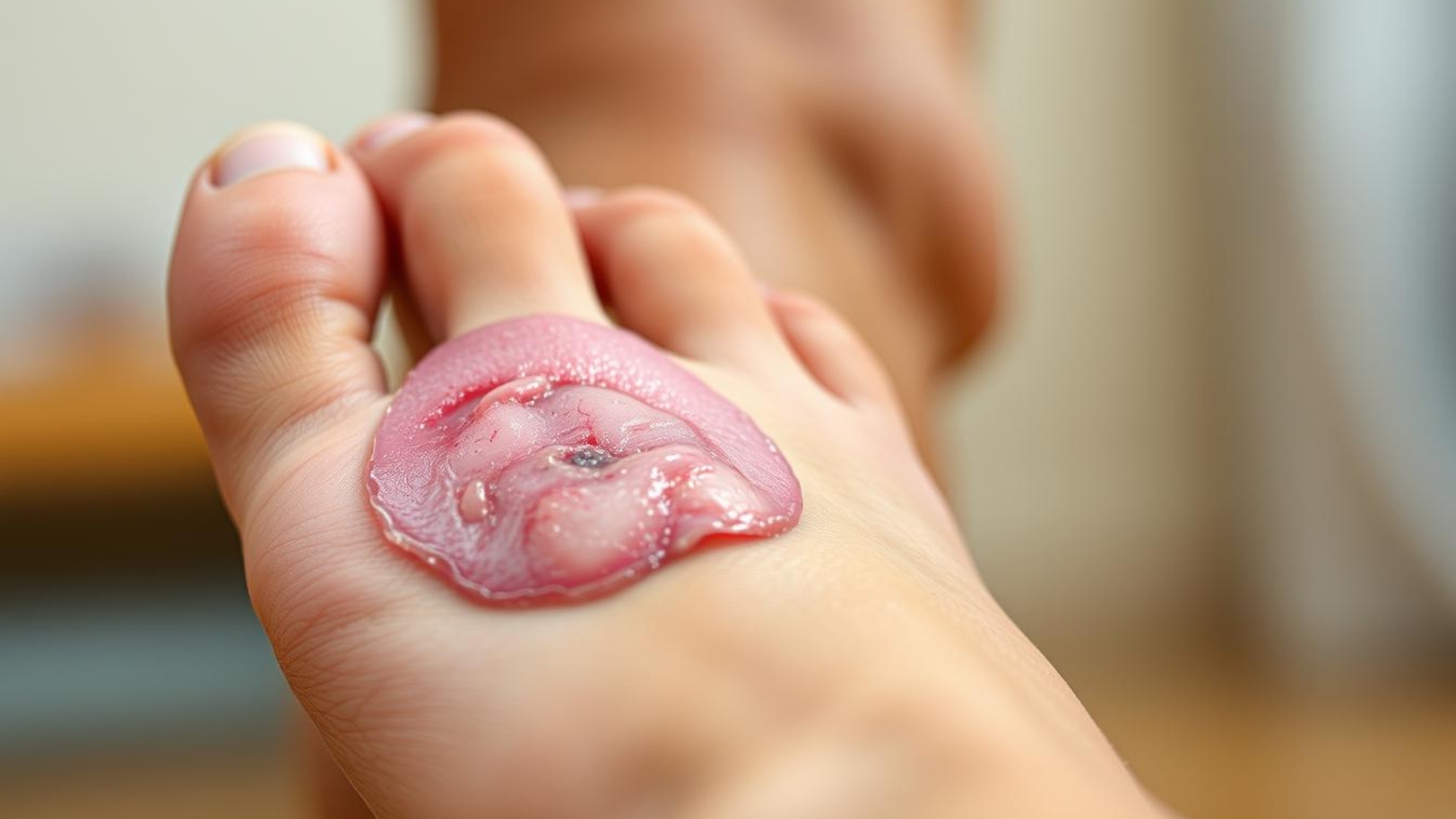
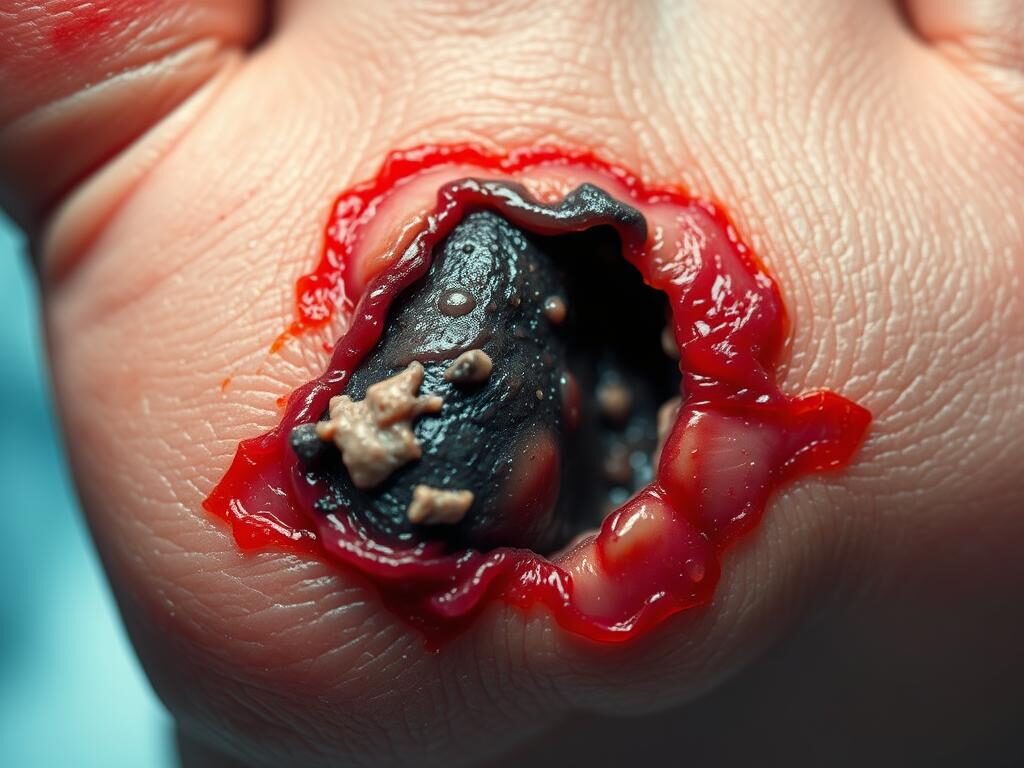
About 15% of people with diabetes develop an open sore on the bottom of the foot. If ignored, these sores raise the risk of infection, hospitalization, and even amputation.

Modern moist methods—keeping the area covered—support faster healing than letting the sore air out. Avoid harsh agents like full-strength betadine or hydrogen peroxide and skip soaking.

In this article, you’ll get practical steps for cleansing, covering, off-loading pressure, and tracking progress. You’ll also learn the warning signs that mean you should seek urgent professional attention.

Key Takeaways

  • Keep the area covered and moist to promote faster healing.
  • Avoid caustic cleansers and soaking that harm tissue.
  • Watch for infection signs and act quickly to lower risk.
  • Off-load pressure from the foot to prevent repeated damage.
  • Coordinate home management with professional support from Dominion Mobile Wound Care.

What You’re Dealing With: Diabetic Foot Ulcers, Risks, and Why Home Care Matters

A sore on the bottom of your foot may seem minor until it signals deeper problems with nerves and circulation. Many people don’t feel pain because long-term high blood glucose can cause neuropathy and nerve damage. That lack of sensation lets a small problem grow unnoticed.

About 15% of people with diabetes develop an ulcer on the sole. Certain groups have higher risk developing serious problems: those using insulin, people with kidney, eye, or heart disease, older men, and some racial groups.

Why ulcers form: reduced sensation from neuropathy, poor circulation that limits blood flow and healing, repeated pressure or friction, foot deformities, and trauma. These factors combine to slow recovery and increase infection chance.

ulcer

Early warning signs you can spot at home

  • Drainage on socks or dressings — clear, cloudy, or bloody.
  • New redness, swelling of the feet or toes, or a foul odor.
  • Skin breakdown on the bottom of the foot or persistent irritation.

If you notice any of these signs, act quickly. Dominion Mobile Wound Care can assess neuropathy, screen circulation, and help start treatment before the problem worsens.

Step-by-Step Diabetic Wound Care at Home

A clear, repeatable at-home routine helps keep an ulcer from worsening and shortens healing time. Start with gentle cleaning, protect the area, off-load pressure, and track progress each day. If you need help, Dominion Mobile Wound Care can visit to guide treatment and dressing choice.

Cleanse correctly

Wash the skin and wound with antibacterial soap and warm water. Rinse and pat dry gently to avoid harming tissue.

Avoid full-strength betadine, hydrogen peroxide, whirlpools, and soaking.

Cover and redress

Apply a topical antibacterial ointment, then a modern bandage to keep a moist environment. Daily changes let you monitor healing; if the ulcer clearly improves, your clinician may advise every other day.

Off-load pressure and support healing

  • Use protective footwear, braces, specialized casts, or temporary crutch/wheelchair use.
  • Control blood glucose and manage swelling to improve circulation and tissue healing.

When to contact a doctor

Call immediately for spreading redness, new warmth, foul odor, increased drainage, fever, or no improvement in about a week. Escalate care if the ulcer fails to heal by 4–6 weeks.

Prevention and Ongoing Foot Management for People with Diabetes

Daily prevention steps can dramatically lower the chance that small foot problems grow into serious issues. Take a few minutes each day to inspect your feet and act on small changes. Routine habits protect circulation and help prevent foot ulcers.

prevention foot

Daily checks, safe skin and nail care, and never going barefoot

Inspect your soles and between toes daily for cuts, blisters, cracks, redness, drainage, or calluses. Use a mirror or ask for help when you cannot see spots easily.

Keep skin hydrated but avoid lotion between toes. Trim nails straight across and never remove calluses at home—see a clinician for debridement or treatment.

Reduce risks with the right shoes, habits, and health checks

  • Wear well-fitted shoes with a roomy toe box and cushioned insoles; choose moisture-wicking socks without tight bands.
  • Quit smoking, limit alcohol, and control cholesterol and blood pressure to support blood flow and lower risk of disease progression.
  • Keep blood glucose stable, report nerve or neuropathy symptoms, and schedule regular podiatry and circulation exams.

Make a simple home checklist to stay consistent. Dominion Mobile Wound Care can provide at-home monitoring, footwear guidance, and education to help prevent recurrence. Hire Dominion Mobile Wound Care for ongoing support in healing and prevention.

Conclusion

A prompt, steady routine at home gives your body the best chance for steady foot healing. Cleanse gently, keep the ulcer covered with a moist bandage, off-load pressure, and control blood glucose to support repair. Monitor for increasing redness, swelling, odor, or more drainage and call your doctor without delay if these infection signs appear.

Fast, proper treatment reduces the risk of hospitalization or amputations. When debridement, circulation assessment, or advanced dressings are needed, get professional help so healing stays on track.

Partner with specialists who come to your home. Dominion Mobile Wound Care offers in-home evaluation, advanced dressings, off-loading strategies, and close follow-up to help you heal and prevent future ulcers.

FAQ

What is a foot ulcer and who is most at risk right now?

A foot ulcer is a break in the skin on the sole or toe that can become deeper and infected. You are at higher risk if you have nerve damage (neuropathy), poor blood flow, long-standing high blood sugar, prior ulcers, or a history of foot deformities. Age, smoking, and kidney or heart disease also raise your risk.

Why do these ulcers form — what causes them?

They form from a mix of problems: loss of feeling in the feet means you don’t sense pressure or injury, poor circulation slows healing, repeated pressure or friction creates skin breakdown, and high blood sugar impairs your immune response. Together, these factors let small cuts become serious quickly.

What early warning signs should I watch for at home?

Check daily for redness, swelling, warmth, new drainage or pus, skin that’s breaking down, areas that are darker or pale, and a foul odor. Also note any changes in skin temperature or nails. Act fast if you see any of these to avoid infection.

How should I clean a minor foot wound at home?

Gently wash with mild, antibacterial soap and warm water, rinse thoroughly, and pat dry with a clean towel. Avoid harsh scrubbing. Apply a sterile dressing or modern moisture-retentive bandage to protect the area and promote healing.

What type of dressing is best for healing and protection?

Use dressings that keep a balanced moisture level, such as hydrocolloid or foam dressings for many ulcers. These protect from bacteria and reduce trauma during changes. Change dressings per your provider’s instructions or at least once daily while monitoring the site.

How often should I change the dressing and check the wound?

Inspect the site every day. Change the dressing daily or sooner if it becomes wet, soiled, or loose. Keep a simple photo or journal to track size, drainage, and color changes so you can spot stalled healing or infection.

What does “off-loading” mean and how do I do it at home?

Off-loading means removing pressure from the sore. Use supportive shoes, cushioned insoles, or removable boots to keep weight off the area. Avoid walking barefoot and limit standing. For serious ulcers, your clinician may prescribe custom footwear, braces, or casts.

How important is blood sugar and swelling control for healing?

Very important. Keeping glucose in your target range helps immune function and tissue repair. Control swelling with elevation, compression if advised, and treating any underlying vein or heart issues. Work with your care team on medications, diet, and activity to support recovery.

When should I call my doctor or go to urgent care immediately?

Seek immediate care if you have spreading redness, increased pain, fever, foul-smelling drainage, rapid swelling, numbness that gets worse, new dark tissue, or if the wound fails to improve after two weeks. Also call if you can’t control bleeding or if you develop signs of systemic infection.

What daily habits help prevent new foot problems?

Inspect your feet every day, wash and dry them carefully, moisturize dry areas but not between toes, trim nails straight across, and avoid self-removal of calluses. Never go barefoot indoors or outdoors. Choose well-fitting shoes and breathable socks.

How do proper shoes and socks reduce risk?

Shoes with a roomy toe box, firm heel support, shock-absorbing sole, and no internal seams reduce pressure and friction. Socks that wick moisture and fit well prevent blisters. Consider diabetic footwear or custom orthotics if you have deformities or a history of ulcers.

Can lifestyle changes lower my chance of developing another ulcer?

Yes. Quit smoking to improve circulation, maintain a healthy weight, control blood pressure and cholesterol, stay active within limits, and follow your treatment plan for glucose control. Regular foot exams with your provider also catch problems early.

What treatments might my clinician recommend beyond home methods?

Your clinician may suggest debridement to remove dead tissue, topical antimicrobial agents, specialized dressings, off-loading devices, antibiotics for infection, or advanced therapies like negative-pressure devices or skin grafts for stubborn ulcers. Referral to a podiatrist or vascular specialist may be needed.

How can I tell if circulation is a problem in my foot?

Signs of poor circulation include persistent coldness, pale or bluish skin, slow nail growth, hair loss on the toes, and weak pulses in the foot. If you notice these, ask your provider for a vascular assessment and tests like an ankle-brachial index.

Are amputation risks high and how can I reduce them?

Amputation risk rises with delayed treatment, deep infection, severe poor circulation, or uncontrolled blood sugar. Early detection, proper off-loading, infection control, vascular assessment, and adherence to medical advice greatly lower that risk.

How should I manage minor cuts, blisters, or calluses to avoid escalation?

Clean minor injuries promptly, apply a sterile dressing, and monitor closely. For blisters, keep the skin intact when possible or drain under sterile conditions if needed. Have a podiatrist handle thick calluses and never cut them yourself.

What role do professional follow-ups play in healing?

Regular follow-ups let clinicians track progress, perform necessary procedures, adjust dressings, manage infections, and recommend footwear or vascular care. Consistent follow-up shortens healing time and prevents complications.

wound care education

Why Patient Education is Key to Successful Wound Healing

Dominion Mobile Wound Care frames instruction as the engine of better treatment across the United States. Millions live with chronic conditions linked to aging, obesity, and diabetes, and clear training helps clinicians and patients turn evidence into safer, faster healing today.

Structured programs create shared knowledge that supports consistent assessment, timely escalation, and adherence to treatment plans. Dominion Mobile Wound Care pairs bedside teaching with each person’s goals to reduce complications and improve overall health.

Practical learning—from self-paced online course libraries to coordinated certification pathways—bridges the gap between theory and daily practice. This approach standardizes terms, lowers avoidable errors, and empowers families to spot changes early.

The following pages outline barriers, curricula, and hands-on methods that convert instruction into measurable outcomes: fewer infections, fewer readmissions, and faster closure. Readers are invited to hire Dominion Mobile Wound Care to help heal their wounds and support better routines at home.

Key Takeaways

  • Education drives consistent assessment and faster recovery.
  • Dominion Mobile Wound Care integrates bedside training with patient goals.
  • Accessible courses and certifications help clinicians and families.
  • Clear instruction reduces errors and improves communication.
  • Outcomes include fewer infections, readmissions, and faster closure.

Connecting Education to Healing: Why Knowledge Drives Better Wound Outcomes

Clear, role-specific instruction shortens healing times by aligning teams and daily routines at the bedside. Chronic conditions like diabetes and obesity make closure harder, so focused guidance on glycemic control, offloading, and moisture balance is essential to everyday practice.

Common barriers include missed infection cues, missed dressing schedules, and inconsistent management across settings. These gaps let problems progress before anyone notices.

When patients, nurses, and providers share a step-by-step plan, they detect decline earlier and act faster. Structured training improves measurement, staging when needed, exudate assessment, and recognition of biofilm risk.

  • Better practice, better outcomes: clarity reduces lingering wounds and periwound maceration.
  • Nurse-led reinforcement: each interaction can demonstrate technique and confirm understanding with teach-back.
  • Provider alignment: orders matched to a person’s abilities increase adherence and safety.

Dominion Mobile Wound Care embeds micro-training at every visit to close knowledge gaps and strengthen home routines. This approach sets the stage for targeted curricula that follow in the next section.

wound care education: What It Covers and Who It Empowers

A focused program maps essential skills that clinicians and families use every day to prevent problems and speed recovery. Foundational curricula span assessment, prevention, infection recognition, documentation, and practical management steps that work in clinics, hospitals, and the home.

wound care education

Core components

  • Accurate assessment and measurement, etiology recognition, moisture balance, and clear documentation.
  • Product selection logic—alginates, foams, hydrofibers—plus offloading, compression settings, and referral criteria for debridement.
  • Infection and biofilm indicators: rising pain, purulent drainage, expanding erythema, and when to escalate for culture or advanced therapy.

Who benefits and where it fits

Patients gain confidence and safer self-management. Home health nurses reinforce daily routines. Interdisciplinary providers align on orders and follow-up.

Education adapts by setting: quick bedside teaching in hospitals, practical routines in home visits, and standardized protocols in clinics. A program approach uses checklists, documentation templates, scenario refreshers, and concise courses with quick-reference handouts to keep teams consistent and communication clear.

Dominion Mobile Wound Care brings instruction to the point of care and tailors every lesson to each person’s abilities and home realities.

From Knowledge to Practice: Turning Evidence-Based Learning into Daily Wound Care

Operationalizing protocols into short, repeatable steps makes reliable management achievable in any home or clinic.

Dominion Mobile Wound Care converts evidence into bedside routines and follow-up that drive measurable results. Standardized cleansing, dressing, and offloading protocols reduce bioburden and help a wound progress through normal phases.

Measurable improvements come from repetition and verification. Teams teach, demonstrate, observe, correct, and document until tasks become dependable habits for patients and caregivers.

Key practices that change outcomes

  • Clear schedules and simplified product regimens increase adherence.
  • Photo-guided tracking and objective measures (length, width, depth) confirm progress week to week.
  • Real-time expert coaching fixes pain, drainage, or device fit before setbacks occur.

Early detection of stalled progress triggers focused management changes—switching dressings, adding compression, or adjusting offloading. Consistent hand hygiene and aseptic technique lower infection rates and reduce readmissions.

Partnership matters: clinicians guide practice, patients own daily steps, and accurate documentation lets the wider healthcare team act on timely data. Dominion Mobile Wound Care structures each visit to turn knowledge into repeatable actions that improve healing metrics today.

Learning Pathways in Today’s Landscape: Self-Paced Programs, Certification, and Continuing Education

Modern learning options let busy clinicians pick targeted courses or full certification tracks with mentor support. This section maps flexible, on-demand modules against coordinated programs that include hands-on verification and formal testing.

learning pathways courses

Self-paced options

Self-paced courses deliver 24/7 access to videos, slides, and handouts. The WOCN Society’s WTA Your Way offers 14 evidence-based modules and up to 14.75 contact hours.

These programs let learners choose topics that fill gaps quickly and fit shift schedules.

Coordinated certification tracks

The WTA Program adds hands-on competency, a WOCN-approved coordinator, and 32.25 contact hours. For broader exam prep, WoundEducators provides device-friendly access, study guides, practice exams, and up to 60 CE hours.

Its six-month access, extensions, and “Until You Pass” guarantee support readiness for WCC, CWS, and CWCN pathways.

How to choose

Pick tailored modules for rapid upskilling and focused gaps. Choose comprehensive programs when you need mentorship, formal competency checks, and full exam prep.

  • High-quality course design uses videos, case scenarios, and handouts to aid retention.
  • Practice exams identify weak areas and build exam confidence.
  • Healthcare teams can mix self-paced courses with internal checkoffs to standardize practice across settings.

Dominion Mobile Wound Care complements external training by reinforcing techniques at the bedside, answering questions in real time, and aligning plans of care with what clinicians practiced during their course.

Dominion Mobile Wound Care’s Approach: Education-First Wound Management at Home and In-Facility

Dominion Mobile Wound Care blends bedside demonstration with tailored plans so daily steps become manageable and reliable for patients and staff. Each visit focuses on practical technique, teach-back, and simple milestones that fit real life.

Our model: bedside teaching, personalized care plans, and ongoing training for patients and staff

The program creates individualized plans that match patient goals, product availability, and schedules. Teams use checklists, photo documentation, and visit-by-visit milestones to track progress and adjust quickly.

Expert team: board-certified clinicians guiding practical skills and answering real-time questions

Board-certified experts lead hands-on sessions, demonstrate techniques, and confirm competency with teach-back. Real-time Q&A resolves small uncertainties before they affect adherence.

  • Train nurses and caregivers alongside patients to align providers across shifts.
  • Simplify product regimens so patients can maintain routines between visits.
  • Coordinate with referring nurse teams and providers to keep orders realistic.

Dominion Mobile Wound Care brings consistent instruction to both home and facility settings. Contact the team to schedule a visit and turn every encounter into measurable progress toward closure.

Conclusion

Practical, repeatable instruction turns clinical knowledge into everyday habits that improve outcomes.

When providers pair structured courses and certification pathways with real-time bedside coaching, patients and nurses follow clearer routines. This blend makes assessment, documentation, and timely adjustments routine rather than occasional.

Dominion Mobile Wound Care integrates self-paced modules and hands-on visits so products, schedules, and techniques match each person’s home and abilities. Consistent practice and simple steps reduce infections and avoid readmissions.

For lasting progress, combine external learning with at-the-bedside mentoring. Ask questions, align teams, and build a plan that fits your resources and goals. Hire Dominion Mobile Wound Care to help heal their wounds.

FAQ

Why is patient education key to successful healing?

Teaching patients clear, practical steps reduces complications and speeds recovery. When patients understand assessment cues, prevention strategies, and treatment plans, they follow regimens more consistently and notify providers earlier about problems. This lowers infection risk, improves adherence, and shortens recovery times.

How does connecting education to healing improve outcomes?

Knowledge empowers patients, nurses, and clinicians to act promptly. Training reduces missed signs, standardizes management, and supports timely interventions. Teams who share the same information show better coordination, which leads to fewer complications and higher closure rates.

What are common barriers to healing clinicians should address?

Chronic conditions, missed early cues, inconsistent management, and limited access to resources often slow progress. Addressing social determinants, reinforcing self-monitoring, and providing easy-to-follow plans help overcome these obstacles.

What core topics should educational programs cover?

Effective programs include assessment techniques, prevention methods, treatment protocols, infection recognition, and documentation best practices. Clear instruction on when to escalate care ensures safer outcomes.

Who benefits most from targeted programs?

Patients, home health nurses, and interdisciplinary clinicians all gain measurable skills. Caregivers and family members also benefit from practical coaching that supports everyday management at home or in facilities.

In which settings should education be delivered?

Education works best across clinics, hospitals, and private homes. Delivering training where the person lives ensures real-life application and supports transitions between settings.

What measurable impacts do evidence-based learning programs show?

Programs demonstrate fewer infections, higher adherence to protocols, faster healing, and reduced readmissions. Tracking outcomes and using validated metrics verify program effectiveness over time.

What learning pathway options exist today?

Options include self-paced online modules, live workshops, and blended formats. Self-paced courses provide 24/7 access to videos, slides, and handouts, while instructor-led sessions add hands-on practice and feedback.

What certification pathways should clinicians consider?

Clinicians often pursue certifications such as WCC, CWS, or CWCN to deepen skills and meet professional requirements. Practice exams, continuing education hours, and supervised experience support successful certification.

How should organizations choose between tailored modules and full certification prep?

Choose tailored modules for quick skill gaps or team refreshers. Opt for comprehensive certification prep when aiming for formal credentials, long-term competency, and career advancement.

What is an education-first model for at-home and in-facility management?

An education-first model focuses on bedside coaching, personalized plans, and ongoing staff and patient training. It blends teaching with care delivery so patients learn practical techniques during routine visits.

What role do board-certified clinicians play in training programs?

Board-certified clinicians provide clinical oversight, teach practical skills, and help answer complex questions in real time. Their expertise ensures instruction aligns with current standards and best practices.

How can teams measure the success of an educational initiative?

Track infection rates, adherence metrics, healing timelines, and readmission numbers. Collect patient and staff feedback, and use competency checks to confirm learning transfer into daily practice.

What resources support ongoing learning for home health nurses?

Resources include online CE modules, pocket guides, video demonstrations, and virtual mentorship. Regular refreshers and simulation-based training help maintain skills between formal courses.

How do patients receive information in an accessible way?

Use plain language handouts, short videos, and step-by-step checklists. Teach-back techniques confirm understanding and adapt materials to literacy and language needs.

How do educational programs reduce healthcare costs?

By decreasing complications and readmissions, programs lower acute care utilization. Better self-management reduces emergency visits and speeds recovery, which yields measurable savings for systems and patients.