You deserve timely, effective treatment for acute, chronic, or non-healing wounds. When mobility or travel limits your options, mobile services bring expert care directly to your home or facility.
A dedicated local team coordinates diagnostics, therapies, and follow-up. That means lab tests, imaging, and vascular studies are used to build a personalized plan that targets both the affected tissue and the factors that block healing.
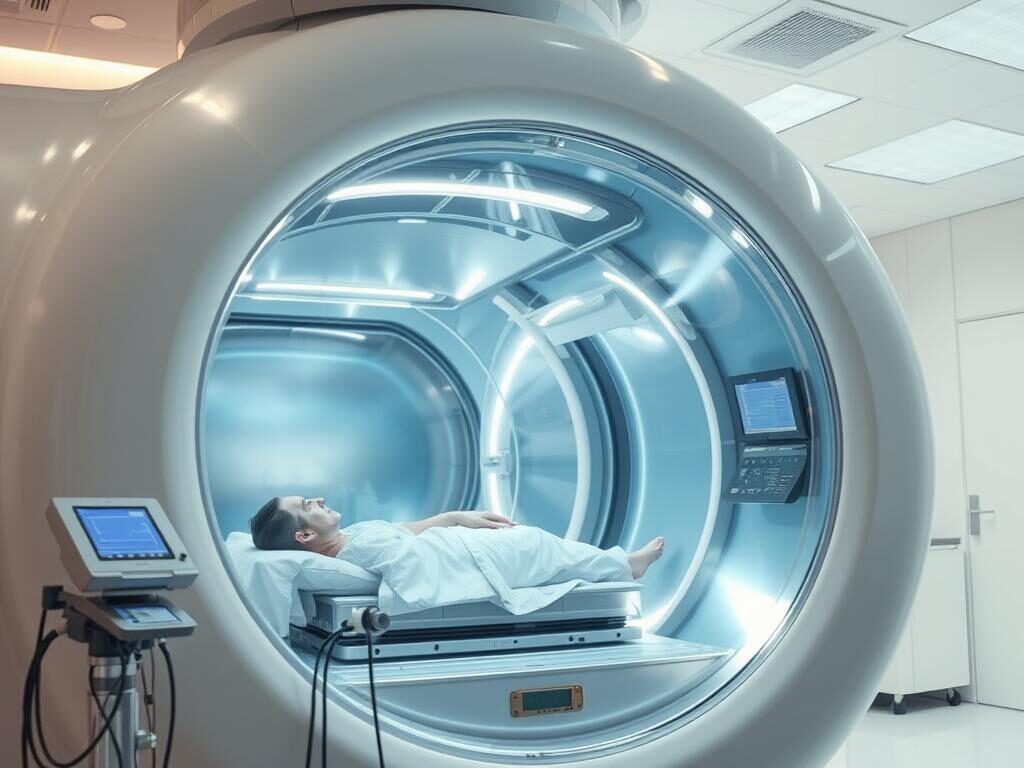
Advanced options may include hyperbaric oxygen therapy, negative pressure therapy, bioengineered skin substitutes, and compression or total contact casting. These treatments work together to boost tissue oxygenation, control infection, and encourage granulation.
Dominion Mobile Wound Care serves San Antonio with mobile services that cut travel and delays. Hire Dominion Mobile Wound Care to help heal their wounds.
Key Takeaways
- Mobile services bring specialized treatment to your location for better access and faster care.
- A local team uses diagnostics and evidence-based therapies for individualized healing plans.
- Advanced therapies, including oxygen-based options, support tissue repair and closure.
- Progress tracking and education help you manage conditions and avoid complications.
- Choosing local experts improves coordination with imaging, vascular, and surgical services.
Why Choose a Specialist in San Antonio for Advanced Wound Care
You benefit from targeted evaluation that finds the root of delayed healing. Local programs combine lab testing, radiology (including MRI), vascular studies, and ultrasound to reveal issues like impaired blood flow or hidden infection.
Advanced treatments are matched to your condition. Options include debridement, negative pressure systems, bioengineered grafts, compression and total contact casting, plus hyperbaric oxygen therapy to boost oxygen delivery to damaged tissue.

Working with a coordinated multidisciplinary team means physicians, nurses, and technicians share decisions about dressing selection, moisture balance, offloading to reduce pressure, and pain control.
- Comprehensive approach: addresses circulation, infection, pressure, and moisture together to speed healing.
- Diagnostic precision: studies guide individualized treatment so therapies suit the types of wounds and your health.
- Convenience: mobile services deliver specialty-level services and oversight at your home or facility.
- Ongoing monitoring: objective metrics let the team adjust treatment quickly to stay on track.
Dominion Mobile Wound Care emphasizes convenience and expert oversight in San Antonio, bringing advanced options directly to you. Hire “Dominion Mobile Wound Care” to help heal their wounds.
Wound Care Specialists
Conditions we manage include diabetic foot ulcers, venous stasis ulcers, pressure ulcers, arterial ulcers, and non-healing surgical wounds. You can also get support for complex soft tissue and traumatic injuries, including crush injuries, and for radiation skin damage or soft tissue radionecrosis.
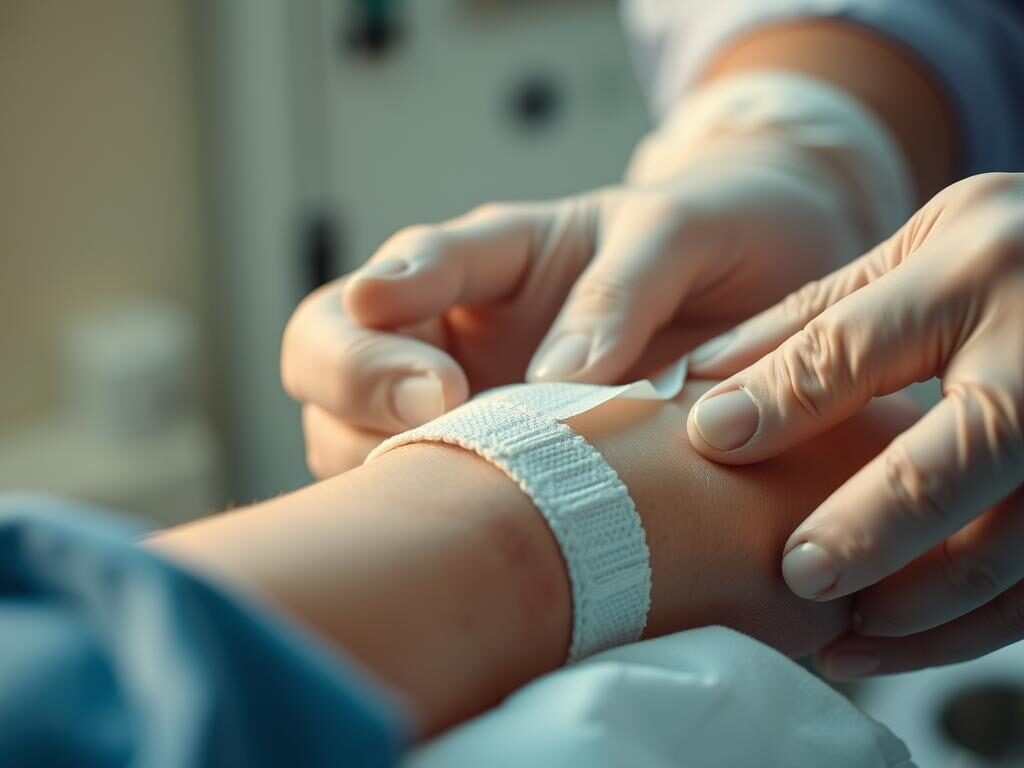
Diagnostic precision guides every plan. Laboratory studies, radiology and MRI, vascular assessments, and ultrasound expose barriers such as ischemia, infection, or bone involvement in chronic wounds.
Evidence-based treatments may include debridement, topical agents and advanced dressings. Negative pressure wound therapy (wound VAC) helps reduce edema and promote granulation tissue.
- Oxygen-based options: hyperbaric oxygen therapy can improve microcirculation and blood flow for selected cases.
- Mechanical support: compression wrapping and total contact casting redistribute pressure and assist healing.
- Regenerative grafts: bioengineered skin substitutes, amniotic membrane, and synthetic grafts offer scaffolding when healing stalls.
Integrated infection control and pain management keep you comfortable while the therapies work. Dominion Mobile Wound Care brings these diagnostics and therapies to you in San Antonio, coordinating with your other clinicians as needed. Hire “Dominion Mobile Wound Care” to help heal their wounds.
What to Expect at Your First Appointment Today
The first meeting centers on a detailed exam, diagnostic studies, and a clear, practical plan you can follow at home.
Comprehensive evaluation
Your initial appointment begins with a focused history and assessment of the affected area and overall health. The team documents location, size, depth, drainage, and surrounding skin. Nutrition, mobility, and glucose control are reviewed.
Diagnostic studies may include laboratory tests, radiology (including MRI), vascular studies, electrocardiogram when indicated, and ultrasound to check for infection, edema, or bone involvement.
Your personalized treatment plan
You receive a clear plan that outlines step-by-step treatments, dressing schedules, and pressure-redistribution strategies tailored to the types wounds you have.
- May include debridement, topical therapy, growth-factor or tissue treatments, and precise dressing selection.
- Device options such as negative pressure systems and offloading footwear are added when they improve outcomes.
- Measurements and photos are taken each visit to track progress and guide adjustments.
Coordination and education
The team coordinates services with your clinicians and explains signs that require a call. Because Dominion Mobile Wound Care evaluates you in San Antonio at your location, the plan is practical and easier to follow.
Hire “Dominion Mobile Wound Care” to help heal their wounds.
Conclusion
A focused program ties early detection, precise diagnostics, and proven therapies into a single plan that moves healing forward.
Your care is tailored with targeted treatment options—from modern dressings and device-based systems to compression and total contact casting—to help close wounds safely and efficiently.
The team monitors progress and adjusts plans to limit drainage, offload pressure, and reduce pain so setbacks are minimized.
When appropriate, oxygen and oxygen therapy complement the regimen to improve tissue oxygenation and support durable closure of a pressure wound or ulcer.
Dominion Mobile Wound Care is ready to coordinate your next steps in San Antonio. Hire “Dominion Mobile Wound Care” to help heal their wounds.
FAQ
What are the benefits of choosing a wound care specialist in San Antonio?
You’ll receive targeted, evidence-based treatments that speed healing for acute, chronic, and non-healing wounds. Local specialists use advanced therapies like negative pressure systems and hyperbaric oxygen to improve circulation and tissue repair. You’ll also get a coordinated plan from a multidisciplinary team that monitors progress and adjusts treatments to reduce infection risk and improve outcomes.
Why should you choose a specialist in San Antonio for advanced treatment?
Choosing a local specialist gives you access to modern technologies and therapies not available in all clinics. You benefit from clinicians experienced with diabetic foot ulcers, venous and arterial ulcers, pressure injuries, and complex soft tissue damage. The team emphasis on comfort and long-term health helps you return to normal activities sooner.
How do specialists improve healing outcomes for chronic or non-healing wounds?
Specialists combine precise diagnosis—using laboratory studies, ultrasound, radiology, and vascular testing—with personalized treatment plans. They perform debridement, select appropriate topical therapies and dressings, and use modalities like negative pressure therapy to promote granulation tissue and reduce edema, increasing the chance of closure.
What advanced therapies are available to accelerate recovery?
You may be offered negative pressure wound therapy (wound VAC) to stimulate tissue growth, hyperbaric oxygen therapy (HBOT) to boost oxygen delivery and blood flow, and bioengineered skin substitutes or amniotic membrane grafts for difficult defects. Compression wrapping and total contact casting can offload pressure from ulcers to aid healing.
Which conditions does the team treat?
The clinic treats diabetic foot ulcers, venous and arterial leg ulcers, pressure injuries, surgical wounds, traumatic soft tissue trauma including crush injuries, radiation-induced skin damage and radionecrosis, chronic refractory osteomyelitis, and infected or non-healing lesions requiring integrated management.
How is diagnostic precision achieved during evaluation?
Practitioners use targeted laboratory testing, wound cultures, MRI or CT when needed, vascular studies like ABI and arterial duplex, and bedside ultrasound. This data guides therapy choices, detects occult infection, and identifies circulation issues that must be treated for wound closure.
What does evidence-based treatment include?
You’ll receive appropriate debridement, selection of dressings and topical agents based on wound type, infection control with antibiotics when indicated, and protocols for moisture balance. Therapies such as negative pressure and HBOT are used when supported by clinical evidence to improve outcomes.
How does negative pressure therapy help?
Negative pressure systems remove excess fluid, decrease bacterial burden, and draw wound edges together. The device promotes granulation tissue formation and can speed healing for complex soft tissue defects and post-surgical wounds.
What role does hyperbaric oxygen therapy play?
HBOT increases oxygen tension in tissues, which supports angiogenesis, combats certain infections, and enhances blood flow. It’s often used for radiation injuries, refractory osteomyelitis, and diabetic foot ulcers that fail standard care.
When are bioengineered skin substitutes or grafts used?
These products are considered when native tissue regeneration is inadequate. Amniotic membrane, synthetic grafts, and other substitutes provide a scaffold for cell growth, reduce scarring, and can close defects that resist conservative measures.
How are infection and pain managed during treatment?
The team integrates wound cultures, targeted antibiotics, topical antimicrobial dressings, and surgical drainage when needed. Pain control strategies include localized analgesia, dressing selection to minimize discomfort, and systemic medications tailored to your needs.
What happens at your first appointment?
Expect a comprehensive evaluation: detailed wound assessment, review of medical history and circulation, relevant imaging or lab tests, and discussion of your ability to follow therapies. The clinician will explain risks, benefits, and alternatives before creating a personalized treatment plan.
How is your personalized treatment plan structured?
Your plan outlines specific interventions, dressing and offloading strategies, frequency of clinic visits, measurements at each visit, and coordination with other providers such as vascular surgeons or infectious disease specialists. It’s adjusted based on measured progress.