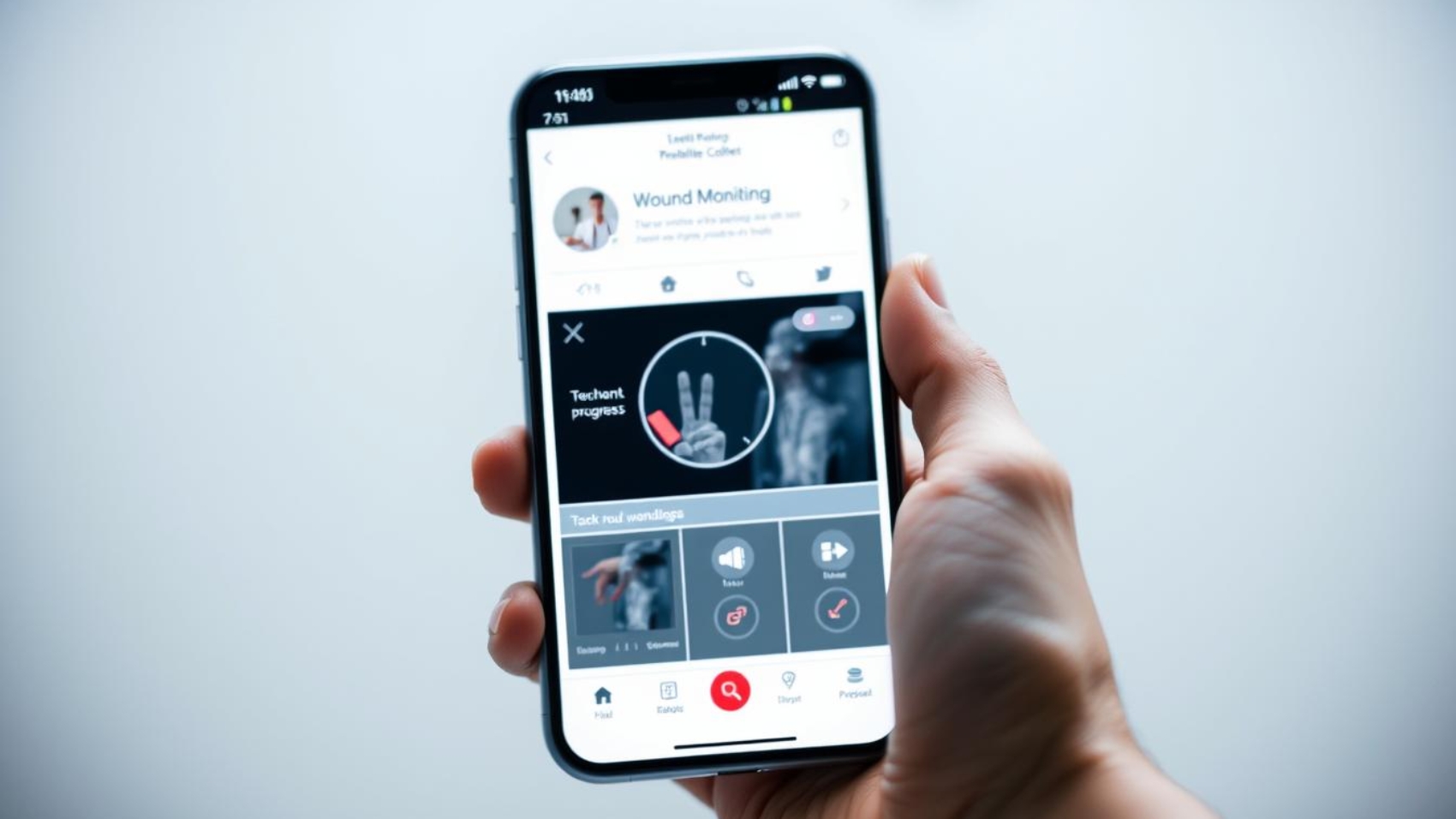
Home wound monitoring

How Regular Mobile Wound Monitoring Prevents Complications

You’ve suffered an injury or had surgery, and now you’re on the mend. Regular mobile wound care is key to avoiding problems and helping your wounds heal well.

With Dominion Mobile Wound Care, you get top-notch care right at home. Their skilled team keeps a close eye on your healing, spotting any issues early.

Through regular patient follow-up, Dominion Mobile Wound Care keeps you safe from expensive and painful complications. Their team is all in on giving you the best care possible.

Key Takeaways

  • Regular mobile wound care prevents complications
  • Dominion Mobile Wound Care provides timely and effective care
  • Expert team monitors your progress closely
  • Patient follow-up helps catch any issues early
  • Dominion Mobile Wound Care is dedicated to your recovery

Choose Dominion Mobile Wound Care for a smooth healing journey.

The Rising Importance of Proactive Wound Care

Wound-related complications are on the rise, making proactive wound care more urgent than ever. As a patient or caregiver, knowing the importance of early wound management can greatly improve recovery chances.

Current Statistics on Wound-Related Complications

Surgical site infections (SSIs) are a big problem worldwide. The World Health Organization (WHO) says one-third of patients in poorer countries get a wound infection after surgery. In the U.S., SSIs affect 2% to 5% of surgery patients, causing a lot of suffering and death.

Wound Complication Type Estimated Annual Cases Associated Costs
Surgical Site Infections 300,000 – 500,000 $10 billion – $15 billion
Chronic Wound Cases 6.5 million $20 billion – $25 billion

The Financial and Physical Toll of Neglected Wounds

Neglected wounds can make hospital stays longer and costs higher. They also hurt patients’ quality of life. The cost of wound care is huge, with the U.S. healthcare system spending tens of billions of dollars a year. Nurse visits and wound imaging help lower these costs by catching problems early.

By being proactive with wound care, you can lower the risk of problems, cut costs, and improve results.

The Science Behind Effective Home Wound Monitoring

Home wound monitoring is key in modern wound care. It uses technology to help patients and doctors. This way, patients can watch their wounds closely and talk to their healthcare team.

Essential Components of Proper Wound Assessment

When checking a wound, you need to look at its size, depth, and what kind of tissue it is. Getting this right is important for a good treatment plan. You should also check for drainage, skin condition, and any signs of infection.

Latest Research on Monitoring Frequency and Outcomes

Recent studies show that regular checks are key to good wound care. How often you check can really affect healing. Studies say more checks early on lead to better results.

Temperature and Color Changes

Wound temperature and color changes are big signs of how the wound is doing. If the temperature goes up or the color changes, it might mean infection. Tell your doctor right away if you notice these signs.

Also, watch the amount and type of drainage, and the skin around the wound. Too much drainage or skin changes can mean trouble. For more on wound care at home and in clinics, check this article.

By knowing these important points and staying alert, you can help your wound care. This can lead to better results for you.

Early Warning Signs: Preventing Complications Before They Start

Recognizing early warning signs can greatly reduce the risk of wound complications. Good wound care means treating the wound and watching for signs of trouble.

Critical Indicators That Require Immediate Professional Attention

Some signs show your wound isn’t healing right. You need a doctor’s help fast. Look out for:

  • Increased redness or swelling around the wound
  • Pus or discharge
  • A foul odor
  • Increased pain
  • A fever

The Timeline of Wound Deterioration Without Intervention

Wounds can get worse fast without care. Knowing when trouble starts helps you act quickly.

Infection Markers

Signs of infection are key. Watch for:

  • Increased redness and swelling
  • Purulent discharge
  • A foul odor

wound imaging

  • A decrease in granulation tissue
  • An increase in wound size
  • Changes in wound color or texture

Regular nurse visits and wound imaging can spot these early. This lets you act fast.

Professional Nurse Visits: The Cornerstone of Effective Wound Management

Regular visits from a professional nurse are key to healing wounds. This care is vital for those who can’t move easily or live far from medical help.

What Happens During a Dominion Mobile Wound Care Visit

A skilled nurse checks the wound’s size, depth, and tissue type during a visit. They then create a treatment plan. This might include cleaning the wound, changing dressings, or other steps.

Evidence-Based Visit Frequency Recommendations

The number of nurse visits needed varies with the wound’s type and severity. More visits are often needed for acute wounds.

Acute Wound Protocols

  • Initial visits are typically more frequent, often every 2-3 days.
  • As the wound heals, visit frequency can be reduced.

Chronic Wound Management Plans

Chronic wounds need a long-term plan. This includes regular nurse visits and teaching patients how to care for themselves. This helps prevent more problems.

By sticking to these guidelines, patients get the best care for their wounds to heal well.

Revolutionary Wound Imaging Technologies in Patient Care

Now, you can enjoy the latest in wound imaging tech. These tools are changing how we watch over and treat wounds. They help doctors make better choices for your care.

Digital Measurement and Documentation Advancements

New digital tools give accurate and detailed wound assessments. They help track how wounds change, which is key for good treatment plans.

Some main benefits of these digital tools include:

  • More precise measurements of wound size and depth
  • Better records for clear communication among doctors
  • Clearer tracking of how wounds change over time

How Real-Time Data Sharing Improves Treatment Decisions

Sharing data in real-time is a big deal in wound care. It lets doctors see the latest on your wound, helping them make quick and smart treatment choices.

3D Wound Mapping Technology

3D wound mapping technology is a big step forward. It gives a detailed, three-dimensional look at your wound. This helps doctors make more accurate plans for your care.

Remote Consultation Capabilities

Telemedicine brings mobile wound care to the next level. It lets doctors do remote consultations, monitor wounds, and work together with local providers. This means you get all the care you need without always having to see a doctor in person.

Technology Benefits Impact on Patient Care
Digital Measurement Accurate wound assessment, improved documentation Enhanced treatment planning, better patient outcomes
3D Wound Mapping Detailed 3D view of wounds More accurate assessments and treatment plans
Remote Consultation Collaborative care, reduced need for in-person visits Comprehensive care, improved patient satisfaction

With these cutting-edge technologies, wound care is getting better and more tailored to you. Digital tools, 3D mapping, and remote consultations are changing wound management for the better.

Customized Patient Follow-Up Systems That Drive Results

The secret to successful wound healing is in customized follow-up systems. These systems are made for each patient’s unique needs. By making patient follow-up fit the wound type and patient situation, healthcare providers can greatly improve healing.

Developing Personalized Monitoring Schedules

Creating a schedule for each patient is key for good wound care. It’s about looking at the wound’s severity, the patient’s health, and their ability to care for the wound at home. Regular nurse visits are important. They let professionals check the wound and change the care plan if needed.

Between-Visit Communication Protocols

Good communication between visits is critical. It helps address concerns and prevent problems. This can be done through digital check-in options, like secure messaging apps or patient portals.

Digital Check-In Options

Patients or caregivers can take photos of the wound with smartphones or tablets. This lets providers see how the wound is healing and spot any issues early. This way, they can act fast, avoiding serious problems.

When to Escalate Concerns

Knowing when to ask for help is important. Signs like more redness, swelling, or discharge mean it’s time to see a healthcare provider. With clear ways to communicate, patients can report these signs quickly, getting help fast.

patient follow-up

By using these customized follow-up systems, patients get the care they need when they need it. This boosts their chances of healing their wounds successfully.

Home Wound Monitoring: A Game-Changer in Preventative Care

The world of wound care is evolving, with home wound monitoring leading the way. This technology lets you play a big role in your healing. It uses the latest tech and care plans to help you heal at home.

The Evolution of At-Home Wound Assessment

At-home wound checks have gotten much better. Digital wound monitoring makes detailed records. These records help doctors track your healing, spot problems early, and change treatments when needed.

Patient Empowerment Through Education and Tools

Teaching patients and caregivers is key for home wound care. They learn self-assessment techniques and documentation methods. This helps them track the wound’s progress well.

Self-Assessment Techniques

Watching your wound regularly is important. Note any changes in size, color, or discharge. This info helps doctors understand your wound’s status and make the right choices.

Documentation Methods for Patients and Caregivers

Keeping accurate records is essential for wound care. Use digital apps or traditional logs to track your wound. For more on mobile wound care, read our article here.

Home wound monitoring combines advanced imaging with education. It’s a big step towards better care, leading to better healing and a better life for those with wounds.

Dominion Mobile Wound Care’s Approach

Dominion Mobile Wound Care takes a holistic view of wound management. They focus on specialized services for different wound types. A multidisciplinary team works together to care for you.

Specialized Services for Different Wound Types

Dominion Mobile Wound Care has services for various wounds. This includes diabetic foot ulcers, pressure sores, and surgical wounds. Their nurse visits are tailored to meet each patient’s needs.

The Multidisciplinary Team Behind Your Care

The team at Dominion Mobile Wound Care includes healthcare professionals from different fields. They work together to create effective treatment plans. This teamwork ensures all aspects of care are considered, leading to better results.

Case Studies: Successful Intervention Stories

Case studies show Dominion Mobile Wound Care’s approach works. For example, a patient with a diabetic foot ulcer healed completely. This was thanks to regular nurse visits and personalized care.

Innovative Treatment Protocols

The team at Dominion Mobile Wound Care stays updated with the latest in wound care. Their innovative protocols aim to heal wounds faster, reduce complications, and improve patient outcomes.

Wound Type Specialized Service Outcome
Diabetic Foot Ulcer Regular Nurse Visits Complete Healing
Pressure Sore Personalized Wound Care Significant Improvement
Surgical Wound Advanced Dressing Techniques Rapid Recovery

Dominion Mobile Wound Care’s approach has shown great results. It reduces the need for transfers to acute care, improving outcomes and cutting costs. They provide patient follow-up and support to help patients heal effectively.

The Economic and Health Benefits of Preventative Monitoring

Using home wound monitoring can greatly lower the chance of serious problems. It boosts your health and saves money too.

Cost Analysis: Prevention vs. Hospitalization

Spotting wound issues early can stop emergencies and hospital stays. This cuts down on healthcare costs. A study showed that early action saves a lot by avoiding expensive hospital visits.

The savings come from:

  • Less need for urgent medical help
  • Less time in the hospital for wound issues
  • Wounds heal faster, saving on care costs

Quality of Life Improvements Through Proper Wound Management

Good wound care at home, with wound imaging, makes life better. It lets you get back to your routine sooner.

Insurance Coverage Options

Many insurance plans cover home wound monitoring and wound imaging. It’s good to check what your plan covers.

Long-Term Health Outcomes

Right wound care leads to better health in the long run. It stops infections, tissue damage, and scarring. Regular checks help wounds heal right.

Conclusion: Partnering for Successful Wound Healing

Effective wound care needs a full approach. This includes regular nurse visits and detailed patient follow-up. Dominion Mobile Wound Care offers expert services tailored to your needs.

Telemedicine and mobile wound care are getting better. They offer solutions for more people to get quality wound treatment. With Dominion Mobile Wound Care, you get the latest in wound care and care plans made just for you.

Choosing Dominion Mobile Wound Care is a big step towards healing your wound. Their team will create a care plan just for you. To learn more about their services and how they can help, consider hiring Dominion Mobile Wound Care for your wound healing journey.

FAQ

What is the importance of regular mobile wound monitoring?

Regular mobile wound monitoring is key to avoiding complications. It allows for timely and effective care. Dominion Mobile Wound Care offers professional care at home, reducing the risk of wound-related issues.

How often should wounds be monitored?

Monitoring frequency varies by wound type and severity. Healthcare professionals recommend regular checks. Dominion Mobile Wound Care creates a personalized schedule for your needs.

What are the signs of wound complications that require immediate attention?

Look out for signs like increased redness, swelling, or drainage. Also, watch for a decrease in wound size or an increase in depth. Contact Dominion Mobile Wound Care if you see these signs.

What happens during a Dominion Mobile Wound Care visit?

A professional nurse will assess and treat your wound during a visit. They’ll also educate you on self-assessment and provide care guidance.

How does Dominion Mobile Wound Care use wound imaging technologies?

Dominion Mobile Wound Care uses advanced imaging like 3D wound mapping. This technology tracks wound progress and informs treatment decisions. It accurately measures and documents wound size and depth.

Can I communicate with Dominion Mobile Wound Care between visits?

Yes, Dominion Mobile Wound Care offers digital check-in options. This ensures you can reach out with concerns or questions between visits.

How does Dominion Mobile Wound Care develop personalized monitoring schedules?

Dominion Mobile Wound Care creates schedules based on your wound type, severity, and needs. The team works with you to ensure you receive the right care to heal properly.

What are the benefits of preventative wound monitoring?

Preventative monitoring reduces the risk of complications and improves quality of life. It also lowers healthcare costs. Dominion Mobile Wound Care helps avoid costly hospitalizations and improves health outcomes.

Does Dominion Mobile Wound Care offer specialized services for different wound types?

Yes, Dominion Mobile Wound Care provides specialized services for various wound types. The team develops a treatment plan tailored to your specific needs.

Will my insurance cover Dominion Mobile Wound Care’s services?

Dominion Mobile Wound Care works with most insurance providers. Contact them to discuss your coverage and determine the best treatment for your needs.


wound care follow-up visits

Why Follow-Up Visits Are Critical for Wound Healing

Consistent check-ins transform recovery into measurable progress. Nearly 6.5 million Americans live with chronic sores, and timely attention helps prevent infection and delays in healing.

Follow-up appointments act as checkpoints. A provider reviews the site, compares recent photos or symptom notes, and adjusts the treatment plan. This makes each encounter more than a routine stop; it becomes a focused step toward better outcomes.

Patients who prepare with clear photos, a pain log, and questions get more precise, personalized decisions during each visit. Small tweaks—like a different dressing or schedule—often speed recovery when matched to current findings.

Dominion Mobile Wound Care offers mobile convenience and continuity to reduce missed appointments and barriers. They partner with patients and support persons to keep the journey on track. Hire Dominion Mobile Wound Care to help heal their wounds.

Key Takeaways

  • Regular check-ins catch subtle problems early and reduce complications.
  • Bringing photos and a symptom log leads to sharper, tailored plans.
  • Providers use follow-ups to update dressings, therapies, and timelines.
  • Small, timely changes often accelerate healing and improve outcomes.
  • Dominion Mobile Wound Care brings mobile, continuous support to the process.

Understanding why follow-up visits drive better wound healing outcomes

Routine reevaluation uncovers subtle signs that guide faster therapeutic shifts. Regular checks let a provider confirm if a plan is working or needs quick adjustments to avoid complications.

Consistent reassessment highlights early signs infection—new odor, rising drainage, or spreading redness—so teams can act before hospitalization becomes necessary. NIH research shows multidisciplinary approaches improve chronic wound healing by aligning vascular, infectious disease, and therapy input.

Preventing complications through timely adjustments

Providers reassess dimensions, tissue quality, and periwound skin. That information drives dressing, frequency, or therapy changes in real time to keep healing on track.

The role of a multidisciplinary team in complex wounds

  • Vascular checks when circulation limits progress.
  • Infectious disease input for resistant organisms.
  • Rehabilitation and specialist referrals to support mobility and offloading.

Dominion Mobile Wound Care coordinates this team-based oversight at the patient’s location. Hire the team to help heal their wounds and reduce missed visits and delays in treatment.

How to prepare for wound care follow-up visits

A short pre-appointment checklist helps the clinician make faster, more accurate decisions. Organizing notes and supplies reduces delays and lets the team optimize the treatment plan during the session.

Create a symptom and pain journal to capture daily changes

Track pain, drainage, color, odor, swelling, and new concerns each day. One-line entries with date and a pain rating make trends clear and actionable.

Bring recent wound photos to document progress

Take dated photos every few days under consistent lighting and angles. Clear images let the provider distinguish true progress from temporary fluctuations.

List medications, supplements, and allergies

Bring a complete medication list, including over-the-counter items and supplements. This helps avoid interactions and refines topical or systemic choices.

Pack current dressings and wound care products

Include the exact dressings and supplies in use so the clinician can verify sizing and technique and suggest better options if needed.

Invite a caregiver or support person when possible

A support person can recall details, help with questions, and assist with at-home management. If travel is hard, ask Dominion Mobile Wound Care about mobile or virtual options to keep appointments consistent.

  • Bring written questions about activity limits, showering, and the next plan.
  • Review pre-appointment instructions like timing of the last dressing change.
  • Arrive prepared so the provider can give precise guidance and accelerate progress.

Dominion Mobile Wound Care encourages patients to prepare checklists and bring all active supplies so the plan can be optimized on the spot. Hire Dominion Mobile Wound Care to help heal their wounds.

What to expect during the appointment

A clinician will walk through a structured exam so each detail informs the next step. This process gives clear data that the provider uses to update treatment and the plan.

appointment assessment

Wound measurements: length, width, depth, and volume

Expect precise measurements of length, width, depth, and volume. These numbers show if healing is progressing or if the area is plateauing.

Tissue assessment: granulation, slough, and necrotic tissue

The provider evaluates tissue quality, noting healthy granulation and identifying slough or necrosis. Findings guide options like debridement or enzymatic treatments.

Drainage and odor review to identify infection risk

Drainage is checked for amount, color, and odor. New foul smells or green/bloody output are early signs infection and may prompt cultures or topical agents.

Periwound skin check for redness, maceration, and breakdown

Clinicians inspect the surrounding skin for redness, maceration from excess moisture, or any breakdown that could expand the area.

Pain assessment and impact on daily activities

Pain patterns are reviewed—during dressing changes, movement, or rest—and the team adjusts strategies so symptoms don’t block activity.

Plan discussion: dressing changes, treatments, and next steps

Before the appointment ends, the provider reviews medication, confirms which dressing changes to do, and explains any new treatment or referral. Dominion Mobile Wound Care translates findings into plain language and confirms the next steps so patients leave confident about the plan.

  1. Expect measurement-driven decisions for therapy changes.
  2. Ask about bathing, exercise limits, and daily routines.
  3. If any signs infection appear, cultures or systemic therapy may follow.

Progress tracking that informs your treatment plan

Tracking visual and numeric progress turns subjective impressions into clear decisions. Objective records let the care team see trends and act on evidence rather than guesswork.

Photo documentation and digital charting over time

Consistent, dated photos plus measurements create a visual timeline. Digital notes tie images to symptoms and journal entries so the provider can compare visits quickly.

Milestones: when healing is on track versus plateauing

Milestones include measurable shrinkage in length, width, depth, or volume and tissue shifts from slough to healthy granulation. No change over two to four weeks signals a plateau that needs review.

Using data to guide necessary adjustments to treatment

Patient journals reporting pain, odor, or drainage add context to charts. When metrics show stalling, targeted changes—moisture-balancing dressings, selective debridement, or NPWT—are chosen.

  • Objective trends let the provider fine-tune the treatment plan.
  • Data-driven management focuses resources where they help most.
  • Dominion Mobile Wound Care standardizes documentation so each entry builds on the last. Hire Dominion Mobile Wound Care to help heal their wounds.

Recognizing signs of infection and when to escalate care

Small changes at the site can be the first clue that an infection is emerging. Early recognition makes prompt action easier and reduces the risk of serious complications.

Red flags: spreading redness, warmth, swelling, or foul odor

Watch for new or expanding redness, warmth, or swelling around the area. A sudden foul odor or a change to green or bloody drainage is another major sign infection may be present.

When increased pain or drainage warrants a call

Escalating pain — especially if it is new or out of proportion to recent activity — should prompt contact with the provider. Systemic symptoms like fever, chills, or general malaise raise the risk for complications and need urgent attention.

  • Escalating pain or sudden drainage changes require same-day reporting.
  • The provider may order cultures, start antimicrobials, or change dressings and treatment.
  • Early referral to infectious disease or surgical teams shortens illness and lowers hospitalization risk.
  • Document what changed and when, including photos, to speed decision-making.
  • Dominion Mobile Wound Care offers rapid guidance and escalation pathways so concerns are addressed quickly; hire Dominion Mobile Wound Care to help heal their wounds.

At-home strategies between visits to support healing

Small, consistent actions at home help keep progress moving forward between clinical checks. These routines focus on simple steps: cleaning as instructed, keeping moisture balanced, and watching for changes that need prompt attention.

dressing changes

Dressing changes and moisture balance

Perform dressing changes on schedule using a clean technique and the recommended dressings. Maintain a moist environment without saturating the periwound skin to avoid maceration.

Cleanse gently with mild soap and water when allowed, and avoid harsh solutions that can slow healing. Keep a short log of supplies and wound care products to prevent gaps.

Pain and medication management for comfort and adherence

Manage pain proactively with the medication plan the provider prescribes so discomfort does not block daily routines. Track doses and ask about interactions or timing that affect recovery.

Good symptom control helps patients stick to dressing changes and activity limits, which supports the overall management process.

Lifestyle supports: nutrition, hydration, and offloading pressure

Eat balanced meals and hydrate to fuel tissue repair and immunity. Use offloading devices, reposition often, and wear loose, breathable clothing to reduce pressure and friction.

Elevate when advised to limit swelling and monitor for new redness, odor, or warmth that could signal infection.

  • Keep supplies stocked. Missing materials can delay proper dressing changes.
  • Follow activity limits. Gradually resume movement based on provider guidance.
  • Ask for help. Dominion Mobile Wound Care teaches caregivers practical techniques and reinforces home routines; hire Dominion Mobile Wound Care to help heal their wounds.

wound care follow-up visits and the adjustments they enable

Each clinical check creates a chance to pivot treatment based on fresh data. These moments let the provider decide if conservative measures still fit or if advanced therapies are needed.

From conservative care to advanced therapies when indicated

When progress stalls, clinicians may escalate from simple dressings to negative pressure wound therapy, hyperbaric oxygen, or debridement. Decisions rely on objective trends: size, tissue type, exudate, and periwound status.

Coordinating referrals for circulation or infection concerns

Suspected circulation deficits prompt rapid vascular referral and testing. Complex infection patterns trigger infectious disease input to refine antimicrobials and reduce recurrence.

  • Follow-up appointments enable timely adjustments and targeted treatments based on current metrics.
  • The team aligns dressing, frequency, and therapeutic shifts so changes fit patient routines.
  • Dominion Mobile Wound Care accelerates transitions in-home or virtually, minimizing travel and disruption.

Documented experience with advanced modalities helps set timing and expected response. Hire Dominion Mobile Wound Care to help heal their wounds and keep the plan moving toward closure.

When healing stalls: practical solutions to get back on track

When progress stalls, a focused review quickly uncovers the root causes and next steps. A short diagnostic checklist helps the provider match interventions to the problem.

Common causes to evaluate

Circulation, pressure, infection, medications, and nutrition are frequent issues that slow recovery. Imaging and labs can reveal perfusion deficits or hidden infection.

Targeted interventions that restart progress

Providers may pursue enzymatic or sharp debridement to remove nonviable tissue. Compression treats edema that limits blood flow and offloading reduces harmful pressure.

  • NPWT accelerates granulation and manages exudate.
  • HBOT is reserved for select refractory cases after objective review.
  • Adjusting dressings, change frequency, and nutrition supports sustained recovery.

Team coordination sequences interventions—debridement first, then advanced therapies—while medication review removes agents that impair repair. Clear timelines and checkpoints make recovery measurable.

Dominion Mobile Wound Care rapidly identifies causes and implements these solutions to minimize delays. Hire Dominion Mobile Wound Care to help heal their wounds.

Conclusion

Timely reviews sharpen treatment choices and keep progress moving forward. Regular checks and clear documentation make the recovery process measurable and reduce risk by enabling early action.

Patients who arrive prepared with photos, a symptom log, and medication notes get better guidance from their provider. Balanced home routines—safe dressing steps, pain control, offloading, hydration, and nutrition—support steady healing between appointments.

Objective tracking highlights when strategies need change and when escalation to advanced options will help outcomes. A coordinated team experience prevents guesswork and keeps the journey focused on recovery.

Dominion Mobile Wound Care partners with patients to deliver timely support, precise adjustments, and compassionate guidance. Hire Dominion Mobile Wound Care to help heal their wounds.

FAQ

Why are follow-up visits important for healing?

Regular checks let the provider assess progress, spot complications early, and adjust the treatment plan. They ensure dressings and therapies remain appropriate, improving outcomes and reducing infection or delayed recovery.

How do follow-up visits prevent complications through timely adjustments?

During appointments clinicians measure size and depth, evaluate tissue quality, and review drainage and odor. That data guides changes such as different dressings, debridement, or antibiotics to prevent deterioration and promote repair.

What role does a multidisciplinary team play in complex cases?

A team may include physicians, nurse specialists, podiatrists, vascular surgeons, and dietitians. They coordinate treatments like compression, vascular assessment, nutritional support, and advanced therapies to address underlying risks and speed recovery.

How should a person prepare for a follow-up appointment?

They should keep a symptom and pain journal, bring recent photos, list all medications and supplements, pack current dressings and products, and invite a caregiver when possible to support questions and decision-making.

Why is keeping recent photos useful?

Photos provide objective, dated evidence of progress or setbacks. Digital charting helps clinicians compare images over time to decide if changes in therapy or escalation are needed.

What measurements and assessments will the provider perform?

Expect length, width, depth, and volume measurements, tissue assessment (granulation, slough, necrosis), review of drainage and odor, periwound skin check, and pain evaluation to inform the next steps.

What signs indicate infection or the need to escalate care?

Red flags include spreading redness, increased warmth, swelling, foul odor, rising pain, and new or heavier drainage. Any of these warrant prompt contact with the clinical team for possible antibiotics, culture, or referral.

When should someone call their provider between appointments?

They should call for worsening pain, sudden increases in drainage or odor, fever, new swelling, or any rapid change in appearance. Early reporting helps avoid complications and faster intervention.

What at-home strategies support healing between appointments?

Maintain proper dressing changes and moisture balance, follow prescribed pain and medication plans, optimize nutrition and hydration, and offload pressure from the area. Consistent routines improve adherence and outcomes.

How do clinicians track progress to guide treatment adjustments?

Providers use photo documentation, measurements, and notes about tissue quality and symptoms. They identify milestones showing improvement versus plateauing and adjust therapies—such as changing dressing type or adding advanced modalities—based on trends.

What advanced therapies might be considered if conservative measures stall?

Options include debridement, negative pressure wound therapy (NPWT), compression therapy, hyperbaric oxygen therapy (HBOT), and topical biologics. Selection depends on cause, circulation status, and infection risk after specialist evaluation.

How do circulation or medication issues affect healing, and when are referrals needed?

Poor circulation, certain medications, and comorbidities can delay recovery. Clinicians may refer to vascular surgery, infectious disease, or pharmacy to optimize blood flow, review meds, and address barriers to progress.

What should patients bring to ensure the appointment is productive?

Bring symptom notes, recent photos, a list of prescriptions and supplements, used dressings and topical products, and questions for the team. Clear information speeds evaluation and helps tailor the plan.

How is pain managed during the recovery process?

Pain is assessed at each visit and managed with medications, topical agents, and nonpharmacologic strategies. Adjustments prioritize comfort and adherence so therapies can continue without interruption.