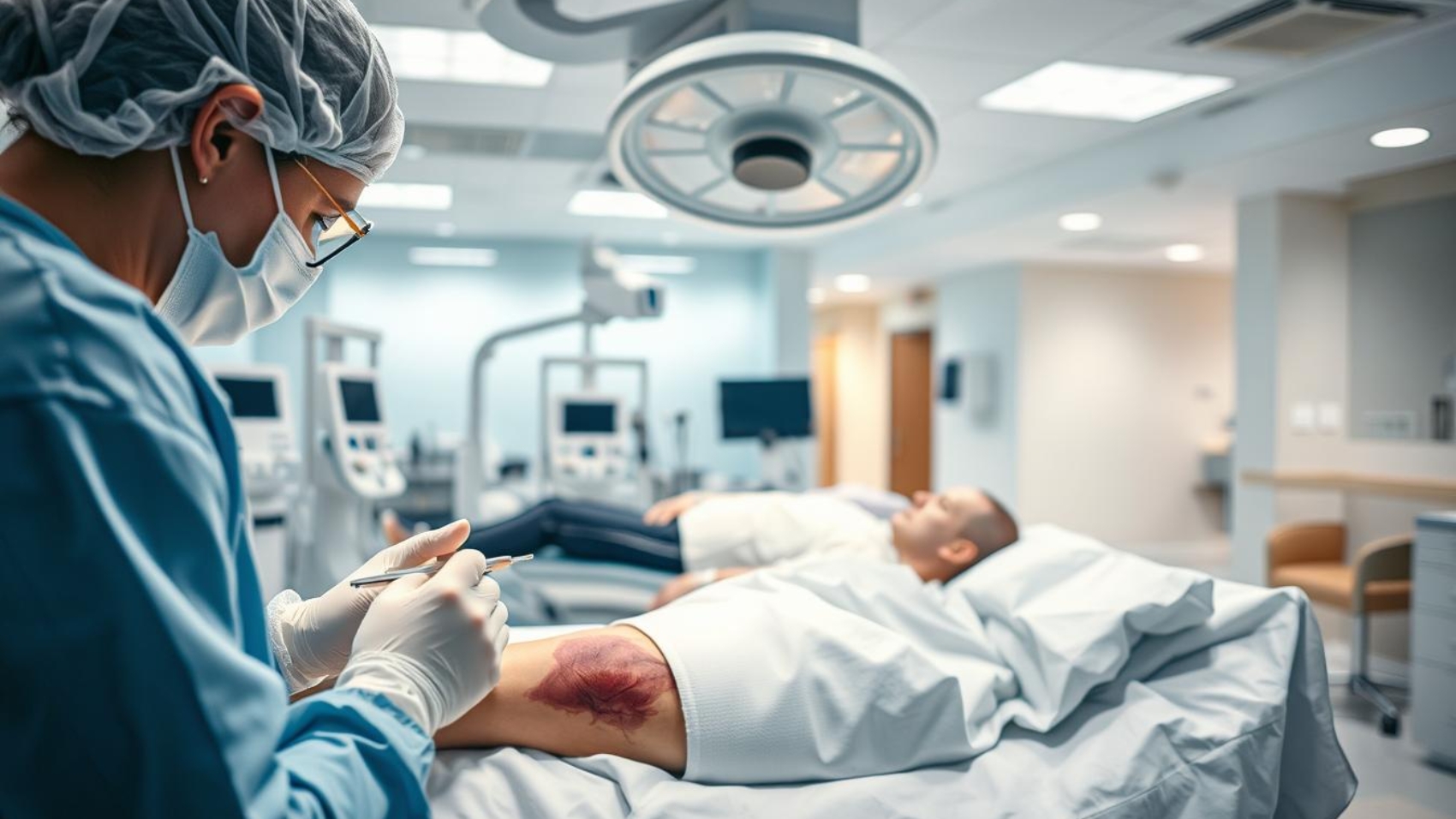
chronic wound treatment San Antonio

What You Need to Know About Chronic Wounds and Their Treatment – Part 3

Chronic wounds are a big problem in healthcare. They affect older people and those with health issues. We want to help you understand them better.

This can lead to better treatments. We’ll talk about new ways to treat wounds in San Antonio. We’ll also look at the skills of wound care experts. Early treatment can really help those with long-lasting wounds.

Key Takeaways

  • Chronic wounds are a pressing issue, especialy in vulnerable populations.
  • Understanding the nature of chronic wounds is essential for timely treatment.
  • Innovative treatments are available to enhance healing.
  • Wound care specialists play a critical role in managing these conditions.
  • Addressing chronic wounds early can lead to better health outcomes.

Understanding Chronic Wounds

Chronic wounds are a big health problem for many people. Knowing what chronic wounds are helps us see the challenges they bring. These wounds don’t heal well and can last for over three months.

They often happen because of health issues like diabetes or poor blood flow.

Definition and Characteristics

Chronic wounds don’t heal like they should. They might look the same for a long time. The signs of chronic wounds include:

  • Persistent drainage, showing ongoing problems.
  • Inflammation that lasts too long.
  • Necrotic tissue that slows healing.
  • Change in size or color that might mean infection.

Statistics on Chronic Wounds

Knowing the stats on chronic wounds helps us understand their impact. About 1% to 2% of people in rich countries have them. The cost to U.S. healthcare is huge, from $28 billion to $96.8 billion a year.

Almost 85% of amputations are because of diabetic ulcers. This shows how serious untreated chronic wounds can be.

Common Causes of Chronic Wounds

It’s important to know why chronic wounds happen. Many things can make these wounds last longer. Finding out what causes them early can help us stay healthy.

Underlying Health Conditions

Some health problems can lead to chronic wounds. Diabetes, obesity, and blood flow issues are examples. High blood sugar can cause nerve damage and poor blood flow.

This makes getting ulcers more likely. It’s key to watch and manage these health issues well.

Acute Wounds That Become Chronic

Acute wounds can turn into chronic ones for several reasons. Infection, too much pressure, and poor blood flow are big factors. Not treating an acute wound right can make it chronic.

Knowing this helps us take better care of our wounds. It also tells us when to get help.

causes of chronic wounds

Types of Chronic Wounds

Knowing about different chronic wounds helps us find the right treatments. We focus on diabetic ulcers, venous ulcers, and pressure ulcers. Each needs its own special care.

Diabetic Ulcers

Diabetic ulcers often show up on the feet because of diabetes. They happen because of nerve damage and bad blood flow. These ulcers can get infected easily, so we must watch them closely.

Spotting them early is key to managing them well.

Venous Ulcers

Venous ulcers come from bad blood flow in the veins. They usually pop up on the lower legs. It’s important to fix any vein problems to help them heal.

We treat them by controlling blood pressure and improving blood flow.

Pressure Ulcers

Pressure ulcers, or bedsores, happen from too much pressure on the skin. They mostly affect people who can’t move much. To stop them, we need to move them often and keep their skin healthy.

Innovative Treatments for Chronic Wounds

We are always looking for new ways to help chronic wounds heal. Two big methods we’re excited about are negative pressure wound therapy and hyperbaric oxygen therapy. These treatments can really help our patients get better.

Negative Pressure Wound Therapy

This therapy uses a special device to pull air from around the wound. It helps blood flow better and removes bad stuff. Studies show it works well, helping wounds heal faster.

Hyperbaric Oxygen Therapy

Hyperbaric oxygen therapy is another cool treatment. It uses special chambers to give patients more oxygen. This helps wounds heal, even for tough cases like diabetic foot wounds. It’s a promising option for us to try.

Importance of Wound Care Specialists

Wound care specialists are key in healing chronic wounds. They have the skills and knowledge to handle many challenges in wound care. This makes them very important in healthcare.

Roles and Responsibilities

Wound care specialists do many things. They look at each wound closely to understand it. This helps them make special care plans for each patient. Some of their main jobs are:

  • Diagnosing the nature and extent of wounds
  • Identifying underlying health conditions contributing to slow healing
  • Implementing advanced wound care techniques
  • Educating patients and their families about proper wound care

How They Assist in Chronic Wound Treatment

These specialists help a lot in treating chronic wounds. They work with other doctors to give patients the best care. They use the latest methods and treatments to help wounds heal.

  • Utilize the latest technologies and treatments to promote healing
  • Monitor wound progress and adjust treatment plans as needed
  • Offer support to patients, empowering them with knowledge and resources

Strategies for Effective Chronic Wound Treatment in San Antonio

In San Antonio, we know treating chronic wounds well needs a big plan. This plan fits each patient’s special needs. Home care and working with doctors are key parts of this plan.

Home Care Solutions

Good home care helps wounds heal. We focus on a few important things:

  • Proper Wound Hygiene: Clean wounds often and change dressings to stop infections.
  • Maintaining Moisture Levels: Use dressings that keep moisture to help healing.
  • Suitable Dressings: Pick dressings that protect and help wounds heal.

Collaboration with Healthcare Providers

Working with doctors makes treatment better. They help us in many ways:

  • Coordinating Comprehensive Care: Work together for a better treatment plan.
  • Monitoring Progress: Check how wounds are healing and change plans if needed.
  • Tailoring Treatments: Make care plans that fit how each person responds to treatment.
effective chronic wound treatment

Conclusion

Chronic wounds are complex and need a deep understanding to treat them well. We must know their causes, types, and new treatments. This knowledge is key to treating these wounds effectively.

Ignoring chronic wounds can lead to big health problems and cost a lot of money. It’s very important to act fast when you notice a wound. Early action can help a lot in healing.

In San Antonio, if you have a chronic wound, get help from experts. Working with certified specialists can really help. For the best care, consider hiring Dominion Mobile Wound Care. They offer special wound care that helps a lot.

Healing from chronic wounds means knowing what they are and using new treatments. It also means knowing when to get help from experts. By doing these things, we can get better and live better lives.

FAQ

What are chronic wounds and how are they defined?

Chronic wounds don’t heal quickly. They take more than three months to get better. They can happen because of diabetes, poor blood flow, or other health issues.

Why is timely treatment important for chronic wounds?

Treating wounds early is key. It stops infections and amputations. Most amputations start with diabetic ulcers, showing the need for quick action.

What types of chronic wounds are most common?

Common wounds include diabetic ulcers, venous ulcers, and pressure ulcers. Each needs a special treatment to heal well.

What innovative treatments are available for chronic wounds?

New treatments help wounds heal. Negative pressure therapy boosts blood flow. Hyperbaric oxygen therapy adds oxygen to tissues. Both help wounds heal faster.

How can home care solutions support chronic wound healing?

Home care helps wounds heal. It includes keeping wounds clean, moist, and using the right dressings. These steps help wounds heal better.

What role do wound care specialists play in chronic wound treatment?

Specialists are key in treating wounds. They check the wound, find related health issues, and make care plans. Their help speeds up healing and makes patients more comfortable.

What should I do if I have a chronic wound?

If you have a chronic wound, get help. Working with specialists and using home care can greatly improve your health.
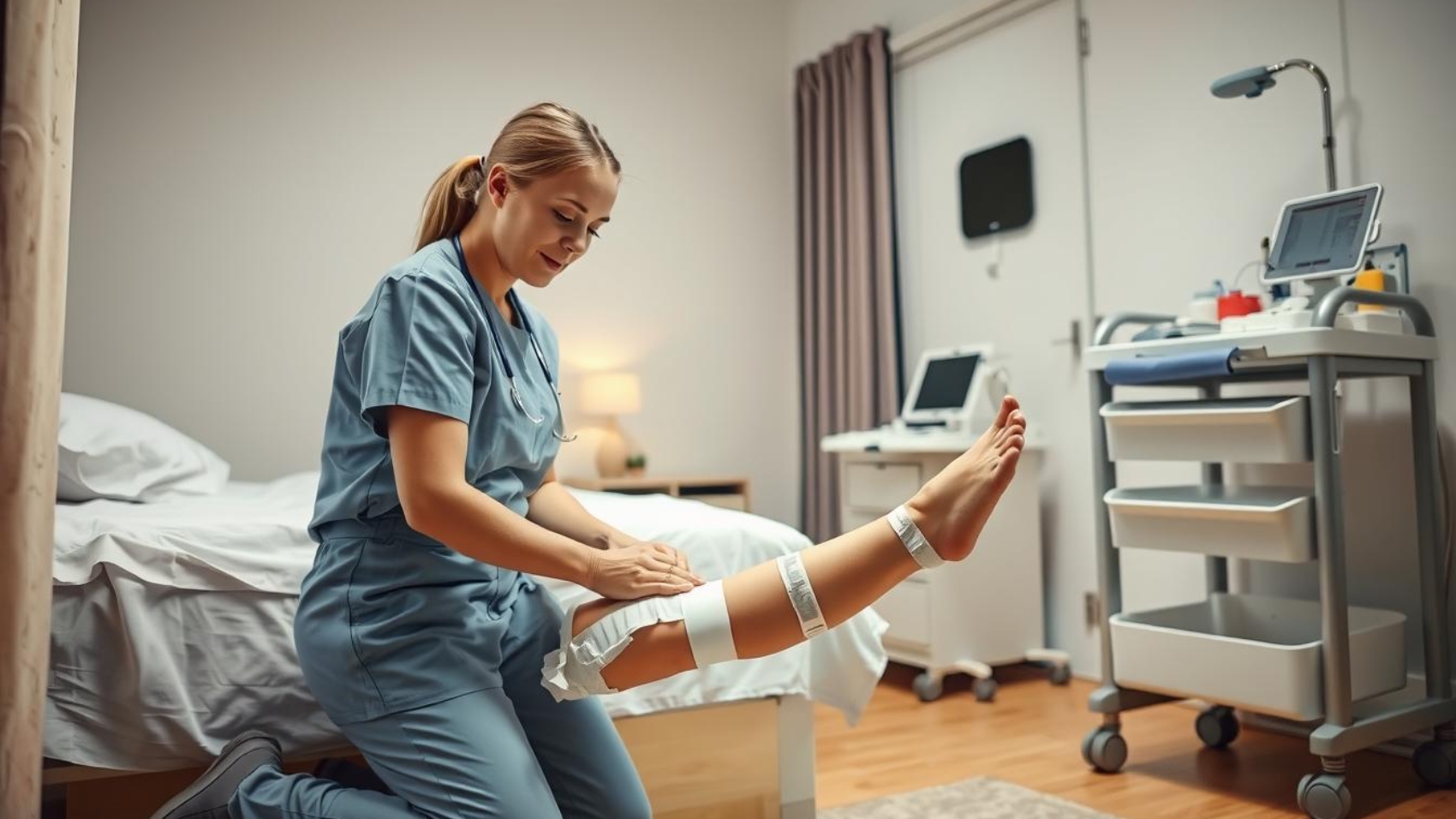
mobile wound care San Antonio

How Mobile Wound Care Improves Healing Outcomes at Home – Part 3

In today’s fast world, mobile wound care is very important. It helps those who can’t go to hospitals. In San Antonio, mobile wound care brings special treatment to your home.

This makes healing faster and more comfortable. It brings expert care to your home. This way, healing is better and safer.

Key Takeaways

  • Mobile wound care services significantly improve healing outcomes for patients.
  • Timely interventions are crucial for faster recovery rates.
  • Receiving treatment at home enhances comfort and satisfaction.
  • Mobile wound care addresses barriers that prevent access to specialized care.
  • Technology plays a key role in delivering high-quality wound care.

The Importance of Timely Wound Care for Faster Recovery

Timely wound care is key for quick healing. It helps patients with injuries or surgical wounds get better faster. Regular checks and care can make healing better and lower the chance of problems.

It’s important for everyone to know how crucial quick care is. This helps the healing process for all involved.

Understanding the Role of Timely Interventions

Quick actions are vital to stop wound infections and help healing. Following a care plan closely is important. This includes:

  • Regular checks on the wound site
  • Proper cleaning and dressing changes
  • Telling patients how to care for themselves

These steps are important. They show how knowledge and easy access to care are crucial.

Consequences of Delayed Wound Care

Waiting too long to care for wounds can cause big problems. This can lead to infections and make healing take longer. It also raises healthcare costs.

Many patients don’t get the right care at home. This can make things worse. We need to spread the word on the value of quick wound care. It can really help patients get better faster.

Mobile Wound Care: Bridging the Healthcare Access Gap

Mobile wound care is key to fixing healthcare gaps in rural and underserved areas. Traditional wound clinics are often far away. This makes it hard for people, like the elderly or those who can’t move well, to get the care they need.

mobile wound care addressing healthcare access challenges

Addressing Barriers in Rural and Underserved Areas

In rural places, there’s often not enough healthcare and few ways to get around. Mobile wound care teams come to patients’ homes. This makes it easier for them to get the care they need without long trips.

Specialized Care Delivered Directly to Patients

Our mobile wound care services are made just for each patient. It helps build trust between caregivers and patients. Getting care at home means wounds can be watched closely and recovery can be better.

How Mobile Wound Care San Antonio Enhances Patient Outcomes

In San Antonio, mobile wound care has changed how we care for patients. It brings specialized treatment right to your home. This makes it easier to manage wounds and get better faster.

Improving Access to Specialized Wound Treatment

Getting the right wound care is now easier than ever. Mobile wound care in San Antonio connects patients with doctors quickly. This means faster healing and fewer problems.

This approach is key to better health. It shows how important home care is today.

Case Studies of Successful Mobile Wound Care Implementation

Many stories show how well mobile wound care works. People heal faster and have fewer issues than before. Home visits let doctors check wounds often and change plans as needed.

This helps patients and their families take better care of wounds. It shows how mobile wound care in San Antonio improves health.

Mobile Health Technology: Transforming Wound Management

Mobile health technology is changing wound care. It uses apps that make it easy for users to learn and help themselves. This makes people more involved in their health, leading to better results.

Utilizing Apps for Better Wound Care Knowledge

Wound care apps have lots of helpful info. They make it simple to find answers to many questions. Topics include:

  • Wound care basics and best practices
  • Guidelines for recognizing signs of infection
  • FAQs related to aftercare and when to seek help

These apps help us give better care and avoid mistakes.

Engaging Patients in Their Healing Journey

Mobile health tech makes it easier to keep patients involved. With these apps, we can:

  • Facilitate direct communication with healthcare professionals
  • Track healing progress and treatment adherence
  • Receive tailored reminders for medication and follow-up appointments

This keeps patients connected and confident in their recovery. Mobile health tech is making healthcare better for everyone.

Personalized Treatment in a Comfortable Environment

Mobile wound care focuses on treating each patient as an individual. We know everyone’s healing path is different. We look at many things, like where they live and who helps them, to make sure care fits their needs.

Tailoring Care to Individual Needs and Circumstances

We make our care plans fit each person’s life. We talk to patients to really understand their situation. This way, we create plans that help them heal and feel comfortable at home.

Support for Family Caregivers and Home Health Aides

Family caregivers are key to helping patients get better. We teach them how to take care of wounds. Supporting them helps create a caring space for better healing.

Economic Benefits of Mobile Wound Care

Mobile wound care saves money, mainly by cutting down on healthcare costs. It brings care right to the patient’s home. This stops problems from getting worse and needing expensive emergency care. It helps manage health better at home and makes the whole system work better.

Reducing Overall Healthcare Costs

Using mobile wound care in treatment can lower healthcare costs. Home visits from doctors can stop big problems before they start. This saves money on treatments and surgeries.

  • Fewer hospitalizations: Regular checks help avoid serious infections or problems.
  • Lower emergency visit rates: Getting care on time stops urgent needs.
  • Cost-effective management: Treating wounds at home is cheaper than in the hospital.

Minimizing the Need for Emergency Interventions

It’s key to avoid emergency care to save patients and hospitals. Mobile wound care gives patients steady, early care. This leads to:

  • Improved patient outcomes: Early care helps wounds heal faster and reduces risks.
  • Enhanced quality of life: Patients get reliable care without the stress of hospital visits.
  • Significant savings: Not needing emergency care saves money for patients and the healthcare system.

economic benefits of mobile wound care

Emphasizing Patient Education and Empowerment

Learning about wound care is key to managing wounds well. Mobile wound care shows how important it is to know about wound care. It helps us learn and take charge of our healing, making us feel more in control.

Enhancing Wound Care Knowledge Among Patients

Good education is the base of managing wounds well. Knowing what’s going on with our bodies helps us make smart choices. Mobile wound care gives us tools and info to learn more. It helps us understand how to heal and talk better with doctors.

Encouraging Proper Self-Care Practices

Good self-care is vital for healing wounds. It helps us avoid problems and keep healing going smoothly. Mobile wound care teaches us about:

  • Daily wound cleaning and dressing changes
  • Recognizing signs of infection
  • Understanding the importance of nutrition in healing

By following good self-care habits, we can get better faster. This also helps reduce the load on hospitals.

Conclusion

Mobile wound care is a new way to help people heal. It’s great for those in San Antonio. It lets us get care at home, which is more comfortable.

This method makes getting help easier. It also teaches us how to take care of ourselves better. It helps us heal faster and saves money on healthcare costs.

Mobile wound care is not just a trend. It’s something we really need. It brings expert care right to our homes. This helps us get better faster.

We should all think about how Dominion Mobile Wound Care can help us. It’s a big step towards better health for everyone.

FAQ

What is mobile wound care?

Mobile wound care brings special care to patients at home. It uses tech and skilled doctors for quick and personal care. This helps patients heal faster and feel better.

How does mobile wound care improve healing outcomes?

Mobile wound care treats wounds at home, which lowers infection risks. Regular checks and treatments mean patients get top care in their own space.

Who can benefit from mobile wound care services?

Those with long-term wounds, those who can’t move well, and people in remote areas benefit a lot. It makes getting care easier and helps wounds heal better.

What are the economic advantages of using mobile wound care?

It saves money by cutting down on emergency visits and hospital stays. Regular care at home stops costly and upsetting care episodes.

How does mobile health technology support wound care?

Mobile health tech, like easy-to-use apps, helps a lot. It gives patients info and tools to learn about their wounds. This makes them more involved in healing and talk better with doctors.

What role does education play in mobile wound care?

Education is key in mobile wound care. It teaches patients about their wounds and how to care for them. This makes them more involved in healing and more independent.

How is care personalized in mobile wound services?

Mobile wound care is made just for each patient. Plans are based on their home and family support. This makes recovery better and more effective.

Why are timely interventions important in wound care?

Quick care is vital for fast healing. Waiting too long can cause big problems like infections. These problems make healing take longer and cost more. Regular care keeps wounds on track for quick healing.