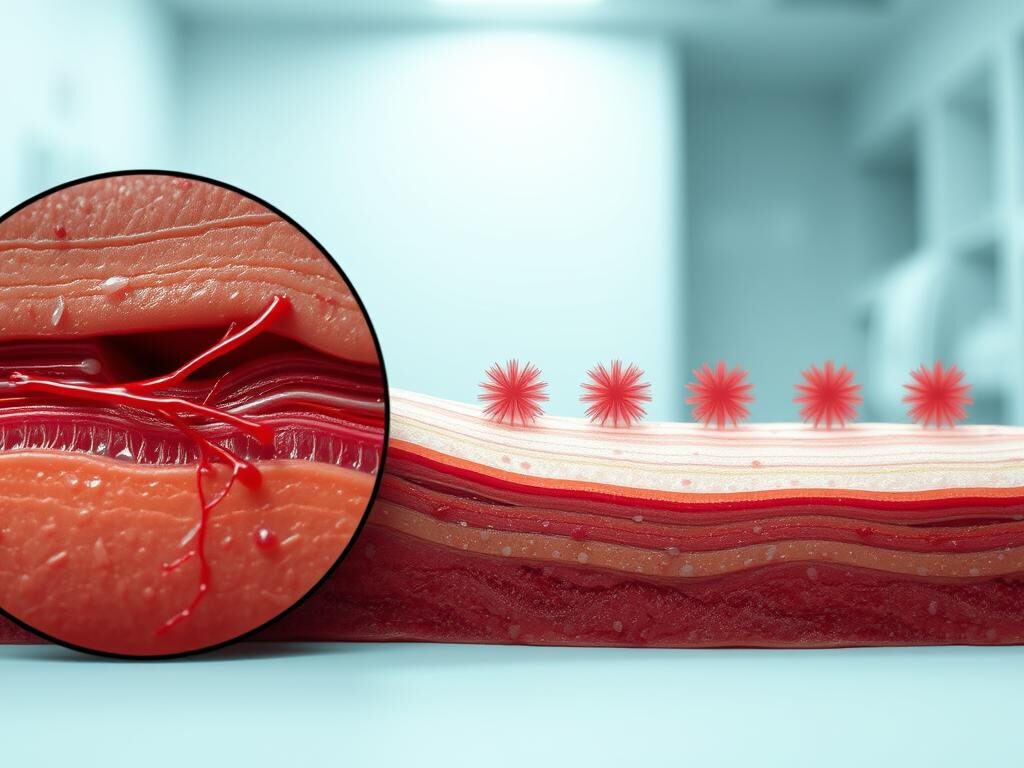
Wound care supplies

Essential At-Home Wound Care Supplies Every Patient Should Have

Having the right wound care supplies at home is key for managing minor injuries. It helps prevent infections. Vitality Medical says a good first aid kit is a must-have for every home.

Make sure you’re ready for any minor accidents by having the essentials. A well-stocked first aid kit helps clean and dress wounds well. This reduces the chance of complications. With the right wound cleanser and other supplies, you can care for yourself and your loved ones best.

Key Takeaways

  • Having a good first aid kit is vital for minor injuries.
  • Essential wound care supplies prevent infections and aid healing.
  • Having the right supplies makes a big difference in wound care.
  • Dominion Mobile Wound Care offers expert services for wound care.
  • Proper wound care lowers the risk of complications and boosts well-being.

If you need professional wound care, contact Dominion Mobile Wound Care. They can help heal your wounds.

The Rising Need for Home-Based Wound Management

Managing wounds at home is now more important than ever. This is because of the growing focus on home healthcare. As a result, there’s a big push for home wound care and the tools needed for it.

Recent Trends in Home Healthcare

The healthcare world is moving towards more care at home. This change is thanks to new medical technology and the wish for comfort care. Dominion Mobile Wound Care leads this change, providing special wound management services.

Statistics on Home Wound Care in the United States

Millions of Americans get treated for wounds every year, with a lot of care happening at home. Advanced Wound Therapy says many try to handle serious wounds with basic bandages and creams. But, this isn’t enough for effective wound management.

As the need for medical dressings and other supplies grows, it’s key to know the best ways for home-based wound care.

Understanding Different Types of Wounds and Their Care Requirements

Different wounds need different care. Knowing what you’re dealing with is key. With the right knowledge, treating wounds at home can be effective.

Latest Classification of Acute vs. Chronic Wounds

Wounds are divided into two types: acute and chronic. Acute wounds come from injuries or surgery and heal quickly. Chronic wounds don’t heal fast and might be due to health issues like diabetes.

Knowing this helps you choose the right care.

Common Wounds Americans Treat at Home

Many people treat minor wounds at home. This includes cuts, scrapes, and burns. Using the right wound care supplies is important.

Products like gloves and antiseptic solutions help prevent infection. Companies like Dominion Mobile Wound Care offer advanced products, including amniotic tissue for complex wounds.

New Guidelines for When to Seek Professional Help

While many wounds can be treated at home, some need a doctor. Look for signs of infection like redness, swelling, or pus. If you see these, get medical help.

If you have a chronic wound or health issues, see a doctor. They can give you personalized care and help avoid problems.

Recent Developments in Wound Healing Science

Recent breakthroughs in wound healing science have changed how we care for wounds at home. Advanced Wound Therapy focuses on treating the wound and its cause. This is key for managing wounds well.

New Research on the Wound Healing Process

New studies have shown the importance of a clean, moist environment for healing. Using the right wound cleanser is essential. Dominion Mobile Wound Care suggests gentle yet effective cleansers for healing.

Updated Indicators of Proper Healing vs. Infection

It’s important to know the signs of healing versus infection. Healing signs include less swelling and redness. Infection signs are more pain and pus. Watching for these signs helps you act fast.

How Modern Understanding Affects Home Care Approaches

With new research, we can use better home care methods. Using medical dressings that keep the wound moist helps a lot. The table below shows the differences between old and new wound care.

Aspect Traditional Approach Modern Approach
Wound Cleansing Harsh antiseptics Gentle, effective cleansers
Dressings Dry gauze Moisture-retentive dressings
Healing Environment Less emphasis on moisture Maintaining a moist environment

wound healing process

By using modern methods and understanding new wound healing science, you can improve your care. Dominion Mobile Wound Care is here to give you the latest insights and products for better wound management.

Advanced Wound Cleansers Now Available for Home Use

Now, you can use advanced wound cleansers at home. These products help wounds heal faster and lower the chance of infection. They work well for many types of wounds.

New Formulations of Saline and Antiseptic Solutions

New versions of saline and antiseptic solutions are better and gentler. Vitality Medical suggests using antiseptic wipes or solutions to clean wounds. These are key for keeping wounds clean and helping them heal.

  • Saline solutions clean wounds without irritating them.
  • Antiseptic solutions fight off microbes, preventing infection.

FDA-Approved Specialized Cleansers for Different Wound Types

The FDA has approved special cleansers for various wounds. These are made to meet specific needs, helping wounds heal better. Dominion Mobile Wound Care says using the right cleanser is vital for the best healing.

Recent Studies on Effectiveness of Home Cleansers

Studies show using advanced cleansers at home can greatly improve healing. They prove that saline and antiseptic solutions are effective in preventing infections. This creates a good environment for wounds to heal.

Choosing the right cleanser and following good wound care can help manage wounds at home. Always talk to a healthcare professional for advice on wound care.

Essential Wound Care Supplies Every Home Should Have in 2023

Having the right wound care supplies at home can help you and your family. A good first aid kit is key for treating small injuries and stopping infections.

Updated Basic First Aid Components

A basic first aid kit should have sterile dressings, antiseptic wipes, and adhesive tape. Tides Medical says these are must-haves for wound care. Don’t forget to include medical gloves to avoid spreading germs.

Having these basics ready is the first step in being ready for small accidents. Always check the expiration dates and replace any old or used items.

Newly Released Advanced Wound Care Products

In 2023, there are new advanced wound care products for home use. These include new antiseptic solutions and specialized dressings for different wounds. Dominion Mobile Wound Care advises keeping up with the latest products for better healing.

Some advanced items are hydrocolloid dressings and foam dressings. They help wounds heal by keeping them moist. Adding these to your first aid kit can greatly improve wound care.

Expert Recommendations for Supply Organization

Keeping your wound care supplies organized is important. Experts recommend using a dedicated first aid kit or storage box that’s easy to reach.

Label your supplies and store them in a cool, dry place to keep them effective. Also, regularly check and update your supplies to stay prepared.

Protective Equipment: Latest Innovations in Gloves and Barriers

Protective equipment in wound care has seen big changes, mainly in gloves and barriers for home use. Keeping a clean environment is key to avoid infections. Dominion Mobile Wound Care points out how important protective gear is for both patients and caregivers.

New Materials in Medical-Grade Gloves for Home Use

New gloves are made from materials that offer better protection and comfort. Vitality Medical talks about how gloves stop infections. These new materials are stronger and less likely to cause allergies, perfect for use at home.

Recent CDC Guidelines for Preventing Cross-Contamination

The Centers for Disease Control and Prevention (CDC) updates its guidelines often. The latest say using personal protective equipment (PPE), like gloves, is key when dealing with wound care. Following these rules can greatly lower the chance of spreading infections.

Environmentally Friendly Disposal Options for Used Supplies

We’re all getting more eco-friendly, and so is disposing of medical supplies. Now, there are green ways to throw away used gloves and barriers, like biohazard bags. You can look into these options to make sure you’re getting rid of used supplies the right way.

Medical Dressings: Breakthrough Products and Applications

When you take care of wounds at home, knowing about new medical dressings is key. These dressings help manage drainage, promote healing, and lower infection risk. With so many choices, picking the right one can be tough. But knowing the types and their uses can really help.

Recently Introduced Gauze and Non-Adherent Options

The market now has many gauze and non-adherent dressings for different wounds. Non-adherent dressings, for example, are made to cause less damage when removed. This helps wounds heal better. Companies like Dominion Mobile Wound Care lead in recommending these advanced products.

These dressings have great features:

  • They absorb better
  • They’re more comfortable for patients
  • They lower the chance of infection

Smart Dressings and Technology-Enhanced Wound Coverings

Smart dressings are a big step forward in wound care. They can check on wounds, give feedback, and release medicine when needed. They help wounds heal better and are great for long-term wounds.

Current Best Practices for Dressing Selection and Application

Picking the right dressing depends on the wound type, healing stage, and patient health. Here are some best practices in a table:

Wound Type Recommended Dressing Key Benefits
Acute Wounds Gauze or Non-adherent Dressings Promotes healing, easy to apply
Chronic Wounds Smart Dressings or Advanced Foam Dressings Manages drainage, promotes healing
Sensitive Skin Non-adherent or Silicone Dressings Minimizes skin irritation, gentle on skin

By knowing these best practices and the latest products, you can make smart choices for wound care. This ensures the best healing and recovery.

Digital Revolution in Wound Assessment and Monitoring

You can now use advanced digital tools for better wound care. Technology has changed how we assess, monitor, and treat wounds. These tools help you make more accurate assessments and improve patient care.

New Apps and Tools for Wound Documentation

New apps and digital tools have come out to improve wound documentation. They help track wound progress with precision, including measurements, images, and notes. For example, Dominion Mobile Wound Care offers on-the-spot assessments and custom solutions.

Telemedicine Advancements for Remote Wound Consultation

Telemedicine has changed how you get wound care advice. Now, you can get expert advice without leaving home. This is great for patients with mobility issues or those in remote areas.

How Technology is Changing Home Wound Care Management

Technology is making home wound care better by giving you real-time data. Digital tools for assessment and monitoring help healthcare providers make better decisions. They can adjust treatment plans as needed.

Feature Traditional Method Digital Method
Wound Measurement Manual measurement Digital measurement tools
Wound Documentation Paper-based records Digital apps and software
Consultation In-person visits Telemedicine platforms

Where to Source Quality Wound Care Supplies in Today’s Market

The need for quality wound care supplies at home has grown. Now, you can find these medical-grade products in many places. This makes it easier to get what you need for effective wound care.

Newly Available Consumer Channels for Medical-Grade Products

Many retailers now sell medical-grade wound care products directly to you. For example, Vitality Medical offers a wide range of at-home wound care essentials. This means you can find what you need without going to a physical store.

Price Comparison of Essential Supplies Across Major Retailers

Prices for wound care supplies vary a lot between retailers. Here’s a look at some key items:

  • Gauze pads: $5-$15 per pack
  • Medical tape: $3-$10 per roll
  • Antiseptic wipes: $8-$20 per pack

It’s smart to compare prices at different stores, including online ones. This way, you can find the best deals.

Insurance Coverage Updates for Wound Care Supplies

Insurance for wound care supplies has changed recently. More insurance plans now cover a variety of products, including advanced dressings and smart wound care technologies. Always check with your insurance to see what’s covered under your plan.
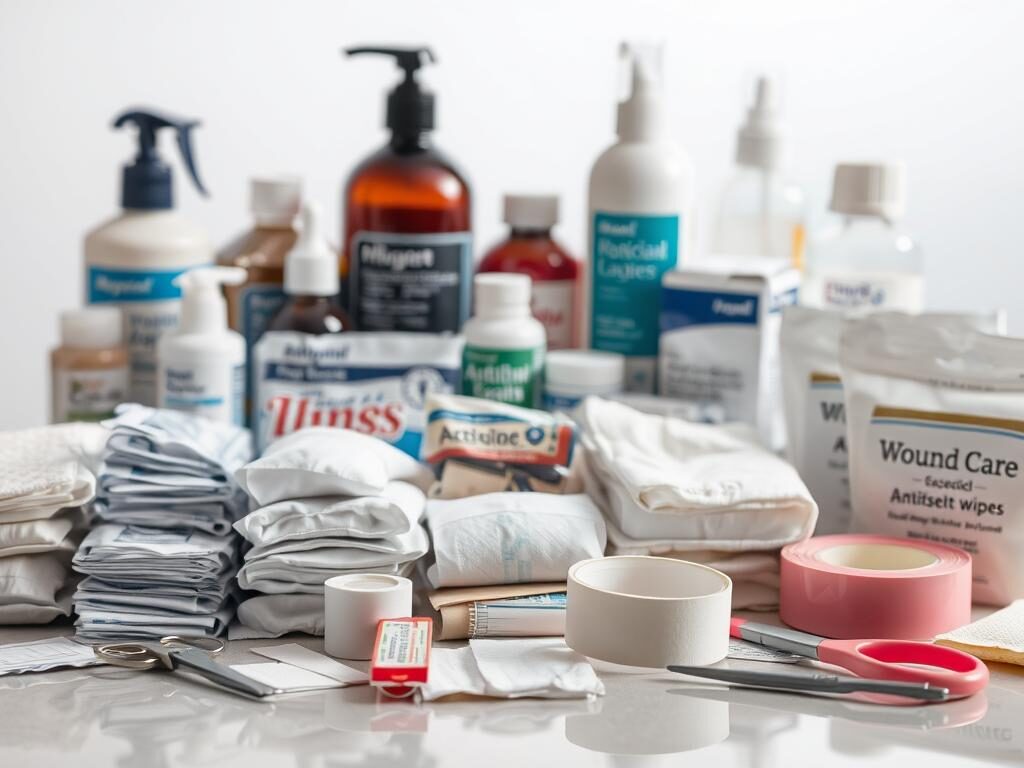
wound care supplies

Knowing your options and staying up-to-date on prices and insurance can help. This way, you can choose the best for your wound care needs with providers like Dominion Mobile Wound Care.

Special Considerations for High-Risk Patient Groups

Patients with certain health issues, like diabetes, need special wound care. This is to avoid serious problems. It’s important to know their specific needs and use the newest wound care methods.

Latest Approaches for Diabetic Wound Care

Diabetic wound care has made big strides. New advanced wound cleansers and specialized dressings are now available. Tides Medical’s amniotic tissue grafts are a cutting-edge solution for diabetic wounds. For more on long-term wound care, visit Dominion Mobile Wound Care.

New Pressure Ulcer Prevention Technologies

Preventing pressure ulcers requires the latest tech. This includes smart mattresses and advanced cushioning systems. These tools help spread out pressure, lowering the chance of ulcers in bedridden patients.

Recent Advancements in Chronic Wound Management

Chronic wound care has seen big improvements. Thanks to wound healing science and digital wound assessment tools. These tools help doctors track wounds better and change treatment plans as needed. Some key strategies include:

  • Regular monitoring of wound size and depth
  • Application of appropriate wound dressings
  • Use of negative pressure wound therapy when necessary

Keeping up with the latest in diabetic wound care, pressure ulcer prevention, and chronic wound management helps. It allows for better care of high-risk patients and better outcomes.

Conclusion: How Dominion Mobile Wound Care is Transforming Home Healing

Having the right wound care supplies at home is key for healing. Advances in science and technology make managing wounds easier. But, you need to pay close attention and have the right tools.

Dominion Mobile Wound Care leads in providing expert care at home. Their team uses the latest technology and knowledge for better healing. They make sure you get the best care in your own space.

Choosing Dominion Mobile Wound Care means your wound care is in good hands. If you need help with wound care, reach out to them. They are ready to assist in healing your wounds effectively.

FAQ

What are the essential wound care supplies that every home should have?

Every home needs basic first aid items like bandages and gauze. Also, antiseptic wipes and medical-grade gloves are important. Advanced wound care products, such as wound cleansers and dressings, are also necessary.

How often should I change my wound dressing?

The timing for changing dressings varies based on the wound type and severity. Generally, you should change them daily or when they get dirty or wet.

What are the signs of proper wound healing, and how can I identify possible complications?

Proper healing shows a smaller wound, granulation tissue, and less drainage. Look out for signs of infection like increased redness, swelling, or a bad smell.

Can I use standard drugstore supplies for serious wounds, or do I need specialized products?

For minor injuries, drugstore supplies are okay. But serious wounds need advanced products to heal right and avoid problems.

How can I prevent cross-contamination when caring for wounds at home?

Use medical-grade gloves and follow hand hygiene rules. Use separate supplies for each wound. The CDC has guidelines to help prevent cross-contamination.

What are the benefits of using smart dressings and technology-enhanced wound coverings?

Smart dressings and technology help monitor wounds in real-time. They create the best environment for healing and improve outcomes.

How can I access quality wound care supplies, and what are my options for purchasing medical-grade products?

You can find quality supplies online, at specialty stores, or through healthcare providers. Some insurance may cover certain products.

Are there any special considerations for high-risk patient groups, such as those with diabetes or pressure ulcers?

Yes, patients with diabetes or pressure ulcers need special care. This includes using specific technologies to manage their wounds.

Can telemedicine be used for remote wound consultation, and what are the benefits of this approach?

Yes, telemedicine allows for remote consultations. It helps patients get expert advice from home, reducing the need for in-person visits.

How can I organize my wound care supplies to ensure easy access and optimal care?

Store supplies in a clean, dry, and easy-to-reach spot. Organize them so you can find what you need quickly.
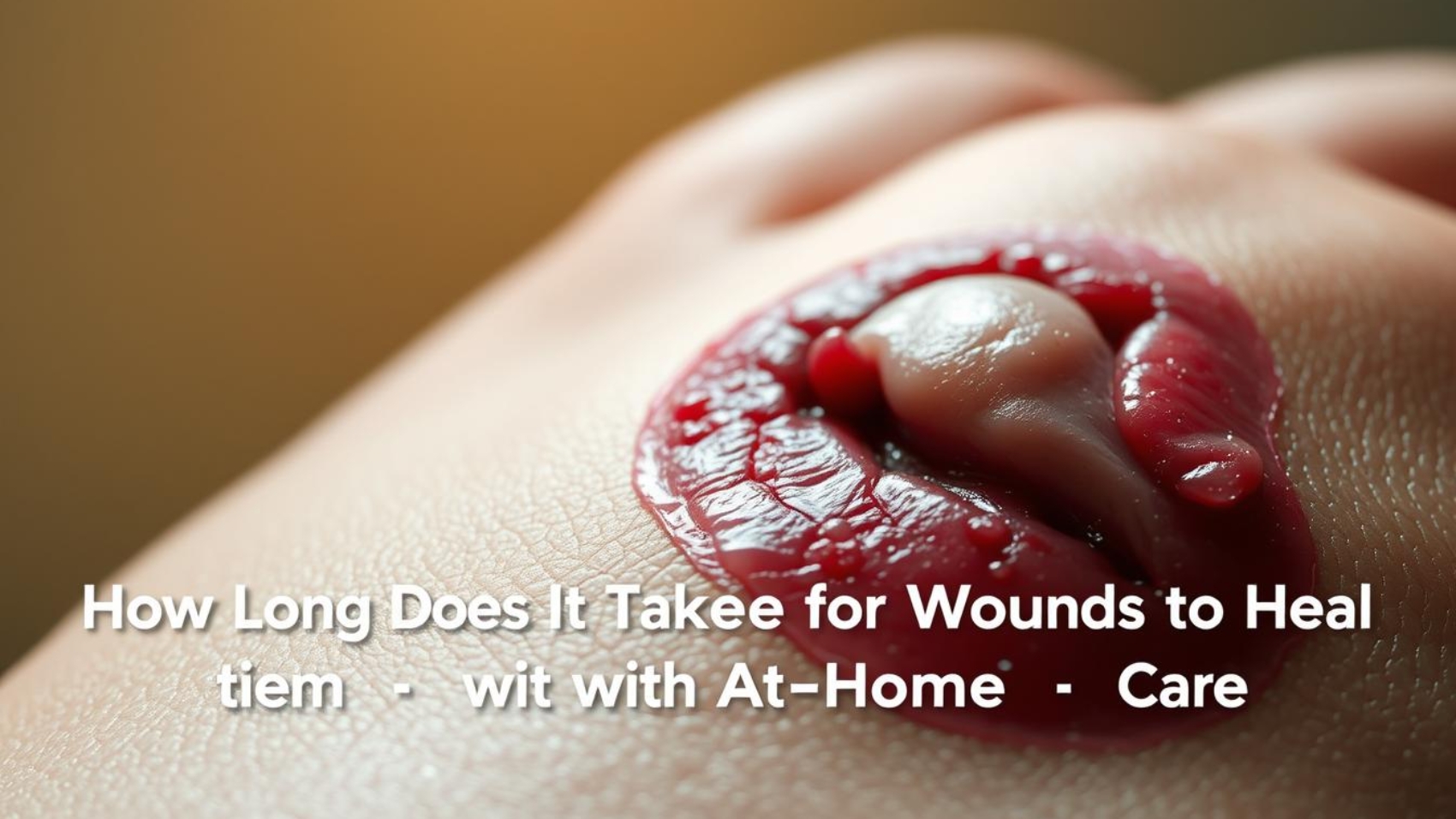
Healing Timeline

How Long Does It Take for Wounds to Heal with At-Home Care

You need clear expectations when caring for a wound at home. This short guide explains the typical timeline and the steps your body follows from injury to tissue remodeling. It draws on Canadian and international guidance, including Wound Care Canada and the International Wound Infection Institute.

The process moves through predictable stages that depend on wound type, depth, and location. Minor cuts often close fast, while deeper injuries take longer to rebuild tissue and return function.

You’ll learn practical at-home actions—clean technique, moisture balance, nutrition, and safe movement—that support steady progress. This section also highlights when to seek help and how a coordinated home service can speed recovery.

Dominion Mobile Wound Care offers at-home assessment, dressing selection, and coaching to help shorten the overall time to closure. Hire Dominion Mobile Wound Care to help heal your wounds.

Key Takeaways

  • Expect a predictable healing timeline based on wound depth and type.
  • Simple at-home steps can speed tissue repair and lower risks.
  • Follow evidence-based guidance for infection prevention and wound bed care.
  • Know the warning signs that require professional attention.
  • Mobile services like Dominion Mobile Wound Care make consistent care easier.

Understanding At-Home Wound Care and What Influences Your Healing Timeline

Knowing how wounds mend in your body lets you shape daily routines for better results. The biological phases of the healing process set a predictable course, but many personal factors change how fast you recover.

Local and systemic factors such as age, diabetes, steroid use, and vascular status affect tissue repair. Good blood supply and local perfusion bring oxygen, nutrients, and immune cells that drive tissue healing.

Moisture balance and clean technique support granulation and epithelialization. Infection control lowers bacterial burden and keeps the wound bed ready to advance through phases.

  • You respond differently to similar injuries because of your individual health and daily habits.
  • Smoking, poor nutrition, or low circulation can slow repair by impairing perfusion or collagen formation.
  • Simple home routines—sleep, hydration, protein, and gentle movement—help maintain steady progress over time.

When progress stalls, consider professional support. Dominion Mobile Wound Care provides mobile assessment, dressing selection, and coaching to optimize your home environment and routines. Hire Dominion Mobile Wound Care to help heal their wounds.

The Four Phases of the Healing Process and What You Can Expect

The body’s repair unfolds in clear phases, and each phase has a specific job. Knowing those steps helps you match care to the biology and avoid common setbacks.

Bleeding and clot formation: first 24 hours

On day one a clot forms and leukocytes arrive. This stops blood loss and primes your tissue for cleanup.

Inflammation: protection and clean-up

Vasodilation brings warmth and swelling. Phagocytosis clears debris so the wound bed is ready for new growth.

Proliferation: new tissue, collagen, and vessels

From about 24–48 hours up to three weeks, granulation tissue fills the defect. Fibroblasts lay down collagen while angiogenesis restores blood flow.

Remodeling: organizing and strengthening

Over months collagen fibers realign and tensile strength increases. A wound may look closed while internal tissue continues to mature.

  • Quick tips: keep clean technique, maintain moisture balance, and eat protein to support tissue repair.
  • Normal soreness and mild swelling are part of the response; rising pain or spreading heat needs review.
  • Dominion Mobile Wound Care can coach you through each phase with dressing changes, pain strategies, and progress checks. Hire Dominion Mobile Wound Care to help heal their wounds.

Healing Timeline by Tissue Type: From Skin to Bone

Different tissues in your body repair at distinct rates. That difference affects how you protect the area, when to load it, and which dressings or supports work best.

tissue healing

Muscle and Soft Tissue: Typically 2–4 Weeks to Functional Recovery

Muscles are well supplied with blood, so they often regain function in about 2–4 weeks with proper rest and graded movement.

Controlled activity and nutrition support organized collagen and reduce stiffness.

Tendons and Ligaments: 4–12 Weeks and Why They’re Slower

Tendons usually need 4–6 weeks; ligaments can take 10–12 weeks because both have lower vascularity.

They require time for strong collagen alignment before full loading is safe.

Bone: 6–8 Weeks with Progressive Loading

Bone consolidation commonly occurs in 6–8 weeks, but the exact time depends on fracture pattern and fixation.

Gradual weight or stress helps remodel bone without overloading the repair site.

Cartilage and Nerves: Why These Tissues Take Longest

Cartilage has poor blood supply and limited intrinsic repair, so recovery can extend beyond 12 weeks.

Nerve regrowth is slow (roughly 3–4 mm per day), so return of function follows a long course after the initial injury.

  • Plan for realistic healing times by tissue type to set work and activity limits.
  • Ensure good perfusion and nutrient supply to support tissue healing and collagen formation.
  • Dominion Mobile Wound Care helps tailor protection, offloading, and dressings to your tissue needs. Hire Dominion Mobile Wound Care to help heal their wounds.

At-Home Care Strategies to Support Faster, Safer Healing

Practical steps at home can speed recovery and reduce complications when you match care to the wound’s needs. Start with simple routines that protect the area and support tissue repair.

Moisture balance and dressings

Keep the wound bed optimized. Choose dressings that avoid drying or excess exudate so epithelial cells can migrate and collagen forms properly.

  • Select absorbent or moisture-retentive dressings based on drainage and tissue type.
  • Document exudate, size, and odor at each change to spot trends.
  • Dominion Mobile Wound Care customizes dressing choice to match your goals and exudate level.

Infection prevention and clean technique

Use hand hygiene and a clean environment for dressing changes. Watch for spreading redness, heat, odor, rising pain, or increased drainage.

Early screening and models like NERDS/STONES guide when to escalate treatment.

Nutrition, movement, and therapy

Eat enough protein and micronutrients to supply building blocks for collagen and tissue repair. Stay hydrated.

Integrate gentle movement or physical therapy to improve blood flow without stressing the injury. Balance activity and rest to control stress on the wound.

  • Get home education on elevation, compression, and simple routines to manage edema.
  • Coordinate with physical therapy when gait or mobility affects wound pressure.

Hire Dominion Mobile Wound Care to help heal their wounds. They provide infection screening, nutrition guidance, dressing selection, and in-home education to support safe at-home treatment.

Factors That Affect Your Healing Times

What happens in your body after an injury depends on things like age, blood flow, and daily habits. These factors shape the pace of repair and the actions you should take at home.

Age, Genetics, and Your Individual Response

Your age and genes set a baseline for how your tissues respond to inflammation and remodeling.

Older adults often have slower cell turnover and different collagen quality, which changes recovery expectations.

Blood Supply, Tissue Type, and Injury Severity

Robust blood supply speeds nutrient delivery and immune access. Poor circulation limits progress.

Skin, muscle, tendon, and bone all repair at different rates. Deeper or more severe injuries need longer protection and staged loading.

Health Conditions and Medications: Diabetes, Smoking, Steroids

Diabetes, vascular disease, smoking, and steroid use reduce immune function and impair perfusion.

Compression and offloading help where venous return or pressure is the problem. Optimizing glucose and nutrition matters for complex wounds.

Lifestyle, Stress, and Activity Levels: Finding the Right Load

Your stress, sleep, and activity levels influence catabolic vs. anabolic balance in the body.

Workload that exceeds tissue tolerance causes setbacks. Coordinate with physical therapy to correct gait or repetitive strain that hinders progress.

  • You will understand how age and genetics shape your baseline trajectory.
  • You will learn when compression, offloading, or glucose control can improve outcomes.
  • You will leverage Dominion Mobile Wound Care’s assessment to target limiting factors first. Hire Dominion Mobile Wound Care to help heal their wounds.

Day-by-Day and Week-by-Week Expectations for a Typical Healing Timeline

Start by protecting the area and limiting stress so the early days build a safe base for repair. Use clear checklists for dressing changes and simple activity limits to keep progress consistent.

tissue healing

Day Zero to Day Three: Protection and Controlled Inflammation

In the first 72 hours, protect the wound, manage edema, and control pain. Keep dressings intact unless soaked or soiled.

Document changes each day so you can spot rising redness, odor, or drainage that needs review.

Week One to Week Three: Proliferation and Early Tissue Formation

Expect granulation and early closure during these phases. Maintain balanced moisture and clean technique.

  • Reassess exudate and adjust dressings by the wound’s needs, not a fixed clock.
  • Introduce gentle movement to encourage circulation without adding stress.
  • Track small gains in range or skin integrity as signs of on-time progress.

Week Four and Beyond: Remodeling, Strength, and Function

After four weeks, focus on progressive loading and functional tasks that match tissue type.

Coordinate with physical therapy when gait or pressure patterns affect closure. Keep nutrition and fluid supply steady to support collagen and strength gains.

Dominion Mobile Wound Care provides clear cadence for dressing changes and activity plans. Hire Dominion Mobile Wound Care to help heal their wounds.

When to Seek Professional Help During At-Home Care

Know when a wound needs expert review so you avoid delays that can worsen infection or tissue loss. Use clear signs and checklists to decide when to escalate care and involve a trained clinician.

Red Flags: Spreading Redness, Fever, Odor, Increasing Pain

Watch for spreading redness, new warmth, foul odor, rising pain, or a rapid increase in drainage. Systemic symptoms like fever or chills mean you need prompt evaluation.

If you see these signs, stop routine dressing changes and contact a provider. Timely cultures, targeted treatment, and possible antibiotics reduce risk of deeper infection.

Chronic and Complex Wounds: Pressure, Venous, Arterial, and Diabetic Foot Ulcers

Pressure injuries, venous leg ulcers, arterial ulcers, and diabetic foot ulcers require specific strategies. Offloading, compression, and vascular assessment change the process and the chosen treatment.

  • Engage a physical therapist or wound therapist when mobility or load causes repeat breakdown.
  • Imaging or vascular studies are warranted for stalled wounds or suspected deep infection.
  • Document symptom onset, size, and odor so clinicians act quickly with full information.

Dominion Mobile Wound Care offers rapid in-home assessment, wound cultures per protocol, and referral coordination. Hire Dominion Mobile Wound Care to help heal their wounds.

Healing Timeline: How Dominion Mobile Wound Care Can Help You Recover at Home

Dominion Mobile Wound Care brings evidence-based treatment directly to your home so you can recover with fewer interruptions.

Personalized Assessment, Dressing Selection, and Education

A dedicated physical therapist completes a comprehensive in-home assessment of your wound, skin, circulation, and functional risks. This evaluation guides dressing choice so moisture balance supports steady tissue repair without maceration.

Structured education simplifies daily routines. You learn pain control, hydration, home checks, and signs that need a same-day review.

Coordinated Care: Nutrition, Offloading, Compression, and Therapy

Care plans integrate physical therapy input to protect fragile tissue while restoring safe movement. Guidance addresses blood supply issues, with compression for venous problems and vascular referral when arterial compromise is suspected.

You receive a nutrition action plan so protein and micronutrient supply supports rebuilding of tissue and bone. Device choices and scheduled follow-ups keep momentum.

  • Evidence-based dressing selection and measurable progress tracking.
  • Offloading, splints, and practical movement plans to prevent re-injury.
  • Fewer disruptions because care, reassessment, and education happen at home.

Hire Dominion Mobile Wound Care to help heal their wounds.

Conclusion

Simple, consistent routines reduce setbacks and speed safe return to function after an injury.

You now know that safe healing follows overlapping phases—bleeding, inflammation, proliferation, and remodeling—and that the body rebuilds from the inside out even after the day a wound looks closed.

Different tissues recover at different times: muscles and bone have distinct needs, and tissue healing varies by type and blood supply. Nutrition, moisture balance, infection control, and matched activity improve your ability to tolerate load and limit further damage.

Watch for red flags and get reassessment when progress stalls. A trained therapist can streamline care at home and protect fragile tissues while you regain function.

Hire Dominion Mobile Wound Care to help heal their wounds.

FAQ

How long does it usually take for a simple skin wound to close with at-home care?

Most minor skin wounds begin to close within a week and show substantial improvement in 2 to 3 weeks. Full strength and remodeling of the tissue can take several weeks to months depending on size and depth. Your age, blood supply to the area, and how well you follow wound care steps affect the pace.

What affects your recovery when treating a wound at home?

Your recovery depends on the wound type, severity, circulation, nutrition, and underlying health conditions such as diabetes or vascular disease. Medications like steroids or blood thinners and lifestyle factors such as smoking and activity level also alter the course. Good dressing technique and early infection control help speed repair.

What happens in the first 24 hours after an injury?

In the first day you’ll see bleeding control and clot formation. That clot provides a scaffold for cells that begin cleanup and sets the stage for inflammation and new tissue growth. Keeping the area protected and clean reduces risk of contamination and supports the process.

Why does swelling and redness occur during the early phase?

Swelling and redness come from increased blood flow and immune cells arriving to clear debris and bacteria. This controlled inflammation is necessary, but prolonged or excessive swelling may signal infection or poor circulation and should be evaluated.

When does new tissue and blood vessel growth start?

New tissue formation typically starts within a few days and continues through the first few weeks. Cells deposit collagen and tiny blood vessels grow into the wound bed to deliver nutrients. Proper moisture balance and nutrition support this stage.

How long does the remodeling and strengthening phase last?

Remodeling begins after new tissue fills the wound and can last months. Collagen fibers reorganize and tissue gains tensile strength gradually. Progressive, controlled loading and avoiding repeated stress help the area regain function.

How long for muscle and soft tissue to become functional again?

Most muscle and soft-tissue injuries show functional recovery in roughly 2 to 4 weeks with appropriate rest, gradual movement, and targeted therapy. Severity and whether you follow a rehabilitation plan change that timeline.

Why do tendons and ligaments take longer to recover?

Tendons and ligaments have lower blood flow and a slower cell turnover rate. These structures need more time for collagen to align and strengthen, so expect 4 to 12 weeks or longer, plus guided loading exercises to restore function.

What is the typical healing time for bone fractures with at-home care?

Many fractures show radiographic healing in about 6 to 8 weeks, but complete remodeling can continue for months. Gradual weight-bearing and progressive loading, as advised by your clinician or physical therapist, help bone regain strength.

Why are cartilage and nerve injuries slower to improve?

Cartilage has limited blood supply, and nerves regenerate at a slow rate (millimeters per day). Both require extended recovery and often need specialized interventions like offloading, targeted therapy, or surgical input for optimal results.

What dressing and moisture strategy should you use at home?

Aim to keep the wound bed moist but not overly wet. Choose dressings that manage exudate, protect from contaminants, and maintain temperature. Change dressings per product guidelines or when saturated, and always follow any clinician instructions.

How can you spot and prevent infection during self-care?

Watch for increasing pain, spreading redness, foul odor, pus, fever, or swelling. Use clean technique when changing dressings, avoid touching the wound directly, and seek medical attention if red flags appear. Early detection and treatment limit complications.

What role do diet and hydration play in tissue repair?

Protein, calories, vitamin C, zinc, and adequate fluids support collagen synthesis and cellular activity. Aim for balanced meals with lean protein, fruits, vegetables, and enough calories to meet increased metabolic demands during repair.

How should you move or exercise an injured area without causing harm?

Start with gentle range-of-motion and low-load activities that increase circulation without stressing the repair. Follow guidance from a physical therapist or your clinician on timing and progression to prevent setbacks while building strength.

How do age and genetics influence your recovery speed?

Older age often brings slower cell turnover and reduced circulation, which can extend recovery. Genetic factors influence collagen quality, immune response, and scarring propensity. You may need modified timelines and tailored care based on these factors.

Which medical conditions or medicines delay recovery?

Diabetes, peripheral vascular disease, immunosuppression, smoking, and certain medications like systemic steroids or chemotherapy agents slow repair. Discuss medication impacts with your provider and adjust care plans when necessary.

What day-by-day changes should you expect in the first week?

In days 0–3 expect clotting, peak inflammation, and initial debris clearance. Pain and swelling typically decrease after the first few days if the wound is stable. Keep the area protected and monitor for signs of infection.

What should improvement look like in weeks one to three?

You should see reduced redness and swelling, formation of new tissue, less pain, and gradual closure. Mobility and function can improve with guided movement and activity modification.

What progress is reasonable by week four and beyond?

By week four, many wounds show strong epithelial coverage and early remodeling. Strength and function continue to increase over subsequent weeks with progressive loading and rehabilitation.

When should you contact a professional during at-home care?

Seek prompt care for spreading redness, fever, increasing pain, odor, or drainage changes. Also consult if a wound fails to show gradual improvement after a week or if you have risk factors like diabetes or poor circulation.

What qualifies as a chronic or complex wound that needs specialized treatment?

Wounds that don’t progress after 4 weeks, pressure injuries, venous stasis ulcers, arterial ulcers, and diabetic foot ulcers require specialized assessment. These often need offloading, compression, advanced dressings, or referral to a wound care clinic.

How can a mobile wound care service like Dominion Mobile Wound Care support your recovery at home?

A mobile team provides personalized assessment, appropriate dressing selection, patient education, nutrition guidance, and coordinated services such as offloading or compression. That integrated approach improves outcomes and reduces the need for clinic visits.

What does coordinated care from a wound team include?

Coordinated care can involve nutrition counseling, physical therapy, compression therapy, offloading devices, and ongoing monitoring. These elements together address factors that delay repair and help you regain function safely.