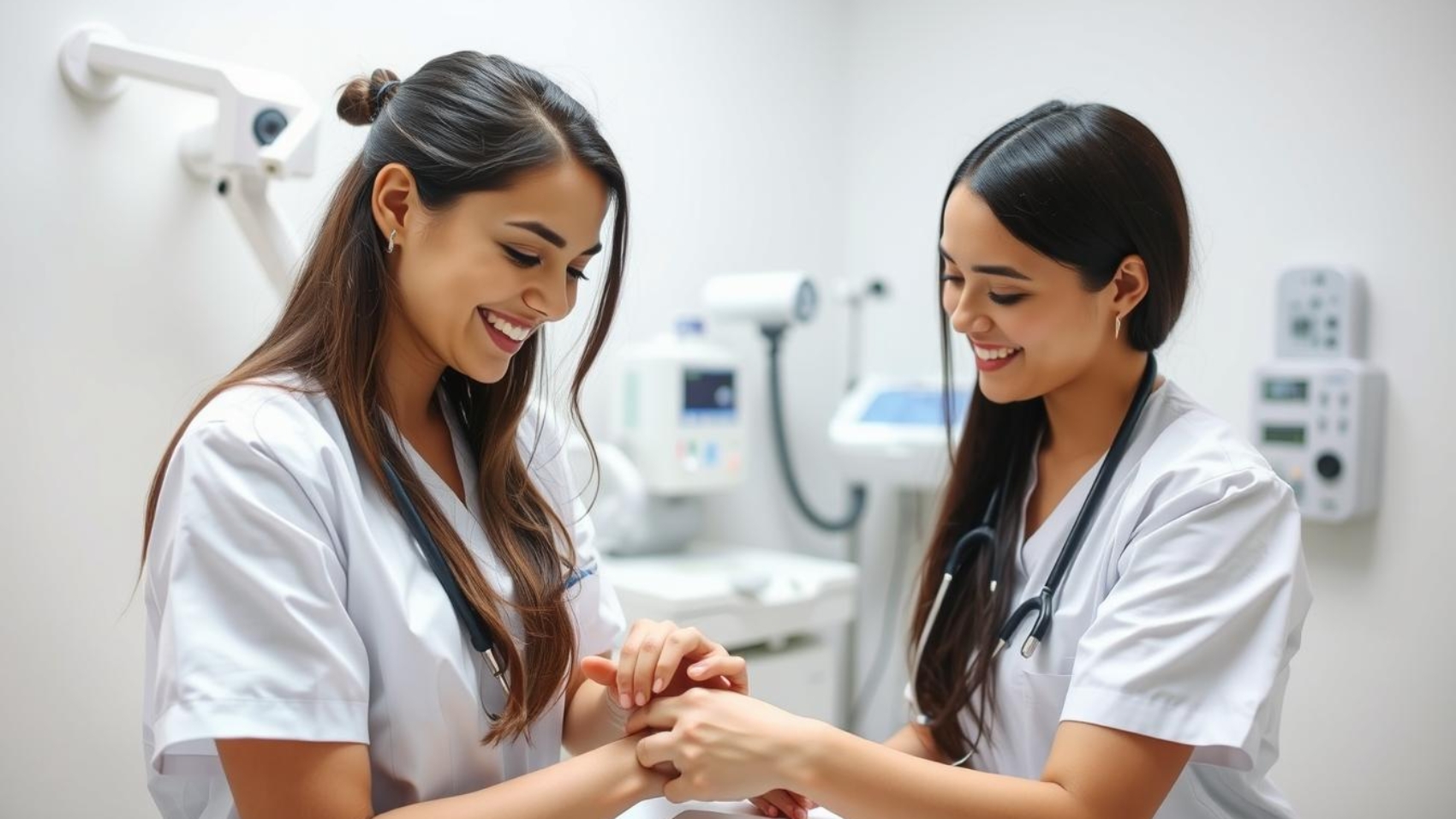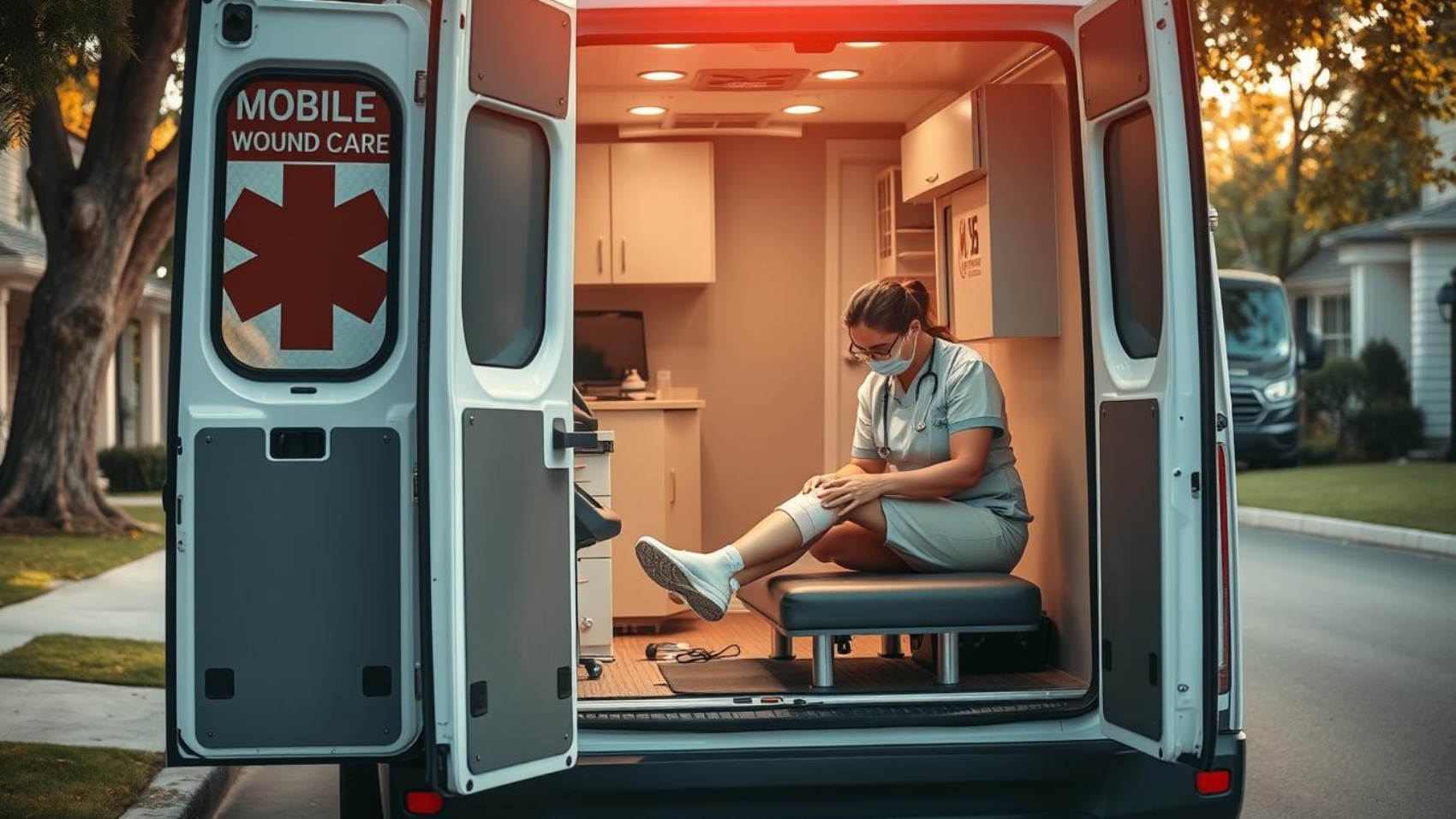
Getting wound care doesn’t mean you have to go to the hospital. Dominion Mobile Wound Care brings experts right to your home. This makes getting care easy and comfortable for you.
At your visits, you’ll see how your healing is going. Our team will check on you, change treatments if needed, and give care that fits you best. This helps you get better faster.
Key Takeaways
- Convenient wound care at your bedside
- Expert specialists for personalized treatment
- Ongoing progress tracking for optimal healing
- Adjustments to treatment plans as needed
- Comfortable and stress-free care experience
The Evolution of Mobile Wound Care Services
Mobile wound care has changed how we treat patients, making it easier and more convenient. It brings treatment updates right to patients at home, in assisted living, or healthcare settings.
How Mobile Wound Care Has Transformed Patient Treatment
Mobile wound care has changed from hospital care to more personal, home-based services.
From Hospital to Home-Based Care
This change has made patients more comfortable and safer from infections. They can get care in a calm setting.
Technology Advancements Enabling Mobile Services
New technology, like portable equipment and telehealth, lets doctors care for patients outside hospitals.
Dominion Mobile Wound Care’s Approach to In-Home Services
Dominion Mobile Wound Care focuses on top-notch in-home care.
Company History and Mission
Dominion Mobile Wound Care has a long history of quality care. Their mission is to improve patient outcomes with complete wound care services.
Service Areas in the United States
Dominion Mobile Wound Care covers many areas in the United States. This ensures patients everywhere can get their expert care.
Benefits of Receiving Wound Care in Your Home
Home-based wound care is changing how we treat patients. Getting care at home brings many wound care benefits. These benefits can greatly help your recovery.
Comfort and Convenience Factors
One big plus of home care is avoiding travel hassles. You don’t have to go to a healthcare facility. This is great for those who have trouble moving around.
Eliminating Transportation Challenges
Having your care provider visit you saves time. It also cuts down on the stress of getting to appointments.
Reducing Stress and Anxiety
Getting care at home can reduce stress and anxiety. This is because home is a more relaxed place than a clinical setting.
Reduced Risk of Hospital-Acquired Infections
Home care lowers the risk of getting infections in the hospital. This is very important for people with weak immune systems.
Personalized Care in Familiar Surroundings
Home care lets your provider tailor treatment to your needs. They can adjust care based on your home. This can help you reach healing milestones faster.
Preparing for Your First Mobile Wound Care Appointment
Getting ready for your first mobile wound care visit is key. Knowing what to expect can make it easier. If you’re new to mobile wound care, understanding the visit can help you feel more ready.
You’ll need to gather some documents and info. This includes your insurance details and any past treatment records for your wound.
Documentation and Medical History Requirements
Having the right documents is very important. You’ll need:
- Insurance Information: Have your insurance cards and ID ready for billing.
- Previous Treatment Records: Collect any records from past wound treatments, like doctor’s notes and test results.
Creating a Suitable Environment for Treatment
It’s also important to make the treatment area comfortable and easy to access. This means:
- Make sure the area is clean and well-lit.
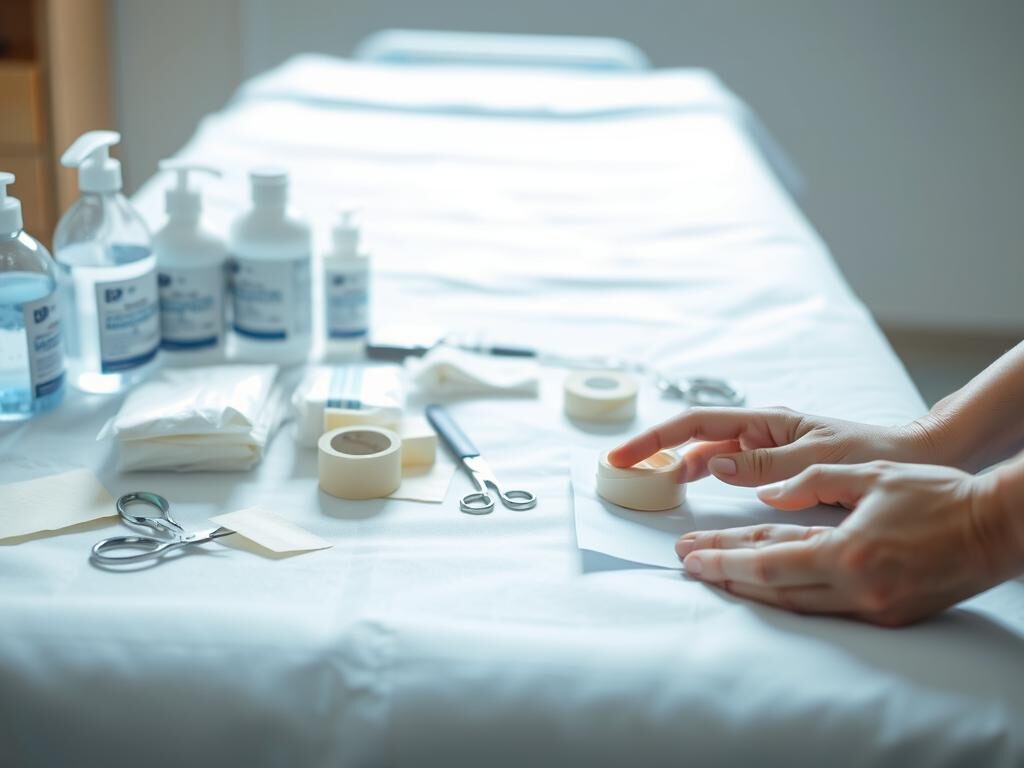
- Have a clean table or surface for your provider’s equipment.
For more info on what to expect and how to prepare, check out resources like top questions to ask your wound care nurse before your first visit.
Being prepared can make your first mobile wound care visit a success. Reach out to Dominion Mobile Wound Care to schedule your appointment. Start your healing journey today.
The Initial Assessment Process
Dominion Mobile Wound Care starts with a detailed examination. This is to create a treatment plan just for you. Understanding your wound’s size, depth, and tissue type is key to finding the right treatment.
Comprehensive Wound Evaluation Techniques
A thorough wound evaluation involves several important techniques. Your healthcare provider will examine your wound closely. They consider many factors that affect how your wound heals.
Measurement and Documentation Methods
Measuring your wound accurately is essential. It involves measuring its length, width, and depth. Also, documenting its appearance through photos or notes is important. These methods help track your wound’s progress.
Tissue Assessment Procedures
Assessing the tissue in and around your wound is critical. Your provider will look for necrotic tissue, granulation, or other factors that can impact healing. This information helps them choose the best treatment options for you.
Diagnostic Tools Used During Home Visits
Dominion Mobile Wound Care uses advanced tools during home visits. These tools include non-invasive tests to check blood flow and tissue oxygenation. They provide insights into your wound’s healing ability.
Establishing Your Personalized Treatment Plan
After the initial assessment, your healthcare provider will create a personalized treatment plan for you. This plan will include the treatments you need, like dressing changes and medication. It will also outline the necessary follow-up appointments for your wound to heal.
Understanding Your Ongoing Wound Care Appointments
As you keep going on your wound care journey, knowing what to expect is key. This knowledge makes each visit easier and more comfortable for you.
Step-by-Step Breakdown of a Typical Visit
A typical wound care visit has a set process. This ensures you get the best care possible. It includes several important steps.
Initial Check-In and Vital Signs
When you arrive, your healthcare provider will check your vital signs. This includes your temperature and blood pressure. It’s to see how you’re doing overall.
Wound Cleaning and Dressing Procedures
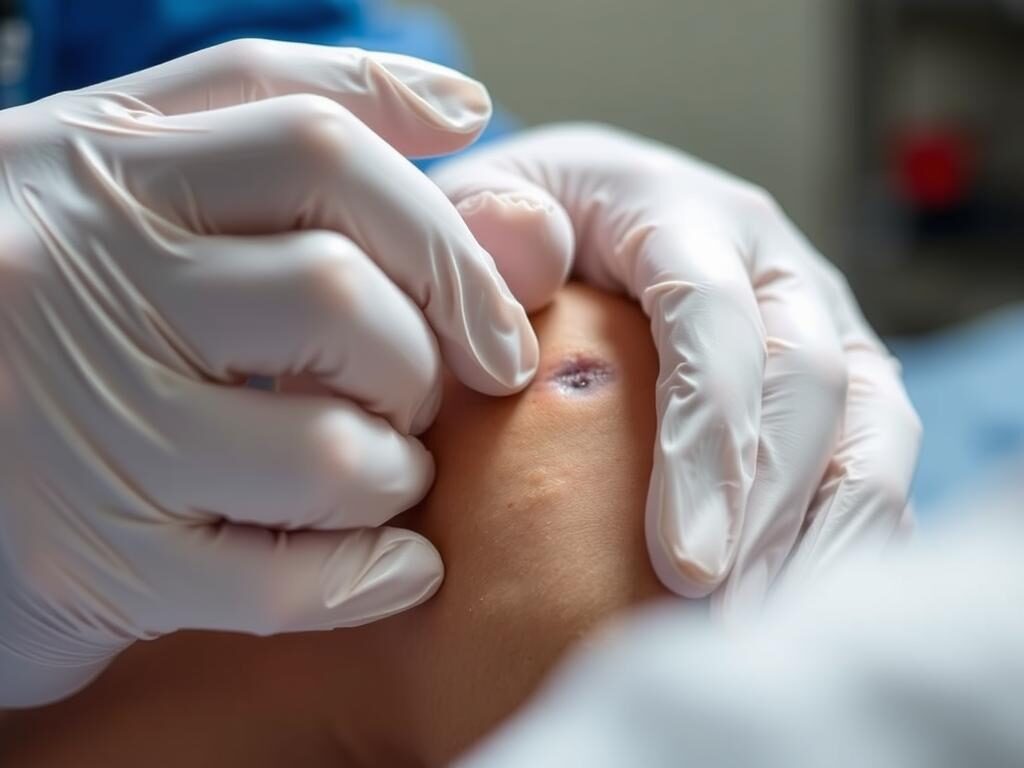
Next, they’ll clean your wound and put on a new dressing. This is a key part of making your wound heal.
Standard Protocols Followed by Professionals
Your healthcare provider will stick to established protocols. These are set to help your wound heal and avoid any problems.
Duration and Frequency Considerations
The length and how often you need to come in will depend on your situation. Your provider will talk about this with you at the start.
| Appointment Component | Typical Duration | Frequency |
|---|---|---|
| Initial Check-In and Vital Signs | 5-10 minutes | Every visit |
| Wound Cleaning and Dressing | 15-30 minutes | As needed |
| Progress Tracking | 5-10 minutes | Every visit |
Knowing what happens at your wound care appointments helps you track your progress. It also makes you more confident in your care.
Advanced Treatment Technologies Available at Home
With Dominion Mobile Wound Care, you get top-notch wound treatments at home. Our advanced products and technologies help wounds heal faster. Our team works hard to give you the best care possible.
Portable Wound Care Equipment and Innovations
Dominion Mobile Wound Care uses the latest portable equipment for your care. We use cutting-edge innovations like:
- Negative Pressure Wound Therapy (NPWT): This treatment uses a vacuum to help wounds heal faster.
- Ultrasound and Electrical Stimulation: These methods help wounds heal by improving tissue repair and blood flow.
Negative Pressure Wound Therapy
NPWT is a non-invasive method that boosts wound healing. It uses a controlled vacuum to stimulate healing and prevent complications.
Ultrasound and Electrical Stimulation
These treatments use sound waves or electrical currents to aid healing. They’re great for wounds that take a long time to heal.
Specialized Dressings and Applications
Dominion Mobile Wound Care also uses special dressings for your wound. These are chosen based on your wound type. They help create a healthy healing environment and are changed as needed.
Therapeutic Modalities for Different Wound Types
Our team knows how to pick the right treatment for your wound. Whether it’s a diabetic foot ulcer, pressure sore, or surgical wound, we’re here to help.
Tracking Your Healing Progress During Treatment
Tracking your healing progress is key when you’re getting mobile wound care. It helps your healthcare team make the best decisions for you. They can adjust your treatment as needed.
Documentation Methods Used by Providers
Keeping accurate records is vital for tracking your wound’s healing. Your provider uses different methods to monitor your progress.
Digital Imaging and Measurement Tools
Advanced tools help track your wound’s size, depth, and condition. These tools spot even small changes. This lets your team adjust your treatment plan quickly.
Progress Notes and Treatment Records
Your care journey is documented in detail. These records include your wound’s status, treatments, and any care plan changes.
| Documentation Method | Description | Benefits |
|---|---|---|
| Digital Imaging | High-resolution images of your wound | Accurate tracking of wound size and condition |
| Measurement Tools | Precise measurements of wound dimensions | Identifies subtle changes in wound status |
| Progress Notes | Detailed records of treatment and progress | Ensures continuity of care and informed decision-making |
Digital Monitoring and Telehealth Integration
Digital monitoring and telehealth add to your care. They let your team check on you remotely. This ensures you get all the support you need.
Understanding Your Healing Milestones
Your provider will help you understand your healing milestones. This teamwork makes sure you’re informed and involved in your recovery.
At Dominion Mobile Wound Care, we focus on your healing progress. If you need wound care, our mobile program can help. Contact us to learn more about supporting your healing journey.
Communication Between Scheduled Wound Care Appointments
Your wound care journey doesn’t stop between appointments. Here’s how to stay connected. At Dominion Mobile Wound Care, we know effective communication is key for healing.
When to Contact Your Wound Care Provider
Knowing when to call your wound care provider is important. It helps you get the help you need quickly.
Warning Signs That Require Immediate Attention
- Increased redness or swelling around the wound
- Unusual odor or discharge
- Severe pain or discomfort
- Fever or chills
Non-Emergency Questions and Concerns
Got questions about your treatment or wound care? Contact your provider. We’re here to help and support you.
Available Support Systems
At Dominion Mobile Wound Care, we offer full support for your healing. Our team is ready to answer your questions and guide you.
| Support Channel | Description | Availability |
|---|---|---|
| Phone Support | Direct line to your wound care provider | Monday – Friday, 9am – 5pm |
| Email Support | Email your questions or concerns | 24/7, response within 24 hours |
| Patient Portal | Secure online platform for messaging and updates | 24/7 |
Using Technology to Stay Connected
We use technology to improve your wound care experience. Our patient portal lets you securely message your provider, see your care plan, and track your progress.
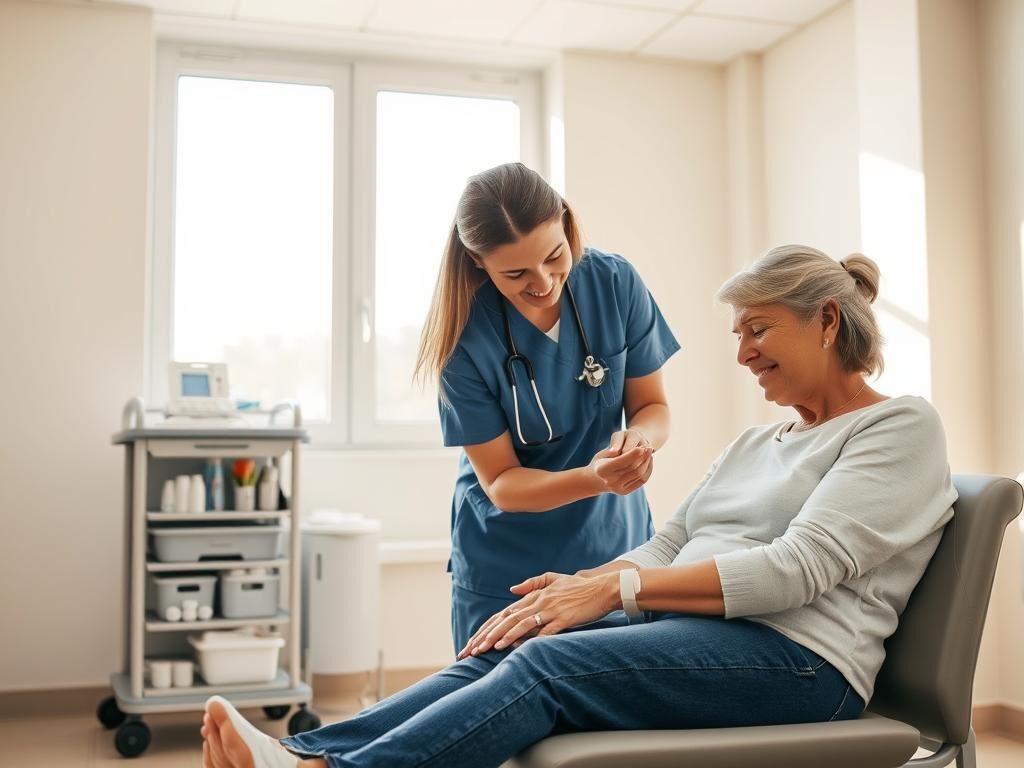
The Role of Caregivers in Mobile Wound Care
Having a supportive caregiver by your side can greatly help in wound care. They offer emotional support and help with the practical tasks of wound care. This support is key in the recovery process.
How Family Members Can Support Treatment
Family members can greatly impact treatment by being involved in daily care. They can remind patients to take medication, keep the area clean for wound care, and offer emotional support. This support is vital for the patient’s well-being.
Training Opportunities for Caregivers
Caregivers can get trained to better support patients in wound care. This training covers important skills like:
- Basic Wound Monitoring Skills: Learning to assess the wound’s condition and spot any complications.
- Dressing Maintenance Between Visits: Getting to know how to change dressings and keep the wound clean.
Basic Wound Monitoring Skills
Caregivers can learn to track the wound’s healing. They can note any signs of infection or other issues that need medical attention.
Dressing Maintenance Between Visits
Keeping the wound clean is essential for healing. Caregivers can learn how to change dressings and keep the wound clean between visits.
Balancing Professional and Family Care
It’s important to balance professional medical care with family support. When family and medical teams work together, patients get the best care. This care meets their medical, emotional, and practical needs.
Insurance Coverage and Payment Options for Ongoing Wound Care
Knowing your insurance options is key when it comes to wound care. At Dominion Mobile Wound Care, we help you understand your insurance. This way, you can get the care you need without worrying about money.
Medicare and Medicaid Considerations
If you have Medicare or Medicaid, you can get wound care services. Medicare Part B covers doctor visits and some medical supplies. Medicaid coverage changes by state, so check your plan.
Private Insurance Navigation
Private insurance can be tricky. Here are some important things to remember:
- Pre-authorization Requirements: Some plans need approval before certain treatments or supplies.
- Documentation for Coverage: Your doctor must document your treatment plan for insurance.
Pre-authorization Requirements
Pre-authorization means your insurance needs your doctor’s team to get approval for treatments. It makes sure the treatment is needed and covered.
Documentation for Coverage
Good documentation is key for insurance. Your doctor will detail your wound, treatment, and progress to support your claim.
Financial Assistance Programs
If money is tight, there’s help available. Dominion Mobile Wound Care can help you find financial aid. This includes patient programs and non-profit organizations that help with wound care costs.
Understanding your insurance is the first step to managing wound care costs. At Dominion Mobile Wound Care, we’re here to help you. We want to make sure you get the best care possible.
Treatment Updates and Adjustments Throughout Your Care Journey
Your wound care plan will change as you heal. This keeps your care effective and tailored to you.
When and Why Treatment Plans Change
Plans change for many reasons. This includes changes in your wound, new findings, or complications. Your healthcare team will watch your progress and adjust as needed.
Incorporating New Therapies as Needed
New treatments and technologies might be added to your care. This could include advanced dressings or new therapies.
Responding to Healing Plateaus
If healing slows, your team will review your plan. They might add new strategies to keep you moving forward.
Addressing Complications Promptly
Quick action is key if complications arise. Your team will adjust your plan to avoid further problems.
Collaborative Decision-Making with Your Provider
Your input is important. Working with your provider ensures your care meets your needs and preferences.
At Dominion Mobile Wound Care, we focus on personalized care. If you need wound care, our team is here to help.
Conclusion: Partnering with Dominion Mobile Wound Care for Optimal Healing
Knowing what to expect from mobile wound care visits helps you heal better. Dominion Mobile Wound Care offers top-notch care right at home. Their team creates a treatment plan just for you.
At your appointments, you’ll get a full check-up and the latest treatments. Dominion Mobile Wound Care also offers ongoing support. They have systems to keep track of your healing.
Choosing Dominion Mobile Wound Care lets you focus on getting better. Start your healing journey by booking your appointment today. Enjoy the ease and comfort of mobile wound care services.
FAQ
What is mobile wound care, and how does it work?
Mobile wound care brings treatment to your home. A healthcare expert comes to you. They assess, clean, and dress your wound. This care is personalized and given in your own space.
What are the benefits of receiving wound care at home?
Getting wound care at home is very comfortable. It also lowers the risk of infections from hospitals. Plus, you get care that fits your specific needs.
How do I prepare for my first mobile wound care appointment?
For your first visit, collect your medical records. Make your home clean and comfy for treatment. Have all needed supplies ready.
What happens during the initial assessment process?
At the start, your healthcare provider checks your wound. They use special tools and create a treatment plan just for you.
What can I expect during ongoing wound care appointments?
Future visits include checking your vital signs and cleaning your wound. They follow strict protocols to ensure your care.
How is my healing progress tracked during treatment?
Your healing is tracked through notes and digital tools. This lets your provider adjust your care as needed. You can celebrate your healing steps.
How do I communicate with my wound care provider between appointments?
You can reach your provider by phone, email, or online portals. Use these tools to stay in touch and share any concerns.
What role do caregivers play in mobile wound care?
Caregivers are key in supporting your care. They can learn to help with wound care. This helps balance work and family life for better healing.
What are my insurance options for ongoing wound care?
Look into Medicare, Medicaid, and private insurance for wound care. Also, check out financial help programs. This will help you understand your payment options.
How are treatment plans adjusted throughout my care journey?
Your treatment plan changes based on your progress. New therapies are added as needed. Your provider works with you to ensure the best healing.
What advanced treatment technologies are available at home?
Home treatments include portable equipment, special dressings, and therapies. These help meet your wound care needs.