


Dominion Mobile Wound Care presents a clear guide on how evidence-based wound healing nutrition helps people support repair at home. This short introduction outlines why aligning calorie, protein, fluid, and micronutrient targets with each stage of the healing process improves outcomes.
The guide explains phases like coagulation, inflammation, proliferation, and remodeling, and how dietary choices affect collagen synthesis and tissue repair. It highlights key targets — roughly 30–35 kcal/kg/day energy and 1.25–1.5 g/kg/day protein for at-risk patients — and notes risks from malnutrition, smoking, and poor glycemic control.
Readers will learn practical tips on fluids, vitamins, minerals, amino acids, and when supplements or enteral support may be needed. The goal is to give simple, actionable steps that improve the wound care plan at home and reduce infection and delayed repair risk.
For coordinated in-home support, hire Dominion Mobile Wound Care to help heal their wounds.
Key Takeaways
- Match calories and protein to repair needs (30–35 kcal/kg and 1.25–1.5 g/kg protein).
- Fluids, vitamins, and minerals directly affect collagen synthesis and tissue formation.
- Screening for malnutrition helps reduce risk of delayed repair and infection.
- Glycemic control, smoking cessation, and hydration support better outcomes.
- Dominion Mobile Wound Care offers coordinated, in-home support and guidance.
Understanding the wound healing process at home
The repair of skin moves from an immediate defensive plug to months of remodeling, driven by cells, growth factors, and blood flow. Knowing the stages helps patients and caregivers make smart choices at home.
From hemostasis to remodeling: what happens in skin repair
Hemostasis begins with a fibrin plug that stops bleeding and forms a scaffold for repair.
The inflammatory phase brings neutrophils and macrophages to clear debris and release signals that prime fibroblasts and granulation tissue formation.
Next, transient hypoxia triggers keratinocyte migration, angiogenesis, and fibroblast proliferation so new vessels restore tissue perfusion.
During the proliferative stage, fibroblasts deposit extracellular matrix and the wound contracts toward closure.
Remodeling then refines collagen, lowers cellularity, and raises tensile strength over weeks to months.
Why chronic wounds stall: hypoxia, infection, and impaired growth factors
- Persistent hypoxia, infection or biofilm prevents progression and promotes stalled repair.
- Senescent fibroblasts and proteolytic loss of PDGF/TGF blunt signals needed for granulation tissue.
- Different zones may sit in separate phases, complicating home care and increasing risk of deterioration.
Dominion Mobile Wound Care educates patients on phase-specific signs — such as rising pain, odor, heavy exudate, or stalled measurements — so families know when to escalate treatment.
wound healing nutrition: what it is and why it accelerates recovery
What a patient eats and drinks shapes immune activity, collagen production, and blood flow to injured areas.
Nutrition wound healing aligns calories, protein, fluids, and micronutrients to the body’s staged repair demands.
How nutritional status drives immune response, collagen synthesis, and tissue perfusion
Adequate energy and protein prevent immune cell dysfunction and support collagen synthesis and new vessel growth.
Carbohydrates fuel fibroblast migration, while tight glycemic control protects granulocyte function and reduces infection risk.
Fats maintain cell membranes and produce eicosanoids that guide inflammation and resolution.
- Key micronutrients (vitamins A, B complex, C, D; zinc; iron; copper; magnesium) enable enzymatic steps for repair.
- Hydration improves nutrient transport and epidermal maturation often missed in home care.
- Correcting malnutrition can restart stalled repair by restoring cellular machinery.
Dominion Mobile Wound Care combines diet plans, targeted supplements, and clinical oversight to help patients meet targets alongside dressings, offloading, and infection control.
Nutrient needs by phase: inflammatory, proliferative, and remodeling
Each phase of repair has distinct metabolic priorities, so nutrients should shift as tissue work moves from defense to rebuilding and then refinement.
Inflammatory phase priorities
During the inflammatory phase, focus is on clot support and immune defense. Adequate protein builds immune cells and clotting factors.
Key micronutrients include calcium and vitamin K for coagulation, vitamin A to promote macrophage and fibroblast migration, zinc for immune regulation, and vitamin E for membrane stability—used with caution.
Proliferative phase needs
The proliferative phase requires substrates to form granulation tissue and capillaries. Arginine supports collagen deposition and neovascularization.
B vitamins drive energy metabolism, lipids rebuild cell membranes, and iron plus zinc support cell proliferation and perfusion.
Remodeling phase targets
During remodeling, the priority shifts to matrix consolidation and tensile strength. Vitamin C stabilizes collagen synthesis and zinc acts as a cofactor.
Targeted vitamin E may reduce scarring but can interfere earlier, so timing matters. Maintain good hydration and adequate water to aid epidermal maturation.
- Practical tip: Reassess intake weekly as the repair process evolves and adjust supplements only when diet falls short.
- Care coordination: Dominion Mobile Wound Care tracks stage and tailors nutrition coaching with dressing changes.
Protein and amino acids: the backbone of collagen and immunity
Meeting clear protein goals at home helps support collagen synthesis and maintains an effective immune response. Patients with chronic defects often need more than standard amounts; protein demands can rise dramatically, sometimes up to 250% above baseline.
Daily targets at home
Practical target: aim for 1.25–1.5 g/kg/day for patients at risk of pressure ulcers. Higher intake may be needed with heavy exudate or large tissue loss.
Arginine and glutamine: roles and evidence
Arginine is a precursor to nitric oxide and proline, supporting neovascularization and collagen formation. When total protein is adequate, arginine-enriched formulas at about 4.5 g/day show benefit in pressure ulcer care.
Glutamine supports immune cells and glutathione production, but clinical results are mixed. Benefits often appear when glutamine is combined with other substrates rather than used alone.
- Prioritize total daily protein before adding specialty amino acids to avoid false expectations.
- Distribute protein evenly across meals to support collagen synthesis.
- Choose high-quality sources: lean meats, dairy, eggs, legumes, and fortified supplements.
- Monitor renal function and coordinate with clinicians when increasing protein in patients with comorbidities.
- Document intake versus targets and track weekly measurements to gauge response.
Dominion Mobile Wound Care helps patients set targets, evaluate evidence-based supplements, and avoid unnecessary products as part of a complete plan that includes calories, micronutrients, and hydration.
Calories and carbohydrates: fueling fibroblasts without spiking glucose
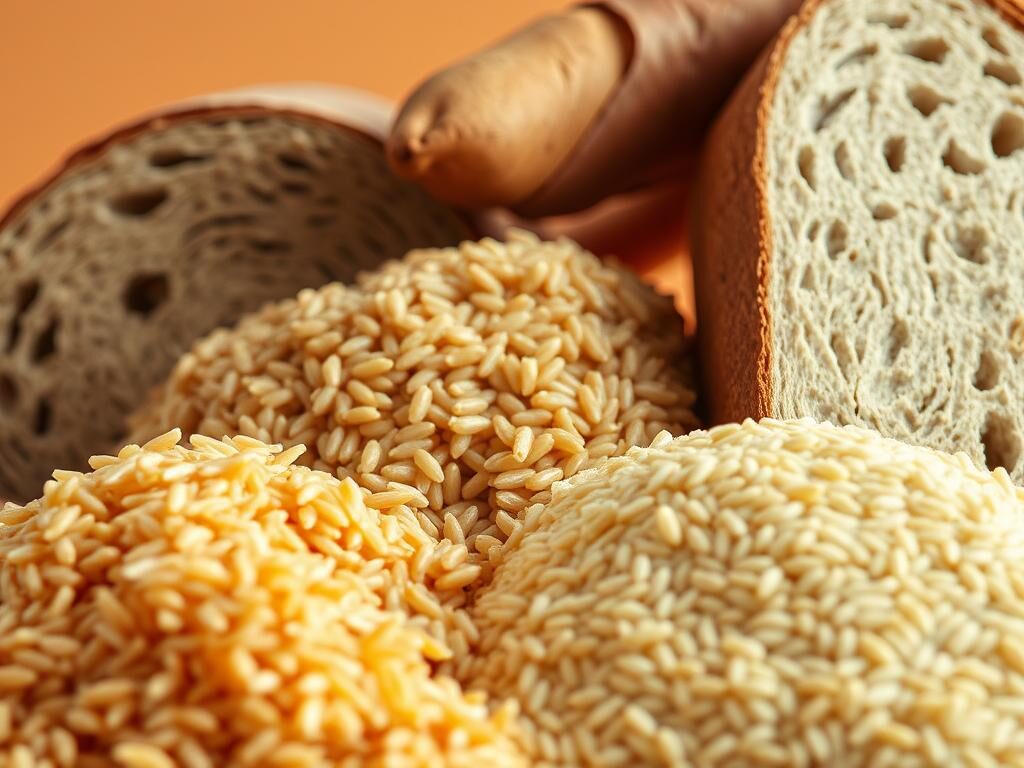
Calories and carbs supply the metabolic fuel that helps fibroblasts and endothelial cells rebuild tissue. For most adults Dominion Mobile Wound Care recommends ~30–35 kcal/kg/day. This supports the metabolism nutrition needs of the repair phase while avoiding overfeeding.
Energy needs and when to adjust
Translate targets into daily ranges by weight. For a 70 kg person, 30–35 kcal/kg equals about 2,100–2,450 kcal/day. Increase toward 40 kcal/kg for underweight or those with multiple or large wounds.
Adjust for age, comorbidities, fever, or high exudate. Frequent reassessments keep goals realistic and safe.
Glycemic control to lower infection risk
Carbohydrates drive insulin-mediated anabolism and support the proliferative phase. But hyperglycemia impairs granulocyte function and raises infection risk.
Steroids, physiologic stress, and IV dextrose can worsen control. Coordinate with clinicians to modify medications or feeding when needed.
- Favor complex carbs, fiber, and spaced meals to stabilize blood sugar.
- Combine carbs with protein and healthy fats to blunt postprandial spikes.
- Use home glucose logs to link levels with the wound healing process and adjust intake.
Dominion Mobile Wound Care helps patients set calorie ranges, track glucose, and coordinate with registered dietitians and clinicians for tailored carbohydrate goals.
Fats and essential fatty acids: cell membranes, eicosanoids, and healing nuance
Essential fatty acids build cell membranes and become the biochemical signals that regulate inflammation and resolution. They influence whether the repair process advances or stalls and also supply energy-dense calories to meet daily targets without excess carbohydrates.
Omega-3 and omega-6: mixed evidence, phase-specific considerations
Omega-3s can reduce inflammation but have shown mixed effects on tensile strength in some models. When combined with omega-6, benefits appear clearer for pressure ulcer progression, especially during early inflammatory phases.
- Fats form membranes and generate eicosanoids that guide inflammation and resolution.
- High-dose single fatty acids may harm tensile strength unless matched to the repair stage.
- Food-first sources—oily fish, nuts, seeds, and olive oil—provide balanced intake and calories.
- Polyphenols like curcumin and resveratrol help control oxidative stress during inflammation.
- Plans must respect comorbidities such as dyslipidemia and align total calories with protein targets.
Dominion Mobile Wound Care advises balanced fat patterns tailored to each patient and the phase of cutaneous wound healing rather than one-size supplementation.
Hydration matters: water for perfusion, transport, and epidermal maturation
Proper fluid balance preserves plasma volume and sustains tissue perfusion so oxygen and micronutrients reach repair sites. Dominion Mobile Wound Care emphasizes clear, practical fluid goals for patients to lower dehydration risk.
Aim for roughly 1 mL per kcal per day or about 30 mL/kg as a starting target. Increase intake with fever, diarrhea, high exudate, fistula losses, or heavy diuresis. Reduce or tailor targets when renal or cardiac limits exist and notify clinicians promptly.
- Space fluids across the day and include small electrolyte drinks when losses are high.
- Monitor urine color and daily weight trends as simple home indicators of hydration status.
- Avoid excess alcohol; it impairs immune defense and raises infection risk.
- Align fluid with sodium and protein plans to manage edema and support barrier recovery.
Water supports oxygen delivery, waste removal, and epidermal cell maturation—all essential to an effective healing process. Dominion Mobile Wound Care reviews fluid goals during visits and adjusts them as the wound healing journey evolves.
Vitamins that support cutaneous wound healing
Targeted vitamins guide immune cells, collagen formation, and antioxidant defenses during skin repair. This section summarizes evidence-based roles and safe dosing ranges for commonly used vitamins.
Vitamin A and B-complex: immune support and cofactors
Vitamin A aids epithelial cell growth and immune function. Short-term dosing of 10,000–25,000 IU/day can be used under supervision to counteract corticosteroid delays, but toxicity is a risk if prolonged.
B-complex vitamins (thiamine, riboflavin, pyridoxine, cobalamin) act as cofactors for leukocyte production and collagen synthesis. Deficiencies blunt immunity and protein turnover; lab checks guide replacement.
Vitamin C and D: collagen synthesis and immune modulation
Vitamin C is essential for collagen cross-linking and combats oxidative stress. Typical supportive dosing is 500 mg/day for uncomplicated cases and up to 2 g/day for severe deficits, ideally with zinc and arginine for pressure injuries.
Vitamin D deficiency is common in chronic skin defects. Mechanistic data support roles in epithelial integrity and immune balance, but supplementation should be individualized and lab-guided.
Vitamin E: why routine use is discouraged
Routine high-dose vitamin E can interfere with collagen synthesis and dampen necessary inflammatory signals. It may reduce vitamin A benefits and worsen scar quality, so avoid indiscriminate use.
- Food first: prioritize fruits, vegetables, dairy, and lean proteins to meet vitamin needs.
- Use supplements to fill verified gaps; check labs for D and B12 before starting high doses.
- Single vitamins rarely help without adequate calories and protein; coordinate care with clinicians.
- Dominion Mobile Wound Care helps tailor vitamin strategies, monitors response, and avoids unnecessary products.
Minerals for stronger repair: zinc, iron, copper, and magnesium
Minerals are essential cofactors that support immune activity, collagen formation, oxygen delivery, and antioxidant defenses during the repair process. Dominion Mobile Wound Care recommends lab-guided testing before any targeted supplement to protect overall nutritional status and lower risk of imbalance.
Zinc: epithelialization and immune defense
Zinc enables DNA replication, immune activation, and epithelial repair. Oral repletion (40–220 mg/day) for 10–14 days helps proven deficiency, while topical zinc can aid surgical sites.
Note: Limit duration to avoid lowering copper and watch for interactions with antibiotics or chelators.
Iron: oxygen delivery and collagen assembly
Iron supports tissue perfusion and collagen stabilization. Undiagnosed deficiency causes ischemia and weak repair; check ferritin and CBC when progress stalls or patients are at risk.
Copper and magnesium: inflammation and antioxidant support
Copper modulates cytokines and growth factors; even mild deficits blunt matrix formation. Magnesium lowers CRP and raised total antioxidant capacity in diabetic foot studies over 12 weeks.
- Pair mineral therapy with protein and vitamins for synergistic collagen and immune benefits.
- Recheck labs after a defined course and avoid blind supplementation that causes competition.
- Dominion Mobile Wound Care coordinates testing and precision mineral therapy in home plans.
Curcumin and polyphenols: anti-inflammatory allies in home care
Curcumin and related polyphenols act on key signaling pathways to reduce excessive inflammation and oxidative stress at the injury site. They may help rebalance the local immune system while supporting the move from defense to repair.
How curcumin may shorten inflammation and support fibroblast migration
Mechanisms: curcumin lowers TNF-α and IL-1 and inhibits NF-κB by suppressing AKT/PI3K/IKK signaling. This can recruit M2-like macrophages and prompt early apoptosis of excess inflammatory cells.
Potential benefits: these effects may reduce oxidative stress, improve collagen synthesis, and encourage fibroblast migration and differentiation—helping the process move into proliferation.
- Topical curcumin often concentrates local effect; formulations and doses vary.
- Combine polyphenols (resveratrol, colorful produce) to boost systemic antioxidant defense.
- Adjuncts should never replace debridement, offloading, infection control, or adequate nutrition.
- Discuss supplements with clinicians to avoid interactions and confirm suitability for patients.
- Track measurements for 2–4 weeks to judge any adjunct effect and adjust the plan.
Dominion Mobile Wound Care reviews adjunct use in context and helps patients evaluate safe, evidence-aligned polyphenol options while keeping standard clinical care first.
Nutritional assessment at home: identifying malnutrition and increased risk
Simple assessments done during visits reveal key risks that slow tissue recovery and immunity. Dominion Mobile Wound Care uses structured checks so clinicians spot decline early and act.
Screening tools and practical measures
MNA and MUST are used to flag malnutrition risk quickly. NICE guidance—BMI, unintentional weight loss, and intake trends—frames routine reviews.
Track BMI and percentage weight loss over time. Monitor losses in protein via heavy exudate as a hidden driver of higher needs.
When lean mass loss delays repair
- ~10% lean loss: immunity weakens and infection risk rises.
- ~20%: metabolism shifts to prioritize repair, slowing visible closure.
- >30%: delayed recovery is likely until reserves are rebuilt.
Use simple bedside proxies—mid-arm circumference or grip strength—when scales are unavailable. Keep weekly intake diaries and compare to targets.
Lab markers (albumin, prealbumin trends with CRP) help but are not sole diagnostics. Escalate to oral supplements or enteral support when goals are unmet and involve a dietitian early.
Dominion Mobile Wound Care embeds these tools into routine home visits to prevent deterioration and support faster wound healing for patients.
Special situations: pressure ulcers, diabetic foot, and chronic wounds
When tissue repair is slow or patients have comorbidities, targeted feeding plans help restore metabolic reserves.
Pressure injuries: when to escalate supplements
For pressure ulcers at risk or Stage ≥2 with malnutrition risk, start with clear targets: 30–35 kcal/kg/day, 1.25–1.5 g/kg/day protein, and ~30 mL/kg fluids.
If oral intake is insufficient, provide high-calorie, high-protein supplements. Add arginine-, zinc-, and antioxidant-enriched formulas or enteral nutrition when deficits persist despite supplements.
Diabetic foot ulcers: guidance and priorities
Deficiencies are common in diabetic foot cases, but current guidance emphasizes that supplements do not replace best standard care.
Focus first on glycemic control, vascular assessment, offloading, debridement, moisture balance, and infection control. Correct proven deficits, then reassess response.
- Escalate to enteral nutrition when oral intake stays below targets for several days.
- Watch for red flags of impaired wound healing: spreading infection, new odor, rising pain, or ischemic changes—escalate promptly.
- Chronic wounds with ischemia or edema need careful fluid and protein balancing tailored to comorbidities.
Dominion Mobile Wound Care follows protocol-driven pathways, measures size and intake consistently, and adapts plans to each patient’s clinical context.
Practical meal planning for faster wound closure
Practical meal plans turn clinical targets into everyday plates that support faster tissue closure. Dominion Mobile Wound Care translates calorie and protein goals into simple menus and snack routines so patients can meet targets reliably.
High-protein, high-calorie, micronutrient-rich foods and snack ideas
Aim for three protein-forward meals plus two to three fortified snacks to reach ~30–35 kcal/kg/day and 1.25–1.5 g/kg/day protein.
- Protein-dense choices: eggs, Greek yogurt, poultry, fish, tofu, beans, and lentils.
- Energy boosters: olive oil, nut butters, avocado, and whole-fat dairy to add calories without bulk.
- Pair vitamin C fruits (berries, citrus) with iron sources to support collagen and oxygen transport.
- Zinc and copper foods: beef, shellfish, seeds, and legumes; include carotenoid-rich veg for vitamin A.
- Snack ideas: protein smoothies with Greek yogurt and berries; cottage cheese with fruit; hummus with whole-grain crackers.
When to consider enteral nutrition and oral nutritional supplements
Start oral supplements when regular meals fail to meet >40% of targets, or choose enriched formulas (arginine, zinc, antioxidants) for pressure injuries under clinician guidance.
Consider enteral nutrition with clinician oversight if intake stays
Lifestyle and comorbidity factors that impact nutrition wound healing
Daily habits and common medical treatments change metabolic demand and affect how tissues rebuild. Addressing these factors helps patients meet targets for nutrition wound healing and improves measurable progress.
Smoking, alcohol, and medication effects
Smoking causes vasoconstriction, reduces microcirculation, and impairs neutrophil activity. This lowers oxygen delivery and slows collagen production, raising infection risk.
Alcohol increases oxidative stress and depletes zinc and selenium, weakening immune defenses and appetite. Patients with heavy intake often need tailored micronutrient repletion.
Certain drugs—steroids, dextrose IVs, and some narcotics—raise glucose or suppress appetite. These changes complicate the repair process and raise metabolic demand.
- Promote cessation and moderation plans tied to measurable improvements in progress.
- Optimize pain control to protect appetite and daily intake goals.
- Support sleep, stress management, and foot care for neuropathy to reduce lesion formation in diabetes.
Dominion Mobile Wound Care screens for lifestyle risks at visits, tailors repletion plans, and links patients to local cessation and support services during routine reassessments.
Local focus: access wound care and nutrition support in New Rochelle
Residents of New Rochelle can access in-home clinical visits that pair bedside assessment with tailored dietary plans to speed recovery. Dominion Mobile Wound Care offers mobile visits and coordinated support for patients who face transport or access barriers.

The team uses a multidisciplinary approach to review the repair process, screen nutrition risk with validated tools (MNA/MUST), and identify social barriers like food access. Care plans combine phase-based clinical care and targeted meal strategies.
- Typical visit flow: assessment, phase identification, measurement, nutrition screen, and plan update.
- Same-week adjustments to calories, protein, fluids, and supplements are made based on trajectory and tolerance.
- Coordination with primary care, endocrinology, and home health ensures comprehensive follow-up.
Care includes culturally sensitive meal planning and links to local grocery and food resources in New Rochelle. Remote check-ins allow early course corrections, and caregiver involvement is encouraged to lower risk of setbacks. Dominion Mobile Wound Care is ready to schedule mobile visits to support faster recovery at home.
Conclusion
A tailored plan that tracks calories, protein, fluids, and key micronutrients makes clinical progress more predictable. Aligning targets (30–35 kcal/kg and 1.25–1.5 g/kg protein) with the repair process supports collagen formation, tissue perfusion, and immune balance for faster wound healing.
Routine assessment and phase-specific adjustments reduce complication risk. Practical meal plans, glycemic control, hydration, and lifestyle changes keep intake steady. Evidence-aligned adjuncts—arginine, zinc, antioxidants, and cautious polyphenols—help in pressure injuries when used with standard care.
Personalized, multidisciplinary support improves adherence and shortens hospital stays. For an immediate assessment, goal-setting, and regular follow-up, hire Dominion Mobile Wound Care to help heal their wounds with in-home clinical and nutrition support tailored to each patient’s needs.
FAQ
What dietary changes speed skin repair at home?
A balanced plan emphasizes adequate protein, steady calories, and micronutrients that support collagen production and immune function. Aim for roughly 1.25–1.5 g/kg protein per day when at risk for pressure-related tissue loss, include vitamin C–rich fruits, vitamin A sources like sweet potato, and zinc-containing foods such as lean meat or legumes. Small, frequent meals and protein-rich snacks help meet needs without large glycemic spikes.
How does the body repair a cut from start to finish?
Repair proceeds in phases: immediate clot formation (hemostasis), a short defensive stage with inflammation and immune cell activity, a rebuilding stage where fibroblasts form granulation tissue and lay down collagen, and a final remodeling stage when collagen matures and the tissue regains strength. Each phase demands different substrates—proteins, energy, vitamins, and minerals—to proceed efficiently.
Why do some chronic skin lesions stall and not close?
Persistent low oxygen, ongoing infection, and disrupted growth factor signaling often halt progress. Poor tissue perfusion, uncontrolled blood sugar, and malnutrition reduce cell function and collagen synthesis, allowing inflammation to persist and preventing formation of healthy granulation tissue.
Which nutrients matter most during the inflammatory phase?
Early defense relies on adequate protein for immune cells and clotting factors, vitamin K and calcium for coagulation, vitamin A for epithelial integrity, and zinc for immune response. Antioxidants like vitamin E help modulate oxidative stress but should be used cautiously as routine high-dose supplementation can interfere with repair.
What should be emphasized during the proliferative phase?
The rebuilding stage needs amino acids (including arginine and glutamine), B vitamins for energy metabolism, appropriate lipids for cell membranes, zinc for cell division, and iron for oxygen delivery. Meeting calorie targets (about 30–35 kcal/kg/day) and maintaining controlled blood glucose support fibroblast activity and collagen deposition.
Which nutrients support remodeling and scar maturation?
Vitamin C is essential for collagen cross-linking and tensile strength. Continued adequate zinc and hydration support matrix organization. Vitamin E can act as an antioxidant but routine supplementation at high doses may delay repair, so dietary sources are preferred.
Are arginine and glutamine useful supplements?
Evidence shows benefits in selected patients, such as those with pressure injuries or severe deficits, by supporting collagen synthesis and immune responses. Typical supplemental strategies vary; clinicians consider dosing, overall intake, and comorbidities before recommending them. They are not universally required for all minor skin breaks.
How should energy and carbohydrate intake be adjusted for people with diabetes?
Energy needs often remain at 30–35 kcal/kg/day but carbohydrate quality matters. Choose low–glycemic-index carbohydrates, emphasize fiber, and distribute carbs across meals to prevent large glucose excursions. Good glycemic control lowers infection risk and supports the proliferative phase.
What role do essential fatty acids play in repair?
Omega-3 and omega-6 fatty acids support membrane structure and inflammatory modulation. Evidence is mixed; phase-specific effects exist, and high-dose omega-3s may blunt necessary early inflammation. Food sources like fatty fish, walnuts, and flaxseed provide balanced intake without excessive supplementation.
How important is hydration for tissue recovery?
Adequate water intake maintains perfusion, nutrient transport, and epidermal cell migration. Even mild dehydration can slow re-epithelialization and impair matrix deposition, so regular fluid intake tailored to clinical status is essential.
Which vitamins have the strongest evidence for skin repair?
Vitamin C directly supports collagen synthesis and is evidence-backed; vitamin A supports epithelial regeneration; B vitamins assist metabolic pathways critical for cell proliferation; and vitamin D influences immune responses and may benefit chronic lesions. Routine high-dose vitamin E supplementation is not recommended.
When is zinc supplementation appropriate versus topical use?
Oral zinc helps when deficiency exists or in malnourished patients; topical zinc formulations can support epithelialization in some chronic lesions. Clinicians assess serum levels, dietary intake, and potential interactions before recommending systemic supplementation to avoid excess and copper imbalance.
Does iron supplementation help if oxygen delivery is low?
Correcting iron deficiency improves hemoglobin and oxygen delivery, which supports collagen formation. However, iron should be supplemented only when deficiency is documented, as excess iron can worsen infection risk and oxidative stress.
Can curcumin or polyphenol supplements aid recovery at home?
Curcumin and polyphenols exhibit anti-inflammatory and antioxidant effects that may shorten excessive inflammation and support fibroblast behavior. Most evidence comes from lab and small clinical studies; dietary sources (turmeric, berries, green tea) are reasonable, and supplements should be discussed with a clinician.
How can someone at home screen for nutritional risk that may delay repair?
Simple tools like the Malnutrition Universal Screening Tool (MUST) or the Mini Nutritional Assessment (MNA) help identify risk. Watch for unintentional weight loss, declining appetite, reduced protein intake, and loss of lean body mass. Frequent exudate can also signal protein loss that needs evaluation.
What special measures apply to pressure injuries and diabetic foot lesions?
For pressure-related tissue loss, clinicians often add arginine, zinc, and antioxidant formulas when malnutrition or severe injury exists. Diabetic foot care prioritizes offloading, infection control, and glycemic management; supplementation is adjunctive and based on documented deficiencies and clinical response.
How can families plan meals to support faster closure?
Include a protein source at each meal, add vitamin C–rich fruits or vegetables, incorporate iron- and zinc-rich foods, and favor healthy fats. Portable, high-protein snacks (Greek yogurt, nut butter on whole-grain crackers, fortified shakes) help meet targets. When oral intake is inadequate, enteral nutrition or clinical supplements may be considered.
Which lifestyle factors most impair tissue repair?
Smoking reduces perfusion and oxygen delivery, alcohol disrupts immune responses, and some medications increase metabolic demand or impair nutrient absorption. Addressing these factors—cessation, moderation, and medication review—improves outcomes alongside nutritional support.
Where can residents of New Rochelle find combined wound care and nutrition support?
Local hospitals, outpatient wound centers, and registered dietitians offer coordinated services. Health systems like Montefiore and Westchester Medical Center provide multidisciplinary clinics; primary care providers can also refer to certified wound care nurses and registered dietitians for tailored plans and supplementation guidance.