Recovering from surgery can be tough, mainly when it comes to tissue repair and surgical wound healing. Getting professional home care can really help your healing process.
Professional home care gives you the support and guidance you need for a smooth recovery. With the right care, you can lower the chance of problems and help your tissue repair get better.
Choosing professional home care means you get personal attention and expert advice. This can help you heal faster and lower the risk of complications.
Key Takeaways
- Professional home care can significantly impact your recovery from surgery.
- Receiving care at home can reduce the risk of complications.
- Personalized attention and expert guidance can promote optimal tissue repair.
- Dominion Mobile Wound Care offers expert professional home care services.
- Trusting a professional service can lead to faster healing times and improved overall health.
The Critical Role of Specialized Wound Care After Surgery
Getting the right wound care after surgery is key to avoiding problems and quick healing. Specialized care means you get a plan made just for you. This plan helps a lot with your incision recovery.
Why the First 72 Hours Matter Most
The first 72 hours after surgery are very important. This is when the chance of problems like infections is highest. Getting expert wound care during these days can greatly lower the risk of issues. It helps your body heal well.
Recent Statistics on Post-Surgical Complications
Even with great care, complications can happen after surgery. But, the numbers show that with good wound care, these can be much lower.
Infection Rates in Home vs. Hospital Settings
Research shows that infection rates differ between home and hospital care. With the right care, home recovery can be as good as or even better than hospital care. This is because home care often includes more personal attention and surgeon follow-up.
Infections don’t heal by themselves and can slow down healing. So, getting the right care is very important. It helps avoid these problems and speeds up your recovery.
Surgical Wound Healing: The Science Behind Tissue Repair
Understanding tissue repair is key for good surgical wound healing. The healing process is complex, with many steps. It involves cells and molecules working together.
The Four Biological Phases of Healing
The healing process has four main phases: inflammatory, proliferative, maturation, and remodeling.
Inflammatory Phase
The inflammatory phase starts with injury. It includes bleeding, inflammation, and immune cell activation. This phase cleans the wound for healing.
Proliferative Phase
In the proliferative phase, the body rebuilds tissue. It forms granulation tissue and adds collagen. New blood vessels appear, and the wound starts to close.
Maturation Phase
The maturation phase refines the tissue. It makes the new tissue like the original. This phase is about improving tissue structure and function.
How Different Surgical Techniques Affect Recovery Time
Different surgeries affect recovery times differently. Minimally invasive surgeries heal faster than open surgeries. The choice of surgery impacts trauma, bleeding, and inflammation. These factors influence healing.
Breaking News: Latest Advances in Wound Care Technology
The field of wound care is changing fast with new technologies. These new tools are making healing better and making patients happier.
FDA-Approved Treatments Released in 2023
In 2023, the FDA approved new wound care treatments. These include advanced dressings and topical therapies. They help wounds heal faster and prevent problems.
For example, bioactive dressings help wounds grow back faster. This means patients can get better quicker.
Smart Dressings That Monitor Healing Progress
Smart dressings are a big deal in wound care. They have sensors that track how a wound is healing. This gives doctors the info they need to help patients better.
These smart dressings are changing home care for the better. Patients can get top-notch care at home. This makes patients happier and saves money on healthcare costs.
As technology keeps getting better, we’ll see even more cool stuff. This will make healing from surgery even better for everyone.
Risk Factors That May Be Slowing Your Recovery
Knowing what affects your recovery is key. Some medical conditions and daily habits can speed up or slow down healing after surgery.
Medical Conditions That Compromise Healing
Some health issues can really slow down your recovery. It’s important to manage these conditions well for the best healing.
Diabetes and Vascular Issues
Diabetes can make it hard for blood to flow to wounds. This is because blood carries oxygen and nutrients needed for healing. Vascular problems can make this even tougher.
Immune System Disorders
If you have an immune system disorder, your body might not fight off infections well. This can slow down healing. It’s vital to work with your doctor to manage your condition while recovering.
Everyday Habits That Hinder Wound Closure
Your daily habits can also affect your recovery. Smoking, for example, can reduce blood flow and oxygen to wounds. A bad diet without important nutrients can also slow down healing.

By understanding and managing these risks, you can create a recovery plan with your healthcare team. This plan can help you heal better and avoid complications.
Why Professional Home Care Is Transforming Surgical Recovery
The way we recover from surgery is changing. Professional home care is leading this change. It offers medical treatment in the comfort of your home, making it a great option for those recovering.
The Shift from Hospital to Home-Based Recovery Models
Before, patients stayed in the hospital for a long time after surgery. But now, with better technology and higher hospital costs, home-based recovery is becoming more common. It’s a more comfortable and affordable way to heal.
Dominion Mobile Wound Care’s Specialized Approach
Dominion Mobile Wound Care is at the forefront of home-based wound care. They focus on giving each patient the care they need, tailored just for them.
Personalized Treatment Protocols
Dominion Mobile Wound Care uses personalized treatment protocols. These plans are made for each patient’s wound. They ensure patients get the best care for their needs.
Advanced Equipment Available for Home Use
They also bring advanced medical equipment to your home. This equipment helps track how wounds are healing and makes timely interventions.
By combining personalized care with advanced equipment, Dominion Mobile Wound Care helps patients recover faster and better. This new approach is changing how we think about recovering from surgery, making it more focused on the patient.
Evidence-Based Nutrition Strategies for Faster Healing
Evidence-based nutrition strategies are key for faster healing and less complications after surgery. A balanced diet with essential nutrients helps the body repair itself. This makes recovery smoother.
The Protein-Collagen Connection in Tissue Repair
Protein intake is linked to collagen synthesis for tissue repair. Enough protein boosts collagen production, which is key for wound healing and strength. Add protein-rich foods like lean meats, fish, eggs, and dairy to your meals.
Micronutrients That Accelerate Incision Recovery
Certain micronutrients help speed up recovery. Zinc is important for enzyme work and protein making. Vitamin C is vital for collagen making and keeping the immune system strong.
Zinc, Vitamin C, and Other Essential Nutrients
| Nutrient | Role in Healing | Food Sources |
|---|---|---|
| Zinc | Enzyme function, protein synthesis | Oysters, beef, chicken |
| Vitamin C | Collagen synthesis, immune function | Citrus fruits, berries, leafy greens |
| Protein | Tissue repair, collagen production | Lean meats, fish, eggs, dairy |
For more detailed nutrition tips to promote faster wound healing at, visit our resource page.
Clinical Guidelines for Wound Cleaning and Management
Knowing the clinical guidelines for wound cleaning is key to your recovery. Proper care is vital to avoid infections and speed up healing. The American College of Surgeons updates its protocols to help healthcare professionals achieve the best results for patients.
Updated Protocols from the American College of Surgeons
The American College of Surgeons updates its guidelines often. They reflect the newest research and best practices in wound care. These updates stress the need for proper wound cleaning and dressing techniques to prevent issues.
Step-by-Step Wound Care Techniques
Effective wound care involves several steps. These steps should be followed carefully. This includes:
- Proper Cleansing Methods: Using the right cleaning solutions and techniques to avoid damaging tissue.
- Dressing Selection and Application: Choosing the appropriate dressing for your wound type and applying it correctly.
Proper Cleansing Methods
Cleansing your wound properly is essential. Use saline solution or water to gently clean the wound. Avoid harsh soap or other cleansers that can irritate the wound.
Dressing Selection and Application
Choosing the right dressing depends on your wound’s type and size. Your healthcare provider can help you pick the best one. Apply the dressing as directed to keep your wound moist and protected.
By following these guidelines and working with your healthcare team, you can ensure your wound heals well and fast. Remember, effective wound care is a critical part of your recovery.
Red Flags: When to Contact Your Surgeon Immediately
After surgery, knowing when to get help is key. Your surgeon’s follow-up care is vital for any issues that come up.
Critical Warning Signs of Complications
Knowing the signs of wound problems is important. This way, you can act fast. These signs include:
Infection Indicators
- Increased redness or swelling around the wound
- Pus or discharge from the wound
- A foul odor from the wound
- Fever or chills
Dehiscence and Other Structural Issues
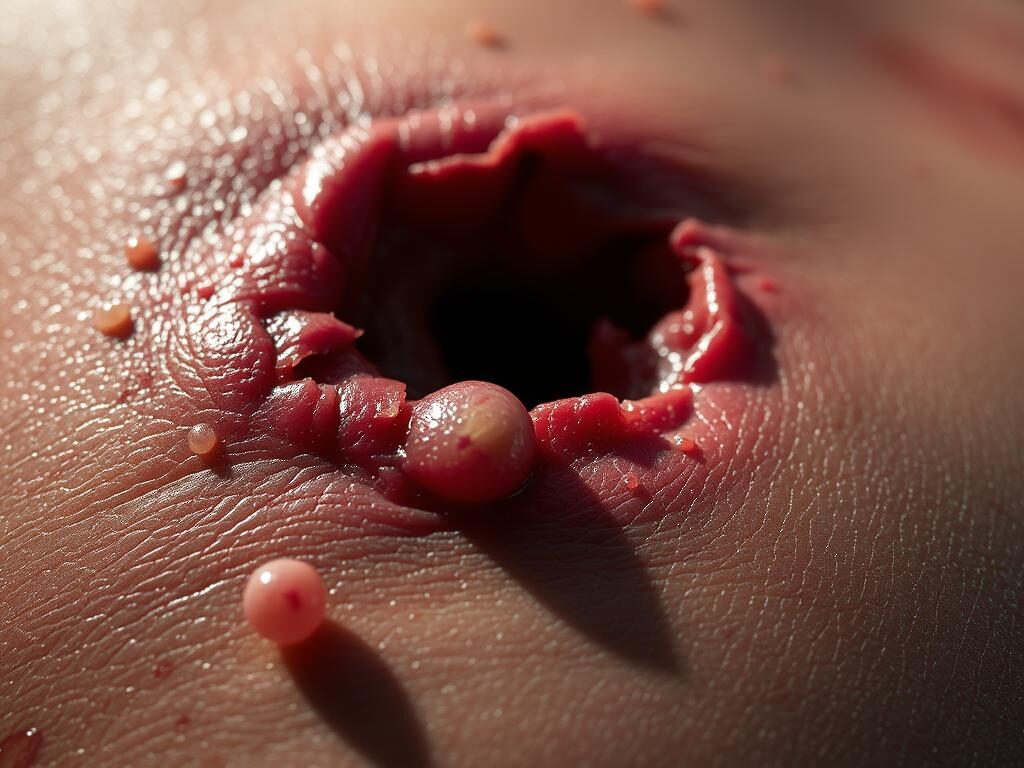
- Opening or separation of the wound edges
- Increased pain or tenderness
- Bleeding or hematoma
Emergency Response Protocol for Wound Problems
If you notice these symptoms, contact your surgeon right away. Waiting too long can cause big problems. Your quick action can greatly help your recovery.
How Specialized Wound Care Professionals Enhance Surgeon Follow-Up
Specialized wound care professionals are key in improving follow-up care after surgery. They make sure your wound heals right, cutting down on complications.
The Complementary Role of Wound Specialists
Wound specialists team up with your surgical team for full care. They offer:
- Expert assessment of wound healing progress
- Personalized care plans tailored to your needs
- Education on wound care and management
Technologies Used for Remote Monitoring and Assessment
Advanced tech lets wound care pros monitor you from afar. They can see how you’re healing and act fast if problems pop up. Some tools they use are:
- Digital wound imaging
- Remote patient monitoring systems
Telemedicine Innovations in Wound Care
Telemedicine has changed wound care by making virtual visits possible. This means:
- Less need for in-person visits
- More access to care for those far away or with mobility issues
- Quicker help when needed
With these tools and teamwork with surgeons, wound care pros can greatly improve your healing journey.
Creating a Seamless Care Transition Plan
Seamless care transition is more than just handing over care. It’s a key part of your recovery after surgery. A good care transition plan makes sure you get continuous, top-notch care from the hospital to your home.
Coordinating Between Hospital Discharge and Home Care
It’s important to have good communication between hospital teams and home care providers. They need to know about your treatment, medicines, and any special needs you have.
Documentation Systems That Improve Outcomes
Having accurate and easy-to-access records is key for a smooth transition. These records should include your wound care, medicines, and how you’re doing.
Digital Tracking of Healing Milestones
Digital systems can track your healing progress in real-time. This gives your healthcare team the info they need to make changes to your care plan. It helps you recover as well as possible.
Case Studies: Accelerated Recovery with Dominion Mobile Wound Care
Dominion Mobile Wound Care is changing the game in wound care. They offer specialized care right in your home. This approach has led to accelerated recovery for many patients.
Recent Success Stories from 2023
In 2023, Dominion Mobile Wound Care saw many success stories. Patients healed faster and had fewer complications. One patient, with a tough-to-heal surgical wound, was a standout.
Complex Surgical Case Resolutions
The patient got care from Dominion Mobile Wound Care’s expert team. They used the latest technologies and made a treatment plan just for the patient. Thanks to this, the wound healed much quicker than anyone thought.
Statistical Improvements in Healing Times
Statistics from Dominion Mobile Wound Care show big improvements in healing times. Their method is clearly working.
Comparative Recovery Data
Comparing recovery data, patients under Dominion Mobile Wound Care’s care heal faster.
This data shows the power of specialized wound care. It proves Dominion Mobile Wound Care’s dedication to better patient outcomes.
Conclusion: Taking Action for Optimal Healing
You’ve learned how important professional home care is for healing wounds after surgery. By understanding how our bodies repair tissue and what affects recovery, you can help your healing. This makes the process smoother and faster.
Professional home care boosts healing by providing special wound care and nutrition advice. It also includes timely interventions. With Dominion Mobile Wound Care, you get expert care at home. This reduces complications and helps your wounds heal better.
Don’t let surgical wounds slow you down. Take charge of your recovery by getting professional help. Think about hiring Dominion Mobile Wound Care to help you heal. Their team will create a care plan just for you, ensuring you get the best care for your needs.
FAQ
What are the benefits of receiving wound care at home?
Getting wound care at home can lower the chance of getting infections in the hospital. It makes recovery more comfortable. Plus, you get care that’s tailored just for you.
How do different surgical techniques affect recovery time?
Recovery times vary based on the surgery type. Minimally invasive surgeries usually heal faster. This is because they have smaller cuts and cause less damage.
What are the four biological phases of healing?
The healing process has four main stages: hemostasis, inflammation, proliferation, and remodeling. Knowing these stages helps you understand your recovery better.
What are some risk factors that may slow down my recovery?
Medical conditions like diabetes and habits like smoking can slow healing. Taking care of these can make recovery smoother.
How can nutrition support the recovery process?
Good nutrition, with enough protein and vitamins, is key for healing. Eating well helps your body repair tissues.
What are some signs of complications that require immediate attention from a surgeon?
Watch for signs like more redness, swelling, or discharge. These could mean an infection. If you see these, call your surgeon right away.
How can specialized wound care professionals complement surgeon follow-up care?
Wound care experts offer extra support and watch for problems early. They use new tech for checking on you from afar.
What is involved in creating a seamless care transition plan?
A good care plan means working well from hospital to home care. It uses systems to track progress and gives you the help you need.
How can Dominion Mobile Wound Care support my recovery?
Dominion Mobile Wound Care provides special care at home. They use the latest tools and make a plan just for you.