


Dominion Mobile Wound Care brings clinical-level treatment directly to where patients recover best—their homes. This approach reduces trips to clinics and lowers exposure to crowded waiting areas. It also helps maintain dressing integrity and keeps surgical incisions protected from contamination.
The team coordinates advanced options like hyperbaric oxygen therapy, which boosts oxygen levels to speed healing. They also manage negative pressure therapy (wound VAC) to remove fluids and draw edges together, and they perform active debridement with comfort measures when needed.
Home visits allow consistent assessments and quick adjustments if complications appear. The clinicians tailor plans to each surgery, medical conditions, and home setup. This hands-on oversight helps prevent reopening, infection, and delays that can follow transportation or missed follow-ups.
With clear communication and responsive scheduling, Dominion focuses on outcomes and patient comfort. Professional at-home services empower families and support daily routines while keeping monitoring and interventions timely and effective.
Key Takeaways
- At-home services reduce travel and exposure while preserving dressing and incision protection.
- Advanced therapies like hyperbaric oxygen and wound VAC are coordinated as needed.
- Regular visits allow early detection of infection, poor circulation, or other issues.
- Plans are customized to the surgery, comorbidities, and living environment.
- Dominion Mobile Wound Care emphasizes clear communication and patient comfort.
At-Home Wound Care That Accelerates Healing and Reduces Complications
Delivering advanced therapies at home reduces gaps in treatment and lowers the chance of setbacks. Regular visits keep dressings consistent, maintain moisture balance, and apply offloading techniques that support steady wound healing.
When indicated, plans may include oxygen therapy like hyperbaric oxygen therapy. In this non-invasive process, a patient breathes pure oxygen in a pressurized chamber so the lungs absorb more oxygen than with normal air. That extra oxygen helps the blood deliver growth factors and stem cells to the body and improves bacterial control for complex ulcers and wounds.
At-home monitoring speeds early detection of drainage, edema, or skin changes that can lead to complications. Clinicians coordinate with physicians to start the right therapy quickly, preserving mobility and limiting delays in recovery.
- Consistent routines save time and reduce exposure to public places.
- Individualized plans consider activity, meds, and nutrition for better outcomes.
- Prompt intervention lowers risks like maceration, dehiscence, and delayed granulation.
Dominion’s in-home approach in San Antonio focuses on steady progress and compassionate support during the healing process.
Why Post-Surgical Patients Benefit From Home-Based Care Today
Early, reliable visits at home catch small changes before they become major setbacks after surgery. Dominion Mobile Wound Care positions in-home visits to reduce risk and speed appropriate escalation when needed.
Risks of Delayed Care: Infection, Dehiscence, and Pain After Surgery
Delayed assessment lets infection take hold. Redness, warmth, odor, or increased drainage can threaten surgical closure and lead to broader health problems.
Dehiscence often follows tension on sutures, swelling, or weak tissue. Early offloading and inspection lower the chance of reopening.
Unmanaged pain limits movement and sleep. That raises stress hormones and can slow healing, creating more complications.
Benefits of In-Home Visits: Comfort, Consistency, and Timely Interventions
In-home monitoring catches subtle changes—increasing drainage or edge separation—so clinicians act quickly. Timely debridement and negative pressure therapy can speed closure and reduce pain.
Education at the bedside helps patients and caregivers with hand hygiene, warning signs, nutrition, and hydration. This practical support cuts infections and other setbacks.
- Aligns visit frequency with medical need for steady progress today
- Promotes adherence to dressing schedules and follow-up
- Enables rapid escalation when complications appear
Advanced Treatments Brought to Your Door
Coordinated referrals and in-home follow-up let clinicians sequence advanced treatments efficiently. This keeps therapy on track and fits care into daily life.
Hyperbaric Oxygen Therapy: Pressurized Oxygen to Boost Circulation and Growth Factors
Hyperbaric oxygen therapy uses pure oxygen in a pressurized chamber to increase dissolved oxygen in plasma. At roughly three times normal air pressure, the lungs capture more oxygen so the blood delivers it throughout the body.
This process supports bacterial control and stimulates growth factor and stem cell release to aid healing. Dominion coordinates referrals, scheduling, and follow-up so hyperbaric medicine fits the broader plan.
Negative Pressure Wound Therapy: Suction-Assisted Closure to Speed the Healing Process
Negative pressure systems remove exudate, lower edema, and mechanically draw edges together. Continuous suction protects periwound skin and helps grafts or complex sites stabilize.
NPWT suits deep or draining wounds and those at risk of contamination. Clinicians match the device, dressing, and schedule to each patient’s needs.
Debridement: Removing Nonviable Tissue to Reduce Infection and Support Healthy Skin
Active debridement clears necrotic tissue to expose healthy tissue for granulation. That lowers bioburden and lets topical antimicrobials work better.
Topical lidocaine can reduce discomfort during the procedure. When combined—debridement, NPWT, and hyperbaric oxygen—these treatments streamline recovery for complex cases, including radiation-related issues.
Conditions and Complications Common After Surgery We Address
After surgery, complex conditions often need focused monitoring and fast escalation to protect healing tissue.

Surgical sites, grafts, and flaps: supporting closure and integrity
Grafts and flaps can fail from tension, infection, or poor circulation. Clinicians use offloading, stabilization, and selective dressings to protect tissue and encourage closure.
When needed, NPWT and surgical debridement help manage deep or draining wounds while following the surgeon’s instructions.
Diabetes, ulcers, and vascular insufficiency: guarding skin with better oxygen delivery
Diabetes raises the risk of ulcers and secondary infection. Improved oxygen delivery and targeted modalities support granulation and skin preservation.
Arterial and venous insufficiency ulcers need edema control, compression when appropriate, and dressings that handle exudate without maceration.
Radiation injuries, osteomyelitis, and necrotizing infections: coordinated, urgent plans
Radiation-related injuries damage microvasculature and slow healing. Coordination may include debridement, targeted antimicrobials, and consideration of hyperbaric oxygen when indicated.
Osteomyelitis and necrotizing infections require rapid imaging, cultures or biopsy, and escalation to surgical and antibiotic treatment.
- Monitor circulation, color, temperature, and pain patterns for early detection.
- Integrate NPWT, selective advanced dressings, and debridement into tailored plans.
- Coordinate with surgeons and specialists to align treatment at home in San Antonio.
Post-Surgical Wound Care San Antonio: At-Home Expertise That Speeds Recovery
Bringing diagnostic tools to the home shortens time to targeted therapy and keeps recovery on track.
Assessment and Diagnostics: Wound Evaluation, Cultures, and Ongoing Monitoring
The team performs visual inspection and documents size, depth, tunneling, exudate, and peri‑skin condition with serial photos and measurements.
When signs suggest high bioburden or atypical organisms, clinicians coordinate surface or deep cultures, biopsies, or DNA testing to guide antimicrobial selection and escalation.
Negative pressure therapy and debridement are integrated when wounds are deep or draining to promote granulation and closure.
Personalized Plans: Pain Management, Dressing Selection, and Follow-Up Schedule
Plans include atraumatic dressing techniques, appropriate analgesics, and adjuncts to support mobility and adherence.
Dressing choices match moisture balance and bacterial burden — foams, alginates, hydrofibers, antimicrobials, or contact layers as indicated.
- Timely appointments set by acuity to document progress and adjust treatment.
- Coordination for hyperbaric oxygen therapy with local partners when indicated.
- Patient and family education covers hand hygiene, offloading, nutrition, and when to call for changes in drainage, odor, or pain.
Schedule an appointment for an in-home evaluation in San Antonio and keep recovery organized with experienced wound care specialists.
Safety First: Infection Prevention and Continuous Monitoring
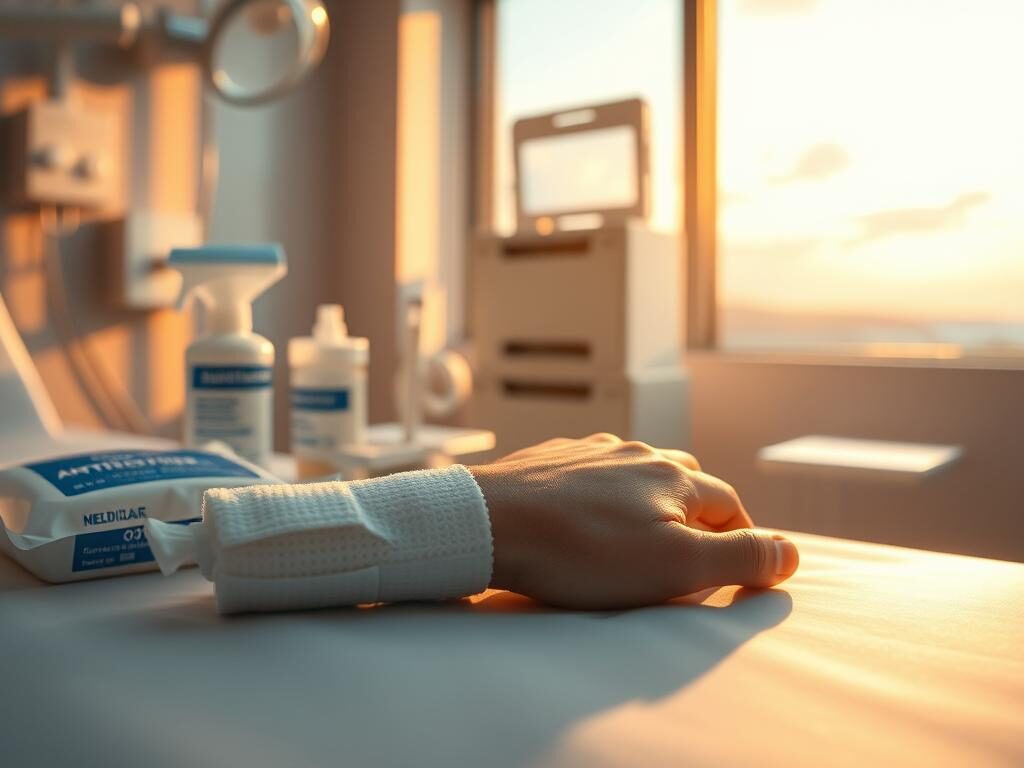
Home visits follow a clear, evidence-based process that reduces infection risk and protects fragile skin. Clinicians set up a clean field, perform hand hygiene, and use PPE and sterile or aseptic technique as the situation requires.
Evidence-Based Protocols: Clean Technique, Early Detection, and Rapid Escalation
Standardized checks look for rising pain, erythema, heat, odor, or increased exudate. These signs trigger immediate communication with the care team and fast escalation when thresholds are met.
Device management for NPWT includes seal checks, canister tracking, and protective measures under drapes to prevent medical adhesive-related skin injury. Regular device logs help spot problems early.
Debridement follows consent, appropriate analgesia, and conservative technique near vital structures. Clinicians observe post-procedure for bleeding or new pain and adjust the treatment plan as needed.
Documentation matters. Photo updates, time-stamped notes, and protocol-driven reassessments make progress and setbacks visible and traceable. Culture-driven adjustments guide antimicrobial choices quickly.
- Clean setup, hand hygiene, and PPE for dressing changes
- Clear thresholds for infection indicators and rapid escalation
- Device checks, canister logs, and skin protection with NPWT
- Safe debridement with consent, analgesia, and observation
Patient education covers hygiene, supplies handling, and disposal to reduce infections and protect household members. Dominion’s safety-first approach keeps wounds moving toward closure with minimal complications.
Why Choose Dominion Mobile Wound Care in San Antonio
Scheduling that works around work, family, and errands makes follow-through easier for patients. Dominion offers local, flexible appointment windows so treatment fits life, not the other way around.
Local, Convenient Appointments: Flexible Scheduling to Fit Your Life
Flexible visits reduce travel, shorten wait times, and support consistent therapy. Clinicians align visits with medication timing, mobility limits, and family schedules to improve adherence.
Compassionate Team and Proven Outcomes in Hyperbaric Medicine and Wound Care
The team emphasizes clear communication and comfort at every step. Dominion coordinates with hyperbaric medicine partners when hyperbaric oxygen therapy or other oxygen therapy is appropriate.
- Advanced dressing management and NPWT oversight
- Debridement coordination to avoid gaps in treatment
- Measurable outcomes: fewer complications and steady reduction in wound size
- Health education to help patients maintain gains between visits
Book an appointment to experience responsive, expert services at home and keep recovery on track with a local, compassionate team.
Conclusion
A focused in-home program helps patients move from surgery to steady recovery with fewer interruptions. , It improves consistency, comfort, and timeliness—keys to preventing complications and advancing healing.
Coordinated plans combine assessment, dressing optimization, pain control, and clear escalation pathways. Advanced options like hyperbaric oxygen, negative pressure systems, and precise debridement are aligned to speed closure and reduce pain.
A dedicated team ensures regular progress checks, open communication, and adjustments that protect overall health and life. Choose Dominion Mobile Wound Care in San Antonio to save time, lower risk, and start recovery today—schedule an appointment with the team to begin.
FAQ
What is the benefit of at-home post-surgical wound management?
At-home management helps patients recover in a familiar setting, reducing stress and promoting rest. It supports consistent dressing changes, early detection of infection, and timely interventions that lower the chance of complications such as dehiscence or delayed healing.
Which advanced therapies can be delivered at home to speed healing?
Mobile teams can provide therapies like hyperbaric oxygen therapy in coordinated outpatient settings and bring negative pressure therapy and professional debridement to patients when safe and appropriate. These options improve circulation, reduce bacterial load, and encourage healthy tissue growth.
How does hyperbaric oxygen therapy help surgical recovery?
Hyperbaric oxygen increases dissolved oxygen in blood, improving tissue perfusion and supporting collagen production and angiogenesis. For patients with compromised circulation or grafts, it can reduce infection risk and enhance graft take and overall healing.
When is negative pressure therapy used after surgery?
Negative pressure therapy is used to manage complex surgical sites, remove exudate, and promote wound edge approximation. It is appropriate for large incisions, graft donor sites, and areas where fluid control and mechanical stimulation of tissue healing are needed.
What signs of infection or complications should prompt immediate contact?
Patients should report increasing pain, redness spreading from the incision, new drainage that is foul or colored, fever, or wound separation. These symptoms can indicate infection, osteomyelitis risk, or necrosis and require rapid assessment.
How do clinicians decide if a patient needs debridement?
Clinicians assess tissue viability, presence of necrotic material, and infection. Debridement is recommended when nonviable tissue prevents healing, increases bacterial burden, or interferes with grafts and flaps. The team chooses sharp, enzymatic, or mechanical methods based on the clinical scenario.
Can home-based teams manage patients with diabetes or vascular insufficiency?
Yes. Mobile specialists evaluate circulation, glucose control, and skin integrity, then provide targeted interventions such as offloading, dressing selection, and coordination with endocrinology or vascular surgery. Improved oxygenation and monitoring reduce the risk of ulcers and tissue loss.
Are radiation-related injuries or osteomyelitis treatable through home programs?
These conditions require coordinated care. Mobile services can perform ongoing assessments, wound cleansing, dressing changes, and arrange hyperbaric therapy or surgical referrals when indicated. Timely escalation ensures appropriate multidisciplinary management.
How often will a clinician visit after surgery for at-home follow-up?
Visit frequency depends on wound status, therapy type, and healing phase. Early postoperative follow-up may occur daily or every few days, then taper to weekly as healing progresses. Schedules are personalized for pain control, dressing needs, and monitoring.
What infection-prevention practices do home teams follow?
Teams use evidence-based sterile technique, barrier precautions, and standardized protocols for dressing changes and antisepsis. They perform cultures when needed and educate patients and caregivers on hand hygiene, dressing care, and signs that require urgent attention.
How does Dominion Mobile Wound Care coordinate treatment and referrals?
The team conducts thorough assessments, documents findings, and communicates with surgeons, primary care providers, and specialists. They schedule diagnostics like cultures or imaging and arrange hyperbaric therapy or surgical consultation when the clinical picture warrants escalation.
Will therapy at home affect pain and mobility during recovery?
Proper dressing selection, timely interventions, and pain management strategies reduce discomfort and support earlier mobility. Clinicians tailor plans to minimize pressure on surgical sites and recommend safe activity levels to protect healing tissue.
How are patient outcomes tracked during home-based treatment?
Care teams monitor wound measurements, tissue appearance, drainage, and patient-reported symptoms. They use standardized documentation and photos to track progress, adjust the plan, and report outcomes to the referring surgical team.