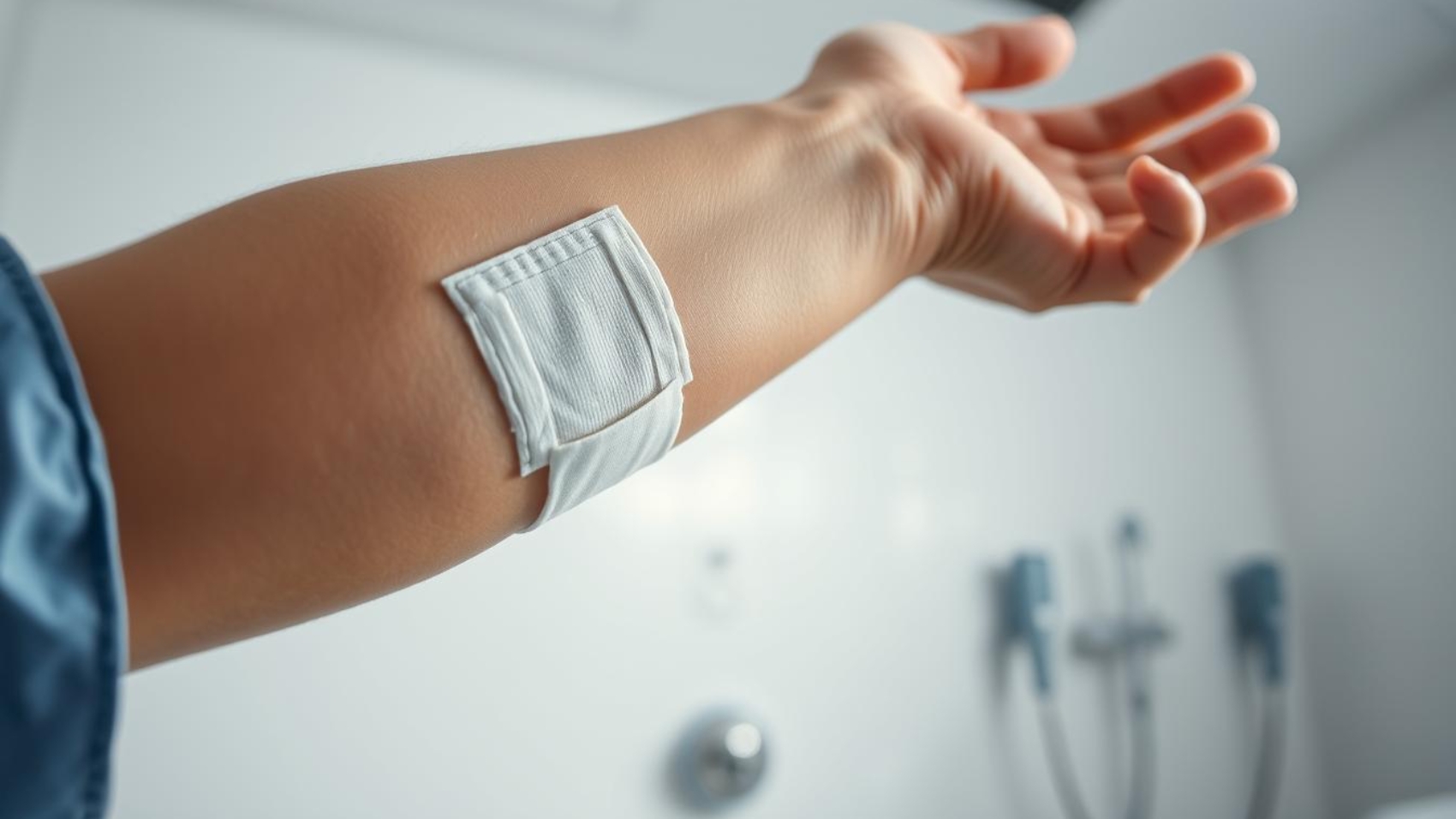
After surgery or an injury, proper wound care is key to avoid complications and help healing. Germs can get into the cut made during surgery, causing surgical wound infections. This can lead to redness, swelling, and pus. It’s vital to know how to prevent these infections.
To lower the chance of wound infections, you can take several steps. For more detailed advice on caring for wounds at home, check out Dominion Mobile Wound Care. They offer great tips on keeping your wound clean and watched.
Key Takeaways
- Keep your wound clean and monitored to support healing.
- Recognize signs of infection, such as worsening pain or unusual discharge.
- Maintain adequate nutrition and hydration to support tissue repair.
- Follow proper at-home care procedures to reduce infection risk.
- Seek professional help if you notice any signs of infection or if you’re unsure about wound care.
The Growing Challenge of Post-Operative Infections
Surgical site infections (SSIs) are becoming a big problem in the U.S. These infections make healing harder and cost a lot of money. They also affect how well patients do after surgery.
Current Statistics in American Healthcare
SSIs happen to many people who have surgery. The rates vary, from 5-20% depending on the surgery type. These infections lead to longer hospital stays and can be deadly, making them a major worry for doctors.
| Type of Surgery | SSI Incidence Rate | Average Hospital Stay |
|---|---|---|
| Orthopedic Surgery | 5-10% | 5-7 days |
| Cardiac Surgery | 1-5% | 7-10 days |
| General Surgery | 10-20% | 3-5 days |
Financial and Health Impacts of Wound Complications
SSIs cost a lot because of longer hospital stays and extra treatments. They can also cause long-term problems like chronic pain and mobility issues. If you notice signs of infection like redness or swelling, get medical help right away.
At Dominion Mobile Wound Care, we know how complex wound care can be. We’re here to help you heal and avoid infections. If you’re worried about your wound, contact us for expert help.
Understanding Common Wound Bacteria and Pathogens
It’s key to know the bacteria that cause wound infections for good wound care. Sterile wound care helps stop harmful bacteria from getting into wounds. Knowing the common pathogens helps healthcare providers plan the best treatments.
Most Frequent Bacterial Culprits in Wound Infections
The top bacteria causing wound infections are Staphylococcus aureus and Escherichia coli
| Bacteria Type | Common Infections | Typical Treatment |
|---|---|---|
| Staphylococcus aureus | Skin infections, abscesses | Antibiotics, drainage |
| Escherichia coli | Urinary tract infections, wound infections | Antibiotics, supportive care |
Antibiotic Resistance Concerns in Wound Care
The problem of antibiotic resistance is big in wound care. Bacteria like Staphylococcus aureus are now resistant to many antibiotics. It’s important to know the local resistance patterns to choose the right treatment.
To fight antibiotic resistance, we must use antibiotics wisely and keep wounds clean. This helps prevent infections and helps wounds heal better. If you’re dealing with wound infections or antibiotic resistance worries, talk to experts like Dominion Mobile Wound Care for help.
Recognizing Early Signs of Wound Infection
It’s important to know the early signs of wound infection. This helps you act fast and avoid bigger problems. Spotting these signs early can help your wound heal better and faster.
Visual Indicators That Require Attention
Checking your wound regularly is key. Look for increased redness, swelling, or pus. These signs might mean an infection is starting.
Physical Symptoms of Developing Infections
Your body can show signs of infection too. Watch for fever, increased pain, or feeling unwell. If you notice these, act quickly.
When Normal Healing Differs From Infection
It’s important to know the difference between healing and infection. Some redness and swelling are okay, but too much or pus isn’t. Knowing this can help you spot problems early.
| Normal Healing Signs | Potential Infection Signs |
|---|---|
| Mild redness | Excessive redness |
| Minimal swelling | Increased swelling |
| No pus or discharge | Presence of pus or discharge |
If you’re not sure about your wound or see infection signs, see a doctor. At Dominion Mobile Wound Care, we’re here to help you heal. Let us guide you on your recovery journey.
Wound Infection Prevention: Essential Strategies
Preventing wound infections is key to better patient care after surgery or injury. Using proven methods can lower the chance of wound problems and help wounds heal faster.
Medical-Grade Prevention Techniques
Using top-notch prevention methods is essential to fight off wound infections. This includes proper wound cleaning and sterile dressing changes. These steps are critical to stop bacteria from growing. Also, antibiotic prophylaxis in some cases can help lower infection risks.
| Prevention Technique | Description | Benefits |
|---|---|---|
| Proper Wound Cleaning | Regular cleaning with the right solutions | Reduces bacterial load, promotes healing |
| Sterile Dressing Changes | Using sterile equipment and dressings | Prevents contamination, supports a clean environment |
| Antibiotic Prophylaxis | Targeted antibiotic use in high-risk cases | Reduces infection risk, specially in complex wounds |
New Research in Infection Control
New studies in wound care have brought better prevention methods. Research on new dressing materials and innovative wound care technologies is promising. For the latest on preventing infections, check out Dominion Mobile Wound Care’s resources.
Keeping up with the latest in wound infection prevention is important. It helps protect your health and ensures the best care. If you’re dealing with wound care issues or think you might have an infection, contact experts like Dominion Mobile Wound Care for help.
Proper Wound Cleaning and Sanitization Protocols
Cleaning and sanitizing wounds is key to healing. You are important in keeping infections away. By using the right cleaning methods, your wound will heal faster and better.
Step-by-Step Cleaning Guide for Different Wound Types
Every wound needs a special cleaning method. For small cuts and scrapes, use mild soap and warm water. But for deeper or infected wounds, use sterile saline solution to keep out wound bacteria.
Here’s a simple guide for cleaning different wounds:
- For minor cuts, use mild soap and lukewarm water.
- For surgical wounds or deep cuts, use sterile saline solution.
- For wounds with debris, irrigate with sterile water.
Recommended Cleaning Solutions and Products
In sterile wound care, the products matter a lot. Saline solutions are best because they are gentle yet effective. But be careful with antiseptic cleansers, as they can sometimes harm the wound or slow healing.
Here are some good products:
- Saline solution for general wound cleaning.
- Antiseptic wipes for initial cleaning of dirty wounds.
- Hydrogen peroxide (diluted) for specific cases where it’s recommended by a healthcare provider.
By following these tips and using the right products, you can lower infection risks and help your wound heal well. If you’re not sure about your wound, get help from experts like Dominion Mobile Wound Care for advice and care.
Sterile Wound Care: Dressing Changes and Management
Sterile wound care is key to avoiding infections. Proper dressing changes are vital for healing. Learning how to safely remove and apply dressings can greatly reduce wound complications.
How to Safely Remove and Apply Dressings
Start by washing your hands with soap and water before removing a dressing. Gently take off the dressing without pulling on the wound. If it sticks, use sterile saline solution to moisten it.
When putting on a new dressing, make sure the wound is clean and dry. Use sterile gloves or a non-touch method. Secure the dressing firmly but not too tightly.

Choosing the Right Dressing for Your Specific Wound
The right dressing depends on the wound’s type, size, and healing stage. For example, hydrocolloid dressings work well for wounds with little drainage. Alginate dressings are better for those with a lot of drainage.
Always talk to a healthcare professional to find the best dressing for your wound. The right dressing helps create a healthy healing environment and lowers infection risk.
By following these sterile wound care tips, you can improve wound infection prevention. If you’re unsure about your wound care, contact professionals like Dominion Mobile Wound Care. They offer expert guidance and support for effective wound healing.
Nutrition and Lifestyle Factors in Wound Healing
What you eat and how you live can really affect how well your body heals wounds. Eating the right foods and making smart lifestyle choices can help a lot. Some foods and habits can make healing faster, while others can slow it down.
Foods That Accelerate the Healing Process
Eating foods full of protein, vitamin C, and zinc can help wounds heal faster. Protein-rich foods like lean meats and fish help build new tissue. Foods high in vitamin C, like citrus fruits and berries, boost collagen and help your immune system. Zinc in nuts and seeds also aids in tissue repair.
Habits That Hinder Wound Recovery
Some lifestyle choices can slow down wound healing. Smoking cuts down blood flow, making healing slower. Drinking too much alcohol also weakens your immune system, making it harder for wounds to heal. Staying healthy by avoiding these habits is key for quick recovery.
By eating well and living healthily, you can help your body heal wounds better. For more help and advice, talk to experts like Dominion Mobile Wound Care. They can guide you on your way to better health.
Environmental Considerations for Wound Recovery
When you’re recovering from surgery or injury, your surroundings are key. A clean environment helps prevent wound infections and aids in healing.
Creating an Optimal Healing Environment at Home
To make your home healing-friendly, keep your wound clean and dry. Clean it regularly with the right solutions. Make sure the area around it is free from dirt. Good hygiene is essential to avoid infections.
Protecting Wounds During Daily Activities
It’s important to protect your wound during daily tasks. Use waterproof dressings or covers when bathing or showering. Also, be careful with your movements to avoid straining the wound.
If you need help to ensure your wound heals right, contact Dominion Mobile Wound Care. They offer expert advice and care.
When to Seek Professional Wound Care Services
Knowing when to get help for wound care is key to a smooth recovery. After surgery or injury, watch for signs that your wound isn’t healing right.
Warning Signs That Require Immediate Medical Attention
Look out for these symptoms to get medical help fast:
- Increased redness or swelling around the wound
- Pus or discharge from the wound
- A foul odor from the wound
- Increased pain or tenderness
- Fever or chills
These signs might mean wound bacteria or an infection that needs a doctor’s touch.

Benefits of Early Intervention for Infected Wounds
Acting quickly on infected wounds can make a big difference. It helps by:
- Preventing the spread of infection
- Reducing the risk of complications
- Promoting faster healing
- Minimizing scarring
If you see infection signs, get professional wound care right away. Services like Dominion Mobile Wound Care offer care at home, making it easier for you.
Getting medical help quickly can lead to a better recovery. It also lowers the chance of lasting damage. If worried about your wound, contact Dominion Mobile Wound Care for effective care at home.
Dominion Mobile Wound Care’s Advanced Treatment Approaches
Patients can now get top-notch wound treatment at home with Dominion Mobile Wound Care. This new way of wound care uses the latest technology and focuses on each patient’s needs. It ensures patients get the best care for their wounds.
Specialized At-Home Wound Care Services
Dominion Mobile Wound Care offers specialized at-home wound care services. Their team of experts uses sterile wound care practices. This keeps wounds clean and safe, helping them heal faster.
The services include:
- Personalized wound care plans
- Advanced wound dressings and treatments
- Ongoing monitoring and support
| Service | Description | Benefit |
|---|---|---|
| Personalized Care Plans | Tailored to individual patient needs | Enhanced healing process |
| Advanced Wound Dressings | Latest technology in wound care | Faster recovery times |
| Ongoing Monitoring | Continuous support and assessment | Prevention of complications |
How Mobile Wound Care Improves Patient Outcomes
Dominion Mobile Wound Care brings care to the patient’s home. This improves outcomes by preventing infections and acting quickly. Their mobile service ensures consistent, high-quality care, lowering the chance of complications and hospital stays.
The benefits of mobile wound care include:
- Reduced risk of hospital-acquired infections
- Increased patient comfort and compliance
- Improved healing rates due to timely and consistent care
If you’re having trouble with wound recovery, contact Dominion Mobile Wound Care. Learn about their advanced treatments and how they can help you heal.
Conclusion
Preventing wound infections needs a full plan. This includes good wound care, eating right, and making lifestyle changes. By following the tips in this article, you can lower your chance of wound problems and help your body heal faster.
Cleaning and dressing wounds right is key to avoiding infections. Also, eating well and avoiding things that slow healing can help your wound get better.
If you’re having trouble with wound care or think you might have an infection, get help right away. Dominion Mobile Wound Care offers special at-home care. Their experts can help you heal faster and more comfortably at home.
FAQ
What are the most common bacteria that cause wound infections?
Common bacteria causing wound infections are Staphylococcus aureus, Pseudomonas aeruginosa, and Escherichia coli. These can lead to serious infections if not managed properly.
How can I identify the early signs of wound infection?
Look for signs like increased redness, swelling, warmth, and pain around the wound. Also, watch for pus or discharge. If you see these, get medical help right away.
What are the best ways to prevent wound infections after surgery or injury?
To prevent infections, clean and sanitize the wound well. Use sterile techniques for wound care. Also, eat well and avoid smoking.
How often should I change my wound dressing?
Change dressings daily or when they get dirty or wet. This depends on the wound’s type and severity.
What are the benefits of seeking professional wound care services?
Professional care can help wounds heal faster and reduce complications. It improves health outcomes. Experts provide care tailored to your needs.
How can nutrition impact wound healing?
Eating a balanced diet with vitamins, minerals, and proteins helps wounds heal. Foods like fruits and vegetables, rich in antioxidants, also aid healing.
What are some environmental considerations for wound recovery?
For a good healing environment, keep the wound area clean. Maintain a comfortable temperature and reduce stress. Protect the wound during daily activities.
Can I receive wound care services at home?
Yes, services like Dominion Mobile Wound Care offer at-home care. This is great for those with mobility issues or needing ongoing care.
What are the signs that I need to seek immediate medical attention for my wound?
Look for increased pain, swelling, redness, or discharge. Also, watch for fever or chills. If you notice these, get medical help quickly.