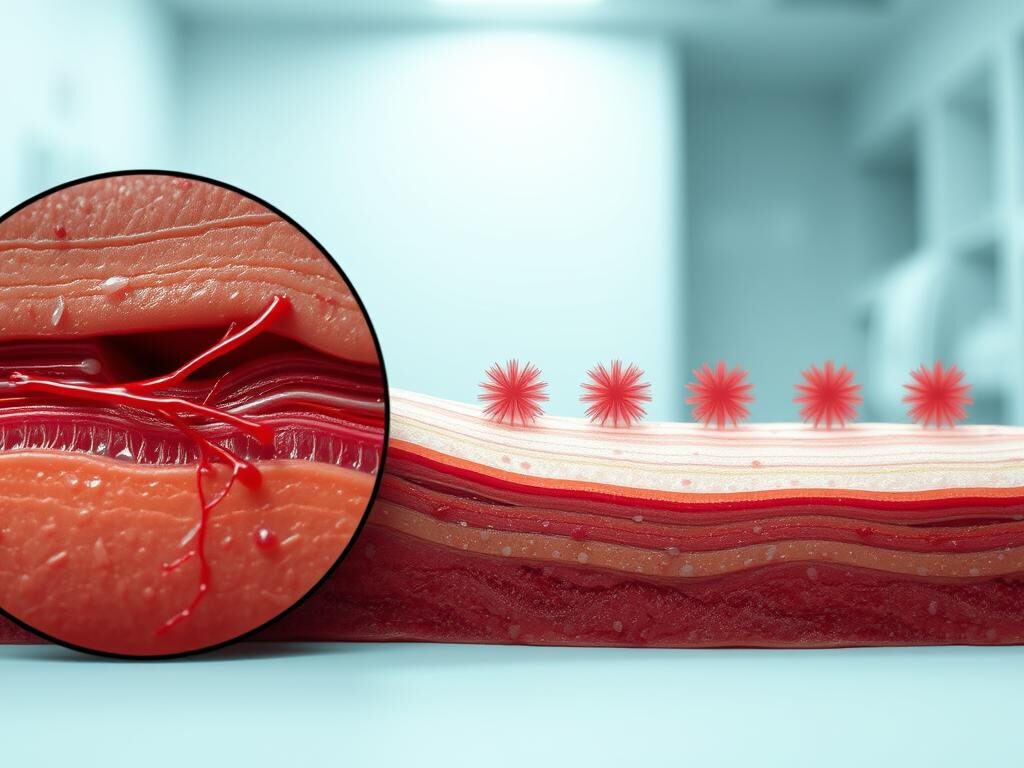
In-home wound care San Antonio

How In-Home Wound Care Supports Faster Healing for Patients in San Antonio

Getting medical care at home can really help you get better faster. With in-home wound care from Dominion Mobile Wound Care, you can heal in your own space. You’ll be surrounded by your loved ones and in a place you know well.

Getting treated at home is more comfortable. It’s great for people who need wound treatment. Dominion Mobile Wound Care provides top-notch care. They make sure you get the best treatment possible.

Key Takeaways

  • Recover at your own pace with in-home care.
  • Benefit from a relaxed environment at home.
  • Receive expert wound care from Dominion Mobile Wound Care.
  • Surround yourself with family during recovery.
  • Enjoy personalized care tailored to your needs.

If you need professional wound care, think about contacting Dominion Mobile Wound Care. They offer excellent service and support as you heal.

Understanding In-Home Wound Care

In-home wound care helps patients heal in their own homes. It’s great for those recovering from surgeries, injuries, or chronic conditions. This care is given by skilled professionals, like wound care nurses in SA.

What is In-Home Wound Care?

In-home wound care offers medical and non-medical services. These services are customized for each patient. This ensures they get the best care for their needs.

At home, patients get skilled nursing, wound cleaning, and pain management. They also learn about wound care and preventing future wounds. This care keeps them safe from hospital infections and stress.

Benefits of In-Home Care vs. Hospital Care

In-home care has many benefits over hospital care. It lowers the risk of infections. It also keeps patients comfortable and mentally well, which helps in recovery.

In-home care is very personal. Dominion Mobile Wound Care‘s team creates a care plan just for you. They work with patients and families to meet their unique needs.

Choosing in-home care with Dominion Mobile Wound Care means top-notch care at home. If you need wound care in San Antonio, contact Dominion Mobile Wound Care. They’ll support your healing journey.

The Role of Dominion Mobile Wound Care

Dominion Mobile Wound Care brings expert care right to your home. This ensures a safe and comfortable recovery. Their team focuses on top-notch elderly wound support in San Antonio.

About Dominion Mobile Wound Care

Dominion Mobile Wound Care is a top choice for in-home wound care. They specialize in caring for elderly patients with complex wounds. Their team provides personalized care that meets each patient’s unique needs.

Choosing Dominion Mobile Wound Care means getting a full range of wound management services. They offer advanced treatments and constant monitoring. This personalized care helps wounds heal faster and reduces complications.

Services Offered by Dominion

Dominion Mobile Wound Care offers many services to meet patient needs. These include:

  • Wound assessment and treatment planning
  • Advanced wound care techniques and therapies
  • Ongoing monitoring and adjustment of treatment plans as needed
  • Patient and family education on wound care and management

If you or a loved one needs wound care, contact Dominion Mobile Wound Care. They offer compassionate support for healing at home.

Types of Wounds Treated at Home

Dominion Mobile Wound Care treats many types of wounds at home. Their skilled nurses and therapists are ready to help. They ensure you get the best care possible.

Surgical Wounds

Surgical wounds happen during surgery. They can be complex and need careful watching to avoid infection and help them heal. Dominion Mobile Wound Care’s team is experienced in managing surgical wounds, helping you recover smoothly.

Diabetic Ulcers

Diabetic ulcers are common in people with diabetes. They can be hard to heal and need special care. Dominion Mobile Wound Care offers comprehensive treatment plans for diabetic ulcers, including wound cleaning, dressing, and managing underlying conditions.

Pressure Injuries

Pressure injuries, also known as pressure sores or bed sores, happen when skin is under too much pressure for too long. Dominion Mobile Wound Care’s team is trained to identify and treat pressure injuries. They use techniques like repositioning, wound cleaning, and applying specialized dressings.

Type of Wound Description Treatment Approach
Surgical Wounds Injuries occurring during surgery Monitoring, wound cleaning, dressing
Diabetic Ulcers Complication of diabetes Wound cleaning, dressing, managing underlying conditions
Pressure Injuries Damage from prolonged pressure on skin Repositioning, wound cleaning, specialized dressings

home wound service Texas

If you’re dealing with these wound types, think about contacting Dominion Mobile Wound Care. They offer professional and caring services right in your home.

The Healing Process at Home

Healing wounds at home needs the right environment and expert care. As a patient getting in-home wound care in San Antonio, you get help from skilled nurses. They make sure your wound heals right.

Importance of a Clean Environment

Keeping the area around the wound clean and dry is key. Also, make sure all wound care tools are sterile. Dominion Mobile Wound Care’s team stresses the need for a clean space to avoid infections and aid healing.

Regular Monitoring and Care

Regular checks and care are vital for healing. Wound care nurses from Dominion Mobile Wound Care will come to your home. They will check the wound, treat it, and adjust your care plan if needed. This keeps any problems caught early and ensures your wound heals well.

With Dominion Mobile Wound Care, you’re in safe hands. Their team is committed to helping you heal your wounds at home.

If you need professional wound care in San Antonio, contact Dominion Mobile Wound Care. They’ll support your healing journey.

Personalized Treatment Plans

Dominion Mobile Wound Care creates personalized treatment plans for you. This ensures you get the best care for your wounds. It makes your healing process better by focusing on your specific needs.

Tailoring Care to Your Needs

Every wound is different, needing a care plan that fits just right. Dominion Mobile Wound Care works with you and your caregivers. They make a plan that matches your condition, lifestyle, and goals. This way, you get the top care for you.

Care Aspect Standard Care Personalized Care
Treatment Frequency Fixed schedule Adjusted based on patient needs
Wound Assessment Routine evaluation Comprehensive and continuous monitoring
Caregiver Involvement Limited interaction Active engagement and education

Importance of Communication with Caregivers

Good communication is key. It’s between you, your caregivers, and Dominion Mobile Wound Care. This way, any worries or changes in your health are quickly talked about. Your treatment plan can then be adjusted as needed.

Working together helps you get the best results in healing your wound.

Need professional wound care? Contact Dominion Mobile Wound Care. They offer a personalized plan to help you heal and stay well.

Expert Care for Complex Cases

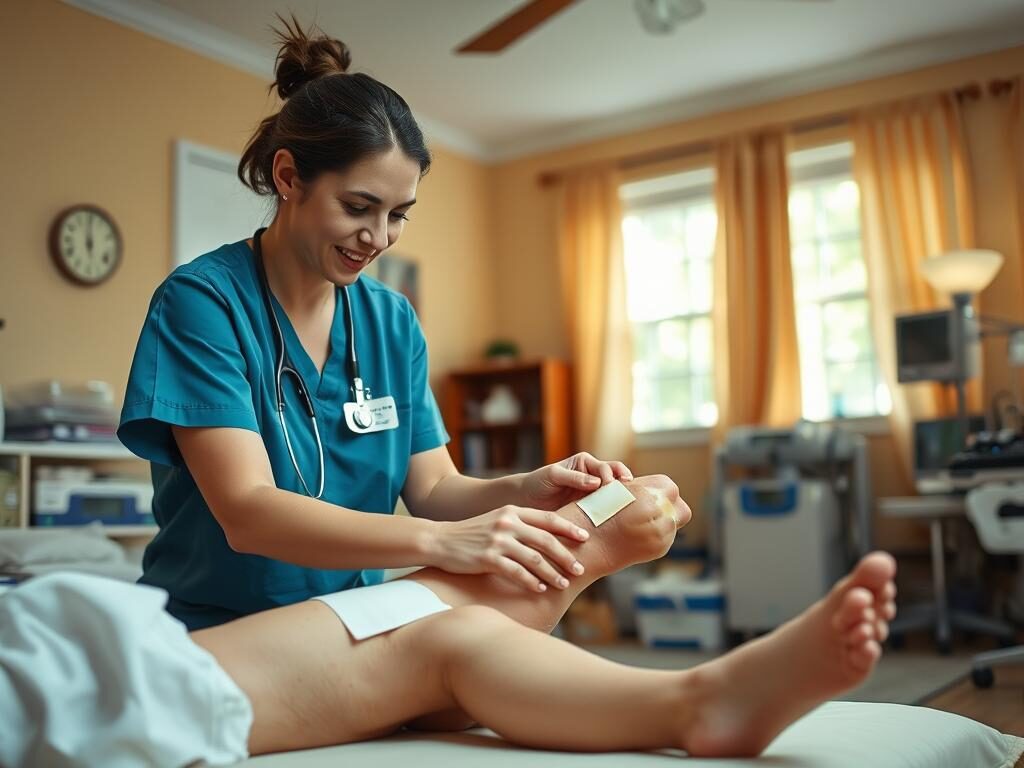
When you have complex wounds, getting expert care is key for healing. These wounds are hard to manage and can get worse without the right treatment.
in-home wound care San Antonio

Complex wounds need special care. If you or a loved one has a wound that’s not healing, it’s time to get help.

When to Seek Specialized Help

Look for specialized help if you see these signs:

  • Increased pain or swelling around the wound
  • Delayed healing or no improvement in the wound
  • Signs of infection, such as redness, warmth, or pus
Signs of Complex Wounds Actions to Take
Increased pain or swelling Consult a healthcare professional immediately
Delayed healing Seek specialized wound care
Signs of infection Get emergency medical attention if severe

Expertise of Dominion Mobile Wound Care

Dominion Mobile Wound Care has a team ready to handle complex wounds. They offer personalized care to meet your needs, aiming for the best results.

In San Antonio, if you have a complex wound, think about Dominion Mobile Wound Care for in-home wound care. Their team is committed to helping you heal quickly and well.

Don’t let complex wounds stop you. Contact Dominion Mobile Wound Care today for a consultation. Start your healing journey now.

Technology in Wound Care

Technology has changed wound care in San Antonio for the better. Dominion Mobile Wound Care uses the latest tech to help wounds heal faster. This leads to better results for patients.

Advanced Healing Techniques

Dominion Mobile Wound Care uses new methods to heal wounds. These include negative pressure wound therapy and enzymatic debridement. These methods help wounds heal better.

Negative pressure therapy uses a vacuum to help wounds heal. It boosts blood flow and cuts down on fluid. Enzymatic debridement breaks down dead tissue, making room for new tissue to grow.

Technique Description Benefits
Negative Pressure Wound Therapy Uses a vacuum dressing to enhance healing Promotes blood flow, reduces fluid
Enzymatic Debridement Breaks down dead tissue using enzymes Allows for healthier tissue growth

Use of Telehealth Services

Dominion Mobile Wound Care also uses telehealth. This lets patients talk to specialists without leaving home. It cuts down on hospital visits.

This makes care easier for patients. It also means any problems can be fixed quickly. Dominion Mobile Wound Care offers both in-person and remote care.

Having trouble with a wound? Dominion Mobile Wound Care can help. Their team is ready to assist you in getting the best care.

Patient and Family Involvement

Dominion Mobile Wound Care believes in the power of patient and family involvement. By working together, the care team can offer more support. This leads to better healing outcomes.

Educating Family Members

Education is a key part of patient and family involvement. Dominion Mobile Wound Care teaches family members how to care for their loved ones. They learn about wound care, recognizing complications, and keeping a clean environment.

Topic Description Benefits
Wound Care Basics Understanding how to clean, dress, and manage wounds Promotes healing, reduces infection risk
Recognizing Complications Identifying signs of infection or other issues Early intervention, prevents serious complications
Safe Environment Maintaining a clean and safe home environment Reduces risk of falls, infections, and other hazards

Encouraging Emotional Support

Emotional support is vital for patients, but even more so for the elderly. Dominion Mobile Wound Care encourages family members to offer emotional support. Simple actions like being present and listening can greatly help.

If you or a loved one needs wound care, consider Dominion Mobile Wound Care. Their team provides personalized, compassionate care to support your healing.

Insurance and Payment Options

Dominion Mobile Wound Care makes it easy to understand your insurance and payment options. You should get quality care without worrying about money.

Understanding Coverage for In-Home Care

Insurance can be hard to understand, but Dominion Mobile Wound Care is here to help. Our team will work with you to know your insurance coverage. This way, you can get the care you need without worrying about money.

Insurance Coverage Details:

Insurance Provider Coverage Out-of-Pocket Costs
Medicare Typically covers wound care services Varies by plan
Medicaid Covers wound care services, eligibility varies Minimal to none
Private Insurance Covers wound care, specifics vary by plan Copays and deductibles apply

Affordable Care Solutions with Dominion

At Dominion Mobile Wound Care, we believe everyone should have access to quality wound care. That’s why we offer affordable care solutions. Our team will help you find the best payment options, so you can focus on healing without stress.

If you’re in San Antonio and need reliable in-home wound care, Dominion Mobile Wound Care is here for you. Our dedicated team will support you through every step of your recovery. We’ll help you understand your insurance and provide compassionate care. Contact us today to learn more about our services and how we can help you heal at home.

Why Choose Dominion Mobile Wound Care?

Dominion Mobile Wound Care is a top choice for in-home wound care in San Antonio. Their team of skilled nurses and therapists is ready to help you heal at home. They are dedicated to your recovery.

Expertise You Can Trust

Their nurses are experts in giving personalized care, including support for the elderly. They make sure you get the best treatment in your own home. You can count on them for quality care.

If you or a loved one needs wound care, think about Dominion Mobile Wound Care. They offer both expertise and caring service. They are perfect for those in San Antonio looking for top-notch wound care nurses.

FAQ

What is in-home wound care, and how can it benefit me or my loved one?

In-home wound care lets patients get medical help at home. It’s great for those in San Antonio needing wound treatment. It lets them heal at their own pace, with family nearby.

What types of wounds can be treated at home by Dominion Mobile Wound Care?

Dominion Mobile Wound Care can handle many wounds. This includes surgical wounds, diabetic ulcers, and pressure injuries. Their nurses and therapists are trained to tailor care for each patient.

How does Dominion Mobile Wound Care ensure that patients receive personalized care?

Dominion Mobile Wound Care makes care plans just for each patient. They work with patients and caregivers to make sure the plan works. They also address any concerns quickly.

What role does technology play in wound care, and how is it used by Dominion Mobile Wound Care?

Technology is key in wound care, and Dominion Mobile Wound Care leads the way. They use the latest in wound management, like negative pressure therapy. They also use telehealth for timely care.

How can family members be involved in the wound care process, and why is it important?

Dominion Mobile Wound Care teaches family members how to help. They give them the skills to support the patient’s recovery. Emotional support is also vital for the patient’s well-being.

What are the benefits of choosing Dominion Mobile Wound Care for in-home wound care services in San Antonio?

Dominion Mobile Wound Care is a top choice in San Antonio. They have a team of experienced nurses and therapists. They offer personalized care, advanced techniques, and affordable solutions.

How does Dominion Mobile Wound Care handle insurance and payment options?

Dominion Mobile Wound Care helps patients understand their insurance and payment options. They make sure patients get the care they need without worrying about money. This way, they can offer high-quality care affordably.

What is the importance of a clean environment in the healing process, and how is it maintained?

A clean environment is key for wound healing. Dominion Mobile Wound Care’s team emphasizes this. They provide regular care to ensure the wound heals properly and address any issues quickly.

When should I seek specialized help for complex wound care needs?

If you have complex wound care needs, seek specialized help. Dominion Mobile Wound Care has experts for complex wounds. They provide specialized care for advanced wound management.
Healing Timeline

How Long Does It Take for Wounds to Heal with At-Home Care

You need clear expectations when caring for a wound at home. This short guide explains the typical timeline and the steps your body follows from injury to tissue remodeling. It draws on Canadian and international guidance, including Wound Care Canada and the International Wound Infection Institute.

The process moves through predictable stages that depend on wound type, depth, and location. Minor cuts often close fast, while deeper injuries take longer to rebuild tissue and return function.

You’ll learn practical at-home actions—clean technique, moisture balance, nutrition, and safe movement—that support steady progress. This section also highlights when to seek help and how a coordinated home service can speed recovery.

Dominion Mobile Wound Care offers at-home assessment, dressing selection, and coaching to help shorten the overall time to closure. Hire Dominion Mobile Wound Care to help heal your wounds.

Key Takeaways

  • Expect a predictable healing timeline based on wound depth and type.
  • Simple at-home steps can speed tissue repair and lower risks.
  • Follow evidence-based guidance for infection prevention and wound bed care.
  • Know the warning signs that require professional attention.
  • Mobile services like Dominion Mobile Wound Care make consistent care easier.

Understanding At-Home Wound Care and What Influences Your Healing Timeline

Knowing how wounds mend in your body lets you shape daily routines for better results. The biological phases of the healing process set a predictable course, but many personal factors change how fast you recover.

Local and systemic factors such as age, diabetes, steroid use, and vascular status affect tissue repair. Good blood supply and local perfusion bring oxygen, nutrients, and immune cells that drive tissue healing.

Moisture balance and clean technique support granulation and epithelialization. Infection control lowers bacterial burden and keeps the wound bed ready to advance through phases.

  • You respond differently to similar injuries because of your individual health and daily habits.
  • Smoking, poor nutrition, or low circulation can slow repair by impairing perfusion or collagen formation.
  • Simple home routines—sleep, hydration, protein, and gentle movement—help maintain steady progress over time.

When progress stalls, consider professional support. Dominion Mobile Wound Care provides mobile assessment, dressing selection, and coaching to optimize your home environment and routines. Hire Dominion Mobile Wound Care to help heal their wounds.

The Four Phases of the Healing Process and What You Can Expect

The body’s repair unfolds in clear phases, and each phase has a specific job. Knowing those steps helps you match care to the biology and avoid common setbacks.

Bleeding and clot formation: first 24 hours

On day one a clot forms and leukocytes arrive. This stops blood loss and primes your tissue for cleanup.

Inflammation: protection and clean-up

Vasodilation brings warmth and swelling. Phagocytosis clears debris so the wound bed is ready for new growth.

Proliferation: new tissue, collagen, and vessels

From about 24–48 hours up to three weeks, granulation tissue fills the defect. Fibroblasts lay down collagen while angiogenesis restores blood flow.

Remodeling: organizing and strengthening

Over months collagen fibers realign and tensile strength increases. A wound may look closed while internal tissue continues to mature.

  • Quick tips: keep clean technique, maintain moisture balance, and eat protein to support tissue repair.
  • Normal soreness and mild swelling are part of the response; rising pain or spreading heat needs review.
  • Dominion Mobile Wound Care can coach you through each phase with dressing changes, pain strategies, and progress checks. Hire Dominion Mobile Wound Care to help heal their wounds.

Healing Timeline by Tissue Type: From Skin to Bone

Different tissues in your body repair at distinct rates. That difference affects how you protect the area, when to load it, and which dressings or supports work best.

tissue healing

Muscle and Soft Tissue: Typically 2–4 Weeks to Functional Recovery

Muscles are well supplied with blood, so they often regain function in about 2–4 weeks with proper rest and graded movement.

Controlled activity and nutrition support organized collagen and reduce stiffness.

Tendons and Ligaments: 4–12 Weeks and Why They’re Slower

Tendons usually need 4–6 weeks; ligaments can take 10–12 weeks because both have lower vascularity.

They require time for strong collagen alignment before full loading is safe.

Bone: 6–8 Weeks with Progressive Loading

Bone consolidation commonly occurs in 6–8 weeks, but the exact time depends on fracture pattern and fixation.

Gradual weight or stress helps remodel bone without overloading the repair site.

Cartilage and Nerves: Why These Tissues Take Longest

Cartilage has poor blood supply and limited intrinsic repair, so recovery can extend beyond 12 weeks.

Nerve regrowth is slow (roughly 3–4 mm per day), so return of function follows a long course after the initial injury.

  • Plan for realistic healing times by tissue type to set work and activity limits.
  • Ensure good perfusion and nutrient supply to support tissue healing and collagen formation.
  • Dominion Mobile Wound Care helps tailor protection, offloading, and dressings to your tissue needs. Hire Dominion Mobile Wound Care to help heal their wounds.

At-Home Care Strategies to Support Faster, Safer Healing

Practical steps at home can speed recovery and reduce complications when you match care to the wound’s needs. Start with simple routines that protect the area and support tissue repair.

Moisture balance and dressings

Keep the wound bed optimized. Choose dressings that avoid drying or excess exudate so epithelial cells can migrate and collagen forms properly.

  • Select absorbent or moisture-retentive dressings based on drainage and tissue type.
  • Document exudate, size, and odor at each change to spot trends.
  • Dominion Mobile Wound Care customizes dressing choice to match your goals and exudate level.

Infection prevention and clean technique

Use hand hygiene and a clean environment for dressing changes. Watch for spreading redness, heat, odor, rising pain, or increased drainage.

Early screening and models like NERDS/STONES guide when to escalate treatment.

Nutrition, movement, and therapy

Eat enough protein and micronutrients to supply building blocks for collagen and tissue repair. Stay hydrated.

Integrate gentle movement or physical therapy to improve blood flow without stressing the injury. Balance activity and rest to control stress on the wound.

  • Get home education on elevation, compression, and simple routines to manage edema.
  • Coordinate with physical therapy when gait or mobility affects wound pressure.

Hire Dominion Mobile Wound Care to help heal their wounds. They provide infection screening, nutrition guidance, dressing selection, and in-home education to support safe at-home treatment.

Factors That Affect Your Healing Times

What happens in your body after an injury depends on things like age, blood flow, and daily habits. These factors shape the pace of repair and the actions you should take at home.

Age, Genetics, and Your Individual Response

Your age and genes set a baseline for how your tissues respond to inflammation and remodeling.

Older adults often have slower cell turnover and different collagen quality, which changes recovery expectations.

Blood Supply, Tissue Type, and Injury Severity

Robust blood supply speeds nutrient delivery and immune access. Poor circulation limits progress.

Skin, muscle, tendon, and bone all repair at different rates. Deeper or more severe injuries need longer protection and staged loading.

Health Conditions and Medications: Diabetes, Smoking, Steroids

Diabetes, vascular disease, smoking, and steroid use reduce immune function and impair perfusion.

Compression and offloading help where venous return or pressure is the problem. Optimizing glucose and nutrition matters for complex wounds.

Lifestyle, Stress, and Activity Levels: Finding the Right Load

Your stress, sleep, and activity levels influence catabolic vs. anabolic balance in the body.

Workload that exceeds tissue tolerance causes setbacks. Coordinate with physical therapy to correct gait or repetitive strain that hinders progress.

  • You will understand how age and genetics shape your baseline trajectory.
  • You will learn when compression, offloading, or glucose control can improve outcomes.
  • You will leverage Dominion Mobile Wound Care’s assessment to target limiting factors first. Hire Dominion Mobile Wound Care to help heal their wounds.

Day-by-Day and Week-by-Week Expectations for a Typical Healing Timeline

Start by protecting the area and limiting stress so the early days build a safe base for repair. Use clear checklists for dressing changes and simple activity limits to keep progress consistent.

tissue healing

Day Zero to Day Three: Protection and Controlled Inflammation

In the first 72 hours, protect the wound, manage edema, and control pain. Keep dressings intact unless soaked or soiled.

Document changes each day so you can spot rising redness, odor, or drainage that needs review.

Week One to Week Three: Proliferation and Early Tissue Formation

Expect granulation and early closure during these phases. Maintain balanced moisture and clean technique.

  • Reassess exudate and adjust dressings by the wound’s needs, not a fixed clock.
  • Introduce gentle movement to encourage circulation without adding stress.
  • Track small gains in range or skin integrity as signs of on-time progress.

Week Four and Beyond: Remodeling, Strength, and Function

After four weeks, focus on progressive loading and functional tasks that match tissue type.

Coordinate with physical therapy when gait or pressure patterns affect closure. Keep nutrition and fluid supply steady to support collagen and strength gains.

Dominion Mobile Wound Care provides clear cadence for dressing changes and activity plans. Hire Dominion Mobile Wound Care to help heal their wounds.

When to Seek Professional Help During At-Home Care

Know when a wound needs expert review so you avoid delays that can worsen infection or tissue loss. Use clear signs and checklists to decide when to escalate care and involve a trained clinician.

Red Flags: Spreading Redness, Fever, Odor, Increasing Pain

Watch for spreading redness, new warmth, foul odor, rising pain, or a rapid increase in drainage. Systemic symptoms like fever or chills mean you need prompt evaluation.

If you see these signs, stop routine dressing changes and contact a provider. Timely cultures, targeted treatment, and possible antibiotics reduce risk of deeper infection.

Chronic and Complex Wounds: Pressure, Venous, Arterial, and Diabetic Foot Ulcers

Pressure injuries, venous leg ulcers, arterial ulcers, and diabetic foot ulcers require specific strategies. Offloading, compression, and vascular assessment change the process and the chosen treatment.

  • Engage a physical therapist or wound therapist when mobility or load causes repeat breakdown.
  • Imaging or vascular studies are warranted for stalled wounds or suspected deep infection.
  • Document symptom onset, size, and odor so clinicians act quickly with full information.

Dominion Mobile Wound Care offers rapid in-home assessment, wound cultures per protocol, and referral coordination. Hire Dominion Mobile Wound Care to help heal their wounds.

Healing Timeline: How Dominion Mobile Wound Care Can Help You Recover at Home

Dominion Mobile Wound Care brings evidence-based treatment directly to your home so you can recover with fewer interruptions.

Personalized Assessment, Dressing Selection, and Education

A dedicated physical therapist completes a comprehensive in-home assessment of your wound, skin, circulation, and functional risks. This evaluation guides dressing choice so moisture balance supports steady tissue repair without maceration.

Structured education simplifies daily routines. You learn pain control, hydration, home checks, and signs that need a same-day review.

Coordinated Care: Nutrition, Offloading, Compression, and Therapy

Care plans integrate physical therapy input to protect fragile tissue while restoring safe movement. Guidance addresses blood supply issues, with compression for venous problems and vascular referral when arterial compromise is suspected.

You receive a nutrition action plan so protein and micronutrient supply supports rebuilding of tissue and bone. Device choices and scheduled follow-ups keep momentum.

  • Evidence-based dressing selection and measurable progress tracking.
  • Offloading, splints, and practical movement plans to prevent re-injury.
  • Fewer disruptions because care, reassessment, and education happen at home.

Hire Dominion Mobile Wound Care to help heal their wounds.

Conclusion

Simple, consistent routines reduce setbacks and speed safe return to function after an injury.

You now know that safe healing follows overlapping phases—bleeding, inflammation, proliferation, and remodeling—and that the body rebuilds from the inside out even after the day a wound looks closed.

Different tissues recover at different times: muscles and bone have distinct needs, and tissue healing varies by type and blood supply. Nutrition, moisture balance, infection control, and matched activity improve your ability to tolerate load and limit further damage.

Watch for red flags and get reassessment when progress stalls. A trained therapist can streamline care at home and protect fragile tissues while you regain function.

Hire Dominion Mobile Wound Care to help heal their wounds.

FAQ

How long does it usually take for a simple skin wound to close with at-home care?

Most minor skin wounds begin to close within a week and show substantial improvement in 2 to 3 weeks. Full strength and remodeling of the tissue can take several weeks to months depending on size and depth. Your age, blood supply to the area, and how well you follow wound care steps affect the pace.

What affects your recovery when treating a wound at home?

Your recovery depends on the wound type, severity, circulation, nutrition, and underlying health conditions such as diabetes or vascular disease. Medications like steroids or blood thinners and lifestyle factors such as smoking and activity level also alter the course. Good dressing technique and early infection control help speed repair.

What happens in the first 24 hours after an injury?

In the first day you’ll see bleeding control and clot formation. That clot provides a scaffold for cells that begin cleanup and sets the stage for inflammation and new tissue growth. Keeping the area protected and clean reduces risk of contamination and supports the process.

Why does swelling and redness occur during the early phase?

Swelling and redness come from increased blood flow and immune cells arriving to clear debris and bacteria. This controlled inflammation is necessary, but prolonged or excessive swelling may signal infection or poor circulation and should be evaluated.

When does new tissue and blood vessel growth start?

New tissue formation typically starts within a few days and continues through the first few weeks. Cells deposit collagen and tiny blood vessels grow into the wound bed to deliver nutrients. Proper moisture balance and nutrition support this stage.

How long does the remodeling and strengthening phase last?

Remodeling begins after new tissue fills the wound and can last months. Collagen fibers reorganize and tissue gains tensile strength gradually. Progressive, controlled loading and avoiding repeated stress help the area regain function.

How long for muscle and soft tissue to become functional again?

Most muscle and soft-tissue injuries show functional recovery in roughly 2 to 4 weeks with appropriate rest, gradual movement, and targeted therapy. Severity and whether you follow a rehabilitation plan change that timeline.

Why do tendons and ligaments take longer to recover?

Tendons and ligaments have lower blood flow and a slower cell turnover rate. These structures need more time for collagen to align and strengthen, so expect 4 to 12 weeks or longer, plus guided loading exercises to restore function.

What is the typical healing time for bone fractures with at-home care?

Many fractures show radiographic healing in about 6 to 8 weeks, but complete remodeling can continue for months. Gradual weight-bearing and progressive loading, as advised by your clinician or physical therapist, help bone regain strength.

Why are cartilage and nerve injuries slower to improve?

Cartilage has limited blood supply, and nerves regenerate at a slow rate (millimeters per day). Both require extended recovery and often need specialized interventions like offloading, targeted therapy, or surgical input for optimal results.

What dressing and moisture strategy should you use at home?

Aim to keep the wound bed moist but not overly wet. Choose dressings that manage exudate, protect from contaminants, and maintain temperature. Change dressings per product guidelines or when saturated, and always follow any clinician instructions.

How can you spot and prevent infection during self-care?

Watch for increasing pain, spreading redness, foul odor, pus, fever, or swelling. Use clean technique when changing dressings, avoid touching the wound directly, and seek medical attention if red flags appear. Early detection and treatment limit complications.

What role do diet and hydration play in tissue repair?

Protein, calories, vitamin C, zinc, and adequate fluids support collagen synthesis and cellular activity. Aim for balanced meals with lean protein, fruits, vegetables, and enough calories to meet increased metabolic demands during repair.

How should you move or exercise an injured area without causing harm?

Start with gentle range-of-motion and low-load activities that increase circulation without stressing the repair. Follow guidance from a physical therapist or your clinician on timing and progression to prevent setbacks while building strength.

How do age and genetics influence your recovery speed?

Older age often brings slower cell turnover and reduced circulation, which can extend recovery. Genetic factors influence collagen quality, immune response, and scarring propensity. You may need modified timelines and tailored care based on these factors.

Which medical conditions or medicines delay recovery?

Diabetes, peripheral vascular disease, immunosuppression, smoking, and certain medications like systemic steroids or chemotherapy agents slow repair. Discuss medication impacts with your provider and adjust care plans when necessary.

What day-by-day changes should you expect in the first week?

In days 0–3 expect clotting, peak inflammation, and initial debris clearance. Pain and swelling typically decrease after the first few days if the wound is stable. Keep the area protected and monitor for signs of infection.

What should improvement look like in weeks one to three?

You should see reduced redness and swelling, formation of new tissue, less pain, and gradual closure. Mobility and function can improve with guided movement and activity modification.

What progress is reasonable by week four and beyond?

By week four, many wounds show strong epithelial coverage and early remodeling. Strength and function continue to increase over subsequent weeks with progressive loading and rehabilitation.

When should you contact a professional during at-home care?

Seek prompt care for spreading redness, fever, increasing pain, odor, or drainage changes. Also consult if a wound fails to show gradual improvement after a week or if you have risk factors like diabetes or poor circulation.

What qualifies as a chronic or complex wound that needs specialized treatment?

Wounds that don’t progress after 4 weeks, pressure injuries, venous stasis ulcers, arterial ulcers, and diabetic foot ulcers require specialized assessment. These often need offloading, compression, advanced dressings, or referral to a wound care clinic.

How can a mobile wound care service like Dominion Mobile Wound Care support your recovery at home?

A mobile team provides personalized assessment, appropriate dressing selection, patient education, nutrition guidance, and coordinated services such as offloading or compression. That integrated approach improves outcomes and reduces the need for clinic visits.

What does coordinated care from a wound team include?

Coordinated care can involve nutrition counseling, physical therapy, compression therapy, offloading devices, and ongoing monitoring. These elements together address factors that delay repair and help you regain function safely.