

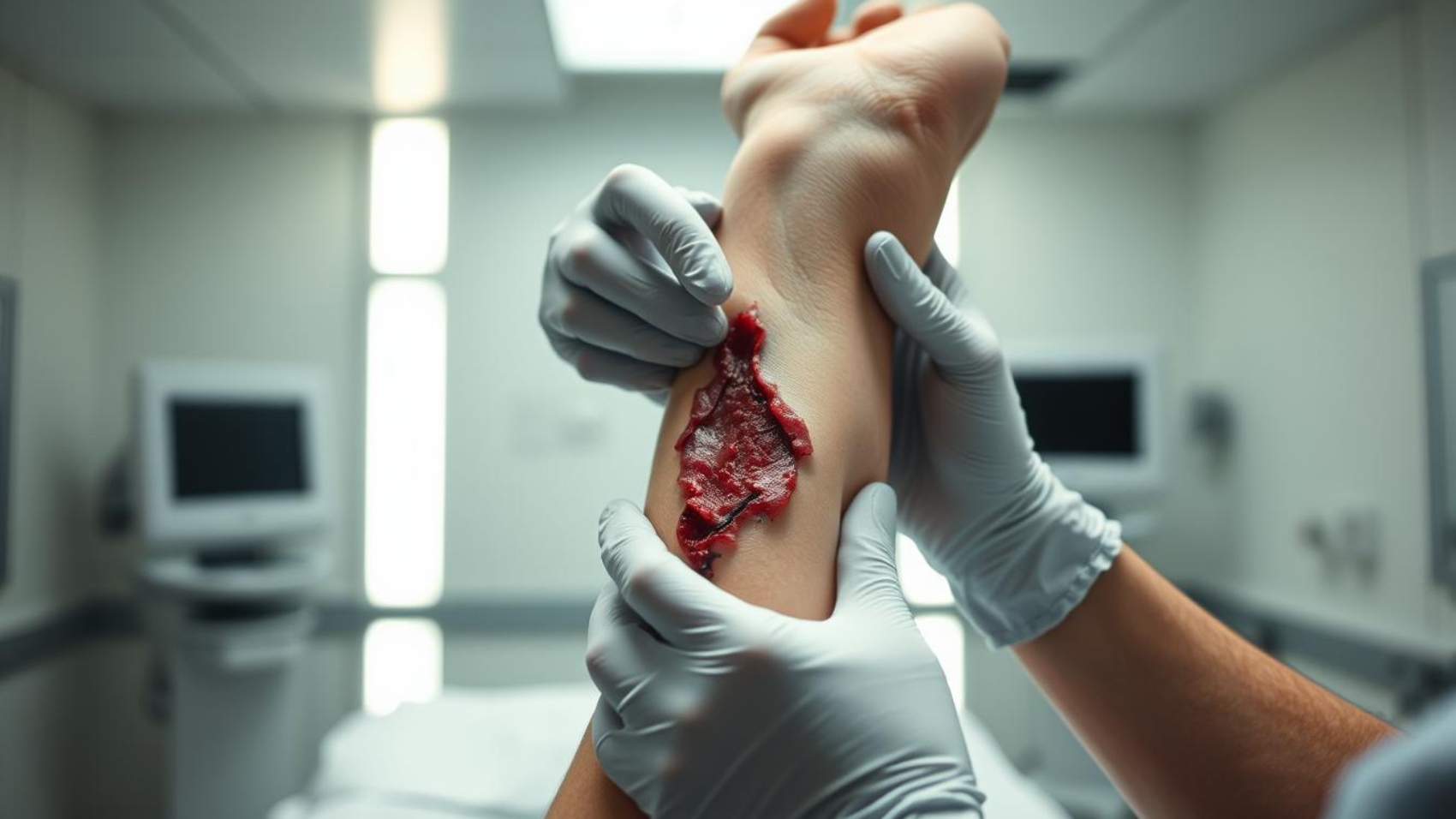
You deserve care that meets clinical standards without leaving your home. When a chronic skin break lasts more than six weeks, it needs focused attention to improve blood flow, remove dead tissue, control infection, and maintain the right moisture for reliable healing.
Bringing a trained clinician into your living room reduces delays and the risks of travel. A focused home visit includes a clear history, an extremity exam, gentle irrigation, and targeted debridement and dressing choices to match moisture and exudate levels.
You gain tailored recommendations that consider diabetes, vascular issues, age, nutrition, neurologic status, and swelling. This personalized plan helps avoid unnecessary ER visits and keeps your skin protected from pressure and friction during care.
Choose care that watches for trouble early and teaches you and your caregiver practical steps between visits. For reliable home-based healing and expert treatment, hire Dominion Mobile Wound Care to help heal your wounds.
Key Takeaways
- Timely, professional evaluation at home can speed healing by identifying the most urgent needs.
- In-home care gives clinic-level oversight while avoiding transport-related risks to your skin.
- Clinicians tailor treatment to your health, meds, and home supports for better outcomes.
- A focused visit streamlines cleansing, debridement, and dressing choices to support healing.
- Ongoing home follow-up catches complications early and reduces ER visits.
Why Professional Wound Assessments at Home Matter in the United States
At-home clinical oversight closes treatment gaps by delivering timely, hands-on care where you live. This approach speeds healing by ensuring adequate blood flow, removing dead tissue, controlling infection, and keeping moisture balanced.

Your clinician evaluates the foot and leg directly, checking circulation, edema, skin changes, and sensation. These focused extremity checks help decide if venous compression is safe or if ABI and vascular referral are needed.
- Faster action: early signs of infection—warmth, rising pain, increasing exudate—are recognized and treated promptly.
- Personalized plans: care fits your home, improving adherence and protecting surrounding skin and pressure points.
- Reduced risk: avoiding travel protects fragile skin and lowers the chance of setbacks or new injuries.
You benefit most if you have chronic ulcers, diabetes, vascular disease, limited mobility, or advanced age. Dominion Mobile Wound Care provides in-home oversight so complex cases are managed safely and conveniently, with a clear pathway to escalate care when testing or specialists are needed.
How to Prepare for a Professional Wound Assessment at Home
A well-prepared home helps the clinician evaluate your foot and leg without delays. Gather a concise timeline that notes when the problem began, any prior ulcer episodes, treatments tried, and how pain changes with activity or elevation.
Collect medications and topicals — include prescriptions, antibiotics, and over-the-counter ointments like neomycin or bacitracin. These detail reactions that affect care decisions.
Set up a clean, well-lit space with firm seating or a bed so the extremity is easy to inspect. Keep clothing loose and the current dressing in place until the clinician directs removal.
- Place supplies within reach: normal saline or warm water, clean towels, syringes for irrigation, prescribed dressings, tape, and a trash bag.
- Have offloading aids ready: pillows, specialty inserts, or boots to protect the area after care.
- Note systemic details like nutrition, swelling, numbness, tobacco use, and who can assist you at home.
- Mention red flags promptly — rising pain, increased drainage, new odor, spreading redness, or fever — so infection can be evaluated.
- Gather records of prior surgeries, implants, or vascular procedures to support further testing if needed.
From Evaluation to Treatment: What Your Clinician Checks and Does
You’ll see a methodical exam that leads directly to safe, practical interventions for faster healing. Your clinician inspects the foot and leg for skin changes, edema patterns, hemosiderosis, varicosities, cool areas, and capillary refill. Sensory testing spotlights neuropathy that changes your care plan.
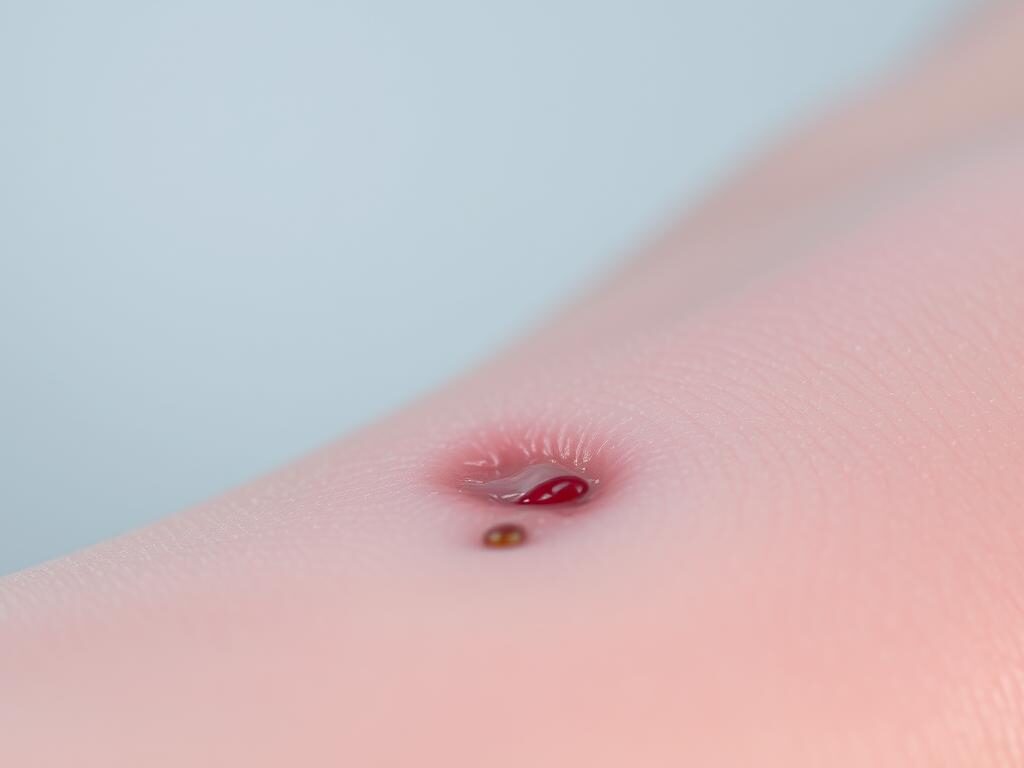
Cleaning: the area is cleansed with warm water or normal saline via syringe so borders, base, and exudate are visible. This step lowers bacterial load and guides choices about debridement and dressings.
Debridement and tissue care: sharp debridement is first-line for many ulcers and is done with local anesthesia when needed. Enzymatic or papain-urea methods are reserved when sharp tools aren’t possible. Older wet-to-dry techniques are generally avoided because they harm healthy tissue and cause pain.
- Infection vs. colonization: rising redness, warmth, swelling, pain, heavier drainage, malodor, or fever prompt cultures and targeted therapy.
- Dressings: films for minimal drainage; hydrogels for dry pain; hydrocolloids/foams for light-moderate exudate; alginates/hydrofibers for heavier output; gauze for deep packing when needed.
- Compression: for venous ulcers use compression if ABI and ultrasound support safety; avoid compression when ABI is 1.2 and refer to vascular care.
- Plan: you leave with a staged treatment plan, wear-time guidance, infection monitoring, and caregiver coaching to support steady wound healing.
Dominion Mobile Wound Care performs this systematic exam and creates a personalized plan in your home, combining debridement when indicated and careful product selection to protect skin and promote recovery.
Conclusion
Closing care at home brings clinical steps together so healing stays on track.
Effective treatment relies on restoring circulation, removing nonviable tissue, controlling infection, and keeping a moist healing environment. Your clinician can order cultures when signs of infection appear and arrange vascular testing or surgical referral if arterial disease or deep debridement is needed.
You speed recovery by having expert evaluation at home, where blood flow issues are considered and evidence-based products are chosen to match the problem.
You also lower risk through regular checks, timely cultures when indicated, and safe use of compression for venous cases only after vascular status is confirmed.
Ready to take the next step? Hire Dominion Mobile Wound Care to help heal your wounds.
FAQ
Why does a professional at-home evaluation matter for skin injuries in the United States?
A clinician visiting your home reduces travel stress and allows examination in a familiar setting, which helps spot factors that slow healing — like poor footwear, mobility limits, or home hygiene. Timely, in-person oversight lowers risk of infection and complications and often shortens recovery compared with delayed care.
How does at-home clinical oversight support faster healing and fewer complications?
Your provider can assess circulation, sensation, and tissue appearance, clean and dress the site correctly, and start treatments such as debridement, compression, or topical therapy immediately. That hands-on care prevents biofilm buildup, controls drainage, and ensures proper offloading or compression, all of which speed recovery and reduce hospital visits.
Who benefits most from home-based evaluation and treatment?
You benefit most if you have chronic ulcers, diabetes, peripheral arterial or venous disease, limited mobility, or advanced age. Home visits also help people who lack reliable transport, have caregiver constraints, or need frequent follow-up for dressing changes and monitoring.
What information should you gather before the clinician arrives?
Prepare the onset date, history of prior ulcers or infections, current and past treatments, pain pattern, allergies, and a list of medications including anticoagulants and diabetes therapy. Note any recent changes in weight, mobility, or symptoms like numbness or increased swelling.
How should you set up the space for the evaluation?
Choose a well-lit, clean area with a flat surface for the clinician to work. Have a chair or bed accessible for limb support and clear a path so the clinician can move safely. Good lighting and privacy facilitate a thorough extremity exam.
What supplies should you have ready for the visit?
Keep clean towels, saline or warm water, any prescribed dressings, and offloading aids (shoe inserts, pillows) available. If your clinician asked for specific tools or tests, have those items or documentation ready to avoid delays.
Which systemic factors should you report that influence healing?
Tell your clinician about nutrition status, swelling or edema, neuropathy signs, tobacco use, blood sugar control, and the level of home support you have. These factors affect risk of infection and the choice of treatments.
What does the focused foot and leg exam include?
Your clinician will check skin color and integrity, local temperature, swelling, capillary refill, pulses or ankle-brachial index if indicated, and sensory testing. These checks guide whether vascular studies, imaging, or urgent referral are needed.
Why is cleaning the area important before making treatment decisions?
Cleaning removes debris and exudate so the clinician can see wound borders, assess tissue health, and decide on debridement, dressing selection, or need for cultures. Visualization improves diagnostic accuracy and treatment outcomes.
What debridement methods might be used and when?
Sharp debridement is the first-line choice for removing necrotic tissue quickly. If sharp is not suitable, your clinician may use enzymatic agents or autolytic methods based on wound status, bleeding risk, and overall health.
How can you tell colonization from true infection?
Mild bacterial presence often causes no systemic signs. Look for increasing pain, spreading redness, foul odor, increased drainage, fever, or rising white blood cell count. Your clinician will use these signs and may take cultures when infection is suspected.
How are dressings chosen to match drainage and treatment goals?
Dressings are selected for exudate level, tissue type, and healing phase. Moisture-retentive options support granulation, while highly absorbent products handle heavy drainage. The goal is a balanced moist environment without maceration.
What are moisture-balanced dressing options and when are they used?
Films, hydrogels, hydrocolloids, and foam dressings maintain moisture for dry to moderately exuding sites. They protect fragile skin and support migration of repair cells when you need a controlled, moist environment for healing.
When are highly absorbent dressings like alginates or hydrofibers recommended?
Use alginates, hydrofibers, or packing gauze for moderate to heavy exudate, cavity wounds, or when you need effective fluid control. These materials reduce leakage and help prevent maceration of surrounding skin.
Why is compression therapy important for venous leg ulcers and what checks are needed first?
Compression improves venous return and reduces edema, which supports healing of venous ulcers. Before you start compression, clinicians evaluate arterial perfusion with pulses and, if needed, an ankle-brachial index (ABI) to ensure adequate arterial flow.