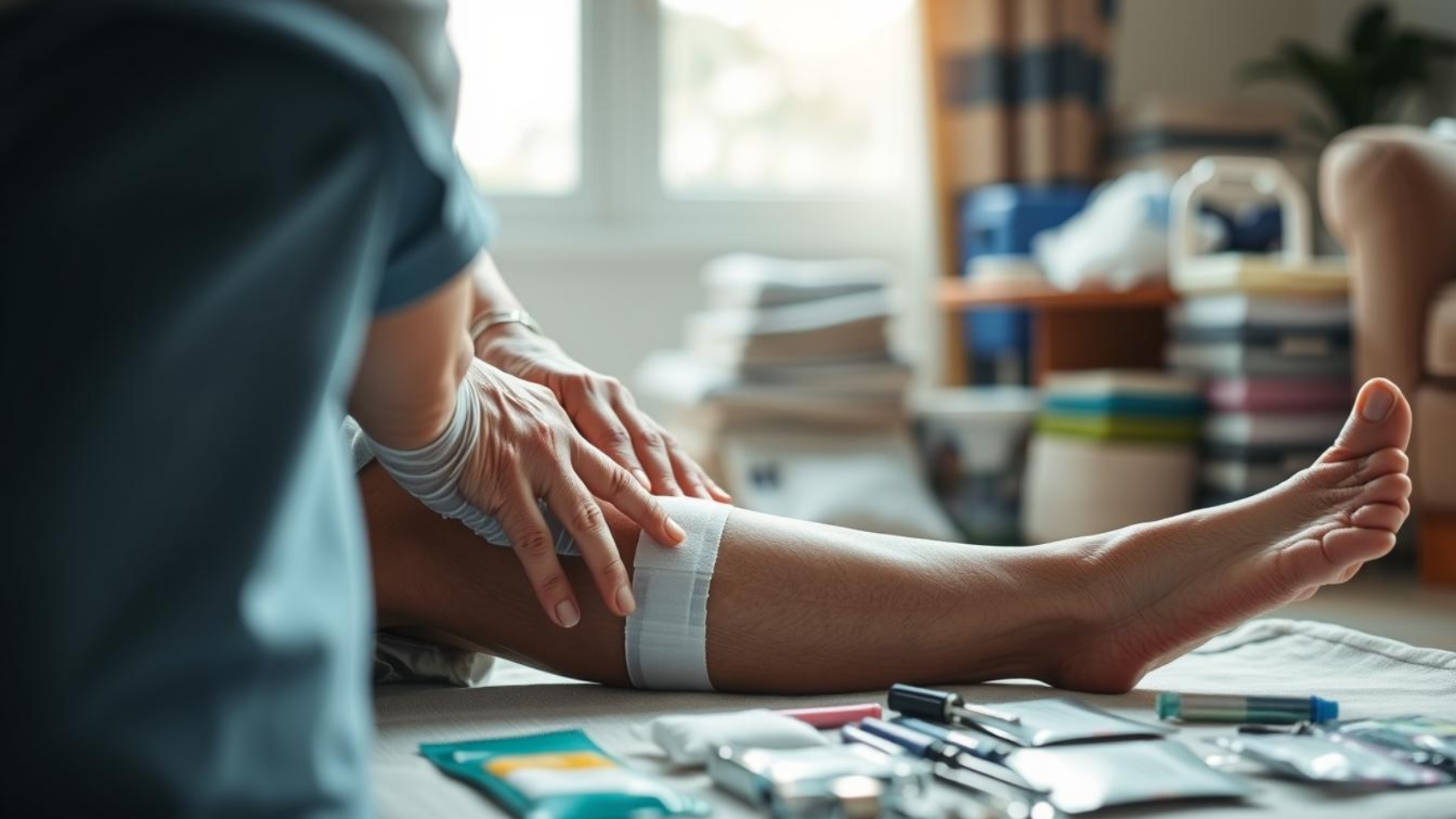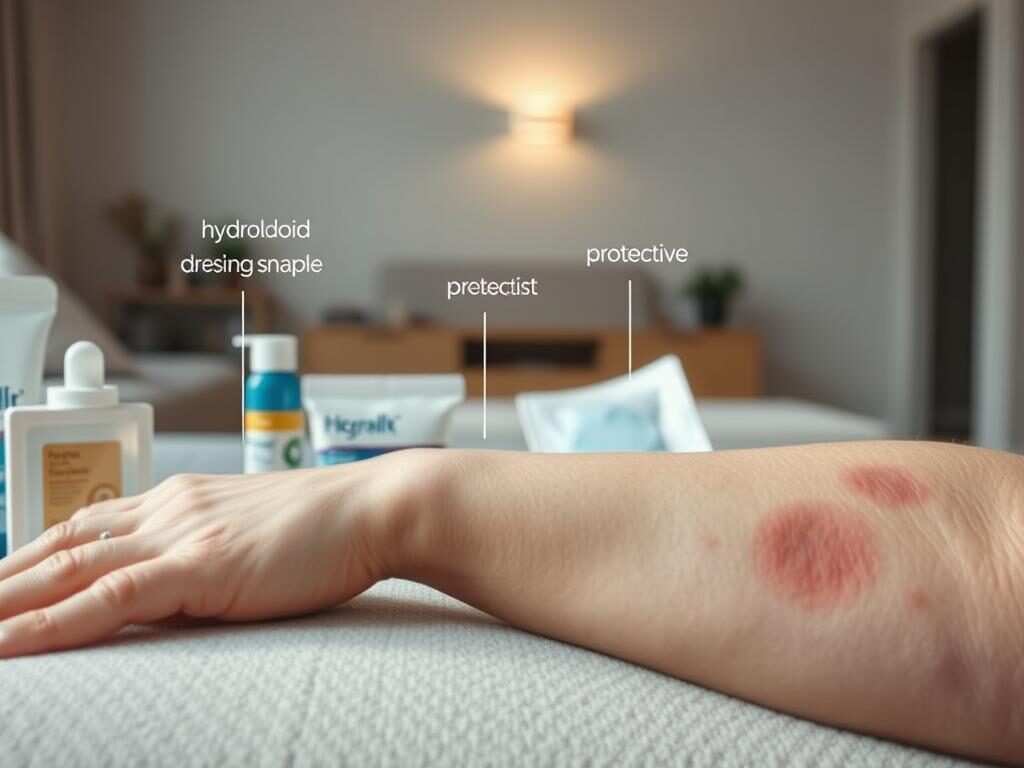
As you get older, your skin changes a lot. This makes it more likely to get wounds. Thinning skin is a big problem, leading to skin tears and other injuries. Seniors are a big part of the chronic wound cases, with 8.2 million over 65 expected to get a wound.
It’s very important to take care of wounds properly. This helps prevent more problems and helps them heal. Knowing the risks of aging skin helps you protect it and avoid wounds.
Key Takeaways
- Thinning skin increases the risk of wounds in seniors.
- Proper wound care is essential for preventing complications.
- Understanding the risks associated with aging skin can help in prevention.
- Proactive steps can be taken to protect the skin and prevent wounds.
- Dominion Mobile Wound Care can provide expert assistance in wound healing.
The Growing Concern of Wound Care in America’s Aging Population
As the U.S. population ages, wound care is becoming a big concern. Many families across the country are affected. With age, the risk of getting wounds goes up due to factors like less mobility and chronic illnesses.
Current Statistics on Senior Wound Issues
Wound care in seniors is alarming. Chronic wounds affect millions, leading to high healthcare costs and a lower quality of life. For example, pressure ulcers cost billions each year. These stats highlight the need for better wound care.
The Impact of Wounds on Senior Quality of Life
Wounds can greatly affect a senior’s life. Pain, discomfort, and limited mobility can cause isolation and depression. But, proper care can improve their health and well-being.
If you or a loved one needs wound care, get professional help. Services like Dominion Mobile Wound Care offer the support needed. Don’t wait to get expert care to improve outcomes and quality of life.
Understanding Why Seniors Are More Vulnerable to Wound Problems
As we age, our bodies change in ways that make us more likely to get wounds. This is because our skin and body functions change. Knowing why this happens can help us prevent wounds.
Age-Related Skin Changes
Our skin changes a lot as we get older. It gets thinner, less elastic, and drier. This makes it easier to get cuts and injuries. Table 1 shows how these changes affect our risk of getting wounds.
| Skin Change | Implication for Wound Risk |
|---|---|
| Thinning skin | Increased risk of skin tears |
| Reduced elasticity | Less ability to withstand stretching or pressure |
| Decreased moisture | Dry skin more prone to cracking |
Compromised Immune Function
Older adults often have weaker immune systems. This makes it harder for their bodies to heal wounds. A healthy lifestyle, like eating well and exercising, can help. If you have a wound, getting help from experts like Dominion Mobile Wound Care is a good idea.
Knowing why seniors are more likely to get wounds helps us prevent them. It also helps us treat them quickly if they do happen.
Common Types of Wounds Affecting Older Adults
As people get older, their skin changes a lot. It gets thinner and less elastic, making it easier to hurt. Conditions like diabetes can make healing wounds even harder.
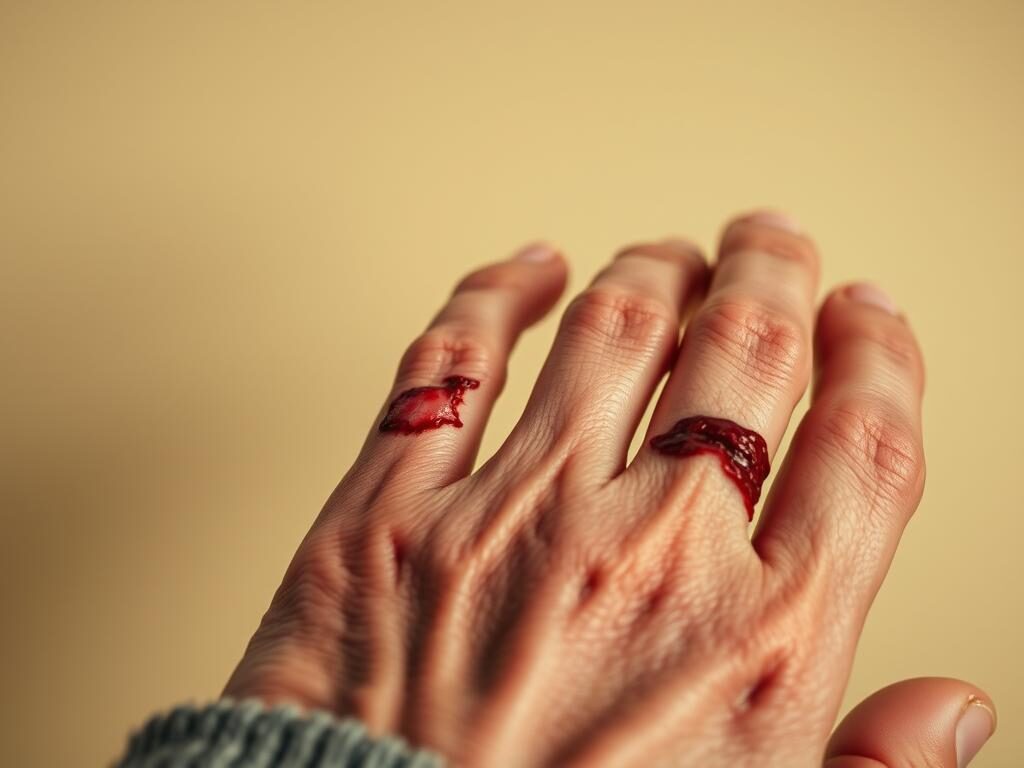
Pressure Injuries
Pressure injuries, or bed sores, are a big worry for older adults. They happen when skin stays under pressure too long. Moving regularly and using the right bed can help avoid these injuries.
Skin Tears
Skin tears are common in older adults, often from falls. Their skin is thinner and more likely to tear. Taking care and handling skin gently can help prevent tears.
Diabetic Ulcers
Diabetic ulcers come from diabetes, causing nerve damage and poor blood flow. They’re hard to heal and need special care. Keeping diabetes under control is key to avoiding these ulcers.
Venous and Arterial Ulcers
Venous and arterial ulcers happen because of bad blood flow. Venous ulcers come from vein problems, while arterial ulcers are from low blood flow. Good wound care and managing health issues are vital for healing.
Knowing about these wounds is the first step to preventing and managing them. By understanding the risks and taking action, older adults can lower their chance of getting these wounds. If wound care is a challenge, Dominion Mobile Wound Care can help. They offer the care and advice needed for healing and better health.
The Challenge of Thinning Skin in Elderly Care
Aging skin gets thinner and more likely to get hurt. As we get older, our skin changes a lot. It gets thinner and less stretchy, making it easier to tear.
Why Skin Thins with Age
There are many reasons why skin thins with age. The top layer of the skin, the epidermis, gets thinner. The layer underneath, the dermis, also changes. It makes less collagen, making the skin less elastic and more likely to tear.
| Factors Contributing to Skin Thinning | Effects on the Skin |
|---|---|
| Reduced Collagen Production | Decreased skin elasticity |
| Thinning of the Epidermis | Increased susceptibility to injury |
| Loss of Dermal Components | Reduced skin strength |
Special Care Techniques for Fragile Skin
Caring for thin skin needs gentle and careful methods. Using moisturizers helps keep the skin moist and strong. It’s important to avoid rubbing or putting too much pressure on the skin.
For seniors with thin skin, using padding can help prevent injuries. This includes padding on elbows and heels.
If you or a loved one has thin skin and wounds, get professional help. Dominion Mobile Wound Care offers special wound care services. They can help a lot with healing. Don’t wait to get expert advice on caring for thin skin and preventing more problems.
Fall-Related Wounds: A Major Risk for Seniors
Falls are a big worry for seniors, often causing wounds that hurt their quality of life. As people get older, they’re more likely to fall. This is because they might move less, have trouble balancing, or have health issues. These falls can lead to serious wounds that need quick medical help.
Common Fall Injuries and Their Complications
Seniors who fall can get many types of injuries. Some common ones are:
- Cuts and lacerations
- Bruises and hematomas
- Fractures, like hip fractures
- Head injuries, like concussions
These injuries can cause problems like infections, slow healing, and less mobility. For example, a small cut can get infected if not treated right, leading to bigger health problems.
Creating a Fall-Safe Environment
Stopping falls is key to avoiding fall-related wounds. Making your home safe involves several steps:
- Removing tripping hazards like loose rugs and clutter
- Improving lighting, mainly in hallways and stairways
- Installing handrails in key spots
- Using non-slip mats in bathrooms and kitchens
By doing these things, you can greatly lower the chance of falls at home.
Rehabilitation After Fall-Related Wounds
Rehab is very important after a fall wound. It includes therapies and exercises to get strength, mobility, and function back. The rehab plan depends on how bad the injury is.
| Therapy Type | Purpose | Benefits |
|---|---|---|
| Physical Therapy | Improve mobility and strength | Helps in recovery, lowers fall risk |
| Occupational Therapy | Regain daily living skills | Makes you more independent, safer in daily tasks |
| Speech Therapy | Address communication and swallowing issues | Better communication, less risk of choking |
If you or a loved one has a fall wound, getting professional help is key. Dominion Mobile Wound Care offers special wound care for seniors. Their team can help with healing and prevent more problems. Don’t wait to contact them for help.
How Chronic Illnesses Affect Senior Wound Care
Chronic illnesses have a big impact on wound care for seniors. They can slow down healing and affect health. It’s important to know how they affect wound management as you get older.

Diabetes and Wound Healing
Diabetes is a major chronic illness that slows down wound healing in seniors. High blood sugar damages nerves and blood vessels. This makes it hard for wounds to heal.
Diabetes can also cause neuropathy, making it tough to notice wounds. And it can lead to peripheral artery disease, which makes healing even harder.
To manage diabetes-related wound care, keeping blood sugar levels in check is key. Regular checks and adjusting your treatment plan can help avoid wound problems.
Vascular Disease Complications
Vascular disease also affects wound healing. It reduces blood flow, making it hard for wounds to get the oxygen and nutrients they need. This can cause swelling, pain, and skin discoloration.
Key complications of vascular disease include:
- Reduced blood flow to the affected area
- Increased risk of wound infection
- Delayed healing process
Nutritional Deficiencies and Healing
Nutritional deficiencies can also slow down wound healing. Getting enough protein, vitamins, and minerals is key for recovery. Make sure you’re eating foods that support wound healing.
| Nutrient | Role in Wound Healing | Food Sources |
|---|---|---|
| Protein | Builds and repairs tissue | Lean meats, fish, eggs, dairy |
| Vitamin C | Enhances collagen synthesis | Citrus fruits, berries, leafy greens |
| Zinc | Supports immune function | Oysters, beef, chicken, fortified cereals |
If chronic illnesses make wound care hard, get professional help. Dominion Mobile Wound Care offers specialized services for seniors. By tackling chronic conditions and nutritional needs, you can improve wound healing and overall health.
Essential Senior Wound Care Strategies and Prevention
As you get older, your skin can easily get wounds. It’s important to know how to take care of wounds and prevent them. By using the right methods, you can lower the chance of getting more serious wounds.
Proper Wound Cleaning Techniques
Cleaning a wound is the first step to healing. Use saline solution to gently remove dirt and bacteria. Don’t use harsh soap that can hurt your skin. Gentle irrigation with saline solution is recommended to keep the wound clean without causing further damage.
Advanced Dressing Options for Older Skin
Choosing the right dressing is key for older adults with fragile skin. Options include hydrocolloid, foam, and alginate dressings. These dressings are gentle on the skin and help wounds heal. The right dressing depends on the wound’s type and stage.
| Dressing Type | Description | Best For |
|---|---|---|
| Hydrocolloid Dressings | Creates a moist environment | Light to moderate exudate wounds |
| Foam Dressings | Highly absorbent | Moderate to heavy exudate wounds |
| Alginate Dressings | Highly absorbent, forms a gel | Heavy exudate wounds |
The Role of Nutrition in Wound Prevention
Nutrition is key for wound healing and prevention. Eating foods rich in protein, vitamins A and C, and zinc helps wounds heal. Good nutrition keeps your skin healthy and supports healing.
Skin Moisturizing and Protection Routines
Moisturizing your skin prevents dryness and cracking, which can lead to wounds. Use a gentle moisturizer often to keep your skin intact. Also, protect your skin from friction and pressure to avoid pressure injuries.
By following these strategies, you can lower the risk of wound complications. If you’re having trouble with wound care, contact Dominion Mobile Wound Care for expert help.
When to Seek Professional Senior Wound Care Services
Knowing when to get help for wound care is key for seniors. As they age, their skin gets thinner and more fragile. This makes wounds more likely to get worse. If you’re caring for a senior, watch for signs they need professional help.
Warning Signs That Require Medical Attention
Some signs mean a wound needs doctor help right away. These include:
- Increased redness or swelling around the wound
- Pus or discharge
- A foul odor
- Increased pain
- A fever
- A wound that is not healing
If you see these signs, get help fast. Waiting can cause more problems, like infections or needing bigger surgeries.
Benefits of Specialized Wound Care Services
Specialized wound care services help seniors a lot. They offer:
- Expert Care: These pros know how to handle tough wounds.
- Advanced Treatments: They use the newest methods to heal wounds faster and avoid problems.
- Personalized Care Plans: They make plans just for each person, making sure they get all the care they need.
Getting specialized wound care can improve a senior’s life and lower the chance of wound problems.
How Dominion Mobile Wound Care Helps Seniors
Dominion Mobile Wound Care brings expert care to seniors at home. Their team focuses on giving each patient the care they need.
If caring for a senior’s wound is hard, think about Dominion Mobile Wound Care. They can really help your loved one heal and feel better.
Conclusion: Taking Proactive Steps for Better Wound Outcomes
Chronic wounds can really affect a person’s life, even more so for seniors with chronic illnesses. Knowing the risks and taking action early can help wounds heal faster. Good wound care means managing health issues, cleaning wounds right, and using the best dressings.
For seniors with chronic illnesses, wound care is extra tough. Conditions like diabetes and vascular disease make healing harder. But, with the right care, seniors can see better results. Dominion Mobile Wound Care offers special services for seniors, giving them the care they need.
Getting professional help and being proactive in wound care can greatly improve healing. Start taking better care of your wounds today.
FAQ
What are the most common types of wounds in seniors?
Seniors often get different kinds of wounds. These include pressure injuries, skin tears, diabetic ulcers, and venous and arterial ulcers. These wounds are caused by skin changes, less mobility, and chronic illnesses.
How does thinning skin affect wound care in seniors?
Thinning skin makes seniors more likely to get skin tears and other injuries. They need special care to prevent wounds. This includes gentle handling, moisturizing, and protection routines.
What role do chronic illnesses play in senior wound care?
Chronic illnesses, like diabetes and vascular disease, can slow down wound healing. They affect blood flow, nerve function, and overall health. It’s key to manage these conditions to help wounds heal.
How can falls be prevented in seniors to reduce the risk of wounds?
To prevent falls and wounds, create a safe environment. Remove tripping hazards, improve lighting, and use assistive devices. This can help keep seniors safe.
What are the essential strategies for senior wound care and prevention?
Key strategies include cleaning wounds properly, using advanced dressings, managing nutrition, moisturizing skin, and protection routines. These help wounds heal and prevent new ones.
When should seniors seek professional wound care services?
Seniors should get professional care if they notice warning signs. These include bigger wounds, redness, swelling, or drainage. Or if they have chronic illnesses that make healing harder.
How can nutrition impact wound healing in seniors?
Nutrition is vital for wound healing. Seniors need essential vitamins, minerals, and proteins. Without them, healing can be harder, so managing nutrition is key.
What are the benefits of specialized wound care services for seniors?
Specialized wound care, like Dominion Mobile Wound Care, offers expert care and advanced treatments. They provide personalized attention to help wounds heal and improve health.