

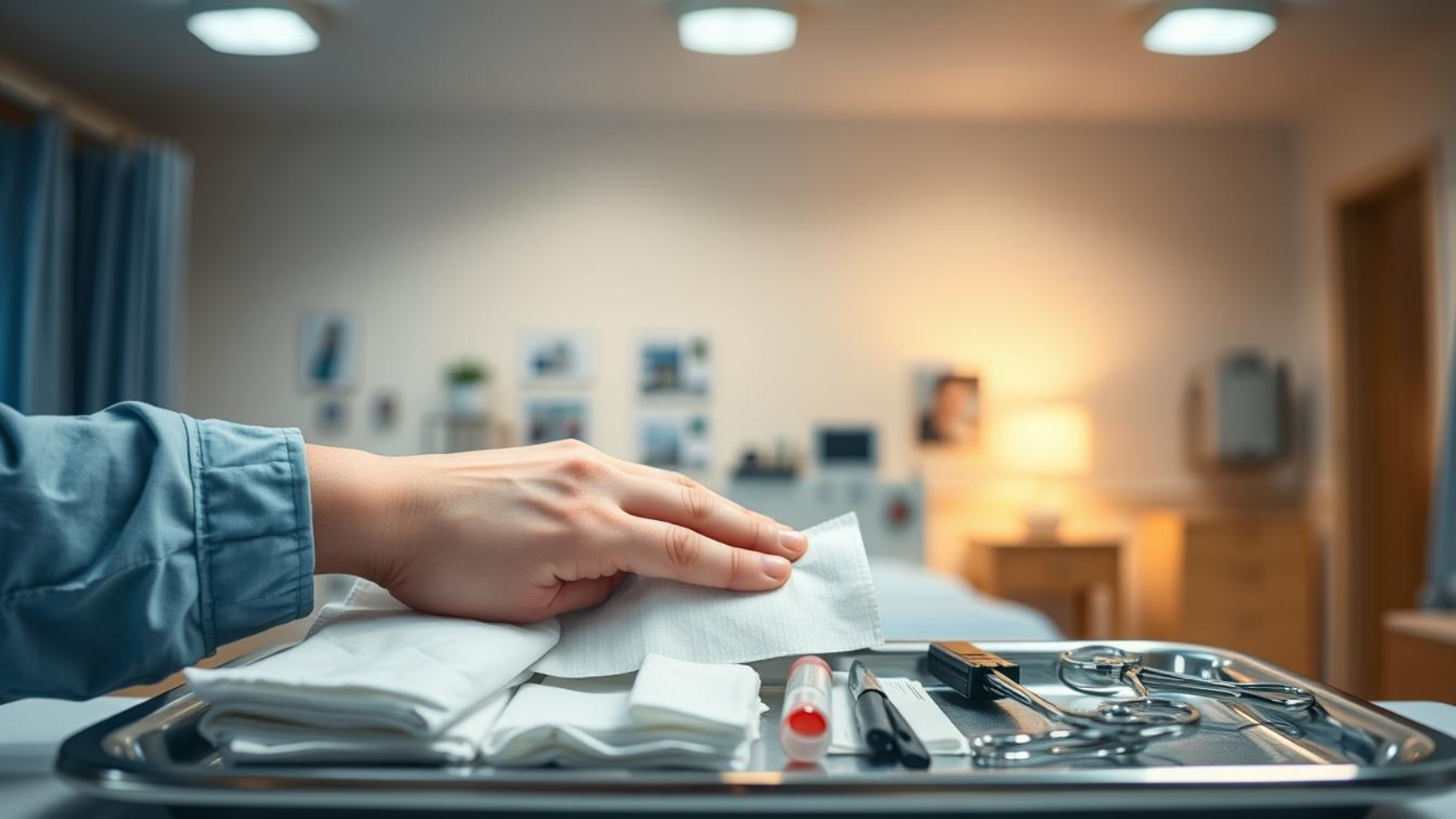
This guide helps you move from a hospital stay to a home routine focused on healing. You are shifting from stabilization to ongoing recovery, and clear information makes that change safer. Simple steps will help you organize your plan and protect your health as a patient.
You will learn what to bring to your first visit, how to track medications and allergies, and which treatment steps to follow in the first 48 hours. A straightforward routine for dressing changes, infection control, and hand hygiene supports faster healing.
A multidisciplinary, physician-led approach matters for complex problems. Specialized wound care from Dominion Mobile Wound Care can bridge gaps after discharge and keep your treatment on track. If you want hands-on at-home support, consider hiring Dominion Mobile Wound Care to help your recovery.
Key Takeaways
- Build a simple plan before discharge to keep treatment seamless.
- Prepare medication lists, allergy info, and insurance details.
- Follow clear steps in the first 48 hours to reduce setbacks.
- Use hygiene and dressing guidance to support healing at home.
- Know signs that need prompt treatment and whom to call.
- Specialized wound care services can extend hospital treatment into home support.
Understanding Your Transition Home and What It Means for Healing
Leaving the hospital starts a new phase where daily habits shape your recovery and long-term healing. The hospital handled immediate stabilization—cleaning, protective dressing, infection control, and pain management. At home, the healing process continues and depends on routine actions you take each day.
Why hospitals stabilize but home is where wounds truly heal
Hospitals address urgent needs so patients are safe to go home. Your home environment then supports steady progress with consistent monitoring, advanced dressings, and nutrition.
You need basic supplies, a simple dressing schedule, and a plan to get more information or help if problems start. Small habits—washing your hands before touching the wound and keeping the area dry—make a big difference.
- Understand the role of daily routines and movement on healing outcomes.
- Recognize that chronic wounds need regular attention to avoid setbacks.
- Keep open communication with healthcare providers to fix issues early.
- Look for signs of improvement: less drainage, reduced tenderness, healthier tissue.
Dominion Mobile Wound Care supports your at-home recovery with clear guidance and coordinated follow-up to help heal your wound and improve outcomes.
Set Up Your Post-Hospital Wound Care Plan Before Discharge
Before you leave the hospital, set up a clear plan so your recovery at home is smooth and predictable. Ask for written instructions and confirm the main steps you must follow after discharge.

Confirm your dressing type, removal timeline, and stitch/staple plan
Ask your nurses to write down the exact dressing and how long the first dressing should stay in place. Keep the original dressing on for 48 hours if it is dry.
Know whether you have dissolvable stitches or non-dissolvable sutures, clips, or staples. Dissolvable stitches often disappear in 7–10 days. Non-dissolvable items are usually removed in 5–14 days depending on the location.
Verify who will remove them and how to book the appointment so you avoid delays that could affect healing.
Gather supplies, insurance details, and contacts for your care team
Collect patient information in one folder: medication list, allergies, insurance card, and your discharge summary. Bring this to every appointment.
- Confirm what supplies to have at home: clean gloves, soap, non-adhesive dressings, tape, and waste bags.
- Ask what to do if a dressing gets wet or soiled and how to get replacements quickly.
- Keep daytime and after-hours phone numbers for your team so you can call if drainage, pain, or redness increases.
Ask about risk considerations such as diabetes or circulation issues and how they may change your schedule or dressing choices. Decide whether to coordinate with a specialized provider like Dominion Mobile Wound Care for follow-up and at-home visits.
If you want hands-on support, consider hiring Dominion Mobile Wound Care to help heal your wounds.
First 48 Hours at Home: Dressing Care, Stitches, and Showering
The first 48 hours are a careful window: follow basic steps to protect your healing skin. Keep the original dressing in place if it stays dry. Change it sooner if blood or other fluid soaks through.
Changing dressings safely
Wash your hands with soap and water before and after any dressing change. Set out clean supplies and avoid touching the area directly.
Stitches, clips, and staples
Absorbable stitches usually dissolve in 7–10 days but may last longer. Non-dissolvable sutures, clips, or staples are removed in about 5–14 days. Do not pull on visible threads; trim loose ends with clean scissors if needed.
Showering and keeping skin protected
Showering is typically safe after 48 hours if your provider agrees. Use waterproof dressings when recommended and pat the skin dry. Avoid soap, lotions, gels, or powders on the treatment area.
- Keep initial dressing dry for 48 hours and replace it if wet to reduce infection.
- Track changes in drainage, pain, or redness and call your nurses if issues arise.
- Some healing wounds may be left uncovered once dry; protect against friction with light dressings if clothing rubs.
If you want guided, day-by-day support at home, Dominion Mobile Wound Care can assist with dressing changes and follow-up.
Monitor for Infection, Manage Risks, and Protect Your Skin
Keep a close eye on your healing at home; small changes can signal big issues. Daily checks help you spot infection early and protect tissue health. Document any change with dates and photos if your provider allows.
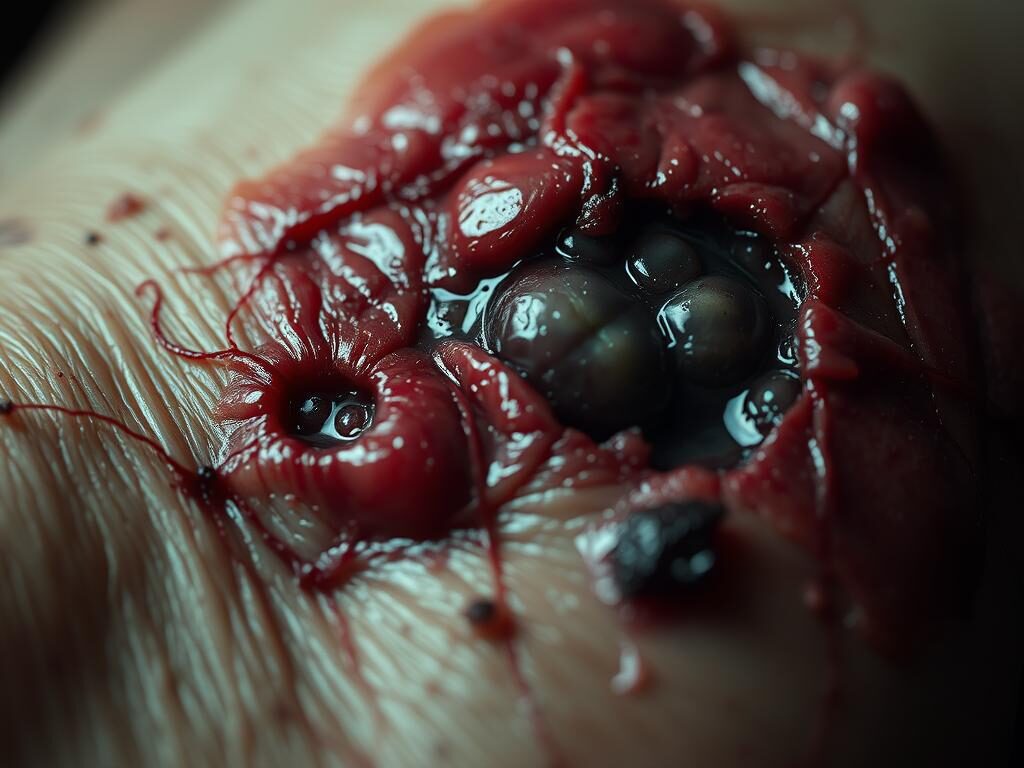
Red flags: increasing pain, redness, swelling, drainage, or odor
Watch for worsening pain, spreading redness, new opening, heavier drainage, or a foul smell. Fever can mean the infection is spreading systemically.
Risk factors that slow healing
Know your personal risk factors, such as diabetes, poor circulation, smoking, or malnutrition. These factors raise the chance of delayed healing and chronic wounds.
When to call your nurse, primary care, or go to urgent care/ER
- Call your nurse or primary care for increasing pain, more drainage, or any new redness.
- Go to urgent care or ER for high fever, rapidly spreading redness, severe pain, or signs of systemic infection.
- Protect the skin by keeping the area clean and dry and by preventing maceration from prolonged moisture.
Dominion Mobile Wound Care can monitor changes between visits and coordinate with your primary team to improve outcomes. Early action reduces readmissions and helps patients stay on track with recovery.
Specialized Wound Care at Home: Bridging the Gap After Discharge
Bridging hospital treatment and home routines requires organized, multidisciplinary follow-up. This helps you access advanced treatments and keeps your healing plan consistent after discharge.
A multidisciplinary approach: dressings, debridement, nutrition, and advanced options
Specialized wound care programs combine advanced dressings, debridement, nutrition optimization, and bio-engineered tissue substitutes. When appropriate, hyperbaric oxygen therapy is included as an option.
These treatments work together to protect surrounding skin, improve tissue health, and speed repair.
Mobile care and SNF collaboration to reduce readmissions and improve outcomes
Dominion Mobile Wound Care brings skilled staff to your home or SNF. The team conducts detailed skin assessments, adjusts dressings, and updates your treatment plan during scheduled appointments.
- Coordinated staff share information with facility clinicians to act quickly on changes.
- Consistent management and timely adjustments improve outcomes for patients with chronic wounds.
- Individualized follow-up and clear appointment windows keep the process on track.
Expect a team approach that tracks progress, educates you, and reduces avoidable returns to the hospital. If you want hands-on, mobile services after discharge, consider hiring Dominion Mobile Wound Care to help heal your wounds.
Conclusion
Your recovery moves forward when dressing plans, nutrition, and follow-up align around a clear process. Keep discharge instructions handy and track changes day to day.
Confirm supplies and contacts so your team and staff can respond fast. Use simple routines in the first 48 hours, protect surrounding skin, and manage risk factors like nutrition and circulation.
Specialized wound management and consistent monitoring reduce setbacks. When education, timely updates, and evidence-based treatments are in place, patients see better wound healing.
For coordinated, at-home support, hire Dominion Mobile Wound Care to deliver services that help heal your wounds.
FAQ
What should you expect when transitioning from hospital to home for wound healing?
Expect the hospital team to stabilize your condition and give instructions for ongoing treatment. At home, you’ll manage daily dressing changes, monitor the site for signs of infection, follow activity and showering limits, and keep follow-up appointments with nurses or your primary care clinician. Your discharge plan should list dressing type, how often to change it, and when sutures or staples will be removed.
How do you confirm the right dressing and removal timeline before discharge?
Ask the nurse to show the exact dressing and label any supplies. Get written instructions that include dressing brand or type, how often to replace it, and a timeline for suture or staple removal. Verify insurance coverage for supplies and request contact info for the wound care nurse or clinic you’ll see after leaving the hospital.
What supplies and information should you gather before leaving the hospital?
Collect all dressings, tape, wound cleanser, and any prescribed topical agents. Bring written discharge instructions, the wound care schedule, medication list, and phone numbers for wound care services, your surgeon, and home health. Confirm which items your insurer will cover and get receipts or documentation if needed.
How should you change dressings safely in the first 48 hours at home?
Wash your hands thoroughly and work on a clean surface. Remove the old dressing gently, inspect the site, and clean per instructions—usually with saline or a prescribed cleanser. Pat dry with sterile gauze, apply the new dressing per the technique shown to you, and secure it without cutting off circulation. If you see heavy bleeding, increasing pain, or foul odor, contact your care team.
How do you handle absorbable versus non-dissolvable stitches, clips, or staples?
Absorbable sutures typically dissolve on their own—confirm the expected timeline with your provider. Non-dissolvable sutures, clips, or staples need removal at a follow-up visit; note the scheduled date and don’t attempt removal yourself. If clips or sutures pull or the wound reopens, seek care promptly.
Can you shower during the early recovery period, and how do you protect the site?
You can usually shower if the dressing is waterproof or covered with a protective barrier. Use lukewarm water and avoid direct high-pressure streams on the area. Gently pat the site dry afterward and replace the dressing immediately. Avoid baths, hot tubs, or pools until your clinician clears you.
When is it safe to leave a healing site uncovered?
Your clinician will advise when to leave the area open to air. Small, clean wounds that are dry and showing steady improvement are often left uncovered for short periods. Protect the site from friction, clothing irritation, and dirt—use a light dressing if you’ll be active or in public spaces.
What are the key signs of infection to watch for at home?
Watch for increasing pain, spreading redness, swelling, warmth, pus or cloudy drainage, a new or foul odor, fever, or red streaks toward the heart. If you notice these signs, contact your nurse or primary care clinician immediately; severe symptoms like high fever or rapidly spreading redness may require urgent care or an ER visit.
Which factors can slow healing and what can you do about them?
Diabetes, poor circulation, malnutrition, smoking, certain medications, and obesity can delay recovery. Manage blood sugar, eat a protein- and nutrient-rich diet, avoid tobacco, and follow activity restrictions. Discuss medications and supplements with your clinician to ensure they don’t impede healing.
When should you call your wound care nurse, primary care clinician, or go to urgent care/ER?
Call your wound care nurse for dressing questions, routine concerns, or to arrange home visits. Contact your primary care clinician for worsening pain, new drainage, or follow-up needs. Go to urgent care or the ER for heavy bleeding that won’t stop, signs of spreading infection, high fever, or sudden severe symptoms.
What does specialized home-based wound management involve?
Specialized services use a team approach—nurses, physicians, nutritionists, and sometimes physical therapists—to provide advanced dressings, debridement, compression therapy, and nutritional plans. Mobile wound clinics and skilled nursing facility collaboration help reduce readmissions and improve healing outcomes.
How do mobile wound services and SNF collaboration help after discharge?
Mobile teams bring skilled nursing and treatments to your home, ensuring timely dressing changes, debridement, and monitoring. Collaboration with skilled nursing facilities (SNFs) and outpatient clinics ensures continuity of care, faster intervention if problems arise, and fewer readmissions to the hospital.