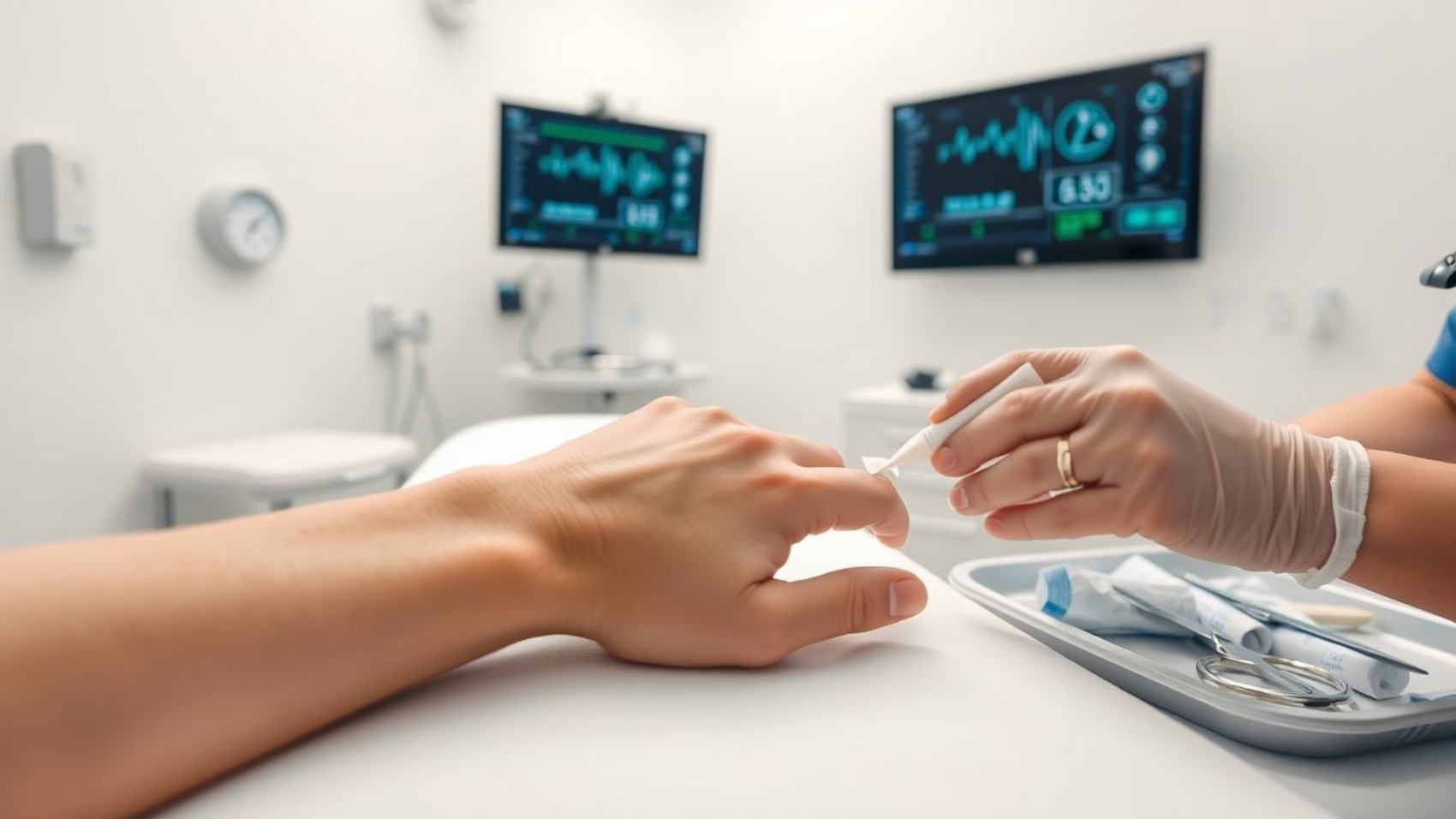
post-surgical wound care San Antonio

San Antonio’s Guide to Post-Surgical Wound Care at Home – Part 3

We know how important good wound care is after surgery. This part of our guide talks about how to care for wounds at home. It helps us know how to heal wounds right.

Following after surgery care tips helps avoid problems. It also helps us get better faster. Let’s look at good ways and local help to heal better in San Antonio.

Key Takeaways

  • Post-surgical wound care is crucial for a smooth recovery.
  • Understanding signs of wound infection helps in early intervention.
  • Regular monitoring of the healing process is essential.
  • Utilizing local resources can provide additional support.
  • Nourishing our body aids in promoting faster wound healing.

Understanding the Importance of Wound Care After Surgery

Good care after surgery is key for a smooth recovery. Taking care of wounds helps them heal and lowers the chance of problems. If we don’t watch our wounds, we might face big issues that slow down healing.

Why Post-Surgical Care Matters

Good care after surgery makes a big difference. Knowing how to manage wounds helps us heal better. By keeping wounds clean, we avoid infections and other problems.

Common Complications if Not Properly Managed

Ignoring wound care can lead to many issues. These can be mild infections or serious problems like necrosis. These issues can make us uncomfortable and might need more doctor visits. Taking good care of wounds is a big step towards feeling better and healing faster.

Essential Monitoring Techniques for Wound Healing

Watching our wounds closely is key to healing well after surgery. We can spot problems early by keeping an eye on our surgical sites. This helps us catch signs of infection, which can slow down healing.

Here are some signs we should look out for:

Signs of Infection to Watch Out For

  • Increased redness around the wound area
  • Swelling that becomes noticeably worse
  • Abnormal exudate, such as pus or foul-smelling drainage
  • Elevated temperature at the wound site or developing a fever
  • Excessive pain that does not improve with time

By watching for these signs, we can get help fast if needed. Remember, quick action can help a lot in healing.

Measuring Progress: Key Indicators of Healing

We also need to check how our wounds are healing. Measuring the wound’s size is important. If it gets bigger, it might mean trouble.

What comes out of the wound is also telling. Clear fluid is good, but cloudy or bloody is a warning sign. Pain is another clue; if it doesn’t go away, see a doctor.

Keeping a record of these signs helps us talk better with our doctors. This way, we can heal faster and better.

Effective Dressing Change Procedures

Changing dressings right is key for good wound care. Different dressings help in various ways, like keeping wounds moist or stopping infections. Knowing the right dressing for a wound can really help it heal better. Keeping everything clean during dressing changes is also very important.

Types of Dressings Recommended for Different Wounds

There are many kinds of dressings for different needs:

  • Wet Dressings: Great for wounds that drain a lot, they keep the area moist and help it heal.
  • Hydrocolloid Dressings: Good for dry wounds, they block bacteria and keep the area moist.
  • Foam Dressings: Used for pressure ulcers, they soak up fluids and cushion the wound.
  • Antimicrobial Dressings: These have agents that fight off infections, making them great for high-risk wounds.

Steps for Safe and Hygiene-Focused Dressing Changes

Using a set way for dressing changes makes care better and helps wounds heal. Here’s how to do it:

  1. Wash your hands well with soap and water or use hand sanitizer.
  2. Get all needed things, like sterile gloves, the new dressing, and any treatments.
  3. Take off the old dressing carefully, without touching the wound.
  4. Throw away the used dressing to stop germs.
  5. Put on a new dressing that’s right for the wound.
  6. Wash your hands again after you’re done.

Post-Surgical Wound Care San Antonio: Local Resources

Knowing where to find help after surgery is key. San Antonio has many places that can help us heal. Finding skilled wound care specialists is important for our recovery.

Finding Wound Care Specialists in the Community

San Antonio has many places for wound care. These specialists help with dressing changes and make treatment plans for us. They make sure we get the care we need.

Utilizing Home Health Services for Assistance

Home health services are great for those who want to recover at home. They help with wound care and give us support. With their help, we can heal at home with confidence.

Managing Pain and Discomfort During Home Recovery

Pain management is key when we’re recovering at home after surgery. It helps us heal better and feel better emotionally. We can try different ways to ease pain and make our recovery easier.

Recommended Pain Management Strategies

There are many ways to handle pain while we recover. It’s smart to work with our doctors to find the best plan for us. Here are some good ideas:

  • Medication management: Doctors might give us pain meds if the pain is bad. We can also try over-the-counter stuff like ibuprofen or acetaminophen.
  • Cold compresses: A cold pack on the sore spot can help. Just remember to wrap it in a cloth to avoid skin burns.
  • Comfort optimization: Making our space comfy can really help. Using pillows or changing how we sit can make a big difference.
  • Relaxation techniques: Deep breathing, meditation, or gentle stretches can help us deal with pain. They can also make us feel happier.
  • Regular follow-up: We should keep in touch with our doctors to check on our pain. They can change our plan if needed.

By using these tips, we can help manage our pain better. This makes our recovery smoother and more comfortable.

Nutrition’s Role in Wound Healing

Knowing how nutrition in wound healing works is key for a good recovery after surgery. What we eat helps our body fix itself. Eating the right recovery foods helps us heal better.

Foods That Promote Faster Recovery

Adding certain nutrients to our diet helps a lot. Here are some foods that help us heal:

  • Leafy greens, rich in vitamin K for blood clotting
  • Citrus fruits, packed with vitamin C to aid in collagen synthesis
  • Nuts and seeds, providing zinc for immune support
  • Lean proteins, essential for tissue repair
  • Fish, offering omega-3 fatty acids to reduce inflammation

Importance of Hydration in the Healing Process

Don’t forget how important hydration importance is. Drinking enough water helps nutrients get to damaged areas. This makes healing faster.

  • Detoxifying the body and flushing out toxins
  • Maintaining optimal cellular function
  • Regulating body temperature during recovery

nutrition in wound healing

Conclusion

Understanding and using good post-surgical wound care at home is key for healing well. By watching closely and using the right methods, we can make our recovery better. It’s important to watch for signs of infection and follow a routine for changing dressings.

We also have great resources in San Antonio to help us heal. Talking to healthcare experts and using local wound care specialists helps us make smart choices. This helps us avoid problems and get better faster.

If you need special care, think about Dominion Mobile Wound Care. They can help a lot in your healing journey. By focusing on our wound care, we can have a successful recovery.

FAQ

What is the importance of post-surgical wound care?

After surgery, taking care of your wound is key. It helps avoid problems like infections and slow healing. These issues can slow down your recovery.

What signs of infection should we monitor after surgery?

Keep an eye out for signs like more redness or swelling. Also, watch for any changes in pain. These could mean you need to see a doctor.

How can we ensure safe and effective dressing changes?

To change dressings safely, wash your hands first. Use clean tools and throw away old dressings. This keeps infections away.

What are the recommended types of dressings for different wounds?

Different wounds need different dressings. Wet dressings help with drainage. Advanced dressings are for wounds that need extra care.

How can we find wound care specialists in San Antonio?

Look for local places that focus on wound care. Or ask your doctor for recommendations. They can help you find the right specialist.

What pain management strategies should we consider during recovery?

To manage pain, try medicines, cold packs, and other comfort methods. Always talk to your doctor to find the best plan for you.

Why is nutrition important in the healing process after surgery?

Eating right is crucial for healing. A diet full of vitamins and proteins helps you recover faster. Foods with zinc and vitamin C are great for healing.

How does hydration impact our recovery?

Drinking enough water is very important. It helps move nutrients to your cells for healing. Staying hydrated is key to a smooth recovery.

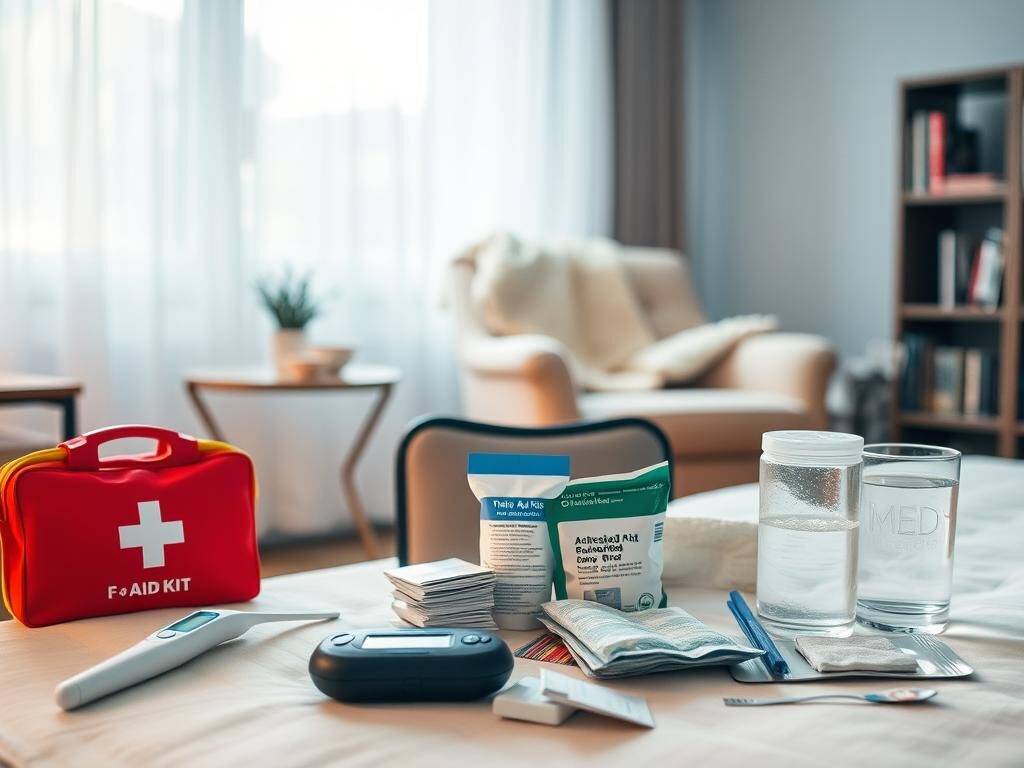
post-surgical wound care San Antonio

San Antonio’s Guide to Post-Surgical Wound Care at Home

Starting our recovery journey is exciting. But first, we need to know about post-surgical wound care. San Antonio offers great resources for healing at home.

Good wound care helps us heal and keeps infections away. This guide will give us tips to heal well at home. We’ll learn how to take care of ourselves and our wounds.

Key Takeaways

  • Understanding the importance of post-surgical wound care for better healing.
  • Preparing our home to create a supportive recovery environment.
  • Recognizing essential wound healing tips specific to our situation.
  • Learning how to identify signs of infection and seek help when needed.
  • Utilizing effective pain management strategies throughout the recovery process.

Introduction to Post-Surgical Wound Care

Post-surgical wound care is very important. It helps our wounds heal right after surgery. Knowing what to do after surgery makes us feel more confident.

By following the care tips from doctors, we can avoid problems. This makes our recovery easier.

Getting ready before surgery helps a lot. It makes sure we have everything we need at home. Knowing what to do helps us take good care of our wounds.

Importance of Proper Wound Care at Home

Proper wound care is key to healing. Keeping things clean and following care plans helps a lot. A dirty place can spread germs and cause infections.

By preventing infections, we avoid big problems. This means knowing the dangers of dirty wounds. Keeping wounds clean and using the right dressings helps us heal faster. It also makes us feel better.

Preparing Your Home for Recovery

Getting ready for recovery at home is very important. A safe and organized home helps us heal better. Before surgery, we can make our home safe and comfy for healing.

Creating a Safe Environment

To make our home safe, we should clean up and remove clutter. This helps avoid accidents. We can also put in grab bars in the bathroom and move furniture for easy walking.

Good lighting is key to moving safely around the house. It lowers the chance of falls or getting hurt.

Gathering Necessary Supplies

Having the right supplies ready for recovery is a big help. Some important things include:

  • Bandages and dressings
  • Antiseptic wipes
  • Medications as prescribed by our healthcare provider
  • Comfortable pillows and blankets
  • Nutritious pre-prepared meals

Having these things ready lets us focus on getting better. It shows we’re serious about recovering well.

essential supplies for home recovery

Post-Surgical Wound Care San Antonio: Essential Techniques

Good wound care is key after surgery. Using the right cleaning methods helps us heal and avoid infections. These tips help us heal safely and healthily.

Steps to Clean Your Wound Effectively

Cleaning wounds right is very important. Here’s how to do it:

  1. Wash your hands thoroughly with soap and water before touching the wound.
  2. Stop any bleeding by applying gentle pressure with a clean cloth.
  3. Use sterile saline or clean water to rinse the wound and remove debris.
  4. Put on an antibiotic ointment as advised. It helps prevent infection.
  5. Use a clean bandage to cover the wound, keeping it dry and safe.

Moisturizing and Protecting the Wound

Keeping the wound moist is crucial for healing. Here are some tips:

  • Keep the wound a bit moist, but not too wet, to help cells grow.
  • Change the bandage often to keep it clean and prevent germs.
  • Watch the wound every day for signs of infection, like more redness or swelling.

Signs of Infection to Monitor

After surgery, we must watch for signs of infection. This helps us recover smoothly. Knowing these signs lets us get help fast.

Common Symptoms and When to Seek Help

Look for these signs of infection:

  • Redness around the wound that doesn’t get better.
  • Swelling that keeps getting bigger.
  • Unusual drainage that’s cloudy or smells bad.
  • Pain that gets worse instead of better.
  • Fever or chills without a reason.

If you see these signs, get help right away. A doctor can stop small problems from getting big.

Understanding After Surgery Care and Emotional Support

After surgery care is more than just healing physically. Emotional support is key to getting better. Talking to caregivers and loved ones helps us feel less alone.

Openly sharing our feelings and struggles is important. It helps us stay emotionally healthy.

Using good recovery techniques is crucial. Gentle exercises, journaling, and meditation can make us feel better. Joining support groups or seeing a counselor is also helpful.

It’s important to take care of our mental health. This helps us recover faster and enjoy life more after surgery.

emotional support in after surgery care

When to Seek Professional Help for Wound Care

Knowing when to get help with wounds is key. It helps avoid big problems that can happen if we ignore warning signs. Getting medical help fast is very important for healing after surgery.

Recognizing Serious Complications

We need to watch for signs that mean we should see a doctor right away. Here are some times when you should get help:

  • Deep or jagged wounds: These injuries need quick attention to avoid problems.
  • Persistent bleeding: If bleeding doesn’t stop after first aid, it’s time to see a doctor.
  • Signs of infection: Look out for more redness, swelling, warmth, or pus. These are signs to get professional help.

In San Antonio, places like Dominion Mobile Wound Care can help us. Getting help fast can make our healing better.

Day-to-Day Tips for Home Recovery

We need to focus on daily tips to help us heal. It’s important to manage pain and follow our medicine schedule. Also, we must drink water and eat well to stay healthy.

Managing Pain and Medication

It’s key to take our medicine on time. This helps us feel better and do more things. Here are some tips:

  • Set reminders on your phone or use a pill box to remember to take your medicine.
  • Do things slowly to avoid getting too tired, which can make pain worse.
  • Try deep breathing or gentle stretching to relax and feel better.

Staying Hydrated and Eating Well

Drinking water and eating right are very important. A good diet helps our body heal faster. Here’s how to stay hydrated and eat well:

  • Always have a water bottle with you and track how much you drink.
  • Eat foods like fruits, veggies, and whole grains for important nutrients.
  • Choose simple meals like soups and salads that are easy to make.

Conclusion

Effective post-surgical recovery starts with good wound care at home. By following the tips in this guide, we can heal better and avoid problems. Keeping our space clean and safe helps us care for ourselves well.

We should all focus on getting better by using these tips. Taking pain meds as told and watching for signs of trouble are key. If you’re in San Antonio, Dominion Mobile Wound Care can help a lot.

Let’s face surgery recovery with confidence. Knowing that home care is key helps us reach our health goals. Let’s support each other on this important journey to wellness.

FAQ

What is the most important aspect of post-surgical wound care?

Keeping the wound clean is key to avoid infections and help it heal. Always clean the wound and follow what doctors say. This is crucial for a good recovery.

How can we create a safe environment for recovery at home?

Make your home safe by clearing clutter and adding safety features. Good lighting helps prevent falls. Keep medical supplies easy to reach for quick access.

What steps should we follow to clean a surgical wound effectively?

First, wash your hands well. If the wound bleeds, press gently to stop it. Clean the wound with antiseptic wipes, apply ointment if told to, and cover it with a sterile dressing.

What signs of infection should we monitor after surgery?

Watch for redness, swelling, warmth, and unusual drainage around the wound. If you see these signs, call a doctor right away.

How can we support emotional well-being during recovery?

Talk openly about your feelings with caregivers or loved ones. Doing relaxing activities and staying connected can help you feel better.

When is it necessary to seek professional help for wound care?

Get help if the wound is deep, bleeds a lot, shows signs of infection, or doesn’t heal. Experts can prevent serious problems and manage the wound right.

What daily tips can we follow to manage pain and nutrition during recovery?

Stick to your pain medicine schedule and only take what’s prescribed. Drink plenty of water and eat healthy foods. Cooking simple meals ahead of time can make recovery easier.