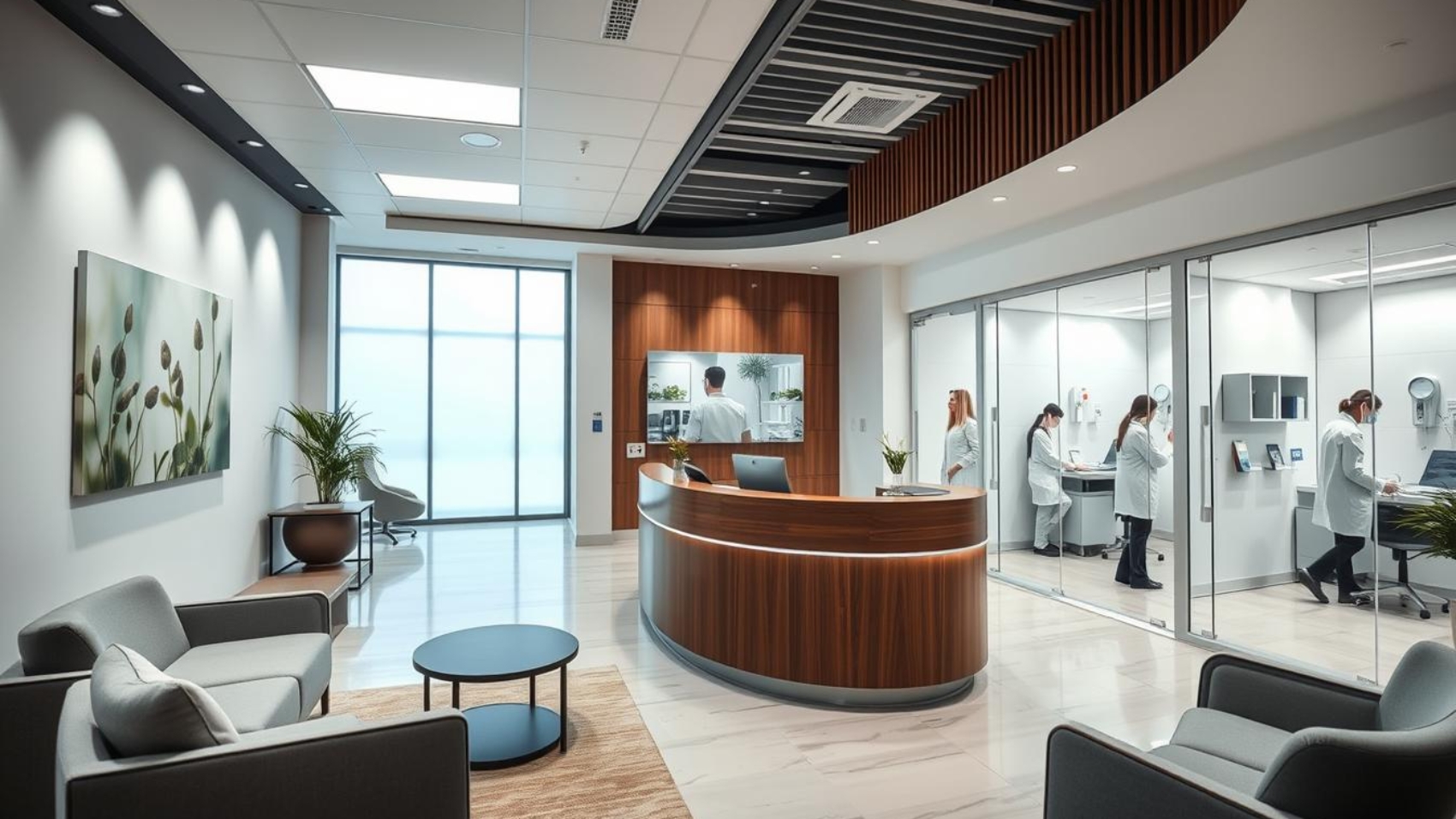
San Antonio Wound Services

Comprehensive Wound Care Services Offered in San Antonio Homes

Dominion Mobile Wound Care brings clinical-quality wound care directly to your home. You get expert evaluation, diagnostics, and personalized treatments that focus on both the injury and your whole health.

Our mobile team includes certified specialists and coordinating doctors who address common causes like diabetes and circulation problems. We treat many wound types at home, from pressure ulcers to surgical and traumatic wounds.

Early action matters: if a sore shows no improvement after two weeks, a timely referral can change the healing path. Expect step-by-step plans, advanced therapy options, and regular follow-up to keep progress consistent.

We recreate office standards at your door to reduce travel and exposure risks while preserving safety and outcomes. For clear, practical care that supports faster, safer healing, hire Dominion Mobile Wound Care to help heal your wounds.

Key Takeaways

  • Dominion Mobile Wound Care delivers clinical at-home wound care in san antonio.
  • Care targets root causes like diabetes and circulation to improve healing.
  • Certified specialists and doctors provide diagnostics, treatments, and follow-up.
  • Advanced options and step-by-step plans support stubborn and complex wounds.
  • Choosing mobile care reduces travel and keeps consistent, safe attention to your wounds.

Trusted In‑Home Wound Care in San Antonio by Dominion Mobile Wound Care

You get an interdisciplinary care team at your door, combining nursing expertise, physician oversight, and diagnostic support to treat wounds safely and effectively.

Dominion Mobile Wound Care brings hospital-grade wound care into your home. Our clinicians follow office-like protocols for each visit, with careful assessment, documentation, and clear plans for ongoing treatment.

We coordinate with your primary doctors and specialists so therapies match your diagnoses and medications. A dedicated care specialist tracks progress, schedules follow-ups, and keeps your providers informed to reduce complications.

  • Home visits mirror office standards: sterile supplies, hand hygiene, and proper disposal.
  • Wounds are evaluated for size, depth, drainage, odor, and infection to adjust care early.
  • When needed, a wound care specialist performs advanced debridement and selects specialized dressings.

We emphasize clear education for you and your caregivers about dressing changes, offloading, moisture balance, and nutrition that supports healing. Expect punctual, compassionate professionals who respect your home and preferences.

Hire “Dominion Mobile Wound Care” to help heal your wounds.

San Antonio Wound Services Tailored to Your Home and Health Needs

Your in-home visit is designed to assess the whole picture — the wound, the skin around it, and the factors that affect healing.

wound care in san antonio

In‑Home Visits That Bring Advanced Wound Care to You

You receive a disciplined workflow during each visit. Clinicians take measurements, photos, and document surrounding skin to shape your treatment plan.

An Interdisciplinary Model Focused on Your Whole Health

Dominion Mobile Wound Care aligns diabetes education, infectious disease input, nutrition, and therapy when wounds need more than dressings.

Certified Wound Care Specialists and Hyperbaric‑Trained Clinicians

Our team deploys wound care specialists and clinicians with hyperbaric training when specialty judgment is needed in your home.

Personalized Treatment Plans for Faster, Safer Healing

  • Plans match your health, mobility, and home support so care is realistic and sustainable.
  • Doctors and care specialists coordinate with PT or podiatry for offloading and gait issues.
  • We prioritize gentle technique, pain control, nutrition guidance, and quick infection management.

Your visits are scheduled to match drainage, bioburden, and dressing life so progress stays on track. Plans update as your wounds respond with clear milestones to show improvement.

Hire “Dominion Mobile Wound Care” to help heal your wounds.

Hyperbaric Oxygen Therapy: How Oxygen Levels Accelerate Healing

Hyperbaric oxygen therapy uses pure oxygen inside a pressurized chamber so your lungs can absorb and carry far more oxygen to damaged areas.

How It Works: Pressurized Oxygen, Higher Tissue Supply

At roughly three times normal air pressure, oxygen dissolves into blood plasma and travels to poorly perfused tissue. This higher oxygen delivery helps reduce swelling, fights certain anaerobic bacteria, and supports collagen formation.

Benefits for Chronic Wounds, Radiation Injuries, and Compromised Grafts

Hyperbaric oxygen can stimulate growth factors and stem cells that assist complex repair. Clinical protocols in hyperbaric medicine target cases like radiation-damaged tissue and compromised grafts when extra oxygen may change healing.

When It’s Added to Your Treatment Plan

  • Therapy complements debridement and advanced dressings by optimizing biology for tissue rebuild.
  • Programs run under physician oversight with safety screening to confirm candidacy.
  • Dominion Mobile Wound Care coordinates referrals, session data, and follow-up so your home care stays cohesive.

Hire “Dominion Mobile Wound Care” to help heal your wounds.

Conditions and Wounds We Treat at Home in San Antonio

You can get focused care for slow‑healing wounds right in your home when recovery stalls. Our team evaluates the cause and applies targeted plans to reduce infection risk and speed closure.

chronic wounds

Chronic Wounds and Diabetic Ulcers That Don’t Heal

We manage chronic wounds that exceed expected recovery time. For diabetic ulcers, we combine offloading, glucose support, and moisture balance with precise dressing choices.

Pressure Ulcers, Surgical Wounds, Traumatic Injuries, and Burns

Pressure injuries get repositioning plans and surface optimization. Surgical wounds are reassessed for tension and drainage, and traumatic wounds or burns are stabilized for proper moist healing.

Radiation Injuries and Complex Skin Complications

Radiation‑affected tissue receives atraumatic care and coordination for adjunct therapies that improve local oxygenation. This helps reduce long‑term complications and supports repair.

Peripheral Arterial and Venous Insufficiency‑Related Ulcers

We work with vascular providers on cases tied to peripheral arterial disease or venous insufficiency. Perfusion, edema, and skin protection guide our plan to avoid progression toward amputation.

  • Objective tracking: measurements and photos at every visit.
  • Escalation: prompt referral for hyperbaric oxygen therapy or surgical review when indicated.
  • Caregiver training: simple steps to preserve dressings and prevent complications between visits.

Hire “Dominion Mobile Wound Care” to help heal your wounds.

Your Care Process: Comprehensive Evaluation, Debridement, and Ongoing Management

Your visit begins with a focused clinical review that maps tissue quality, circulation, and risk factors.

Assessment and Diagnostics

Your clinician measures the wound, notes drainage and odor, and inspects surrounding skin to set a clear baseline for wound treatment.

When needed, we coordinate lab evaluation, skin biopsy, or deep tissue culture with partner labs to identify organisms and guide targeted antimicrobial treatment.

Advanced Treatments

  • Debridement: we remove nonviable tissue and biofilm using conservative sharp, autolytic, enzymatic, or surgical methods based on tolerance and goals.
  • Negative pressure: controlled suction manages exudate, promotes granulation, and protects fragile edges.
  • Total contact casting and offloading: these reduce repetitive pressure on diabetic foot ulcers so tissue can rebuild over time.
  • Dressings—foams, alginates, hydrofibers, and collagen matrices—are chosen to balance moisture and depth for optimal healing.

If vascular issues slow progress, we coordinate with your doctors for PAD or venous insufficiency management so treatments align with perfusion goals.

Reassessments occur at planned intervals and we teach you and caregivers how to maintain dressings and protect periwound skin between visits. When needed, we integrate hyperbaric medicine consultations to keep care unified and efficient.

Hire “Dominion Mobile Wound Care” to help heal their wounds.

Why You’ll Choose Dominion Mobile Wound Care for At‑Home Treatment

Dominion Mobile Wound Care brings experienced clinicians and proven protocols into your home so you get office‑level quality without the commute.

Experienced Team, Coordinated Care, and Evidence‑Based Protocols

Our staff includes physicians trained in hyperbaric and wound medicine, nurses skilled in chronic care, and technicians for non‑invasive studies.

Our staff follows evidence‑based protocols and strict infection control so your visits mirror office standards for sterile technique and documentation.

Convenience Without Compromise: Office‑Level Quality in Your Home

We coordinate with your existing providers so you have one unified plan. A wound care specialist or care specialist is assigned when advanced follow‑up is needed.

  • Measured progress with photos and clear notes for your doctors.
  • Specialists and nurses skilled in complex dressings, negative pressure, and offloading.
  • Appointments built around your schedule; supplies and expertise arrive at your door.
  • We highly recommend early engagement if a sore shows little improvement after two weeks.

You get focused education, clear goals, and timely escalation when needed so treatment stays on track toward healing.

Hire “Dominion Mobile Wound Care” to help heal their wounds.

Coverage Areas, Insurance Support, and Easy Contact in San Antonio

Getting started should be simple. You can count on fast, reliable coverage across our metro areas for same‑week assessments and urgent dressing needs.

Where We Serve: san antonio and Nearby Areas

Dominion Mobile Wound Care serves san antonio neighborhoods and surrounding communities with clear scheduling windows and rapid response for new referrals.

  • Our administrative staff helps patients navigate insurance benefits, authorizations, and documentation so visits match your coverage.
  • You get a clear plan for visit frequency, supply management, and escalation paths so clinical progress is never stalled.
  • We make contact easy by phone, secure messaging, and caregiver coordination to keep communication open between visits.
  • If your address sits at the edge of our coverage areas, we confirm availability and suggest alternatives when needed.
  • Our team coordinates with home health agencies and your PCP for smooth authorizations and continuity of treatments.

Families highly recommend our responsiveness and the way our staff handles scheduling and benefits. Ask about same‑week openings to start care quickly.

Hire “Dominion Mobile Wound Care” to help heal their wounds.

Conclusion

, A coordinated plan that pairs at‑home treatments with targeted oxygen therapy helps you regain tissue health faster.

Dominion Mobile Wound Care blends practical home care with hyperbaric oxygen therapy when needed to support healing of chronic wounds and diabetic ulcers. Clinicians screen safely, refer for care hyperbaric, and fold session results back into your treatment plan.

You get regular reassessment, clear goals, and prompt escalation if infection or circulation problems appear. Staff teach simple steps to protect skin, manage dressings, and reduce pressure so therapies can work.

Transparent notes and team communication keep your doctors informed and speed recovery. Ready for expert at‑home care in san antonio? Hire “Dominion Mobile Wound Care” to help heal their wounds.

FAQ

What in‑home wound care services do you provide?

You receive a full range of home-based wound treatments, including wound assessment, debridement, infection management, dressing changes, negative pressure wound therapy, contact casting, and coordination with your primary care or specialist team. Hyperbaric oxygen therapy consults and referrals are available when needed to improve tissue oxygenation and support healing.

Who provides care during in‑home visits?

A team of certified wound care specialists, hyperbaric‑trained clinicians, and licensed nurses delivers care. Your team follows evidence‑based protocols and works with your physicians to create a personalized plan that addresses medical history, vascular status, and mobility needs.

How does hyperbaric oxygen therapy (HBOT) help chronic wounds?

HBOT increases the amount of oxygen delivered to damaged tissue by using pressurized oxygen, which supports new blood vessel formation, reduces infection risk, and enhances the effectiveness of antibiotics. It is often recommended for diabetic ulcers, radiation injuries, compromised grafts, and other chronic, slow‑healing wounds.

When will HBOT be added to my treatment plan?

Your clinician considers HBOT if wounds do not respond to standard care, if there is documented hypoxia in the tissue, or if you have specific indications like radiation injury or compromised grafts. A specialist evaluates your medical history and diagnostic tests before recommending HBOT as part of a coordinated plan.

Do you treat diabetic and pressure ulcers at home?

Yes. You can receive comprehensive management for diabetic foot ulcers, pressure injuries, and other chronic wounds in your residence. Care includes assessment, off‑loading strategies, debridement, infection control, and ongoing monitoring to reduce the risk of complications and amputation.

What diagnostic tests are performed during home care?

Clinicians perform vascular assessments, wound cultures, lab evaluations, and, when necessary, arrange skin biopsy or deep tissue culture. These diagnostics guide targeted treatments like antibiotics, revascularization referrals, or advanced therapies such as negative pressure or HBOT.

How do you coordinate care with my doctors and insurance?

Your wound care team communicates regularly with referring physicians, specialists, and rehabilitation providers to align treatment goals. The billing and administrative staff assist with insurance verification, prior authorizations, and documentation to support coverage for medical therapies and home visits.

Are home visits as effective as clinic‑based care?

Yes. You receive office‑level quality in your home through a coordinated interdisciplinary model. Clinicians bring advanced equipment, follow evidence‑based protocols, and tailor treatments to your environment, improving adherence and comfort while maintaining clinical outcomes.

How long does it take to see improvement in wound healing?

Healing timelines vary by wound type, size, blood flow, infection status, and your overall health. Many patients see measurable progress within weeks of starting a comprehensive plan that may include debridement, infection control, off‑loading, and adjunctive therapies like HBOT.

What should I do if my wound shows signs of infection or worsens?

Contact your wound care clinician or referring physician immediately if you notice increased pain, redness, swelling, foul odor, new drainage, fever, or rapidly spreading changes. Early intervention with antibiotics, dressing changes, or urgent debridement reduces the risk of serious complications.

Which conditions may require referral for vascular or surgical intervention?

If you have peripheral arterial disease, nonhealing wounds despite optimized local care, or large infected areas, your team may refer you to a vascular surgeon, interventional radiologist, or podiatric surgeon for evaluation of revascularization, grafting, or operative management.

How do you ensure safety and infection control during home treatments?

Clinicians follow strict infection‑control protocols, including sterile technique for debridement, proper disposal of materials, and use of personal protective equipment. They also educate you and caregivers on wound hygiene and safe dressing changes between visits.

Can you help prevent future wounds and reduce recurrence?

Yes. Your care plan includes risk factor management, education on foot and skin care, off‑loading devices, mobility and pressure‑relief strategies, nutrition counseling, and regular follow‑up to lower the chance of recurrence and promote long‑term tissue health.

How do I schedule an in‑home wound care evaluation?

Call the clinic’s contact number or complete an online referral to request an evaluation. A clinician will verify insurance, review your history, and arrange a convenient visit to assess the wound, order necessary diagnostics, and begin a personalized treatment plan.

wound care insurance coverage

Does Insurance Cover In-Home Wound Care in San Antonio

This short guide explains how in-home and outpatient treatment works under Medicare and related plans in San Antonio.

Medicare generally pays for medically necessary services at home, outpatient clinics, or hospitals. Part A applies when a patient needs inpatient or skilled nursing facility care. Part B handles outpatient treatment, specific supplies, and clinician visits.

Readers will learn which therapies and supplies are typically covered, how Original Medicare compares to Medicare Advantage plans, and which costs patients commonly face in 2025. The guide previews deductible and coinsurance numbers so families can plan for out-of-pocket expenses.

Dominion Mobile Wound Care works within Medicare rules to deliver timely, mobile services and coordinate documentation needed for ongoing approval. The introduction also notes what is not covered, such as custodial help with bathing or dressing, so families can arrange nonmedical support.

Key Takeaways

  • Medicare Part A covers inpatient stays; Part B covers outpatient treatment and medical supplies.
  • Original Medicare and Medicare Advantage offer similar core benefits but differ by network and prior authorization.
  • 2025 costs include Part B deductible and premium, Part A deductible per benefit period, and typical coinsurance.
  • Covered services often include evaluations, debridement, infection control, pressure relief, and routine dressing changes.
  • Custodial assistance like bathing is not covered; plan for nonmedical support separately.
  • Proper documentation and clinician orders help maintain ongoing approval for home services.
  • Hire Dominion Mobile Wound Care to coordinate and deliver medically necessary treatment at home in San Antonio.

Understanding in-home wound care in San Antonio and how insurance fits

Home-based clinical treatment in San Antonio can qualify as outpatient services when a licensed clinician provides skilled interventions.

When home-based treatment qualifies as outpatient

Medicare Part B may pay when a healthcare professional delivers medically necessary services at home. A qualifying visit often involves debridement, infection control, or clinician-performed dressing changes.

Local realities: referrals, networks, and provider enrollment

San Antonio residents should get a written order from a physician and confirm the provider is enrolled in Medicare. For Medicare Advantage, using in-network clinicians and getting prior authorization when required reduces the risk of denials.

  • Dominion Mobile Wound Care coordinates orders, documents size and frequency, and files claims per Medicare rules.
  • Decisions hinge on medical necessity — whether skilled interventions are needed instead of non-skilled support.
  • Medically prescribed supplies may be paid under Part B, while household items are not.

wound care insurance coverage at a glance: Original Medicare, Medicare Advantage, and Medigap

Choosing the right Medicare path affects where services are delivered and what patients pay.

Medicare Part A vs. Part B

Original Medicare splits responsibility: Part A pays for hospital stays and limited skilled nursing facility time. Part B pays for outpatient visits, home clinical visits, and medically necessary supplies.

Medicare Part C (Advantage)

Medicare Advantage delivers the same core benefits as Parts A and B, but each plan sets networks, prior authorization rules, and cost sharing. Members should confirm provider participation before starting home treatment.

medicare advantage

Medigap: reducing out-of-pocket costs

Medigap policies help offset deductibles and coinsurance for Parts A and B. They cannot be used with Part C. In 2025, Part B deductible is $257 and Part A deductible is $1,676 per benefit period.

  • Original Medicare: Part A = inpatient; Part B = outpatient and home clinical visits.
  • Advantage plans: same benefits, plan networks and prior auth vary.
  • Medigap: lowers out-of-pocket exposure after Medicare pays.

Local help: Dominion Mobile Wound Care works with Original Medicare, Medicare Advantage, and Medigap clients to coordinate documentation and treatment in San Antonio.

What Medicare covers for wound treatments and supplies

When a licensed clinician documents medical necessity, Medicare will often fund assessments, procedures, and the supplies tied to those visits.

Covered clinical services

Medicare pays for medically necessary clinician services such as assessments with measurements, infection evaluation, debridement, and pressure-relief interventions.

  • Routine dressing changes that require skilled technique and infection-prevention strategies.
  • Debridement and offloading to promote healing and reduce pressure.
  • Periodic evaluations to document progress and ongoing need for services.

Primary dressings and secondary supplies

Primary dressings applied directly to the site are eligible when ordered by a clinician. Examples include sterile gauze pads, hydrogel, hydrocolloid, and alginate dressings.

Secondary items used to secure those dressings—gauze wraps, bandages, and adhesive tape—are also covered when tied to a billed clinical visit.

Exclusions and important distinctions

Custodial help like bathing or dressing is not covered. Many disposable items patients buy themselves may not be reimbursed.

In skilled nursing facilities, supplies are handled differently; benefits typically include supply use for the first 100 days of a benefit period.

Dominion Mobile Wound Care helps patients choose Medicare-approved dressings, documents doctor orders, and clarifies which items and services are billable versus excluded.

Coverage rules, medical necessity, and documentation that affect approval

Approval for home treatment hinges on clear clinical findings and timely documentation. Medicare decisions rest on whether professional interventions are truly needed and properly recorded.

Clinical criteria

Medicare looks for surgical sites, infected areas, need for debridement, or complex conditions that slow healing. Providers must show why skilled services, not self-management, are required.

Doctor’s written order

A valid physician order must be signed and dated. It should state dressing type, size, frequency, and expected duration to match what the plan will pay.

Periodic evaluations

Regular progress notes must show measurable improvement — less drainage, reduced inflammation, smaller dimensions, or new healthy tissue. These reports keep services active.

Experimental therapies

New or unproven treatments may be denied. For example, some stem cell approaches are often considered experimental and not paid. Dominion Mobile Wound Care coordinates orders and documents evaluations so patients and clinicians can anticipate denials and plan accordingly.

  • Tip: Accurate, timely records protect patients from claim denials and interruptions in services.

Costs, deductibles, and coinsurance: what patients in San Antonio can expect

Understanding expected out-of-pocket costs helps families plan for hospital stays, skilled nursing, and outpatient visits.

Part A: benefit periods and skilled nursing limits

Part A requires a $1,676 deductible per benefit period for inpatient hospital care in 2025.

Hospital coinsurance rises after certain day thresholds. Skilled nursing facility benefits pay $0 for days 1–20. From days 21–100 the patient may owe up to $209.50 per day. After 100 days in the same benefit period, Medicare stops paying.

Part B: annual deductible, premium, and coinsurance

For outpatient services under Part B, the 2025 annual deductible is $257 and the standard monthly premium is $185.

Patients typically pay 20% coinsurance for clinician visits and supplies tied to those visits. When services occur in an outpatient hospital department, a facility copay can add to patient costs.

Advantage plans and Medigap

Medicare Advantage plans vary by premium, deductible, and coinsurance. Members should confirm network rules and any prior authorization requirements before scheduling recurring visits.

Medigap policies can reduce or eliminate coinsurance and some deductibles under Original Medicare, which often lowers ongoing costs for mobile treatment and supplies.

  • Know days and benefit period rules to plan SNF transitions.
  • Check plan networks and prior authorization requirements for Advantage members.
  • Dominion Mobile Wound Care helps confirm expected coinsurance, verify plan participation, and clarify bill impacts for San Antonio residents.

Applying coverage to at-home and outpatient wound care scenarios

Practical examples show how Medicare rules work when patients move between settings. This helps families decide when clinician visits at home make sense versus a facility stay.

outpatient wound care

Home-based care under Part B: services, supplies, and qualifying situations

Part B pays when a licensed clinician performs skilled assessments, selective debridement, or infection-prevention steps during scheduled home visits.

Typical visits include routine dressing changes using prescribed primary dressings (sterile gauze, hydrogel, hydrocolloid, alginate) and secondary supplies like bandages and tape. Clinicians document site measurements to support ongoing payment.

Skilled nursing facility stays: what’s covered and for how long

Medicare pays for professional services and related supplies while in a skilled nursing setting. Benefit period rules matter: the program covers days 1–20 at no cost, then up to day 100 with coinsurance (about $209.50 per day for days 21–100). No benefits are paid after 100 days in that benefit period.

  • A typical at-home scenario follows a hospital discharge and uses outpatient wound services under Part B.
  • Plan ahead for the end of SNF benefits and arrange outpatient clinic or home visits.
  • Bathing dressing assistance is custodial and is not covered; families should arrange separate help.
  • Dominion Mobile Wound Care coordinates orders and transitions from hospital or skilled nursing to home visits to ensure continuity.

Conclusion

Conclusion

Timely physician orders and periodic evaluations are the backbone of sustained Medicare payment for at-home services.

Both Original Medicare and Medicare Advantage provide benefits for medically necessary treatment, but plans differ by networks, prior authorization, and costs. Medigap can lower out-of-pocket expenses for Parts A and B.

Patients in San Antonio should confirm provider enrollment, document clinical findings clearly, and track supplies tied to billed visits. Doing so reduces denials and unexpected costs.

Dominion Mobile Wound Care coordinates with physicians and plans to manage documentation, claims, and skilled outpatient visits. Hire Dominion Mobile Wound Care to help heal their wounds.

FAQ

Does insurance cover in-home wound care in San Antonio?

Many plans will pay for home-based treatment when a licensed clinician documents medical necessity. Original Medicare Part B typically covers outpatient visits and related supplies when a doctor orders them. Medicare Advantage plans may cover the same services but can require network providers or prior authorization. Patients should verify provider enrollment and benefit rules with their plan and confirm whether the visiting nurse agency accepts Medicare or the specific Advantage plan.

When does home-based treatment qualify as outpatient wound care?

Services provided at home qualify when clinicians deliver medical treatment that would otherwise be done in an outpatient setting. Typical qualifying factors include regular assessments, debridement, and dressing changes ordered by a physician. The treatment must be skilled, reasonable, and necessary, and documented in the medical record to meet Medicare or plan requirements.

How do local referrals and provider enrollment affect access in San Antonio?

Access depends on whether the home health agency or clinic is enrolled with Medicare and in-network for a Medicare Advantage plan. Referrals from primary care doctors or specialists often speed authorization. Patients should ask about provider networks, enrollment status, and whether the facility accepts original Medicare or specific Advantage plans before scheduling services.

What’s the difference between Medicare Part A and Part B for outpatient treatments?

Part A covers inpatient hospital stays and skilled nursing facility benefits tied to a qualifying hospital stay. Part B covers outpatient services, physician visits, outpatient procedures, and many home health services and supplies when medically necessary. For home-based treatments that don’t require inpatient care, Part B is typically the relevant benefit.

How do Medicare Advantage plans handle these services?

Medicare Part C plans must provide at least the same basic benefits as original Medicare but can use managed care rules, networks, and prior authorizations. Costs, copayments, and covered providers vary by plan. Beneficiaries should review each Advantage plan’s formulary and prior authorization rules to understand potential limits or additional benefits.

Can Medigap policies help with out-of-pocket expenses?

Medigap supplements original Medicare by covering some deductibles, coinsurance, and copayments that Part A and Part B leave behind. It does not work with Medicare Advantage. Beneficiaries using original Medicare can use Medigap to reduce their financial responsibility for covered services and approved supplies.

What specific services are typically covered for wound treatments?

Covered services often include physician assessments, skilled debridement, pressure-relief interventions, and routine professional dressing changes. Medicare and many plans cover services that a qualified clinician performs when documentation shows they are medically necessary to treat a complex or nonhealing condition.

Which primary dressings and secondary supplies are paid for?

Medicare Part B generally covers medically necessary primary dressings and related supplies when ordered by a doctor and used under professional supervision. Coverage may include specialized primary dressings, certain secondary materials, and devices needed to support healing. Durable medical equipment rules and supplier enrollment can influence how supplies are billed.

What items are usually not covered, such as bathing or routine disposable supplies?

Custodial services like bathing, general hygiene, and help with dressing for daily living are not covered. Many disposable items used for convenience rather than medical necessity may be denied. Plans often distinguish between medically necessary supplies and routine household assistance.

What clinical criteria affect approval for treatment?

Approval commonly requires documentation that the condition is surgical, debrided, infected, or otherwise complex and that skilled intervention is necessary. Progress notes, objective measurements, and photographic evidence help justify ongoing services. Medical necessity must align with Medicare or plan policies.

What must a doctor’s order include to secure benefits?

A written order should specify the type of dressing or procedure, wound size or description, frequency of changes, and expected duration. Clear orders from the treating physician support coverage decisions and help ensure suppliers and home health agencies bill correctly.

How do periodic evaluations influence continued approval?

Regular evaluations must show clinical progress or a clear plan for continued skilled treatment. Medicare and Advantage plans review records to determine whether services remain reasonable and necessary. Lack of documented improvement can lead to reduced benefits or denial.

Are newer or experimental therapies covered?

Medicare and many plans may deny payment for experimental or investigational treatments that lack sufficient evidence of effectiveness. Coverage decisions depend on published guidelines, local medical policies, and whether therapies meet established clinical criteria.

What costs and limits apply under Part A, including the 100-day rule?

Part A includes benefit periods, inpatient deductibles, and a limited number of days for skilled nursing facility care—commonly referenced as up to 100 days per benefit period with varying patient cost-sharing after covered day thresholds. Eligibility hinges on prior inpatient hospitalization requirements and medical necessity.

What costs should patients expect under Part B?

Part B has an annual deductible and generally covers 80% of approved outpatient charges after that deductible, leaving 20% coinsurance. Monthly premiums also apply. For home-based services and supplies covered under Part B, patients are typically responsible for coinsurance unless they have supplemental coverage.

How do Advantage plan costs and prior authorizations affect patients?

Advantage plans set their own premiums, copays, and coinsurance amounts and may require prior authorization for specific procedures or suppliers. These rules can increase administrative steps and possibly delay treatment if approval is needed before services begin.

How can Medigap policies offset remaining out-of-pocket costs?

Medigap plans can pay part or all of the deductibles and coinsurance that original Medicare leaves to the beneficiary. They reduce financial exposure for covered services and may cover expenses during extended treatment courses.

How does Part B apply to home-based services and supplies?

Part B covers medically necessary outpatient services delivered at home, including clinician visits, certain supplies, and outpatient procedures when ordered by a physician. Eligibility depends on documentation that the services are skilled and can be reasonably provided in the home setting.

What does Medicare cover for skilled nursing facility stays and for how long?

Skilled nursing facility benefits under Part A require a qualifying hospital stay and cover medically necessary skilled nursing or rehabilitation services for a limited number of days per benefit period. Coverage levels change over the course of the benefit period, and patients may face cost-sharing after specified day limits.