

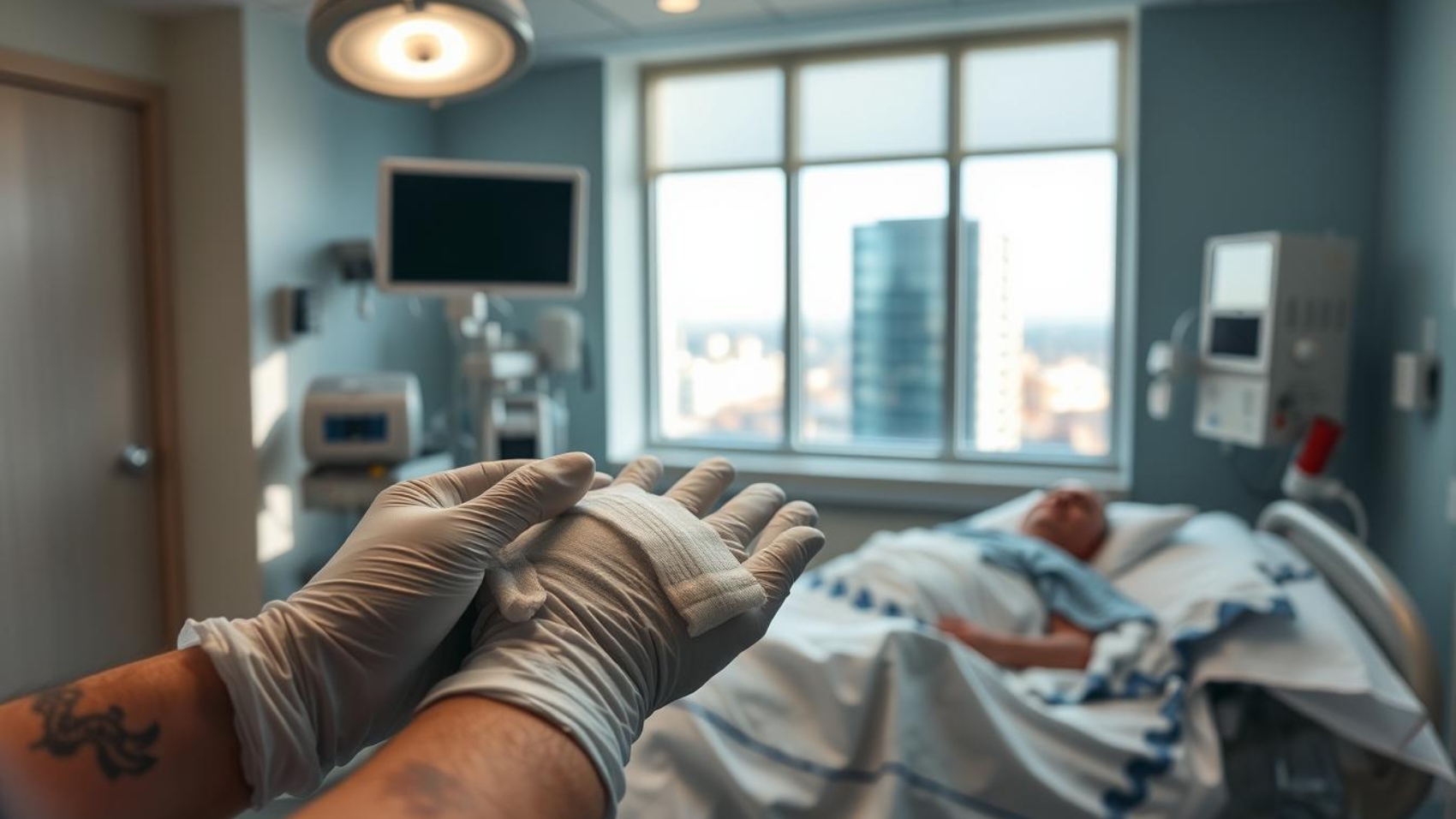
We’re exploring how to care for wounds at home in San Antonio. Knowing how to heal wounds is key for a good recovery. In this part, we’ll talk about making your home comfy for healing, getting the right supplies, and caring for your wounds.
With the right knowledge, we can heal better at home. This makes our recovery smoother and faster.
Key Takeaways
- Understanding the healing process is vital for effective home recovery.
- Creating a comfortable environment is essential for after surgery care.
- Acquiring the right supplies can support wound management.
- Monitoring your wound for signs of infection is important.
- Utilizing local resources can provide additional support during recovery.
- Nutrition plays a significant role in the healing process.
Understanding Post-Surgical Wound Healing
Learning about healing after surgery is key. Our body goes through a complex wound healing process after surgery. This process has several important stages.
Each stage helps fix the skin and heal the tissues underneath.
The Healing Process After Surgery
The healing process has four main stages: hemostasis, inflammation, proliferation, and maturation. Hemostasis starts right after surgery, stopping the bleeding.
Inflammation comes next, with immune cells fighting off infection. Proliferation is when new tissue and blood vessels form. Maturation is the final stage, making the skin and tissue strong.
Factors Affecting Wound Healing
Many factors affecting recovery can change how well we heal. Things like age, health, and medical conditions matter a lot. So do the type of incision and how the surgeon closes it.
By taking good care of ourselves after surgery, we can heal better. This is what the South Texas Spine & Surgical Hospital says.
Essential After Surgery Care at Home
Creating a caring space helps us heal better. A tidy recovery area makes us feel good and calm. It’s important to have easy access to medicine and cleaning stuff.
Creating a Comfortable Recovery Environment
Setting up a special area for recovery is key. Think about these things:
- Make a quiet spot away from noise.
- Keep things neat with supplies within reach.
- Good light and air help us relax.
- Have a comfy chair or bed for rest.
Acquiring Necessary Supplies for Wound Care
We need the right stuff for wound care. Good quality items help us heal right and avoid problems. Here’s what you should get:
- Sterile dressings to cover the wound.
- Antiseptics to stop infection.
- Adhesive tape or other ways to keep dressings in place.
- Pain meds as your doctor says.
Having these supplies ready makes recovery easier. It lets us focus on getting better.
Post-Surgical Wound Care San Antonio
In San Antonio, we have many local resources for wound care after surgery. These resources help us heal better. They give us the care and advice we need.
Local Resources for Wound Care Assistance
Places like South Texas Spine & Surgical Hospital are great choices. They have skilled wound care specialists. They also make sure we get the care we need at home.
Case managers check our homes and set up services for us. This can include getting wound care supplies or having someone come to our home.
How to Choose a Wound Care Specialist in San Antonio
Finding the right wound care specialist in San Antonio is key. Look at their experience with surgical wounds and how they care for patients. Reading reviews and asking for recommendations helps us choose well.
Feeling good about our provider helps us recover better. It makes our journey easier.
Best Practices for Wound Care Management
Good wound care starts with a daily routine. This routine includes cleaning and changing dressings. It’s important to be gentle but thorough to help wounds heal well. Following these steps helps wounds get better and keeps infections away.
Daily Cleaning and Dressing Changes
Here are the steps for daily wound care:
- Wash hands well before touching the wound.
- Clean the wound with mild soap and water or a special solution.
- Pat dry with a clean cloth to stop bacteria.
- Use antibiotic ointment if a doctor says so.
- Put on a sterile dressing that fits right but isn’t too tight.
Signs of Infection to Watch For
We need to watch for signs of infection. Look out for:
- Redness that goes beyond the wound.
- Increased swelling or warmth around the wound.
- Discharge that’s yellow or green, or smells bad.
- Fever, which means your body is fighting an infection.
When to Seek Professional Help
Knowing when to get help is key. If you see any infection signs or if the wound doesn’t get better, call a doctor. Quick action can prevent big problems and help you heal faster.

Nutritional Support for Optimal Healing
Nutrition is key to our recovery. Eating right helps our bodies heal better. It makes the healing process smoother and faster.
The Role of Diet in Recovery
What we eat affects how we recover. Eating foods full of vitamins and proteins helps fix tissues and boosts our immune system. Foods rich in zinc and vitamin C help wounds heal fast. Drinking plenty of water is also important. It helps move nutrients and keeps cells working right.
Foods to Promote Wound Healing
Adding certain foods to our meals can help us heal faster. Here are some good choices:
- Lean meats like chicken and turkey for protein.
- Leafy greens and colorful veggies for vitamins.
- Fruits like oranges and berries for vitamin C.
- Whole grains like brown rice and quinoa for energy.
Eating these foods helps our bodies heal naturally. It’s important to choose the right foods for our recovery. They are a big part of taking care of ourselves after surgery.
Managing Pain and Discomfort Post-Surgery
After surgery, it’s key to manage pain and discomfort well. Everyone feels pain differently. So, finding good ways to ease pain is very important. Using different pain management methods can make us feel better and heal faster.
Effective Pain Management Strategies
We can use many ways to handle pain after surgery. Mixing medicines with other methods helps us deal with pain better. Here are some good strategies:
- Prescribed medications: NSAIDs and narcotics can help with strong pain.
- Ice therapy: Ice packs on the surgery area can lessen swelling and pain.
- Relaxation techniques: Deep breathing, meditation, or yoga can help by lowering stress.
- Regular communication with our healthcare team: Talking about our pain helps change our pain plan when needed.
Being active with these strategies helps us move and do rehab exercises better. This leads to a quicker recovery. Using a mix of these methods helps us on our healing path.

Conclusion
Effective post-surgical care is key for a smooth recovery. Understanding the healing process helps us on our journey to wellness. A comfortable and supportive home environment is crucial for healing.
Following best practices in wound management is important. It helps us avoid complications and recover faster. We should watch our wounds closely and know the signs of infection.
For extra help, consider hiring Dominion Mobile Wound Care. They offer expert care that helps us heal better. This way, we can get back to our lives with confidence.
FAQ
What should I do to prepare my home for recovery after surgery?
Make your recovery space clean and quiet. Make sure you can easily get to your meds and supplies. Having everything ready can help you heal faster.
How can I promote better wound healing at home?
Follow good wound care habits. Clean and change dressings often, eat well, and drink lots of water. Know the signs of infection to act fast.
What are some signs that my wound might be infected?
Watch for redness, swelling, or discharge. If you see these, get help right away. It’s key to stop problems before they start.
How can nutrition impact my recovery after surgery?
Eating foods full of zinc, vitamin C, and protein helps wounds heal. Good nutrition boosts your immune system and speeds up recovery.
When should I reach out to my healthcare provider after surgery?
Talk to your healthcare team if you’re in a lot of pain or see signs of infection. Keeping them updated helps them adjust your care plan.
Are there local resources for wound care in San Antonio?
Yes, local hospitals like South Texas Spine & Surgical Hospital offer wound care. They can help find the right specialist for you.
What pain management strategies can I use after surgery?
Use meds, ice, and relaxation to manage pain. Being proactive about pain helps you move and do exercises better.