

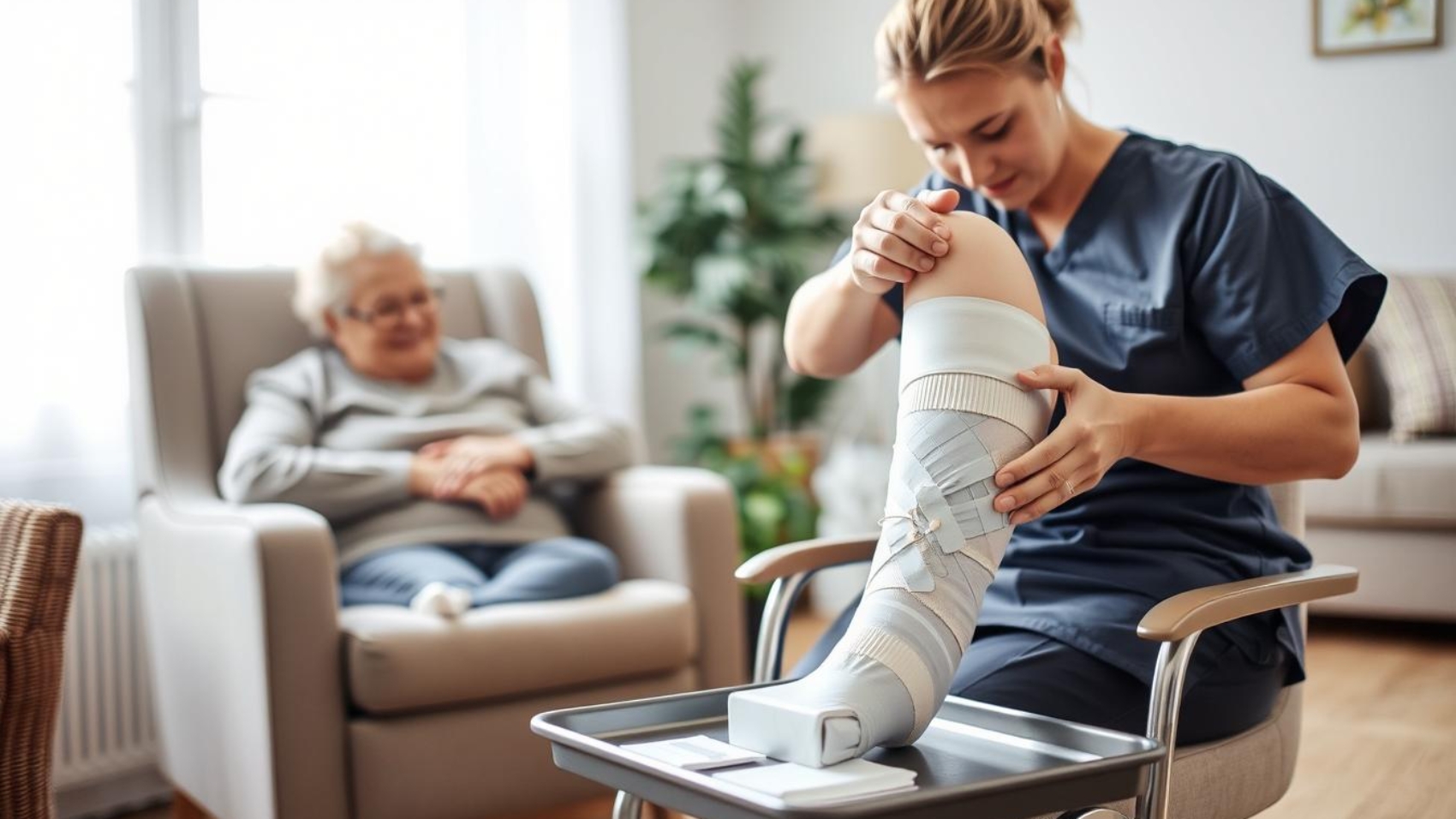
Providing at-home wound care is key for those with limited mobility. It helps bridge the gap between healing and comfort. Getting care at home means you get personalized attention that aids in healing and stops infections.
Patients with limited mobility often struggle with getting the right wound care. That’s why expert care at home is so important. It lets you heal in a place you feel comfortable, lowering the chance of complications.
Choosing Dominion Mobile Wound Care means you get top-notch care for your wounds. Our team is committed to giving you the support you need to heal well.
Key Takeaways
- At-home wound care provides personalized attention for patients with limited mobility.
- Receiving care at home promotes healing and prevents infections.
- Expert care is essential for patients with limited mobility.
- Dominion Mobile Wound Care offers complete wound care services.
- Hiring a professional wound care team can improve healing outcomes.
Do you or a loved one need wound care? Hire Dominion Mobile Wound Care to help heal your wounds.
The Rising Challenge of Home-Based Wound Management
Healthcare is moving more into homes, making wound care a big challenge. Many patients have trouble moving, making it hard to get wound care at home.
Recent Statistics on Mobility-Limited Patients in the US
There’s a big increase in patients with mobility issues in the US. About 1 in 4 adults have disabilities that affect their movement. This makes wound care at home even harder.
The Pandemic’s Impact on Home Wound Care Needs
The COVID-19 pandemic has made home wound care even more urgent. Hospitals and clinics are too busy, so patients are getting care at home. This shows how important telehealth adaptations for wound assessment are.
Telehealth Adaptations for Wound Assessment
Telehealth is key in wound care, letting doctors check wounds from afar. It’s been vital during the pandemic. Doctors can now guide on wound cleaning, dressing, and watching for problems through video calls.
If wound care at home is tough, think about getting help from Dominion Mobile Wound Care. They have a team ready to support and guide you in managing wounds effectively.
Understanding Wound Care for Mobility Issues
Dealing with mobility issues makes wound care very challenging. It’s important to understand how immobility affects wound healing.
Why Immobility Creates Unique Healing Challenges
Immobility can cause prolonged pressure on the body, leading to tissue damage and wounds. Prolonged pressure restricts blood flow, which is vital for healing. It also makes it hard to keep wounds clean, adding to the healing problem.
Common Wound Types Among Mobility-Restricted Patients
People with mobility issues often get specific wounds. These include pressure injuries and diabetic wounds. Knowing about these wounds is key to good care.
Pressure Injuries vs. Diabetic Wounds
Pressure injuries happen from too much pressure on the skin. Diabetic wounds come from nerve damage and poor blood flow.
If wound care is tough for you, think about getting help from Dominion Mobile Wound Care. Their team offers personalized care to help your wounds heal.
Setting Up Your Home Wound Care Station
Creating a home wound care station is key for patients with limited mobility. It helps in managing wounds safely and effectively. Proper preparation is essential for wound healing.
Essential Supplies for Different Wound Types
Having the right supplies is vital. For different wound types, you’ll need specific materials. For example, for diabetic foot ulcers, you’ll need sterile gauze, antiseptic wipes, and a wound dressing.
Creating a Sterile Environment in Home Settings
Maintaining a sterile environment is critical. Clean the area thoroughly before starting wound care. Ensure all supplies are within easy reach.
Storage Solutions for Wound Care Supplies
Organize your supplies in a clean, dry area. Use storage containers or bins to keep supplies labeled and easily accessible.
By setting up a well-organized home wound care station, you can ensure effective wound management. For professional assistance, consider hiring Dominion Mobile Wound Care to help heal your wounds.
Expert Wound Cleaning Techniques You Can Master
Learning how to clean wounds well can really help patients who can’t move much. It’s key for healing and stopping infections. As a caregiver, knowing these methods can greatly improve patient care.
Step-by-Step Cleaning Protocols for Caregivers
To clean a wound right, follow these steps:
- Gather all needed supplies, like gloves, cleaning solution, and gauze.
- Clean the wound with a saline solution or a wound cleanser a doctor suggests.
- Gently pat the area around the wound with clean gauze.
- Put on a new dressing as a doctor tells you to.
For more detailed guidance on caregiver support, visit Dominion Mobile Wound Care’s caregiver resources.
Choosing Appropriate Cleaning Solutions
Picking the right cleaning solution is key for good wound care. Saline solution is often best because it’s gentle. For tougher wounds, a wound cleanser might be needed. Always check with a doctor to find the best solution for the wound.

Wound cleaning methods might need to change based on where the wound is. For example, wounds on the feet or in skin folds need extra care to avoid moisture and infection. Adjust your cleaning technique to meet the wound’s specific needs.
| Wound Location | Special Considerations | Cleaning Tips |
|---|---|---|
| Feet | Moisture buildup between toes | Dry thoroughly between toes |
| Skin folds | Risk of irritation and infection | Clean gently, dry thoroughly |
| Lower legs | Poor circulation | Elevate leg while cleaning |
If you’re caring for someone who can’t move much, learning these cleaning techniques can really help their healing. For professional wound care and advice, think about hiring Dominion Mobile Wound Care to help heal their wounds.
Advanced Dressing Application Methods for Difficult Areas
Dressing wounds in hard-to-reach spots needs a special touch for healing. The right way to apply dressings is key for recovery and avoiding problems.
Selecting the Right Dressing for Mobility-Related Wounds
Picking the right dressing is the first step in wound care. For wounds from moving, choose breathable, absorbent, and soft dressings. Dominion Mobile Wound Care experts suggest dressings with silicone adhesive to avoid skin irritation.
Techniques for Secure Application on Moving Patients
Keeping the dressing in place is critical for active or immobile patients. Use extra securement or adjust the dressing for movement. Training caregivers in these methods is essential.
New Dressing Technologies for Extended Wear
New dressing tech supports longer wear, great for patients with mobility issues. These dressings keep the wound moist for healing and reduce frequent changes.
Learning advanced dressing techniques can greatly help wound healing for patients with mobility issues. For expert help, think about hiring Dominion Mobile Wound Care to aid in healing.
Preventing Wheelchair Wounds and Pressure Injuries
Wheelchair users are at high risk for pressure injuries if they don’t take preventive steps. These injuries, also known as pressure ulcers or bed sores, can be very painful and hard to heal.
Identifying High-Risk Pressure Points
People who use wheelchairs for long periods are at risk for pressure injuries. These often happen on the buttocks, lower back, and heels. Checking these areas regularly can help spot and prevent problems early on.
Latest Cushioning and Support Technologies
New technologies in cushioning and support have made a big difference in preventing pressure injuries. Some of the latest options include:
| Technology | Description | Benefits |
|---|---|---|
| Memory Foam Cushions | These conform to the user’s shape, distributing pressure evenly. | Reduces pressure on sensitive areas |
| Gel Cushions | Gel-filled cushions provide excellent support and pressure redistribution. | Enhances comfort and reduces risk of injury |
| Alternating Pressure Systems | These systems periodically shift pressure points to prevent continuous pressure. | Effective for long-term prevention |
Implementing Regular Skin Inspection Routines
Regular skin checks are key to catching pressure injuries early. Caregivers should look for signs like redness, swelling, or discoloration during daily care.
Using these preventive steps and the latest cushioning technologies can greatly lower the risk of wheelchair wounds. For expert wound care and personalized advice, consider Dominion Mobile Wound Care to help heal your wounds.
Repositioning Strategies That Protect Healing Tissues
For those stuck in bed or a wheelchair, moving them safely is key. As a caregiver, you’re important in keeping tissues safe and helping them heal.
Safe Turning Schedules for Bedridden Patients
It’s vital to turn bedridden patients regularly to avoid sores. Turning them every 2-3 hours helps a lot. Also, use pillows or wedges to support them in their new spots.
Using Mechanical Lifts and Assistive Devices
Mechanical lifts and devices help move patients who can’t move much. They make it easier for caregivers and lower the chance of injury to both.
Microshifting Techniques for Continuous Pressure Relief
Microshifting means making small changes to a patient’s position to ease pressure. It’s great for those who can’t move much. Even small moves can help prevent sores.
Having trouble with wound care at home? Think about getting professional help. Dominion Mobile Wound Care brings expert care right to your door. Their help ensures your loved one gets the best care.
Nutrition Breakthroughs for Enhanced Wound Healing
Proper nutrition is key for wound healing, more so for those with limited mobility. A balanced diet can greatly improve recovery, lowering the chance of complications and boosting overall health.
Research-Backed Nutrients That Speed Recovery
Certain nutrients help wounds heal faster. These include:
- Protein: Essential for tissue repair and regeneration.
- Vitamin C: Important for collagen synthesis and immune function.
- Zinc: Plays a critical role in wound healing and immune response.
- Omega-3 fatty acids: Helps reduce inflammation and promote healing.
Practical Meal Planning for Wound Healing Support
To aid in wound healing, eat a balanced diet full of these nutrients. Here are some tips:
- Add lean proteins like chicken, fish, and beans to your meals.
- Eat more fruits and vegetables, focusing on those high in vitamin C.
- Include zinc-rich foods like nuts, seeds, and whole grains in your diet.
Addressing Nutritional Challenges in Older Adults
Older adults may face unique nutritional challenges that can affect wound healing. Ensuring they get enough nutrients is vital, and may need:
- Consulting with a healthcare provider or nutritionist for a personalized meal plan.
- Using nutritional supplements if advised by a healthcare professional.
If wound care or nutrition is a struggle, consider Dominion Mobile Wound Care. Their expert team offers personalized guidance and support to aid in your recovery.

Warning Signs That Require Immediate Professional Attention
It’s important to know the warning signs of wound complications. As a caregiver, watching for changes in the wound or the patient’s health is key. This can stop serious problems before they start.
Visual Indicators of Wound Complications
Look out for visual signs that might mean the wound is getting worse. These include:
- Increased redness or swelling around the wound
- Pus or discharge with a bad smell
- A wound that’s not healing or is getting worse
- New or increased pain at the wound site
Systemic Symptoms That Signal Serious Problems
Some symptoms aren’t just at the wound site. They can show serious problems in the body. Watch for:
- Fever or chills, which can mean infection
- Confusion or disorientation, which could be sepsis
- A general feeling of being unwell or increased fatigue
Documentation Practices for Medical Consultations
When you need to see a doctor, having good notes is very helpful. Keep a record of:
| Category | Details to Document |
|---|---|
| Wound Description | Size, depth, color, and any special features |
| Treatment History | Previous treatments, like dressings and meds |
| Symptoms | Any changes or new symptoms you see |
If you see any of these signs or symptoms, get help right away. For top-notch wound care, think about hiring Dominion Mobile Wound Care. They can help heal your wounds well.
Innovative Caregiver Support Systems for Wound Management
Caregivers are key in wound care. New support systems can greatly improve patient results. Managing wounds, like those in wheelchair users, needs a full plan. This includes training and support for caregivers.
Digital Training Resources for Home Care Techniques
Digital tools offer many training options for caregivers. You can find video tutorials, webinars, and online courses on wound care. These help caregivers learn the newest ways to manage wounds.
Community Support Networks for Caregivers
Community support groups are great for caregivers. They let caregivers share stories, get advice, and find emotional support. These groups help fight off feelings of loneliness and burnout.
Self-Care Strategies to Prevent Burnout
Self-care is vital for caregivers to avoid burnout. They should take breaks, use stress-reduction methods, and look for respite care when needed.
| Support System | Description | Benefits |
|---|---|---|
| Digital Training | Online resources for learning wound care techniques | Updated knowledge, improved care |
| Community Networks | Platforms for sharing experiences and advice | Emotional support, reduced isolation |
| Self-Care | Strategies for maintaining caregiver well-being | Prevents burnout, improves quality of care |
If you’re caring for someone with wounds, get help from experts. Dominion Mobile Wound Care offers special wound care services. They can help manage your loved one’s wounds. Hire Dominion Mobile Wound Care to aid in healing.
How Dominion Mobile Wound Care Is Revolutionizing Home Treatment
Dominion Mobile Wound Care is changing how we treat wounds at home. They offer a new way to manage wounds, making it easier for those who can’t easily leave their homes.
Specialized Equipment Brought Directly to Your Home
Dominion Mobile Wound Care brings specialized equipment right to your doorstep. This means you get the care you need without having to travel. They have advanced tools for cleaning wounds and the latest dressing materials.
Customized Care Plans for Mobility-Limited Patients
Dominion Mobile Wound Care knows everyone’s needs are different. They create customized care plans just for you. These plans include repositioning tips to help prevent more harm and aid in healing.
Integration with Primary Care Providers
Dominion Mobile Wound Care works with your primary care team. This ensures their care fits perfectly into your overall health plan. It’s all about giving you the best care possible.
Having trouble with wound care at home? Dominion Mobile Wound Care can help. Their team and personalized care can greatly improve your healing process.
Conclusion: Taking Control of Your Wound Healing Journey
Effective wound care needs a full plan. This includes cleaning wounds, eating right, and getting help from caregivers. By knowing how to handle immobility, you can lead your healing journey.
For those who can’t move much, caring for wounds at home is key. Setting up a wound care station at home is a good start. Learning how to clean wounds well and avoiding wheelchair sores helps too.
Dominion Mobile Wound Care is ready to help you. They bring special equipment and care plans right to your door. This ensures you get top-notch care, focusing on healing and support.
Start your healing journey today. Contact Dominion Mobile Wound Care to find out how they can help you.
FAQ
What are the most common wound types among mobility-restricted patients?
Patients with limited mobility often get pressure ulcers, diabetic foot ulcers, and venous leg ulcers. These wounds are hard to heal because of their mobility issues and health problems.
How often should I reposition a patient with limited mobility to prevent wheelchair wounds?
Patients with limited mobility should be repositioned every 15-30 minutes. This helps avoid pressure injuries by spreading out the pressure and improving blood flow.
What are the essential supplies needed for wound care at home?
You’ll need sterile gauze, wound cleansers, dressings, and bandages for wound care at home. The right supplies depend on the wound’s type and severity.
How can I create a sterile environment for wound care at home?
Clean the area around the wound with soap and water. Use sterile equipment and supplies. A clean surface or sterile drape is also helpful for wound care.
What are the benefits of using advanced dressing technologies for wound care?
Advanced dressings offer extended wear and a moist environment, aiding healing. They’re great for mobility-related wounds, like wheelchair wounds.
How can caregiver support systems help with wound management?
Caregiver support systems provide training and community networks. They help caregivers manage wounds well, preventing burnout and ensuring quality care.
What are the warning signs that require immediate professional attention for wound complications?
Look out for increased redness, swelling, or pain around the wound. Signs of infection, like pus or a foul smell, are also warning signs. Fever or chills indicate serious issues.
How can nutrition impact wound healing, and what nutrients are most beneficial?
A balanced diet with protein, vitamins, and minerals is key for wound healing. Nutrients like vitamin C, zinc, and arginine can speed up recovery and repair tissues.
What are the benefits of using Dominion Mobile Wound Care for home treatment?
Dominion Mobile Wound Care brings specialized care to patients’ homes. It offers customized care plans for those with mobility issues. This service helps heal wounds, prevent complications, and improve life quality.