Improve your home wound monitoring with Dominion Mobile Wound Care’s remote solutions. Get the care you need without leaving home. Hire Dominion Mobile Wound Care to help heal your wounds.


Promoting Healthy Skin
Improve your home wound monitoring with Dominion Mobile Wound Care’s remote solutions. Get the care you need without leaving home. Hire Dominion Mobile Wound Care to help heal your wounds.
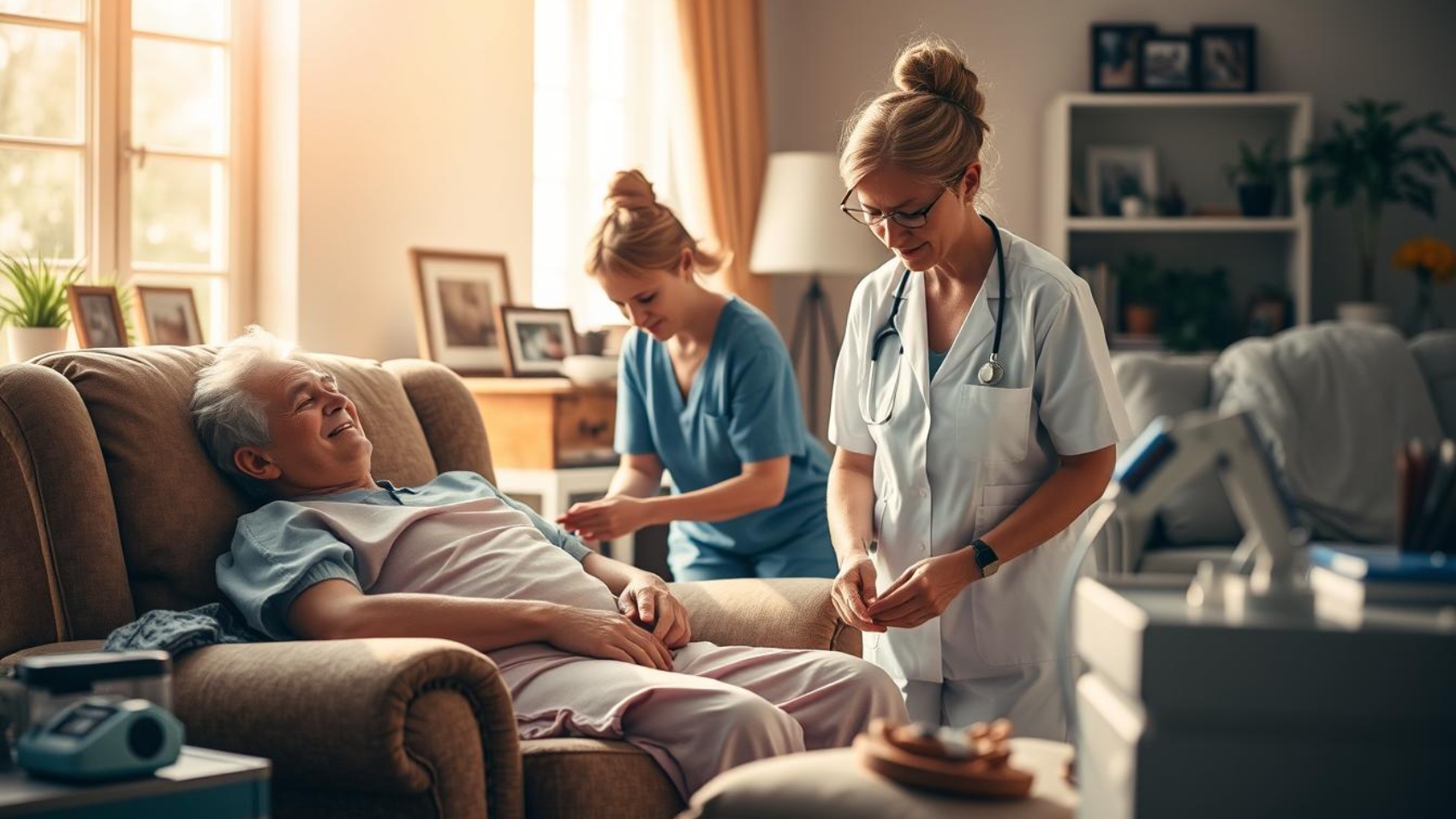
Being unable to leave home changes how you get medical attention. Millions of older adults struggle to travel for appointments, face isolation, and risk avoidable hospital stays. Mobile wound care brings skilled clinicians to your door, reducing travel and speeding up treatment.
Receiving care at home helps clinicians see real barriers and supplies, tailor dressing plans, and catch infections early. This approach also boosts comfort and adherence so you can keep routines and involve your family in care decisions.
Dominion Mobile Wound Care blends home health care with targeted wound services to match your wound type and goals. You’ll learn what a typical visit includes and how in-home care complements broader health care needs. Hire Dominion Mobile Wound Care to help heal your wounds.
Determining eligibility for care at home begins with how your ability to leave the house affects medical support. Insurers and Medicare use clear criteria to judge when you qualify for home health care.
To meet homebound status, you must usually need help from another person or an assistive device to leave home due to illness or injury. Alternately, leaving home could make your condition worse.
Short, infrequent trips are permitted. Examples include getting care not available at home, licensed adult day programs, religious services, special family events, or essential grooming.
Your physician must document a face-to-face visit and order intermittent, skilled services from a Medicare-certified agency. If you want at-home wound care, Hire Dominion Mobile Wound Care to help heal your wounds.
Millions of people now spend most of their time at home, and that reality changes how you get care. About two million older adults are completely homebound and another 5.5 million are partially homebound. Many live with multiple chronic disease risks and limited access to routine health services.
Invisible to health systems, these people often miss preventive visits. They have higher hospitalization rates and a 65% six-year mortality among the most frail. Only about 12% of completely homebound individuals receive home-based primary care, and services concentrate in cities and among white populations.
The pandemic made access gaps worse. In 2020, prevalence for adults 70+ rose to 13%, with larger increases for Black and Hispanic/Latino groups. More than half lacked a computer or did not go online, limiting telehealth and leaving time-sensitive needs untreated.
Hire Dominion Mobile Wound Care to help heal your wounds and close access gaps where you live.
Timely wound care delivered at home can cut preventable hospital trips and reduce long-term costs. By treating wounds where you live, clinicians intervene earlier and monitor healing more closely.
Fewer emergency visits — clinicians address infection risks and dressing problems before they escalate.
On-site assessments let providers adjust dressings, manage edema, and start infection treatment immediately. That speeds recovery and improves safety.
Seeing the same clinician in your home builds trust, improves adherence, and makes daily self-care easier to learn.
Integrated health services mean wound care teams coordinate with your physician, nutrition support, and therapy to manage chronic conditions and reduce complications.
Hire Dominion Mobile Wound Care to help heal your wounds and get coordinated, in-home services that support recovery, comfort, and long-term quality of care.
A mobile wound visit brings skilled clinicians, tools, and a plan tailored to your daily life. You’ll see how each visit follows evidence-based steps to protect healing and prevent infection.
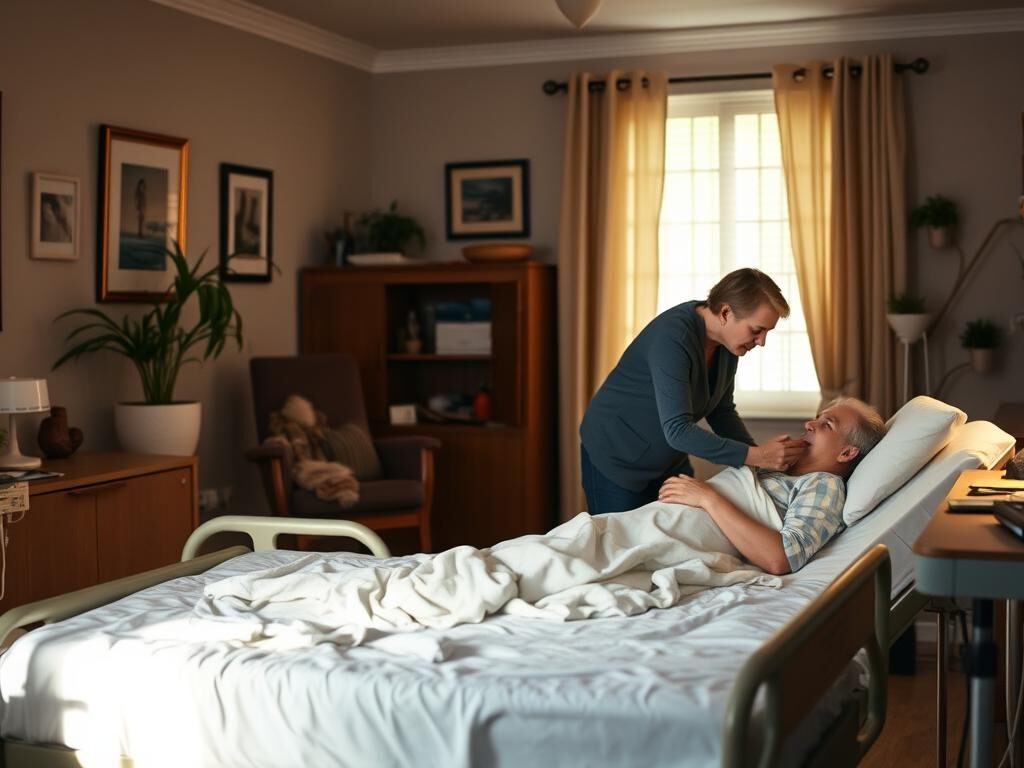
Visits begin with a comprehensive wound assessment: measurements, photos when needed, and stage documentation.
When indicated, clinicians perform debridement, select evidence-based dressings, and set a clear change schedule. Infection management includes cultures when ordered and close monitoring of drainage and odor.
Skilled nursing leads wound care, while therapy improves mobility and offloading. All care follows physician-directed plans that change as you improve.
Clinicians set up and maintain devices like compression systems and negative pressure wound therapy. They also check the home for fall risks and pressure points.
Care services extend beyond clinicians. Home health aides, social work, and community programs help with nutrition, transport, and caregiver support.
Dominion Mobile Wound Care integrates these home health services so your plan is measurable and aligned with your goals. Hire Dominion Mobile Wound Care to help heal your wounds.
The path to Medicare-covered home health care depends on orders, documentation, and agency certification.
Dominion Mobile Wound Care works with your physician and local home health teams to streamline referrals, scheduling, and on-site wound care. Hire Dominion Mobile Wound Care to help heal your wounds.
Conclusion
Delivering coordinated wound care where you live makes treatment more practical and improves healing chances. Bringing high-quality services into your home helps you manage illness, disease, and symptoms without the burden of travel.
In-home nursing and therapy that align with your providers can speed recovery and reduce complications. This model also supports family involvement and fits your daily routines so plans are realistic for your homes.
Home health connects you to broader supports in the community and ensures care needs are met comprehensively. If you are considered homebound, the right documentation can unlock covered services at the right time.
You are ready to work with a trusted partner that coordinates care, guides your options, and delivers compassionate in-home wound care. Hire Dominion Mobile Wound Care to help heal their wounds.
You’re generally viewed as unable to leave your residence without considerable effort or assistance because of illness, injury, or frailty. Medicare requires a physician’s assessment that leaving home is taxing and that normal activities are limited. Private insurers may use similar criteria but can vary, so check your plan for specifics about eligibility for home health services, skilled nursing, and therapy.
Short, infrequent trips for medical appointments, religious services, or essential errands typically don’t affect your status. Leaving for a medical test, dialysis, or a brief family visit is usually permitted. Document these outings and keep your clinician informed so coverage and care plans remain valid.
Yes. For example, if you need a wheelchair, walker, or another person to leave home, or if leaving causes severe fatigue or symptoms that require recovery, you’ll likely qualify. Another example is when a recent surgery or infection makes travel unsafe, and clinicians prescribe home-based skilled nursing and wound care.
Millions of older adults face limited mobility, chronic disease, or recovery needs that keep them at home. That concentration of need raises demand for in-home services like wound assessment and infection control. Providing care where you live reduces hospital visits and prevents complications that otherwise drive higher health costs.
Yes. People in rural areas, low-income households, and marginalized communities often face fewer home health providers, longer wait times, and lower access to skilled nursing and therapy. These gaps lead to preventable complications and higher overall costs for families and the health system.
The pandemic showed telehealth helps with check-ins and triage but often can’t replace hands-on wound debridement, dressing changes, or skilled assessments. You benefit most from a hybrid approach: virtual visits for monitoring and in-person skilled nursing for clinical procedures and complex management.
Receiving skilled services at home cuts travel-related strain, speeds intervention when problems arise, and lowers exposure to hospital-acquired infections. You also get timely assessment, individualized dressing plans, and coordinated infection management, which support faster, safer healing.
Being treated in familiar surroundings reduces stress and supports better sleep and adherence to care plans. Continuity comes from a consistent team—skilled nurses, therapists, and physician-directed plans—who communicate and adjust treatment quickly. That coordination often lowers emergency visits and long-term costs.
Skilled services typically include wound assessment, debridement, advanced dressings, infection monitoring, and topical or systemic treatment per a clinician’s orders. Therapy services—physical or occupational—may assist mobility and pressure offloading to prevent recurrence.
Your team often includes skilled nurses for wound care, physical or occupational therapists for mobility and pressure relief, a physician or nurse practitioner who sets the plan, and care coordinators or social workers who connect you to community resources and aides for daily support.
Safety includes infection control, sterile supplies, wound vacuums when indicated, pressure-relief mattresses, and point-of-care testing. Clinicians also assess your home for fall risks and provide education on wound care, nutrition, and symptom monitoring to reduce complications.
Care coordinators or case managers connect clinical teams with home health aides for personal care, social workers for benefits and caregiver support, and community programs for meals or transportation. This integrated approach addresses medical and social needs that affect healing.
First, get a physician’s order stating you need skilled nursing or therapy at home. Contact a Medicare-certified home health agency to start services. The agency will perform an initial assessment and create a plan of care. Verify coverage, ask about copays, and confirm how supplies and durable medical equipment are provided.
Expect a treatment plan documented by your physician and periodic clinical notes from the home health team. Medicare and many insurers cover skilled nursing and therapy that are medically necessary. Keep records of visits, orders, and any medical devices or dressings supplied for claims and continuity of care.