

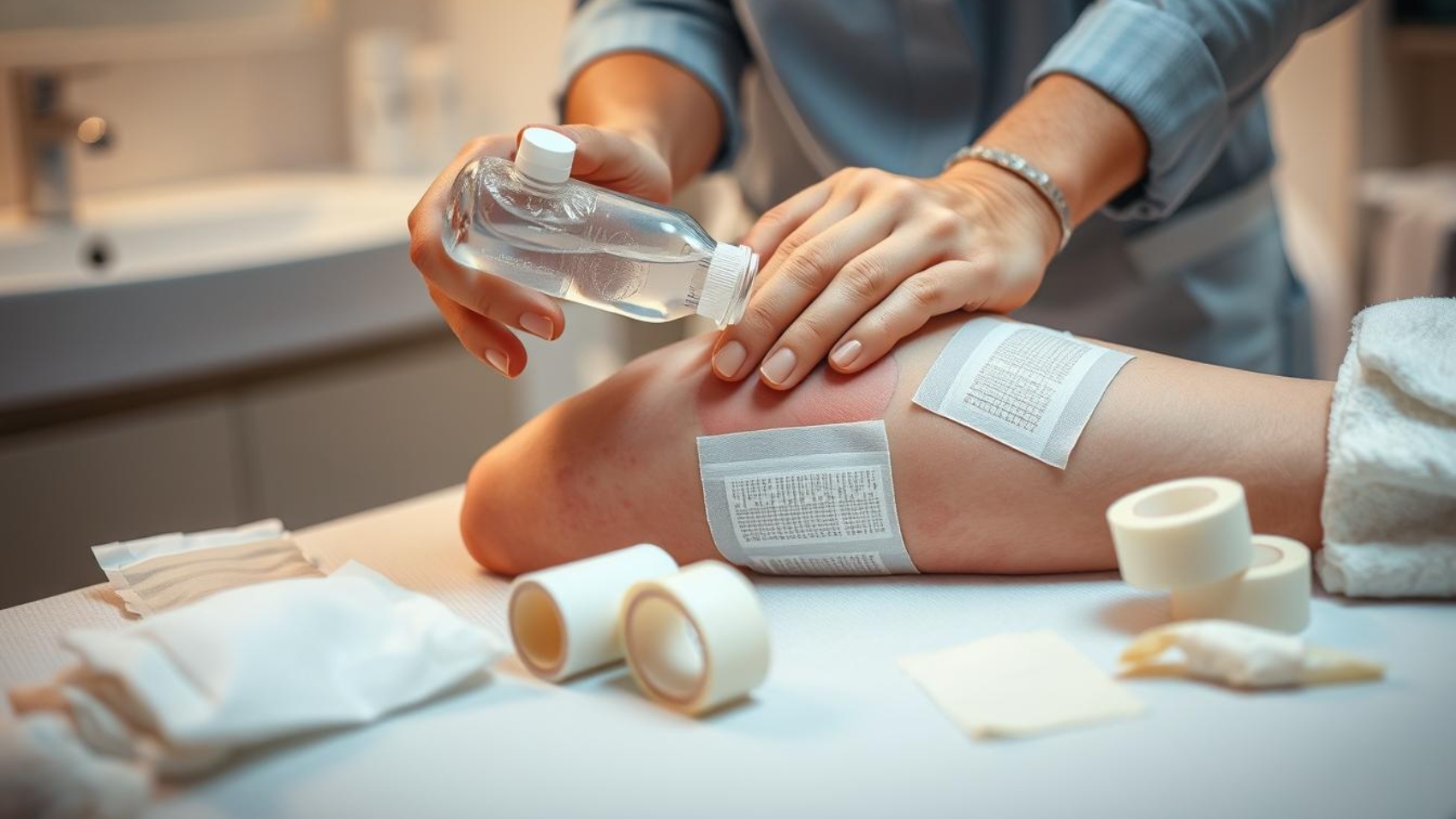
Proper post-surgery incision care is key for a smooth recovery. Taking good care of your wound lowers infection risk and aids healing.
After surgery, your body is more open to infection. By sticking to best practices for wound care, you can cut down this risk and recover quickly. Dominion Mobile Wound Care is here to help you through it.
Knowing the importance of incision care tips helps you avoid problems and heal quicker.
Key Takeaways
- Proper wound care reduces the risk of infection.
- Following best practices promotes healing.
- Dominion Mobile Wound Care provides expert guidance.
- Understanding incision care tips is key for recovery.
- Good wound care minimizes complications.
The Rising Concern of Post-Surgical Infections in America
More surgeries in the U.S. mean more risks of infections after surgery. Good wound care is key. Infections can make recovery harder, leading to longer hospital stays and more surgeries.
Current Statistics on Surgical Site Infections
Surgical site infections (SSIs) are a big worry for many patients. They are a big part of hospital infections. This affects patients and the healthcare system a lot.
| Type of Surgery | SSI Rate | Impact on Recovery |
|---|---|---|
| Orthopedic | 2-5% | Increased risk of implant failure |
| Cardiovascular | 1-3% | Prolonged hospital stay |
| General Surgery | 3-7% | Higher risk of complications |
Recent Studies on Home Recovery Outcomes
Studies show how important good wound care at home is. It helps prevent infections and improves recovery. Good wound care can make recovery smoother for patients.
Essential Post-Surgical Wound Care Supplies for Home Use
After surgery, having the right supplies for wound care is key. It helps prevent infection and speeds up healing. Make sure your home care kit has everything you need.
Must-Have Items for Your Home Care Kit
Your home care kit should have several essential items. These include:
- Gauze pads and roll gauze for cleaning and dressing the wound
- Medical tape to keep dressings in place
- Antiseptic wipes or solution for cleaning the wound area
- Wound dressings that fit your wound type
Having these items ready will help you care for your wound well.
New Products Revolutionizing At-Home Wound Care
New technology has brought innovative products to wound care. These include:
- Advanced wound dressings that help wounds heal faster and lower infection risk
- Negative pressure wound therapy devices for serious wounds
These products can greatly improve your wound care routine.
Where to Purchase Quality Wound Care Supplies
You can find top-notch wound care supplies online or in stores. Some places to buy include:
| Supplier | Products Offered | Convenience |
|---|---|---|
| Pharmacies | Gauze, dressings, antiseptic solutions | In-store pickup available |
| Online Retailers | Wide range of wound care products | Home delivery |
| Medical Supply Stores | Specialized wound care products | Expert advice available |
Recognizing Signs of Normal Healing vs. Infection
It’s important to know the difference between normal healing and infection. This knowledge helps keep you safe and ensures you recover well. As you heal, you might wonder what’s normal and what’s not. Knowing these differences helps you care for yourself right.
Normal Healing Process Timeline
The healing process usually follows a set timeline. In the first few days, some redness, swelling, and discomfort are normal. By the end of the first week, these symptoms should start to fade. If they don’t or get worse, it could mean a problem.
| Timeframe | Expected Symptoms |
|---|---|
| 0-3 days post-surgery | Mild redness, swelling, discomfort |
| 4-7 days post-surgery | Gradual reduction in redness, swelling, and discomfort |
| Beyond 7 days | Significant improvement, minimal symptoms |
Warning Signs That Require Immediate Medical Attention
Certain symptoms mean you might have an infection and need to see a doctor right away. Look out for increased redness or swelling around the wound, pus or foul-smelling discharge, and fever above 100.4°F. If you see any of these, call your doctor fast.
- Increased pain or tenderness
- Redness or swelling that spreads beyond the wound site
- Fever or chills
When to Contact Your Healthcare Provider
If you’re not sure about your symptoms or notice anything odd, it’s better to be safe. Reach out to your healthcare provider if you’re worried about your wound or health. They can offer advice, reassurance, or take action if needed.

Comprehensive Post-Surgical Wound Care Techniques
Learning how to care for your wound after surgery is key to healing well. It’s not just about doing what your doctor says. It’s about knowing the best ways to help your wound heal and avoid problems.
Proper Handwashing Techniques Before Wound Care
Before you touch your wound, wash your hands well. Use soap and warm water, rubbing your hands for 20 seconds to get rid of germs. Handwashing is the best way to stop infections. Dry your hands with a clean towel.
Cleaning the Wound Area Safely
Cleaning your wound needs care. Use saline solution or water as your doctor tells you. Gently clean around the wound, avoiding anything harsh that could hurt the healing process.
Here’s a simple guide to clean your wound:
- Wash your hands.
- Gently remove the dressing.
- Clean the wound with saline solution.
- Pat dry with a clean gauze.
- Apply a new dressing as instructed.
Applying Dressings Correctly
Putting on dressings right is important for your wound’s protection. Use a sterile dressing and don’t touch the part that will touch the wound. Make sure the dressing is on tight but not too tight, so it doesn’t cut off circulation. Change the dressing as often as your doctor tells you.
| Wound Care Task | Frequency | Notes |
|---|---|---|
| Wound Cleaning | Daily or as directed | Use saline solution |
| Dressing Change | Daily or every other day | Ensure sterile technique |
| Handwashing | Before each wound care | Use soap and water |
By following these detailed wound care steps, you can improve your recovery. Remember, the details of your care routine are what make your wound heal well.
Incision Care Tips to Prevent Wound Infection
To lower the chance of infection, following a few simple incision care tips is key. Taking good care of your surgical incision can greatly affect your recovery. It helps avoid complications and speeds up healing.
Keeping the Incision Site Clean and Dry
It’s vital to keep your incision site clean and dry to prevent infection. Gently clean the area with mild soap and water. Then, dry it with a clean towel. Avoid submerging the incision in water until your doctor says it’s okay.
Managing Drainage and Discharge
Some drainage or discharge from the incision is normal. But, it’s important to watch how much and what it looks like. If you see increased redness, swelling, or a foul odor, call your healthcare provider right away. Use absorbent dressings as your doctor suggests to handle drainage well.
Protecting Your Incision During Daily Activities
It’s important to protect your incision during daily tasks to avoid irritation or injury. Don’t do heavy lifting, bending, or strenuous activities without your doctor’s okay. Wear loose, comfy clothes that don’t rub against the incision. Also, be careful with your movements to avoid straining the area.
By following these incision care tips, you can greatly lower the risk of wound infection. This supports a healthy recovery process.
Nutrition and Hydration Strategies for Optimal Wound Healing
A well-balanced diet and enough water are key for wound healing. When you’re recovering from surgery, your body needs the right nutrients. These help repair tissues and fight off infections.
Foods That Promote Faster Healing
Eating foods high in protein, vitamin C, and zinc can boost your recovery. Protein-rich foods like lean meats, fish, and eggs help rebuild tissue. Vitamin C, found in citrus fruits and leafy greens, aids in collagen production.
Hydration Guidelines for Recovery
Drinking enough water is also vital for wound healing. Water keeps skin elastic and supports healing. Try to drink at least eight glasses of water a day.
If you’re losing a lot of fluid or have a fever, drink more. Keeping an eye on your nutrition and hydration can greatly improve your recovery. A balanced diet and staying hydrated help wounds heal faster and lower the risk of complications.
Latest Advances in Post-Surgical Wound Care
Post-surgical wound care has seen big improvements. This is thanks to breakthrough technologies and evidence-based practices. These changes help patients heal faster and lower the chance of infection.
New technologies in wound care are changing how we care for surgical wounds at home. These innovations are making a big difference.
Breakthrough Technologies in Wound Healing
New tools like negative pressure wound therapy and bioengineered dressings are helping wounds heal better. They create a good environment for wounds to heal quickly and with fewer problems.
| Technology | Description | Benefits |
|---|---|---|
| Negative Pressure Wound Therapy | A technique that uses a vacuum dressing to promote wound healing. | Enhances blood flow, reduces bacterial load. |
| Bioengineered Dressings | Dressings made from biological materials that promote tissue regeneration. | Promotes faster healing, reduces scarring. |
Evidence-Based Approaches to Infection Prevention
Stopping infections is key in post-surgical wound care. Using antimicrobial dressings and strict hygiene protocols helps lower the risk of infections.
For more info on moving from hospital to home wound care, check out Dominion Mobile Wound Care’s guide.
How Medical Professionals Are Changing Home Care Protocols
Medical experts are always updating home care rules to match new wound care advances. They teach patients how to care for their wounds and give them the tools to manage their recovery well.
By keeping up with the latest in post-surgical wound care, you can make your recovery smoother and more effective.
The Benefits of Professional Home Nurse Support During Recovery
Having a professional home nurse during recovery can greatly improve your health. They provide the care and guidance you need. This ensures your wound heals right and lowers the chance of problems.
One big plus of a professional home nurse is the personalized care they offer. They watch your wound’s healing, help when needed, and teach you how to care for it at home.
How Specialized Wound Care Assistance Improves Outcomes
Specialized wound care is key for a good recovery. Home nurses are trained to give top-notch wound care. This includes cleaning, dressing, and watching for infection signs.
With a professional home nurse, you get their expertise in wound care. They know the latest techniques and products for different wounds.
| Benefits of Specialized Wound Care | Description |
|---|---|
| Improved Healing Outcomes | Professional home nurses ensure that your wound heals properly, reducing the risk of complications. |
| Personalized Care | Home nurses provide tailored care based on your specific needs and wound type. |
| Education and Support | They educate you on how to care for your wound at home, empowering you to manage your recovery. |
Dominion Mobile Wound Care’s Approach to Patient Success
Dominion Mobile Wound Care focuses on your unique needs. Their team creates a care plan just for you. This plan aims for the best healing and less chance of problems.
They use the latest in wound care tech and methods. This means you get top care right in your home.
Physical Activity Guidelines After Surgery: New Recommendations
After surgery, it’s key to do the right amount and type of physical activity. Your healthcare team will give you advice tailored to you. But here are some general tips to follow.
Safe Movement Practices to Prevent Wound Stress
It’s vital to avoid putting too much stress on your wound after surgery. Be careful with your movements to prevent strain. For example, if you’ve had abdominal surgery, don’t lift heavy, bend, or make sudden movements.
Safe movement tips:
- Move slowly and gently, like when getting out of bed or a chair.
- Avoid twisting or bending at the waist.
- Use support when moving, like holding onto someone’s arm or using a walker.

Gradually Increasing Activity Levels Based on Wound Type
The type of surgery you had affects how fast you can get back to normal. For instance, if you had orthopedic surgery, you might need a special program to build strength and mobility.
Gradual increase tips:
- Start with short walks and gradually increase the distance.
- Follow your healthcare provider’s advice on when to resume driving, lifting, and other strenuous activities.
- Listen to your body and rest when needed.
By following these guidelines, you can help ensure a safe and effective recovery. This will lower the risk of complications and help you get the best results.
Conclusion: Ensuring Successful Healing Through Expert Care
Proper wound care is key for healing well after surgery. By following the guidelines in this article, you can lower the risk of problems. This ensures a smooth recovery.
Expert care is vital for healing well. With the right support, you get personalized attention and guidance. Dominion Mobile Wound Care offers specialized care right at your home.
Choosing Dominion Mobile Wound Care means getting their expertise and advanced treatments. Their team will create a care plan just for you. This plan addresses your specific needs and helps you recover fully.
If you’re recovering from surgery and need professional wound care, think about Dominion Mobile Wound Care. Their dedicated team is ready to help you heal successfully and fully recover.
FAQ
What are the most common signs of wound infection after surgery?
Signs of wound infection include redness, swelling, and warmth around the incision. You might also notice pain, pus, or a foul smell. If you see any of these, call your doctor right away.
How often should I change my wound dressing at home?
How often to change your dressing depends on your wound and your doctor’s advice. Usually, it’s every day or every other day. Always follow what your doctor says.
What are the essential items to include in my home wound care kit?
Your kit should have sterile gauze, medical tape, and antiseptic wipes. Don’t forget gloves and any dressings your doctor recommends.
Can I shower with an open wound, and how do I protect it?
Yes, you can shower with an open wound. Just be careful to avoid too much water and keep it clean. Use a waterproof dressing or plastic wrap to cover it. Clean the area gently with mild soap and water.
What foods should I eat to promote wound healing?
Eat foods high in protein, vitamin C, and zinc to help your wound heal. Include lean meats, fish, eggs, fruits, veggies, and whole grains in your diet. Also, drink lots of water.
How can I manage drainage and discharge from my wound?
Manage drainage by changing your dressing often and using absorbent dressings. Keep the area clean. If the discharge is heavy or smells bad, call your doctor.
What are the benefits of having a professional home nurse for wound care?
A professional home nurse can give you specialized care and watch your wound closely. They can teach you how to care for your wound and support you during recovery.
How can I prevent wound stress during physical activity after surgery?
To avoid wound stress, follow your doctor’s advice on physical activity. Avoid heavy lifting and bending. Use proper body mechanics. Start slowly and increase your activity level as your wound and health allow.