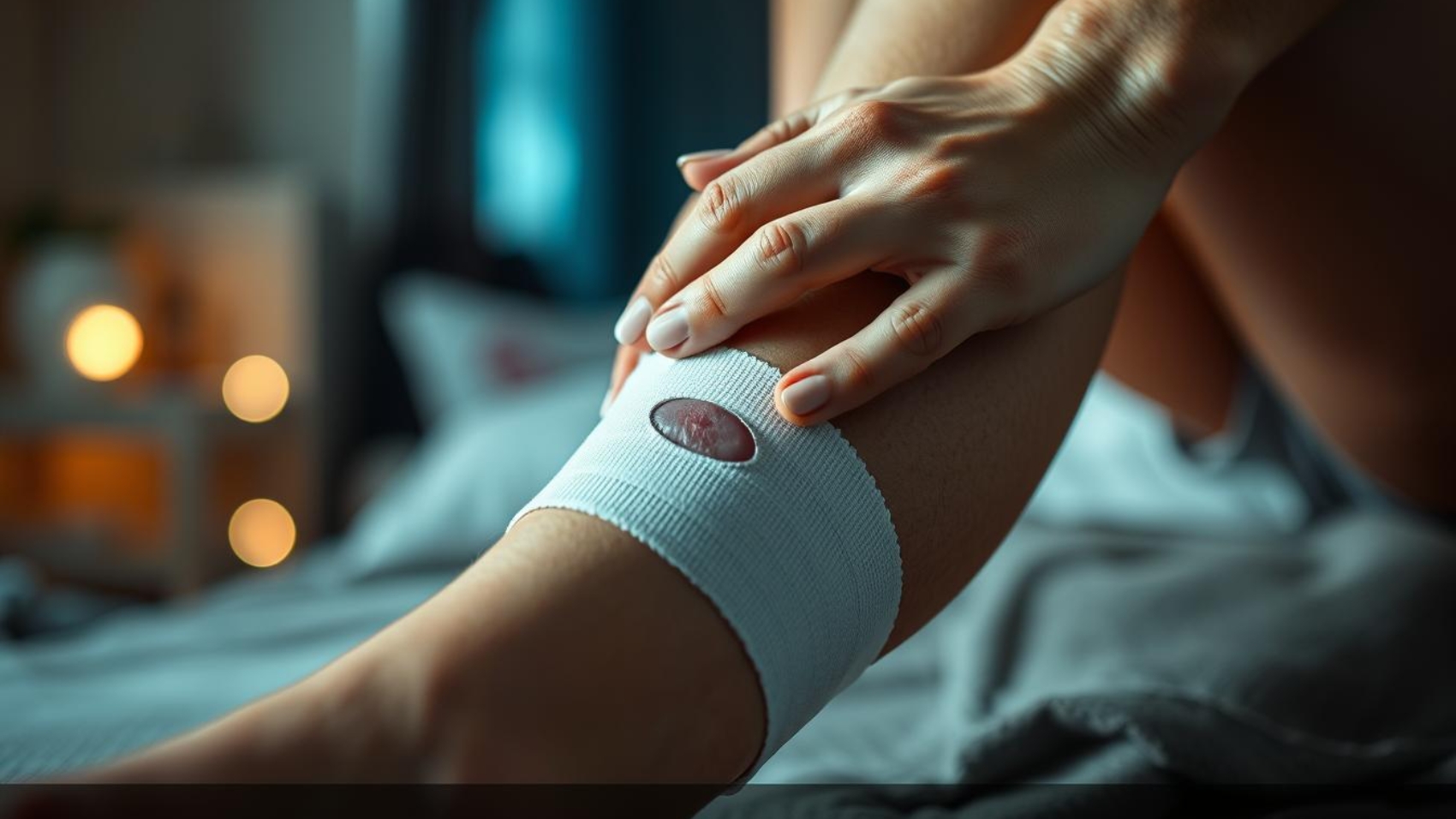
Are you or a loved one at risk for developing bed sores? Pressure ulcers, also known as bed sores or pressure sores, are a common issue for individuals with limited mobility. They occur when prolonged pressure on the skin causes damage to the skin and underlying tissue.
Understanding the early signs of pressure ulcers is key for effective pressure ulcer treatment at home. By recognizing the warning signs, you can take prompt action to prevent further damage and promote healing.
Key Takeaways
- Recognize the early signs of pressure ulcers to act promptly.
- Understand the causes and risk factors associated with bed sores.
- Learn simple steps for effective bed sores treatment at home.
- Discover how to promote healing and prevent further damage.
- Find out when to seek professional help for pressure ulcer treatment.
The Rising Concern of Pressure Ulcers in American Healthcare
As more people age, pressure ulcers are becoming a big problem in healthcare. These ulcers, also called bed sores, harm the skin and tissue under it. They happen when you sit or lie in one place for too long, like if you can’t move much.
Current Statistics and Trends in Pressure Ulcer Cases
Studies show that many elderly people and those who can’t move well get pressure ulcers. How common these ulcers are shows how well care is being given. They happen more often in places like intensive care units and with people who have serious health issues.
The number of pressure ulcers is going up because more people are getting older and have long-term health problems. Early detection and prevention are key to avoiding these ulcers.
The Financial and Emotional Impact on Patients and Families
Pressure ulcers do more than just hurt. They also cost a lot of money and cause emotional pain for patients and their families. Treating them can lead to big bills for things like wound care and extra hospital stays.
Dealing with pressure ulcers can also make other health problems worse. This can make recovery take longer and lower the quality of life. It’s important to treat pressure ulcers quickly to help patients and their families.
Recognizing the Early Warning Signs of Pressure Ulcers
Knowing the early signs of pressure ulcers is key to managing them. By spotting these signs early, you can stop them from getting worse. Starting pressure ulcer treatment early is very important.
Skin Discoloration and Temperature Changes
Skin discoloration is one of the first signs of a pressure ulcer. The skin might look red, purple, or darker than usual. It could also feel warmer or cooler than the rest of the skin.
These changes can be small, so it’s important to check often. If you see any unusual skin color or temperature, act fast. This is part of your bed sores treatment plan.
Pain, Tenderness, and Unusual Sensations
Pain or tenderness in one spot can mean a pressure ulcer is starting. Some people might feel tingling or numbness. Don’t ignore these feelings, as they could mean a pressure ulcer is coming.
Checking for these signs often helps catch pressure ulcers early. This is key for pressure ulcer treatment.
Texture Changes and Skin Integrity Issues
Changes in skin texture, like swelling or softness, can also be a sign. Any skin problems, like blisters or open sores, need quick attention. Keeping the skin healthy is important to prevent pressure ulcers.
Regular care and checks help keep the skin in good shape. This is essential for bed sores treatment to work well.
The Four Stages of Pressure Sores: A Comprehensive Guide
Knowing the stages of pressure sores is important for the right treatment. These sores, also called pressure ulcers or bed sores, go through four stages. Each stage has its own signs and treatment needs.
Stage 1: Initial Warning Signs
At Stage 1, the skin looks normal but might be red or different from the rest. The skin may feel warm or cool to touch, and it can hurt. Spotting these signs early is key to stopping them from getting worse.
Stage 2: Partial Thickness Skin Loss
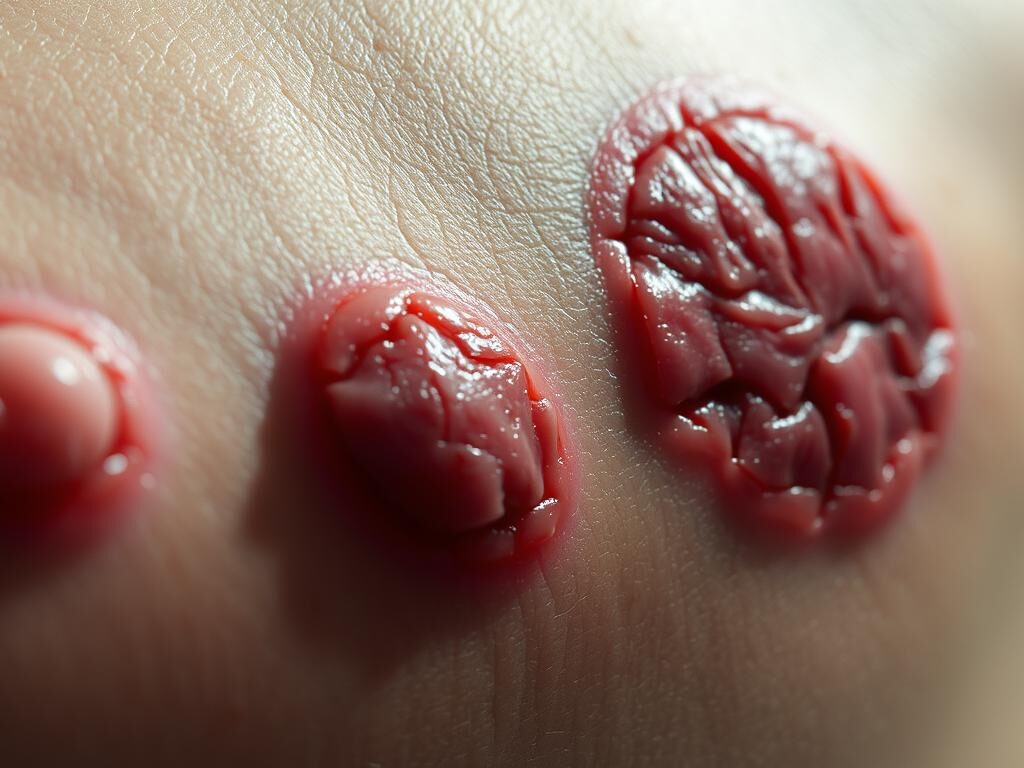
In Stage 2, the skin starts to break down, showing as an open sore or blister. The sore may hurt a lot. It’s important to take good care of it to stop it from getting worse.
Stage 3: Full Thickness Skin Loss
Stage 3 means the skin is fully broken down, showing fat but not muscle or bone. Cleaning and dressing the wound well is needed, along with ways to reduce pressure.
Stage 4: Severe Tissue Damage
At Stage 4, the sore is very bad, showing muscle, bone, or tendon. There’s a big risk of infection. Treatment needs to be strong, possibly including surgery.

It’s important to understand these stages for good elderly wound care. Spotting and treating pressure sores early can greatly help patients.
Common Locations for Pressure Ulcers to Develop
Knowing where pressure ulcers often appear can help prevent them. These ulcers, also known as bed sores, happen when skin is under too much pressure. This pressure cuts off blood flow, mainly over bony parts where there’s less padding.
Bony Prominences: The Primary Target Areas
Bony parts close to the skin are at high risk for pressure ulcers. Common spots include:
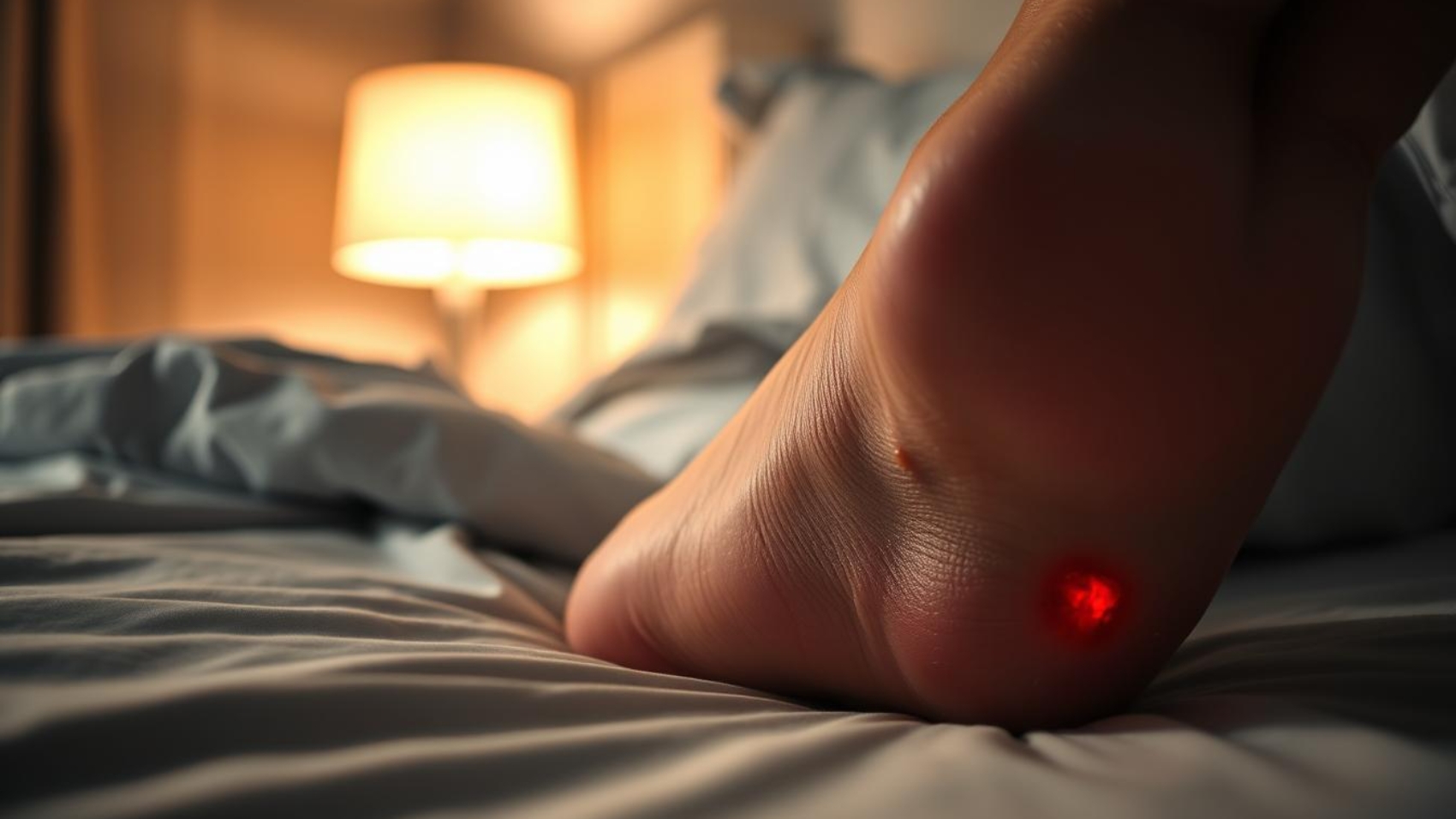
- The heels
- The ankles
- The hips
- The tailbone
- The elbows
These areas are more at risk because the skin gets more pressure. This can cut off blood flow and harm tissue.
Less Common but Critical Areas to Monitor
While bony parts are the main worry, ulcers can also form in other spots. This depends on how someone moves and sits. For instance:
- The back of the head and ears
- The shoulders
- The knees
Checking these areas regularly and giving them the right care can lower the risk of ulcers.
Knowing where ulcers often show up helps in treating them. It ensures you or your loved ones get the best care to avoid these painful issues.
Pressure Ulcer Treatment: Evidence-Based Home Care Approaches
For treating pressure ulcers at home, using evidence-based methods is key. These methods focus on healing the wound and improving overall health. They combine direct treatment of the wound with strategies for better health.
Proper Positioning and Pressure Relief Techniques
Proper positioning is essential for preventing further injury and aiding in healing. You should change positions every 2 hours, or more if you can. This helps avoid constant pressure on sensitive areas.
Using pillows or foam wedges can also help keep you comfortable and reduce pressure.
Pressure relief techniques are also important. Tools like alternating pressure mattresses or overlays can greatly lower the risk of new ulcers.
Wound Cleaning and Dressing Protocols
Cleaning the wound is a critical step in treating pressure ulcers. Use saline solution to clean the wound gently. Avoid harsh products that can harm the tissue.
Choose dressings based on the wound’s type, like how much it drains and its depth. Regular dressing changes help keep the wound clean and promote healing.
Follow a healthcare professional’s advice on how often and what type of dressings to use.
Nutrition and Hydration for Optimal Healing
Nutrition and hydration are vital for wound healing. Eat a balanced diet full of protein, vitamins, and minerals. Drinking plenty of water is also important for healthy skin and healing.
Consider talking to a healthcare provider or dietitian to create a nutrition plan that supports your healing.
Essential Bed Sores Treatment Strategies for Caregivers
Caregivers are key in preventing and treating pressure ulcers. There are important strategies to keep in mind. These strategies can help improve healing and prevent more problems.
Creating an Effective Turning and Repositioning Schedule
Creating a turning and repositioning schedule is vital. This means changing the patient’s position to avoid pressure on sensitive spots. Repositioning should happen at least every two hours, or more if needed, to avoid too much pressure.
Develop a turning schedule with healthcare professionals to fit the patient’s needs. Using repositioning aids like pillows or wedges can help keep the right position and reduce friction.

Selecting Specialized Support Surfaces and Equipment
The right support surfaces and equipment are key in treating bed sores. Specialized mattresses and overlays can spread pressure evenly, lowering the risk of more ulcers. When choosing support surfaces, think about the patient’s weight, mobility, and ulcer stage.
Also, using heel suspension devices or foam wedges can help reduce pressure on sensitive spots. It’s important to talk to healthcare professionals to find the best equipment for the patient.
Daily Skin Inspection and Documentation Best Practices
Daily skin inspections are essential to track pressure ulcer healing and spot problems early. Caregivers should thoroughly inspect the skin, focusing on areas around the ulcer, and note any changes or concerns.
Keeping accurate documentation is also critical. It helps communicate with healthcare professionals and track treatment success. Record the ulcer’s size, depth, and appearance, and any changes in the patient’s condition.
Specialized Elderly Wound Care: Addressing Unique Challenges
The elderly face special needs in wound care due to skin changes with age. Their skin gets thinner, less elastic, and more fragile. This makes them more likely to get wounds and heal slower. Elderly wound care must tackle these issues to help wounds heal well.
Age-Related Skin Changes and Increased Vulnerabilities
As we age, our skin changes in ways that make it more vulnerable to wounds. It produces less collagen, has less blood flow, and is thinner. This means older people are more likely to get pressure ulcers, which can really affect their life quality. Proper wound care means knowing these changes and adjusting care plans.
| Age-Related Skin Change | Impact on Wound Healing |
|---|---|
| Decreased Collagen Production | Reduced skin strength and elasticity |
| Reduced Blood Flow | Slower healing due to inadequate oxygenation |
| Thinner Epidermal Layer | Increased risk of skin tears and wounds |
Adapting Care Approaches for Elderly Patients with Comorbidities
Elderly patients often have health issues like diabetes, heart disease, and poor nutrition. These can make wound care harder. Pressure ulcer treatment for these patients needs a full plan that looks at their health. Caregivers must adjust their methods to manage these health problems well, helping wounds heal better.
Understanding and adapting to the unique needs of elderly wound care can greatly improve results. Good elderly wound care is about more than just treating wounds. It’s about looking at the patient’s whole health and well-being.
When to Seek Professional Help: Critical Warning Signs
Knowing when to get medical help is key for treating pressure ulcers effectively. As a caregiver, watching over the person you care for closely is important. It can greatly affect their recovery and health.
Signs of Infection That Require Immediate Medical Attention
Infection in pressure ulcers is serious and can get worse if not treated fast. Look out for signs like more redness, swelling, warmth, or pus around the wound. A bad smell is also a warning sign. If you see any of these, get medical help right away.
Indicators That Home Care Is No Longer Sufficient
At times, home care might not be enough. Look for signs like the ulcer getting worse, not healing, or having complications like infection. Also, if the person is in a lot of pain or if you’re finding it hard to manage their care, it’s time to get professional help.
| Signs Requiring Medical Attention | Description |
|---|---|
| Increased Redness and Swelling | Signs of possible infection or getting worse |
| Pus or Foul Odor | Signs of infection that need quick medical help |
| Worsening of the Ulcer | Not healing or getting worse |
Spotting these warning signs and knowing when to get help is very important. It can greatly improve the bed sores treatment outcome. Always choose caution and talk to healthcare experts if you’re not sure what to do.
Conclusion: Partner with Dominion Mobile Wound Care for Expert Healing
Effective treatment for pressure ulcers needs professional care and knowledge, specifically for the different stages. If you or a loved one has bed sores, getting specialized care is key to avoid more problems.
Dominion Mobile Wound Care provides detailed bed sores treatment. Our team will check the wound, give special treatments, and teach caregivers about home care. Working with us means you get top-notch care for healing.
Don’t let pressure ulcers ruin your life quality. Start healing by contacting Dominion Mobile Wound Care for a consultation. Our team is ready to give you the expert care you need to get better and live well.
FAQ
What are the early signs of pressure ulcers?
Early signs include skin color changes, temperature shifts, and pain. You might also notice tenderness, unusual feelings, and texture changes. Skin issues are also a sign.
How can I prevent pressure ulcers at home?
To prevent them, use the right positioning and pressure relief. Keep your diet balanced and stay hydrated. Also, check your skin every day.
What are the four stages of pressure sores?
There are four stages. Stage 1 shows early signs. Stage 2 has partial skin loss. Stage 3 has full skin loss. Stage 4 has severe damage.
How often should I reposition someone with a pressure ulcer?
Reposition someone every 2 hours. This helps prevent damage and aids in healing.
What are the common locations for pressure ulcers to develop?
They often appear on bony areas like the tailbone, hips, and heels. Less common spots include the ears and nose.
How can caregivers effectively manage elderly wound care?
Caregivers should adapt care for patients with health issues. They should also address skin changes and use proven wound care methods.
When should I seek professional help for pressure ulcer treatment?
Seek help if you see signs of infection like redness, swelling, or pus. Or if home care can’t manage the wound anymore.
What are some evidence-based home care approaches for pressure ulcer treatment?
Good home care includes proper positioning and wound cleaning. It also means following dressing protocols and keeping nutrition and hydration up.
How can I create an effective turning and repositioning schedule?
Create a schedule based on the person’s needs. Make sure it includes regular repositioning. Keep track of any changes in the wound.