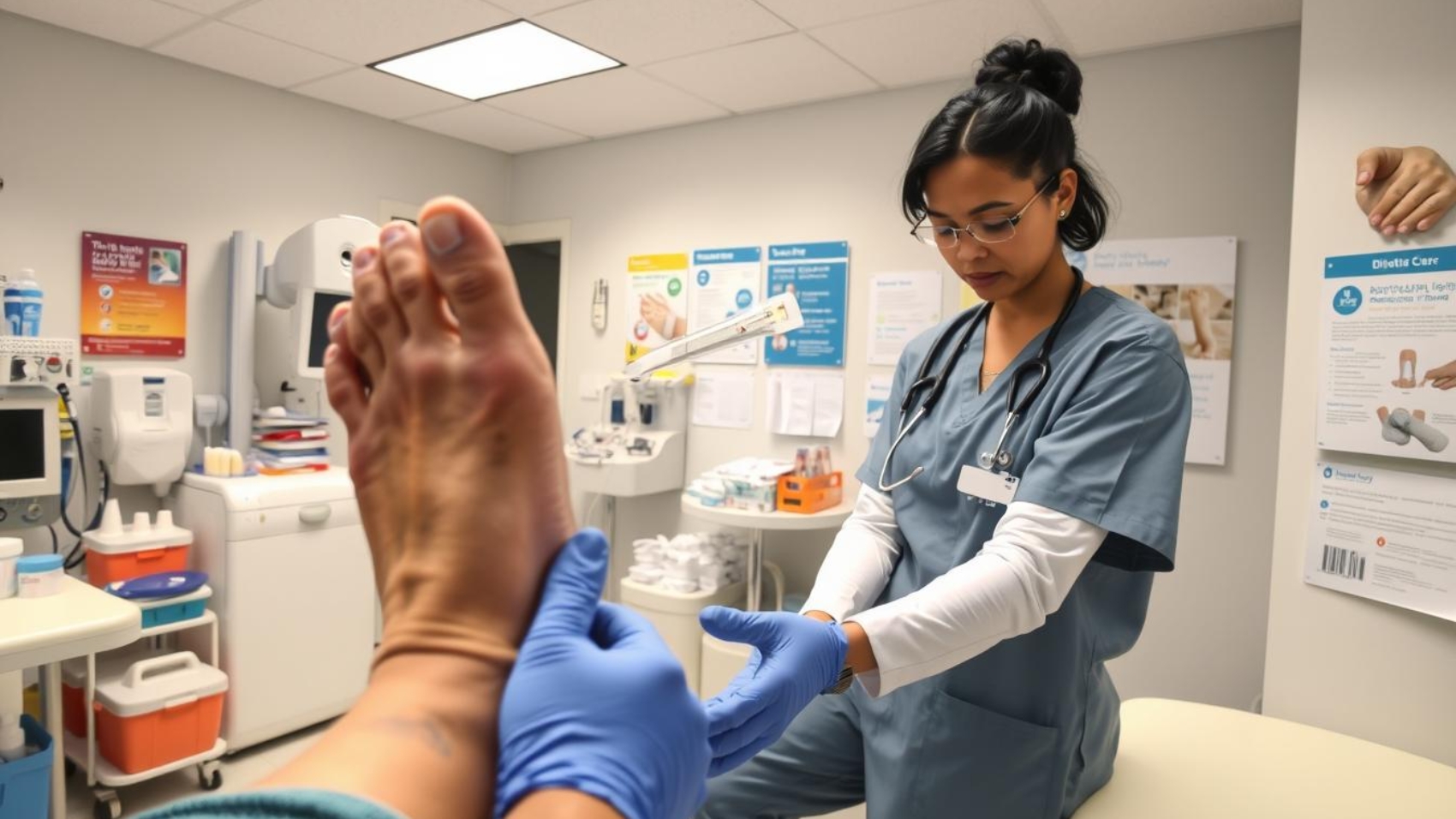
Infection Prevention

How In-Home Wound Care Prevents Serious Infections

Clean hands and clear steps are the first line of defense when you manage wounds at home. APIC’s hand hygiene topic highlights that proper hand washing is the top method to stop spread. The WHO Global Action Plan and monitoring framework for IPC (2024–2030) gives clear national action items and indicators to improve control across health systems.

You will learn how structured infection prevention breaks the chain of germs during dressing changes. Simple control steps for supplies, surfaces, and disposal make daily routines safer. These small habits protect your health and promote patient safety at home.

We tie practical steps to trusted topics and content from APIC and WHO so you can build measurable plans infection prevention. Start with cleaning, disinfection, and world hand hygiene, then move to monitoring and when to seek help. Hire Dominion Mobile Wound Care to help heal their wounds.

Key Takeaways

  • Hand hygiene is the most effective step to reduce infection risk.
  • Simple control measures cut the chance of rehospitalization.
  • Follow WHO and APIC guidance to align home routines with health care standards.
  • Manage supplies and waste to improve safety for you and caregivers.
  • Watch early warning signs and escalate care quickly to protect patient safety.

Why In-Home Wound Care Matters for Patient Safety in the United States

Home wound care shapes patient safety every day by moving clinical steps into your living space.

You face unique risks at home from variable cleanliness, limited storage, and contacts with family, pets, or visitors. These factors make consistent infection prevention and control essential to protect both the patient and workers who help with daily tasks.

When you leave a hospital or other health care facilities, responsibility for routine care shifts to you and caregivers. Clear steps, reliable supplies, and documented dressing changes reduce complications, emergency visits, and overall health costs.

  • Hand hygiene checkpoints: clean before, during, and after care to lower risk.
  • Designated clean surface: limit touch contamination and streamline supply control.
  • Simple records: track changes so clinicians can act faster when needed.

Follow trusted topics and news from APIC and WHO to stay aligned with national guidance for health care-level safety at home. Hire Dominion Mobile Wound Care to help heal their wounds.

Infection Prevention

Clear, repeatable steps at home reduce the chance that wounds lead to serious harm.

What IPC Means in Home Wound Care

In home settings, infection prevention control means you set simple steps to keep germs away from the wound, supplies, and anyone giving care.

Repeat the same sequence each time so nothing important is missed. Use APIC topic pages and WHO tools as practical references for actions you can adopt at home.

infection prevention control

Why Your Home Needs Health Care-level Measures

Your home has surfaces and routines not made for clinical work. A wound is a direct route for harm, so you need health care controls to close transmission paths.

Implementation infection prevention starts by picking a clean area, organizing supplies, and deciding when and how you will act.

Core Principles You Can Apply Today

  • Clean hands before any contact and between steps.
  • Clean surfaces and tools, and store supplies to avoid contamination.
  • Minimize touch of the wound bed and use safe disposal for used dressings.
  • Train family or workers on glove use and “clean vs. dirty” zones.
  • Track your checklist so plans infection prevention become routine and measurable.

Use WHO’s IPC frameworks to guide monitoring and feedback at home so you can improve what you do.

Hire Dominion Mobile Wound Care to help heal their wounds.

Hand Hygiene and Personal Protective Equipment: Your First Line of Defense

Clean hands plus proper protective gear are the basic defense you control during wound care. APIC notes that proper hand hygiene is the top method to stop spread, and clean tools and surfaces help keep patients safe.

World Hand Hygiene-Aligned Technique and Moments for Caregivers

Follow five key moments adapted from world hand hygiene: before touching the patient or supplies, before a clean task, after body fluid risk, after touching the patient, and after touching surroundings.

When and How You Should Clean Hands During Dressing Changes

Use alcohol-based hand rub when hands look clean. Wash with soap and water if hands are visibly soiled, after glove removal, or after contact with fluids.

  • Clean before opening supplies, after removing the old dressing, before the new dressing, and after disposal.
  • Keep nails short and remove rings so gloves fit and hygiene works well.

Selecting and Using Personal Protective Equipment (PPE) Safely

Choose PPE for the task: gloves for all dressing changes, masks and eye protection if splash is possible, and gowns if clothing might contact drainage.

Put on PPE in a clean area and remove it carefully. Always perform hand hygiene after removal and store PPE in a small organizer near your care area.

Hire Dominion Mobile Wound Care to help heal their wounds.

Environmental and Device-Related Risks: Practical Control Measures at Home

Small steps—cleaning, correct device care, and safe injections—make your home a safer place for wound healing.

Disinfection and sterilization matter because germs on tools and surfaces can cause harm to patients and workers. Clean visible soil first, then use an EPA-registered disinfectant and follow label contact times to be effective.

environment of care

Preventing device-linked bloodstream and urinary risks

APIC defines CLABSI as a serious central line-associated bloodstream event and CAUTI as an infection tied to catheter use.

Keep catheter sites dry, change dressings as directed, maintain closed systems, and avoid letting tubing touch unclean surfaces.

Safe injection practices

Always use new needles and syringes, disinfect vial septa before access, and never reuse single-dose vials. These steps support injection safety and reduce bloodstream risks.

Creating a clean “environment of care”

Set a dedicated, decluttered surface away from kitchens and bathrooms. Store dressings and gloves in sealed containers and keep pets out during procedures.

  • Disinfect high-touch areas before and after care; clean then disinfect.
  • Clean reusable tools per manufacturer instructions or use single-use items when unsure.
  • Wear appropriate personal protective equipment for splash risk and remove it carefully to keep clean zones separate.

Align your home routine with practices used in health care facilities: consistent surface disinfection, correct device handling, and traceable supply storage help control infections and protect health.

Hire Dominion Mobile Wound Care to help heal their wounds.

Antimicrobial Resistance Awareness and Stewardship in Wound Care

Antimicrobial resistance is a growing concern for people who manage wounds at home. You should know how resistant organisms change treatment choices and why stewardship matters for your long-term health.

MRSA, C. diff, and CRE: What You Should Know

MRSA can colonize skin and wounds and may not respond to some antibiotics. C. diff often follows antibiotic exposure and causes severe diarrhea. CRE are gut bacteria that resist carbapenems and can complicate care.

Smart Antibiotic Use and Communication With Your Clinician

Antimicrobial stewardship means using drugs only when needed, at the right dose and duration, and stopping when your clinician advises. Always get cultures before starting antibiotics if your clinician orders them, and tell your care team about prior antibiotic use.

  • Ask about non-antibiotic options first, like debridement and dressing change.
  • Track symptoms daily and report changes quickly so treatment can be adjusted.
  • Dispose of unused antibiotics through take-back programs; never save or share them.

Understanding resistance patterns empowers you to ask better questions and work with your provider for safer, more effective care. Hire Dominion Mobile Wound Care to help heal their wounds.

A Stepwise Approach to Implementation, Inspired by National Action Plans

Start with a small, documented plan that brings national action plan ideas into your daily wound care routine. A brief home IPC plan lists steps, supplies, and who does each task.

Adapting WHO GAPMF and IPC Global Portal Guidance to Home Routines

The WHO GAPMF (approved at the 77th World Health Assembly) and the IPC global portal provide a practical, stepwise approach you can adapt. The launch on 23 June 2025 added downloadable tools and country stories to guide your work.

Simple, Measurable Steps: Plan, Do, Monitor, Improve

  • Write a short plan that reflects national action plans: who, what, when.
  • Try one change for a week (Plan → Do), then check results (Monitor) and tweak (Improve).
  • Set simple indicators, like “hand hygiene completed” or “surface cleaned before care.”

Relevant 2025 Updates and Resources You Can Download and Read

Keep an eye on may 2025 releases and 2025 departmental update summaries. Download read june resources and read june 2025 materials from the IPC global portal to stay aligned with national action plan timelines.

Maintain a binder or digital folder where you download read key guides, record changes, and track progress. Hire Dominion Mobile Wound Care to help heal their wounds.

Monitoring, Early Warning Signs, and When to Call a Professional

Spotting early changes in a wound helps you act fast and protect patient safety at home. Regular surveillance reduces risks and supports safe, timely care for the patient.

Daily Checks: Redness, Odor, Drainage, Fever, and Pain

Do a quick inspection each day and record what you see. Note any increased redness, warmth, swelling, foul odor, thicker or discolored drainage, spreading skin irritation, fever, or new or worsening pain.

  • Track temperature and compare values day to day.
  • Log drainage volume and color so trends are clear to you and your clinician.
  • If you use injections at home, follow strict injection safety: a clean field, new syringes and needles, and proper sharps disposal.

Escalation Pathways for Timely, Safe Care

If you notice rapid changes—new fever, streaking redness, sudden pain, or heavy drainage—pause self-care and protect the wound. Contact your clinician or urgent care right away.

  1. Stop dressing changes and keep the area covered with a clean dressing.
  2. Use visible emergency contacts, pharmacy details, and your medication list to get fast guidance.
  3. Send photos only when your clinician asks, and use a secure channel.

Strengthen control by rechecking hand hygiene and surface cleaning whenever small setbacks occur. Consult may 2025 guidance and the 2025 departmental update materials you download read to confirm when home monitoring is enough and when in-person evaluation is required.

Include family, workers, or a caregiver in your plan so someone else can spot trouble if you feel unwell. Hire Dominion Mobile Wound Care to help heal their wounds.

Conclusion

This conclusion sums a simple, practical roadmap you can use at home to keep wounds healing and risks low.

Key steps: keep hand hygiene tools at your station, clean surfaces and tools, use correct PPE, and organize supplies for each dressing change. These actions form the core of infection prevention and prevention control in your home routine.

Track tasks with a short checklist and review outcomes weekly. Download read updates and align actions with national action goals so your steps stay current and simple.

Act quickly if early warning signs appear. For skilled support and on-site plans that fit your space, Hire Dominion Mobile Wound Care to help heal their wounds.

FAQ

How does in-home wound care prevent serious complications?

Proper wound care at home reduces the chance that harmful microbes enter the body, controls local inflammation, and supports faster healing. You should keep dressings clean and dry, follow prescribed dressing-change schedules, and report any worsening signs to your clinician. Simple steps—sterile supplies, hand cleaning, and safe disposal—lower risks and improve outcomes.

Why does wound care at home matter for patient safety in the United States?

Home care shifts responsibility to you and your caregiver, so consistent practices protect you from avoidable harm. Following clinical guidance, maintaining hygiene, and communicating with healthcare providers prevent complications that can lead to hospital readmission. Staying informed about national guidance and updates helps you match facility standards at home.

What does infection prevention and control (IPC) mean in home wound care?

IPC in the home means applying clinical-grade measures—clean technique, correct use of supplies, and environmental cleaning—to lower the chance of pathogen spread. You should treat the home as a mini clinical setting: prepare a clean surface, use single-use items when advised, and ensure caregivers follow the same steps every time.

Why do home settings need health care-level prevention and control?

Pathogens don’t distinguish between settings. Wounds, invasive lines, and catheters can offer entry points for microbes. Health care-level practices reduce transmission risk, protect vulnerable people in your household, and preserve antibiotic effectiveness by reducing unnecessary use.

What core IPC principles can you apply today?

Focus on hand cleaning, using sterile or clean supplies, safe disposal of sharps, separating wound supplies from household items, and routine surface disinfection. Keep a checklist for dressing changes and train caregivers to follow it consistently.

What is the World Hand Hygiene-aligned technique and which moments matter for caregivers?

Use alcohol-based hand rub or soap and water following WHO moments: before touching the wound, before aseptic tasks, after exposure to fluids, after touching the patient, and after touching surrounding surfaces. Clean hands thoroughly for at least 20 seconds with soap and water when visibly soiled; otherwise use sanitizer.

When and how should you clean hands during dressing changes?

Clean hands before preparing supplies, again just before touching the wound or sterile dressing, and after completing the procedure. Use a clean surface, avoid touching nonsterile items, and put on gloves only after you’ve cleaned your hands.

How do you select and use personal protective equipment (PPE) safely?

Choose gloves for contact with bodily fluids, masks if splashes are likely, and aprons to protect clothing. Don PPE after hand cleaning and remove it before leaving the care area, then clean hands again. Dispose of single-use items safely and launder reusable items separately.

How should you disinfect supplies and surfaces at home?

Use EPA-registered disinfectants per label instructions for contact time and dilution. Clean visible soil first, then apply disinfectant. Keep wound supplies in a closed container and disinfect the preparation surface before and after dressing changes.

How can you prevent device-related problems such as those from central lines or catheters in home care?

Follow care bundles: secure and dress lines properly, perform regular site inspection, use sterile technique for access, and maintain a log of line care. Seek training from your clinician for line handling and flushing protocols to reduce complications.

What are safe injection practices to reduce bloodstream risk?

Use a new, sterile needle and syringe for each injection, prepare injections on a clean surface, never reuse or recap needles, and dispose of sharps in an approved container. Receive hands-on training and follow clinician instructions exactly.

How do you create a clean “environment of care” in your living space?

Designate a tidy, well-lit area for care away from pets and high-traffic zones. Keep wound supplies in labeled containers, disinfect surfaces before procedures, and ensure good ventilation. Establish routines for cleaning and waste removal.

What should you know about antimicrobial resistance (AMR) like MRSA, C. difficile, and CRE?

These organisms resist common treatments and can complicate wound healing. You should complete prescribed antibiotic courses only when necessary, practice strict hygiene to prevent spread, and inform caregivers and clinicians if you have a history of resistant organisms.

How can you practice antibiotic stewardship and communicate with your clinician?

Ask if an antibiotic is necessary, follow the exact dose and duration, and report side effects promptly. Share wound cultures, recent antibiotic use, and allergy history with your provider to guide targeted therapy and reduce resistance risks.

How do you adapt global guidance like WHO tools and national action plans to home routines?

Translate core recommendations into simple checklists: hand-cleaning moments, dressing-change steps, supply lists, and monitoring logs. Use downloadable resources from reputable agencies to create household-friendly protocols that reflect WHO and national guidance.

What are simple, measurable steps you can take: plan, do, monitor, improve?

Plan: set a routine and assemble supplies. Do: follow the checklist during each dressing change. Monitor: record wound appearance, temperature, and pain daily. Improve: review the log with your clinician and adjust care based on outcomes.

Where can you find 2025 updates and resources to download and read?

Check the CDC and WHO websites, state health departments, and professional organizations like the Association for Professionals in Infection Control and Epidemiology for the latest guides and downloadable tools released in 2025.

What daily signs should you check for: redness, odor, drainage, fever, and pain?

Inspect the wound once a day for increased redness, swelling, foul odor, new or increased drainage, rising pain, or spreading warmth. Take your temperature if you feel unwell and log any changes for your clinician.

When should you escalate care and contact a professional?

Call your clinician or seek urgent care immediately for spreading redness, foul-smelling discharge, persistent fever, severe pain, or if the wound opens or drains profusely. Follow your escalation plan and use emergency services if you notice rapid deterioration.
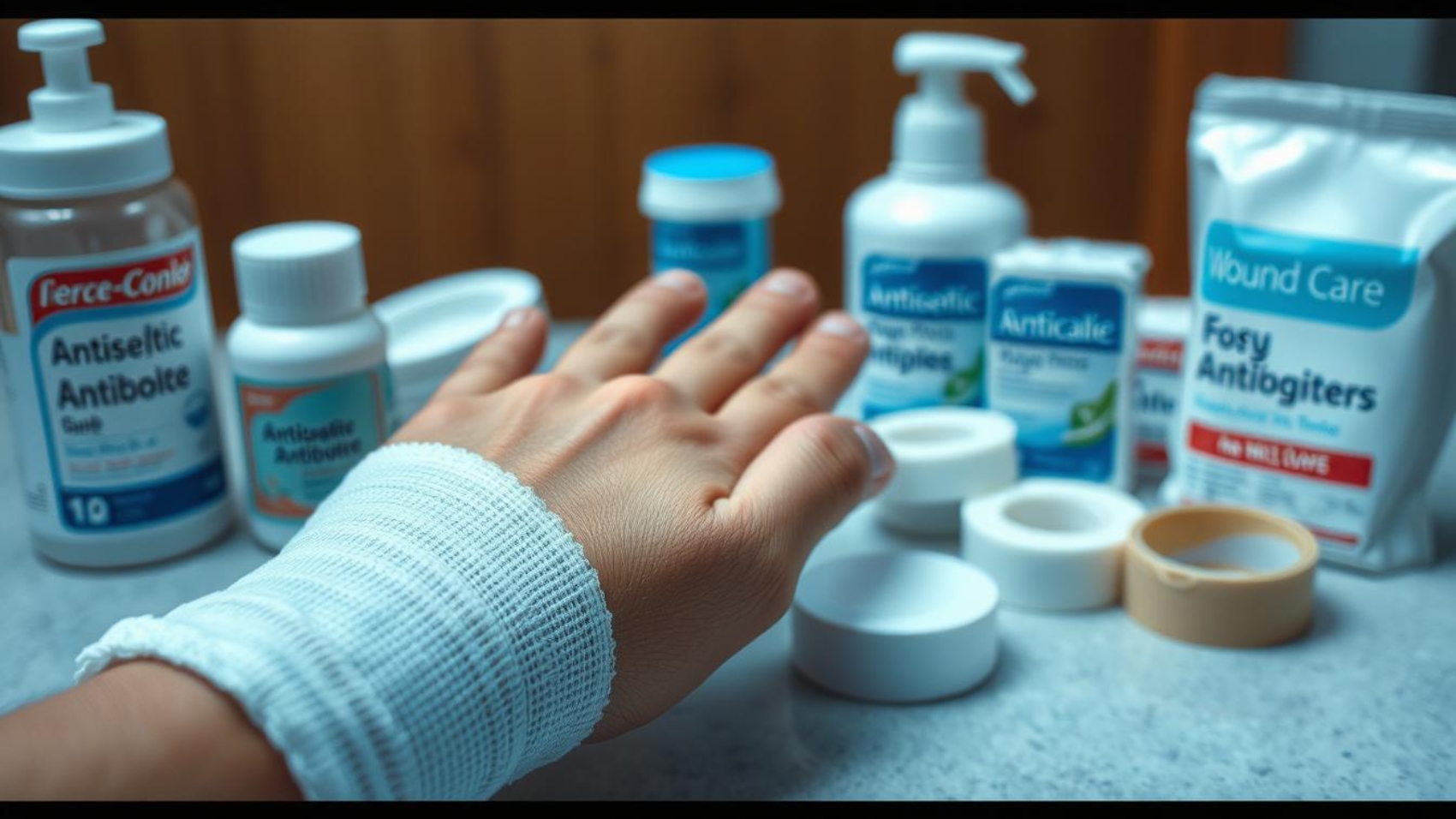
wound infection prevention

How to Prevent Wound Infections with At-Home Care

At-home routines matter. Simple daily steps help keep a break in the skin clean and guarded against bacteria like Staphylococcus aureus or Streptococcus. When people act quickly, they often reduce the chance of cellulitis, osteomyelitis, or sepsis developing over time.

Effective home care uses gentle cleansing with clean water or saline, removal of visible debris, a thin protective ointment layer, and a proper dressing. These habits help protect tissue and promote healing without harsh agents that can slow recovery.

Most minor wounds improve within a couple of weeks if kept clean and monitored. If pain worsens, redness spreads beyond a thumb’s width, or there is unusual discharge, patients should seek clinical help promptly.

Dominion Mobile Wound Care offers convenient, expert services for people who need evaluation or support at home. Hire Dominion Mobile Wound Care to help heal their wounds.

Key Takeaways

  • Consistent at-home care is the first line to reduce risk and support healing.
  • Use clean water or saline, remove debris, apply a protective ointment, and dress properly.
  • Most minor cases improve in a few weeks with proper care and monitoring.
  • Worsening pain, spreading redness, or unusual discharge call for clinical evaluation.
  • Combine smart daily habits with professional wound care services like Dominion Mobile Wound Care.

Understanding Infection Risks Today and Why At-Home Care Matters

A simple cut or puncture opens a doorway for bacteria that live on the skin or in the environment. When microbes colonize a damaged site, they can multiply and lead to local problems if not cleaned and covered promptly.

How infections develop and spread in the body

A break in the skin allows germs from soil, water, or the person’s own flora to enter. Bacteria such as Staphylococcus aureus, Escherichia coli, and Streptococcus species commonly cause issues.

Common complications to avoid: cellulitis, osteomyelitis, and sepsis

Local involvement can progress to cellulitis (skin and soft tissue) or osteomyelitis (bone). If bacteria or toxins reach the bloodstream, systemic symptoms like fever, chills, nausea, or aches may follow.

  • Watch for early signs: small changes in redness, warmth, or drainage.
  • High-risk injuries: bites, deep punctures, and jagged cuts need extra attention.
  • Act early: contact a doctor if symptoms worsen so clinicians can limit further spread.

For expert home evaluation and care, hire Dominion Mobile Wound Care to help heal their wounds.

Step-by-Step At-Home Care to Reduce Infection Risk

A clear routine at home helps keep a minor skin injury clean and moving toward healing. Small steps done in order can greatly reduce risk and make follow-up easier.

step-by-step care

Hand hygiene first

Before touching the site, wash hands with soap and warm water. If soap and water are not available, use an alcohol-based sanitizer.

Safe cleaning

Rinse the area with clean running water or a saline solution. Use soapy water on the skin around the injury. Avoid hydrogen peroxide and iodine; they can irritate tissue and delay healing.

Debris removal and tool sterilization

If visible debris like dirt or grass remains, gently remove it with tweezers sterilized in rubbing alcohol. Work slowly to avoid introducing new germs.

Dressings that protect

Apply a thin barrier if advised and cover with a nonstick dressing that keeps the site moist but not wet. Change the cover at least once daily and discard used supplies safely.

Keep contaminants away and document care

Protect the area from urine, stool, pet hair, and fingernail scabs. Record daily changes to help spot problems and reduce risk early.

Hire Dominion Mobile Wound Care to help heal their wounds.

Recognizing the Signs of a Wound Infection and When to Seek Care

Early clues on the skin and in the body point to when to contact a clinician without delay. Quick recognition helps patients avoid complications and keeps care focused and effective.

Local signs to watch

Redness, warmth, swelling, and increasing tenderness around the site are hallmark changes. A foul odor or green/yellow discharge (pus) also signals the need for evaluation.

Systemic symptoms

If a person develops fever, chills, nausea, or body aches, these symptoms may show the problem is spreading beyond the skin. Seek medical attention promptly when systemic signs appear.

Escalation triggers

Red streaks moving away from the area, a wound that reopens, severe worsening pain, or delayed healing are all reasons to contact a doctor. Also seek care if debris cannot be removed or the injury came from a bite or dirty object.

  • Local changes like foul odor and pus require prompt attention.
  • Systemic signs mean clinicians may need to act quickly.
  • Nonhealing or deep, jagged sites should be evaluated in time.

Hire Dominion Mobile Wound Care to help heal their wounds.

Surgical Wounds: Preventing Infections Before and After Procedures

Surgical incisions need layered protection before leaving the hospital and during recovery at home. Good pre-op steps and clear post-op habits lower the chance of wound infections and other complications.

surgical wound infections

Pre-op and hospital measures

Patients may be asked to shower with soap or use antibacterial wipes before arrival. Hospitals often screen for MRSA and give perioperative antibiotics just prior to incision to reduce risk.

Nurses monitor surgical sites closely. If concerning signs appear, a nurse or doctor may swab the area for lab testing.

At-home precautions

Do not remove the primary dressing unless told to do so. Keep your hands off drains and the incision to avoid introducing germs.

Some centers use secure photo-based remote monitoring so clinicians can review changes and respond as soon as possible.

Timeframes to watch

  • Most problems show up within 2–3 days to 2–3 weeks after surgery.
  • Occasional issues can appear months later; stay alert.
  • Contact your doctor to seek medical advice for redness, heat, swelling, discharge, or fever.

Dominion Mobile Wound Care coordinates post-op education and home wound care services. Hire Dominion Mobile Wound Care to help heal their wounds.

wound infection prevention Essentials: Tools, Habits, and Lifestyle Support

Practical supplies paired with clear habits help people manage treatment and support healing at home.

At‑home wound care kit checklist

Pack the basics: saline solution, sterile gauze, nonadherent dressings, medical tape, sterile gloves, alcohol‑based sanitizer, tweezers, and a clean waste container for safe disposal.

Nutrition and hydration to support healing

Good nutrition speeds recovery. Include protein, vitamin C, zinc, and plenty of fluids to help the immune system and promote healing.

  • Always wash hands before and after care. Use sanitizer when soap and water are not available.
  • Clean gently with saline or clean water; avoid harsh antiseptics that damage tissue.
  • Choose a dressing that balances moisture and absorbency and change it when soiled or on schedule.
  • Remove small debris with sterilized tools and keep the skin around the area clean and dry.
  • Use topical antibiotics only as directed to limit resistance and reserve them for needed treatment.

Keep a simple log of daily observations and photos to spot changes and coordinate with care services. Dominion Mobile Wound Care offers in‑home wound care services, education, and follow‑up tailored to goals and clinical needs. Hire Dominion Mobile Wound Care to help heal their wounds.

Conclusion

Conclusion

A routine of clean hands, gentle cleansing, and proper dressings is the clearest path to safer recovery. Consistent at‑home care that removes debris, protects the site, and watches for warning signs helps reduce risk and support healing.

Watch for key signs of infection: increasing redness, swelling, heat, foul odor, or pus. Different types of injuries, including surgical sites, may need targeted follow‑up so patients get the right treatment at the right time.

Partnering with a doctor early guides safe care and can prevent problems from affecting the whole body. For in‑home evaluation and expert support, Hire Dominion Mobile Wound Care to help heal their wounds.

FAQ

How can someone reduce the risk of germs entering a fresh cut at home?

They should wash hands with soap and water or use an alcohol-based sanitizer before touching the area. Clean the site gently with clean water or saline to remove dirt and debris, pat dry with a sterile gauze, and apply a protective dressing to keep the area covered and moist but not soaked. Regularly change dressings and avoid touching the site with unclean hands to lower the chance of bacterial growth.

What signs around the skin indicate a developing problem that needs attention?

Redness that spreads, increasing warmth, swelling, new or worsening tenderness, foul odor, or pus are all local signs to watch. If any of these appear or the area fails to improve within a few days, they should contact a healthcare provider for evaluation.

When should someone seek medical care for body-wide symptoms after an injury?

If they develop fever, chills, nausea, muscle aches, lightheadedness, or feel generally unwell after an injury, they should seek prompt medical attention. These systemic signs can mean the condition is spreading and may require antibiotics or urgent treatment.

Are there cleaning methods to avoid because they harm tissue or slow healing?

Yes. Strong antiseptics like full-strength hydrogen peroxide, iodine scrub, or undiluted alcohol can damage healthy tissue and delay repair. Instead, rinse with clean water or sterile saline and use mild soap around the area if needed. If unsure, follow clinician guidance or a wound care service recommendation.

What basic items should be in a home care kit to support safe healing?

A compact kit should include mild soap, sterile saline or sterile irrigation, nonstick dressings, sterile gauze, hypoallergenic tape, alcohol-free hand sanitizer, disposable gloves, and clean scissors. Keeping these items on hand helps maintain hygiene and limits contamination during dressing changes.

How do surgical sites differ in risk and what extra precautions are recommended after an operation?

Surgical sites often receive perioperative antibiotics and sterile closure to reduce risk, but they still need protection. Patients should follow pre-op shower instructions, avoid removing approved dressings early, keep drains secured, and follow surgeon advice on activity limits. Monitoring the site for redness, drainage, or fever during the days and weeks after surgery is essential.

Can nutrition and hydration affect the speed of recovery?

Yes. Adequate protein, vitamins (especially C and A), minerals such as zinc, and good fluid intake support tissue repair and immune function. Patients should aim for balanced meals and sufficient fluids; a dietitian or clinician can advise if special supplementation is needed.

What are the most important habits to prevent spread of germs when caring for someone else?

Caregivers should perform hand hygiene before and after contact, wear disposable gloves if there is active drainage, use clean supplies for each dressing change, dispose of contaminated materials safely, and avoid sharing towels or clothing that touch the affected area. These steps reduce cross-contamination and protect both the patient and household members.

When do red streaks or worsening pain become an emergency?

Red streaks moving away from the site, rapidly increasing pain, sudden swelling, or any signs of systemic illness—such as high fever, confusion, or low blood pressure—warrant urgent medical evaluation. These findings can indicate rapid spread and require immediate medical intervention.

Do all cases with pus require antibiotics?

Not always, but pus suggests bacterial activity and often prompts clinical assessment. A provider will evaluate severity, location, patient health, and may prescribe oral antibiotics, perform drainage, or refer to a specialist. Early assessment ensures appropriate treatment and reduces complications.

diabetic foot ulcer care San Antonio

Best Practices for Managing Diabetic Foot Ulcers at Home – Part 2

We’re learning more about caring for diabetic foot ulcers at home. We want to know how to prevent and treat them. This is important because it can stop serious problems like infections and amputations.

Diabetes is a big health issue in our country. We need to take good care of our feet to heal wounds well. Let’s find out some key tips for foot care at home.

Key Takeaways

  • Diabetic foot ulcers need good home care to avoid big problems.
  • Checking and keeping feet clean is very important.
  • Choosing the right dressings is key for wound care.
  • San Antonio has special care options that are very helpful.
  • Wearing the right shoes can stop foot ulcers.
  • Keeping blood sugar levels healthy is also very important.

Understanding Diabetic Foot Ulcers

Diabetic foot ulcers are open sores on the feet of people with diabetes. They happen because of diabetes complications. Knowing what they are helps us manage and prevent them.

Definition and Causes

These ulcers come from peripheral neuropathy and decreased blood flow. Neuropathy makes feet numb, so we can’t feel injuries. Poor blood flow also slows healing.

Knowing why they happen helps us prevent them.

Signs and Symptoms to Watch For

It’s important to spot diabetic foot ulcers early. Look for:

  • Redness or irritation around the wound
  • Swelling in the affected area
  • Increased warmth, indicating inflammation
  • Drainage, which may be purulent or clear

Watching for these signs helps us get medical help fast. This can prevent bigger problems like cellulitis or osteomyelitis.

Importance of Regular Foot Care

For those with diabetes, taking care of our feet is key. We need to check our feet every day to stop ulcers and keep them healthy. It’s important to watch for cuts, blisters, or changes in skin temperature.

Keeping our feet clean and moisturized is also crucial. This helps keep our feet in good shape.

Daily Inspections and Cleanliness

Checking our feet daily helps us find problems early. We should look at the tops and bottoms of our feet for injuries or changes. Keeping our feet clean is also important.

Washing our feet every day and drying them well, including between our toes, helps prevent infections. Making foot checks a daily habit is essential for our health.

Moisturizing Strategies

It’s important to moisturize our diabetic feet to keep the skin healthy. But, we should avoid putting lotion between our toes. This prevents moisture buildup that can cause fungal infections.

Finding the right balance in moisturizing helps keep our skin hydrated. This improves our foot health and lowers diabetes risks.

Strategies for Effective Wound Care

Managing diabetic foot ulcers is very important. We need to focus on cleaning and dressing them right. This helps them heal faster. By cleaning them often and using the right dressings, we can see better results.

Cleaning and Dressing the Ulcer

Cleaning the ulcers with saline or a gentle cleanser is key. It removes dirt and stops infections. We should clean them every day or more if needed.

After cleaning, we need to apply a dressing. This keeps the area moist, which helps it heal. We want to protect it from more harm but keep it moist for healing.

Types of Dressings and Their Benefits

The dressing we choose is very important for healing. There are different types:

  • Hydrocolloid dressings: These keep the area moist and are good for less wet wounds.
  • Foam dressings: These are for wounds that have some wetness. They cushion and manage fluids.
  • Antimicrobial dressings: These help fight off infections. They’re good for wounds that look infected.

Choosing the right dressing for the ulcer’s needs helps it heal better.

When to Seek Professional Help

We need to watch the ulcers closely. If we see:

  • Too much drainage.
  • Bad smells that mean infection.
  • Fever, which means infection in the body.

We should get help right away. This stops bigger problems and helps the wound heal.

Diabetic Foot Ulcer Care San Antonio

In San Antonio, many resources help us manage diabetic foot ulcers. Getting help from local healthcare is key. Many places have clinics just for treating these ulcers.

Local Resources and Support

Our community has lots of help for diabetic foot ulcers. You can find:

  • Podiatrists who know a lot about diabetes and foot care.
  • Teams of experts working together for better care.
  • Programs teaching us how to take care of our feet.

Specialized Care Options Available

If you need more help, there are special treatments. Doctors can talk about:

  • Amniotic tissue grafts to help wounds heal faster.
  • Hyperbaric oxygen therapy to help tissues get more oxygen.

These special treatments can really help us get better in San Antonio.

diabetic foot ulcer care San Antonio

Preventive Measures to Avoid Foot Ulcers

Preventing foot ulcers is key for people with diabetes. We can lower the risk by taking steps ahead of time. Wearing the right shoes and keeping blood sugar in check are important.

Proper Footwear Choices

Choosing the right shoes is crucial for diabetics. Shoes should be comfy and protect our feet. Look for shoes that support well and fit right.

Diabetic shoes or custom orthotics can help. They spread out the weight and ease pressure. This choice is vital for our foot health.

The Role of Blood Sugar Management

Keeping blood sugar stable is vital for preventing foot ulcers. Stable blood sugar helps avoid nerve damage and improves blood flow. This helps our feet heal better and lowers ulcer risk.

Eating right and exercising regularly help manage diabetes. These actions lead to better health for our feet.

Integrating a Multidisciplinary Approach

Managing diabetic foot ulcers is better with a team effort. Working with many healthcare experts helps us understand and meet patient needs. Doctors who focus on diabetes and foot specialists are key to good care.

Collaborating with Healthcare Professionals

Teamwork is the heart of good care. Talking with many doctors helps us make plans just for each patient. A dietitian can teach about food and a podiatrist can talk about foot care.

This team effort stops problems and makes patients healthier.

The Importance of Education in Self-Care

Teaching patients about diabetes is very important. Learning how to take care of their feet helps them feel in control. Programs teach them to spot and handle foot issues early.

multidisciplinary care in diabetes self-care education

Conclusion

Managing diabetic foot ulcers at home is key. We need to know how to care for our feet well. Keeping our feet clean and using the right treatments at home is important.

Working with doctors is also vital. If we need help, we should ask for it. For extra support, consider hiring Dominion Mobile Wound Care.

With the right steps, we can keep our feet healthy. This helps us live a better life without worries.

FAQ

What are diabetic foot ulcers and what causes them?

Diabetic foot ulcers are open sores on the feet of people with diabetes. They happen because of poor blood flow and nerve damage. These issues make it hard for wounds to heal.

How can we prevent diabetic foot ulcers?

To prevent them, take good care of your feet. Check for cuts or skin changes every day. Keep your feet clean and dry. Wear shoes that fit well. Also, keep your blood sugar levels in check.

What signs should we look for that indicate a foot ulcer may be developing?

Look for redness, swelling, warmth, drainage, and skin texture changes. Catching these signs early can stop infections.

How do we properly care for a diabetic foot ulcer at home?

Clean the ulcer with saline and use the right dressings. Keep it moist to help it heal. Watch for infection signs and see a doctor if needed.

When should we seek medical attention for a foot ulcer?

Get medical help if there’s a lot of drainage, a bad smell, or fever. These are signs of infection. Quick action can avoid serious problems.

What resources are available for diabetic foot ulcer care in San Antonio?

San Antonio has clinics for wound care. They have podiatrists and diabetes educators. There are also programs for learning how to care for your feet.

Why is footwear selection important for preventing foot ulcers?

The right shoes are key. They support your feet and reduce pressure. You might need special shoes or orthotics to prevent ulcers.

How can we improve overall diabetes management to prevent foot issues?

Keep your blood sugar levels under control. Eat well and exercise regularly. These steps help avoid nerve damage and improve blood flow.