Post-surgical wound care

Avoid Infection: Best Practices for Post-Surgery Wound Care at Home

Proper post-surgery incision care is key for a smooth recovery. Taking good care of your wound lowers infection risk and aids healing.

After surgery, your body is more open to infection. By sticking to best practices for wound care, you can cut down this risk and recover quickly. Dominion Mobile Wound Care is here to help you through it.

Knowing the importance of incision care tips helps you avoid problems and heal quicker.

Key Takeaways

  • Proper wound care reduces the risk of infection.
  • Following best practices promotes healing.
  • Dominion Mobile Wound Care provides expert guidance.
  • Understanding incision care tips is key for recovery.
  • Good wound care minimizes complications.

The Rising Concern of Post-Surgical Infections in America

More surgeries in the U.S. mean more risks of infections after surgery. Good wound care is key. Infections can make recovery harder, leading to longer hospital stays and more surgeries.

Current Statistics on Surgical Site Infections

Surgical site infections (SSIs) are a big worry for many patients. They are a big part of hospital infections. This affects patients and the healthcare system a lot.

Type of Surgery SSI Rate Impact on Recovery
Orthopedic 2-5% Increased risk of implant failure
Cardiovascular 1-3% Prolonged hospital stay
General Surgery 3-7% Higher risk of complications

Recent Studies on Home Recovery Outcomes

Studies show how important good wound care at home is. It helps prevent infections and improves recovery. Good wound care can make recovery smoother for patients.

Essential Post-Surgical Wound Care Supplies for Home Use

After surgery, having the right supplies for wound care is key. It helps prevent infection and speeds up healing. Make sure your home care kit has everything you need.

Must-Have Items for Your Home Care Kit

Your home care kit should have several essential items. These include:

  • Gauze pads and roll gauze for cleaning and dressing the wound
  • Medical tape to keep dressings in place
  • Antiseptic wipes or solution for cleaning the wound area
  • Wound dressings that fit your wound type

Having these items ready will help you care for your wound well.

New Products Revolutionizing At-Home Wound Care

New technology has brought innovative products to wound care. These include:

  • Advanced wound dressings that help wounds heal faster and lower infection risk
  • Negative pressure wound therapy devices for serious wounds

These products can greatly improve your wound care routine.

Where to Purchase Quality Wound Care Supplies

You can find top-notch wound care supplies online or in stores. Some places to buy include:

Supplier Products Offered Convenience
Pharmacies Gauze, dressings, antiseptic solutions In-store pickup available
Online Retailers Wide range of wound care products Home delivery
Medical Supply Stores Specialized wound care products Expert advice available

Recognizing Signs of Normal Healing vs. Infection

It’s important to know the difference between normal healing and infection. This knowledge helps keep you safe and ensures you recover well. As you heal, you might wonder what’s normal and what’s not. Knowing these differences helps you care for yourself right.

Normal Healing Process Timeline

The healing process usually follows a set timeline. In the first few days, some redness, swelling, and discomfort are normal. By the end of the first week, these symptoms should start to fade. If they don’t or get worse, it could mean a problem.

Timeframe Expected Symptoms
0-3 days post-surgery Mild redness, swelling, discomfort
4-7 days post-surgery Gradual reduction in redness, swelling, and discomfort
Beyond 7 days Significant improvement, minimal symptoms

Warning Signs That Require Immediate Medical Attention

Certain symptoms mean you might have an infection and need to see a doctor right away. Look out for increased redness or swelling around the wound, pus or foul-smelling discharge, and fever above 100.4°F. If you see any of these, call your doctor fast.

  • Increased pain or tenderness
  • Redness or swelling that spreads beyond the wound site
  • Fever or chills

When to Contact Your Healthcare Provider

If you’re not sure about your symptoms or notice anything odd, it’s better to be safe. Reach out to your healthcare provider if you’re worried about your wound or health. They can offer advice, reassurance, or take action if needed.

signs of infection

Comprehensive Post-Surgical Wound Care Techniques

Learning how to care for your wound after surgery is key to healing well. It’s not just about doing what your doctor says. It’s about knowing the best ways to help your wound heal and avoid problems.

Proper Handwashing Techniques Before Wound Care

Before you touch your wound, wash your hands well. Use soap and warm water, rubbing your hands for 20 seconds to get rid of germs. Handwashing is the best way to stop infections. Dry your hands with a clean towel.

Cleaning the Wound Area Safely

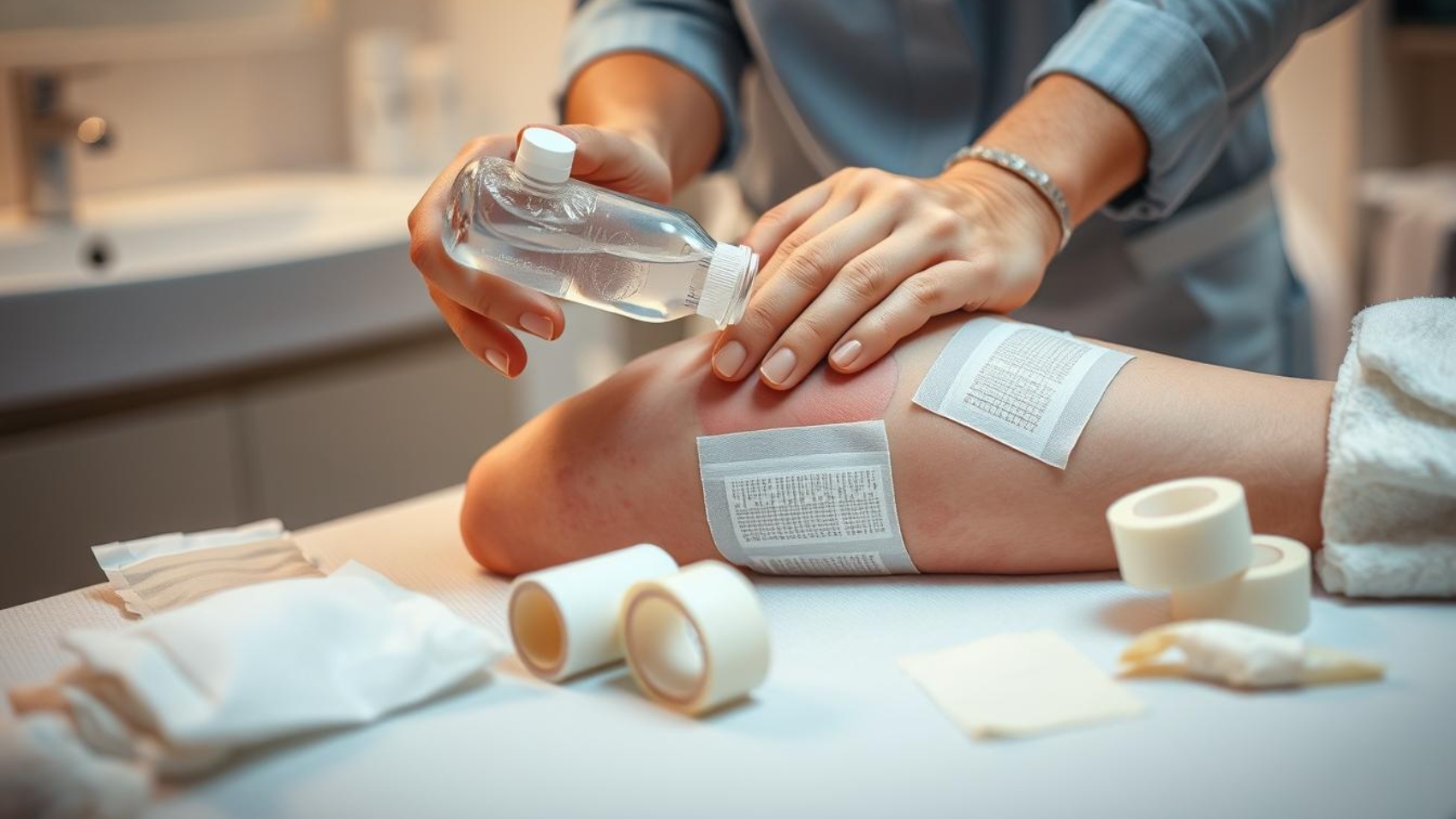
Cleaning your wound needs care. Use saline solution or water as your doctor tells you. Gently clean around the wound, avoiding anything harsh that could hurt the healing process.

Here’s a simple guide to clean your wound:

  • Wash your hands.
  • Gently remove the dressing.
  • Clean the wound with saline solution.
  • Pat dry with a clean gauze.
  • Apply a new dressing as instructed.

Applying Dressings Correctly

Putting on dressings right is important for your wound’s protection. Use a sterile dressing and don’t touch the part that will touch the wound. Make sure the dressing is on tight but not too tight, so it doesn’t cut off circulation. Change the dressing as often as your doctor tells you.

Wound Care Task Frequency Notes
Wound Cleaning Daily or as directed Use saline solution
Dressing Change Daily or every other day Ensure sterile technique
Handwashing Before each wound care Use soap and water

By following these detailed wound care steps, you can improve your recovery. Remember, the details of your care routine are what make your wound heal well.

Incision Care Tips to Prevent Wound Infection

To lower the chance of infection, following a few simple incision care tips is key. Taking good care of your surgical incision can greatly affect your recovery. It helps avoid complications and speeds up healing.

Keeping the Incision Site Clean and Dry

It’s vital to keep your incision site clean and dry to prevent infection. Gently clean the area with mild soap and water. Then, dry it with a clean towel. Avoid submerging the incision in water until your doctor says it’s okay.

Managing Drainage and Discharge

Some drainage or discharge from the incision is normal. But, it’s important to watch how much and what it looks like. If you see increased redness, swelling, or a foul odor, call your healthcare provider right away. Use absorbent dressings as your doctor suggests to handle drainage well.

Protecting Your Incision During Daily Activities

It’s important to protect your incision during daily tasks to avoid irritation or injury. Don’t do heavy lifting, bending, or strenuous activities without your doctor’s okay. Wear loose, comfy clothes that don’t rub against the incision. Also, be careful with your movements to avoid straining the area.

By following these incision care tips, you can greatly lower the risk of wound infection. This supports a healthy recovery process.

Nutrition and Hydration Strategies for Optimal Wound Healing

A well-balanced diet and enough water are key for wound healing. When you’re recovering from surgery, your body needs the right nutrients. These help repair tissues and fight off infections.

Foods That Promote Faster Healing

Eating foods high in protein, vitamin C, and zinc can boost your recovery. Protein-rich foods like lean meats, fish, and eggs help rebuild tissue. Vitamin C, found in citrus fruits and leafy greens, aids in collagen production.

Hydration Guidelines for Recovery

Drinking enough water is also vital for wound healing. Water keeps skin elastic and supports healing. Try to drink at least eight glasses of water a day.

If you’re losing a lot of fluid or have a fever, drink more. Keeping an eye on your nutrition and hydration can greatly improve your recovery. A balanced diet and staying hydrated help wounds heal faster and lower the risk of complications.

Latest Advances in Post-Surgical Wound Care

Post-surgical wound care has seen big improvements. This is thanks to breakthrough technologies and evidence-based practices. These changes help patients heal faster and lower the chance of infection.

New technologies in wound care are changing how we care for surgical wounds at home. These innovations are making a big difference.

Breakthrough Technologies in Wound Healing

New tools like negative pressure wound therapy and bioengineered dressings are helping wounds heal better. They create a good environment for wounds to heal quickly and with fewer problems.

Technology Description Benefits
Negative Pressure Wound Therapy A technique that uses a vacuum dressing to promote wound healing. Enhances blood flow, reduces bacterial load.
Bioengineered Dressings Dressings made from biological materials that promote tissue regeneration. Promotes faster healing, reduces scarring.

Evidence-Based Approaches to Infection Prevention

Stopping infections is key in post-surgical wound care. Using antimicrobial dressings and strict hygiene protocols helps lower the risk of infections.

For more info on moving from hospital to home wound care, check out Dominion Mobile Wound Care’s guide.

How Medical Professionals Are Changing Home Care Protocols

Medical experts are always updating home care rules to match new wound care advances. They teach patients how to care for their wounds and give them the tools to manage their recovery well.

By keeping up with the latest in post-surgical wound care, you can make your recovery smoother and more effective.

The Benefits of Professional Home Nurse Support During Recovery

Having a professional home nurse during recovery can greatly improve your health. They provide the care and guidance you need. This ensures your wound heals right and lowers the chance of problems.

One big plus of a professional home nurse is the personalized care they offer. They watch your wound’s healing, help when needed, and teach you how to care for it at home.

How Specialized Wound Care Assistance Improves Outcomes

Specialized wound care is key for a good recovery. Home nurses are trained to give top-notch wound care. This includes cleaning, dressing, and watching for infection signs.

With a professional home nurse, you get their expertise in wound care. They know the latest techniques and products for different wounds.

Benefits of Specialized Wound Care Description
Improved Healing Outcomes Professional home nurses ensure that your wound heals properly, reducing the risk of complications.
Personalized Care Home nurses provide tailored care based on your specific needs and wound type.
Education and Support They educate you on how to care for your wound at home, empowering you to manage your recovery.

Dominion Mobile Wound Care’s Approach to Patient Success

Dominion Mobile Wound Care focuses on your unique needs. Their team creates a care plan just for you. This plan aims for the best healing and less chance of problems.

They use the latest in wound care tech and methods. This means you get top care right in your home.

Physical Activity Guidelines After Surgery: New Recommendations

After surgery, it’s key to do the right amount and type of physical activity. Your healthcare team will give you advice tailored to you. But here are some general tips to follow.

Safe Movement Practices to Prevent Wound Stress

It’s vital to avoid putting too much stress on your wound after surgery. Be careful with your movements to prevent strain. For example, if you’ve had abdominal surgery, don’t lift heavy, bend, or make sudden movements.

Safe movement tips:

  • Move slowly and gently, like when getting out of bed or a chair.
  • Avoid twisting or bending at the waist.
  • Use support when moving, like holding onto someone’s arm or using a walker.

physical activity after surgery

Gradually Increasing Activity Levels Based on Wound Type

The type of surgery you had affects how fast you can get back to normal. For instance, if you had orthopedic surgery, you might need a special program to build strength and mobility.

Gradual increase tips:

  • Start with short walks and gradually increase the distance.
  • Follow your healthcare provider’s advice on when to resume driving, lifting, and other strenuous activities.
  • Listen to your body and rest when needed.

By following these guidelines, you can help ensure a safe and effective recovery. This will lower the risk of complications and help you get the best results.

Conclusion: Ensuring Successful Healing Through Expert Care

Proper wound care is key for healing well after surgery. By following the guidelines in this article, you can lower the risk of problems. This ensures a smooth recovery.

Expert care is vital for healing well. With the right support, you get personalized attention and guidance. Dominion Mobile Wound Care offers specialized care right at your home.

Choosing Dominion Mobile Wound Care means getting their expertise and advanced treatments. Their team will create a care plan just for you. This plan addresses your specific needs and helps you recover fully.

If you’re recovering from surgery and need professional wound care, think about Dominion Mobile Wound Care. Their dedicated team is ready to help you heal successfully and fully recover.

FAQ

What are the most common signs of wound infection after surgery?

Signs of wound infection include redness, swelling, and warmth around the incision. You might also notice pain, pus, or a foul smell. If you see any of these, call your doctor right away.

How often should I change my wound dressing at home?

How often to change your dressing depends on your wound and your doctor’s advice. Usually, it’s every day or every other day. Always follow what your doctor says.

What are the essential items to include in my home wound care kit?

Your kit should have sterile gauze, medical tape, and antiseptic wipes. Don’t forget gloves and any dressings your doctor recommends.

Can I shower with an open wound, and how do I protect it?

Yes, you can shower with an open wound. Just be careful to avoid too much water and keep it clean. Use a waterproof dressing or plastic wrap to cover it. Clean the area gently with mild soap and water.

What foods should I eat to promote wound healing?

Eat foods high in protein, vitamin C, and zinc to help your wound heal. Include lean meats, fish, eggs, fruits, veggies, and whole grains in your diet. Also, drink lots of water.

How can I manage drainage and discharge from my wound?

Manage drainage by changing your dressing often and using absorbent dressings. Keep the area clean. If the discharge is heavy or smells bad, call your doctor.

What are the benefits of having a professional home nurse for wound care?

A professional home nurse can give you specialized care and watch your wound closely. They can teach you how to care for your wound and support you during recovery.

How can I prevent wound stress during physical activity after surgery?

To avoid wound stress, follow your doctor’s advice on physical activity. Avoid heavy lifting and bending. Use proper body mechanics. Start slowly and increase your activity level as your wound and health allow.

post-surgical wound care San Antonio

Why Post-Surgical Patients Benefit from At-Home Wound Care

Dominion Mobile Wound Care brings clinical-level treatment directly to where patients recover best—their homes. This approach reduces trips to clinics and lowers exposure to crowded waiting areas. It also helps maintain dressing integrity and keeps surgical incisions protected from contamination.

The team coordinates advanced options like hyperbaric oxygen therapy, which boosts oxygen levels to speed healing. They also manage negative pressure therapy (wound VAC) to remove fluids and draw edges together, and they perform active debridement with comfort measures when needed.

Home visits allow consistent assessments and quick adjustments if complications appear. The clinicians tailor plans to each surgery, medical conditions, and home setup. This hands-on oversight helps prevent reopening, infection, and delays that can follow transportation or missed follow-ups.

With clear communication and responsive scheduling, Dominion focuses on outcomes and patient comfort. Professional at-home services empower families and support daily routines while keeping monitoring and interventions timely and effective.

Key Takeaways

  • At-home services reduce travel and exposure while preserving dressing and incision protection.
  • Advanced therapies like hyperbaric oxygen and wound VAC are coordinated as needed.
  • Regular visits allow early detection of infection, poor circulation, or other issues.
  • Plans are customized to the surgery, comorbidities, and living environment.
  • Dominion Mobile Wound Care emphasizes clear communication and patient comfort.

At-Home Wound Care That Accelerates Healing and Reduces Complications

Delivering advanced therapies at home reduces gaps in treatment and lowers the chance of setbacks. Regular visits keep dressings consistent, maintain moisture balance, and apply offloading techniques that support steady wound healing.

When indicated, plans may include oxygen therapy like hyperbaric oxygen therapy. In this non-invasive process, a patient breathes pure oxygen in a pressurized chamber so the lungs absorb more oxygen than with normal air. That extra oxygen helps the blood deliver growth factors and stem cells to the body and improves bacterial control for complex ulcers and wounds.

At-home monitoring speeds early detection of drainage, edema, or skin changes that can lead to complications. Clinicians coordinate with physicians to start the right therapy quickly, preserving mobility and limiting delays in recovery.

  • Consistent routines save time and reduce exposure to public places.
  • Individualized plans consider activity, meds, and nutrition for better outcomes.
  • Prompt intervention lowers risks like maceration, dehiscence, and delayed granulation.

Dominion’s in-home approach in San Antonio focuses on steady progress and compassionate support during the healing process.

Why Post-Surgical Patients Benefit From Home-Based Care Today

Early, reliable visits at home catch small changes before they become major setbacks after surgery. Dominion Mobile Wound Care positions in-home visits to reduce risk and speed appropriate escalation when needed.

Risks of Delayed Care: Infection, Dehiscence, and Pain After Surgery

Delayed assessment lets infection take hold. Redness, warmth, odor, or increased drainage can threaten surgical closure and lead to broader health problems.

Dehiscence often follows tension on sutures, swelling, or weak tissue. Early offloading and inspection lower the chance of reopening.

Unmanaged pain limits movement and sleep. That raises stress hormones and can slow healing, creating more complications.

Benefits of In-Home Visits: Comfort, Consistency, and Timely Interventions

In-home monitoring catches subtle changes—increasing drainage or edge separation—so clinicians act quickly. Timely debridement and negative pressure therapy can speed closure and reduce pain.

Education at the bedside helps patients and caregivers with hand hygiene, warning signs, nutrition, and hydration. This practical support cuts infections and other setbacks.

  • Aligns visit frequency with medical need for steady progress today
  • Promotes adherence to dressing schedules and follow-up
  • Enables rapid escalation when complications appear

Advanced Treatments Brought to Your Door

Coordinated referrals and in-home follow-up let clinicians sequence advanced treatments efficiently. This keeps therapy on track and fits care into daily life.

Hyperbaric Oxygen Therapy: Pressurized Oxygen to Boost Circulation and Growth Factors

Hyperbaric oxygen therapy uses pure oxygen in a pressurized chamber to increase dissolved oxygen in plasma. At roughly three times normal air pressure, the lungs capture more oxygen so the blood delivers it throughout the body.

This process supports bacterial control and stimulates growth factor and stem cell release to aid healing. Dominion coordinates referrals, scheduling, and follow-up so hyperbaric medicine fits the broader plan.

Negative Pressure Wound Therapy: Suction-Assisted Closure to Speed the Healing Process

Negative pressure systems remove exudate, lower edema, and mechanically draw edges together. Continuous suction protects periwound skin and helps grafts or complex sites stabilize.

NPWT suits deep or draining wounds and those at risk of contamination. Clinicians match the device, dressing, and schedule to each patient’s needs.

Debridement: Removing Nonviable Tissue to Reduce Infection and Support Healthy Skin

Active debridement clears necrotic tissue to expose healthy tissue for granulation. That lowers bioburden and lets topical antimicrobials work better.

Topical lidocaine can reduce discomfort during the procedure. When combined—debridement, NPWT, and hyperbaric oxygen—these treatments streamline recovery for complex cases, including radiation-related issues.

Conditions and Complications Common After Surgery We Address

After surgery, complex conditions often need focused monitoring and fast escalation to protect healing tissue.

surgical wounds

Surgical sites, grafts, and flaps: supporting closure and integrity

Grafts and flaps can fail from tension, infection, or poor circulation. Clinicians use offloading, stabilization, and selective dressings to protect tissue and encourage closure.

When needed, NPWT and surgical debridement help manage deep or draining wounds while following the surgeon’s instructions.

Diabetes, ulcers, and vascular insufficiency: guarding skin with better oxygen delivery

Diabetes raises the risk of ulcers and secondary infection. Improved oxygen delivery and targeted modalities support granulation and skin preservation.

Arterial and venous insufficiency ulcers need edema control, compression when appropriate, and dressings that handle exudate without maceration.

Radiation injuries, osteomyelitis, and necrotizing infections: coordinated, urgent plans

Radiation-related injuries damage microvasculature and slow healing. Coordination may include debridement, targeted antimicrobials, and consideration of hyperbaric oxygen when indicated.

Osteomyelitis and necrotizing infections require rapid imaging, cultures or biopsy, and escalation to surgical and antibiotic treatment.

  • Monitor circulation, color, temperature, and pain patterns for early detection.
  • Integrate NPWT, selective advanced dressings, and debridement into tailored plans.
  • Coordinate with surgeons and specialists to align treatment at home in San Antonio.

Post-Surgical Wound Care San Antonio: At-Home Expertise That Speeds Recovery

Bringing diagnostic tools to the home shortens time to targeted therapy and keeps recovery on track.

Assessment and Diagnostics: Wound Evaluation, Cultures, and Ongoing Monitoring

The team performs visual inspection and documents size, depth, tunneling, exudate, and peri‑skin condition with serial photos and measurements.

When signs suggest high bioburden or atypical organisms, clinicians coordinate surface or deep cultures, biopsies, or DNA testing to guide antimicrobial selection and escalation.

Negative pressure therapy and debridement are integrated when wounds are deep or draining to promote granulation and closure.

Personalized Plans: Pain Management, Dressing Selection, and Follow-Up Schedule

Plans include atraumatic dressing techniques, appropriate analgesics, and adjuncts to support mobility and adherence.

Dressing choices match moisture balance and bacterial burden — foams, alginates, hydrofibers, antimicrobials, or contact layers as indicated.

  • Timely appointments set by acuity to document progress and adjust treatment.
  • Coordination for hyperbaric oxygen therapy with local partners when indicated.
  • Patient and family education covers hand hygiene, offloading, nutrition, and when to call for changes in drainage, odor, or pain.

Schedule an appointment for an in-home evaluation in San Antonio and keep recovery organized with experienced wound care specialists.

Safety First: Infection Prevention and Continuous Monitoring

Home visits follow a clear, evidence-based process that reduces infection risk and protects fragile skin. Clinicians set up a clean field, perform hand hygiene, and use PPE and sterile or aseptic technique as the situation requires.

wound care

Evidence-Based Protocols: Clean Technique, Early Detection, and Rapid Escalation

Standardized checks look for rising pain, erythema, heat, odor, or increased exudate. These signs trigger immediate communication with the care team and fast escalation when thresholds are met.

Device management for NPWT includes seal checks, canister tracking, and protective measures under drapes to prevent medical adhesive-related skin injury. Regular device logs help spot problems early.

Debridement follows consent, appropriate analgesia, and conservative technique near vital structures. Clinicians observe post-procedure for bleeding or new pain and adjust the treatment plan as needed.

Documentation matters. Photo updates, time-stamped notes, and protocol-driven reassessments make progress and setbacks visible and traceable. Culture-driven adjustments guide antimicrobial choices quickly.

  • Clean setup, hand hygiene, and PPE for dressing changes
  • Clear thresholds for infection indicators and rapid escalation
  • Device checks, canister logs, and skin protection with NPWT
  • Safe debridement with consent, analgesia, and observation

Patient education covers hygiene, supplies handling, and disposal to reduce infections and protect household members. Dominion’s safety-first approach keeps wounds moving toward closure with minimal complications.

Why Choose Dominion Mobile Wound Care in San Antonio

Scheduling that works around work, family, and errands makes follow-through easier for patients. Dominion offers local, flexible appointment windows so treatment fits life, not the other way around.

Local, Convenient Appointments: Flexible Scheduling to Fit Your Life

Flexible visits reduce travel, shorten wait times, and support consistent therapy. Clinicians align visits with medication timing, mobility limits, and family schedules to improve adherence.

Compassionate Team and Proven Outcomes in Hyperbaric Medicine and Wound Care

The team emphasizes clear communication and comfort at every step. Dominion coordinates with hyperbaric medicine partners when hyperbaric oxygen therapy or other oxygen therapy is appropriate.

  • Advanced dressing management and NPWT oversight
  • Debridement coordination to avoid gaps in treatment
  • Measurable outcomes: fewer complications and steady reduction in wound size
  • Health education to help patients maintain gains between visits

Book an appointment to experience responsive, expert services at home and keep recovery on track with a local, compassionate team.

Conclusion

A focused in-home program helps patients move from surgery to steady recovery with fewer interruptions. , It improves consistency, comfort, and timeliness—keys to preventing complications and advancing healing.

Coordinated plans combine assessment, dressing optimization, pain control, and clear escalation pathways. Advanced options like hyperbaric oxygen, negative pressure systems, and precise debridement are aligned to speed closure and reduce pain.

A dedicated team ensures regular progress checks, open communication, and adjustments that protect overall health and life. Choose Dominion Mobile Wound Care in San Antonio to save time, lower risk, and start recovery today—schedule an appointment with the team to begin.

FAQ

What is the benefit of at-home post-surgical wound management?

At-home management helps patients recover in a familiar setting, reducing stress and promoting rest. It supports consistent dressing changes, early detection of infection, and timely interventions that lower the chance of complications such as dehiscence or delayed healing.

Which advanced therapies can be delivered at home to speed healing?

Mobile teams can provide therapies like hyperbaric oxygen therapy in coordinated outpatient settings and bring negative pressure therapy and professional debridement to patients when safe and appropriate. These options improve circulation, reduce bacterial load, and encourage healthy tissue growth.

How does hyperbaric oxygen therapy help surgical recovery?

Hyperbaric oxygen increases dissolved oxygen in blood, improving tissue perfusion and supporting collagen production and angiogenesis. For patients with compromised circulation or grafts, it can reduce infection risk and enhance graft take and overall healing.

When is negative pressure therapy used after surgery?

Negative pressure therapy is used to manage complex surgical sites, remove exudate, and promote wound edge approximation. It is appropriate for large incisions, graft donor sites, and areas where fluid control and mechanical stimulation of tissue healing are needed.

What signs of infection or complications should prompt immediate contact?

Patients should report increasing pain, redness spreading from the incision, new drainage that is foul or colored, fever, or wound separation. These symptoms can indicate infection, osteomyelitis risk, or necrosis and require rapid assessment.

How do clinicians decide if a patient needs debridement?

Clinicians assess tissue viability, presence of necrotic material, and infection. Debridement is recommended when nonviable tissue prevents healing, increases bacterial burden, or interferes with grafts and flaps. The team chooses sharp, enzymatic, or mechanical methods based on the clinical scenario.

Can home-based teams manage patients with diabetes or vascular insufficiency?

Yes. Mobile specialists evaluate circulation, glucose control, and skin integrity, then provide targeted interventions such as offloading, dressing selection, and coordination with endocrinology or vascular surgery. Improved oxygenation and monitoring reduce the risk of ulcers and tissue loss.

Are radiation-related injuries or osteomyelitis treatable through home programs?

These conditions require coordinated care. Mobile services can perform ongoing assessments, wound cleansing, dressing changes, and arrange hyperbaric therapy or surgical referrals when indicated. Timely escalation ensures appropriate multidisciplinary management.

How often will a clinician visit after surgery for at-home follow-up?

Visit frequency depends on wound status, therapy type, and healing phase. Early postoperative follow-up may occur daily or every few days, then taper to weekly as healing progresses. Schedules are personalized for pain control, dressing needs, and monitoring.

What infection-prevention practices do home teams follow?

Teams use evidence-based sterile technique, barrier precautions, and standardized protocols for dressing changes and antisepsis. They perform cultures when needed and educate patients and caregivers on hand hygiene, dressing care, and signs that require urgent attention.

How does Dominion Mobile Wound Care coordinate treatment and referrals?

The team conducts thorough assessments, documents findings, and communicates with surgeons, primary care providers, and specialists. They schedule diagnostics like cultures or imaging and arrange hyperbaric therapy or surgical consultation when the clinical picture warrants escalation.

Will therapy at home affect pain and mobility during recovery?

Proper dressing selection, timely interventions, and pain management strategies reduce discomfort and support earlier mobility. Clinicians tailor plans to minimize pressure on surgical sites and recommend safe activity levels to protect healing tissue.

How are patient outcomes tracked during home-based treatment?

Care teams monitor wound measurements, tissue appearance, drainage, and patient-reported symptoms. They use standardized documentation and photos to track progress, adjust the plan, and report outcomes to the referring surgical team.