


Dominion Mobile Wound Care offers a clear, practical guide to help patients support incision healing after surgery. This short introduction explains what to expect in the first days and weeks.
The typical surgical cut heals in about two weeks, though complex closures may need more time. Infections do not resolve on their own and require prompt attention. Activity should follow a clinician’s advice; light walks often help, while heavy lifting is usually limited for roughly a month.
This guide outlines safe dressing changes, how to spot early infection signs, and gentle cleansing that protects nearby skin. It also lists what to avoid applying to an incision, and when a patient should seek urgent evaluation.
Dominion Mobile Wound Care provides in-home support, personalized plans, and coordination with surgical teams to speed recovery and reduce stress. Readers are invited to hire Dominion Mobile Wound Care for hands-on help if issues arise.
Key Takeaways
- Most incisions heal in about two weeks; complex cases take longer.
- Infection needs timely treatment; do not wait for it to improve on its own.
- Follow activity limits and gentle movement to promote healing.
- Avoid harsh agents that can damage tissue and slow recovery.
- Dominion Mobile Wound Care offers at-home support and coordination with surgical teams.
User intent and what this guide covers in the present day
After discharge, clear guidance helps patients spot early problems and manage daily recovery tasks. This guide focuses on practical steps a person can use at home after surgery to reduce infection risk and speed safe healing.
Who this applies
- People discharged the same day and those returning home after an overnight stay.
- Patients with chronic conditions or higher risk who need closer monitoring.
- Anyone handling routine activities such as showering, dressing changes, or accidental rubbing of the site or area.
The guide sets clear expectations for daily progress and lists common signs that are normal versus those that need prompt action. It gives simple tips on organizing supplies, keeping a clean workspace, and protecting the site during everyday tasks.
Dominion Mobile Wound Care aims to equip readers with up-to-date, usable steps for home recovery and offers professional support to bridge the gap between discharge and complete healing. Contact them to arrange personalized visits if concerns or complications emerge.
Understanding surgical wounds and complications
A clear grasp of incision anatomy and closure methods helps patients support safer recovery at home.
Surgical incision basics: skin, tissue layers, and closure
An incision is an intentional cut through skin down into deeper tissue made during surgery. Size and depth depend on the procedure and the structures exposed.
Closure methods include sutures, staples, adhesive strips, or glue. Each method affects how the edges stay aligned and how the site is protected while tissue begins to knit together.
Primary vs secondary intention healing
Primary intention occurs when edges are neatly approximated, usually leading to faster wound healing if no infection or dehiscence happens. Secondary intention is needed when tissue is missing or edges cannot close; the site fills from the bottom up.
- Common issues: surgical site infection, dehiscence, seroma, and hematoma — each changes how the site is monitored and dressed.
- About 60% of infections arise after discharge, so home surveillance and early recognition matter.
Dominion Mobile Wound Care educates patients on anatomy and closure choices and can tailor dressing plans as tissue matures. Hire them for personalized at-home support.
wound care for surgical complications: step-by-step at home
Organizing supplies and following basic technique helps protect the healing site. Start by preparing a clean area with a hard, wipeable surface and gather gauze, saline, clean gloves, tape, and sealed waste bags.
Hand hygiene matters. Remove jewelry, wash hands under warm running water for 15–30 seconds, clean under nails, and dry with a clean towel. An alcohol-based hand rub is acceptable when hands look clean.
Change a dressing safely
Loosen tape and lift the old dressing gently. If it sticks, wet the area first unless told otherwise. Place the used dressing into a plastic bag and seal it.
Clean around the wound
Use normal saline or mild soapy water to cleanse the skin around the wound. Irrigate with a syringe from 1–6 inches away if directed, then pat dry with clean gauze.
What not to use
- Avoid alcohol, peroxide, iodine, and antibacterial soaps that can harm healing skin.
- Use each dressing once; discard waste in a double-bagged trash bag and wash soiled laundry separately.
Watch for infection signs: worsening redness, swelling, increased pain, heavy or foul drainage, bleeding, or fever ≥100.5°F. Dominion Mobile Wound Care offers personalized coaching on sterile technique, product choices, and tailored instructions to support safe home treatment.
Cleaning, irrigation, and protecting the incision
Keeping the area clean and shielded from moisture and friction supports steady tissue repair. Gentle routines lower the chance of thicker drainage or foul discharge while preserving delicate skin and new tissue.
How to irrigate drainage and discharge without harming tissue
Irrigate only as directed. Use normal saline or mild soapy water in a syringe held 1–6 inches from the incision. Aim a steady stream to loosen debris without blasting the bed.
Pat the edges and surrounding skin dry with clean gauze. Do not rub; rubbing can disturb fragile granulation and delay healing.
Keeping the surgical wound protected from moisture and friction
Keep the site dry and low-friction. Avoid soaking in baths and pools until cleared to immerse. Use non-adherent dressings that absorb fluid and lower rubbing under clothing.
- Choose dressings that wick moisture and cushion the incision.
- Secure edges without tension and wear loose, breathable garments.
- In secondary intention, dressings prevent skin from sealing over deeper spaces while tissue fills from the base up.
Monitor the amount and character of drainage. Any change to thicker or foul discharge merits prompt clinical review. Dominion Mobile Wound Care evaluates the incision and recommends protective strategies tailored to the site, activity level, and clothing needs, and can arrange a treatment plan if needed.
Recognizing normal healing versus problems
Watching daily trends in pain, redness, and drainage makes it easier to spot when issues emerge. Early recovery often shows mild edge redness, slight swelling, and a little clear drainage that fades over days.
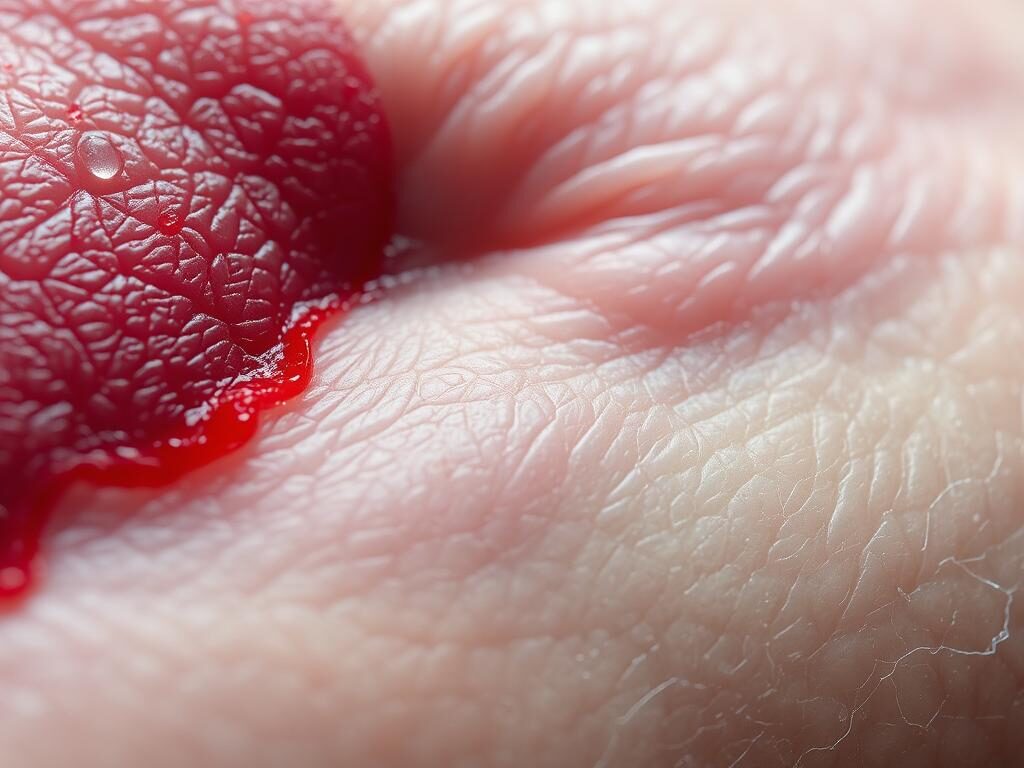
Expected signs
In uncomplicated healing, mild redness at the edges and small, soft swelling are typical. Minimal clear or slightly pink drainage in the first 48–72 hours is common and should decrease.
Warning signs and thresholds to escalate
Contact a provider promptly if pain increases instead of falling, redness expands, or swelling worsens. Any rise in size or depth of the opening, or edges that separate, needs same-day review.
- Thick, tan, green, or yellow drainage, or a foul odor, suggests infection and requires quick evaluation.
- Bleeding that soaks dressings, skin that turns dry or dark, or fever ≥100.5°F (38°C) with local changes are escalation triggers.
- Daily checks and photos help track trends; many infections appear after discharge, so early reporting improves outcomes.
When in doubt, err on the side of contacting a clinician. Dominion Mobile Wound Care can monitor these signs, review photos, and arrange timely assessment or referral if cases suggest infection or separation. Patients are invited to schedule an at-home visit when warning signs appear.
Timelines for healing, sutures, staples, Steri-Strips, and glue
Healing milestones differ by location, closure method, and the health of the person. Knowing expected days helps plan follow-up and limits on activity.
Typical incision healing time frames
Most incisions show steady improvement within about two weeks. Larger or deeper procedures often need extra time as tissue remodels.
When sutures or staples are removed
Sutures and staples are usually taken out between 3 and 14 days. The exact removal day depends on the site and tension across the skin.
When absorbable stitches dissolve
Absorbable sutures often soften and dissolve in 1–2 weeks, though some remain longer while the body finishes remodeling.
When Steri-Strips fall off and how to manage edges
Steri-Strips normally detach within two weeks. If edges curl, trim the loose ends rather than peeling to protect the incision line.
How long surgical adhesive lasts and bathing guidance
Surgical adhesive typically releases in 5–10 days. Avoid soaking in baths or pools until the provider confirms the adhesive has come off.
- Key points: plan dressing changes around removal days and site needs.
- Report early separation, bleeding, or pain before scheduled removal.
- Protect the skin from sun during early remodeling to limit discoloration.
Dominion Mobile Wound Care coordinates dressing schedules with removal timelines and can arrange home visits to match each phase. Contact them to align follow-up.
Managing pain, swelling, and drainage at the wound site
Early attention to pain, swelling, and drainage can prevent small problems from growing. Manage pain with provider‑approved medications and non-drug measures like brief rest, gentle positioning, and shielding the site from pressure or friction.
Reduce swelling by elevating the area when feasible and avoiding tight clothing or bands that limit circulation. A cool pack may be applied near the incision if the clinician allows; always wrap it in cloth and use short intervals to avoid moisture build-up.
Track drainage daily. Note amount, color, and odor. A change from light, clear fluid to thicker or colored discharge often suggests infection and needs timely evaluation.
Use dressings that wick moisture to prevent maceration and change them when saturation occurs sooner than expected. Avoid topical antiseptics that can injure healthy cells; stick with saline cleansing unless told otherwise.
- Stay hydrated and eat balanced meals to support tissue repair and immune response.
- If pain worsens after initial improvement, or swelling spreads with warmth and redness, contact a provider promptly.
- Sudden severe pain or brisk bleeding requires urgent assessment.
Dominion Mobile Wound Care monitors symptoms over days, adapts dressing plans, and coordinates treatment when escalation thresholds are met. Patients are invited to request an at‑home visit when concerns arise.
Activity guidance to support wound healing and avoid dehiscence
Gentle, planned movement after a procedure speeds recovery by boosting blood flow without stressing fresh tissue. Patients should follow provider instructions and keep activity gradual during the first days after surgery.
Safe movement and short walks
Short, frequent walks—when approved—help circulation and reduce stiffness without placing undue stress on the surgical site. Start with brief strolls and increase distance slowly while monitoring comfort and drainage.
What to avoid
- Avoid lifting, pulling, or straining, including heavy bags and sudden effort that raises intra‑abdominal pressure.
- Use bracing techniques such as hugging a pillow when coughing or moving to protect the incision line.
- Defer high‑impact exercise and contact sports until a clinician clears return to activity to lower risk of reopening.
- Plan deliberate movements: log roll in and out of bed and bend at the knees rather than the waist to limit tension on the repair.
- Discuss modified duties with an employer if the job involves physical tasks to prevent setbacks.
Track how the site and body feel during and after activity. Increased pain, swelling, or new drainage after exertion suggests stepping back and contacting a provider.
Dominion Mobile Wound Care can reinforce safe movement coaching, tailor an activity plan, and help patients progress without added risk.
Common surgical wound complications at home
Some post-op problems can show up at home and need quick action to avoid bigger issues. This section defines the main events patients may see and describes clear next steps.
Surgical site infection: superficial, deep, organ/space
Superficial infection affects skin and subcutaneous tissue and often shows increased redness, heat, pain, or purulent drainage.
Deep infections involve fascia or muscle; organ/space infections reach cavities manipulated during surgery. Depth guides urgency and treatment.
- Document onset and trend of redness, swelling, or drainage.
- Suspected infection may need cultures and antibiotics.
- Deep or organ/space cases require prompt surgical team review.
Surgical wound dehiscence: partial to full separation
Dehiscence ranges from a small gap to full-length separation of margins. Any widening, new openings, or visible tissue loss needs same‑day evaluation to protect deeper tissue and limit progression.
Seroma and hematoma: when to watch and when to seek care
A seroma is a soft, clear-fluid pocket that often resolves within weeks; persistent or painful collections may need aspiration.
A hematoma is a blood collection that can feel firm or expand. Small cases may be observed; large or fast-growing ones require urgent assessment and possible evacuation.
Dominion Mobile Wound Care can triage at home, start initial steps, and expedite referral to the surgical team when needed. Contact them to arrange timely monitoring and treatment if changes appear.
Inflammation versus infection: what patients should know
Early swelling and warmth can be normal, but they may also signal a growing infection. Inflammation is a planned part of healing; infection involves microbes multiplying and harming tissue.

Redness, heat, pain, and swelling occur with both inflammation and infection. Trends matter more than a single check. Worsening pain, spreading warmth, or new drainage over days raises suspicion of infection.
Assessing varied skin tones
Erythema may not look bright red on darker skin. It can appear as purple tones, subtle darkening, or increased firmness compared with nearby skin. Compare the area to the patient’s usual skin and to the surrounding region.
- Evaluate multiple clues: temperature, increasing drainage, firmness, and systemic symptoms together strengthen the case for infection.
- When infection is suspected, fluid sent for Gram stain and culture guides antibiotic choice and helps avoid unnecessary treatment.
- Consider higher risk in people with diabetes, poor circulation, or immune suppression and escalate sooner in those cases.
Dominion Mobile Wound Care trains families to notice nuanced changes, use consistent lighting and photos for daily checks, and seek prompt clinical review when signs persist or worsen.
When to call the surgeon, urgent care, or emergency services
Recognizing clear escalation thresholds helps a patient act fast when early signs worsen after a procedure. Quick steps reduce harm and guide prompt treatment.
Escalation triggers within 24–72 hours
Call the surgical team or urgent care if redness, heat, swelling, worsening pain, fever, or rapidly increasing drainage suggest infection. These changes often appear within the first three days and merit timely review.
- Seek urgent evaluation if the site gaps, deepens, or exposes underlying layers, or if clips or sutures break.
- Persistent or symptomatic seromas and hematomas need assessment to avoid secondary infection or pressure damage.
- Systemic signs—fever, chills, fast heartbeat, or confusion—plus local change raise urgency for medical review.
Emergencies: hemorrhage and catastrophic dehiscence actions
Treat heavy bleeding as an emergency. Call 911, have the patient lie flat, and apply a clean or sterile dressing with firm, direct pressure until help arrives.
- If organs or deep tissue are visible, cover with saline‑soaked gauze, keep it moist, and change hourly while arranging transfer.
- Rapidly expanding, firm swelling may mean a growing hematoma and needs immediate assessment, especially near the neck or major vessels.
- Do not remove sutures, staples, or adhesive materials unless instructed; improper removal can worsen outcomes.
Dominion Mobile Wound Care offers rapid triage, helps interpret signs, and coordinates referrals when thresholds are met. Contact them to arrange prompt assessment and onward treatment.
Community versus hospital timing of complications
C hospital teams tend to identify immediate dangers, while community surveillance finds later problems that develop after discharge.
Major events like hemorrhage or catastrophic dehiscence usually occur in the hospital when monitoring is continuous. These early cases get rapid intervention and reduce longer term harm.
By contrast, many infections and small separations show up days after discharge. In practice, signs often emerge around days 4–9 with heat, pain, swelling, and evolving drainage.
Why community follow‑up matters:
- Many SSIs appear after a patient leaves the hospital, so home checks close reporting gaps.
- Small gaps at the incision can widen over several days if not treated early.
- Patient‑related risk—diabetes, nicotine use, or limited mobility—often drives community presentations.
- Standardized documentation and fast communication with surgical teams improve outcomes and tracking of cases.
Dominion Mobile Wound Care provides consistent surveillance, timely communication, and targeted home visits to catch evolving problems early. Contact them to arrange post‑discharge monitoring and reduce the chance of delayed intervention.
Reducing risk: factors that increase complications and prevention tips
Certain health and lifestyle elements make some patients more likely to face setbacks after a procedure. Identifying personal risks lets people take clear, practical steps to lower harm and speed recovery.
Patient-related risks
- Age and chronic disease: older adults and those with diabetes or immune problems have a higher risk of delayed healing and infection.
- Nutrition and body weight: poor protein intake or obesity can increase risk by slowing tissue repair.
- Nicotine use: smoking or vaping reduces blood flow to skin and raises chance of poor outcomes.
Post-op self-management to lower risk
- Optimize nutrition and control blood glucose; talk to the care team about supplements and targets.
- Use a pillow to brace when coughing, elevate the affected limb to limit swelling, and follow dressing and cleansing plans exactly.
- Use antibiotics only when prescribed and keep follow-up visits to report any signs of infection early.
Dominion Mobile Wound Care partners with each patient to tailor prevention plans, monitor progress, and arrange prompt treatment when needed. Contact them to reduce risk and protect recovery.
How Dominion Mobile Wound Care supports recovery at home
Timely observation and tailored support at home lower the chance that a minor issue becomes a major one. Dominion Mobile Wound Care builds personalized dressing plans matched to the site, closure type, and drainage pattern to improve comfort and protection.
Personalized dressing plans, monitoring, and timely referrals
The team schedules regular at‑home monitoring to detect early infection or dehiscence, seroma, and hematoma. Early detection lets clinicians act within 24–72 hours to reduce escalation.
Education is central. Patients and families learn hand hygiene, gentle irrigation, and which products to avoid to protect new tissue and surrounding skin.
- Custom dressings matched to site and drainage.
- Frequent checks and photo documentation to track trends.
- Fast escalation with culture guidance and surgeon coordination when treatment is needed.
- Activity coaching to protect closures and limit strain.
Dominion Mobile Wound Care supports high‑risk patients with tailored follow‑ups and clear communication with surgical and primary teams. Hire Dominion Mobile Wound Care to bring expert, compassionate care into the home and help heal their wounds.
Conclusion
Conclusion
Consistent routines at home make recovery more predictable. Effective steps — a clean setup, thorough hand hygiene, gentle cleansing, and timely dressing changes — support steady healing and lower setbacks.
Recognizing normal signs versus warning signs lets families act early. Understanding timelines for sutures, staples, Steri‑Strips, and adhesive helps protect closures after surgery. Early recognition of infection and prompt escalation reduce the chance of major complications.
Dominion Mobile Wound Care partners with patients to monitor progress, adjust plans, and arrange faster treatment when needed. With evidence‑based steps and timely action, most people recover with less disruption. Hire Dominion Mobile Wound Care to help heal their wounds.
FAQ
Who should follow these home instructions after surgery?
Anyone recovering from an incision-based procedure, including people with sutures, staples, Steri-Strips, or surgical adhesive, should follow practical guidance at home. This applies to patients discharged the same day, those recovering after inpatient stays, and caregivers helping with dressing changes or observation.
What supplies are needed to manage an incision safely at home?
Prepare a clean area and gather sterile gauze, normal saline or prescribed irrigation solution, nonsterile gloves if needed, medical tape, a wound dressing or dressing kit recommended by the clinician, and a small plastic bag for disposal. Keep antiseptic solutions like alcohol and hydrogen peroxide off the incision unless a clinician instructs otherwise.
How should someone clean around the incision without harming tissue?
Perform hand hygiene, put on clean gloves, and use gentle irrigation with saline to remove crust or drainage. Pat the surrounding skin dry with sterile gauze; avoid scrubbing the incision. Clean only the surrounding area unless directed to clean beneath sutures or staples by a clinician.
How often should dressings be changed and when is it safe to leave the incision uncovered?
Change dressings per the surgeon’s instructions, commonly every 24–48 hours or sooner if saturated. Many clean, closed incisions may be left uncovered after 48 hours if drainage has stopped and the site is dry, but follow specific discharge guidance and your clinician’s timeline.
What signs indicate normal healing versus a problem that needs attention?
Expected healing features include mild redness at the edges, slight swelling, and minimal clear or lightly blood-tinged drainage. Seek evaluation for increasing redness, growing size of separation, thicker or foul-smelling drainage, escalating pain, fever, or spreading warmth — these suggest infection or dehiscence.
When should sutures, staples, Steri-Strips, or glue be removed or expected to fall away?
Typical removal times vary: most sutures and staples come out 7–14 days depending on location; absorbable stitches dissolve over weeks to months; Steri-Strips usually lift off in 5–10 days; surgical adhesive often peels away in 7–14 days. Always follow the surgeon’s schedule, which reflects the incision site and healing progress.
What activities should be limited to prevent separation of the incision?
Avoid heavy lifting, forceful straining, and vigorous core exercises until cleared. Short, gentle walks support circulation and healing. Gradually increase activity as pain and swelling decrease and the clinician approves to reduce risk of dehiscence.
How can pain, swelling, and drainage be managed at the site?
Use prescribed or over-the-counter analgesics as instructed, elevate the area if possible to reduce swelling, apply cool compresses briefly if advised, and change dressings as directed to manage drainage. Contact the care team if pain worsens despite medication or drainage increases unexpectedly.
What are seroma and hematoma, and when do they need care?
A seroma is a fluid collection that feels soft and fluctuant; a hematoma is a blood collection that may feel firm or bruised. Observe small collections closely; seek timely evaluation if they enlarge, cause severe pain, limit movement, or show signs of infection.
How do infection and normal inflammation differ, especially across different skin tones?
Inflammation causes warmth, mild redness, and tenderness. Infection often brings worsening pain, spreading warmth, increasing swelling, purulent or foul drainage, and fever. In darker skin, redness may be subtle; look for increased warmth, new swelling, tenderness, or changes in drainage rather than color alone.
When should the surgeon, urgent care, or emergency services be contacted?
Contact the surgeon or urgent care for rising pain, growing incision separation, heavy or bloody drainage, fever over 101°F (38.3°C), or any sudden change within 24–72 hours. Go to the emergency department for severe bleeding that soaks dressings quickly, signs of catastrophic dehiscence with exposed tissue, or systemic instability.
What patient factors increase the chance of problems at the incision site, and how can they reduce risk?
Older age, diabetes, poor nutrition, nicotine use, obesity, and immunosuppression raise risk. Patients can reduce risk by controlling blood sugar, quitting smoking, following nutrition guidance, keeping the site clean and dry, and adhering to follow-up appointments and dressing plans.
How does community-onset complication timing differ from hospital complications?
Many issues present after discharge when patients resume daily activities; early community-onset problems often appear within days to weeks. Hospital complications typically arise during stay and prompt immediate intervention. Early recognition at home and timely contact with providers helps avoid escalation.
What should patients expect from Dominion Mobile Wound Care during recovery at home?
Dominion Mobile Wound Care provides personalized dressing plans, in-home monitoring, wound assessments, and timely referrals when escalation is needed. Their clinicians tailor interventions to reduce infection risk and support healing through regular visits and clear communication with surgeons.