Post-hospital wound care

Why Mobile Care Is Key After Hospital Discharge

After leaving the hospital, you need the right post-hospital wound care to avoid problems and prevent going back. Mobile care is key for a smooth recovery.

Dominion Mobile Wound Care offers top-notch post-discharge care right in your home. Their skilled team will help you through the healing process. This reduces the chance of needing to go back to the hospital.

Key Takeaways

  • Mobile care is essential after hospital discharge.
  • Proper wound care prevents complications.
  • Dominion Mobile Wound Care provides expert post-discharge care.
  • Reducing readmission risk is a top priority.
  • Recovering at home is more comfortable and safe.

The Critical Gap in Patient Care After Hospitalization

Going from hospital care to home recovery is a big step. It needs careful planning and thought. Knowing the risks after leaving the hospital is key.

Understanding the Transition Period Risk

The time after hospital discharge is tough. You face higher risks of infections, wrong medication, and getting worse. Effective transitional care helps by making the move to home care smoother.

Take a patient who had surgery and went home without the right support. Without proper wound care, they risked infection and had to go back to the hospital. But, with the right care, including post-hospital wound care, they healed safely at home.

Statistics on Post-Discharge Complications

Many patients face problems after leaving the hospital. For example, almost 20% of Medicare patients are readmitted within 30 days. This is often because of avoidable issues. These numbers highlight the importance of strong transitional care to prevent readmission.

By knowing these risks and acting early, you can improve your recovery. It’s about making a healing environment that reduces complications.

Post-Hospital Wound Care: The Hidden Challenge for Patients

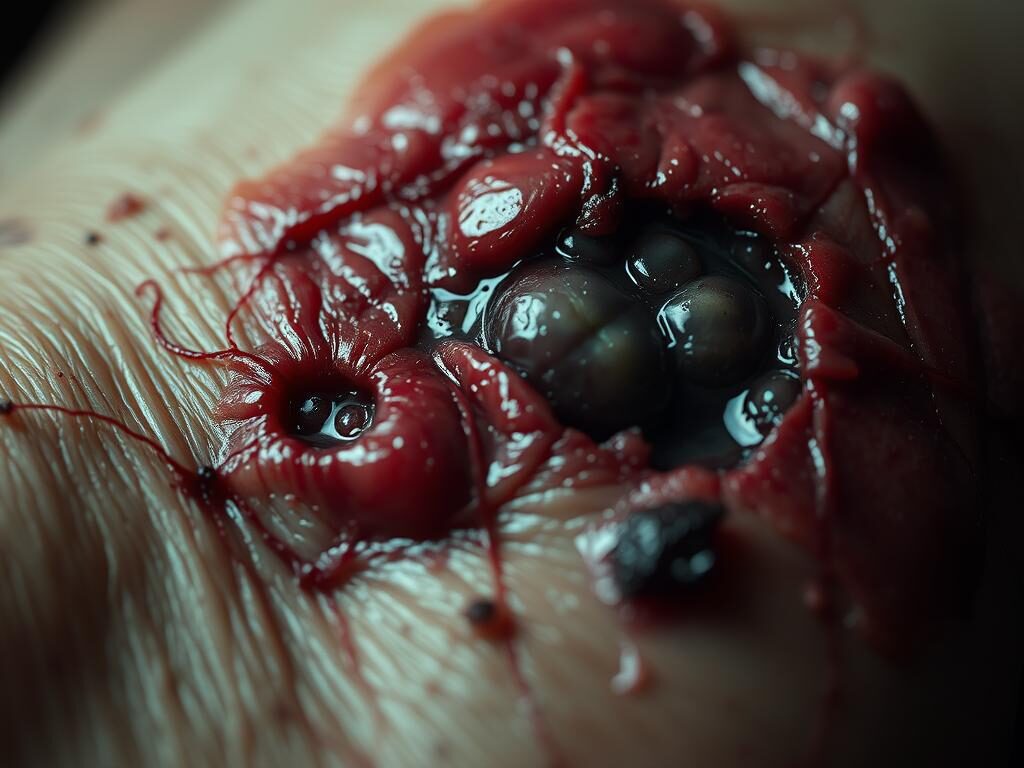
Leaving the hospital is just the start. For many, the real battle is in caring for wounds at home. It’s key for a smooth recovery but comes with big challenges for patients and their caregivers.

Common Types of Wounds Requiring Ongoing Care

After leaving the hospital, many types of wounds need careful attention. These include:

  • Surgical wounds that need to heal properly to prevent infection
  • Pressure ulcers that can develop due to prolonged bed rest
  • Diabetic foot ulcers that require meticulous care to avoid complications
  • Venous or arterial ulcers that need ongoing management to promote healing

Each wound type has its own care needs. Knowing these is key for managing wounds well.

Why Proper Wound Management Matters

Wound care is more than just avoiding infection. It’s also about healing and avoiding complications. Good wound care can:

Benefits Description
Enhanced Healing Proper wound care promotes faster healing by maintaining a clean environment and using appropriate dressings.
Reduced Infection Risk Careful management of wounds reduces the risk of infection, which can lead to serious complications.
Minimized Scarring Effective wound care can minimize scarring by ensuring that wounds heal under optimal conditions.

If wound care after a hospital stay is tough, get help. Dominion Mobile Wound Care offers specialized services. Their team can create care plans just for you, ensuring top care at home.

The Rising Trend of Hospital Readmissions

Healthcare is changing, but hospital readmissions are a big problem. You might wonder why this is happening and how it affects you or your loved ones. Readmissions happen when a patient goes back to the hospital soon after leaving. This can be because of complications from the first treatment or condition.

hospital readmission prevention

Financial Impact on Patients and Healthcare System

Readmissions cost a lot, affecting both patients and the healthcare system. For patients, it means more medical bills and lost income. The healthcare system also faces increased costs and resource strain.

Readmission prevention strategies are key to saving money. By focusing on transitional care, healthcare providers can help patients transition smoothly from hospital to home. This includes clear discharge instructions, follow-up appointments, and support for managing conditions at home.

Emotional Toll of Returning to the Hospital

The emotional impact of readmissions is significant. Patients often feel anxious, frustrated, and disappointed. This is even harder for those with chronic conditions or after major surgery.

Effective readmission prevention reduces financial and emotional burdens. By investing in transitional care services, patients get the support they need to recover at home. For more insights, read our detailed article here.

Understanding and preventing hospital readmissions is vital. It improves patient outcomes and lowers healthcare costs. By focusing on readmission prevention and better transitional care, we aim for a more efficient and caring healthcare system.

How Mobile Wound Care Services Transform Recovery

Mobile wound care services bring the hospital to your home. You get top-notch care in your own space. No need for hospital visits or long stays.

Bringing Clinical Expertise to Your Doorstep

Mobile wound care lets specialists come to you. You get expert care without leaving home. They bring everything needed to treat your wound with the latest methods.

  • Assessment of your wound condition
  • Personalized treatment plans tailored to your needs
  • Ongoing monitoring and adjustments as necessary

Advanced Treatment Options Available at Home

Mobile wound care offers advanced treatment options at home. You can get specialized dressings and negative pressure wound therapy. These treatments help your wound heal better.

Treatment Option Description Benefit
Specialized Dressings Advanced materials for wound care Promotes a moist environment for healing
Negative Pressure Wound Therapy Application of controlled negative pressure Enhances blood flow and reduces bacterial load

Personalized Care Plans for Optimal Healing

Your care plan is made just for you. It ensures you get the best treatment for your wound. Clinicians work with you and your team to create a plan for optimal healing.

Choosing mobile wound care means a smoother recovery. Heal in your own home, with loved ones nearby.

The Role of Transitional Care in Preventing Complications

When you move from the hospital to your home, transitional care can greatly lower the chance of complications. This care ensures your needs are met after you leave the hospital. It’s a detailed approach to keep your care going smoothly.

Transitional care teams work together to offer you support. This is very important right after you leave the hospital. At this time, you’re most at risk for problems.

Bridging Hospital and Home Environments

Transitional care plays a big role in connecting the hospital and your home. It does this by:

  • Checking your home for risks and finding ways to avoid them.
  • Teaching you about wound care, managing your meds, and other self-care.
  • Making sure you have the resources and support you need.

This connection helps lower the chance of you having to go back to the hospital. It also makes sure you get the care you need in your own home.

Coordinating with Your Primary Care Provider

Another important part of transitional care is working with your primary care doctor. This makes sure your care plan fits your health needs. It also helps manage any ongoing health problems.

Key benefits of coordination include:

  1. Improved communication between healthcare providers.
  2. A deeper understanding of your health.
  3. Better control of chronic conditions.

By coordinating your care, transitional services can prevent complications. They help you recover more smoothly.

Dominion Mobile Wound Care: Pioneering At-Home Recovery Solutions

Dominion Mobile Wound Care leads in at-home recovery for complex wounds. We aim to give you top care at home, cutting down on complications and helping wounds heal better.
post-hospital wound care

Our Specialized Approach to Wound Management

At Dominion Mobile Wound Care, we know each wound is different. Our team creates a treatment plan just for you, working with your healthcare team. We use advanced wound care technologies and proven methods to help wounds heal and avoid problems.

We offer detailed assessments, custom plans, and regular checks to make sure your wound heals right. We also teach you how to care for your wound at home. This helps you play a big part in your recovery.

Meet Our Team of Wound Care Specialists

Our wound care team is all about giving you the best care. Our team includes board-certified physicians, nurses, and therapists with lots of wound management experience. They keep up with the newest in wound care to give you the best treatments.

Choosing Dominion Mobile Wound Care means you get a recovery partner. We support you from start to finish. Contact us today to find out more about our at-home recovery solutions and how we can help you heal well.

Patient Success Stories: Real Results from Mobile Wound Care

Real-life examples show how mobile wound care helps patients heal and feel better. It brings professional care right to patients’ homes. This changes their recovery journey for the better.

Mobile wound care is great for those recovering from surgery and those with chronic wounds. It offers personalized care and advanced treatments. This leads to better results for patients.

Surgical Wound Recovery Journeys

Recovering from surgery can be tough. But, mobile wound care makes it easier. Patients heal faster and face fewer complications.

A patient with a complex surgery recovered at home with mobile care. This avoided hospital infections.

The following table highlights some key statistics related to surgical wound recovery journeys:

Outcome With Mobile Wound Care Without Mobile Wound Care
Average Healing Time 4-6 weeks 8-12 weeks
Infection Rate 5% 15%
Readmission Rate 2% 10%

Chronic Wound Management Breakthroughs

Mobile wound care gives new hope to those with chronic wounds. It uses advanced treatments like negative pressure therapy and bioengineered dressings. These help wounds heal faster and better.

Success stories from chronic wound patients show mobile care’s power. It offers tailored care and advanced treatments. This helps patients make big strides in their healing.

Technology Advancements Enhancing Home Recovery

As you recover at home, new tech can help a lot. It makes your care better and cuts down on hospital visits. This tech is changing how we get better at home.

Telehealth is a big help. It lets doctors keep an eye on you from afar. They can jump in fast if you need it.

Telehealth Integration for Continuous Monitoring

Telehealth means you can get medical help without leaving your house. Your doctors can check on you often. They can fix any problems and change your treatment if needed.

  • Remote monitoring devices track vital signs and wound healing progress.
  • Secure messaging systems allow you to communicate with your care team.
  • Virtual consultations reduce the need for in-person visits.

Telehealth makes patients happier and helps them get better faster. It cuts down on hospital trips.

Cutting-Edge Wound Treatment Devices

New tech for wound care is also key. These tools help wounds heal faster and reduce infection risk. They also make scars less noticeable.

Device Type Description Benefits
Negative Pressure Wound Therapy (NPWT) Applies suction to promote wound healing Enhances blood flow, reduces fluid, and promotes granulation tissue formation
Advanced Wound Dressings Utilizes materials that promote a moist healing environment Accelerates healing, reduces infection risk, and minimizes scarring
Electrical Stimulation Devices Uses electrical currents to stimulate healing Increases blood flow, enhances tissue repair, and reduces pain

These new technologies make recovering at home better. Telehealth and advanced wound care devices are changing care. They make it more personal and effective.

Insurance Coverage and Cost Considerations for Mobile Care

Understanding the financial side of mobile wound care can be tough. But knowing your insurance options can help a lot. It’s key to know what’s covered so you don’t face surprise bills.

Medicare and Medicaid Coverage Options

Medicare and Medicaid are big help for many. Medicare Part B covers doctor visits and some outpatient services. Medicaid’s coverage varies by state, but it usually includes wound care.

Make sure to check what you’ll pay out of pocket. You can call your insurance or talk to your healthcare team for details.

Private Insurance Navigation Assistance

If you have private insurance, knowing what’s covered is just as important. Many plans cover wound care, but how much can differ a lot.

To get the most from your private insurance, follow these steps:

  • Read your policy to see what’s included.
  • Call your insurance to clear up any doubts.
  • Make sure your healthcare provider is in-network.
  • Keep an eye on your costs and talk to your insurer if needed.

By following these tips, you can handle the costs of mobile wound care better. This way, you can focus on getting better.

How to Prepare Your Home for Mobile Wound Care Visits

Having a ready home is key for successful mobile wound care. It’s important to make a healing-friendly space. This space should also be safe for healthcare professionals to work in.

Creating a Clean Treatment Space

To get the most from wound care, you need a clean, comfy spot. Start by clearing a dedicated space for your healthcare provider. This area should be free from clutter and distractions.

Cleanliness is key. Ensure the treatment area is sanitized and well-lit. A clean towel or sheet for your wound is also useful. Keep pets out of the area to avoid infection risks.

Essential Supplies to Have on Hand

Having the right supplies can make wound care easier. Your healthcare provider will bring most of what you need. But, having a few basics ready can be helpful. These include:

  • Clean towels or sheets
  • A well-stocked first aid kit
  • Any personal care items recommended by your provider

It’s smart to have a list of questions or concerns for your provider. This way, you can get the most from each visit and stay on track with your recovery.

Preparing your home for mobile wound care can greatly improve your recovery. For professional and caring wound care services, consider Dominion Mobile Wound Care. Their team is committed to helping you heal at home.

Conclusion: Taking the Next Step in Your Healing Journey

Proper post-hospital wound care is key for a smooth recovery and avoiding readmission. Transitional care is important in the transition from hospital to home. It ensures you get the right support during this critical time.

Dominion Mobile Wound Care offers at-home recovery solutions. They bring clinical expertise right to your door. With their services, you get personalized care plans, advanced treatments, and ongoing monitoring through telehealth.

Consider Dominion Mobile Wound Care for your post-hospital wound care needs. Their team will create a care plan just for you. This helps in optimal healing and lowers the risk of complications.

Investing in quality transitional care and home recovery services makes recovery better. Contact Dominion Mobile Wound Care today. Learn how they can help you on your healing journey.

FAQ

What is transitional care, and how does it support patients after hospital discharge?

Transitional care helps patients move smoothly from the hospital to their homes. It works with primary care doctors to prevent problems and readmissions. This makes recovery easier and safer.

How does proper wound care prevent complications and promote healing?

Good wound care stops infections and helps wounds heal. It includes cleaning, dressing, and watching the wound. It also manages pain and fixes problems quickly to avoid more issues.

What are the benefits of mobile wound care services for patients recovering at home?

Mobile wound care brings expert care to patients’ homes. It offers special treatments and care plans for each patient. This helps recovery, lowers complication risks, and improves health outcomes.

How can patients prepare their homes for mobile wound care visits?

Patients should make a clean space for treatment and have needed supplies ready. This helps care providers do their best work and supports the patient’s healing.

What insurance coverage options are available for mobile wound care services?

Many insurance plans cover mobile wound care, like Medicare, Medicaid, and private insurance. Help is available to understand what’s covered for each person.

How does readmission prevention impact patients and the healthcare system?

Preventing readmissions is key because it saves money and stress for patients and the healthcare system. Programs like transitional care and mobile wound care help avoid readmissions. This improves health and lowers costs.

What role does technology play in enhanced home recovery?

New tech, like telehealth and advanced wound treatments, helps recovery at home. It lets for constant monitoring and better treatment. This leads to better health outcomes and supports healing.
Post-Hospital Wound Care

Transitioning from Hospital to Home: Wound Care Tips

This guide helps you move from a hospital stay to a home routine focused on healing. You are shifting from stabilization to ongoing recovery, and clear information makes that change safer. Simple steps will help you organize your plan and protect your health as a patient.

You will learn what to bring to your first visit, how to track medications and allergies, and which treatment steps to follow in the first 48 hours. A straightforward routine for dressing changes, infection control, and hand hygiene supports faster healing.

A multidisciplinary, physician-led approach matters for complex problems. Specialized wound care from Dominion Mobile Wound Care can bridge gaps after discharge and keep your treatment on track. If you want hands-on at-home support, consider hiring Dominion Mobile Wound Care to help your recovery.

Key Takeaways

  • Build a simple plan before discharge to keep treatment seamless.
  • Prepare medication lists, allergy info, and insurance details.
  • Follow clear steps in the first 48 hours to reduce setbacks.
  • Use hygiene and dressing guidance to support healing at home.
  • Know signs that need prompt treatment and whom to call.
  • Specialized wound care services can extend hospital treatment into home support.

Understanding Your Transition Home and What It Means for Healing

Leaving the hospital starts a new phase where daily habits shape your recovery and long-term healing. The hospital handled immediate stabilization—cleaning, protective dressing, infection control, and pain management. At home, the healing process continues and depends on routine actions you take each day.

Why hospitals stabilize but home is where wounds truly heal

Hospitals address urgent needs so patients are safe to go home. Your home environment then supports steady progress with consistent monitoring, advanced dressings, and nutrition.

You need basic supplies, a simple dressing schedule, and a plan to get more information or help if problems start. Small habits—washing your hands before touching the wound and keeping the area dry—make a big difference.

  • Understand the role of daily routines and movement on healing outcomes.
  • Recognize that chronic wounds need regular attention to avoid setbacks.
  • Keep open communication with healthcare providers to fix issues early.
  • Look for signs of improvement: less drainage, reduced tenderness, healthier tissue.

Dominion Mobile Wound Care supports your at-home recovery with clear guidance and coordinated follow-up to help heal your wound and improve outcomes.

Set Up Your Post-Hospital Wound Care Plan Before Discharge

Before you leave the hospital, set up a clear plan so your recovery at home is smooth and predictable. Ask for written instructions and confirm the main steps you must follow after discharge.

post-discharge dressing

Confirm your dressing type, removal timeline, and stitch/staple plan

Ask your nurses to write down the exact dressing and how long the first dressing should stay in place. Keep the original dressing on for 48 hours if it is dry.

Know whether you have dissolvable stitches or non-dissolvable sutures, clips, or staples. Dissolvable stitches often disappear in 7–10 days. Non-dissolvable items are usually removed in 5–14 days depending on the location.

Verify who will remove them and how to book the appointment so you avoid delays that could affect healing.

Gather supplies, insurance details, and contacts for your care team

Collect patient information in one folder: medication list, allergies, insurance card, and your discharge summary. Bring this to every appointment.

  • Confirm what supplies to have at home: clean gloves, soap, non-adhesive dressings, tape, and waste bags.
  • Ask what to do if a dressing gets wet or soiled and how to get replacements quickly.
  • Keep daytime and after-hours phone numbers for your team so you can call if drainage, pain, or redness increases.

Ask about risk considerations such as diabetes or circulation issues and how they may change your schedule or dressing choices. Decide whether to coordinate with a specialized provider like Dominion Mobile Wound Care for follow-up and at-home visits.

If you want hands-on support, consider hiring Dominion Mobile Wound Care to help heal your wounds.

First 48 Hours at Home: Dressing Care, Stitches, and Showering

The first 48 hours are a careful window: follow basic steps to protect your healing skin. Keep the original dressing in place if it stays dry. Change it sooner if blood or other fluid soaks through.

Changing dressings safely

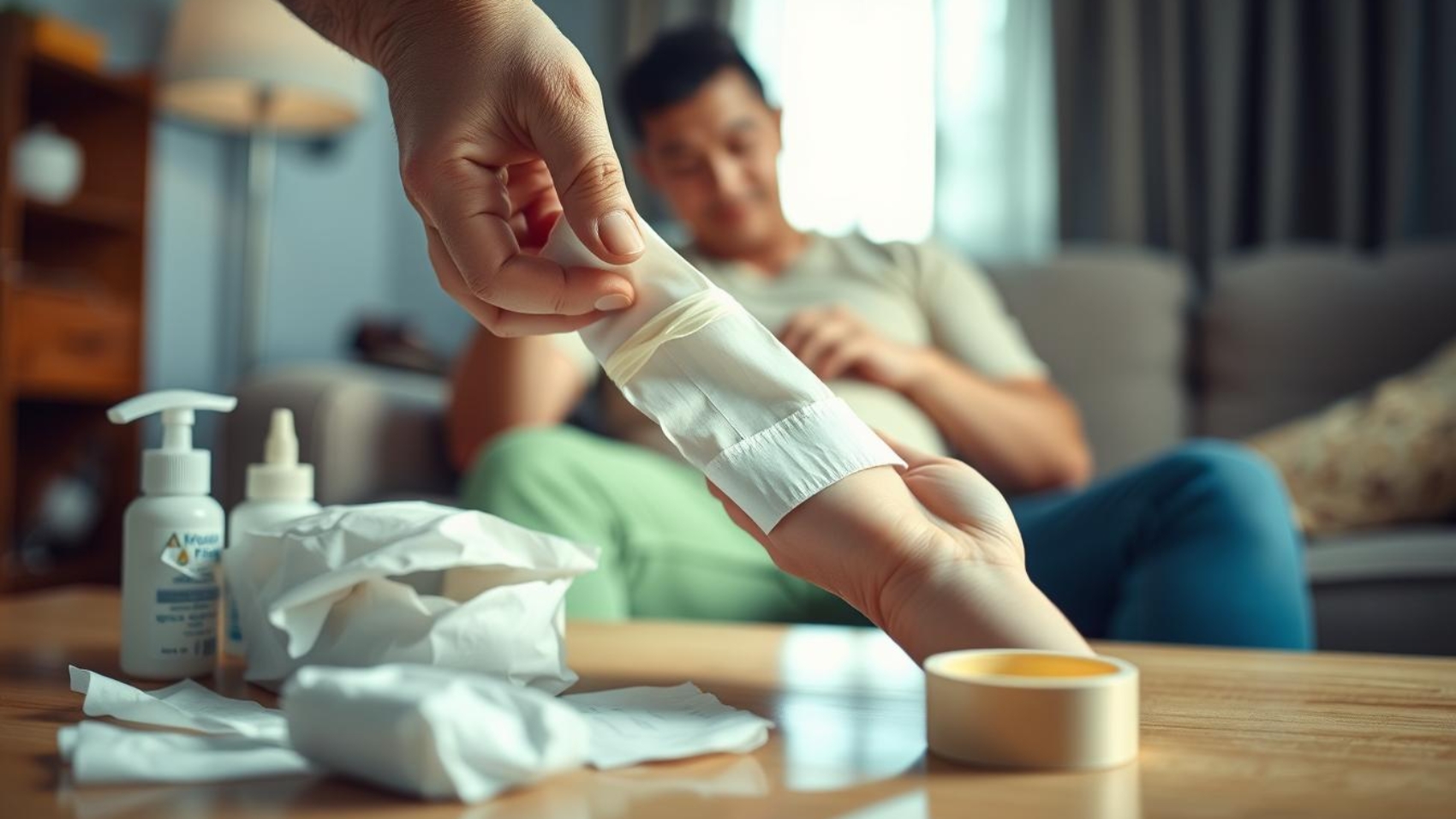
Wash your hands with soap and water before and after any dressing change. Set out clean supplies and avoid touching the area directly.

Stitches, clips, and staples

Absorbable stitches usually dissolve in 7–10 days but may last longer. Non-dissolvable sutures, clips, or staples are removed in about 5–14 days. Do not pull on visible threads; trim loose ends with clean scissors if needed.

Showering and keeping skin protected

Showering is typically safe after 48 hours if your provider agrees. Use waterproof dressings when recommended and pat the skin dry. Avoid soap, lotions, gels, or powders on the treatment area.

  • Keep initial dressing dry for 48 hours and replace it if wet to reduce infection.
  • Track changes in drainage, pain, or redness and call your nurses if issues arise.
  • Some healing wounds may be left uncovered once dry; protect against friction with light dressings if clothing rubs.

If you want guided, day-by-day support at home, Dominion Mobile Wound Care can assist with dressing changes and follow-up.

Monitor for Infection, Manage Risks, and Protect Your Skin

Keep a close eye on your healing at home; small changes can signal big issues. Daily checks help you spot infection early and protect tissue health. Document any change with dates and photos if your provider allows.

infection

Red flags: increasing pain, redness, swelling, drainage, or odor

Watch for worsening pain, spreading redness, new opening, heavier drainage, or a foul smell. Fever can mean the infection is spreading systemically.

Risk factors that slow healing

Know your personal risk factors, such as diabetes, poor circulation, smoking, or malnutrition. These factors raise the chance of delayed healing and chronic wounds.

When to call your nurse, primary care, or go to urgent care/ER

  • Call your nurse or primary care for increasing pain, more drainage, or any new redness.
  • Go to urgent care or ER for high fever, rapidly spreading redness, severe pain, or signs of systemic infection.
  • Protect the skin by keeping the area clean and dry and by preventing maceration from prolonged moisture.

Dominion Mobile Wound Care can monitor changes between visits and coordinate with your primary team to improve outcomes. Early action reduces readmissions and helps patients stay on track with recovery.

Specialized Wound Care at Home: Bridging the Gap After Discharge

Bridging hospital treatment and home routines requires organized, multidisciplinary follow-up. This helps you access advanced treatments and keeps your healing plan consistent after discharge.

A multidisciplinary approach: dressings, debridement, nutrition, and advanced options

Specialized wound care programs combine advanced dressings, debridement, nutrition optimization, and bio-engineered tissue substitutes. When appropriate, hyperbaric oxygen therapy is included as an option.

These treatments work together to protect surrounding skin, improve tissue health, and speed repair.

Mobile care and SNF collaboration to reduce readmissions and improve outcomes

Dominion Mobile Wound Care brings skilled staff to your home or SNF. The team conducts detailed skin assessments, adjusts dressings, and updates your treatment plan during scheduled appointments.

  • Coordinated staff share information with facility clinicians to act quickly on changes.
  • Consistent management and timely adjustments improve outcomes for patients with chronic wounds.
  • Individualized follow-up and clear appointment windows keep the process on track.

Expect a team approach that tracks progress, educates you, and reduces avoidable returns to the hospital. If you want hands-on, mobile services after discharge, consider hiring Dominion Mobile Wound Care to help heal your wounds.

Conclusion

Your recovery moves forward when dressing plans, nutrition, and follow-up align around a clear process. Keep discharge instructions handy and track changes day to day.

Confirm supplies and contacts so your team and staff can respond fast. Use simple routines in the first 48 hours, protect surrounding skin, and manage risk factors like nutrition and circulation.

Specialized wound management and consistent monitoring reduce setbacks. When education, timely updates, and evidence-based treatments are in place, patients see better wound healing.

For coordinated, at-home support, hire Dominion Mobile Wound Care to deliver services that help heal your wounds.

FAQ

What should you expect when transitioning from hospital to home for wound healing?

Expect the hospital team to stabilize your condition and give instructions for ongoing treatment. At home, you’ll manage daily dressing changes, monitor the site for signs of infection, follow activity and showering limits, and keep follow-up appointments with nurses or your primary care clinician. Your discharge plan should list dressing type, how often to change it, and when sutures or staples will be removed.

How do you confirm the right dressing and removal timeline before discharge?

Ask the nurse to show the exact dressing and label any supplies. Get written instructions that include dressing brand or type, how often to replace it, and a timeline for suture or staple removal. Verify insurance coverage for supplies and request contact info for the wound care nurse or clinic you’ll see after leaving the hospital.

What supplies and information should you gather before leaving the hospital?

Collect all dressings, tape, wound cleanser, and any prescribed topical agents. Bring written discharge instructions, the wound care schedule, medication list, and phone numbers for wound care services, your surgeon, and home health. Confirm which items your insurer will cover and get receipts or documentation if needed.

How should you change dressings safely in the first 48 hours at home?

Wash your hands thoroughly and work on a clean surface. Remove the old dressing gently, inspect the site, and clean per instructions—usually with saline or a prescribed cleanser. Pat dry with sterile gauze, apply the new dressing per the technique shown to you, and secure it without cutting off circulation. If you see heavy bleeding, increasing pain, or foul odor, contact your care team.

How do you handle absorbable versus non-dissolvable stitches, clips, or staples?

Absorbable sutures typically dissolve on their own—confirm the expected timeline with your provider. Non-dissolvable sutures, clips, or staples need removal at a follow-up visit; note the scheduled date and don’t attempt removal yourself. If clips or sutures pull or the wound reopens, seek care promptly.

Can you shower during the early recovery period, and how do you protect the site?

You can usually shower if the dressing is waterproof or covered with a protective barrier. Use lukewarm water and avoid direct high-pressure streams on the area. Gently pat the site dry afterward and replace the dressing immediately. Avoid baths, hot tubs, or pools until your clinician clears you.

When is it safe to leave a healing site uncovered?

Your clinician will advise when to leave the area open to air. Small, clean wounds that are dry and showing steady improvement are often left uncovered for short periods. Protect the site from friction, clothing irritation, and dirt—use a light dressing if you’ll be active or in public spaces.

What are the key signs of infection to watch for at home?

Watch for increasing pain, spreading redness, swelling, warmth, pus or cloudy drainage, a new or foul odor, fever, or red streaks toward the heart. If you notice these signs, contact your nurse or primary care clinician immediately; severe symptoms like high fever or rapidly spreading redness may require urgent care or an ER visit.

Which factors can slow healing and what can you do about them?

Diabetes, poor circulation, malnutrition, smoking, certain medications, and obesity can delay recovery. Manage blood sugar, eat a protein- and nutrient-rich diet, avoid tobacco, and follow activity restrictions. Discuss medications and supplements with your clinician to ensure they don’t impede healing.

When should you call your wound care nurse, primary care clinician, or go to urgent care/ER?

Call your wound care nurse for dressing questions, routine concerns, or to arrange home visits. Contact your primary care clinician for worsening pain, new drainage, or follow-up needs. Go to urgent care or the ER for heavy bleeding that won’t stop, signs of spreading infection, high fever, or sudden severe symptoms.

What does specialized home-based wound management involve?

Specialized services use a team approach—nurses, physicians, nutritionists, and sometimes physical therapists—to provide advanced dressings, debridement, compression therapy, and nutritional plans. Mobile wound clinics and skilled nursing facility collaboration help reduce readmissions and improve healing outcomes.

How do mobile wound services and SNF collaboration help after discharge?

Mobile teams bring skilled nursing and treatments to your home, ensuring timely dressing changes, debridement, and monitoring. Collaboration with skilled nursing facilities (SNFs) and outpatient clinics ensures continuity of care, faster intervention if problems arise, and fewer readmissions to the hospital.

wound care for post-hospital patients

Transitioning from Hospital to Home Wound Care

Moving from hospital to home is a key phase in recovery. Daily attention after surgery shapes healing and reduces setbacks. Dominion Mobile Wound Care explains how a clear plan and simple routines help protect incisions and speed progress.

Some surgical incisions are closed at discharge. Others are left open to heal from the base up and need dressings that absorb drainage. A provider should give specific instructions that match the incision type and the home setting.

Hand hygiene matters. Anyone who touches a dressing must wash hands with soap and water for 15–30 seconds or use an alcohol-based cleanser. Frequent monitoring and clean technique lower complications and support health.

Dominion Mobile Wound Care can personalize the plan, offer in‑home visits, and guide patients and caregivers through each step. Hire Dominion Mobile Wound Care to help heal their wounds.

Key Takeaways

  • Transitioning home is crucial to a successful recovery.
  • Some incisions need open healing; follow provider instructions.
  • Clean technique and hand hygiene prevent complications.
  • Daily monitoring and tailored plans improve healing on time.
  • Dominion Mobile Wound Care offers in‑home support and guidance.

Why the transition from hospital to home matters for recovery

Early weeks at home carry a high risk of setbacks after surgery. Many complications begin after discharge, so a clear plan matters.

Risks after discharge: surgical site infections and readmissions

Surgical site infections can start once a patient leaves the hospital. Data show SSIs occur in up to 20% of some surgeries and often begin after discharge.

  • SSIs may double the chance of readmission and lengthen wound healing.
  • Minor lapses—missed hand hygiene or delayed dressing—can raise infection risk.
  • Early detection of redness, drainage, or fever prevents escalation.

Who is at higher risk: diabetes, vascular disease, and compromised immunity

People with diabetes, vascular disease, or weakened immunity need closer monitoring. The risk does not stop at discharge, so structured home routines are essential.

  • Establish follow-up appointments before leaving the hospital.
  • Align home supports: caregiver availability, transport, and supplies.
  • Mobile specialists can reinforce prevention steps and teach practical skills in the real home setting.

Dominion Mobile Wound Care supports patients during this vulnerable period with in‑home visits and education to reduce readmissions and protect health.

Creating a safe discharge-to-home plan

Successful transitions rely on matching goals, skills, and supplies before leaving the hospital.

Clarifying goals: healing, maintenance, or comfort

Teams should agree on a single goal with the provider so every decision supports it. Healing focuses on granulation and closure after surgery. Maintenance aims to keep the area stable and infection-free when closure is unlikely. Comfort prioritizes low-pain dressings that absorb drainage and limit odor.

Matching the setting to complexity and resources

Select the environment that meets frequency and technical needs. Multiple sites needing negative pressure or twice-daily attention often fit better in a facility. A once-daily packing routine may be safe at home with a caregiver or a visiting nurse and reliable supplies.

Follow-up appointments, transportation, and supply access

Schedule follow-up visits and arrange transport before discharge. Verify formularies and insurance so necessary products are on hand. Teach-back confirms who will perform daily tasks and how to escalate problems.

  • Dominion Mobile Wound Care collaborates with discharge teams to align goals, coordinate supplies, and bridge resource gaps.
  • Document instructions, contingency contacts, and realistic daily time needs.

Essential supplies for safe dressing changes at home

A simple, well-stocked kit makes dressing changes faster and safer at home. Dominion Mobile Wound Care advises using cost‑effective products and keeping supplies tidy to reduce errors and delays.

supplies

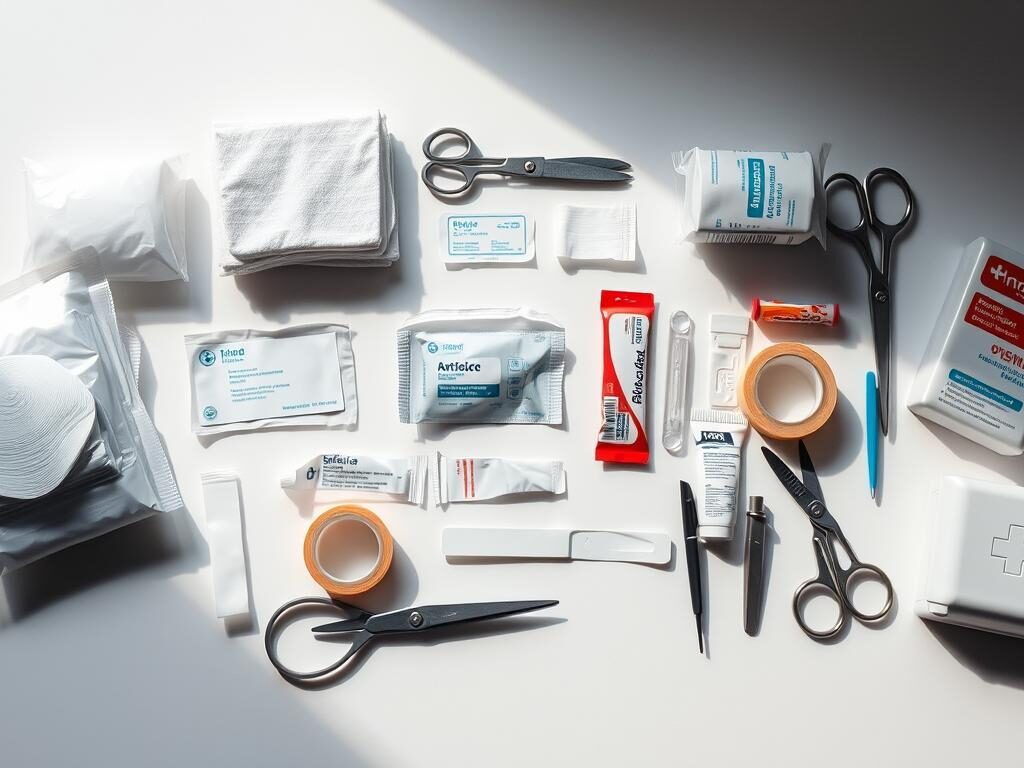
Core items should be ready before each visit to the area. A basic kit includes sterile gauze, medical tape, disposable gloves, sterile normal saline, and waterproof trash bags.

  • Sterile gauze and sealed dressings — single use only to support prevention of contamination.
  • Medical tape and disposable gloves to protect the caregiver and maintain a seal.
  • Sterile saline for gentle irrigation and waterproof bags to discard waste safely.

Store supplies in a closed bin or drawer in a dry spot, away from pets, sinks, and drafts. Label containers and keep extra items for weekends or holidays.

Insurance may influence product choice; substituting equivalent products often controls cost without lowering quality. Ask Dominion Mobile Wound Care to review product fit, quantities, and alternatives tailored to the wound.

Hand hygiene and clean technique that protect healing

Clean hands and a tidy workspace are the most effective defenses during home recovery. Consistent steps reduce infection risk and make each dressing change safer.

Evidence-based handwashing steps before and after care

Follow these steps:

  • Remove rings and watches. Wet hands under warm running water.
  • Add soap and wash 15–30 seconds. Sing a short song once to time it.
  • Scrub under nails, rinse well with clean water, then dry with a clean towel.

Alcohol-based hand rub is an acceptable alternative when soap and water are not available or as the provider directs. Clean hands before touching the dressing and again after removal.

Setting up a clean workspace and using gloves

Disinfect a flat surface and lay supplies within easy reach. Keep pets and children away during the routine.

  • Wear disposable gloves and replace them if contaminated.
  • Avoid touching non‑clean items while gloved. Change gloves between steps.
  • Keep nails short and skip lotions that leave residue.

Dominion Mobile Wound Care demonstrates this practice during in‑home visits and corrects common errors. Simple habits remain the most powerful prevention step to support healing.

Step-by-step dressing change for surgical and open wounds

A clear, step‑by‑step routine makes dressing changes faster and safer at home. Follow the provider’s instructions and use the same process each time to reduce errors.

Preparing: review instructions, gather supplies, wash hands

Review written instructions before starting. Gather all supplies on a clean surface and wash hands thoroughly.

Removing old dressings safely and inspecting drainage

Gently loosen tape and remove the old dressing with a clean‑gloved hand. If the pad sticks, moisten it with sterile saline and lift slowly unless told to remove it dry.

Inspect the old dressing and the site for color, amount of drainage, and any odor. Note changes and report them as instructed.

Cleansing and irrigating with saline or mild soapy water

Use normal saline or mild soapy water on gauze to dab and remove dried blood and residue. Do not scrub delicate skin or use alcohol, peroxide, or iodine.

If irrigation is prescribed, load a syringe and hold it 1–6 inches from the surgical wound. Spray with enough force to clear debris, then pat the area dry with clean gauze.

Applying new dressings and disposing of waste properly

Apply the new dressing exactly as directed; some plans require moist packing. Keep wound edges protected and covered.

  • Place used dressings in a waterproof bag, seal, then double‑bag before trashing.
  • Wash soiled linens separately and ask the provider whether bleach is needed.
  • Use each dressing once; never reuse a pad or adhesive.

Dominion Mobile Wound Care offers step‑by‑step teaching and can supervise the first dressing changes at home to confirm technique and timing. Finish by washing hands and recording observations for the next scheduled change.

Daily monitoring and infection prevention at home

Small daily observations make a big difference in keeping recovery on track. A brief checklist helps a patient and caregiver spot early signs that need prompt attention.

infection monitoring

What to look for: redness, swelling, heat, odor, color changes

Check the area once a day and note any redness that spreads, new warmth, or increased swelling. These signs can indicate early infection.

Watch for changes in color or a foul odor. Increased drainage that is thick, tan, green, or yellow requires action. Note if pain grows instead of easing.

Temperature checks, symptom tracking, and when to act

Take a daily temperature and log systemic clues like chills or malaise. Contact a provider if temperature reaches 100.5°F (38°C) or higher.

  • Call if redness, new or worse swelling, bleeding, or rising pain appears.
  • Report increased or foul-smelling drainage, deepening or enlarging of the wound, or dark tissue.
  • Inspect surrounding skin for irritation from adhesives or moisture and adjust supplies as needed.

Dominion Mobile Wound Care equips patients with simple checklists and escalation steps. Keeping a short journal or smartphone log helps the health team review trends and act early to prevent complications.

wound care for post-hospital patients: lifestyle and systemic factors that speed healing

Daily habits and medical choices outside the hospital strongly shape how quickly tissues mend. Attention to nutrition, medication routines, and pressure redistribution supports wound healing and overall health.

Nutrition, hydration, and medication adherence

A balanced plan includes protein, vitamins, and adequate water to support tissue repair. Antibiotics and prescribed meds must be taken on schedule to prevent setbacks.

Pressure offloading for heels, feet, and bony areas

Remove direct pressure on heels and bony prominences. Use pillows under the calves, offloading boots, or specialty devices to redistribute pressure; without this, pressure injuries will not improve.

Diabetes control, smoking cessation, and edema management

  • Keep glycemia steady with meds and diet to speed healing.
  • Stop smoking; better oxygen delivery boosts tissue repair and body health.
  • Manage leg swelling with elevation, compression if ordered, and diuretics as directed.
  • Protect the foot with daily checks and proper footwear to avoid new injury.
  • Encourage gentle movement and rest; stress reduction aids recovery.

Dominion Mobile Wound Care integrates nutrition coaching, pressure offloading plans, and medication support into the clinical plan. This coordinated approach helps the patient reach faster, safer healing tailored to the body’s needs.

Coordinating roles: patient, caregiver, home health nurse, and provider

Clear role definitions make home recovery more reliable and less confusing. Before discharge, the team should confirm who will perform each task, who will watch for changes, and how rapid escalation happens.

Teach‑back education and telehealth support

Teach‑back verifies that the patient and caregiver can follow the written instructions and complete the process safely. Dominion Mobile Wound Care uses teach‑back to confirm technique and timing.

  • Patient: observes, reports new findings, and keeps a short log of symptoms and photos when approved.
  • Caregiver: sets up supplies, assists with dressing changes, and follows hand hygiene and glove rules.
  • Nurse: provides skilled treatments, documents changes, and alerts the provider when findings need review.
  • Provider: directs the plan, adjusts therapies, and signs off on equipment or referrals.

Telehealth touchpoints fill gaps between visits. Quick video check‑ins let the nurse troubleshoot technique, confirm supplies, and adjust frequency without delay.

Aligning resources means verifying insurance, ordering needed equipment, and scheduling recurring check‑ins so minor issues are corrected early. Shared logs, photos (with consent), and clear notes streamline each visit and reduce errors.

Dominion Mobile Wound Care coordinates the team, offers education, and integrates telehealth to keep everyone working together and on schedule.

When to call the surgeon or a wound care specialist

Recognizing early warning signs after surgery can prevent small problems from becoming emergencies. If any local or systemic changes appear, the patient should act quickly and contact a provider.

Increasing pain, drainage, fever, or wound size

Call the surgeon or a specialist when pain grows instead of easing, or when drainage increases or changes color.

If drainage becomes thick, tan, green, or yellow, or develops a foul odor, seek medical advice without delay.

Also call if redness, swelling, or temperature reaches 100.5°F (38°C) or higher.

Loose stitches, re-opening, or signs of tissue death

Loose stitches or any gapping of the incision after surgery are urgent. Contact the surgeon immediately.

Black, dry, or shrinking tissue suggests tissue death and needs prompt evaluation in clinic or hospital.

  • Immediate reasons to call: rising pain, fever, increasing bleeding, larger or deeper site changes.
  • Do not remove more material or apply unapproved products while waiting for instructions.
  • Prepare details for the call: when the changes began, drainage description, and steps already taken.
  • Arrange transport to the hospital or clinic if symptoms escalate quickly or the clinician advises it.
  • Dominion Mobile Wound Care offers same‑day assessments and will share findings with the surgeon to speed decisions.

Early escalation preserves progress and lowers the risk of complications and readmission. When in doubt, contact the surgeon or specialist promptly to protect recovery after surgery.

Conclusion

, Practical steps at home — clear goals, clean technique, and timely checks — protect healing and keep recovery on track.

Summary: Align goals with the provider, gather supplies and products, and use a consistent routine for dressing changes. Wash hands 15–30 seconds, cleanse with saline or mild soapy water, and avoid harsh agents like alcohol or peroxide.

Log daily observations about the site, drainage, pain, and surrounding skin. Act quickly on fever ≥100.5°F or spreading redness to reduce infection and hospital returns.

Dominion Mobile Wound Care offers nurse visits and team support to adapt the plan, advise pressure offloading, and manage supplies at home. Hire Dominion Mobile Wound Care to help heal their wounds and make complex recovery manageable.

FAQ

What should patients expect when transitioning from hospital to home wound care?

The transition includes clear instructions on dressing changes, signs of infection to watch, pain management, and follow-up appointments. The care plan should state goals—healing, maintenance, or comfort—and list needed supplies, who will perform changes, and how to reach the surgical team or home health nurse.

Why does the move from hospital to home affect recovery and readmission risk?

Leaving the hospital shifts responsibility to the patient or caregiver. Mistakes in technique, missed follow-up, or lack of supplies raise the chance of surgical site infections and readmission. Clear discharge instructions and access to a clinician reduce those risks.

Who has higher risk for complications after discharge?

People with diabetes, peripheral vascular disease, weakened immune systems, advanced age, or poor nutrition face greater risk. Those with limited mobility, obesity, or chronic edema also need closer monitoring and support.

How should a safe discharge-to-home plan be created?

The plan should match wound complexity to the care setting, list follow-up appointments and transportation options, identify supply sources like pharmacies or medical supply companies, and assign a responsible caregiver or home health nurse. Teach-back education ensures the patient understands key steps.

What core supplies are essential for dressing changes at home?

A basic kit includes sterile gauze, adhesive tape or dressings, disposable gloves, normal saline for irrigation, mild soap, and a sealable trash bag. Antiseptic solutions may be recommended by the provider. Keep supplies in a clean, dry container.

How should supplies be stored to avoid contamination?

Store unopened items in their original packaging away from damp areas. Use a clean, elevated shelf or plastic bin, and keep a clean workspace free of pets and high-traffic. Discard single-use items after each change.

What hand hygiene steps protect healing before and after dressing changes?

Wash hands with soap and warm water for at least 20 seconds, rinsing thoroughly. If soap is unavailable, use alcohol-based hand sanitizer. Put on disposable gloves after handwashing and remove them carefully, then wash hands again when finished.

How should a clean workspace be set up for dressing changes?

Choose a flat, well-lit surface, clear clutter, place a clean towel or disposable barrier down, and arrange supplies within reach. Limit room traffic and keep pets away. Good lighting helps inspect the site for drainage or color changes.

What are the steps for a safe dressing change at home?

Review written instructions, gather supplies, wash hands, and put on gloves. Gently remove the old dressing, inspect for bleeding or drainage, clean the area with normal saline or provider-recommended solution, apply the new dressing, secure it, and dispose of waste in a sealed bag.

How should one remove old dressings and check drainage safely?

Peel tape slowly toward the center, support skin to avoid pulling, and note the amount, color, and odor of drainage. Small amounts of clear or slightly pink fluid may be normal; heavy bleeding, foul odor, or greenish drainage warrants immediate contact with the clinician.

What solutions are appropriate for cleansing surgical and open sites?

Providers commonly recommend normal saline or mild soap and water for routine cleaning. Antiseptic solutions like chlorhexidine may be used selectively. Avoid harsh agents that can damage tissue unless directed by the surgeon.

How should used dressings and supplies be disposed of at home?

Place used dressings and disposable gloves in a sealable plastic bag, then into household trash per local regulations. If the site drains heavily or contains infectious material, the provider may recommend different disposal or labeling procedures.

What daily signs should be monitored to prevent infection?

Watch for increasing redness, swelling, warmth, worsening pain, new or increased drainage, foul odor, or changes in color around the site. Track body temperature and any systemic symptoms like chills. Early detection prompts faster treatment.

When is it necessary to contact a provider or surgeon?

Call the surgeon or wound specialist for fever over 100.4°F (38°C), escalating pain, sudden increase in bleeding or drainage, wound edges separating, loose stitches, or any signs of tissue death (black or gray tissue). If unsure, err on the side of contacting the team.

What lifestyle factors speed healing at home?

Balanced nutrition high in protein, staying hydrated, managing blood sugars for people with diabetes, avoiding tobacco, and offloading pressure from heels and bony areas promote recovery. Follow medication schedules and treat edema as advised.

How can caregivers and home health nurses coordinate with the provider?

Use teach-back during discharge to confirm understanding, keep a written log of dressing changes and symptoms, schedule telehealth or clinic follow-ups, and maintain open lines of communication for supply needs or worsening signs.

What role does telehealth play after discharge?

Telehealth allows visual assessment of the site, medication review, and timely advice without travel. It helps triage concerns, adjust dressings or supplies, and arrange in-person visits when necessary.

How should pressure be managed on feet, heels, and other vulnerable areas?

Use offloading devices, cushions, specialized footwear, or heel protectors as recommended. Change positions frequently, avoid prolonged pressure, and follow a physical therapy plan if provided to reduce risk of breakdown.

What resources help patients access supplies and transportation after discharge?

Pharmacies, medical supply companies, home health agencies, and community organizations can deliver supplies. Many hospitals offer social work support to arrange transportation for follow-up visits or to connect patients with Medicaid, Medicare, or nonprofit resources.