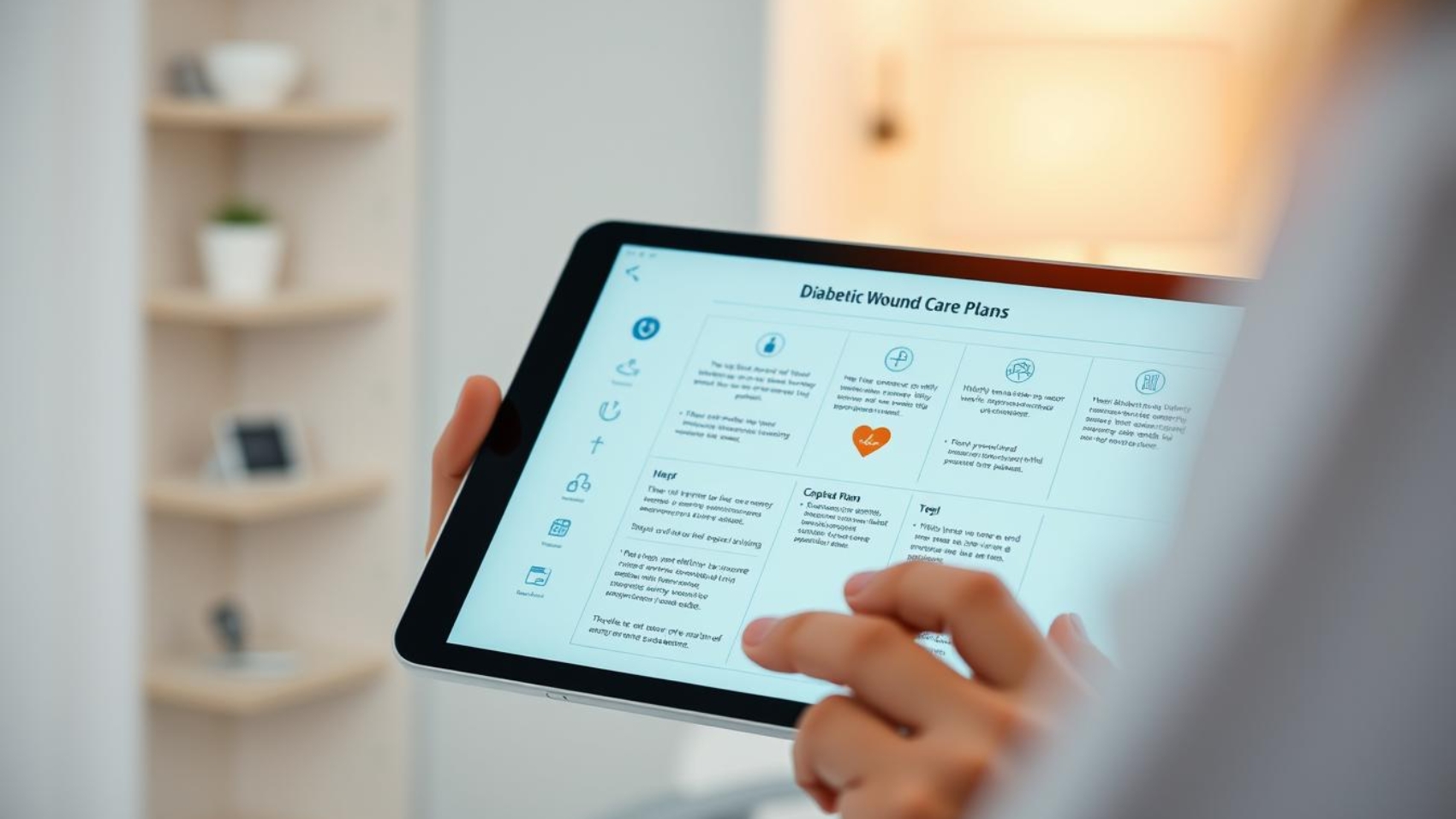
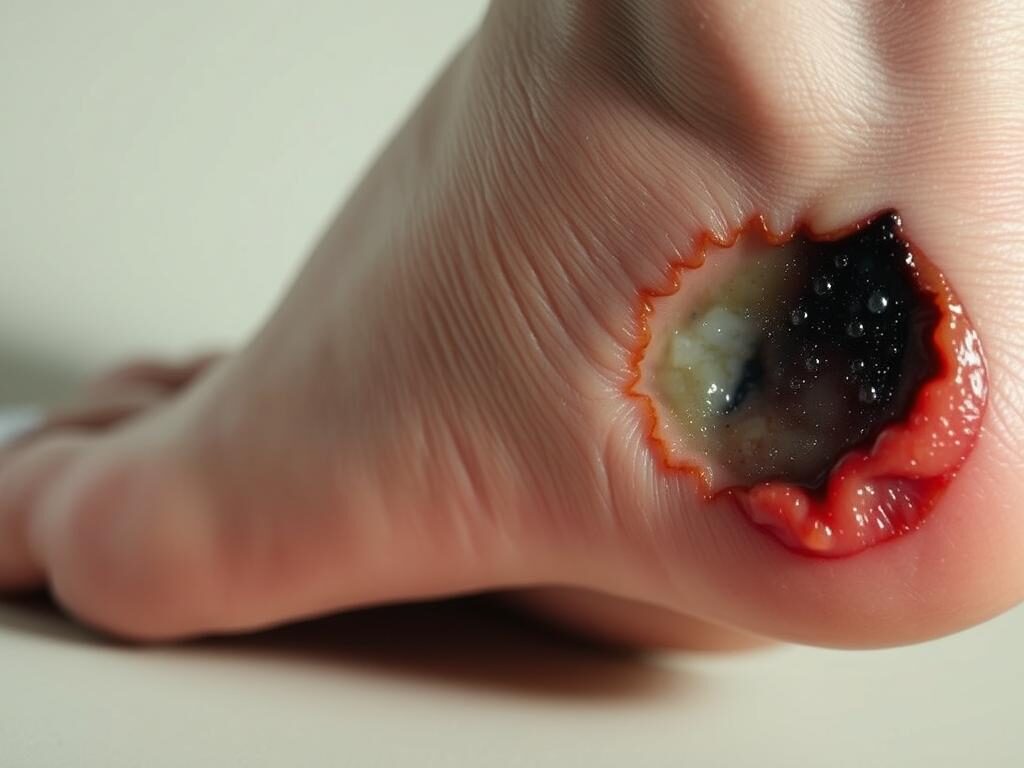
Recovering from surgery or an injury can be tough, mainly when dealing with wounds. Luckily, home health care is key in post-surgical recovery. It offers services that help with healing and getting better at home.
Getting care at home has many benefits. It includes getting personal attention, less chance of infection, and feeling more comfortable. With the aid of skilled nurses, your wounds get the care they need for the best recovery.
If you need professional wound care, think about hiring “Dominion Mobile Wound Care” for effective healing.
Key Takeaways
- Home health care is vital for post-surgical recovery.
- Personalized care at home lowers infection risk.
- Skilled nurses offer expert wound care.
- Receiving care at home boosts patient comfort.
- Professional wound care services help with healing.
Understanding the Growing Demand for Home Nursing for Wounds
The need for skilled nurses to care for wounds at home is increasing. This change is because patients want care that is more personal and comfortable. Hospitals, while helpful, can be scary and uncomfortable for those needing long-term care.
Getting care at home lets patients recover in a place they know and feel safe. This makes their recovery better. The importance of patient care at home has grown. Studies show it helps reduce hospital pressure and makes patients happier.
Recent Statistics on Home-Based Wound Care
More and more patients are choosing to get wound care at home. They like the comfort and convenience of it. Data shows they are getting better care and are happier with it.
| Year | Number of Patients | Satisfaction Rate |
|---|---|---|
| 2020 | 10,000 | 85% |
| 2021 | 12,000 | 88% |
| 2022 | 15,000 | 92% |
Factors Driving the Shift from Hospital to Home Care
Several reasons are pushing patients to choose home care over hospitals. People want care that fits their needs better. They also want to save money and enjoy new medical technologies that let them get complex care at home.
Getting care at home is more convenient. It also lets family members help with care. So, the need for skilled nurses to provide top-notch wound care at home keeps growing.
What Specialized Wound Care Services Do Home Nurses Provide?
Home nurses offer top-notch wound care right in your home. They have the skills to give you personalized care. This ensures you get the best treatment for your wound.
Types of Wounds Treated by Home Nurses
Home nurses can handle many types of wounds. They make sure each patient gets the right care for their wound. Here are some examples:
Surgical Wound Management
Surgical wounds need careful attention to avoid infection and heal well. Home nurses are experts at cleaning, dressing, and watching these wounds. This helps you recover smoothly.
Chronic Wound Treatment
Chronic wounds, like diabetic ulcers or pressure sores, need special care to heal. Home nurses know how to treat these complex wounds. They use methods that fix the root cause and help the wound heal.
Advanced Wound Care Techniques Used in Home Settings
Home nurses use advanced techniques for effective treatment. These include:
- Debridement: Removing dead tissue to help healing.
- Negative Pressure Wound Therapy (NPWT): A vacuum dressing to aid recovery.
- Hyperbaric Oxygen Therapy: Breathing pure oxygen in a pressurized room to boost healing.
The table below shows the advanced techniques used by home nurses and their benefits:
| Technique | Description | Benefits |
|---|---|---|
| Debridement | Removal of dead tissue | Promotes healing, reduces infection risk |
| NPWT | Vacuum dressing | Enhances recovery, reduces swelling |
| Hyperbaric Oxygen Therapy | Breathing pure oxygen | Stimulates healing, improves tissue oxygenation |
Using these advanced techniques, home nurses can greatly improve wound healing. This means you get the best care in your own home.
The Benefits of Receiving Wound Care in Your Home
Choosing home wound care can make your recovery better. It’s more convenient and gives you peace of mind. Knowing the benefits of home care is key.
Comfort and Convenience Factors
Home wound care is very comforting. Being in a place you know can lower stress and anxiety. These are important for healing. Home nursing for wounds lets you heal in a safe, familiar spot, with your loved ones nearby.
Another big plus is the convenience. You don’t have to go to a hospital, which is great if you’re in pain or have trouble moving. Your skilled nurses will come to you, with all the tools and knowledge they need.
Reduced Risk of Hospital-Acquired Infections
Hospitals are full of germs, which can slow down your healing. Getting wound care at home means you’re less likely to get sick. Hospital-acquired infections can make things worse, taking longer to heal and causing more health problems.
A study showed a big difference in infection rates between home and hospital care. Here are some key findings:
| Care Setting | Infection Rate | Average Healing Time |
|---|---|---|
| Home-Based Care | 5% | 6 weeks |
| Hospital-Based Care | 12% | 8 weeks |
For more details on home versus hospital care, check out Dominion Mobile Wound Care. They can help you understand your options.
How Dominion Mobile Wound Care is Transforming Patient Recovery
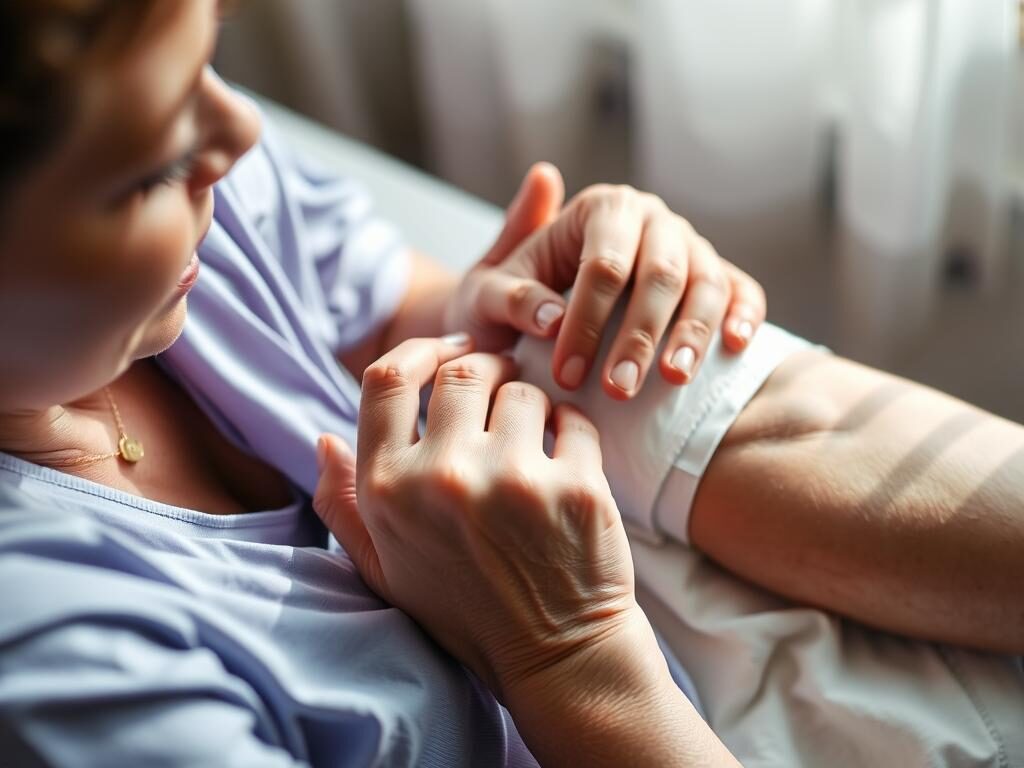
Dominion Mobile Wound Care is changing how we treat wounds. They bring advanced care right to patients’ homes. This improves recovery and quality of life.
Innovative Approaches to Mobile Wound Treatment
Dominion Mobile Wound Care uses new methods to treat wounds at home. Their nurses use advanced wound care techniques. They use specialized dressings and negative pressure wound therapy to help wounds heal.
Each patient gets care that fits their needs. This way, they heal in a place they feel comfortable. It’s a big step towards better recovery.
Success Stories from Dominion Mobile Wound Care Patients
Many patients have seen big improvements thanks to Dominion Mobile Wound Care. They get personalized care that really works. This care has helped them heal faster and feel better.
Patients say they heal quicker, feel less pain, and live better lives. These stories show how Dominion Mobile Wound Care is making a difference. They prove the value of their specialized care.
The Qualifications of Skilled Nurses in Specialized Wound Care
At Dominion Mobile Wound Care, our nurses have the latest knowledge and training. They provide top-notch wound care. You can trust that you’re in good hands with them.
Our team of skilled nurses has gone through tough training and has the right certifications. They are experts in specialized wound care. This means you get the best care for your wound needs.
Required Certifications and Training
Our nurses have finished special training programs in wound care. This training lets them give you care that fits your needs. Some of the key things they’ve learned include:
- Wound care certification programs
- Advanced training in wound dressing and management
- Knowledge of the latest wound care technologies
| Certification/Training | Description | Benefit to Patients |
|---|---|---|
| Wound Care Certification | Specialized training in wound assessment and management | Ensures you get full care for complex wounds |
| Advanced Wound Dressing | Training in the latest wound dressing techniques | Helps wounds heal faster and reduces problems |
Ongoing Education in Wound Care Techniques
Our nurses keep up with new wound care by taking ongoing education. This means you get the best and newest care available.
Continuous Education Initiatives:
- Regular workshops and seminars on wound care
- Participation in industry conferences
- Subscription to the latest research and publications in wound care
Choosing Dominion Mobile Wound Care means you get nurses who are highly qualified and always learning. They are all about helping you recover.
Home Nursing for Wounds: A Cost-Effective Alternative to Hospital Stays
Home nursing for wounds is a smart choice over long hospital stays. With healthcare costs going up, getting nursing wound care at home is more attractive.
Insurance Coverage for Home Wound Care Services
One big plus of patient care at home is the wide insurance coverage for home wound care. Many plans, like Medicare and Medicaid, pay a lot of the costs.
This coverage includes skilled nurses for wound care, medical supplies, and needed equipment. It helps treat wounds well at home.
Long-term Financial Benefits of Home Treatment
Home wound care saves money in the long run. It avoids the high costs of hospital stays. It also lowers the chance of infections and the need for more hospital visits.
- Reduced hospital stay costs
- Lower risk of hospital-acquired infections
- Minimized need for repeated hospital visits
Also, patient care at home lets you recover on your own schedule. This can cut down on more medical needs and costs.
In summary, home nursing for wounds is not just comfy and easy. It’s also cheaper than hospitals, thanks to insurance and big savings over time.
The Psychological Impact of Receiving Wound Care at Home
Getting wound care at home is as good for your mind as it is for your body. Being in your own space can really help your emotional health while you’re recovering.
Being in a place you know, with people you love, can make you feel less stressed and anxious. Home nursing for wounds lets you feel more in charge of your healing. This can make you feel better mentally and emotionally.
Emotional Well-being During Recovery
It’s important to remember that wound care is not just about fixing your body. It’s also about taking care of your mind. Nurses in SA know how to create a caring space that helps with both physical and emotional healing.
Getting care at home lets you keep up with your usual life and enjoy things that make you happy. This can help you stay positive while you’re recovering. Plus, it lowers the chance of getting sick from being in a hospital, which can make you feel less stressed and anxious.
Benefits of Home Wound Care for Emotional Well-being:
- Reduced stress and anxiety
- Increased sense of control over recovery
- Continuity with daily routines and activities
- Support from family and loved ones
Family Involvement in the Healing Process
Having family involved in your care at home is key. Their support and comfort are essential for healing. Nurses work with family to teach them how to help, making everyone feel part of the care team.
This team effort helps with both the physical and emotional sides of healing. It lets family members feel more involved and less worried, which is good for everyone.
| Aspect of Care | Family Involvement | Benefits |
|---|---|---|
| Wound Dressing | Learning dressing techniques | Increased confidence in care |
| Medication Management | Assisting with medication schedules | Improved adherence to treatment |
| Emotional Support | Providing companionship and reassurance | Enhanced emotional well-being |
Technological Advancements in Mobile Wound Care
Technology is changing how we care for wounds at home. Dominion Mobile Wound Care is leading this change. They use new tech to make care better, more efficient, and tailored to each patient.

Portable Equipment Used by Dominion Mobile Wound Care
Portable gear is a big deal in mobile wound care. Dominion Mobile Wound Care uses top-notch, small, and light devices. These tools are great at treating wounds.
- Portable wound vacuums help wounds heal by removing fluids and improving blood flow.
- Advanced wound dressings create the best environment for healing.
- Digital imaging lets us closely watch how wounds are healing.
Telehealth Integration in Wound Care Monitoring
Telehealth is a big step forward in wound care. Dominion Mobile Wound Care uses it to keep an eye on patients all the time. This helps them get better faster and makes care more efficient.
Telehealth has many benefits:
| Benefit | Description |
|---|---|
| Enhanced Monitoring | We can watch wounds progress online all the time. |
| Timely Interventions | We can act fast if a wound changes, stopping problems. |
| Patient Convenience | It means fewer visits, making care easier to get. |
Dominion Mobile Wound Care is leading the way in home care. They make sure people get top-notch care right in their homes.
Preventing Wound Complications Through Expert Home Care
Preventing wound complications is a key goal in home nursing for wounds. Skilled nurses lead this effort. They use a detailed approach to stop problems before they start. Getting expert care at home can greatly lower the chance of wound issues.
Early Intervention Strategies
Acting fast is key to avoiding wound problems. Nurses are trained to spot issues early and fix them. This early action helps avoid infections, slow healing, and more damage.
Some important early steps include:
- Regular checks on the wound to see how it’s healing
- Removing dead tissue to help the wound heal
- Using special dressings to aid in healing
Patient Education for Wound Management
Teaching patients about wound care is very important. Knowing how to care for your wound helps you recover faster and avoid problems. Nurses will teach you the best ways to care for your wound, like:
Daily Wound Care Practices
Every day, you need to care for your wound to help it heal and avoid issues. Your nurse will show you how to:
- Clean and dress your wound right
- Watch for signs of infection or other problems
- Manage any pain or discomfort from your wound
Warning Signs to Watch For
Knowing the signs of trouble is important. Your nurse will teach you what to look out for, like:
- More redness or swelling around the wound
- Pus or discharge from the wound
- A bad smell from the wound
- More pain or discomfort
By watching for these signs and taking action, you can lower the risk of complications. This helps you recover smoothly.
| Wound Care Practice | Benefit |
|---|---|
| Regular wound assessments | Early detection of possible problems |
| Debridement | Removing dead tissue to help healing |
| Advanced wound dressings | Support for healing |
The Collaborative Approach: How Home Nurses Work with Your Medical Team
Your recovery journey is made smoother with the help of home nurses and your medical team. When you get nursing wound care at home, you’re not just getting medical help. You’re getting a detailed care plan that involves your whole medical team.
This team effort makes sure all parts of your care are thought of and put together in your treatment plan. Home nurses are key in this, connecting you with your healthcare providers.
Communication Between Specialists
Good communication between specialists is key for a successful care plan. Home nurses work closely with your doctors and other healthcare experts. This ensures everyone knows what’s going on with your treatment.
- Regular updates on your condition and progress
- Coordination of care plans and adjustments as needed
- Sharing of expertise between home nurses and specialists
This clear communication helps in making smart decisions about your care. It makes sure you get the best treatment for your wounds.
Coordinated Care Plans for Optimal Recovery
A coordinated care plan is key for the best recovery. Home nurses and your medical team work together. They create a plan that meets your specific needs and helps you heal.
- Assessment of your wound and overall health
- Development of a tailored treatment plan
- Ongoing monitoring and adjustments to the plan as necessary
This team effort in patient care at home boosts your recovery. It also gives you the support and care you need in your own home.
When to Consider Dominion Mobile Wound Care Services
Dominion Mobile Wound Care Services make it easy to manage wounds at home. Skilled nurses SA provide top-notch care. You can be sure your wound is in good hands.
Identifying Situations That Benefit from Home Care
Home wound care is great in many situations. For example:
- Chronic wounds that need constant care
- Post-surgical wounds needing special attention
- Patients with mobility issues, making it hard to go to a healthcare facility
- Individuals who prefer wound care in their own space for emotional comfort
Home nursing for wounds can greatly improve your recovery. It offers care that fits your unique needs.
The Simple Referral Process for Getting Started
Starting with Dominion Mobile Wound Care Services is easy. Here’s how:
- Talk to your healthcare provider to see if Dominion Mobile Wound Care is right for you
- Get a referral from your healthcare provider
- Call Dominion Mobile Wound Care to set up an appointment
Choosing Dominion Mobile Wound Care Services is a smart move. It helps you recover effectively from home.
Conclusion: Taking the Next Step in Your Wound Recovery Journey
Learning about nursing wound care at home can really help your recovery. Dominion Mobile Wound Care offers top-notch care right in your home. They provide patient care at home that is both effective and caring.
Choosing Dominion Mobile Wound Care means you get comfort and a team that cares about you. Their nurses use the latest methods and tools. This helps your wounds heal well and lowers the chance of problems.
If you’re ready to move forward in your recovery, contact Dominion Mobile Wound Care. They’re all about helping you heal at home. With their help, your recovery will be smoother and more comfortable.
FAQ
What types of wounds do home nurses typically treat?
Home nurses treat many types of wounds. This includes diabetic foot ulcers, pressure sores, and surgical wounds. They also handle venous leg ulcers. They use advanced techniques to help wounds heal.
How do home nurses provide specialized wound care services?
Home nurses assess each wound to create a care plan. They use methods like debridement and dressing changes. They also use negative pressure therapy to aid in healing.
What are the benefits of receiving wound care at home?
Getting wound care at home is more comfortable and convenient. It also lowers the risk of infections found in hospitals. Patients can recover in a familiar setting with family support.
Are home nurses qualified to provide wound care?
Yes, home nurses are well-trained in wound care. They have specialized certifications and stay updated with the latest techniques. This ensures they provide top-notch care.
Is home wound care covered by insurance?
Many insurance plans, including Medicare and Medicaid, cover home wound care. Dominion Mobile Wound Care can help patients understand their coverage.
How do home nurses work with the medical team to coordinate care?
Home nurses work closely with doctors and other healthcare professionals. They communicate regularly to ensure a complete care plan. This helps patients recover better.
What technological advancements are being used in mobile wound care?
Dominion Mobile Wound Care uses advanced technology. They have portable equipment and telehealth integration. This allows them to monitor wounds remotely and adjust care plans as needed.
How can I get started with Dominion Mobile Wound Care services?
To start with Dominion Mobile Wound Care, contact them directly. A team member will guide you through the process.
What are the long-term financial benefits of home wound care?
Home wound care can save money compared to hospital stays. It reduces healthcare costs by minimizing hospitalizations and promoting efficient healing.
How does family involvement impact the healing process?
Family support is key in wound healing. It provides emotional support and helps with care. This leads to better outcomes and higher patient satisfaction.