

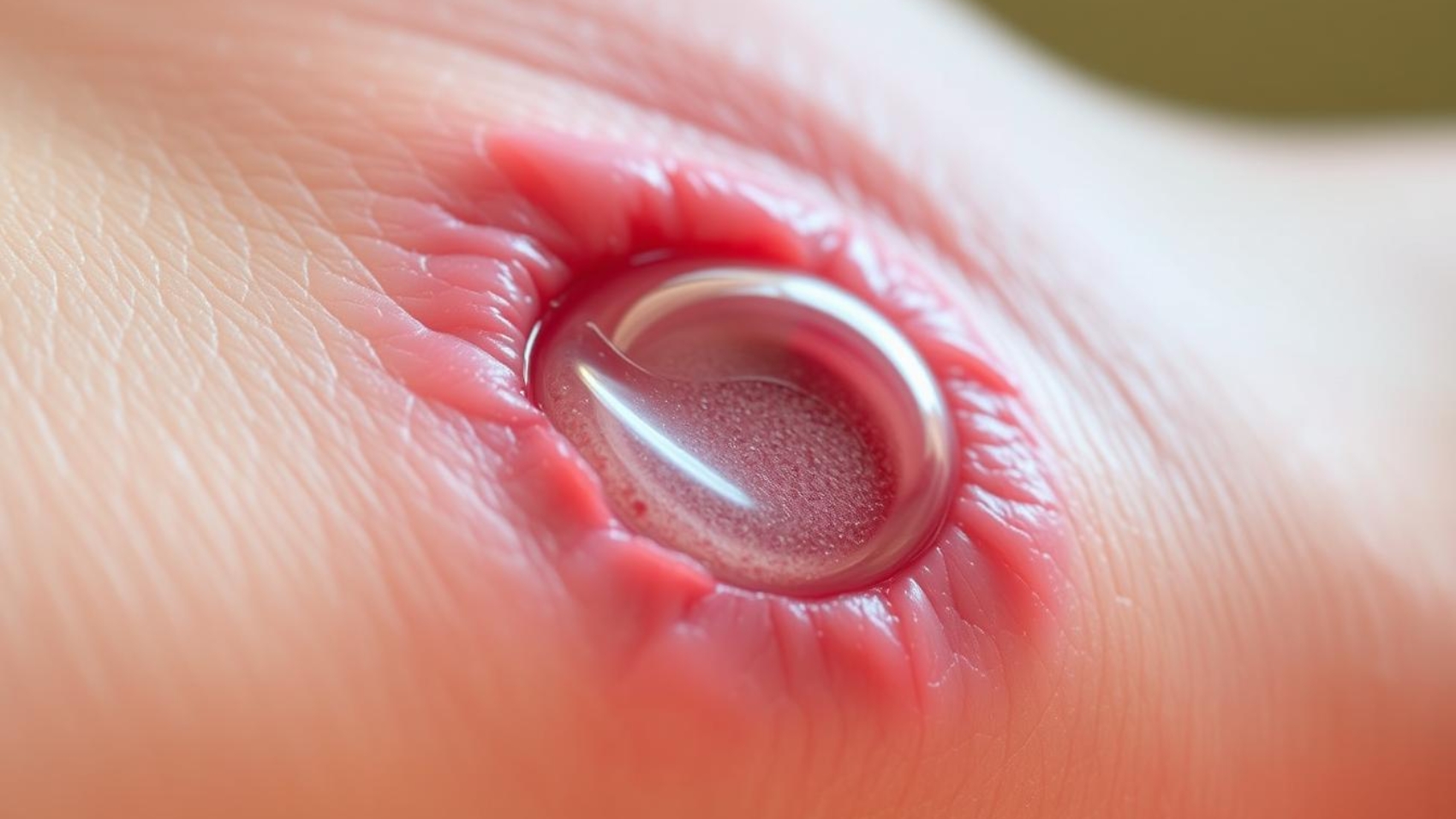
When it comes to healing, you might not immediately think about the role of moisture. But, keeping the right moisture level is key for your body’s healing.
A wound moisture balance helps your body heal better. Too little moisture can dry out tissues. Too much can cause them to break down. The science shows that using dressings that keep moisture just right helps wounds heal faster and better.
Understanding the importance of wound moisture balance is a big step in good wound care. If you have a wound, getting help from a professional is vital. You might want to contact Dominion Mobile Wound Care for expert advice and care.
Key Takeaways
- Maintaining a wound moisture balance is key for healing.
- Too little or too much moisture can slow healing.
- Moist wound healing is backed by science.
- Right moisture levels help wounds heal faster and better.
- Getting professional wound care can greatly improve your recovery.
The Science Behind Wound Healing Process
The wound healing process shows how amazing our bodies are at fixing themselves. It involves many steps that help fix damaged skin and tissues.
Cellular Regeneration and Tissue Repair
At the core of healing is the growth of new cells and fixing tissues. Moisture is key in this, helping to clean the wound, reduce pain, and move cells forward. A moist environment is perfect for cells to grow and fix damaged areas.
The Four Essential Phases of Healing
Healing happens in four main steps: hemostasis, inflammation, proliferation, and remodeling. Each step is important for healing right. In the proliferation phase, the wound starts to build new tissue. Moisture balance is essential for cell movement and new tissue formation.
How Modern Healing Science Has Evolved
Modern healing science has grown a lot, thanks to new technologies and understanding the healing process. New discoveries show the need for the right moisture to heal faster and better. This has led to new products and treatments to help the body heal naturally.
The Critical Role of Wound Moisture Balance
Wound moisture balance is key in modern wound care. It’s vital for healing. Wound moisture balance helps the body heal better when done right.
Defining the Optimal Moisture Environment
The right moisture level is neither too dry nor too wet. It supports healing by helping cells move and repair. This environment reduces scab formation.
How Proper Moisture Accelerates Healing Time
Right moisture levels speed up healing. Moisture therapy cuts down pain and scarring. It also helps wounds heal faster.
Recent Research Breakthroughs
New studies show moisture therapy boosts wound healing. They found it leads to quicker healing, less scarring, and less pain. New technologies make it easier to keep wounds moist.
Knowing about wound moisture balance helps doctors give better care. For more on wound care, contact Dominion Mobile Wound Care for expert advice.
The Evolution of Moist Wound Healing
Moist wound healing has changed a lot over time. It has changed how we take care of wounds. This change came from learning more about how wounds heal and the importance of moisture.
Historical Perspective: From Dry to Moist Approaches
Oldly, we let wounds dry out to form a scab. But, research showed that dry wounds heal slower. The move to moist wound healing started when people saw wounds heal faster and with less scarring in a moist environment.
Clinical Evidence Supporting Moisture Therapy
Many studies have shown the good side of keeping wounds moist. Moisture therapy helps wounds heal faster and with less scarring. It also makes the healing process better.
- Enhance cellular regeneration
- Promote tissue repair
- Reduce healing time
- Minimize scarring
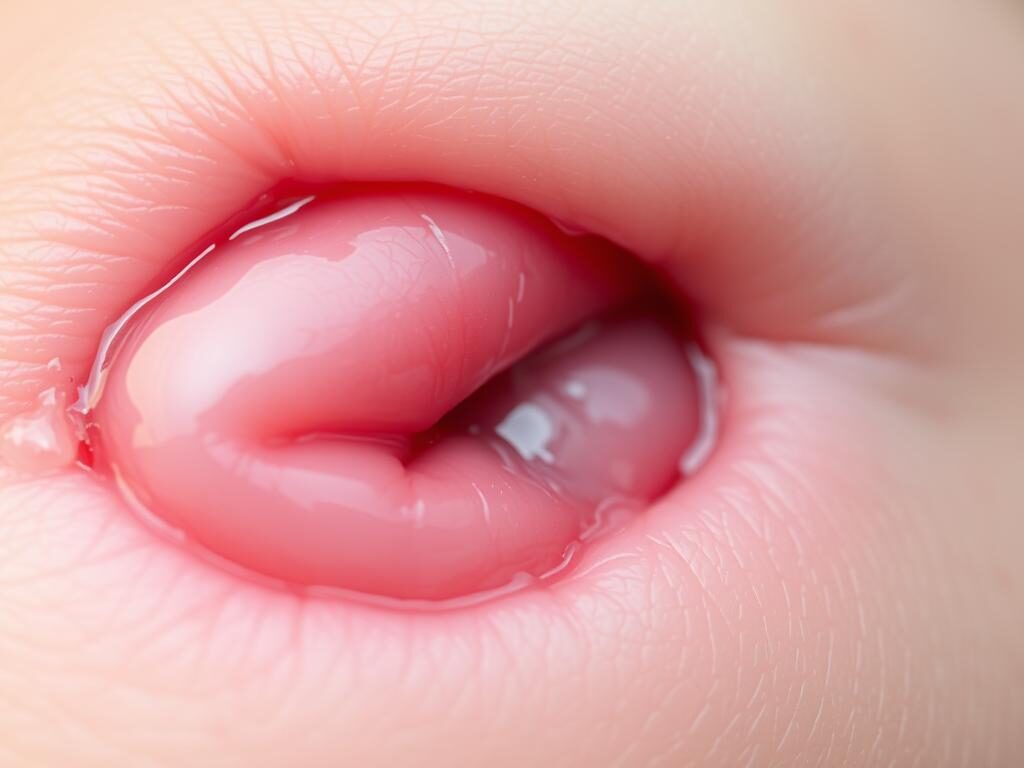
Current Medical Consensus
Now, doctors agree that keeping wounds moist is key for healing. This is shown in the latest guidelines for wound care. Moisture therapy is seen as a key part of good treatment.
Knowing how moist wound healing has evolved helps doctors give better care. This leads to better results for patients.
Understanding Dry Wound Risks and Complications
Wounds that dry out can heal much slower. They face many risks that can slow down recovery.
Cell Dehydration and Scab Formation Challenges
Dry air causes cells to lose water, forming hard scabs. These scabs can block healing. Cell dehydration harms the wound area and the tissue around it.
Pain Intensification and Healing Delays
Dry wounds hurt more because nerve endings are exposed. This pain can be hard to manage. Also, dry wounds heal slower because the body can’t repair itself well without moisture.
Long-term Scarring and Functional Impairment
Dry wounds can cause lasting scars and problems with movement. The scars can be big and affect how you move. This depends on where the wound is.
To prevent these issues, keeping the wound moist is key. If you’re worried about your wound, talk to a wound care expert like Dominion Mobile Wound Care.
The Dangers of Excessive Wound Moisture
Too much moisture in wound care can be harmful. While moisture helps wounds heal, too much can cause problems.
Tissue Maceration and Breakdown
Too much moisture makes the skin around wounds soft and weak. This is called tissue maceration. It can damage the skin and make the wound bigger.
- Prolonged exposure to too much moisture weakens the skin’s natural barrier.
- Maceration can result in the loss of skin integrity, making it more susceptible to further injury.
Bacterial Proliferation and Infection Risk
Moist environments can foster bacterial proliferation, increasing the risk of infection. Infections not only delay healing but can also lead to more severe health issues.
- A moist wound environment can become a breeding ground for bacteria.
- Infections can lead to prolonged hospital stays and additional treatments.
Identifying Signs of Over-Hydration
It’s important to recognize signs of over-hydration to prevent complications. These signs include:
- Soft, white, or soggy skin around the wound.
- Increased drainage or discharge.
- A foul odor from the wound.
Maintaining a balanced moisture level is key to promoting healthy wound healing. By understanding the risks associated with excessive wound moisture, you can take steps to prevent complications and support the healing process.
Breakthrough Moisture Therapy Technologies
Advanced moisture therapy technologies are changing wound care. They help wounds heal faster by keeping the right moisture balance. This leads to better recovery and results for patients.
Next-Generation Hydrocolloid Applications
Hydrocolloid dressings have been used for years. But now, we have next-generation hydrocolloid applications. These new dressings breathe better, stretch more, and soak up more. They work well for many types of wounds.
Advanced Hydrogels and Smart Dressings
Advanced hydrogels and smart dressings are big steps forward. They adjust to the wound’s needs. They keep the wound moist, helping it heal while avoiding infection.
Negative Pressure Systems for Moisture Control
Negative pressure wound therapy (NPWT) systems are gaining popularity. They manage moisture, help wounds grow new tissue, and lower infection risk.
Emerging Treatments in Clinical Trials
Wound care is always getting better, with new treatments in trials. We’re seeing new dressings, bioactive therapies, and ways to deliver treatments. These could make moisture therapy even more effective.
When choosing wound care, talk to healthcare experts. They can give advice tailored to you. For top-notch wound care, including the latest moisture therapy, contact Dominion Mobile Wound Care. They offer caring and thorough services.
Assessing and Monitoring Your Wound’s Moisture Needs
It’s key to check your wound’s moisture needs for healing. The right moisture balance is vital for wound care.
Visual and Tactile Indicators of Moisture Imbalance
To check your wound’s moisture, look for signs. Too much moisture can cause maceration. Not enough moisture can lead to dryness and cracks. Watch for:
- Redness or inflammation around the wound
- Excessive drainage or leakage
- Dry, cracked, or scabbed wound surface
When Professional Evaluation Becomes Necessary
If you’re unsure about your wound’s moisture, get a professional’s help. A healthcare expert can check your wound and guide you on moisture levels.
Documentation Techniques for Tracking Healing Progress
Keeping a wound care log is important. It helps track your wound’s healing. Record:
| Date | Wound Size | Moisture Level | Notes |
|---|---|---|---|
| 01/01/2023 | 5cm x 3cm | Optimal | Healing progressing well |
| 01/08/2023 | 4cm x 2cm | Optimal | Continued improvement |
By monitoring moisture and tracking progress, you help your wound heal better. This prevents complications too.
Specialized Moisture Management for Chronic Wounds
Managing chronic wounds needs a careful approach, focusing on the right moisture levels. Wounds like diabetic ulcers, pressure injuries, and venous stasis ulcers each have their own needs. They require specific strategies for managing moisture.
Diabetic Ulcers: Unique Moisture Considerations
Diabetic ulcers come from nerve damage and bad blood flow, making healing hard. It’s important to keep the area moist but not too wet to avoid infections. Special dressings that soak up extra fluid but keep the wound moist work well.
Pressure Injuries and Moisture Control Strategies
Pressure injuries need careful moisture control to avoid dryness or too much moisture. It’s important to check and change dressings often to keep the moisture just right.
Venous Stasis Ulcers and Exudate Management
Venous stasis ulcers have a lot of fluid, which can harm the wound. Using compression and absorbent dressings can really help.
| Wound Type | Moisture Consideration | Effective Strategy |
|---|---|---|
| Diabetic Ulcers | Balancing moisture to prevent infection | Advanced absorbent dressings |
| Pressure Injuries | Preventing dryness and over-hydration | Regular dressing assessment |
| Venous Stasis Ulcers | Managing high exudate levels | Compression therapy and absorbent dressings |
If you’re having trouble with chronic wound care, contact Dominion Mobile Wound Care for help and advice.
Effective Home Care Strategies for Maintaining Optimal Wound Moisture
Keeping the right moisture level is key for wounds to heal well at home. It’s not always easy, but the right steps can help a lot.
Selecting the Right Dressings for Your Wound Type
Picking the right dressing is very important. Different wounds need different kinds of dressings. For example, hydrocolloid dressings work best for dry wounds. On the other hand, foam dressings are good for wounds that drain a lot.
Daily Monitoring and Maintenance Protocols
It’s important to check your wound every day. Look for too much or too little moisture. If needed, change your dressing and keep the skin around it clean and dry. Here’s what to do:
- Inspect the wound and dressing daily
- Change the dressing if it’s soiled or wet
- Clean the wound with saline solution
- Apply a new dressing appropriate for your wound type
Warning Signs That Require Immediate Attention
Watch out for signs that mean something might be wrong, like increased redness, swelling, or purulent discharge. If you see these, get help right away. For more info on wound care after the hospital, check out Dominion Mobile Wound Care.
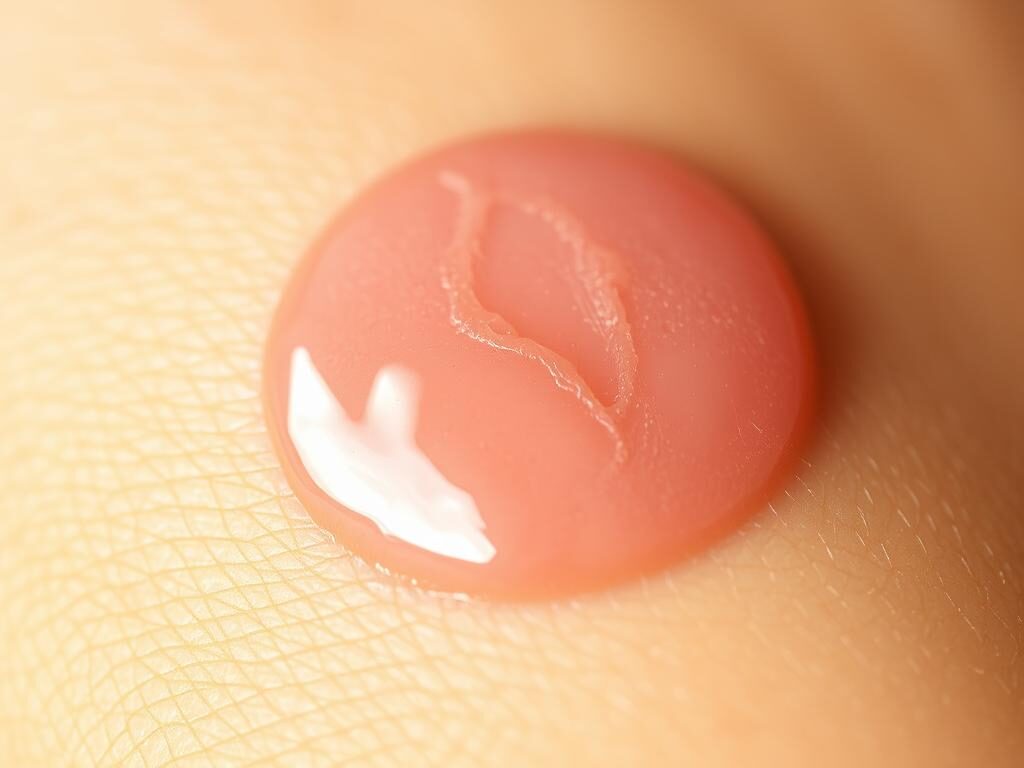
How Dominion Mobile Wound Care Delivers Expert Wound Moisture Balance
Dominion Mobile Wound Care brings advanced care to your doorstep. They focus on the right moisture balance for healing. Their team knows how important this is for wounds to heal well.
Comprehensive Assessment and Diagnostic Services
The first step to healing is a comprehensive assessment. Dominion Mobile Wound Care’s team does detailed checks. They look at the wound’s moisture levels.
Personalized Treatment Plans for Optimal Moisture
After the assessment, personalized treatment plans are made. These plans keep the moisture balance right. This ensures each patient gets the best care for their wound.
| Service | Description | Benefit |
|---|---|---|
| Comprehensive Assessment | Thorough evaluation of the wound | Identifies specific wound needs |
| Personalized Treatment Plans | Tailored plans for optimal moisture | Effective healing through balanced moisture |
| Advanced Technologies | Use of latest wound care technologies | Enhanced healing process |
Advanced Technologies and Professional Application
Dominion Mobile Wound Care uses advanced technologies for top-notch care. Their team is trained in the newest methods for wound moisture.
Mobile Care Advantages for Patients with Limited Mobility
For those who can’t move much, Dominion Mobile Wound Care’s mobile service is a big plus. They bring care to you, saving you from the hassle of traveling.
Choosing Dominion Mobile Wound Care is a big step towards healing. Their expert team is ready to give you the best care right at your home.
Conclusion: Embracing Moisture-Based Healing for Better Outcomes
Keeping wounds moist is key for faster healing. Learning about moisture-based healing and finding the right moisture balance can greatly help your recovery.
Dominion Mobile Wound Care provides expert care for wound moisture management. They offer detailed assessments and treatments that fit your needs, helping your wound heal better.
Choosing Dominion Mobile Wound Care means getting top-notch care for your wound. Start your journey to better healing with their moisture-based approach.
FAQ
What is wound moisture balance, and why is it important for healing?
Wound moisture balance means keeping the right amount of moisture in a wound to help it heal. It’s key because the right moisture level speeds up healing, reduces pain, and lowers scarring risk. Today, science shows that keeping wounds moist is vital for healing.
How does moisture affect the wound healing process?
Moisture is vital for healing wounds. It helps cells grow back, repairs tissues, and goes through the healing stages. A moist wound heals faster than a dry one.
What are the risks associated with dry wounds?
Dry wounds face risks like cell drying out, scabbing, more pain, slower healing, and scarring. Keeping the wound moist is key to avoid these problems and ensure healing.
Can excessive wound moisture be harmful?
Yes, too much moisture can cause tissue damage, more bacteria, and infection risk. It’s important to watch for too much moisture and keep it balanced to avoid these issues.
How can I assess and monitor my wound’s moisture needs?
Check your wound’s moisture by looking and feeling for signs of imbalance. Keeping track of your wound’s healing can help. If unsure, talk to a healthcare expert for advice.
What are the benefits of using advanced moisture therapy technologies?
New moisture therapy tools, like advanced hydrocolloids and smart dressings, help keep wounds moist. They speed up healing, lessen pain, and reduce scarring.
How can I manage moisture for chronic wounds, such as diabetic ulcers or venous stasis ulcers?
Chronic wounds need special care for moisture management. Diabetic ulcers need to manage fluid and prevent infections. Venous stasis ulcers focus on fluid control. A healthcare expert can help create a treatment plan for you.
What are the benefits of seeking professional wound care services, such as those offered by Dominion Mobile Wound Care?
Professional wound care, like Dominion Mobile Wound Care, offers detailed assessments and treatment plans. Their advanced tools and expert care help maintain the right moisture, speeding healing and reducing risks.
How can I maintain optimal wound moisture at home?
At home, choose the right dressings for your wound, check it daily, and follow care steps. Watch for signs like more pain or infection that need quick action.