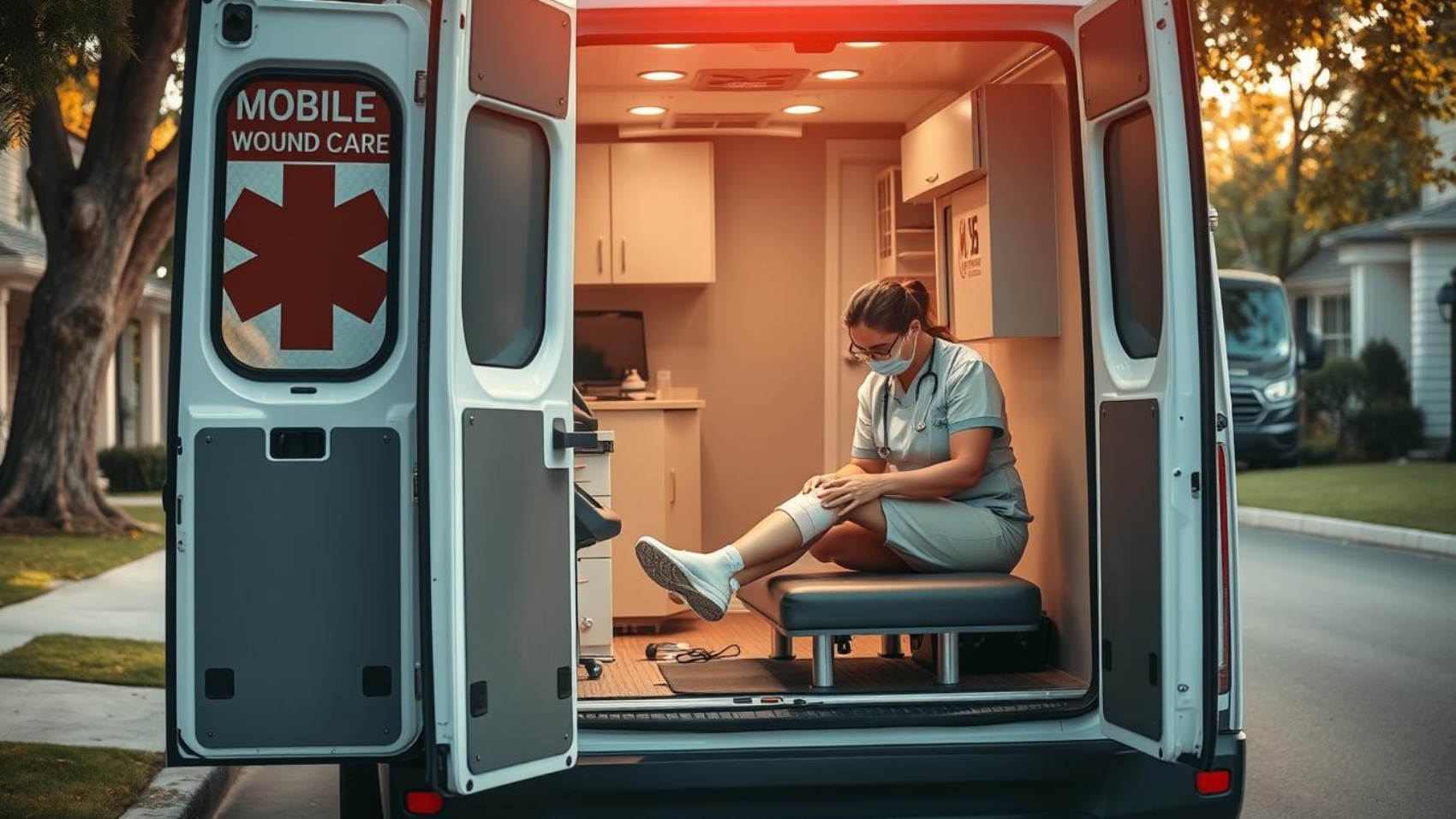
Wound care appointments

What to Expect During Ongoing Mobile Wound Care Visits

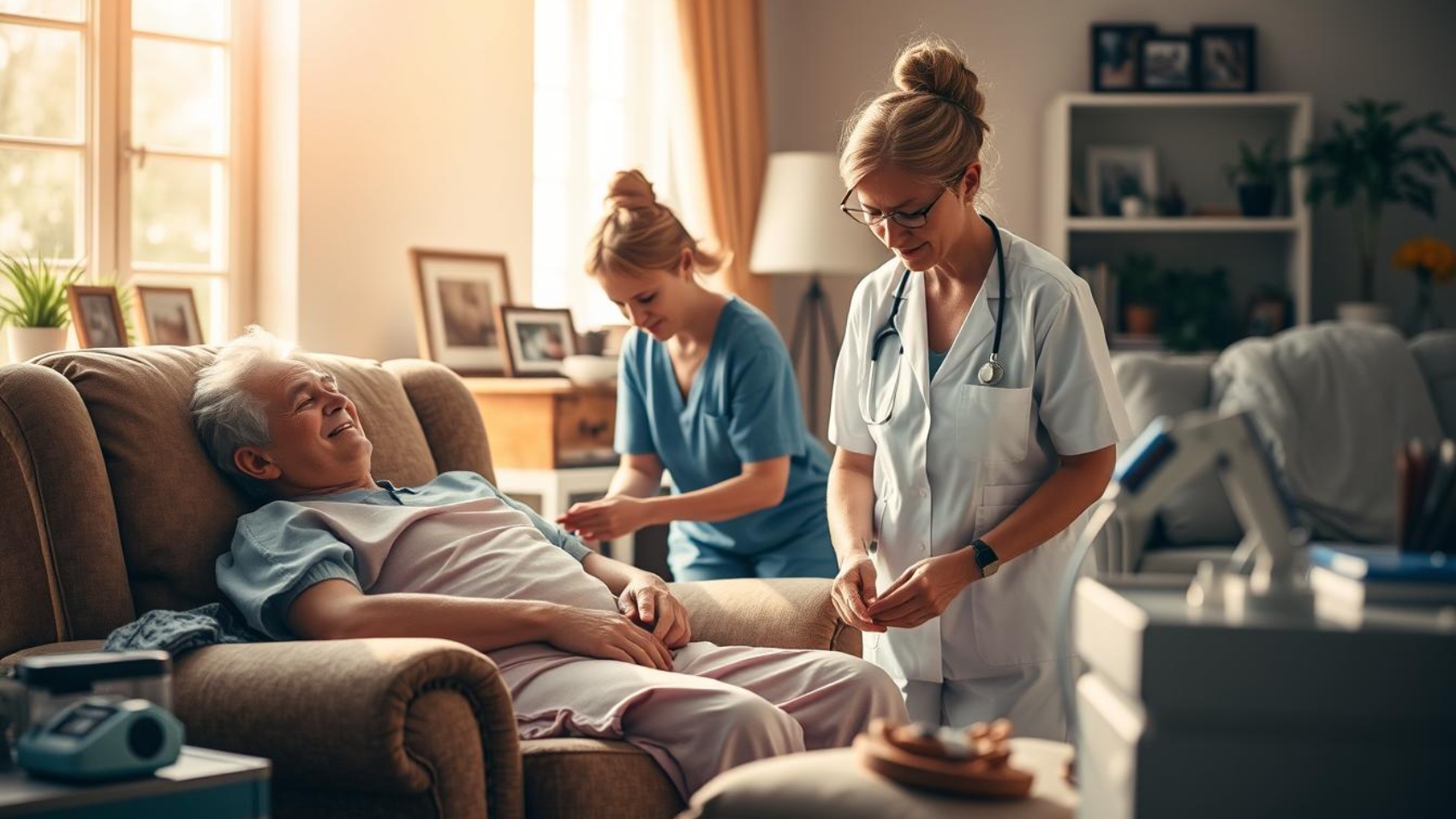
Getting wound care doesn’t mean you have to go to the hospital. Dominion Mobile Wound Care brings experts right to your home. This makes getting care easy and comfortable for you.

At your visits, you’ll see how your healing is going. Our team will check on you, change treatments if needed, and give care that fits you best. This helps you get better faster.

Key Takeaways

  • Convenient wound care at your bedside
  • Expert specialists for personalized treatment
  • Ongoing progress tracking for optimal healing
  • Adjustments to treatment plans as needed
  • Comfortable and stress-free care experience

The Evolution of Mobile Wound Care Services

Mobile wound care has changed how we treat patients, making it easier and more convenient. It brings treatment updates right to patients at home, in assisted living, or healthcare settings.

How Mobile Wound Care Has Transformed Patient Treatment

Mobile wound care has changed from hospital care to more personal, home-based services.

From Hospital to Home-Based Care

This change has made patients more comfortable and safer from infections. They can get care in a calm setting.

Technology Advancements Enabling Mobile Services

New technology, like portable equipment and telehealth, lets doctors care for patients outside hospitals.

Dominion Mobile Wound Care’s Approach to In-Home Services

Dominion Mobile Wound Care focuses on top-notch in-home care.

Company History and Mission

Dominion Mobile Wound Care has a long history of quality care. Their mission is to improve patient outcomes with complete wound care services.

Service Areas in the United States

Dominion Mobile Wound Care covers many areas in the United States. This ensures patients everywhere can get their expert care.

Benefits of Receiving Wound Care in Your Home

Home-based wound care is changing how we treat patients. Getting care at home brings many wound care benefits. These benefits can greatly help your recovery.

Comfort and Convenience Factors

One big plus of home care is avoiding travel hassles. You don’t have to go to a healthcare facility. This is great for those who have trouble moving around.

Eliminating Transportation Challenges

Having your care provider visit you saves time. It also cuts down on the stress of getting to appointments.

Reducing Stress and Anxiety

Getting care at home can reduce stress and anxiety. This is because home is a more relaxed place than a clinical setting.

Reduced Risk of Hospital-Acquired Infections

Home care lowers the risk of getting infections in the hospital. This is very important for people with weak immune systems.

Personalized Care in Familiar Surroundings

Home care lets your provider tailor treatment to your needs. They can adjust care based on your home. This can help you reach healing milestones faster.

Preparing for Your First Mobile Wound Care Appointment

Getting ready for your first mobile wound care visit is key. Knowing what to expect can make it easier. If you’re new to mobile wound care, understanding the visit can help you feel more ready.

You’ll need to gather some documents and info. This includes your insurance details and any past treatment records for your wound.

Documentation and Medical History Requirements

Having the right documents is very important. You’ll need:

  • Insurance Information: Have your insurance cards and ID ready for billing.
  • Previous Treatment Records: Collect any records from past wound treatments, like doctor’s notes and test results.

Creating a Suitable Environment for Treatment

It’s also important to make the treatment area comfortable and easy to access. This means:

  • Make sure the area is clean and well-lit.
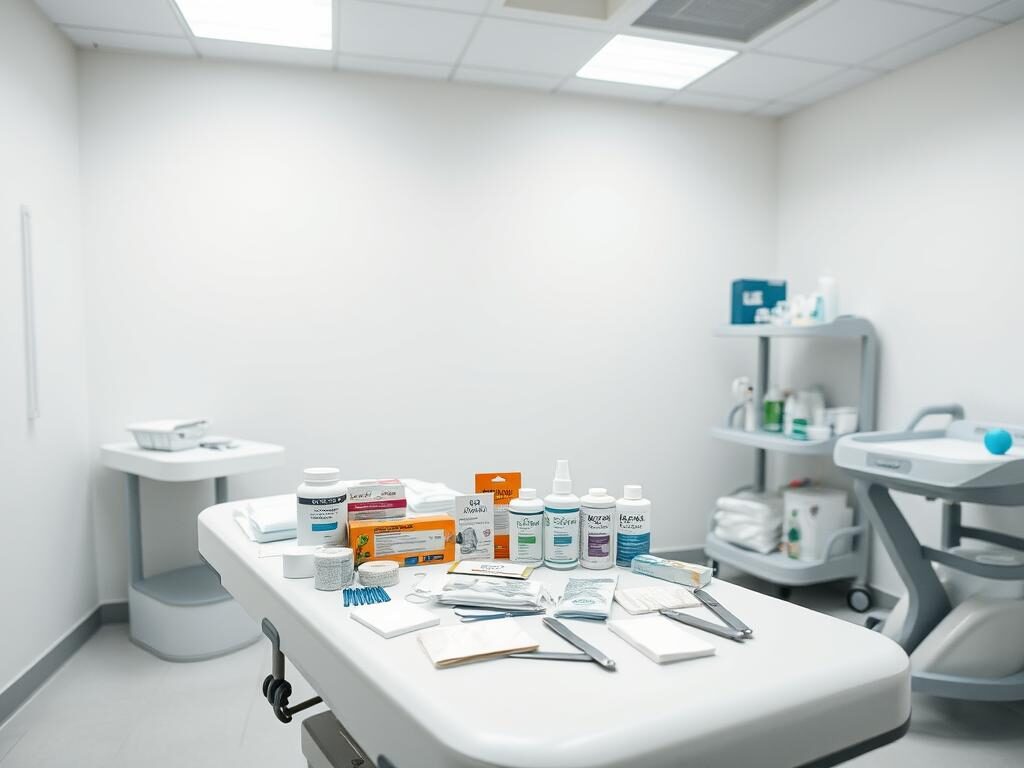
  • Have a clean table or surface for your provider’s equipment.

For more info on what to expect and how to prepare, check out resources like top questions to ask your wound care nurse before your first visit.

Being prepared can make your first mobile wound care visit a success. Reach out to Dominion Mobile Wound Care to schedule your appointment. Start your healing journey today.

The Initial Assessment Process

Dominion Mobile Wound Care starts with a detailed examination. This is to create a treatment plan just for you. Understanding your wound’s size, depth, and tissue type is key to finding the right treatment.

Comprehensive Wound Evaluation Techniques

A thorough wound evaluation involves several important techniques. Your healthcare provider will examine your wound closely. They consider many factors that affect how your wound heals.

Measurement and Documentation Methods

Measuring your wound accurately is essential. It involves measuring its length, width, and depth. Also, documenting its appearance through photos or notes is important. These methods help track your wound’s progress.

Tissue Assessment Procedures

Assessing the tissue in and around your wound is critical. Your provider will look for necrotic tissue, granulation, or other factors that can impact healing. This information helps them choose the best treatment options for you.

Diagnostic Tools Used During Home Visits

Dominion Mobile Wound Care uses advanced tools during home visits. These tools include non-invasive tests to check blood flow and tissue oxygenation. They provide insights into your wound’s healing ability.

Establishing Your Personalized Treatment Plan

After the initial assessment, your healthcare provider will create a personalized treatment plan for you. This plan will include the treatments you need, like dressing changes and medication. It will also outline the necessary follow-up appointments for your wound to heal.
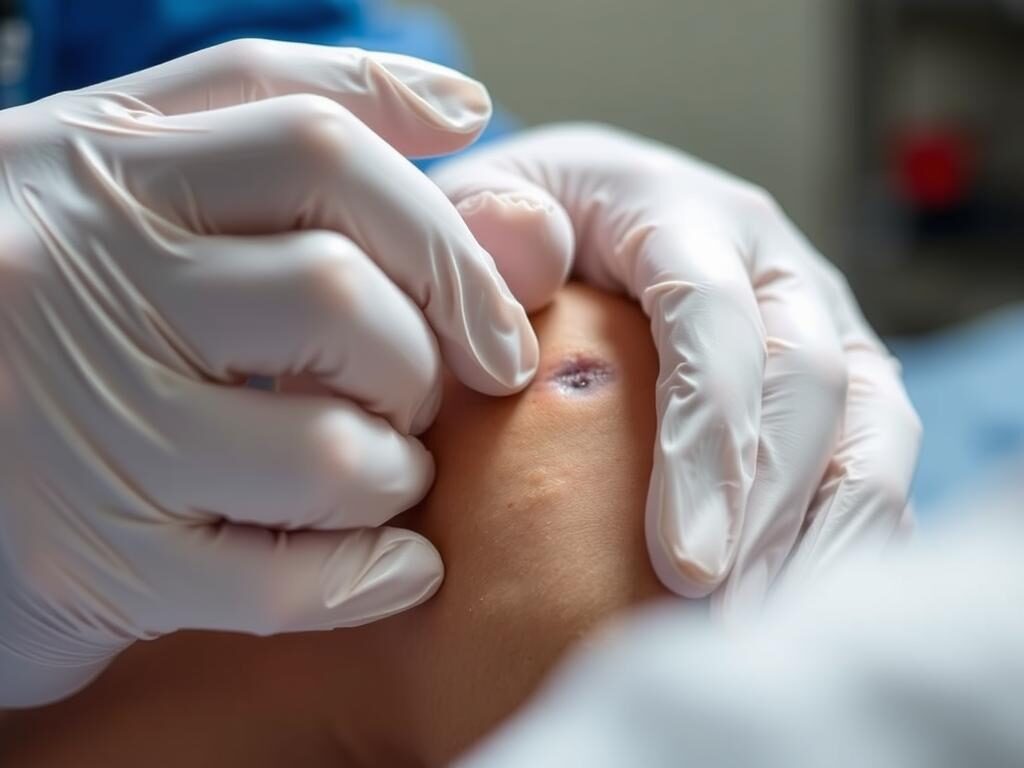
wound assessment

Understanding Your Ongoing Wound Care Appointments

As you keep going on your wound care journey, knowing what to expect is key. This knowledge makes each visit easier and more comfortable for you.

Step-by-Step Breakdown of a Typical Visit

A typical wound care visit has a set process. This ensures you get the best care possible. It includes several important steps.

Initial Check-In and Vital Signs

When you arrive, your healthcare provider will check your vital signs. This includes your temperature and blood pressure. It’s to see how you’re doing overall.

Wound Cleaning and Dressing Procedures

Next, they’ll clean your wound and put on a new dressing. This is a key part of making your wound heal.

Standard Protocols Followed by Professionals

Your healthcare provider will stick to established protocols. These are set to help your wound heal and avoid any problems.

Duration and Frequency Considerations

The length and how often you need to come in will depend on your situation. Your provider will talk about this with you at the start.

Appointment Component Typical Duration Frequency
Initial Check-In and Vital Signs 5-10 minutes Every visit
Wound Cleaning and Dressing 15-30 minutes As needed
Progress Tracking 5-10 minutes Every visit

Knowing what happens at your wound care appointments helps you track your progress. It also makes you more confident in your care.

Advanced Treatment Technologies Available at Home

With Dominion Mobile Wound Care, you get top-notch wound treatments at home. Our advanced products and technologies help wounds heal faster. Our team works hard to give you the best care possible.

Portable Wound Care Equipment and Innovations

Dominion Mobile Wound Care uses the latest portable equipment for your care. We use cutting-edge innovations like:

  • Negative Pressure Wound Therapy (NPWT): This treatment uses a vacuum to help wounds heal faster.
  • Ultrasound and Electrical Stimulation: These methods help wounds heal by improving tissue repair and blood flow.

Negative Pressure Wound Therapy

NPWT is a non-invasive method that boosts wound healing. It uses a controlled vacuum to stimulate healing and prevent complications.

Ultrasound and Electrical Stimulation

These treatments use sound waves or electrical currents to aid healing. They’re great for wounds that take a long time to heal.

Specialized Dressings and Applications

Dominion Mobile Wound Care also uses special dressings for your wound. These are chosen based on your wound type. They help create a healthy healing environment and are changed as needed.

Therapeutic Modalities for Different Wound Types

Our team knows how to pick the right treatment for your wound. Whether it’s a diabetic foot ulcer, pressure sore, or surgical wound, we’re here to help.

Tracking Your Healing Progress During Treatment

Tracking your healing progress is key when you’re getting mobile wound care. It helps your healthcare team make the best decisions for you. They can adjust your treatment as needed.

Documentation Methods Used by Providers

Keeping accurate records is vital for tracking your wound’s healing. Your provider uses different methods to monitor your progress.

Digital Imaging and Measurement Tools

Advanced tools help track your wound’s size, depth, and condition. These tools spot even small changes. This lets your team adjust your treatment plan quickly.

Progress Notes and Treatment Records

Your care journey is documented in detail. These records include your wound’s status, treatments, and any care plan changes.

Documentation Method Description Benefits
Digital Imaging High-resolution images of your wound Accurate tracking of wound size and condition
Measurement Tools Precise measurements of wound dimensions Identifies subtle changes in wound status
Progress Notes Detailed records of treatment and progress Ensures continuity of care and informed decision-making

Digital Monitoring and Telehealth Integration

Digital monitoring and telehealth add to your care. They let your team check on you remotely. This ensures you get all the support you need.

Understanding Your Healing Milestones

Your provider will help you understand your healing milestones. This teamwork makes sure you’re informed and involved in your recovery.

At Dominion Mobile Wound Care, we focus on your healing progress. If you need wound care, our mobile program can help. Contact us to learn more about supporting your healing journey.

Communication Between Scheduled Wound Care Appointments

Your wound care journey doesn’t stop between appointments. Here’s how to stay connected. At Dominion Mobile Wound Care, we know effective communication is key for healing.

When to Contact Your Wound Care Provider

Knowing when to call your wound care provider is important. It helps you get the help you need quickly.

Warning Signs That Require Immediate Attention

  • Increased redness or swelling around the wound
  • Unusual odor or discharge
  • Severe pain or discomfort
  • Fever or chills

Non-Emergency Questions and Concerns

Got questions about your treatment or wound care? Contact your provider. We’re here to help and support you.

Available Support Systems

At Dominion Mobile Wound Care, we offer full support for your healing. Our team is ready to answer your questions and guide you.

Support Channel Description Availability
Phone Support Direct line to your wound care provider Monday – Friday, 9am – 5pm
Email Support Email your questions or concerns 24/7, response within 24 hours
Patient Portal Secure online platform for messaging and updates 24/7

Using Technology to Stay Connected

We use technology to improve your wound care experience. Our patient portal lets you securely message your provider, see your care plan, and track your progress.
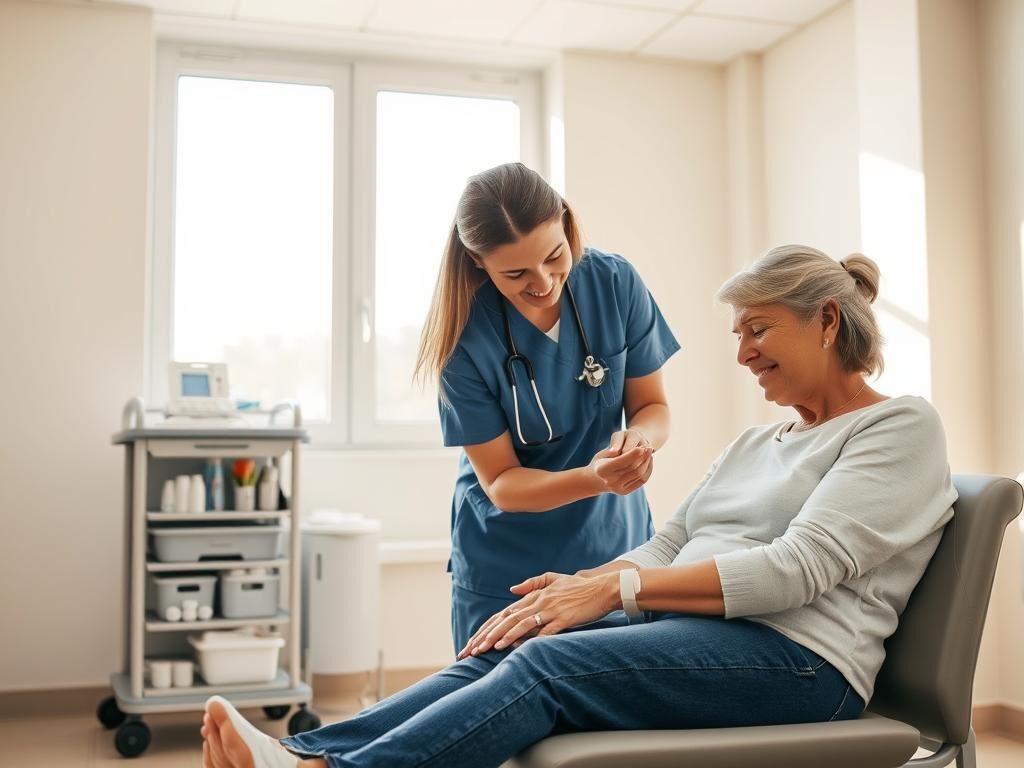
wound care support

The Role of Caregivers in Mobile Wound Care

Having a supportive caregiver by your side can greatly help in wound care. They offer emotional support and help with the practical tasks of wound care. This support is key in the recovery process.

How Family Members Can Support Treatment

Family members can greatly impact treatment by being involved in daily care. They can remind patients to take medication, keep the area clean for wound care, and offer emotional support. This support is vital for the patient’s well-being.

Training Opportunities for Caregivers

Caregivers can get trained to better support patients in wound care. This training covers important skills like:

  • Basic Wound Monitoring Skills: Learning to assess the wound’s condition and spot any complications.
  • Dressing Maintenance Between Visits: Getting to know how to change dressings and keep the wound clean.

Basic Wound Monitoring Skills

Caregivers can learn to track the wound’s healing. They can note any signs of infection or other issues that need medical attention.

Dressing Maintenance Between Visits

Keeping the wound clean is essential for healing. Caregivers can learn how to change dressings and keep the wound clean between visits.

Balancing Professional and Family Care

It’s important to balance professional medical care with family support. When family and medical teams work together, patients get the best care. This care meets their medical, emotional, and practical needs.

Insurance Coverage and Payment Options for Ongoing Wound Care

Knowing your insurance options is key when it comes to wound care. At Dominion Mobile Wound Care, we help you understand your insurance. This way, you can get the care you need without worrying about money.

Medicare and Medicaid Considerations

If you have Medicare or Medicaid, you can get wound care services. Medicare Part B covers doctor visits and some medical supplies. Medicaid coverage changes by state, so check your plan.

Private Insurance Navigation

Private insurance can be tricky. Here are some important things to remember:

  • Pre-authorization Requirements: Some plans need approval before certain treatments or supplies.
  • Documentation for Coverage: Your doctor must document your treatment plan for insurance.

Pre-authorization Requirements

Pre-authorization means your insurance needs your doctor’s team to get approval for treatments. It makes sure the treatment is needed and covered.

Documentation for Coverage

Good documentation is key for insurance. Your doctor will detail your wound, treatment, and progress to support your claim.

Financial Assistance Programs

If money is tight, there’s help available. Dominion Mobile Wound Care can help you find financial aid. This includes patient programs and non-profit organizations that help with wound care costs.

Understanding your insurance is the first step to managing wound care costs. At Dominion Mobile Wound Care, we’re here to help you. We want to make sure you get the best care possible.

Treatment Updates and Adjustments Throughout Your Care Journey

Your wound care plan will change as you heal. This keeps your care effective and tailored to you.

When and Why Treatment Plans Change

Plans change for many reasons. This includes changes in your wound, new findings, or complications. Your healthcare team will watch your progress and adjust as needed.

Incorporating New Therapies as Needed

New treatments and technologies might be added to your care. This could include advanced dressings or new therapies.

Responding to Healing Plateaus

If healing slows, your team will review your plan. They might add new strategies to keep you moving forward.

Addressing Complications Promptly

Quick action is key if complications arise. Your team will adjust your plan to avoid further problems.

Collaborative Decision-Making with Your Provider

Your input is important. Working with your provider ensures your care meets your needs and preferences.

At Dominion Mobile Wound Care, we focus on personalized care. If you need wound care, our team is here to help.

Conclusion: Partnering with Dominion Mobile Wound Care for Optimal Healing

Knowing what to expect from mobile wound care visits helps you heal better. Dominion Mobile Wound Care offers top-notch care right at home. Their team creates a treatment plan just for you.

At your appointments, you’ll get a full check-up and the latest treatments. Dominion Mobile Wound Care also offers ongoing support. They have systems to keep track of your healing.

Choosing Dominion Mobile Wound Care lets you focus on getting better. Start your healing journey by booking your appointment today. Enjoy the ease and comfort of mobile wound care services.

FAQ

What is mobile wound care, and how does it work?

Mobile wound care brings treatment to your home. A healthcare expert comes to you. They assess, clean, and dress your wound. This care is personalized and given in your own space.

What are the benefits of receiving wound care at home?

Getting wound care at home is very comfortable. It also lowers the risk of infections from hospitals. Plus, you get care that fits your specific needs.

How do I prepare for my first mobile wound care appointment?

For your first visit, collect your medical records. Make your home clean and comfy for treatment. Have all needed supplies ready.

What happens during the initial assessment process?

At the start, your healthcare provider checks your wound. They use special tools and create a treatment plan just for you.

What can I expect during ongoing wound care appointments?

Future visits include checking your vital signs and cleaning your wound. They follow strict protocols to ensure your care.

How is my healing progress tracked during treatment?

Your healing is tracked through notes and digital tools. This lets your provider adjust your care as needed. You can celebrate your healing steps.

How do I communicate with my wound care provider between appointments?

You can reach your provider by phone, email, or online portals. Use these tools to stay in touch and share any concerns.

What role do caregivers play in mobile wound care?

Caregivers are key in supporting your care. They can learn to help with wound care. This helps balance work and family life for better healing.

What are my insurance options for ongoing wound care?

Look into Medicare, Medicaid, and private insurance for wound care. Also, check out financial help programs. This will help you understand your payment options.

How are treatment plans adjusted throughout my care journey?

Your treatment plan changes based on your progress. New therapies are added as needed. Your provider works with you to ensure the best healing.

What advanced treatment technologies are available at home?

Home treatments include portable equipment, special dressings, and therapies. These help meet your wound care needs.
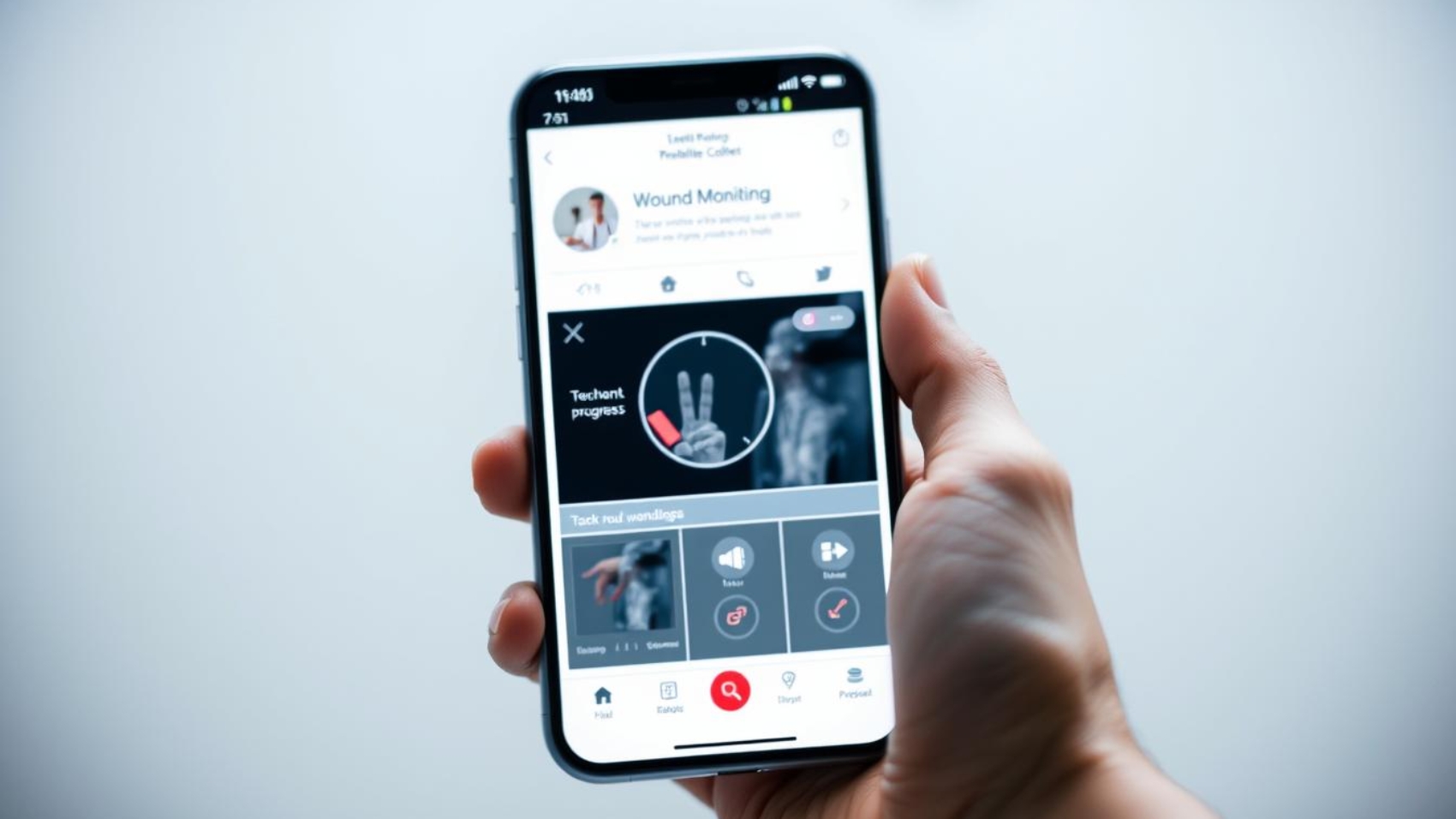
Home wound monitoring

How Regular Mobile Wound Monitoring Prevents Complications

You’ve suffered an injury or had surgery, and now you’re on the mend. Regular mobile wound care is key to avoiding problems and helping your wounds heal well.

With Dominion Mobile Wound Care, you get top-notch care right at home. Their skilled team keeps a close eye on your healing, spotting any issues early.

Through regular patient follow-up, Dominion Mobile Wound Care keeps you safe from expensive and painful complications. Their team is all in on giving you the best care possible.

Key Takeaways

  • Regular mobile wound care prevents complications
  • Dominion Mobile Wound Care provides timely and effective care
  • Expert team monitors your progress closely
  • Patient follow-up helps catch any issues early
  • Dominion Mobile Wound Care is dedicated to your recovery

Choose Dominion Mobile Wound Care for a smooth healing journey.

The Rising Importance of Proactive Wound Care

Wound-related complications are on the rise, making proactive wound care more urgent than ever. As a patient or caregiver, knowing the importance of early wound management can greatly improve recovery chances.

Current Statistics on Wound-Related Complications

Surgical site infections (SSIs) are a big problem worldwide. The World Health Organization (WHO) says one-third of patients in poorer countries get a wound infection after surgery. In the U.S., SSIs affect 2% to 5% of surgery patients, causing a lot of suffering and death.

Wound Complication Type Estimated Annual Cases Associated Costs
Surgical Site Infections 300,000 – 500,000 $10 billion – $15 billion
Chronic Wound Cases 6.5 million $20 billion – $25 billion

The Financial and Physical Toll of Neglected Wounds

Neglected wounds can make hospital stays longer and costs higher. They also hurt patients’ quality of life. The cost of wound care is huge, with the U.S. healthcare system spending tens of billions of dollars a year. Nurse visits and wound imaging help lower these costs by catching problems early.

By being proactive with wound care, you can lower the risk of problems, cut costs, and improve results.

The Science Behind Effective Home Wound Monitoring

Home wound monitoring is key in modern wound care. It uses technology to help patients and doctors. This way, patients can watch their wounds closely and talk to their healthcare team.

Essential Components of Proper Wound Assessment

When checking a wound, you need to look at its size, depth, and what kind of tissue it is. Getting this right is important for a good treatment plan. You should also check for drainage, skin condition, and any signs of infection.

Latest Research on Monitoring Frequency and Outcomes

Recent studies show that regular checks are key to good wound care. How often you check can really affect healing. Studies say more checks early on lead to better results.

Temperature and Color Changes

Wound temperature and color changes are big signs of how the wound is doing. If the temperature goes up or the color changes, it might mean infection. Tell your doctor right away if you notice these signs.

Also, watch the amount and type of drainage, and the skin around the wound. Too much drainage or skin changes can mean trouble. For more on wound care at home and in clinics, check this article.

By knowing these important points and staying alert, you can help your wound care. This can lead to better results for you.

Early Warning Signs: Preventing Complications Before They Start

Recognizing early warning signs can greatly reduce the risk of wound complications. Good wound care means treating the wound and watching for signs of trouble.

Critical Indicators That Require Immediate Professional Attention

Some signs show your wound isn’t healing right. You need a doctor’s help fast. Look out for:

  • Increased redness or swelling around the wound
  • Pus or discharge
  • A foul odor
  • Increased pain
  • A fever

The Timeline of Wound Deterioration Without Intervention

Wounds can get worse fast without care. Knowing when trouble starts helps you act quickly.

Infection Markers

Signs of infection are key. Watch for:

  • Increased redness and swelling
  • Purulent discharge
  • A foul odor

wound imaging

  • A decrease in granulation tissue
  • An increase in wound size
  • Changes in wound color or texture

Regular nurse visits and wound imaging can spot these early. This lets you act fast.

Professional Nurse Visits: The Cornerstone of Effective Wound Management

Regular visits from a professional nurse are key to healing wounds. This care is vital for those who can’t move easily or live far from medical help.

What Happens During a Dominion Mobile Wound Care Visit

A skilled nurse checks the wound’s size, depth, and tissue type during a visit. They then create a treatment plan. This might include cleaning the wound, changing dressings, or other steps.

Evidence-Based Visit Frequency Recommendations

The number of nurse visits needed varies with the wound’s type and severity. More visits are often needed for acute wounds.

Acute Wound Protocols

  • Initial visits are typically more frequent, often every 2-3 days.
  • As the wound heals, visit frequency can be reduced.

Chronic Wound Management Plans

Chronic wounds need a long-term plan. This includes regular nurse visits and teaching patients how to care for themselves. This helps prevent more problems.

By sticking to these guidelines, patients get the best care for their wounds to heal well.

Revolutionary Wound Imaging Technologies in Patient Care

Now, you can enjoy the latest in wound imaging tech. These tools are changing how we watch over and treat wounds. They help doctors make better choices for your care.

Digital Measurement and Documentation Advancements

New digital tools give accurate and detailed wound assessments. They help track how wounds change, which is key for good treatment plans.

Some main benefits of these digital tools include:

  • More precise measurements of wound size and depth
  • Better records for clear communication among doctors
  • Clearer tracking of how wounds change over time

How Real-Time Data Sharing Improves Treatment Decisions

Sharing data in real-time is a big deal in wound care. It lets doctors see the latest on your wound, helping them make quick and smart treatment choices.

3D Wound Mapping Technology

3D wound mapping technology is a big step forward. It gives a detailed, three-dimensional look at your wound. This helps doctors make more accurate plans for your care.

Remote Consultation Capabilities

Telemedicine brings mobile wound care to the next level. It lets doctors do remote consultations, monitor wounds, and work together with local providers. This means you get all the care you need without always having to see a doctor in person.

Technology Benefits Impact on Patient Care
Digital Measurement Accurate wound assessment, improved documentation Enhanced treatment planning, better patient outcomes
3D Wound Mapping Detailed 3D view of wounds More accurate assessments and treatment plans
Remote Consultation Collaborative care, reduced need for in-person visits Comprehensive care, improved patient satisfaction

With these cutting-edge technologies, wound care is getting better and more tailored to you. Digital tools, 3D mapping, and remote consultations are changing wound management for the better.

Customized Patient Follow-Up Systems That Drive Results

The secret to successful wound healing is in customized follow-up systems. These systems are made for each patient’s unique needs. By making patient follow-up fit the wound type and patient situation, healthcare providers can greatly improve healing.

Developing Personalized Monitoring Schedules

Creating a schedule for each patient is key for good wound care. It’s about looking at the wound’s severity, the patient’s health, and their ability to care for the wound at home. Regular nurse visits are important. They let professionals check the wound and change the care plan if needed.

Between-Visit Communication Protocols

Good communication between visits is critical. It helps address concerns and prevent problems. This can be done through digital check-in options, like secure messaging apps or patient portals.

Digital Check-In Options

Patients or caregivers can take photos of the wound with smartphones or tablets. This lets providers see how the wound is healing and spot any issues early. This way, they can act fast, avoiding serious problems.

When to Escalate Concerns

Knowing when to ask for help is important. Signs like more redness, swelling, or discharge mean it’s time to see a healthcare provider. With clear ways to communicate, patients can report these signs quickly, getting help fast.

patient follow-up

By using these customized follow-up systems, patients get the care they need when they need it. This boosts their chances of healing their wounds successfully.

Home Wound Monitoring: A Game-Changer in Preventative Care

The world of wound care is evolving, with home wound monitoring leading the way. This technology lets you play a big role in your healing. It uses the latest tech and care plans to help you heal at home.

The Evolution of At-Home Wound Assessment

At-home wound checks have gotten much better. Digital wound monitoring makes detailed records. These records help doctors track your healing, spot problems early, and change treatments when needed.

Patient Empowerment Through Education and Tools

Teaching patients and caregivers is key for home wound care. They learn self-assessment techniques and documentation methods. This helps them track the wound’s progress well.

Self-Assessment Techniques

Watching your wound regularly is important. Note any changes in size, color, or discharge. This info helps doctors understand your wound’s status and make the right choices.

Documentation Methods for Patients and Caregivers

Keeping accurate records is essential for wound care. Use digital apps or traditional logs to track your wound. For more on mobile wound care, read our article here.

Home wound monitoring combines advanced imaging with education. It’s a big step towards better care, leading to better healing and a better life for those with wounds.

Dominion Mobile Wound Care’s Approach

Dominion Mobile Wound Care takes a holistic view of wound management. They focus on specialized services for different wound types. A multidisciplinary team works together to care for you.

Specialized Services for Different Wound Types

Dominion Mobile Wound Care has services for various wounds. This includes diabetic foot ulcers, pressure sores, and surgical wounds. Their nurse visits are tailored to meet each patient’s needs.

The Multidisciplinary Team Behind Your Care

The team at Dominion Mobile Wound Care includes healthcare professionals from different fields. They work together to create effective treatment plans. This teamwork ensures all aspects of care are considered, leading to better results.

Case Studies: Successful Intervention Stories

Case studies show Dominion Mobile Wound Care’s approach works. For example, a patient with a diabetic foot ulcer healed completely. This was thanks to regular nurse visits and personalized care.

Innovative Treatment Protocols

The team at Dominion Mobile Wound Care stays updated with the latest in wound care. Their innovative protocols aim to heal wounds faster, reduce complications, and improve patient outcomes.

Wound Type Specialized Service Outcome
Diabetic Foot Ulcer Regular Nurse Visits Complete Healing
Pressure Sore Personalized Wound Care Significant Improvement
Surgical Wound Advanced Dressing Techniques Rapid Recovery

Dominion Mobile Wound Care’s approach has shown great results. It reduces the need for transfers to acute care, improving outcomes and cutting costs. They provide patient follow-up and support to help patients heal effectively.

The Economic and Health Benefits of Preventative Monitoring

Using home wound monitoring can greatly lower the chance of serious problems. It boosts your health and saves money too.

Cost Analysis: Prevention vs. Hospitalization

Spotting wound issues early can stop emergencies and hospital stays. This cuts down on healthcare costs. A study showed that early action saves a lot by avoiding expensive hospital visits.

The savings come from:

  • Less need for urgent medical help
  • Less time in the hospital for wound issues
  • Wounds heal faster, saving on care costs

Quality of Life Improvements Through Proper Wound Management

Good wound care at home, with wound imaging, makes life better. It lets you get back to your routine sooner.

Insurance Coverage Options

Many insurance plans cover home wound monitoring and wound imaging. It’s good to check what your plan covers.

Long-Term Health Outcomes

Right wound care leads to better health in the long run. It stops infections, tissue damage, and scarring. Regular checks help wounds heal right.

Conclusion: Partnering for Successful Wound Healing

Effective wound care needs a full approach. This includes regular nurse visits and detailed patient follow-up. Dominion Mobile Wound Care offers expert services tailored to your needs.

Telemedicine and mobile wound care are getting better. They offer solutions for more people to get quality wound treatment. With Dominion Mobile Wound Care, you get the latest in wound care and care plans made just for you.

Choosing Dominion Mobile Wound Care is a big step towards healing your wound. Their team will create a care plan just for you. To learn more about their services and how they can help, consider hiring Dominion Mobile Wound Care for your wound healing journey.

FAQ

What is the importance of regular mobile wound monitoring?

Regular mobile wound monitoring is key to avoiding complications. It allows for timely and effective care. Dominion Mobile Wound Care offers professional care at home, reducing the risk of wound-related issues.

How often should wounds be monitored?

Monitoring frequency varies by wound type and severity. Healthcare professionals recommend regular checks. Dominion Mobile Wound Care creates a personalized schedule for your needs.

What are the signs of wound complications that require immediate attention?

Look out for signs like increased redness, swelling, or drainage. Also, watch for a decrease in wound size or an increase in depth. Contact Dominion Mobile Wound Care if you see these signs.

What happens during a Dominion Mobile Wound Care visit?

A professional nurse will assess and treat your wound during a visit. They’ll also educate you on self-assessment and provide care guidance.

How does Dominion Mobile Wound Care use wound imaging technologies?

Dominion Mobile Wound Care uses advanced imaging like 3D wound mapping. This technology tracks wound progress and informs treatment decisions. It accurately measures and documents wound size and depth.

Can I communicate with Dominion Mobile Wound Care between visits?

Yes, Dominion Mobile Wound Care offers digital check-in options. This ensures you can reach out with concerns or questions between visits.

How does Dominion Mobile Wound Care develop personalized monitoring schedules?

Dominion Mobile Wound Care creates schedules based on your wound type, severity, and needs. The team works with you to ensure you receive the right care to heal properly.

What are the benefits of preventative wound monitoring?

Preventative monitoring reduces the risk of complications and improves quality of life. It also lowers healthcare costs. Dominion Mobile Wound Care helps avoid costly hospitalizations and improves health outcomes.

Does Dominion Mobile Wound Care offer specialized services for different wound types?

Yes, Dominion Mobile Wound Care provides specialized services for various wound types. The team develops a treatment plan tailored to your specific needs.

Will my insurance cover Dominion Mobile Wound Care’s services?

Dominion Mobile Wound Care works with most insurance providers. Contact them to discuss your coverage and determine the best treatment for your needs.

Elderly wound care

Why Elderly Patients Benefit Most from Mobile Wound Care

Managing wound care can be tough, whether for yourself or a loved one. For elderly patients, it’s even harder, mainly because they might not be as mobile.

Mobile wound care brings care right to the patient, whether at home, a clinic, or a long-term care facility. This way, care is customized to fit the patient’s needs. It helps wounds heal faster and improves health overall.

Choosing mobile wound care means getting more focused care. This leads to better healing and a more comfortable recovery.

Key Takeaways

  • Mobile wound care provides expert treatment at the patient’s location.
  • Personalized care promotes faster healing and improved health.
  • Elderly patients benefit from the convenience and tailored approach.
  • Mobile wound care services are available at various locations, including private residences and long-term care homes.
  • Dominion Mobile Wound Care offers professional and compassionate care.

The Current State of Elderly Wound Care in America

The state of elderly wound care in the U.S. is facing many challenges. These issues affect how well patients heal. As more people get older, more seniors have chronic wounds.

Rising Wound Care Challenges Among Seniors

Elderly people often struggle with senior mobility issues that make wounds harder to treat. Not being able to move well can slow down healing. It also raises the chance of infections and other problems.

Chronic conditions like diabetes and vascular disease make things even tougher. These conditions slow down the healing process.

Research shows that chronic wounds will likely become more common as the population ages. In the U.S., a big part of the elderly population has some kind of wound. Pressure ulcers are very common in those who can’t move much.

If you’re a caregiver or healthcare worker, you’re key to solving these problems. Knowing how big the issue is is the first step to better wound care for seniors.

Understanding Senior Mobility Issues and Their Impact on Healthcare

Many seniors struggle with mobility problems. These issues make it hard for them to get to healthcare services. As a result, their health, including wounds, can get worse, leading to more serious problems.

Physical Limitations That Affect Healthcare Access

Seniors often face physical challenges that make it tough to get to healthcare. Conditions like arthritis, stroke, and neurological disorders can really limit how they move. Even simple tasks become hard.

Common physical limitations include:

  • Reduced strength and flexibility
  • Balance and coordination issues
  • Chronic pain

Chronic Conditions and Mobility Restrictions

Chronic conditions linked to aging can make moving around even harder. For example, diabetes can cause nerve damage, while heart diseases can lead to tiredness and breathing problems. These issues make it hard for seniors to stay active.

The risk of fall injuries is also a big worry for the elderly. Falls can cause serious injuries, like broken bones and head trauma. These injuries can make health and mobility even worse.

Chronic Condition Mobility Impact Healthcare Challenge
Arthritis Reduced flexibility and pain Difficulty in accessing healthcare facilities
Diabetes Neuropathy and mobility issues Wound care complications
Cardiovascular Disease Fatigue and shortness of breath Limited ability to attend healthcare appointments

It’s important to understand these challenges to help seniors. By recognizing how mobility issues affect healthcare, we can improve care for the elderly.

Common Wound Types and Complications in Elderly Patients

As people age, they face a higher risk of various wounds. These wounds need careful management to avoid serious issues. Elderly patients often get wounds because of less mobility, poor circulation, and other age-related issues.

If you have limited mobility or certain health conditions, you might get pressure ulcers or diabetic foot ulcers. It’s important to know about these wounds to prevent and treat them effectively.

Pressure Ulcers and Bedsores

Pressure ulcers, or bedsores, are a big worry for elderly patients, mainly those who can’t move much. These wounds happen when skin stays under pressure too long, cutting off blood flow and causing tissue damage.

Key factors that contribute to pressure ulcers include:

  • Prolonged bed rest or immobility
  • Poor nutrition and hydration
  • Moisture and friction

Prevention and Early Intervention Strategies

To stop pressure ulcers, you, your caregivers, and doctors need to work together. This means moving you regularly, eating well, and keeping your skin dry and clean.

Caregiver support is key in preventing and managing wounds. Caregivers help by moving you, checking your skin, and making sure you eat and drink enough. With the help of healthcare teams, caregivers can stop wounds from getting worse and help them heal.

pressure ulcers prevention

To lower your risk of pressure ulcers, know the risks and take action early. Early action is key to managing wounds well and avoiding more problems.

How Mobile Wound Care Transforms Senior Healthcare Delivery

Mobile wound care lets elderly patients get top-notch treatment at home. This is great for seniors who can’t easily get to hospitals because of mobility issues.

Bringing Clinical Expertise to the Patient’s Home

Mobile wound care brings clinical expertise right to the patient’s home. This ensures they get the same care they would in a hospital. It not only helps wounds heal better but also makes life better for elderly patients.

Specialized Equipment and Treatment Options

Mobile wound care teams have specialized equipment and treatments for each patient. They use advanced dressings and therapies to help wounds heal. This is key for managing complex wounds.

Advanced Dressings and Therapies Available in Mobile Settings

Some advanced treatments include:

  • Negative pressure wound therapy
  • Hyperbaric oxygen therapy
  • Bioengineered dressings

These treatments, along with in-home care, greatly improve elderly wound care. They help by cutting down on hospital visits, which is good for seniors with senior mobility issues.

The Psychological Benefits of In-Home Wound Treatment

Getting wound care at home can really help your mental health. It’s great for elderly patients who have trouble moving or have fallen. They can get care without leaving their home.

Reducing Anxiety and Stress Associated with Facility Visits

Going to a healthcare facility can be scary, even for seniors. They might need help getting there or feel uneasy in new places. Getting care at home means no stress or anxiety from traveling.

Maintaining Dignity and Comfort in Familiar Surroundings

Home care lets you stay in your own space. This is very helpful for those who have fallen or need ongoing care. It keeps them safe and comfortable.

Impact on Overall Mental Wellbeing and Recovery

Home care is good for your mind and body. Studies show people do better and heal faster when they’re in a place they know. It makes recovery easier.

Benefits In-Home Wound Care Facility-Based Care
Anxiety and Stress Levels Reduced Higher
Comfort and Dignity Maintained Compromised
Recovery Time Faster Variable

Choosing home care means a more relaxed recovery. You get the help you need without leaving your home. Caregivers and new technologies make it all possible.

Caregiver Support Through Professional Mobile Wound Care Services

Senior mobility issues are on the rise, making caregiver support more important than ever. As a caregiver, managing the needs of elderly loved ones can be tough, like with wound care. Professional mobile wound care services offer the support and education caregivers need to give top-notch care.

These services bring expert wound care right to the patient’s home. They also give caregivers the knowledge and skills for daily wound care. This helps ease the caregiver’s burden and improves patient care.

Education and Training for Family Caregivers

Mobile wound care services are great for educating family caregivers. They cover everything from basic wound care to handling complex wound conditions. This training gives caregivers the skills they need to care for their loved ones better.

Practical Wound Care Skills for Daily Management

Caregivers learn practical wound care skills for everyday care. They learn how to clean and dress wounds, manage pain, and spot infection signs. This training boosts their confidence and skill in caring for their loved ones.

Wound Care Skill Description Benefit to Caregiver
Wound Cleaning Techniques for cleaning wounds effectively Reduces risk of infection
Dressing Wounds Methods for applying appropriate dressings Promotes healing and comfort
Pain Management Strategies for managing wound-related pain Improves patient comfort and quality of life

By providing caregivers with the education and training they need, mobile wound care services play a vital role in supporting caregivers and improving patient outcomes.

caregiver support

Dominion Mobile Wound Care: Specialized Elderly Wound Care Services

Dominion Mobile Wound Care is changing the game in elderly wound care. As more seniors live longer, they need better wound care. Dominion Mobile Wound Care offers detailed and custom care for elderly patients.

Comprehensive Assessment and Personalized Treatment Plans

At first, Dominion Mobile Wound Care does a comprehensive assessment of the patient’s wound. They look at the patient’s medical history, current health, and lifestyle. This helps them make personalized treatment plans for each patient.

For example, those who have had fall injuries get special care plans. These plans are made to meet their specific needs.

Assessment Criteria Description Benefits
Medical History Review of patient’s medical records Identifies underlying conditions
Current Health Status Evaluation of current wound state Guides treatment decisions
Lifestyle Factors Consideration of patient’s daily activities Enhances recovery and prevention

Advanced Wound Care Technologies at Your Doorstep

Dominion Mobile Wound Care brings advanced wound care technologies right to the patient’s home. They use top-notch mobile equipment for the best treatments.

State-of-the-Art Mobile Equipment

The equipment Dominion Mobile Wound Care uses is top-notch. It includes advanced wound cleaning systems and negative pressure wound therapy devices. They also use bioengineered wound dressings.

With these advanced technologies, Dominion Mobile Wound Care gives elderly patients the best care. This improves their outcomes and quality of life.

Cost Considerations and Insurance Coverage for Mobile Wound Care

Mobile wound care is changing how we care for seniors. It’s important to know about its cost and insurance. For many elderly, the cost of wound care is a big worry.

Medicare and Medicaid Coverage Options

There are insurance options to help with mobile wound care costs. Medicare and Medicaid are two main programs that cover wound care services.

Eligibility Requirements and Documentation

To get Medicare or Medicaid for mobile wound care, you need to meet certain requirements. You also need to provide the right documents. For more details, visit Dominion Mobile Wound Care.

Here’s a table showing what you need for Medicare and Medicaid:

Insurance Program Eligibility Criteria Required Documents
Medicare 65 or older, or disabled Medicare card, ID proof
Medicaid Low income, or disabled Proof of income, ID proof, disability documents (if applicable)

Knowing about the cost and insurance for mobile wound care helps you make better choices. With the right caregiver support and insurance, you can get the care you need without breaking the bank.

For seniors with senior mobility issues, mobile wound care is a great option. It’s affordable and lets you get care at home. By using Medicare and Medicaid, you can get the care you need right where you are.

Conclusion: Embracing Mobile Solutions for Better Health Outcomes

Mobile wound care services have changed how the elderly get treatment. They bring care right to their homes, making it convenient and personalized. This ensures your loved ones get the best care for their wounds.

Dominion Mobile Wound Care focuses on quality, patient-centered care. Their team uses the latest tech and treatments to help wounds heal. Choosing them means your elderly family members are in safe hands.

Looking for a trustworthy mobile wound care provider? Consider Dominion Mobile Wound Care. They specialize in elderly care, ensuring your loved ones get the care they need.

FAQ

What is mobile wound care, and how does it benefit elderly patients?

Mobile wound care brings specialized care to the patient’s home. It offers convenience and personalized care. This is great for elderly patients with wounds, including those with mobility issues and fall injuries.

What are the most common types of wounds in elderly patients?

Elderly patients often get pressure ulcers and bedsores. These wounds are hard to manage because of physical limitations and chronic conditions. It’s important to prevent these complications through proper care and prevention.

How do senior mobility issues affect wound care?

Mobility issues in seniors can make wound care harder. It can lead to longer healing times and more complications. Mobile wound care services help by providing care at home.

What kind of support do family caregivers receive through mobile wound care services?

Family caregivers get training on wound care. They learn how to manage daily care for seniors with mobility issues. This training helps them provide better care and improves patient outcomes.

Does Medicare or Medicaid cover mobile wound care services?

Yes, Medicare and Medicaid cover mobile wound care services. The rules for coverage vary. Family caregivers can help figure out the details to get the care needed.

What advanced wound care technologies are used in mobile wound care?

Services like Dominion Mobile Wound Care use the latest technologies. They have advanced mobile equipment for treating complex wounds, including those from falls.

How does in-home wound treatment impact mental wellbeing and recovery?

In-home treatment reduces anxiety and stress from hospital visits. It keeps patients comfortable in familiar places. This improves mental wellbeing and recovery, helping seniors with mobility issues.

Diabetic wound care

How Mobile Wound Care Helps Prevent Diabetic Amputations

If you have diabetes, you face a big risk of losing a limb. But, there’s hope. Mobile wound care is changing how we treat diabetic ulcers. It’s helping stop these tragic losses.

In the U.S., too many people lose their limbs to diabetes. But, mobile wound care is making a big difference. It lets patients get the care they need at home. This makes them feel better and live better, too.

Key Takeaways

  • Mobile wound care is a game-changer in preventing diabetic amputations.
  • Receiving treatment at home improves patient comfort and outcomes.
  • Dominion Mobile Wound Care offers expert services to help heal wounds.

The Growing Crisis of Diabetic Amputations in the United States

The number of diabetic amputations in the U.S. is rising fast. With more people getting diabetes, the danger of losing limbs is a big worry. It’s a major health problem.

Current Statistics on Diabetes-Related Amputations

Recent numbers show the U.S. is facing a big challenge with diabetes-related amputations. The International Diabetes Federation points out how serious these complications are. To avoid losing limbs, it’s important to know the risks and take steps to prevent them. For more information, check out 7 tips to prevent diabetic foot.

The Economic and Personal Cost of Amputations

Diabetic amputations affect not just the person but also the healthcare system and economy. They lead to a lower quality of life and more need for healthcare. By focusing on diabetes foot prevention, people can lower their risk of amputations and other problems.

It’s key to understand the numbers and the personal and economic costs of diabetic amputations. This shows why we need good prevention and treatment plans. Mobile wound care services are a big help in fighting this growing problem.

Understanding Diabetic Wounds and Their Progression

It’s important to know about the risks of diabetic wounds to avoid amputations. These wounds are a big problem for people with diabetes. They often happen because of nerve damage and poor blood flow.

Why Diabetics Are at Higher Risk for Wounds

People with diabetes face a higher risk of getting wounds. This is because of neuropathy and bad blood flow. Neuropathy makes feet numb, so you can’t feel pain from small cuts. Bad blood flow makes it hard for the body to heal these cuts, turning them into serious wounds.

The Pathway from Minor Injury to Major Amputation

A small injury can turn into a big wound if not treated right. It starts with an injury you don’t notice because of nerve damage. If it gets infected, it can lead to gangrene and even amputation.

Common Locations for Diabetic Wounds

Diabetic wounds usually happen on the feet, like on the heels and toes. These spots get a lot of pressure and rubbing. This makes them more likely to get hurt and turn into wounds.

The Critical Role of Professional Diabetic Wound Care

Professional diabetic wound care is very important to avoid amputations. If you have diabetes, you’re more likely to get wounds. These can lead to serious problems if not treated right.

It’s key to act fast in diabetic wound care. There’s a “golden period” when treatment works best. This time greatly improves your chances of healing.

The “Golden Period” for Intervention

The first weeks after a wound appears are very important. Quick and right care can stop the wound from getting worse.

Evidence-Based Treatment Protocols

Professional care for diabetic wounds uses proven methods. These are made just for you. They might include removing dead tissue, taking pressure off, and using special dressings.

Treatment Protocol Description Benefits
Debridement Removal of dead tissue Promotes healing
Offloading Reducing pressure on the wound Prevents further injury
Advanced Wound Dressings Specialized dressings for wound care Enhances healing environment

Consequences of Delayed Treatment

Waiting too long can cause big problems. These include infections, longer healing times, and a higher chance of losing a limb.

diabetic wound care

Getting professional care for diabetic wounds can greatly help. It can improve your healing chances and lower the risk of serious issues.

Traditional Wound Care Models: Limitations and Challenges

The traditional way of treating wounds has its downsides. It can make it hard for patients to get the care they need. This is true for diabetic wounds, which require special attention.

Barriers to Accessing Clinic-Based Care

Getting to a wound care clinic can be tough. Long wait times and a lack of specialized staff are big hurdles. Creating a personalized diabetic wound care plan needs regular visits, which can be overwhelming. For more on this, check out this resource.

Transportation and Mobility Issues for Diabetic Patients

Diabetic patients often have trouble getting to appointments. Mobility problems make it hard to travel to clinics. This can cause delays in treatment and worsen wound care outcomes.

Appointment Compliance and Follow-Up Challenges

Keeping up with appointments is key for wound care. But, patients may miss them due to lack of transport or mobility issues. It’s vital to ensure regular follow-up care for diabetes foot prevention and healing.

Healthcare providers need to find new ways to care for diabetic patients. This will help meet their unique needs better.

Mobile Wound Care: A Revolutionary Approach to Treatment

Dominion Mobile Wound Care is leading a new wave in wound care. They bring treatment right to patients. This new method makes diabetic wound care easier and more convenient for everyone.

What Is Mobile Wound Care?

Mobile wound care means doctors and nurses visit patients at their homes. It’s great for diabetic patients who can’t easily get to clinics.

How Dominion Mobile Wound Care Delivers Services

Dominion Mobile Wound Care has a team with the latest technology. They treat wounds in patients’ homes or care facilities. This makes patients more comfortable and gets treatment sooner.

The Technology Behind Mobile Wound Assessment

Dominion uses top-notch tools and telehealth for accurate diagnosis. This tech helps in effective diabetic wound care by covering all wound management needs.

With mobile wound care, Dominion is changing diabetic wound management. They’re improving patient outcomes and quality of life.

Advanced Treatment Options Available Through Mobile Diabetic Wound Care

Mobile diabetic wound care brings advanced treatments to your home. It changes how we manage diabetic ulcers. You get full care without needing to go to the clinic, making it easier to follow your treatment plan.

Specialized Diabetic Ulcer Care Techniques

Special care for diabetic ulcers includes many techniques. These are tailored to your needs. You get thorough wound checks, dead tissue removal, and advanced dressings.

Cutting-Edge Foot Wound Treatment Technologies

Mobile diabetic wound care uses the newest technologies for foot wounds. Some of these advanced treatments are:

  • Bioengineered Tissues and Growth Factors: These help grow new tissue.
  • Negative Pressure Wound Therapy: It boosts blood flow and helps wounds heal.
  • Advanced Dressings and Antimicrobial Treatments: These stop infections and aid healing.

Mobile diabetic wound care uses these advanced treatments to improve healing. It’s a way to prevent problems and help wounds heal at home.

The Multidisciplinary Approach to Preventing Amputations

Managing wounds and preventing amputations in diabetes patients needs a multidisciplinary care team. This team works together to give complete care. They address the complex needs of diabetic patients.

Diabetic wound care is complex. A team of healthcare professionals is needed. This ensures all care aspects are covered.

The Team Behind Effective Wound Management

A team includes wound care specialists, primary care doctors, and endocrinologists. Each member is vital for coordinated care.

  • Wound care specialists: Expert care for diabetic wounds.
  • Primary care physicians: Oversee overall health and coordinate care.
  • Endocrinologists: Manage diabetes treatment and blood sugar control.

Coordinated Care for Better Outcomes

Coordinated care manages all aspects of a patient’s health. This approach prevents complications and improves outcomes.

Care Component Description Benefit
Wound Care Expert treatment of diabetic wounds Promotes healing and prevents infection
Primary Care Oversight of overall health Ensures complete care and early detection of complications
Endocrinology Management of diabetes treatment Optimizes blood sugar control and reduces risk of complications

Integration with Primary Care and Endocrinology

Working with primary care and endocrinology is key for diabetes foot prevention. Healthcare providers can give complete care. They address overall health and specific needs.

Real Patient Success Stories: Amputations Prevented

The stories of those helped by mobile wound care show its impact. Dominion Mobile Wound Care has saved many patients from amputation. They do this with their mobile wound care services.

Case Studies from Dominion Mobile Wound Care

A patient with a severe diabetic foot ulcer was helped. Dominion’s advanced wound care techniques healed the ulcer in months. This saved the patient’s leg.

Another case showed the power of their multidisciplinary approach. Care from wound specialists and primary doctors greatly improved patient outcomes.

Testimonials from Patients and Families

Patients and their families are very thankful. One family praised the “compassionate and expert care” that saved their loved one’s leg.

Statistical Outcomes and Improved Quality of Life

The success of Dominion Mobile Wound Care is clear in the numbers:

Treatment Outcome Success Rate
Wound Healing 85%
Amputation Prevention 90%

These numbers show not just clinical success but also better lives for patients.

Diabetes Foot Prevention: Education and Self-Care Strategies

Preventing diabetic foot problems starts with knowing the risks and taking steps to avoid them. If you have diabetes, you know how serious foot issues can be. But, by following simple self-care tips, you can lower your risk of foot ulcers and other problems.

Daily Foot Inspection Techniques

Checking your feet daily is key to catching problems early. Look for cuts, blisters, redness, swelling, and signs of infection. Use a mirror to see the soles of your feet, or ask someone to help if you can’t. Early detection is key to preventing minor issues from becoming major problems.

Proper Footwear and Pressure Offloading

Wearing the right shoes is vital for avoiding diabetic foot issues. Choose shoes that fit well and offer good support. Always wear shoes, even at home, to avoid injuries. Consider using orthotics or special shoes for diabetic foot care to reduce pressure on sensitive spots.

diabetes foot prevention

Blood Sugar Management and Wound Healing

Keeping your blood sugar levels in check is important for managing diabetes and healing wounds. High blood sugar can slow down healing and increase infection risk. Work with your doctor to keep your blood sugar within a healthy range.

When to Call for Professional Help

If you see signs of foot injury or infection, like more redness, swelling, warmth, or drainage, call your doctor right away. Don’t wait if you’re unsure about a foot problem or how to handle it.

Conclusion: Taking Action to Save Limbs and Lives

You now know how important diabetic wound care is to avoid amputations. Mobile wound care services, like Dominion Mobile Wound Care, bring expert care right to your home. This greatly improves how wounds heal.

Preventing diabetes foot problems is key in managing diabetic wounds. By doing daily foot checks and wearing the right shoes, you can lower your risk of serious foot issues.

If you or a loved one has a diabetic wound, don’t delay in getting help. Dominion Mobile Wound Care offers detailed, caring treatment to help wounds heal and stop amputations. Start saving limbs and lives by reaching out to Dominion Mobile Wound Care today.

FAQ

What is diabetic wound care, and why is it important?

Diabetic wound care is about treating wounds in people with diabetes. It’s key because diabetes can harm nerves and blood flow. This makes wounds hard to heal and raises the risk of losing a limb.

How does mobile wound care work?

Mobile wound care brings treatment to the patient, at home or in care facilities. Dominion Mobile Wound Care uses advanced tools for care on the go.

What are the benefits of mobile diabetic wound care?

Mobile care makes it easier to get help, cuts down on travel, and gives more personal attention. It also means wounds can be checked more often and treated sooner, helping them heal better.

How can I prevent diabetic foot wounds?

To avoid foot wounds, check your feet daily, wear the right shoes, keep blood sugar in check, and see a doctor early if you notice any issues. Regular doctor visits are also key.

What are the signs that I need professional help for a diabetic foot wound?

Look for redness, swelling, or drainage, and watch for pain, bad smells, or slow healing. If you see these signs, call Dominion Mobile Wound Care for help.

How does coordinated care help in preventing amputations?

Coordinated care means a team works together on wound care. This team approach considers all health aspects, leading to better treatment and outcomes.

What advanced treatment options are available for diabetic wound care?

There are new ways to treat diabetic ulcers and foot wounds, like advanced technologies and proven treatment plans. Dominion Mobile Wound Care keeps up with these new methods to offer top care.

Care for Caregivers

Reducing Stress for Caregivers with Mobile Wound Care

Feeling stretched thin is common when you balance daily duties and the health needs of a loved one. Nearly 55 million people in the United States step into a caregiver role, and many delay their own support while managing complex tasks. That strain raises stress and risks to mental and physical health.

Dominion Mobile Wound Care brings clinical wound services into your home so you save time and conserve energy. Our team reduces travel burdens and fits visits around your schedule. You get clear next steps, coordinated services, and direct support when you need it most.

This approach lowers stress by simplifying appointments, protecting family health, and giving you space to focus on what matters. Our caregiver-centered model works with your existing routine and offers resources and mental health awareness woven into every visit. Hire Dominion Mobile Wound Care to help heal their wounds.

Key Takeaways

  • Mobile wound services reduce travel and save you time.
  • Coordinated visits lower stress and protect family health.
  • Care plans fit your routine and clarify next steps.
  • Resources and mental health awareness are part of the service.
  • Dominion Mobile Wound Care meets you at home to minimize disruption.

Why Mobile Wound Care Lowers Stress for You Today

Bringing skilled wound treatment into your living space removes a lot of the small hassles that build up during a busy week. That shift frees up hours and cuts the unpredictable tasks that increase daily stress.

Less travel, more time

Our medical care comes to your home, so you skip waiting rooms and long drives. You get back the time you need to handle medications, meals, and errands without extra pressure.

Coordinated team communication

You benefit when a clear care team shares updates and aligns with your primary clinicians. That coordination reduces duplicate calls and keeps everyone working from the same plan.

Timely wound management

Early assessments and evidence-based dressing changes prevent complications and avoid crisis visits. Quick intervention protects overall health and lowers the chance of emergency trips.

  • Scheduling that fits your time constraints and daily needs.
  • Practical guidance on supplies, positioning, and routines to reduce uncertainty.
  • Clear next steps, escalation contacts, and streamlined documentation.

Dominion Mobile Wound Care provides mobile wound services designed to reduce your stress. Hire Dominion Mobile Wound Care to help heal your wounds.

Understanding the Caregiver Role and Stressors

Life as a family helper often means juggling dozens of tasks that chip away at your time and energy.

caregiver stress

Who you are: You may be a family member, friend, or neighbor stepping in to assist daily living. Many people in the U.S. take on this role while holding jobs and managing households.

Everyday responsibilities

A caregiver may prepare meals, help with bathing and dressing, and monitor medications. You might also handle transportation, bills, and clinician communication.

These tasks add up. Keeping wound routines, appointments, and insurance paperwork can become overwhelming without clear resources.

Why stress builds

Chronic strain happens when you put another person’s needs ahead of your own. Delayed self-care raises risks to your mental health and physical well-being.

  • You provide advocacy and emotional support while juggling multiple schedules.
  • You might feel “always on,” which leads to burnout and sleep problems.
  • Predictable scheduling and clear instructions reduce confusion and stress.

Dominion Mobile Wound Care recognizes the realities you face every day and aligns services to protect your time and health. Hire Dominion Mobile Wound Care to help heal your wounds.

Care for Caregivers: A Service Directory You Can Use Now

A clear service directory helps you match local programs and tools to your day-to-day demands. Use this short guide to find quick supports that ease tasks and protect your health.

Mental health support for healthcare workers and caregivers

Access free, confidential peer options by phone, text, or online chat when taking care feels heavy. These resources are built for healthcare workers and family members who need someone to listen.

Organizing tools to streamline medications, appointments, and documents

Use a single organizer to collect provider contacts, med lists, appointment dates, and home or financial documents. That one file makes it easier to share details with your care team and trusted family.

Medical care coordination and in-home assistance

Coordinate clinical services alongside home assistance so your care needs are met without juggling multiple portals. A caregiving-aware team can prioritize what matters and prep topics to discuss at visits.

Respite, adult day centers, and community programs

  • Explore local organizations offering respite and adult day options to give you time back.
  • Bring in friends or community members to split tasks and make routines sustainable.
  • Find complementary services—transport, nutrition support, and mobility aids—that reduce daily strain.

Dominion Mobile Wound Care can coordinate with your existing providers and connect you to helpful services. Hire Dominion Mobile Wound Care to help heal your wounds.

Mental Health and Well-Being Resources

When tasks pile up, quick access to trusted supports helps you stay steady. Dominion Mobile Wound Care acknowledges caregiver mental health and points you toward free, confidential options you can use today.

mental health resources

Care to Speak: free, confidential peer support

You can talk to a trained peer by calling or texting 1-866-802-7337 (PEER). Use this line when stress spikes or you need to process caregiving challenges. It offers real-time, confidential support that fits into a busy day.

Care to Listen podcast: lived experiences and practical tips

The Care to Listen podcast shares monthly episodes centered on healthcare workers and the realities a caregiver faces at home. Each episode offers usable tips and topics you can bring into your next care plan meeting.

Resource libraries for self-care at work and at home

A curated Resource Library hosts checklists, short exercises, and tools to build health well-being. Involve a family member in learning exercises to create shared language and reduce stress-related misunderstandings.

  • Combine peer support with mobile wound services to prevent crises and keep steady progress toward healing.
  • Schedule short, regular check-ins with yourself and keep 1-866-802-7337 handy when overwhelm rises.
  • Normalize asking for support as part of long-term caregiving—it’s a strength, not a failure.

Dominion Mobile Wound Care recognizes the mental demands you carry. Hire Dominion Mobile Wound Care to help heal your wounds.

Practical Tools, Planning, and Tips for Your Day-to-Day

Simple, practical systems make day-to-day support smoother and free up time when you need it most.

Start with a single Care Organizer that stores provider lists, medication schedules, appointment dates, home notes, and financial papers. This file becomes the source everyone uses in a pinch.

Care Organizer guides: Providers, meds, home, and financial info in one place

  • Save time each day by centralizing providers, med lists, wound supply inventories, and home instructions in one accessible file.
  • Reduce errors by preparing written questions and goals before team calls or visits.
  • Set a planning cadence with weekly and monthly checkpoints to track healing milestones and refill needs.

Family planning and communication with your care team

Include a trusted family member or friend in notes and task lists so members of your support circle can step in when needed.

  • Document dressing tips, nutrition reminders, and mobility changes that often slip through the cracks.
  • Clarify escalation steps with your care team, including after-hours contacts and what to watch for between visits.
  • Use a shared calendar to balance day-to-day tasks, respite windows, and personal time.

Dominion Mobile Wound Care helps you organize details and align communication. Hire Dominion Mobile Wound Care to help heal your wounds.

Organizations and Programs That Can Help

Community organizations and formal programs offer targeted help that eases daily burdens and protects your time.

National and local resources

Search national groups and local chapters that run support groups, respite programs, adult day centers, and home services. These options give short breaks and steady assistance so you can rest and keep routines on track.

When to hire professional in-home help

Consider bringing in clinical in-home help when safety is at risk, dressing changes are frequent, supplies are complex, or medical care needs increase. A geriatric case manager can help you decide and coordinate services.

Financial, legal, and insurance basics

Use tools like Medicare Made Clear, the Just Plain Clear glossary, a Pharmacy Locator, and a Drug Cost Estimator to understand coverage, refills, and costs. Organize insurance papers and advance care planning documents so every family member can find critical information.

  • Link to organizations that provide support groups, respite, and adult day options to reduce stress.
  • Work with community programs to align transportation, equipment, and weekly plans.
  • Keep a checklist for supply deliveries, follow-ups, and symptom tracking to avoid last-minute scrambles.

Dominion Mobile Wound Care coordinates with local organizations and advises when clinical in-home help is needed. Hire Dominion Mobile Wound Care to help heal your wounds.

Conclusion

Expert wound treatment at home turns complex schedules into manageable steps and reduces last-minute crises. This approach brings clinical care to the person who needs it and eases what a caregiver may face while juggling routine tasks.

You get clear next steps, practical tips, and steady support that respect your time. The team coordinates with your family, a trusted friend or member, and primary clinicians to meet clinical needs and daily priorities. When a caregiver may delay help, early assistance prevents setbacks and protects health and health well-being.

You deserve a partner that lightens your load. Dominion Mobile Wound Care reduces travel, focuses visits on what matters, and keeps your person safe and comfortable. Hire Dominion Mobile Wound Care to help heal your wounds.

FAQ

What is mobile wound care and how does it reduce stress for you?

Mobile wound care brings licensed clinicians to your home to assess and treat wounds. You save travel time, avoid long clinic waits, and reduce the logistical burden of scheduling multiple appointments. That frees up time for your responsibilities and lowers the chance of emergency visits that add pressure to your routine.

How does in-home wound care improve coordination with the care team?

Providers who visit your home share updates with primary physicians, home health nurses, and therapists, creating clearer communication across the team. That reduces repeated questions, duplicated visits, and the need for you to relay complex medical details, which lightens your coordination workload.

Will timely wound management prevent complications that increase stress?

Yes. Prompt assessment and evidence-based treatment lower infection risk and speed healing. Fewer complications mean fewer hospital trips, shorter recovery times, and less disruption to your daily life and finances.

Who typically serves as a caregiver and what responsibilities might you take on?

Caregivers are often family members, friends, or neighbors who help with bathing, grooming, mobility, errands, medication reminders, transportation, and finances. Your role may vary over time, and knowing common tasks helps you plan and ask for specific support.

Why does caregiver stress build up and how can you spot warning signs?

Stress grows from chronic demands, disrupted sleep, skipped medical care for yourself, and emotional strain. Watch for persistent fatigue, mood changes, increased irritability, and neglecting your health—these are signs you should seek support or respite.

What mental health supports are available specifically for healthcare workers and family caregivers?

You can access employee assistance programs, local counseling services, peer support hotlines, and digital therapy platforms. Many community centers and national organizations also offer free or low-cost counseling and stress-management workshops tailored to caregivers.

What organizing tools can help you manage medications, appointments, and documents?

Use a centralized organizer—digital apps like MyChart or a printed binder—to track providers, medication lists, appointment calendars, and legal documents. Clear labeling and regular reviews reduce missed doses and scheduling errors, making daily management easier.

How do I find medical care coordination and reliable in-home assistance?

Start with your primary care physician, local hospital discharge planners, or your insurance case manager. National organizations such as AARP and the Department of Health and Human Services provide directories. Ask about backgrounds, certifications, and references when hiring in-home aides.

What respite options exist and how can they help you recharge?

Respite options include short-term in-home aides, adult day centers, and volunteer companion programs. Scheduling regular breaks reduces burnout, helps you maintain work and personal responsibilities, and improves the quality of care you provide.

Where can you get free, confidential peer support by call, text, or chat?

National hotlines and local caregiver support lines offer peer-to-peer conversation and crisis help. Many nonprofit organizations advertise phone and text services; check websites for up-to-date contact options and hours.

Are there podcasts and resource libraries that address caregiver mental health?

Yes. Podcasts focused on lived experiences and practical tips can normalize your feelings and offer strategies. Organizations and health systems host resource libraries with guides on self-care, workplace wellness, and coping skills you can use at home.

What should a care organizer include to simplify daily management?

Keep provider contact information, an up-to-date medication list with dosing, allergy notes, upcoming appointments, insurance details, and copies of advance directives in one place. Regularly review and update the organizer so it remains reliable during transitions.

How do you discuss family planning and communicate with a care team?

Schedule a family meeting with the primary clinician or case manager present when possible. Prepare a concise summary of needs, goals, and questions. Use shared documents or secure portals to maintain consistent information across family members and providers.

What national and local organizations can support you with services like respite and home care?

Organizations such as AARP, the National Alliance for Caregiving, Area Agencies on Aging, and local community health centers can connect you with support groups, respite programs, and vetted home-care agencies. Contact them to learn eligibility and referral processes.

How do you decide when to hire professional in-home help?

Consider hiring help if care needs exceed your physical ability, if you’re experiencing burnout, or if medical tasks require licensed skills. A professional can provide safety, consistent care, and respite—evaluate cost, licensing, and references before hiring.

What financial, legal, and insurance basics should you know, including Medicare and Medicaid?

Learn what services Medicare and Medicaid cover, review long-term care options, and consult with a benefits counselor or elder law attorney about advance directives and power of attorney. Early planning helps you access available benefits and reduces unexpected costs.

Homebound Patients

Why Homebound Patients Benefit from Mobile Wound Care

Being unable to leave home changes how you get medical attention. Millions of older adults struggle to travel for appointments, face isolation, and risk avoidable hospital stays. Mobile wound care brings skilled clinicians to your door, reducing travel and speeding up treatment.

Receiving care at home helps clinicians see real barriers and supplies, tailor dressing plans, and catch infections early. This approach also boosts comfort and adherence so you can keep routines and involve your family in care decisions.

Dominion Mobile Wound Care blends home health care with targeted wound services to match your wound type and goals. You’ll learn what a typical visit includes and how in-home care complements broader health care needs. Hire Dominion Mobile Wound Care to help heal your wounds.

Key Takeaways

  • In-home care reduces travel burdens and speeds interventions.
  • Clinicians assess safety, supplies, and barriers in your home.
  • Mobile wound services improve comfort, adherence, and outcomes.
  • Care plans link with your physician and existing health services.
  • Dominion Mobile Wound Care offers tailored, timely in-home help.

Understanding Homebound Status and Eligibility for Care at Home

Determining eligibility for care at home begins with how your ability to leave the house affects medical support. Insurers and Medicare use clear criteria to judge when you qualify for home health care.

What “homebound” means under Medicare and private insurance

To meet homebound status, you must usually need help from another person or an assistive device to leave home due to illness or injury. Alternately, leaving home could make your condition worse.

Allowed outings without losing status

Short, infrequent trips are permitted. Examples include getting care not available at home, licensed adult day programs, religious services, special family events, or essential grooming.

Real-world examples of being considered homebound

  • Severe osteoarthritis needing a walker and stair assistance.
  • COPD with oxygen who becomes breathless after a short walk.
  • Post-surgical recovery with high pain and prolonged fatigue.

Your physician must document a face-to-face visit and order intermittent, skilled services from a Medicare-certified agency. If you want at-home wound care, Hire Dominion Mobile Wound Care to help heal your wounds.

The Scale, Risks, and Inequities Affecting Older Adults at Home

Millions of people now spend most of their time at home, and that reality changes how you get care. About two million older adults are completely homebound and another 5.5 million are partially homebound. Many live with multiple chronic disease risks and limited access to routine health services.

Invisible to health systems, these people often miss preventive visits. They have higher hospitalization rates and a 65% six-year mortality among the most frail. Only about 12% of completely homebound individuals receive home-based primary care, and services concentrate in cities and among white populations.

home health care

The pandemic made access gaps worse. In 2020, prevalence for adults 70+ rose to 13%, with larger increases for Black and Hispanic/Latino groups. More than half lacked a computer or did not go online, limiting telehealth and leaving time-sensitive needs untreated.

  • You face higher risks of worsening symptoms and preventable hospital costs when routine care is missing.
  • Inequities by race, income, and place shape who gets home health care and the overall quality of care.
  • Bringing skilled care to your home can reduce costs, improve outcomes, and support your community.

Hire Dominion Mobile Wound Care to help heal your wounds and close access gaps where you live.

Why Homebound Patients Benefit from Mobile Wound Care

Timely wound care delivered at home can cut preventable hospital trips and reduce long-term costs. By treating wounds where you live, clinicians intervene earlier and monitor healing more closely.

Clinical advantages

Fewer emergency visits — clinicians address infection risks and dressing problems before they escalate.

On-site assessments let providers adjust dressings, manage edema, and start infection treatment immediately. That speeds recovery and improves safety.

Comfort, continuity, and cost-effectiveness

Seeing the same clinician in your home builds trust, improves adherence, and makes daily self-care easier to learn.

Integrated health services mean wound care teams coordinate with your physician, nutrition support, and therapy to manage chronic conditions and reduce complications.

  • Reduce exposure and unnecessary trips by catching issues early.
  • Tailored care for pressure injuries, diabetic foot ulcers, and other wounds.
  • Visit frequency matches your healing to prevent rehospitalization.

Hire Dominion Mobile Wound Care to help heal your wounds and get coordinated, in-home services that support recovery, comfort, and long-term quality of care.

What Mobile Wound Care Looks Like at Home

A mobile wound visit brings skilled clinicians, tools, and a plan tailored to your daily life. You’ll see how each visit follows evidence-based steps to protect healing and prevent infection.

home health

Skilled services and clinical steps

Visits begin with a comprehensive wound assessment: measurements, photos when needed, and stage documentation.

When indicated, clinicians perform debridement, select evidence-based dressings, and set a clear change schedule. Infection management includes cultures when ordered and close monitoring of drainage and odor.

Your at-home care team

Skilled nursing leads wound care, while therapy improves mobility and offloading. All care follows physician-directed plans that change as you improve.

Safety, equipment, and technology

Clinicians set up and maintain devices like compression systems and negative pressure wound therapy. They also check the home for fall risks and pressure points.

Coordinating supports

Care services extend beyond clinicians. Home health aides, social work, and community programs help with nutrition, transport, and caregiver support.

  • What a visit includes: assessment, debridement when needed, dressings, and clear follow-up.
  • How infection is managed: testing, monitoring, and fast communication with your providers.
  • Team approach: nursing, therapy, and physician-directed plans coordinated with aides and social work.

Dominion Mobile Wound Care integrates these home health services so your plan is measurable and aligned with your goals. Hire Dominion Mobile Wound Care to help heal your wounds.

How to Get Started and What’s Covered

The path to Medicare-covered home health care depends on orders, documentation, and agency certification.

Steps to access Medicare-certified home health and physician orders

  1. Talk with your physician. Ask for a face-to-face visit and an order that spells out the skilled nursing or therapy needs for your wound.
  2. Confirm clinical criteria. Your doctor documents why you need intermittent skilled visits and why those visits must occur at your home.
  3. Choose a Medicare-certified agency. Compare providers on Medicare’s Care Compare and pick one that offers wound-focused services and clear quality data.
  4. Set the plan with care providers. Agencies coordinate with health care providers to set visit frequency, goals, and measurable healing targets.
  5. Understand coverage basics. Intermittent skilled visits are authorized when medically necessary; frequency can be daily for short periods or scheduled per your needs.

Dominion Mobile Wound Care works with your physician and local home health teams to streamline referrals, scheduling, and on-site wound care. Hire Dominion Mobile Wound Care to help heal your wounds.

Conclusion

Conclusion

Delivering coordinated wound care where you live makes treatment more practical and improves healing chances. Bringing high-quality services into your home helps you manage illness, disease, and symptoms without the burden of travel.

In-home nursing and therapy that align with your providers can speed recovery and reduce complications. This model also supports family involvement and fits your daily routines so plans are realistic for your homes.

Home health connects you to broader supports in the community and ensures care needs are met comprehensively. If you are considered homebound, the right documentation can unlock covered services at the right time.

You are ready to work with a trusted partner that coordinates care, guides your options, and delivers compassionate in-home wound care. Hire Dominion Mobile Wound Care to help heal their wounds.

FAQ

What does it mean to be considered homebound under Medicare and private insurance?

You’re generally viewed as unable to leave your residence without considerable effort or assistance because of illness, injury, or frailty. Medicare requires a physician’s assessment that leaving home is taxing and that normal activities are limited. Private insurers may use similar criteria but can vary, so check your plan for specifics about eligibility for home health services, skilled nursing, and therapy.

What types of outings are allowed without losing eligibility for in-home care?

Short, infrequent trips for medical appointments, religious services, or essential errands typically don’t affect your status. Leaving for a medical test, dialysis, or a brief family visit is usually permitted. Document these outings and keep your clinician informed so coverage and care plans remain valid.

Can you get real examples of when someone is considered homebound?

Yes. For example, if you need a wheelchair, walker, or another person to leave home, or if leaving causes severe fatigue or symptoms that require recovery, you’ll likely qualify. Another example is when a recent surgery or infection makes travel unsafe, and clinicians prescribe home-based skilled nursing and wound care.

How many people are confined to home and why does this matter for wound care?

Millions of older adults face limited mobility, chronic disease, or recovery needs that keep them at home. That concentration of need raises demand for in-home services like wound assessment and infection control. Providing care where you live reduces hospital visits and prevents complications that otherwise drive higher health costs.

Are there disparities in access to home-based services for older adults?

Yes. People in rural areas, low-income households, and marginalized communities often face fewer home health providers, longer wait times, and lower access to skilled nursing and therapy. These gaps lead to preventable complications and higher overall costs for families and the health system.

What lessons from COVID-19 apply to home-based wound care and telehealth?

The pandemic showed telehealth helps with check-ins and triage but often can’t replace hands-on wound debridement, dressing changes, or skilled assessments. You benefit most from a hybrid approach: virtual visits for monitoring and in-person skilled nursing for clinical procedures and complex management.

What clinical advantages does mobile wound care provide compared to clinic or hospital visits?

Receiving skilled services at home cuts travel-related strain, speeds intervention when problems arise, and lowers exposure to hospital-acquired infections. You also get timely assessment, individualized dressing plans, and coordinated infection management, which support faster, safer healing.

How does in-home care improve comfort, continuity, and cost-effectiveness?

Being treated in familiar surroundings reduces stress and supports better sleep and adherence to care plans. Continuity comes from a consistent team—skilled nurses, therapists, and physician-directed plans—who communicate and adjust treatment quickly. That coordination often lowers emergency visits and long-term costs.

What services are included in skilled mobile wound care at home?

Skilled services typically include wound assessment, debridement, advanced dressings, infection monitoring, and topical or systemic treatment per a clinician’s orders. Therapy services—physical or occupational—may assist mobility and pressure offloading to prevent recurrence.

Who makes up the at-home care team and what roles do they play?

Your team often includes skilled nurses for wound care, physical or occupational therapists for mobility and pressure relief, a physician or nurse practitioner who sets the plan, and care coordinators or social workers who connect you to community resources and aides for daily support.

What safety measures and equipment support healing at home?

Safety includes infection control, sterile supplies, wound vacuums when indicated, pressure-relief mattresses, and point-of-care testing. Clinicians also assess your home for fall risks and provide education on wound care, nutrition, and symptom monitoring to reduce complications.

How are aides, social work, and community supports coordinated with clinical care?

Care coordinators or case managers connect clinical teams with home health aides for personal care, social workers for benefits and caregiver support, and community programs for meals or transportation. This integrated approach addresses medical and social needs that affect healing.

What steps do you need to take to start Medicare-certified home health and receive physician-ordered wound care?

First, get a physician’s order stating you need skilled nursing or therapy at home. Contact a Medicare-certified home health agency to start services. The agency will perform an initial assessment and create a plan of care. Verify coverage, ask about copays, and confirm how supplies and durable medical equipment are provided.

What coverage and documentation should you expect when seeking at-home wound services?

Expect a treatment plan documented by your physician and periodic clinical notes from the home health team. Medicare and many insurers cover skilled nursing and therapy that are medically necessary. Keep records of visits, orders, and any medical devices or dressings supplied for claims and continuity of care.

chronic wounds

How Mobile Wound Care Improves Healing Outcomes at Home – Part 4

Mobile wound care is changing how we heal at home. It makes a big difference for patients in the U.S. By treating wounds at home, we create a cozy space for healing. This is key for getting better.

Studies show that mobile care makes patients more involved in their treatment. It also helps them understand their care better. In places like San Antonio, where care is hard to find, mobile care is a big help.

Key Takeaways

  • Mobile wound care offers personalized treatment in the comfort of home.
  • Access to specialized care is essential for effective healing outcomes.
  • Home-based interventions improve patient engagement and education.
  • Research supports the benefits of mobile services for chronic wounds.
  • In regions with limited resources, mobile care bridges significant healthcare gaps.

Understanding Chronic Wounds and Their Impact on Health

Chronic wounds are hard to heal and last a long time. They don’t get better in four weeks or more. Knowing why they happen helps us find ways to fix them.

More people get diabetes and venous insufficiency. This makes us understand chronic wounds better.

Defining Chronic Wounds and Their Causes

Chronic wounds come from many things. They can happen because of:

  • Diabetes, which hurts circulation and healing
  • Venous insufficiency that makes blood flow poorly
  • Pressure ulcers from staying still too long
  • Infections that make healing hard

Knowing these causes helps us fight and maybe stop these health problems.

The Psychological and Financial Burden of Chronic Wounds

Chronic wounds affect people’s minds a lot. They can feel anxious and sad because of pain and trouble moving. This emotional pain is as big as the physical pain.

There’s also a big financial cost. The expenses include:

  • Many doctor visits
  • Costly treatments and supplies
  • Missing work because of health

We need to see the whole picture of chronic wounds. We should care for both body and mind.

chronic wounds

Benefits of Mobile Wound Care Services

Mobile wound care services offer big benefits for patients. They focus on quick help, which is key for healing wounds. Healthcare providers make plans just for each patient, making care personal and effective.

Timely Interventions and Personalized Treatment

Mobile wound care means quick help for patients. This helps stop wounds from getting worse. It also means care that fits each person’s needs.

Advanced Therapies Delivered at Home

Now, advanced treatments can be done at home. This includes things like cleaning wounds and using special skin. It makes patients feel more comfortable and helps them heal at home.

Improved Patient Outcomes and Cost Efficiency

Mobile wound care helps patients get better faster and saves money. It means less time in the hospital and more care at home. This makes healing easier on the wallet and the body.

benefits of mobile wound care

Mobile Wound Care San Antonio: Bridging Healthcare Gaps

In San Antonio, mobile wound care services are key. They help patients in remote areas get better care. We bring health care to patients’ homes, making it easier to manage chronic wounds.

Access to Specialized Care in Remote Areas

Getting medical help is hard for those in remote areas. Mobile wound care San Antonio solves this problem. We bring expert care to those who need it most, making sure everyone gets the care they need.

The Importance of Family Engagement in Wound Management

Family help is vital in wound care. We teach families to help with care, making healing easier. This way, families support each other, helping patients get better faster.

Access to Specialized Care in Remote Areas

We keep working to help patients in remote areas. Our services are designed for those who need them most. This way, everyone can get the care they need, no matter where they are.

The Importance of Family Engagement in Wound Management

Family help makes a big difference in healing. We teach families to spot when more care is needed. This way, we build a strong support system for every patient.

Training and Education for Patients and Caregivers

Training caregivers and educating patients is key to better wound healing. Learning about wound care is very important. It helps everyone involved, from patients to their supporters.

With the right knowledge, we can create a healing environment. This is good for everyone.

The Role of Education in Wound Healing Outcomes

Education in wound care helps wounds heal better. When patients and caregivers know about hygiene, nutrition, and moisture, they can help a lot. They learn to spot infections and prevent problems.

This knowledge makes recovery smoother.

Empowering Family Caregivers through Supportive Resources

Helping family caregivers is crucial for wound care success. Resources like workshops and online courses are very helpful. They teach important care practices.

With these resources, family members can feel more confident. This confidence helps the patient recover better.

Conclusion

Mobile wound care in San Antonio is changing how we heal. It brings special care right to your home. This helps patients get better faster and saves money too.

Mobile care means getting help when you need it most. It offers new treatments and support for you and your family. This makes healing easier and gives you more control over your care.

If you’re looking for a better way to manage wounds, check out Dominion Mobile Wound Care. Let’s work together for better healing and a happier life.

FAQ

What are chronic wounds and how do they develop?

Chronic wounds don’t heal in four weeks or more. They come from health issues like diabetes or venous problems.

How does mobile wound care improve recovery at home?

Mobile care brings treatment right to your home. It’s timely and tailored to you. This makes healing better and more supportive.

Why is education important for managing chronic wounds?

Learning about wound care helps a lot. It gives patients and caregivers the tools to manage wounds well. This speeds up healing.

How can family involvement benefit chronic wound care?

Family help is key. They offer support and make sure treatment plans are followed. This helps patients heal faster.

What advanced therapies can be delivered through mobile wound care services?

Mobile care offers new treatments like skin substitutes and special dressings. These are done at home, helping patients recover better.

Is mobile wound care a cost-effective solution?

Yes, it saves money. It cuts down on hospital visits and travel costs. Home care often leads to better health, saving money in the long run.

How does mobile wound care address accessibility issues?

It brings care to those who can’t get to hospitals. This ensures everyone gets the care they need, no matter where they live.

What role do healthcare providers play in mobile wound care?

Doctors and nurses assess patients and make care plans. They give treatments at home. This makes healing more personal and effective.

mobile wound care for seniors San Antonio

Why More San Antonio Seniors Are Choosing Mobile Wound Care

Our community is changing, and so is how seniors in San Antonio get wound care. More are choosing mobile wound care. This lets them get medical help right at home.

This way of care is easy and stress-free. It means no long trips to clinics. It helps seniors heal better and feel more comfortable.

Key Takeaways

  • Mobile wound care offers convenience for seniors.
  • In-home treatment reduces travel stress.
  • Prompt attention improves wound healing outcomes.
  • Many San Antonio seniors are embracing this new service.
  • Personalized care plans enhance overall wellness.

The Importance of Wound Care for Seniors

Wound care is key for seniors to stay healthy. It helps them heal faster and feel better. Seniors face special challenges that make their healing slower. So, they need special care to get better.

Understanding Wound Healing in the Elderly

Wound healing takes longer for older people. It goes through stages like hemostasis and inflammation. These stages are important for healing.

Older skin is thinner and blood flow is slower. This makes healing harder. Quick treatment is vital to help wounds heal and avoid infections.

Common Health Factors Affecting Wound Healing

Many health issues slow down healing in seniors. Diabetes and poor blood flow are big problems. Weakened immune systems and thinner skin also matter.

Knowing these issues helps us give better care. It ensures our elderly loved ones get the care they need to heal and feel good.

What is Mobile Wound Care?

Mobile wound care brings professional care right to your home. It’s great for seniors because it’s done in a place they know. This means no trips to the clinic for treatment.

Definition and Services Offered

Mobile wound care offers many home health services. These are given by skilled healthcare workers. They can handle many wound needs.

  • Detailed assessments of wounds
  • Custom treatment plans tailored to individual needs
  • Advanced wound care techniques, such as wound debridement and MIST® therapy
  • Skin grafts when necessary

The goal is to help wounds heal and make patients comfortable at home.

How It Differs from Traditional Care

Mobile wound care is different from going to a clinic. Seniors get care in their own homes. This makes healing easier and less stressful.

It also means care is more personal. Each patient gets attention that fits their needs.

Mobile Wound Care for Seniors San Antonio

Mobile wound care is super convenient because it comes to you. It’s perfect for seniors who want to heal at home. They don’t have to go to a clinic.

Home healthcare services bring care right to your door. This lets seniors heal without stress. Care teams can do everything from simple dressing changes to complex treatments.

Convenience of At-Home Treatment

At-home treatment is very freeing and comfy. It makes life easier for seniors. They get to keep their daily routines and don’t have to worry about getting to a clinic.

  • Maintaining daily routines without interruption.
  • Reducing the need for transportation, easing stress.
  • Receiving care tailored to individual schedules and preferences.

Accessibility for Seniors with Mobility Issues

Many seniors have trouble moving around. This makes it hard to get to doctor’s appointments. Mobile wound care solves this problem.

It makes sure everyone can get the care they need. Seniors can get help without feeling tired. Families are happy knowing their loved ones are safe at home.

  • Older adults can receive care without physical strain.
  • Families can feel secure knowing their loved ones are cared for in their own homes.
  • Healthcare providers can develop personalized plans that consider the unique needs of each patient.

Benefits of Choosing Mobile Wound Care

Mobile wound care is great for seniors. It gives them care that fits their needs. This way, they get better faster and feel better too.

Personalized Treatment Plans

Mobile wound care focuses on each person’s health plan. We learn about their health history and current health. This helps us make a plan just for them.

This makes care more effective and builds a strong bond. We can change treatments to fit what each person needs. This helps them get healthier and happier.

Efficient Management of Chronic Wounds

Managing chronic wounds well is key. Our services use smart strategies to target these wounds. We make plans that fit each person’s needs.

Mobile care lets us watch how each person is doing. We can change plans if needed for the best healing.

tailored wound care solutions

How Mobile Wound Care Enhances Recovery

We know that good wound care is key for seniors to get better. Mobile wound care comes to our homes. This makes healing faster and health better. Let’s see how it helps.

Faster Healing Times Compared to Traditional Clinics

Studies show mobile wound care heals wounds faster than clinics. We get therapy often and quick help from doctors. This means our treatment can change fast if needed.

Good talk with doctors helps meet our needs quickly. This makes healing faster and more efficient.

Reduced Risk of Complications

Getting wound care at home lowers the chance of problems. We avoid the stress and travel of clinic visits. This lets us focus on healing.

This way, we keep the healing area safe. It helps us get better faster and stay on track.

Challenges of In-Person Wound Care Visits

In-person wound care visits can be tough for seniors and their caregivers. They face many problems that make getting care hard. Things like finding a way to get there add to the stress.

Mobile wound care is now a better choice for many. It helps solve these big problems.

Logistical Difficulties for Seniors and Caregivers

Seniors often have trouble moving around. This makes going to appointments hard. Caregivers have to deal with finding a way to get them there.

This adds to the stress they already feel. They have to plan and make sure they get there on time. Some big problems include:

  • Limited availability of transportation options.
  • Long distances to travel for appointments.
  • Inconsistent scheduling of wound care sessions.

Emotional and Physical Strain of Travel

Traveling can be very hard on seniors and their caregivers. It adds stress to getting care. We see many effects, like:

  • Increased anxiety associated with travel logistics.
  • Fatigue from long journeys or waiting times.
  • Feelings of helplessness among seniors.

transportation challenges

The Role of Technology in Mobile Wound Care

Technology is key in mobile wound care for seniors. It helps us watch over patients better and make healing faster. This new way of caring for the elderly is a big step forward.

Telehealth and Remote Monitoring Options

Telehealth is changing how we care for patients. It lets doctors talk to patients from far away. This makes getting help easier and saves time.

Doctors can check on wounds and change treatment plans as needed. This way, every patient gets care that fits them best. It helps us talk better and manage health better too.

Innovative Treatment Methods Available

Technology also brings new ways to treat wounds. We have better dressings and reminders for medicine. This helps us catch problems early and fix them fast.

We can now give seniors care that really works for them. It’s all about making sure they get the best care possible.

Conclusion

Mobile wound care is becoming more popular in San Antonio. It helps seniors a lot. We offer care that fits each senior’s needs.

Our team is dedicated to giving top-notch care at home. This changes how wound care is done and received.

At-home care is easy and helps seniors get the help they need. We use new ways to treat wounds and make life better for them.

If you want to learn more, contact Dominion Mobile Wound Care. We can help your family. Together, we can make seniors’ lives better in San Antonio.

FAQ

What is mobile wound care?

Mobile wound care is a service that helps with wounds at home. It includes visits from certified doctors and plans made just for you.

How does mobile wound care benefit seniors?

It’s great for seniors because it’s done at home. It’s personal and makes them feel less stressed and tired from going out.

What types of wounds can mobile wound care treat?

It can help with many wounds. This includes long-term wounds, cuts from surgery, and those from injuries.

How does mobile wound care ensure effective treatment?

Doctors make plans just for you. They check on you often and change the plan if needed. This helps your wound heal best.

Can technology be incorporated into mobile wound care?

Yes, technology helps a lot. It lets doctors check on you from afar. They can change your plan if your wound changes.

Is mobile wound care covered by insurance?

Many insurances, like Medicare, cover it. Check with your insurance to see what they cover.

How can I access mobile wound care services in San Antonio?

For services in San Antonio, contact places like Dominion Mobile Wound Care. They can help set up care for your loved one.