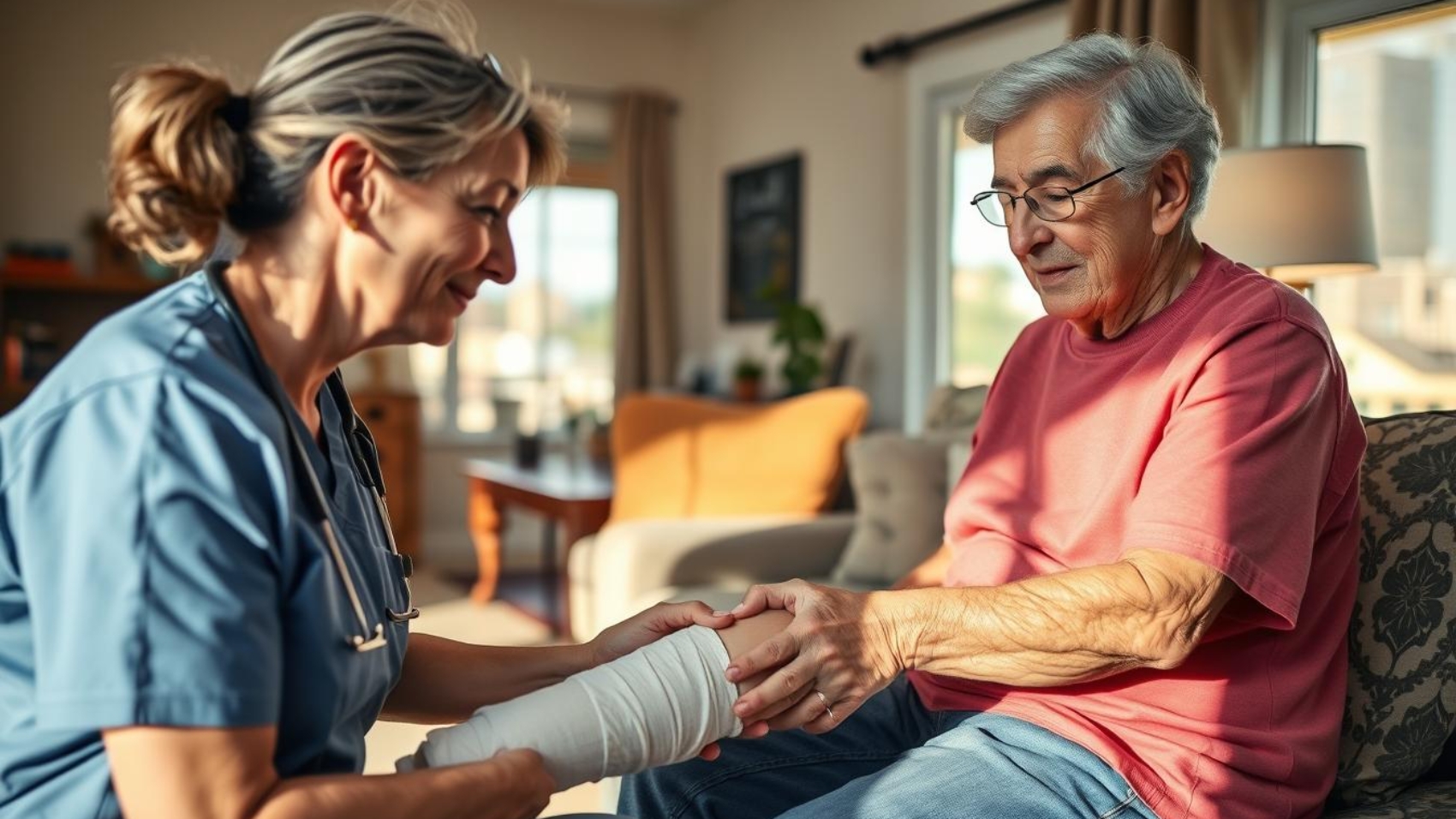
Dominion Mobile Wound Care brings a doctor-led model to the home or facility, reducing travel and easing burdens on families.
The intake begins with a clear assessment of the patient’s history and goals. Teams use precise measurements and advanced diagnostics like fluorescence imaging, mobile ABI testing, and PCR labs to guide treatment.
Weekly visits keep treatments on track. The team documents progress, updates the referring physician, and adjusts plans to promote faster healing with options such as biologic grafts.
Common conditions treated include diabetic foot ulcers, pressure injuries, venous and arterial leg ulcers, and post-surgical sites. Medicare acceptance and insurance verification often help lower out-of-pocket costs.
Expect clinical oversight, technology-driven decisions, and coordinated communication across the continuum of healthcare to support safe, effective, patient-centered service.
Key Takeaways
- Doctor-led visits come to the home or facility to reduce travel for patients and families.
- Advanced technology and testing guide precise treatment decisions for better healing.
- Weekly follow-ups ensure continuity, documentation, and coordination with referring clinicians.
- Eligibility checks, including Medicare, help clarify cost and coverage before starting care.
- Dominion brings experienced clinicians and a coordinated team to every visit.
Trusted Mobile Wound Care in San Antonio by Dominion Mobile Wound Care
Dominion Mobile Wound Care is a trusted San Antonio provider that pairs physician oversight with coordinated, patient-centered visits.
Their physician-led model means each visit follows standard measurement and clear documentation. This helps referring clinicians stay informed and supports timely adjustments to the plan.
An expert team brings advanced assessment tools and clinical judgment to the home or facility. Weekly visits keep momentum toward healing while reducing travel and disruption for families.
Dominion’s providers explain the treatment, set realistic goals, and teach what to expect between visits. Compassionate bedside manner and respectful communication build trust and improve adherence.
- Physician oversight: consistent clinical direction and documentation.
- Coordinated team: aligns therapies, medications, and follow-up with other providers.
- Efficient delivery: scheduled visits, supplies, and logistics managed for the patient’s convenience.
As a local provider, Dominion Mobile Wound Care positions itself as the San Antonio organization families can rely on for consistent, expert service that advances healing.
Mobile wound care services
Dominion Mobile Wound Care begins each patient relationship with a structured intake that captures history, goals, and practical barriers to healing.
Comprehensive, doctor-led assessment happens on-site in the home, assisted living, or skilled nursing setting. The clinician documents the wound, measures size, and records baseline photos to track progress.
The team then builds a tailored plan that covers dressing selection, selective debridement when indicated, infection-control steps, and offloading or compression guidance. Weekly visits allow precise measurement and photo comparison to show change over time.
Coordination with facility staff and family caregivers keeps daily support consistent between visits. Scheduling and supply management streamline each encounter so the patient receives timely treatments and clear instructions.
- Scope: intake, candidacy confirmation, hands-on procedures, and ongoing monitoring.
- Settings: care delivered where the patient lives to fit individual needs.
- Adaptability: treatments change as exudate, odor, pain, or bioburden findings emerge.
Education on nutrition, glucose control, pressure relief, and limb elevation reinforces the plan. This coordinated approach aims to reduce emergency visits and hospital stays while supporting better healing outcomes.
Who Benefits: Wound Types and Patient Needs They Treat Today
Dominion Mobile Wound Care identifies who benefits most by mapping clinical signs, coexisting conditions, and daily limitations. This helps match patients to focused on-site treatment and diagnostics.
Diabetic foot ulcers and neuropathy
Diabetes-related foot ulcers linked to neuropathy and poor circulation need aggressive evaluation. Targeted vascular assessment (ABI) and glucose management are central to promoting wound healing.
Pressure injuries in immobile individuals
Immobility often causes pressure injuries that require offloading, repositioning plans, and consistent dressing changes to prevent progression.
Surgical sites and infection prevention
Surgical wounds demand vigilant monitoring. Rapid diagnostics like PCR and fluorescence imaging help detect infection early so treatment is focused and timely.
- Venous vs arterial ulcers: venous ulcers often show swelling and discoloration; arterial ulcers point to ischemia and need different interventions.
- Chronic wounds: lesions older than 30 days merit escalated evaluation, advanced diagnostics, and possible biologic adjuncts.
- Coordination: providers align footwear, compression, revascularization referrals, and comorbidity management to address root causes.

What to Expect During a Mobile Visit and Ongoing Care
Each appointment starts by verifying candidacy, understanding patient goals, and gathering key medical details. This structured intake sets clear expectations and identifies barriers before treatment begins.
Initial intake and candidacy confirmation
A clinician reviews history, medications, allergies, and daily routines. The team confirms that on-site management fits the individual’s needs and documents agreed goals.
On-site assessment and measurement
Clinicians perform a precise assessment with photographs and standardized measurements. These records track tissue change, granulation, and response to therapy over time.
Personalized plan and targeted treatments
A tailored plan uses advanced products and techniques when indicated. The plan also addresses edema control, offloading, nutrition, and glycemic support to aid healing.
Weekly follow-ups and documentation
Weekly visits maintain momentum, optimize dressings, and catch new findings early. Notes and photos are shared with the referring clinician to keep the wider team aligned.
- Clear communication: instructions, supply needs, and escalation paths are explained to the family.
- Coordinated logistics: scheduling, authorizations, and supplies are handled to reduce burden.
- Focused review: pain, drainage, odor, and periwound skin are assessed at each visit.
Dominion Mobile Wound Care provides clarity at every step so patients receive safe, steady care and a clear path toward healing.
Advanced Technology and Treatments Brought to Your Door
Advanced on-site testing gives teams clear data to shape each treatment and dressing choice. Dominion deploys point-of-care technology that supports advanced wound care decisions without moving the patient.
Fluorescence imaging reveals bacterial burden that is not visible to the eye. Clinicians use those images to focus debridement, pick topical antimicrobials, and choose the best dressing for faster wound healing.
Mobile ABI testing measures arterial flow at the limb. Results guide compression caution, offloading strategies, or prompt vascular referral when circulation limits healing.
PCR lab testing identifies pathogens quickly so therapy targets the right organism instead of relying on broad antibiotics. This supports safer, more precise treatments.
Advanced biologic grafts provide regenerative support when standard measures fall short. Ethically sourced grafts can stimulate granulation and help close stubborn wounds.
- Point-of-care products and techniques: improve speed and accuracy.
- Providers integrate data: diagnostics complement clinical judgment at the bedside.
- Aseptic workflows: protect patients while samples and measurements are collected.
Objective data from these tools informs the evolving plan week to week. Targeted use of products can shorten time to healing and preserve tissue while keeping the provider focused on outcomes.
Care Settings and Coordination with Your Healthcare Providers
A coordinated plan links each visit to the larger clinical team and daily routines for consistent progress.
Care at home, assisted living, and skilled nursing
Dominion delivers consistent care across the home, assisted living, and skilled nursing settings in the San Antonio areas. Clinicians follow the same protocols so safety, supply readiness, and documentation stay uniform.
The approach helps the patient and family trust the process. It also keeps facility staff and therapists aligned with the treatment plan.
Seamless collaboration and regular updates
The team communicates weekly updates to referring physicians, home health agencies, and facility providers. Progress notes, measurements, and plan changes travel fast so decisions happen sooner.
A single named provider point of contact simplifies questions for families and staff. Shared documentation eases transitions between levels of care and reduces duplicated work.
- Consistent processes: same checks and protocols across settings.
- Timely communication: predictable cadence of notes and phone updates.
- Adaptive plan: frequency, dressings, or diagnostics change with patient needs.
By coordinating closely with nurses, therapists, and physicians, Dominion shortens issue resolution and supports better outcomes. Clear communication and a unified provider team make healing more reliable.
Coverage and Cost: Medicare and Insurance Considerations
A benefits check is completed early so families and patients understand coverage and likely out-of-pocket costs before treatment begins.
Medicare acceptance and commercial insurance verification
Medicare is commonly accepted and eligibility is verified before visits start. The provider documents medical necessity to support claims.
Commercial plans vary. Dominion’s team reviews benefits, copays, and coinsurance so patients know what to expect. Questions about covered dressings, biologic products, or visit frequency are addressed during onboarding.
- Transparent billing: clear estimates and explanations of responsibilities.
- Authorization support: the team coordinates prior authorizations and keeps records current.
- Cost control: timely, expert management aims to prevent complications that cause hospital stays.
- Ongoing updates: patients receive notice if coverage changes during treatment.
Overall, clear financial communication and coordinated administrative support help make the clinical plan and the billing pathway straightforward for families receiving home-based wound care.
Why It Matters: Comfort, Access, and Better Continuity of Care
Receiving care where someone lives reduces disruption and makes daily routines easier to follow. This approach boosts comfort for patients and lowers pain related to travel.
Weekly touchpoints create a steady rhythm that helps clinicians spot changes early. Consistent visits promote adherence and can speed healing by keeping treatments on track.
- Less travel, more comfort: fewer trips to clinics means less fatigue and more time for rest.
- Continuity that improves outcomes: weekly review catches complications sooner and supports faster recovery.
- Higher quality of life: fewer waiting rooms and more personalized support at home help patients stay engaged.
- Coordinated plans: consistent oversight reduces conflicting instructions across providers.
Dominion Mobile Wound Care emphasizes compassionate bedside practice and practical guidance that fits real life. This balance of comfort and clinical rigor helps protect life balance while improving healing and overall quality.
Service Area Focus: San Antonio, Surrounding Communities, and Availability
Scheduling centers on neighborhood routes that keep weekly visits steady and responsive. Dominion Mobile Wound Care serves San Antonio and nearby communities with flexible windows to match local demand.
Local scheduling and same‑week availability
Local routing supports consistent weekly visits and allows timely adjustments to each plan. Routes are organized to reach homes, assisted living, and skilled nursing facilities across metropolitan and adjacent areas.
- Coordination with facility calendars and home routines minimizes disruption to daily life.
- Same‑week openings may be available depending on referral timing and location.
- The team arrives ready with supplies and point‑of‑care technology for efficient, on‑site work.
- Community experience improves navigation of neighborhood and facility access requirements.
Proximity and responsiveness help anticipate barriers and solve them quickly. Families can contact the team for scheduling changes or urgent concerns, and the footprint adapts to regional needs to sustain continuity for ongoing care.

Why Choose Dominion Mobile Wound Care
A physician-led team guides each plan, turning diagnostics into practical bedside solutions. Dominion combines advanced diagnostics and a patient-first philosophy to deliver precise, compassionate treatment where the patient lives.
Doctor-led oversight uses fluorescence imaging, ABI testing, PCR labs, and biologic grafts to shape a targeted plan. Weekly visits, disciplined measurement, and photo tracking keep progress visible and decisions data-driven.
The team tailors treatments using proven techniques such as targeted debridement, optimal moisture balance, offloading, and compression when indicated. Products and protocols match each patient’s clinical presentation and goals.
- Expert providers: physician direction plus skilled clinicians for bedside execution.
- Coordinated team: regular updates to referring clinicians ensure continuity.
- Responsive plan: adjustments occur as needs evolve to support steady healing.
Families can expect clear documentation, timely action, and a focus on comfort and safety. This comprehensive approach supports confident decisions and steady progress toward healing.
Conclusion
By combining precise diagnostics with scheduled visits, clinicians keep recovery focused and predictable.
Dominion Mobile Wound Care brings comprehensive wound care services to the patient, making complex healing more convenient and safer. A clear plan, weekly follow-ups, and responsive adjustments drive steady recovery.
Technology and targeted treatments — from fluorescence imaging and mobile ABI testing to PCR labs and biologic grafts — guide decisions that address bacterial burden, perfusion, and infection precisely.
Coordination with providers, caregivers, and families preserves continuity across home and facility settings. Education and practical guidance help patients sustain progress between visits.
For chronic wounds or new cases that need advanced attention, this doctor-led model balances comfort and clinical rigor. Hire Dominion Mobile Wound Care to help heal their wounds.
FAQ
What can patients expect from Dominion Mobile Wound Care in San Antonio?
Patients can expect doctor-led, in-home and in-facility evaluation with a full medical history review, precise assessment, and a personalized treatment plan. The team uses advanced diagnostics and evidence-based products to promote healing while emphasizing comfort, safety, and clear communication with the patient’s other providers.
Who is a good candidate for these services?
Individuals with diabetic foot ulcers, pressure injuries, surgical incision concerns, venous or arterial leg ulcers, chronic non-healing lesions, or suspected infections benefit most. Those with limited mobility or difficulty traveling to clinics gain improved access and continuity when care is delivered where they live.
What happens during the initial visit and follow-up appointments?
The first visit includes intake, candidacy confirmation, and an on-site assessment with measurements and documentation. A tailored plan is created using appropriate advanced products and techniques. Regular follow-ups—typically weekly—include reassessment, dressing changes, and adjustments to therapy, with updates sent to referring clinicians.
Which advanced technologies and tests are available during visits?
The team brings fluorescence imaging to pinpoint bacterial burden, mobile ankle-brachial index (ABI) testing to assess blood flow, PCR lab testing for rapid pathogen ID, and biologic graft options to support tissue regeneration. These tools inform targeted treatments and improve outcomes.
How does coordination with primary physicians and facilities work?
Dominion Mobile Wound Care provides seamless collaboration through timely documentation, direct communication, and shared treatment goals. They send progress notes and test results to referring physicians, assisted living staff, or skilled nursing teams to ensure continuity and safe transitions in care.
Are visits covered by Medicare or commercial insurance?
The practice accepts Medicare and works with many commercial insurers. Eligibility and coverage depend on individual plans and medical necessity. The administrative team verifies benefits and discusses any patient responsibility before services begin.
How quickly can a patient be seen in the San Antonio area?
Local scheduling aims for prompt availability across San Antonio and surrounding communities. Urgent concerns receive priority; patients or referring providers can call to check same-week openings and coordinate the most appropriate timing.
What measures are taken to prevent infection and promote healing?
The team follows strict infection-control protocols, performs targeted diagnostics (including cultures and PCR), and applies evidence-based treatments such as debridement, advanced dressings, and biologic grafts when indicated. Emphasis is placed on optimizing circulation, pressure relief, and glycemic control as part of a comprehensive plan.
How does receiving care at home improve outcomes and quality of life?
Receiving treatment at home or in a facility reduces travel-related stress, improves adherence to follow-up, and enables clinicians to assess the real living environment for factors that affect healing. This enhances comfort, access, and continuity, often leading to faster recovery and better daily functioning.
What should a patient prepare for the visit?
Patients should have a list of current medications, recent medical records or discharge summaries if available, and any mobility aids. Caregivers or facility staff should provide access to the treatment area and relevant nursing notes to streamline assessment and documentation.